

Free Cufada Lagoons Natural Park Travel Guide & Mobile App
Explore Cufada Lagoons Natural Park with free travel guides. Discover regional history, expert tips, proposed trips, and audio guides on web or mobile app.


Cufada Lagoons Natural Park reveals Guinea-Bissau’s freshwater wetlands, woodland, birdlife and community landscapes through low-impact exploration.
Read more about Cufada Lagoons Natural Park
When is the best time to visit Cufada Lagoons Natural Park?
Best: December–February · 28–29°C| Month | High (°C) | Rainfall (mm) |
|---|---|---|
| January (best) | 28 | 2 |
| February (best) | 29 | 1 |
| March | 31 | 2 |
| April | 31 | 3 |
| May | 32 | 10 |
| June | 32 | 20 |
| July | 31 | 100 |
| August | 31 | 200 |
| September | 30 | 150 |
| October | 30 | 100 |
| November | 30 | 30 |
| December (best) | 29 | 3 |
Getting to and around Cufada Lagoons Natural Park
How to get there
Transportation
Top city travel guides in Cufada Lagoons Natural Park
The cities of Cufada Lagoons Natural Park, and the easiest places to base yourself.

Swipe for more cities
Destinations in Cufada Lagoons Natural Park
Resorts, valleys and scenic spots worth a trip of their own.

Swipe for more destinations
Best attractions in Cufada Lagoons Natural Park
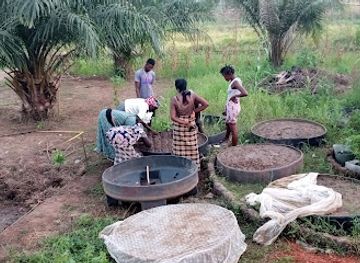
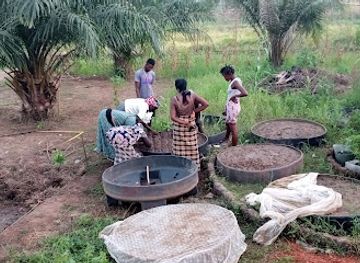
Cufada Lagoons Natural Park is primarily an ecological destination, with its attractions spread across freshwater lagoons, seasonally flooded grassland, woodland, riverine vegetation and mangrove-influenced waterways. Guided lagoon excursions are the central experience, whether by canoe, on foot or by vehicle, depending on water levels and local arrangements. The wetlands are important for waterbirds and can offer sightings of other wildlife, although conditions, season and patient observation matter more than a fixed sightseeing schedule. The surrounding woodland and savanna provide a contrasting habitat and reveal how sharply the landscape changes away from permanent water. Visitors can also explore rural settings where rice cultivation, fishing and forest products remain part of everyday life, provided that access is arranged respectfully with local communities. The park has no dense concentration of museums, monuments or formal family attractions; its appeal lies in field observation, conservation learning, photography and quiet travel through a lightly developed landscape. Buba, outside the protected area, is the practical gateway for arranging guides and supplies rather than an attraction within the park itself.
-
Memorial park
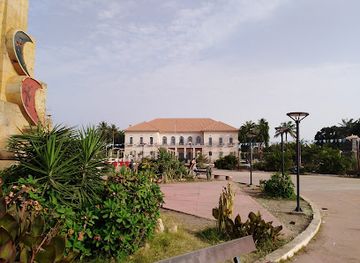
Empire Square
Discover the serene beauty and cultural significance of Empire Square, a memorial park in Bissau that honors the spirit of Guinea-Bissau.
-
Tourist attraction
Cufada Lagoons Natural Park
Discover the serene beauty of Cufada Lagoons Natural Park, a national park in Guinea-Bissau, rich in wildlife and stunning natural landscapes.
-
Nature preserve
IBAP
Explore the stunning IBAP nature preserve in Bissau, Guinea-Bissau, where biodiversity meets heritage and conservation thrives in lush landscapes.

Best landmarks in Cufada Lagoons Natural Park
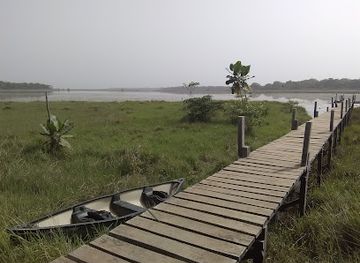
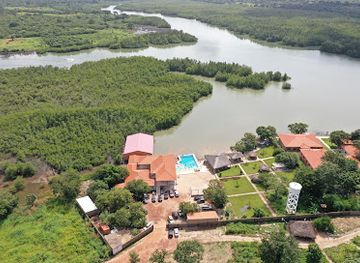
The defining landmarks of Cufada Lagoons Natural Park are natural rather than architectural. Its interconnected freshwater lagoons form the visual and ecological centre of the protected area, changing markedly between the rainy and dry seasons as open water gives way to mudflats, reeds and seasonally flooded margins. Broad wetland horizons, wooded shorelines and the transition from lagoon to savanna are equally significant features, best understood with a local guide who can explain water movement and land use. The Buba River and associated waterways help place the park within the wider southern landscape, although individual channels and access points should be identified locally because conditions change. Villages, rice-growing areas and traditional working landscapes provide cultural landmarks in the broader sense, but they are lived places rather than staged attractions. The park’s importance lies in the relationship between these elements: freshwater, forest, wildlife and human settlement. There are few grand buildings or monumental structures within the protected area, and its visual identity is instead created by open water, seasonal floodplains, birdlife and the quiet scale of southern Guinea-Bissau.
-
Memorial park
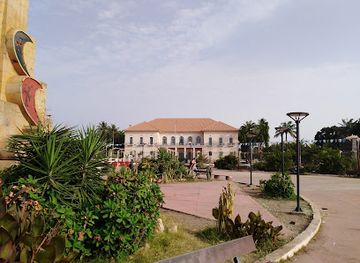
Empire Square
Explore Empire Square in Bissau, Guinea-Bissau, a vibrant memorial park celebrating history and community spirit in a picturesque setting.
-
Garden
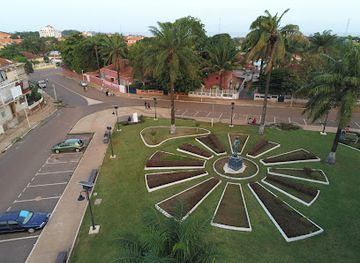
Praca Titina Silá
Experience tranquility at Praca Titina Silá, a lush garden in Bissau perfect for relaxation and cultural immersion.
-
Nature preserve
IBAP
Explore the breathtaking biodiversity of IBAP, a nature preserve in Bissau, Guinea-Bissau, dedicated to conservation and ecological education.
-
Lake
Lagoa de Cufada
Discover the tranquil beauty of Lagoa de Cufada, a stunning lake in Guinea-Bissau, perfect for nature lovers and adventure seekers.
Explore Cufada Lagoons Natural Park on the map
Plan your trip on one map. See where the top cities, national parks and sights are, and book hotels and experiences in a few clicks.
Best hotels in Cufada Lagoons Natural Park
Best restaurants in Cufada Lagoons Natural Park
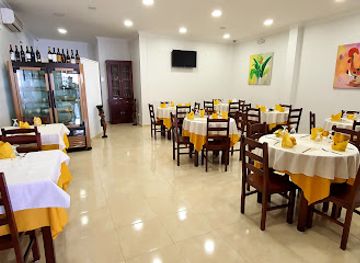
Dining around Cufada Lagoons Natural Park is simple, local and dependent on advance arrangements rather than a recognised restaurant circuit. Visitors staying in rural accommodation or travelling with a guide may encounter rice-based meals, fish, chicken, seasonal vegetables, beans and sauces influenced by the wider culinary traditions of Guinea-Bissau. Rice is particularly important in the south, where wetland agriculture has long shaped food and livelihoods. Fresh fish may be available near waterways, but supplies and menus vary with season, catch and transport. In Buba and along the approach from Bissau, small local eateries and informal food stalls may provide basic meals, while more organised accommodation generally requires advance notice for groups. Carry sealed snacks, drinking water and any dietary essentials, and do not assume that vegetarian, allergy-aware or international cuisine can be provided in remote areas. Eating locally can support village economies when food is purchased through agreed channels, but visitors should ask about prices and arrangements clearly and respectfully.
-
Restaurant
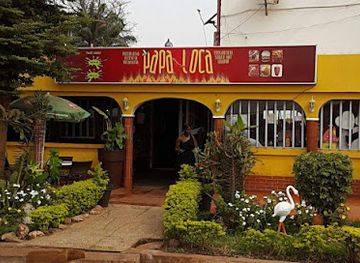
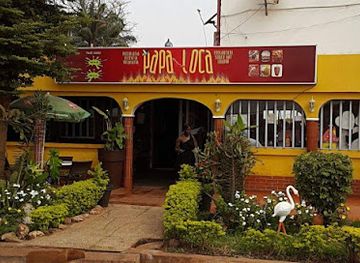
Restaurante Papa Loca
Discover authentic Guinea-Bissau cuisine at Restaurante Papa Loca in Bissau - where local flavors meet warm hospitality.
-
Italian
O Bistro
Savor authentic Italian flavors at O Bistro in Bissau - where every meal is a culinary journey through Italy's rich gastronomic heritage.
-
Restaurant
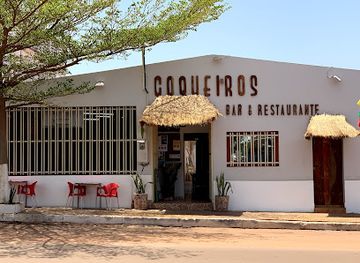
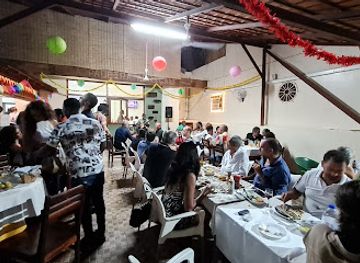
Coqueiros Bissau
Experience authentic Guinea-Bissauan cuisine at Coqueiros Bissau, where flavor meets tradition in every dish.
-
Restaurant
A Padeira Africana
Experience authentic African flavors at A Padeira Africana in Bissau – a must-visit restaurant for food lovers.
Best bars in Cufada Lagoons Natural Park
Cufada Lagoons Natural Park has no established nightlife scene, and evening activity is generally centred on rural accommodation, conversation, meals and early rest after travel or wildlife excursions. Buba may offer modest local drinking places and social gathering points, but visitors should not expect a predictable selection of bars, clubs, live-music venues or late-night transport. Electricity, lighting and mobile connectivity can be limited outside larger settlements, so carry a torch and avoid walking unfamiliar roads after dark. A quiet evening can be part of the park experience, particularly when guides explain local ecology or the next day’s route. Alcohol should be consumed discreetly and never before boating, walking in difficult terrain or travelling on rural roads. Visitors who want a broader choice of restaurants and urban entertainment should spend time in Bissau before or after the southern journey rather than treating the park as a nightlife destination.
-
Restaurant
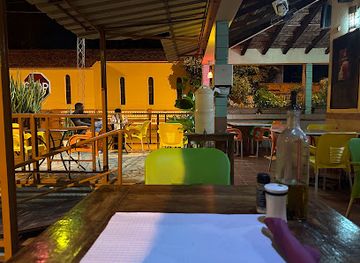
Restaurante Papa Loca
Discover the vibrant flavors of Guinea-Bissau at Restaurante Papa Loca, offering a delightful mix of local and international cuisine in Bissau.
-
Restaurant
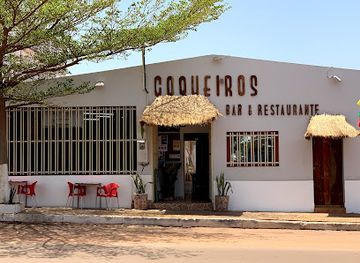
Coqueiros Bissau
Discover the vibrant flavors of Coqueiros Bissau, a must-visit restaurant offering a taste of local and international cuisine in the heart of Bissau.
-
Bar
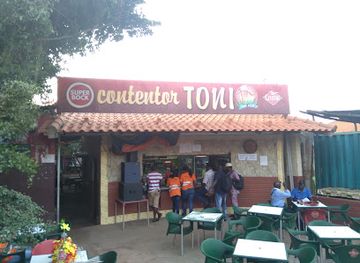
Contentor Di Tony
Discover the vibrant nightlife of Bissau at Contentor Di Tony, a bar that offers a taste of local culture and flavors in a welcoming atmosphere.
-
Restaurant
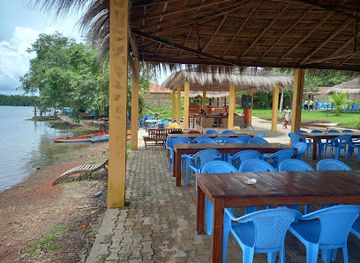
CANAFISTRA Crescendo a Beira Rio
Savor the authentic tastes of Guinea-Bissau at CANAFISTRA Crescendo a Beira Rio, where culinary tradition meets riverside charm.
Best nightclubs in Cufada Lagoons Natural Park
Cufada Lagoons Natural Park has no established nightlife scene, and evening activity is generally centred on rural accommodation, conversation, meals and early rest after travel or wildlife excursions. Buba may offer modest local drinking places and social gathering points, but visitors should not expect a predictable selection of bars, clubs, live-music venues or late-night transport. Electricity, lighting and mobile connectivity can be limited outside larger settlements, so carry a torch and avoid walking unfamiliar roads after dark. A quiet evening can be part of the park experience, particularly when guides explain local ecology or the next day’s route. Alcohol should be consumed discreetly and never before boating, walking in difficult terrain or travelling on rural roads. Visitors who want a broader choice of restaurants and urban entertainment should spend time in Bissau before or after the southern journey rather than treating the park as a nightlife destination.
-
Restaurant
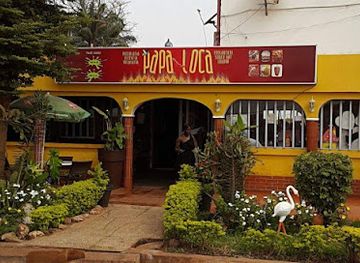
Restaurante Papa Loca
Discover the vibrant culinary scene at Restaurante Papa Loca in Bissau, where local flavors meet a welcoming atmosphere for an unforgettable dining experience.
-
Restaurant
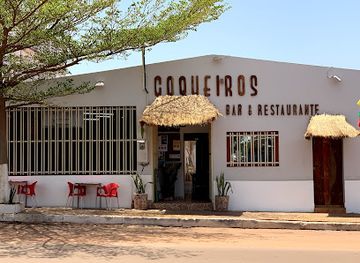
Coqueiros Bissau
Savor authentic Guinea-Bissau cuisine at Coqueiros Bissau, a vibrant restaurant offering delicious local dishes in a welcoming atmosphere.
-
Restaurant
CANAFISTRA Crescendo a Beira Rio
Experience the rich flavors of Guinea-Bissau at CANAFISTRA Crescendo a Beira Rio, where exceptional cuisine meets stunning riverside views.
-
Restaurant
A Padeira Africana
Experience the authentic flavors of Guinea-Bissau at A Padeira Africana, a top destination for delightful African cuisine and warm hospitality.
Best shops in Cufada Lagoons Natural Park
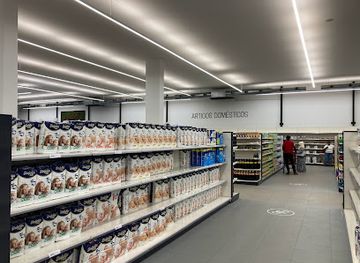
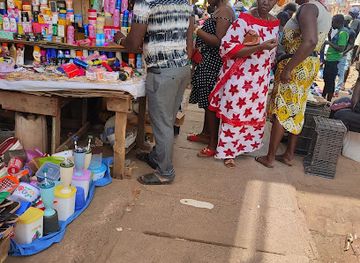
Shopping opportunities in Cufada Lagoons Natural Park are very limited and are mainly connected with practical supplies and locally made goods rather than dedicated tourist retail. Buba and villages along the approach may have small shops or informal stalls selling food, drinks and household necessities, but stock is inconsistent and payment is normally in cash. Visitors can sometimes buy locally produced rice, fruit, fish or small craft items through appropriate community channels, depending on season and availability. Ask before photographing or purchasing objects, and avoid buying anything made from protected wildlife, archaeological material, rare timber or natural resources removed from the park. For a wider selection of textiles, baskets, carved objects, food products and art, Bissau is a more reliable place to shop before or after visiting the south. Purchases should be made respectfully and at an agreed price, with particular care not to turn customary or sacred objects into souvenirs.
-
Supermarket
Santy Comercial
Discover Bissau's flavors and daily life at Santy Comercial, a vibrant supermarket filled with local products and friendly service.
-
Supermarket
Doce Mãe Bandim
Explore Doce Mãe Bandim in Bissau for a unique supermarket experience, blending local flavors and vibrant culture in one destination.
-
Supermarket
Chapa de Bissau
Explore the vibrant local culture at Chapa de Bissau, a bustling supermarket in the heart of Bissau, Guinea-Bissau.
-
Grocery store
Mini Mercado Alvalade
Explore the authentic flavors of Guinea-Bissau at Mini Mercado Alvalade – a vibrant grocery store in Bissau full of local produce and friendly service.
Get your free copy of our complete guide to Cufada Lagoons Natural Park, delivered straight to you.
Everything on this page, from attractions and restaurants to essentials and local phrases, in one PDF you can read offline, print or share.
Already have an account? Sign in
Your Cufada Lagoons Natural Park guide is ready.
We'll send it to · Not you? Sign out

Getting your guide ready…
We are putting together a fresh copy of the Cufada Lagoons Natural Park guide. This can take up to a minute.
This can take a few moments. If your browser asks, choose Allow so the download can start. You'll find the guide in your Downloads folder.
Nothing happened? Download it again
Sorry, the guide is taking longer than usual. Please try again in a minute, or get it by email instead.
Cufada Lagoons Natural Park essentials
Currency and Payment
Safety
Emergency Situations
Do's and Don'ts
Local Tips
From Eve
Local phrases worth knowing
You don't need to get them perfect. A few words go a long way, and locals appreciate the effort.
Basics
| English | Local | Say it |
|---|---|---|
| Hello | Olá | [oh-LAH] |
| Goodbye | Adeus | [ah-DEH-oos] |
| Yes | Sim | [seem] |
| No | Não | [nah-oong] |
| Please/You’re welcome | Por favor | [poor fah-VOR] |
| Thank you | Obrigado | [oh-bree-GAH-doo] |
| Excuse me/Sorry | Desculpe | [des-KOOL-peh] |
| How are you? | Como você está? | [KOH-moo voh-SEH es-TAH] |
| Fine. And you? | Bem. E você? | [BENG. eh voh-SEH?] |
| Do you speak English? | Você fala inglês? | [voh-SEH FAH-lah een-GLEZ?] |
| I don't understand | Eu não entendo | [ay-ooh nah-oong en-TEN-doo] |
Eating & Drinking
| English | Local | Say it |
|---|---|---|
| I’d like to see the menu, please | Gostaria de ver o menu, por favor | [goh-stah-REE-ah jeh vehr oo meh-NOO, poor fah-VOR] |
| I don't eat meat | Eu não como carne | [ay-ooh nah-oong KOH-moo KARN-ee] |
| Cheers! | Saúde! | [sah-OO-deh] |
| I would like to pay, please | Gostaria de pagar, por favor | [goh-stah-REE-ah jeh pah-GAR, poor fah-VOR] |
Emergencies
| English | Local | Say it |
|---|---|---|
| Help! | Ajuda! | [ah-ZHOO-dah] |
| Go away! | Vá embora! | [vah em-BOH-rah] |
| Call the Police! | Chame a polícia! | [SHAH-meh ah poh-LEE-see-ah!] |
| Call a doctor! | Chame um médico! | [SHAH-meh oong MEH-dee-koh!] |
| I’m lost | Estou perdido | [es-TOH pehr-DEE-doo] |
| I’m ill | Estou doente | [es-TOH do-EHN-teh] |
Shopping
| English | Local | Say it |
|---|---|---|
| I’d like to buy... | Gostaria de comprar... | [goh-stah-REE-ah jeh kom-PRAHR...] |
| I’m just looking | Estou apenas olhando | [es-TOH ah-PEH-nahs oh-LAN-doo] |
| How much is it? | Quanto custa? | [KWAHN-too KOO-stah?] |
| That’s too expensive | Isso é muito caro | [EE-soh eh MOY-too KAH-roo] |
| Can you lower the price? | Você pode baixar o preço? | [voh-SEH POH-jee bye-SHAHR oo PREH-soh?] |
Time & Numbers
| English | Local | Say it |
|---|---|---|
| What time is it? | Que horas são? | [keh OH-ras sow?] |
| It’s one o'clock | É uma hora | [eh OO-mah OH-rah] |
| Half past (10) | Dez e meia | [dehz eh MAY-ah] |
| Morning | Manhã | [mahn-YAH] |
| Afternoon | Tarde | [TAR-deh] |
| Evening | Noite | [NOY-teh] |
| Yesterday | Ontem | [ON-tem] |
| Today | Hoje | [OH-zhee] |
| Tomorrow | Amanhã | [ah-mahn-YAH] |
| 1 | Um | [oom] |
| 2 | Dois | [doyz] |
| 3 | Três | [trays] |
| 4 | Quatro | [KWAH-tro] |
| 5 | Cinco | [SEEN-koo] |
| 6 | Seis | [says] |
| 7 | Sete | [SEH-tee] |
| 8 | Oito | [OY-toh] |
| 9 | Nove | [NOH-veh] |
| 10 | Dez | [dehz] |
Transport & Directions
| English | Local | Say it |
|---|---|---|
| Where's a/the...? | Onde fica um/uma...? | [ON-deh FEE-kah oong/OO-mah...?] |
| What's the address? | Qual é o endereço? | [kwal eh oo en-deh-REH-soh?] |
| Can you show me (on the map)? | Você pode me mostrar (no mapa)? | [voh-SEH POH-jee meh mohs-TRAR (no MAH-pah)?] |
| When's the next (bus)? | Quando é o próximo (ônibus)? | [KWAN-doo eh oo PROH-see-mo (OH-nee-boos)?] |
| A ticket (to ....) | Um bilhete (para ....) | [oom bee-LYEH-tchee (PAH-rah ....)] |
History of Cufada Lagoons Natural Park
Early Communities and Wetland Landscapes
The lagoons, floodplains and forest margins of southern Guinea-Bissau have long supported communities whose livelihoods depend on seasonal water, farming, fishing and forest resources. Archaeological knowledge of the park itself is less developed than the historical record of the coast, but the landscape belongs to a wider cultural zone shaped by movement between river channels, rice-growing areas and inland settlements. Local environmental knowledge remains important for reading water levels, selecting cultivation sites and navigating the transition between wetland and woodland.
The Kaabu and Regional Political Networks
Before Portuguese colonial rule, much of the interior of present-day Guinea-Bissau was influenced by Manding political and trading networks associated with Kaabu, while other communities maintained their own authorities and social systems. Southern waterways connected settlements to wider routes for trade, migration and cultural exchange. The history of the area cannot be reduced to a single kingdom: Balanta, Beafada, Mandinka and other communities contributed to a complex regional landscape whose identities continue to shape language, land use and local customs.
Portuguese Colonial Expansion
Portuguese influence in Guinea-Bissau developed unevenly over several centuries and was concentrated around river mouths, trading posts and administrative centres rather than every inland landscape. Colonial rule brought taxation, commercial pressures and new administrative boundaries, while local communities retained substantial control in many rural areas. The rivers and wetlands of Quinara were valued for access and agricultural potential, but the remote setting around the future park limited the dense urban development seen in some other parts of the country.
The War of Independence, 1963–1974
Guinea-Bissau’s armed struggle against Portuguese rule lasted from 1963 until independence in 1973, with Portuguese withdrawal completed after the 1974 revolution in Portugal. The southern regions were important to the wider conflict because their forests, waterways and dispersed settlements shaped movement and supply. The war left a deep national legacy, including social disruption and damaged infrastructure, and it forms essential context for understanding why many rural parts of Guinea-Bissau entered the post-independence period with limited transport and public services.
Independence and Rural Development
After independence, Guinea-Bissau faced the difficult task of building state institutions and rural services across a country divided by waterways and dependent on seasonal roads. In southern Guinea-Bissau, farming, fishing and forest products remained central to household economies. Development initiatives had to balance food production and access to markets with the protection of wetlands and forests. These tensions continue to influence how conservation areas are managed and how visitors should understand the park: it is both a protected ecosystem and a lived rural landscape.
Creation of the Natural Park
Cufada Lagoons Natural Park was established in 2000 to protect a major freshwater wetland system and its surrounding habitats. Conservation has focused on lagoons, floodplains, woodland and wildlife while recognising the presence and rights of nearby communities. The park’s significance is ecological as well as national: it forms part of Guinea-Bissau’s network of protected areas and contributes to the conservation of a region where seasonal water governs both biodiversity and human activity. Management capacity and visitor facilities remain limited, making responsible local guidance especially important.
Cufada Lagoons Natural Park in Photos
Browse through our photo collection highlighting the charm and character of the destination.
Neighbouring regions of Cufada Lagoons Natural Park
The closest regions to Cufada Lagoons Natural Park, if you have time for more than one.
-

-

-

-

-


Swipe for more regions
Explore more

Explore more of Guinea-Bissau
Discover Guinea-Bissau: An untouched paradise with pristine beaches, rich wildlife, and vibrant culture waiting to be explored in the heart of West Africa.
Explore Guinea-Bissau