

Free Oio Region Travel Guide & Mobile App
Explore Oio Region with free travel guides. Discover regional history, expert tips, proposed trips, and audio guides on web or mobile app.


Oio Region reveals northern Guinea-Bissau through river plains, cashew country, historic Farim, rural markets and distinctive community life.
Read more about Oio Region
When is the best time to visit Oio Region?
Best: November–January · 30–32°C| Month | High (°C) | Rainfall (mm) |
|---|---|---|
| January (best) | 32 | 0 |
| February | 34 | 0 |
| March | 37 | 1 |
| April | 38 | 2 |
| May | 39 | 10 |
| June | 36 | 50 |
| July | 33 | 80 |
| August | 33 | 90 |
| September | 34 | 70 |
| October | 34 | 30 |
| November (best) | 32 | 10 |
| December (best) | 30 | 0 |
Getting to and around Oio Region
How to get there
Transportation
Top city travel guides in Oio Region
The cities of Oio Region, and the easiest places to base yourself.
-

-

-


Swipe for more cities
Destinations in Oio Region
Resorts, valleys and scenic spots worth a trip of their own.

Swipe for more destinations
Best attractions in Oio Region
-
Cultural center
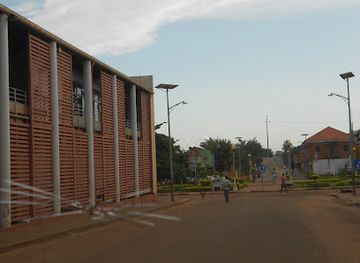
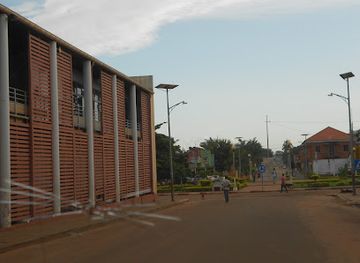
Centro Cultural Franco-Bissau-Guineense
Discover the vibrant culture and artistic spirit of Guinea-Bissau at the Centro Cultural Franco-Bissau-Guineense in Bissau.
-
Memorial park
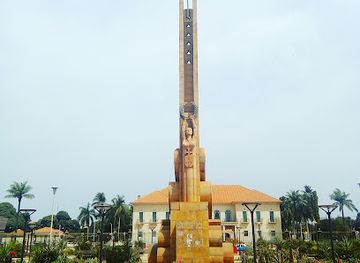
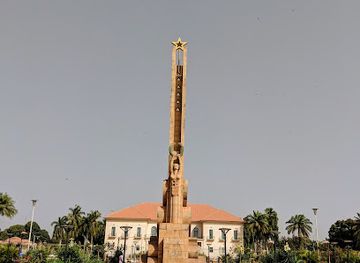
Empire Square
Discover the serene beauty and historical significance of Empire Square, a memorial park in Bissau, Guinea-Bissau, perfect for reflection and relaxation.
-
Garden
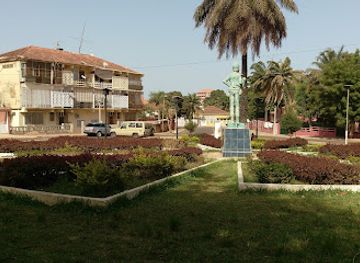
Praca Titina Silá
Explore the lush beauty of Praca Titina Silá, a serene garden oasis in Bissau, perfect for relaxation and cultural immersion.
-
Tourist attraction
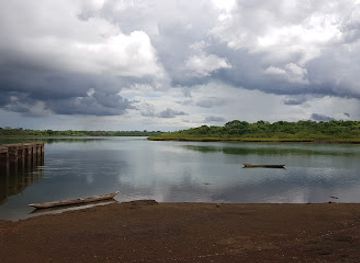
Cufada Lagoons Natural Park
Discover the breathtaking beauty of Cufada Lagoons Natural Park, a serene escape in Guinea-Bissau filled with rich wildlife and stunning landscapes.
Best landmarks in Oio Region
The Farim River is Oio's most important geographical landmark, explaining the historic significance of Farim and the region's links between inland communities, river transport and wider trading networks. Farim itself has greater historical resonance than its modest physical infrastructure might suggest, with its town centre, market activity and religious buildings reflecting the continuing importance of the settlement. The town's mosque and other civic structures should be approached respectfully and viewed from public areas unless permission is given. Bissorã and Mansabá are notable regional centres whose streets, market spaces and surrounding cultivated landscapes show how colonial administrative patterns have been absorbed into modern rural life. Around Nhacra, the transition between the capital's hinterland and Oio's more agricultural interior is visible in the changing density of settlement and transport. The region's most extensive landmarks are natural: rice-growing lowlands, cashew country, wooded savannah and seasonal waterways. They are working landscapes rather than formal parks, so visitors should avoid entering fields or private compounds without a local invitation.
-
Restaurant
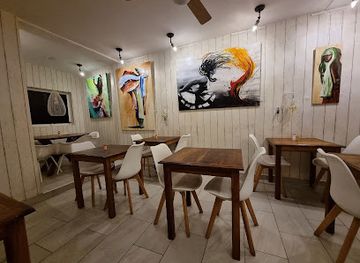
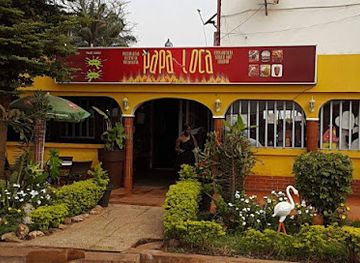
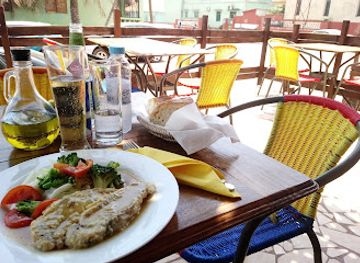
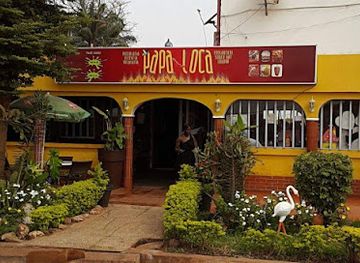
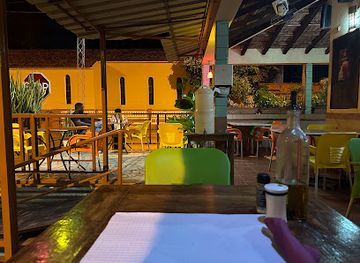
Restaurante Papa Loca
Discover the vibrant flavors of Guinea-Bissau at Restaurante Papa Loca, where every dish tells a story of local culture and culinary excellence.
-
Cultural center
Centro Cultural Franco-Bissau-Guineense
Immerse yourself in the vibrant culture of Guinea-Bissau at the Centro Cultural Franco-Bissau-Guineense, a hub for art and cultural exchange.
-
Memorial park
Empire Square
Explore the tranquil beauty and rich history of Empire Square, a serene memorial park in the heart of Bissau, Guinea-Bissau.
-
Restaurant
Gã Mela
Experience the authentic flavors of Guinea-Bissau at Gã Mela, where vibrant dishes and warm hospitality create a memorable dining adventure.

Explore Oio Region on the map
Plan your trip on one map. See where the top cities, national parks and sights are, and book hotels and experiences in a few clicks.
Best hotels in Oio Region
Best restaurants in Oio Region
Dining in Oio is closely connected to household cooking, local markets and the agricultural calendar. Rice is a central food, often served with sauces made from fish, meat, groundnuts, leafy vegetables or other locally available produce. Fresh and dried fish, chicken, beans, cassava and seasonal fruit are common, while cashew is an important regional crop although not every local dish is based on it. In Farim, Bissorã, Mansabá and Nhacra, modest cafés and informal eateries provide the most practical meals; in villages, food is more often arranged through a host or local contact. Refrigeration, menus and opening times cannot be assumed, so visitors should carry basic provisions on journeys between towns. Markets are useful for buying fruit, bread, rice and bottled water where available. Portuguese and wider West African influences occur in the food culture, but Oio's everyday cuisine is chiefly shaped by local produce, household methods and the needs of rural communities.
-
Restaurant
Dunia Hotel Bissau (Azalaï Hotel 24 de Setembro)
Experience authentic local cuisine and cultural charm at Dunia Hotel Bissau - your gateway to exploring Guinea-Bissau's vibrant heart.
-
Restaurant
Restaurante Papa Loca
Experience authentic Guinea-Bissau cuisine at Restaurante Papa Loca - where local flavors meet warm hospitality.
-
Italian
O Bistro
Experience authentic Italian cuisine at O Bistro in Bissau - where every dish tells a story of tradition and flavor.
-
Restaurant
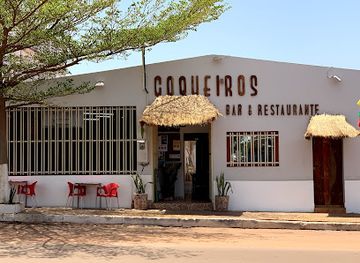
Coqueiros Bissau
Discover the vibrant culinary scene at Coqueiros Bissau - where local flavors meet international cuisine in a charming setting.

Best bars in Oio Region
Oio does not have a substantial organised nightclub scene. Evening life is concentrated in modest bars, cafés and informal meeting places in the larger towns, particularly Farim, Bissorã and Nhacra, while villages generally become quiet after dark. Local music, conversation and community gatherings are more relevant than purpose-built entertainment venues, and arrangements vary considerably by place and season. Visitors should not expect reliable opening hours, extensive drink selections or late-night transport. In rural areas, it is sensible to return to accommodation before dark and avoid walking unfamiliar roads at night. Alcohol is available in some establishments, but it is not necessary for engaging with local culture; respectful conversation, food and music provide a more appropriate insight into evening life. Travellers should follow local guidance around religious observance, photography and public behaviour, particularly in predominantly Muslim communities.
-
Restaurant
Restaurante Papa Loca
Discover the flavors of Guinea-Bissau at Restaurante Papa Loca, a vibrant dining spot in Bissau offering a delightful fusion of local and international cuisine.
-
Italian
O Bistro
Discover the authentic flavors of Italy at O Bistro, Bissau's premier Italian restaurant, where every dish is a culinary delight.
-
Restaurant
Coqueiros Bissau
Discover Coqueiros Bissau, where authentic local cuisine meets vibrant culture in the heart of Bissau, Guinea-Bissau.
-
 Hotel
HotelPonta Anchaca
Discover the luxury and beauty of Ponta Anchaca in Guinea-Bissau's stunning Bijagos Archipelago, where relaxation meets adventure.
Best nightclubs in Oio Region
Oio does not have a substantial organised nightclub scene. Evening life is concentrated in modest bars, cafés and informal meeting places in the larger towns, particularly Farim, Bissorã and Nhacra, while villages generally become quiet after dark. Local music, conversation and community gatherings are more relevant than purpose-built entertainment venues, and arrangements vary considerably by place and season. Visitors should not expect reliable opening hours, extensive drink selections or late-night transport. In rural areas, it is sensible to return to accommodation before dark and avoid walking unfamiliar roads at night. Alcohol is available in some establishments, but it is not necessary for engaging with local culture; respectful conversation, food and music provide a more appropriate insight into evening life. Travellers should follow local guidance around religious observance, photography and public behaviour, particularly in predominantly Muslim communities.
-
Bar
Contentor Di Tony
Discover the vibrant atmosphere of Contentor Di Tony, a popular bar in Bissau, offering local drinks and a taste of Guinea-Bissau's nightlife.
-
Disco club
Bambu
Experience the vibrant nightlife of Bissau at Bambu, a disco club where music, dancing, and local culture come alive.
-
Bar
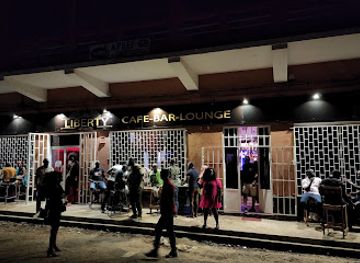
Liberty cafe bar lounge
Liberty Cafe Bar Lounge: A vibrant bar in Bissau, perfect for enjoying drinks and live music while soaking in local culture.
-
Live music bar
Kings Club
Experience the vibrant nightlife of Bissau at Kings Club, a lively live music bar that showcases local talent and offers an unforgettable atmosphere.



Best shops in Oio Region
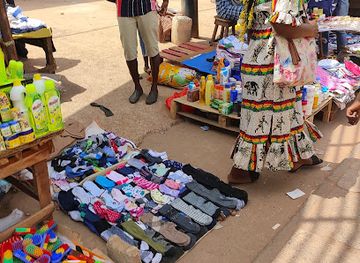
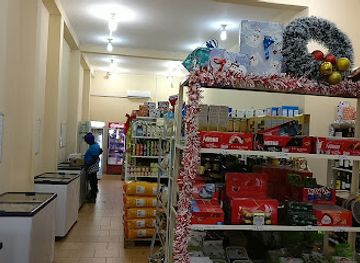
Shopping in Oio is centred on local markets and small-town trading streets rather than formal retail districts. Farim, Bissorã, Mansabá and Nhacra are practical places to look for rice, fruit, vegetables, dried fish, household goods and other supplies, although selection and availability change with the season. Cashew is the region's most recognisable commercial product, but visitors should buy through transparent local channels and not assume that every roadside seller represents a formal producer. Handwoven mats, baskets, simple wooden objects and textiles may be available through individual makers or market traders, though quality and supply vary. Carrying enough cash is essential, as card payments are generally unavailable outside major services in Bissau. Bargaining may occur in informal markets, but it should remain courteous and proportionate. The most appropriate purchases are useful local goods and agricultural products rather than antiquities, wildlife items or objects whose origin cannot be explained.
-
Supermarket
Santy Comercial
Explore the vibrant shopping experience at Santy Comercial, where local flavors and friendly service await you in Bissau, Guinea-Bissau.
-
Supermarket
Doce Mãe Bandim
Explore the vibrant flavors of Guinea-Bissau at Doce Mãe Bandim, a local supermarket full of fresh produce and traditional goods.
-
Supermarket
Chapa de Bissau
Explore the vibrant Chapa de Bissau, a local supermarket in Bissau, offering unique flavors and a taste of Guinea-Bissau's rich culture.
-
Grocery store
SABORES - Mini mercado
Discover the vibrant flavors of Guinea-Bissau at SABORES - Mini Mercado, where local ingredients and culinary culture come alive.

Get your free copy of our complete guide to Oio Region, delivered straight to you.
Everything on this page, from attractions and restaurants to essentials and local phrases, in one PDF you can read offline, print or share.
Already have an account? Sign in
Your Oio Region guide is ready.
We'll send it to · Not you? Sign out

Getting your guide ready…
We are putting together a fresh copy of the Oio Region guide. This can take up to a minute.
This can take a few moments. If your browser asks, choose Allow so the download can start. You'll find the guide in your Downloads folder.
Nothing happened? Download it again
Sorry, the guide is taking longer than usual. Please try again in a minute, or get it by email instead.
Oio Region essentials
Currency and Payment
Safety
Emergency Situations
Do's and Don'ts
Local Tips
From Eve
Local phrases worth knowing
You don't need to get them perfect. A few words go a long way, and locals appreciate the effort.
Basics
| English | Local | Say it |
|---|---|---|
| Hello | Olá | [oh-lah] |
| Goodbye | Adeus | [ah-deh-oos] |
| Yes | Sim | [seem] |
| No | Não | [now] |
| Please/You're welcome | Por favor/De nada | [poor fah-vor/de nah-dah] |
| Thank you | Obrigado | [oh-bree-gah-doo] |
| Excuse me/Sorry | Desculpe | [deh-skool-peh] |
| How are you? | Como você está? | [koh-moh voh-seh es-tah] |
| Fine. And you? | Bem. E você? | [bem. eh voh-seh] |
| Do you speak English? | Você fala inglês? | [voh-seh fah-lah een-glays] |
| I don't understand | Eu não entendo | [eh-ooh now en-ten-doo] |
Eating & Drinking
| English | Local | Say it |
|---|---|---|
| I'd like to see the menu, please | Gostaria de ver o menu, por favor | [goh-stah-ree-ah jeh veh-roo meh-noo, poor fah-vor] |
| I don't eat meat | Eu não como carne | [eh-ooh now koh-moh kar-nee] |
| Cheers! | Saúde! | [sah-oo-deh] |
| I would like to pay, please | Gostaria de pagar, por favor | [goh-stah-ree-ah jeh pah-gar, poor fah-vor] |
Emergencies
| English | Local | Say it |
|---|---|---|
| Help! | Socorro! | [soh-koh-roo] |
| Go away! | Vá embora! | [vah em-boh-rah] |
| Call the Police! | Chame a polícia! | [shah-meh ah poh-lee-see-ah] |
| Call a doctor! | Chame um médico! | [shah-meh oom meh-dee-coo] |
| I'm lost | Estou perdido | [es-toh pair-jee-doo] |
| I'm ill | Estou doente | [es-toh do-ehn-chee] |
Shopping
| English | Local | Say it |
|---|---|---|
| I'd like to buy... | Gostaria de comprar... | [goh-stah-ree-ah jeh kohm-prar] |
| I'm just looking | Estou apenas olhando | [es-toh ah-peh-nahz oh-lhan-doo] |
| How much is it? | Quanto custa? | [kwan-toh koos-tah] |
| That's too expensive | Isso é muito caro | [ee-soh eh mwee-toh kah-roo] |
| Can you lower the price? | Você pode abaixar o preço? | [voh-seh poh-jee ah-bah-ee-shar oo preh-soo] |
Time & Numbers
| English | Local | Say it |
|---|---|---|
| What time is it? | Que horas são? | [keh oh-ras sah-ooh] |
| It's one o'clock | É uma hora | [eh oo-mah oh-rah] |
| Half past (10) | Dez e meia | [dehz eh meh-yah] |
| Morning | Manhã | [mahn-yah] |
| Afternoon | Tarde | [tar-deh] |
| Evening | Noite | [noy-teh] |
| Yesterday | Ontem | [ohn-tem] |
| Today | Hoje | [oh-zheh] |
| Tomorrow | Amanhã | [ah-mahn-yah] |
| 1 | Um | [oom] |
| 2 | Dois | [doyz] |
| 3 | Três | [trays] |
| 4 | Quatro | [kwah-tro] |
| 5 | Cinco | [seen-ko] |
| 6 | Seis | [says] |
| 7 | Sete | [seh-chee] |
| 8 | Oito | [oy-toh] |
| 9 | Nove | [noh-veh] |
| 10 | Dez | [dehz] |
Transport & Directions
| English | Local | Say it |
|---|---|---|
| Where's a/the...? | Onde fica um/a...? | [on-deh fee-kah oom/ah] |
| What's the address? | Qual é o endereço? | [kwa-ooh eh oo en-deh-reh-soo] |
| Can you show me (on the map)? | Você pode me mostrar (no mapa)? | [voh-seh poh-jee mee mohs-trar (noh mah-pah)] |
| When's the next (bus)? | Quando é o próximo (ônibus)? | [kwan-doo eh oo proh-see-moo (oh-nee-boos)] |
| A ticket (to ....) | Um bilhete (para ....) | [oom bee-lyeh-teh (pah-rah)] |
History of Oio Region
Precolonial communities and regional trade
Before Portuguese rule, the area now called Oio was part of a wider network of Mandinka, Fula, Balanta and other communities whose political relationships and trading routes crossed modern administrative boundaries. Inland rivers and seasonal waterways connected farming settlements with markets nearer the coast and the Casamance region. Rice cultivation, livestock keeping, fishing, forest products and regional exchange supported local economies. Political authority varied between communities and periods, so Oio should not be understood as a single historic kingdom with fixed modern borders.
Portuguese expansion and river trading posts
Portuguese influence in northern Guinea-Bissau developed gradually through coastal settlements, river access and commercial relationships rather than immediate control of the interior. Farim became an important point in the northern trading landscape because the river corridor linked inland production to broader networks. The colonial economy involved agricultural goods, river transport and, in earlier centuries, the deeply damaging system of Atlantic slavery. Portuguese authority remained uneven for long periods, with local communities retaining substantial control over movement and commerce.
Colonial administration and rural production
During the twentieth century, Portugal strengthened its administrative presence in Guinea, including the settlements and roads of the Oio area. Colonial policies reorganised local governance and encouraged the production and collection of export commodities while relying heavily on African labour and existing agricultural knowledge. The expansion of administrative posts did not erase older social structures, languages or land-use practices. Many present-day roads, town layouts and relations between market centres and surrounding villages reflect this layered colonial and precolonial history.
The Guinea-Bissau liberation struggle
The armed struggle led by the African Party for the Independence of Guinea and Cape Verde, or PAIGC, transformed northern Guinea-Bissau during the 1960s and early 1970s. Rural areas became important for political organisation, recruitment, supply and military movement, while Portuguese forces attempted to retain control of roads and administrative centres. The conflict disrupted farming and displaced communities, but it also created political structures that later shaped the independent state. Oio's interior geography made it part of the wider contest between colonial forces and the liberation movement.
Independence and national reconstruction
Guinea-Bissau declared independence in 1973, with Portugal recognising it after the 1974 revolution. Oio then became part of a new national administration responsible for maintaining roads, schools, health services and agricultural supply networks across a dispersed rural population. Reconstruction was complicated by limited infrastructure, political instability and the difficulty of governing a country whose communities are separated by rivers and seasonal roads. The region's identity remained closely connected to farming, local markets and links with neighbouring Senegal.
Cashew agriculture and contemporary change
Since the late twentieth century, cashew cultivation has become increasingly important across rural Guinea-Bissau, including Oio. Cashew provides cash income for many households and connects villages to national and international commodity chains, while rice and other crops remain vital to daily life. The shift has altered landscapes, seasonal labour patterns and household economies, but it has not replaced older forms of farming and exchange. Today, Oio is shaped by the balance between agricultural livelihoods, limited infrastructure, cross-border commerce and gradual urban growth in its principal towns.
Oio Region in Photos
Browse through our photo collection highlighting the charm and character of the destination.
Neighbouring regions of Oio Region
The closest regions to Oio Region, if you have time for more than one.
-

-

-

-

-


Swipe for more regions
Explore more

Explore more of Guinea-Bissau
Discover Guinea-Bissau: An untouched paradise with pristine beaches, rich wildlife, and vibrant culture waiting to be explored in the heart of West Africa.
Explore Guinea-Bissau