

Free Tombali Region Travel Guide & Mobile App
Explore Tombali Region with free travel guides. Discover regional history, expert tips, proposed trips, and audio guides on web or mobile app.


Explore Tombali Region for Cantanhez forests, tidal waterways, rural communities and the layered history of southern Guinea-Bissau.
Read more about Tombali Region
When is the best time to visit Tombali Region?
Best: December–February · 31–33°C| Month | High (°C) | Rainfall (mm) |
|---|---|---|
| January (best) | 31 | 0 |
| February (best) | 33 | 0 |
| March | 34 | 0 |
| April | 35 | 0 |
| May | 33 | 15 |
| June | 32 | 130 |
| July | 30 | 344 |
| August | 29 | 487 |
| September | 30 | 374 |
| October | 32 | 218 |
| November | 31 | 59 |
| December (best) | 31 | 2 |
Getting to and around Tombali Region
How to get there
Transportation
Top city travel guides in Tombali Region
The cities of Tombali Region, and the easiest places to base yourself.
-

-


Swipe for more cities
Best attractions in Tombali Region
Tombali’s attractions are primarily ecological, cultural and experiential rather than based on a dense network of formal monuments. Cantanhez National Park is the region’s central draw, combining remnant Upper Guinea forest, farms, village landscapes, wetlands and wildlife habitat. Guided walks may offer opportunities to learn about chimpanzees, monkeys, birds, useful plants and local conservation, although sightings are not guaranteed. Around Catio, Bedanda and Cacine, visitors can explore the character of southern settlements and the agricultural landscapes that support rice, cashew and palm-based livelihoods. The Cacine riverine environment is notable for creeks, mangroves, mudflats and fishing activity, with access dependent on local boats, tides and weather. The region’s wartime history can be encountered through community interpretation and the landscape of former liberation areas rather than through a conventional museum circuit. Birdwatching, village visits, forest excursions and photographic journeys are the most appropriate activities, but all require advance arrangements, patience and respect for community land and protected habitats.
-
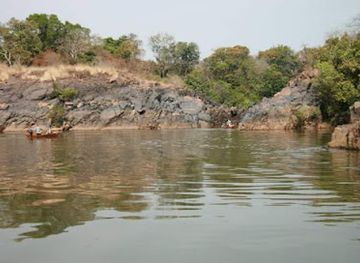
River
Rio Corubal
Experience the tranquility and natural beauty of the Rio Corubal, a stunning river in Guinea-Bissau, perfect for adventure and relaxation.
-
 Monument
Farolim da Catedral de Bissau
Explore the Farolim da Catedral de Bissau, a historic lighthouse and monument offering stunning ocean views and a glimpse into Guinea-Bissau's maritime heritage.
Best landmarks in Tombali Region
Cantanhez National Park is Tombali’s defining natural landmark, not as a single monument but as an extensive protected forest landscape whose importance lies in its biodiversity, surviving forest patches and relationship with surrounding communities. The forests, oil palms and waterways around Cantanhez provide a visible reminder of the ecological character of southern Guinea-Bissau. The Cacine River and its tidal channels form another major geographical landmark, opening the interior towards a broad estuarine environment of mangroves, mudflats and fishing settlements. Catio, the regional capital, is significant as Tombali’s administrative and service centre, while Bedanda and Cacine represent important local nodes in the region’s settlement and transport history. The wider landscape also carries the historical imprint of the independence war: former rural routes, forest bases and communities associated with the southern liberation front are more meaningful when interpreted locally than viewed as isolated monuments. These landmarks are dispersed, and their significance is best understood through careful, guided travel.
-
Restaurant
Restaurante Papa Loca
Experience the vibrant flavors of Guinea-Bissau at Restaurante Papa Loca, a top dining destination in Bissau offering authentic local cuisine and a welcoming atmosphere.
-
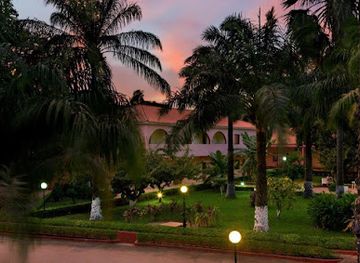
Hotel
Ponta Anchaca
Unwind in luxury at Ponta Anchaca, a stunning hotel in Guinea-Bissau's Bijagos Archipelago, perfect for relaxation and adventure.
-
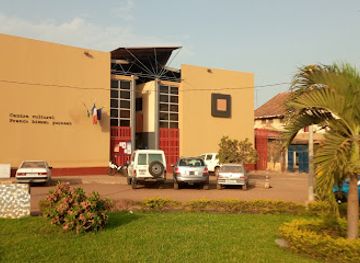
Cultural center
Centro Cultural Franco-Bissau-Guineense
Discover the vibrant art and culture of Guinea-Bissau at the Centro Cultural Franco-Bissau-Guineense in Bissau, a hub of creativity and heritage.
-
Motel
Hôtel Malaika
Experience the charm of Bissau at Hôtel Malaika, your cozy retreat in the heart of Guinea-Bissau, offering comfort, culture, and convenience.

Explore Tombali Region on the map
Plan your trip on one map. See where the top cities, national parks and sights are, and book hotels and experiences in a few clicks.
Best hotels in Tombali Region
Best restaurants in Tombali Region
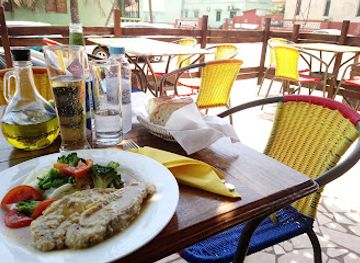
Tombali’s dining scene is modest and closely tied to household cooking, small local eateries and the produce available in each settlement. Meals commonly draw on rice, fish, poultry, leafy vegetables, beans, cassava and locally grown or gathered ingredients, with palm oil and chilli used in many southern cooking traditions. Cashew nuts and palm products are important regional crops, although their availability and presentation vary by season. Around Catio, Bedanda and Cacine, small kitchens may provide filling local meals when ingredients and fuel are available, while rural visitors are more likely to eat through pre-arranged accommodation or community hosting. Fresh fish is particularly relevant near rivers and creeks, but should not be assumed at every inland stop. Markets offer fruit and basic provisions rather than a broad restaurant selection. Visitors should communicate dietary needs in advance, carry reserve snacks and drink treated or sealed water.
-
Restaurant
Dunia Hotel Bissau (Azalaï Hotel 24 de Setembro)
Experience the best of Guinea-Bissau at Dunia Hotel Bissau – where culinary delights meet cultural immersion.
-
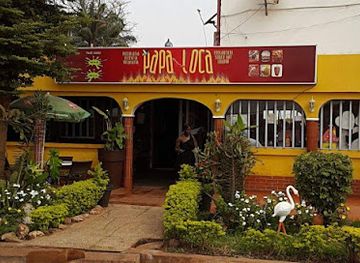
Restaurant
Restaurante Papa Loca
Experience authentic Guinea-Bissauan cuisine at Restaurante Papa Loca in Bissau - where every meal tells a story!
-
Italian
O Bistro
Experience authentic Italian cuisine at O Bistro in Bissau - where every dish tells a story of flavor.
-
Restaurant
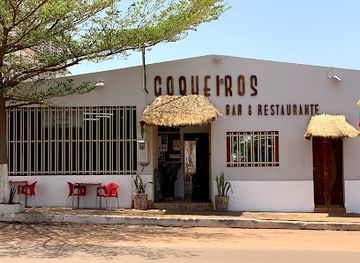
Coqueiros Bissau
Discover the rich flavors of Guinea-Bissau at Coqueiros Bissau, where local cuisine meets warm hospitality in a vibrant setting.
Best bars in Tombali Region
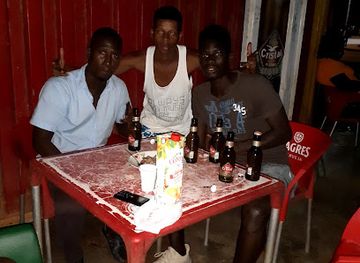
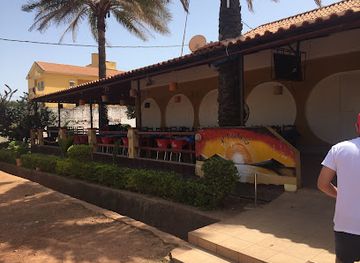
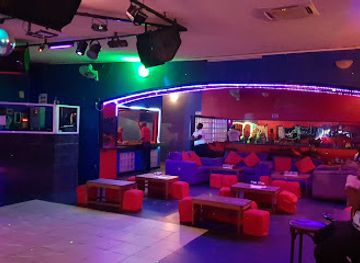
Tombali does not have a large commercial nightlife scene. Evening social life is centred on family compounds, small bars, local eateries and informal gatherings in settlements such as Catio, Bedanda and Cacine. In some places, music and conversation continue after dark, but venues, electricity and opening arrangements are variable, and rural communities may become quiet early. Visitors may encounter locally available beer, soft drinks or palm-based beverages, but alcohol should be approached with moderation and cultural awareness. There are few reasons to travel to Tombali specifically for nightclubs; the region’s evening character is instead connected with village life, guided conversations, seasonal celebrations and the sounds of the surrounding forest or waterways. Carry a torch, avoid isolated movement after dark and follow accommodation or community advice about where it is appropriate to go.
-
Bar
Contentor Di Tony
Discover the essence of Bissau at Contentor Di Tony, a lively bar offering a unique blend of local beverages and vibrant atmosphere.
-
Restaurant
Restaurante Bar Samaritana
Experience the rich culinary flavors of Guinea-Bissau at Restaurante Bar Samaritana, a must-visit destination for food lovers in Bissau.
-
Bar
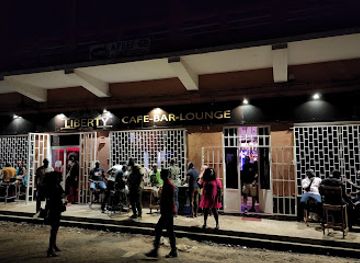
Liberty cafe bar lounge
Liberty Café Bar Lounge: A vibrant destination in Bissau, blending local flavors with a cozy atmosphere for an unforgettable experience.
-
Live music bar
Kings Club
Experience the pulse of Bissau at Kings Club, the ultimate live music bar blending local culture, vibrant performances, and unforgettable nightlife moments.


Best nightclubs in Tombali Region
Tombali does not have a large commercial nightlife scene. Evening social life is centred on family compounds, small bars, local eateries and informal gatherings in settlements such as Catio, Bedanda and Cacine. In some places, music and conversation continue after dark, but venues, electricity and opening arrangements are variable, and rural communities may become quiet early. Visitors may encounter locally available beer, soft drinks or palm-based beverages, but alcohol should be approached with moderation and cultural awareness. There are few reasons to travel to Tombali specifically for nightclubs; the region’s evening character is instead connected with village life, guided conversations, seasonal celebrations and the sounds of the surrounding forest or waterways. Carry a torch, avoid isolated movement after dark and follow accommodation or community advice about where it is appropriate to go.
-
Bar
Contentor Di Tony
Discover the lively atmosphere and local flavors at Contentor Di Tony, a vibrant bar in Bissau, Guinea-Bissau, perfect for tourists and locals alike.
-
Bar
Liberty cafe bar lounge
Experience the vibrant nightlife and local flavors at Liberty Cafe Bar Lounge in Bissau, Guinea-Bissau – a perfect spot for relaxation and socializing.
-
Live music bar
Kings Club
Experience the vibrant nightlife at Kings Club, a live music bar in Bissau, featuring local bands and a lively atmosphere perfect for any music lover.
-
Night club
Discoteca TABANKA
Discover Bissau's vibrant nightlife at Discoteca TABANKA, where great music and energetic crowds create unforgettable nights out.


Best shops in Tombali Region
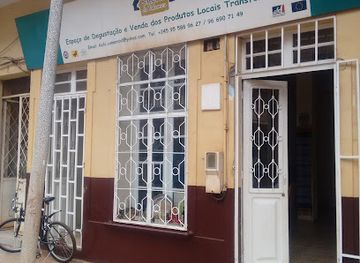
Shopping in Tombali is practical and locally focused rather than oriented towards formal retail. Markets and small shops in Catio, Bedanda, Cacine and other larger settlements may sell rice, fruit, vegetables, smoked or fresh fish, household goods, clothing and basic travel supplies, though stock and market days vary. Cashew nuts, palm products and locally made food items can provide appropriate regional purchases when offered through legitimate community or market channels. Handicrafts and woven goods may be available informally, but visitors should ask before photographing makers and should avoid buying objects that could be culturally significant, illegally collected or made from protected wildlife. There are few purpose-built souvenir shops, so practical preparation is important: take cash, small notes, batteries, toiletries and other essentials from Bissau before travelling into remote areas. Independent buying from farmers or craftspeople should be conducted respectfully and at a fair, clearly agreed price.
-
Boutique
Furanta Monn
Explore the vibrant culture of Bissau at Furanta Monn, a boutique that showcases unique local crafts and artistry.
-
Shopping mall
Ganó&Ganó
Explore Ganó&Ganó in Bissau - a bustling shopping mall offering diverse services from auto repairs to stationery, enriching your travel experience.
-
Store
Loja de Salu de Cunfa
Explore Loja de Salu de Cunfa: A local store offering authentic food and daily necessities in Cacoca, Guinea-Bissau.
-
African goods store
Sabores da Tabanca
Explore the rich culinary heritage of Guinea-Bissau at Sabores da Tabanca, where authentic flavors and local craftsmanship await.


Get your free copy of our complete guide to Tombali Region, delivered straight to you.
Everything on this page, from attractions and restaurants to essentials and local phrases, in one PDF you can read offline, print or share.
Already have an account? Sign in
Your Tombali Region guide is ready.
We'll send it to · Not you? Sign out

Getting your guide ready…
We are putting together a fresh copy of the Tombali Region guide. This can take up to a minute.
This can take a few moments. If your browser asks, choose Allow so the download can start. You'll find the guide in your Downloads folder.
Nothing happened? Download it again
Sorry, the guide is taking longer than usual. Please try again in a minute, or get it by email instead.
Tombali Region essentials
Currency and Payment
Safety
Emergency Situations
Do's and Don'ts
Local Tips
From Eve
Local phrases worth knowing
You don't need to get them perfect. A few words go a long way, and locals appreciate the effort.
Basics
| English | Local | Say it |
|---|---|---|
| Hello | Olá | [oh-lah] |
| Goodbye | Adeus | [ah-deh-oos] |
| Yes | Sim | [seem] |
| No | Não | [now] |
| Please/You're welcome | Por favor | [poor fah-vor] |
| Thank you | Obrigado | [oh-bree-gah-doo] |
| Excuse me/Sorry | Desculpe | [des-kool-peh] |
| How are you? | Como você está? | [koh-moh voh-seh eh-stah] |
| Fine. And you? | Bem. E você? | [behm. eh voh-seh] |
| Do you speak English? | Você fala inglês? | [voh-seh fah-lah een-glez] |
| I don't understand | Eu não entendo | [eh-oo now en-ten-doo] |
Eating & Drinking
| English | Local | Say it |
|---|---|---|
| I'd like to see the menu, please | Gostaria de ver o menu, por favor | [goh-stah-ree-ah jeh vehr oo meh-noo, poor fah-vor] |
| I don't eat meat | Eu não como carne | [eh-oo now koh-moo kar-nee] |
| Cheers! | Saúde! | [sah-oo-deh] |
| I would like to pay, please | Gostaria de pagar, por favor | [goh-stah-ree-ah jeh pah-gar, poor fah-vor] |
Emergencies
| English | Local | Say it |
|---|---|---|
| Help! | Ajuda! | [ah-joo-dah] |
| Go away! | Vá embora! | [vah em-boh-rah] |
| Call the Police! | Chame a polícia! | [sha-mee ah poh-lee-syah] |
| Call a doctor! | Chame um médico! | [sha-mee oom meh-dee-coo] |
| I'm lost | Estou perdido | [es-toh pehr-dee-doo] |
| I'm ill | Estou doente | [es-toh doh-en-tay] |
Shopping
| English | Local | Say it |
|---|---|---|
| I'd like to buy... | Gostaria de comprar... | [goh-stah-ree-ah jeh kohm-prahr] |
| I'm just looking | Estou apenas olhando | [es-toh ah-peh-nahs oh-lhan-doo] |
| How much is it? | Quanto custa? | [kwahn-toh koos-tah] |
| That's too expensive | Isso é muito caro | [ee-soo eh muyn-toh kah-roo] |
| Can you lower the price? | Você pode baixar o preço? | [voh-seh poh-jee bye-shar oo preh-soo] |
Time & Numbers
| English | Local | Say it |
|---|---|---|
| What time is it? | Que horas são? | [keh oh-ras sow] |
| It's one o'clock | É uma hora | [eh oo-mah oh-rah] |
| Half past (10) | Meia hora | [may-ah oh-rah] |
| Morning | Manhã | [mahn-yah] |
| Afternoon | Tarde | [tahr-jee] |
| Evening | Noite | [noy-tay] |
| Yesterday | Ontem | [on-tem] |
| Today | Hoje | [oh-zhee] |
| Tomorrow | Amanhã | [ah-mahn-yah] |
| 1 | Um | [oom] |
| 2 | Dois | [doy-ees] |
| 3 | Três | [trays] |
| 4 | Quatro | [kwah-tro] |
| 5 | Cinco | [seen-koh] |
| 6 | Seis | [says] |
| 7 | Sete | [seh-chee] |
| 8 | Oito | [oy-toh] |
| 9 | Nove | [noh-vee] |
| 10 | Dez | [dehz] |
Transport & Directions
| English | Local | Say it |
|---|---|---|
| Where's a/the...? | Onde fica...? | [on-deh fee-kah] |
| What's the address? | Qual é o endereço? | [kwal eh oo en-deh-reh-soo] |
| Can you show me (on the map)? | Você pode me mostrar (no mapa)? | [voh-seh poh-jee meh mohs-trar (noh mah-pah)] |
| When's the next (bus)? | Quando é o próximo (ônibus)? | [kwan-do eh oo proh-see-moo (oh-nee-boos)] |
| A ticket (to ....) | Um bilhete (para ....) | [oom bee-lyeh-teh (pah-rah)] |
History of Tombali Region
Early Southern Communities and Regional Trade
Before Portuguese colonial control, the southern mainland was shaped by communities including the Nalu, Balanta and Biafada, whose livelihoods combined rice cultivation, fishing, hunting, palm use and forest agriculture. Political authority was often distributed among local leaders and settlements rather than organised as a single territorial state corresponding to modern Tombali. Rivers and coastal creeks linked communities to wider exchange networks, while cultural and linguistic connections crossed the modern border with Guinea. The region’s present-day villages, farming systems and sacred relationships with forest landscapes reflect this long precolonial history.
Portuguese Expansion and Colonial Administration
Portuguese influence in southern Guinea-Bissau developed gradually through trading activity, military campaigns and administrative outposts rather than immediate control of the countryside. Colonial authority was strongest around settlements and transport routes, while forest and riverine areas remained difficult to govern. The colonial economy encouraged the extraction and cultivation of products such as rice, palm products and other agricultural commodities, often through coercive systems of labour and taxation. Catio, Bedanda and Cacine later became important points in the administrative geography of the south, although colonial infrastructure remained limited.
The War of Independence in the Southern Front
Tombali became one of the principal southern theatres of Guinea-Bissau’s war of independence against Portugal, which lasted from 1963 to 1974. Forests, waterways and dispersed villages gave the PAIGC opportunities to establish rural support networks and manoeuvre beyond the reach of colonial posts. The wider southern zone included military operations around the coastal and riverine country, including the 1963 fighting associated with Como Island. The conflict changed settlement patterns, disrupted farming and left memories that remain important in local accounts of Guinea-Bissau’s route to independence.
Independence and Rural Reconstruction
Guinea-Bissau became independent in 1973, with Portugal recognising independence in 1974. In Tombali, the new state inherited a region where roads, schools, health facilities and administrative services were widely dispersed and underdeveloped. Post-independence governments faced the challenge of rebuilding communities affected by war while maintaining rice production and improving links between Catio, inland settlements and the southern rivers. State projects and local initiatives developed alongside long-standing village systems, but difficult transport and limited public resources continued to shape everyday life.
Cantanhez and the Recognition of Forest Value
The forests of Cantanhez gained increasing importance in conservation planning because they contain some of Guinea-Bissau’s remaining areas of Upper Guinea forest and provide habitat for chimpanzees, monkeys and many bird species. Conservation efforts have had to work with communities whose farms, sacred places and livelihoods occupy the same landscape. The Cantanhez National Park was established to protect this ecological heritage while recognising human use rather than treating the forest as an empty wilderness. Its history illustrates the broader shift from purely extractive approaches towards community-aware conservation.
Cashew, Agriculture and Contemporary Change
In recent decades, cashew cultivation has become increasingly important to rural economies across Guinea-Bissau, including Tombali, alongside rice, palm products, fishing and subsistence crops. The expansion of cashew has created income opportunities but has also raised concerns about dependence on a single export crop, food security and pressure on forest land. Seasonal migration, uneven market access and variable road conditions affect how farmers sell produce. Contemporary Tombali is therefore shaped by the interaction of traditional ecological knowledge, national economic pressures, conservation needs and the practical demands of rural livelihoods.
Tombali Region in Photos
Browse through our photo collection highlighting the charm and character of the destination.
Neighbouring regions of Tombali Region
The closest regions to Tombali Region, if you have time for more than one.
-

-

-

-

-


Swipe for more regions
Explore more

Explore more of Guinea-Bissau
Discover Guinea-Bissau: An untouched paradise with pristine beaches, rich wildlife, and vibrant culture waiting to be explored in the heart of West Africa.
Explore Guinea-Bissau