

Free Fula Jalon Highlands Travel Guide & Mobile App
Explore Fula Jalon Highlands with free travel guides. Discover regional history, expert tips, proposed trips, and audio guides on web or mobile app.


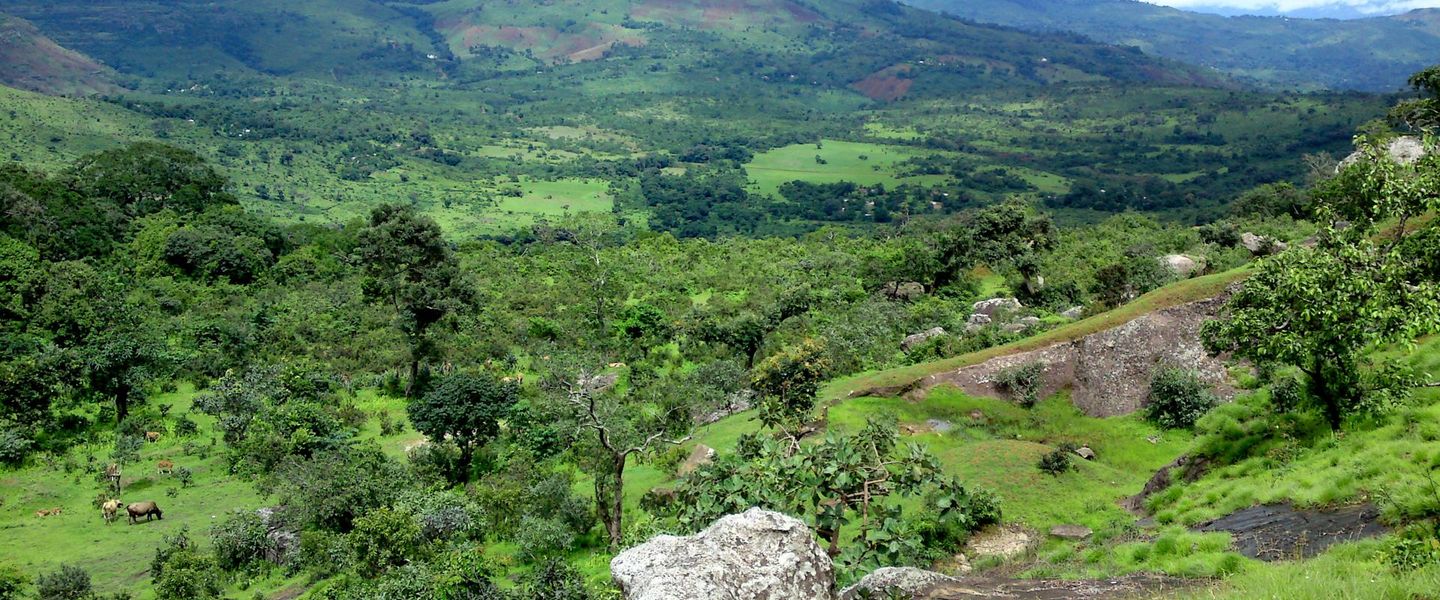


Fula Jalon, or Fouta Djallon, lies in Guinea rather than Guinea-Bissau; verify whether your itinerary means Guinea's highlands or Guinea-Bissau's Boé region.
Read more about Fula Jalon Highlands
When is the best time to visit Fula Jalon Highlands?
Best: December–February · 24–25°C| Month | High (°C) | Rainfall (mm) |
|---|---|---|
| January (best) | 24 | 10 |
| February (best) | 25 | 20 |
| March | 27 | 25 |
| April | 29 | 30 |
| May | 31 | 35 |
| June | 32 | 40 |
| July | 34 | 45 |
| August | 33 | 40 |
| September | 32 | 35 |
| October | 30 | 30 |
| November | 27 | 25 |
| December (best) | 25 | 20 |
Getting to and around Fula Jalon Highlands
How to get there
Transportation
Top city travel guides in Fula Jalon Highlands
The cities of Fula Jalon Highlands, and the easiest places to base yourself.

Swipe for more cities
Destinations in Fula Jalon Highlands
Resorts, valleys and scenic spots worth a trip of their own.

Swipe for more destinations
Best attractions in Fula Jalon Highlands
No attractions can accurately be presented under the name Fula Jalon Highlands within Guinea-Bissau, because the recognised Fouta Djallon highlands are in Guinea. In Guinea, the region's appeal lies in sandstone plateaux, steep valleys, river headwaters, rural settlements, Fula cultural landscapes and overland routes around Labé and Mamou; these require a separate Guinean itinerary. Within Guinea-Bissau, the closest plausible alternative is Boé, an inland area of savannah, low hills and historical significance rather than a continuation of the Guinean highlands. Other established Guinea-Bissau attractions include the capital Bissau, the Cacheu area, the Varela coast and the Bijagós Archipelago, but none should be described as part of Fula Jalon. Travellers should first correct the destination name, then select attractions that match the country actually being visited.
-
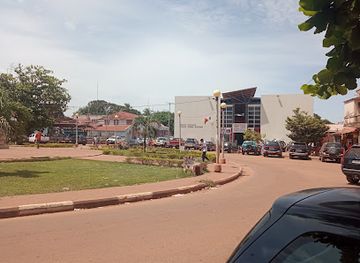
Cultural center
Centro Cultural Franco-Bissau-Guineense
Explore the vibrant arts and culture of Guinea-Bissau at Centro Cultural Franco-Bissau-Guineense, a must-visit cultural center in Bissau.
-
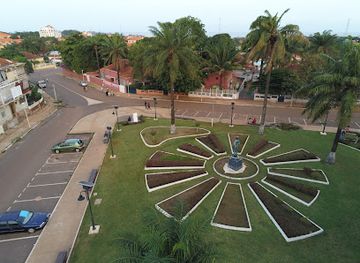
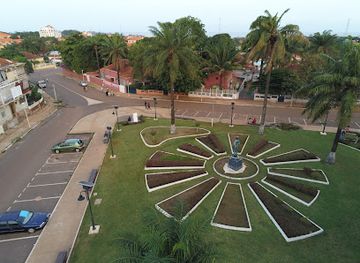
Garden
Praca Titina Silá
Explore Praca Titina Silá, a serene garden in Bissau, where nature meets local culture for a perfect escape.
-
 National park
Dulombi-Boe National Park_1
Explore the stunning biodiversity and serene landscapes of Dulombi-Boe National Park, an unspoiled gem in Guinea-Bissau perfect for nature enthusiasts.
Best landmarks in Fula Jalon Highlands
No landmark in Guinea-Bissau can accurately be labelled a Fula Jalon Highlands landmark. The defining physical landmarks of the actual Fouta Djallon are Guinea's elevated sandstone plateaux, deeply cut valleys and river headwaters, together with historic Fula settlements and religious buildings around the highland towns; these belong to a Guinean itinerary. Within Guinea-Bissau, the most relevant alternative landmark is the Madina do Boé area, associated with the country's declaration of independence in 1973, although it is a historical site in Boé rather than a feature of the Fouta Djallon. The distinction matters because the two landscapes, colonial histories and national infrastructures are different. Any itinerary using the supplied name should identify the exact landmark and its country before travel.
-
Cultural center
Centro Cultural Franco-Bissau-Guineense
Explore the cultural richness of Guinea-Bissau at the Centro Cultural Franco-Bissau-Guineense, a hub for art, music, and local heritage.
-
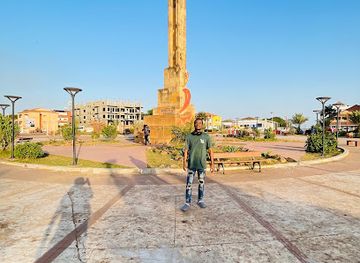
Memorial park
Empire Square
Discover the vibrant history and culture of Bissau at Empire Square, a memorial park that serves as a community hub and a serene escape.
-
National park
Cufada Lagoons Natural Park
Explore the stunning Cufada Lagoons Natural Park in Guinea-Bissau, a haven for nature lovers featuring vibrant lagoons, diverse wildlife, and picturesque landscapes.
-
Garden
Praca Titina Silá
Explore the serene beauty of Praca Titina Silá, a tranquil garden in Bissau, Guinea-Bissau, perfect for relaxation and cultural experiences.

Explore Fula Jalon Highlands on the map
Plan your trip on one map. See where the top cities, national parks and sights are, and book hotels and experiences in a few clicks.
Best hotels in Fula Jalon Highlands
Best restaurants in Fula Jalon Highlands
There is no distinct restaurant scene that can be reliably attributed to a Fula Jalon Highlands region of Guinea-Bissau. In Guinea's actual Fouta Djallon, dining is generally centred on simple local eateries, family cooking and market food, with rice, fonio, grains, vegetables, sauces, grilled meat and dairy products reflecting highland agriculture and Fula pastoral traditions. In Guinea-Bissau, cuisine differs according to the country's coastal and inland environments and commonly features rice, fish, seafood, groundnuts, beans and palm-based preparations. Outside Bissau, choice can be limited and meals may need to be arranged through accommodation or local contacts. Visitors should confirm ingredients and drinking water arrangements in advance, especially when travelling into remote parts of Guinea-Bissau or Guinea.
-
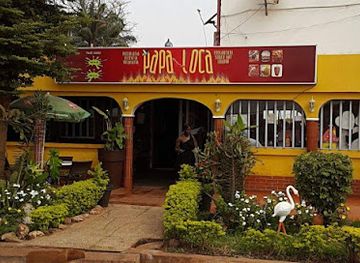
Restaurant
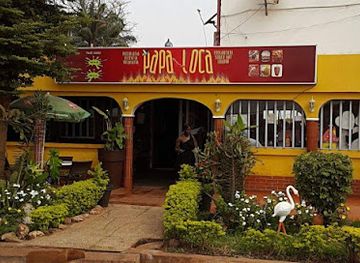
Restaurante Papa Loca
Discover authentic Guinea-Bissauan cuisine at Restaurante Papa Loca in Bissau - a culinary gem celebrating local flavors and vibrant culture.
-
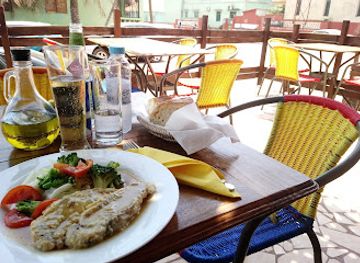
Italian
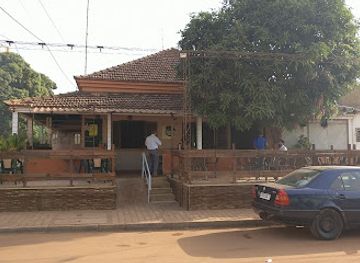
O Bistro
Discover authentic Italian cuisine at O Bistro in Bissau, where every meal is crafted with passion and fresh local ingredients.
-
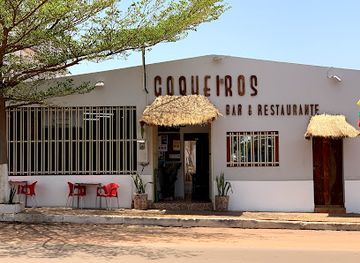
Restaurant
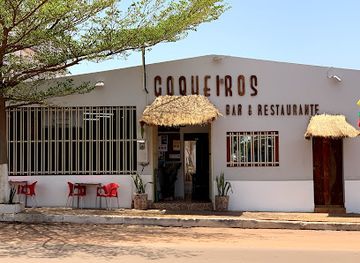
Coqueiros Bissau
Experience authentic West African flavors at Coqueiros Bissau - a culinary delight in Guinea-Bissau's vibrant capital.
-
Restaurant
A Padeira Africana
Discover authentic West African flavors at A Padeira Africana in Bissau, where every dish tells a story of tradition and culture.

Best bars in Fula Jalon Highlands
The claimed Fula Jalon Highlands destination has no separately identifiable nightlife scene in Guinea-Bissau. In the actual Fouta Djallon of Guinea, evenings generally focus on family compounds, modest cafés, teahouses and community life rather than a concentrated bar or nightclub circuit. Boé in Guinea-Bissau is similarly rural, with limited formal nightlife and early-closing local establishments rather than dedicated entertainment districts. Bissau offers the country's broadest selection of restaurants, bars and occasional live-music venues, but it is not within Fula Jalon or Boé. Visitors should respect predominantly Muslim communities, dress appropriately and avoid assuming that alcohol-centred nightlife is a defining part of inland travel.
-
Restaurant
Restaurante Papa Loca
Discover authentic Guinea-Bissau flavors at Restaurante Papa Loca, a vibrant restaurant in Bissau known for its local dishes and friendly atmosphere.
-
Italian
O Bistro
Experience the authentic flavors of Italy at O Bistro in Bissau, where every meal is a delightful culinary adventure.
-
Restaurant
Coqueiros Bissau
Discover the authentic flavors of Guinea-Bissau at Coqueiros Bissau, a cozy restaurant offering delicious local dishes.
-
Bar
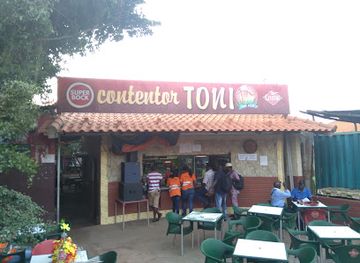
Contentor Di Tony
Experience the vibrant nightlife of Bissau at Contentor Di Tony, a popular bar offering a blend of local flavors and lively atmosphere.
Best nightclubs in Fula Jalon Highlands
The claimed Fula Jalon Highlands destination has no separately identifiable nightlife scene in Guinea-Bissau. In the actual Fouta Djallon of Guinea, evenings generally focus on family compounds, modest cafés, teahouses and community life rather than a concentrated bar or nightclub circuit. Boé in Guinea-Bissau is similarly rural, with limited formal nightlife and early-closing local establishments rather than dedicated entertainment districts. Bissau offers the country's broadest selection of restaurants, bars and occasional live-music venues, but it is not within Fula Jalon or Boé. Visitors should respect predominantly Muslim communities, dress appropriately and avoid assuming that alcohol-centred nightlife is a defining part of inland travel.
-
Hotel
Ponta Anchaca
Discover the tranquil beauty of Guinea-Bissau at Ponta Anchaca, a luxurious hotel surrounded by the stunning landscapes of the Archipel des Bijagos.
-
Restaurant
CANAFISTRA Crescendo a Beira Rio
Experience authentic Guinean cuisine at CANAFISTRA Crescendo a Beira Rio, where local flavors meet breathtaking riverside views.
-
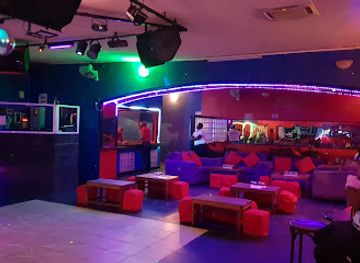
Night club
Discoteca TABANKA
Discover the lively nightlife at Discoteca TABANKA in Bissau, where vibrant music and dance bring locals and tourists together.
-
Lodging
Club Paris
Discover the charm of Bissau while enjoying a comfortable stay at Club Paris, your home away from home in Guinea-Bissau.

Best shops in Fula Jalon Highlands
There is no established shopping destination in Guinea-Bissau called the Fula Jalon Highlands. In the actual Fouta Djallon of Guinea, visitors are more likely to encounter small town markets selling grains, produce, livestock, textiles and everyday goods than formal souvenir centres. In Boé and other inland parts of Guinea-Bissau, shopping is similarly local and practical, with limited retail choice outside larger settlements. Bissau provides broader access to food markets, textiles, carved objects and locally made products, but it is not a highland shopping base. When buying crafts or traditional textiles, ask about prices respectfully, carry the correct national currency and avoid purchasing archaeological objects, protected wildlife products or items whose export status is unclear.
-
Hotel
Ponta Anchaca
Experience the serene beauty of Ponta Anchaca, a tranquil hotel in the picturesque Bijagos Archipelago, perfect for relaxation and cultural exploration.
-
National park
Cufada Lagoons Natural Park
Explore the lush landscapes and vibrant wildlife of Cufada Lagoons Natural Park, a hidden paradise in Guinea-Bissau that captivates all who visit.
-
Hotel
Dakosta Eco Retreat
Experience the tranquil beauty and eco-friendly charm of Dakosta Eco Retreat on the stunning Praia de Bruce in Guinea-Bissau.
-
Handicraft
Centro Artístico Juvenil
Discover the soul of Guinea-Bissau at Centro Artístico Juvenil, where handicraft meets culture in an artistic showcase.
Get your free copy of our complete guide to Fula Jalon Highlands, delivered straight to you.
Everything on this page, from attractions and restaurants to essentials and local phrases, in one PDF you can read offline, print or share.
Already have an account? Sign in
Your Fula Jalon Highlands guide is ready.
We'll send it to · Not you? Sign out

Getting your guide ready…
We are putting together a fresh copy of the Fula Jalon Highlands guide. This can take up to a minute.
This can take a few moments. If your browser asks, choose Allow so the download can start. You'll find the guide in your Downloads folder.
Nothing happened? Download it again
Sorry, the guide is taking longer than usual. Please try again in a minute, or get it by email instead.
Fula Jalon Highlands essentials
Currency and Payment
Safety
Emergency Situations
Do's and Don'ts
Local Tips
From Eve
Local phrases worth knowing
You don't need to get them perfect. A few words go a long way, and locals appreciate the effort.
Basics
| English | Local | Say it |
|---|---|---|
| Hello | A jaara | [ah jah-rah] |
| Goodbye | Waaw | [wah-wah] |
| Yes | Eey | [ay] |
| No | Ala | [ah-lah] |
| Please/You're welcome | Ndeer | [nday-er] |
| Thank you | Mi yidi | [mee yee-dee] |
| Excuse me/Sorry | A jokkondir | [ah joh-kohn-deer] |
| How are you? | Nde jango? | [nday jang-oh] |
| Fine. And you? | Mi yidi. Nde jango? | [mee yee-dee. ndah jang-oh] |
| Do you speak English? | A yidi ingilisi? | [ah yee-dee in-gee-lee-see] |
| I don't understand | Mi na'i jango | [mee nah-ee jang-oh] |
Eating & Drinking
| English | Local | Say it |
|---|---|---|
| I'd like to see the menu, please | Mi yidi jango menu, ndeer | [mee yee-dee jang-oh men-oo, ndayer] |
| I don't eat meat | Mi na'i eela nyiiri | [mee nah-ee eh-lah nyee-ree] |
| Cheers! | Ndeer! | [nday-er] |
| I would like to pay, please | Mi yidi pay, ndeer | [mee yee-dee pay, ndayer] |
Emergencies
| English | Local | Say it |
|---|---|---|
| Help! | Golle! | [go-lay] |
| Go away! | Nde foti! | [nday fo-tee] |
| Call the Police! | Nde jokkondir police! | [nday joh-kohn-deer poh-lees] |
| Call a doctor! | Nde jokkondir doktor! | [nday joh-kohn-deer dok-tor] |
| I'm lost | Mi na'i jango | [mee nah-ee jang-oh] |
| I'm ill | Mi na'i nyiiri | [mee nah-ee nyee-ree] |
Shopping
| English | Local | Say it |
|---|---|---|
| I'd like to buy... | Mi yidi njahi... | [mee yee-dee n-jah-hee] |
| I'm just looking | Mi yahi jango | [mee yah-hee jang-oh] |
| How much is it? | Nde na'i ko? | [nday nah-ee koh] |
| That's too expensive | O yahi nyiiri | [oh yah-hee nyee-ree] |
| Can you lower the price? | A yidi hewti ko? | [ah yee-dee hew-tee koh] |
Time & Numbers
| English | Local | Say it |
|---|---|---|
| What time is it? | Nde na'i ko jango? | [nday nah-ee koh jang-oh] |
| It's one o'clock | O jango ndiyam | [oh jang-oh n-dee-yam] |
| Half past (10) | Nde na'i jango ndiyam go'o | [nday nah-ee jang-oh n-dee-yam go-oh] |
| Morning | Jango | [jang-oh] |
| Afternoon | Bokkondir | [bok-kohn-deer] |
| Evening | Dahande | [dah-han-day] |
| Yesterday | Buru | [boo-roo] |
| Today | Jango | [jang-oh] |
| Tomorrow | Go'oto | [go-oh-toh] |
| 1 | Go'o | [go-oh] |
| 2 | Diyam | [dee-yam] |
| 3 | Tati | [tah-tee] |
| 4 | Nayi | [nah-yee] |
| 5 | Jowi | [joh-wee] |
| 6 | Jowi go'oto | [joh-wee go-oh-toh] |
| 7 | Jowi tati | [joh-wee tah-tee] |
| 8 | Jowi nayi | [joh-wee nah-yee] |
| 9 | Jowi jee | [joh-wee jee] |
| 10 | Jowi go'oto | [joh-wee go-oh-toh] |
Transport & Directions
| English | Local | Say it |
|---|---|---|
| Where's a/the...? | Nde na'i ...? | [nday nah-ee ...?] |
| What's the address? | Nde na'i ko address? | [nday nah-ee koh ah-dress?] |
| Can you show me (on the map)? | A yidi jokkondir mi (on the map)? | [ah yee-dee joh-kohn-deer mee (on the map)?] |
| When's the next (bus)? | Nde na'i jangi (bus)? | [nday nah-ee jang-ee (bus)?] |
| A ticket (to ....) | Ko ticket (to ...) | [koh ti-ket (to ...)] |
History of Fula Jalon Highlands
The Fouta Djallon Plateau and Fula Settlement
The Fouta Djallon is a highland region of central Guinea, not Guinea-Bissau. Its plateaux, valleys and headwaters supported long-established Fula communities and pastoral as well as agricultural livelihoods. The name is closely associated with the Fula people, whose language, Islam and trading networks extend across several West African countries. This wider cultural geography helps explain why the highlands can sometimes be confused with Fula-associated areas farther west, including parts of Guinea-Bissau, although the physical region itself is in Guinea.
The Imamate of Futa Jallon, Eighteenth to Nineteenth Centuries
From the eighteenth century, Muslim Fula elites established the Imamate of Futa Jallon in the highlands. Its political centres, religious institutions and networks of authority shaped much of the region's history before French colonial rule. The imamate was not a state of Guinea-Bissau, but its influence formed part of a wider regional world connected by scholarship, commerce, migration and Islamic practice. Historic mosques, learned traditions and Fula cultural memory remain important to the identity of the Guinean highlands.
Trade Routes and Regional Connections
The highlands were linked to the Upper Guinea coast and the inland savannah by routes used for livestock, agricultural goods, salt and other commodities. These connections also tied Fouta Djallon to areas now divided between Guinea, Senegal, Mali and Guinea-Bissau. Modern international borders do not represent the full extent of older cultural and commercial networks. That historical continuity is one reason the term Fula Jalon may appear in descriptions of places outside the actual highland core.
French Colonial Rule in Guinea
France incorporated Fouta Djallon into French West Africa during the late nineteenth century after resistance and negotiations involving the imamate and other local authorities. Colonial administration altered taxation, political power and trade patterns, while roads and administrative posts connected the plateau more closely to the coast. Guinea-Bissau followed a different colonial history under Portugal, so the highlands and the territory now called Guinea-Bissau developed under separate imperial systems.
Independence and the Modern Border
Guinea became independent from France in 1958, while Guinea-Bissau became independent from Portugal in 1973, with independence formally recognised in 1974. The international boundary between them places Fouta Djallon in Guinea and leaves Guinea-Bissau's inland Boé as a distinct region. Contemporary travel descriptions should preserve this distinction, particularly because road conditions, official procedures and security arrangements differ between the two countries.
Boé and Guinea-Bissau's Eastern Heritage
Boé, in southeastern Guinea-Bissau, has its own historical importance and is associated with the country's independence struggle. The declaration of independence of Guinea-Bissau was made at Madina do Boé in 1973, although political and military developments involved wider areas. Boé's hills, savannahs and Fula communities may make it seem relevant to a search for Fula Jalon, but it is not the same geographical region as Guinea's Fouta Djallon Highlands.
Fula Jalon Highlands in Photos
Browse through our photo collection highlighting the charm and character of the destination.
Neighbouring regions of Fula Jalon Highlands
The closest regions to Fula Jalon Highlands, if you have time for more than one.
-

-

-

-

-


Swipe for more regions
Explore more

Explore more of Guinea-Bissau
Discover Guinea-Bissau: An untouched paradise with pristine beaches, rich wildlife, and vibrant culture waiting to be explored in the heart of West Africa.
Explore Guinea-Bissau