

Free Gabu Region Travel Guide & Mobile App
Explore Gabu Region with free travel guides. Discover regional history, expert tips, proposed trips, and audio guides on web or mobile app.


Explore Gabú Region for Guinea-Bissau’s Kaabu heritage, eastern savanna, Muslim communities and remote Boé landscapes.
Read more about Gabu Region
When is the best time to visit Gabu Region?
Best: December–February · 30–32°C| Month | High (°C) | Rainfall (mm) |
|---|---|---|
| January (best) | 30 | 1 |
| February (best) | 32 | 1 |
| March | 34 | 1 |
| April | 35 | 2 |
| May | 36 | 10 |
| June | 34 | 100 |
| July | 33 | 200 |
| August | 32 | 250 |
| September | 32 | 200 |
| October | 33 | 100 |
| November | 33 | 10 |
| December (best) | 31 | 1 |
Getting to and around Gabu Region
How to get there
Transportation
Destinations in Gabu Region
Resorts, valleys and scenic spots worth a trip of their own.

Swipe for more destinations
Best attractions in Gabu Region
-
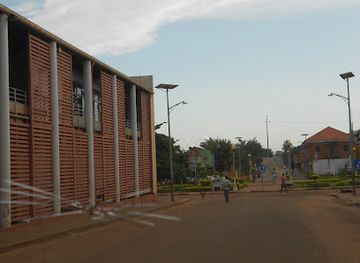
Cultural center
Centro Cultural Franco-Bissau-Guineense
Discover the vibrant culture and artistic spirit of Guinea-Bissau at the Centro Cultural Franco-Bissau-Guineense in Bissau.
-
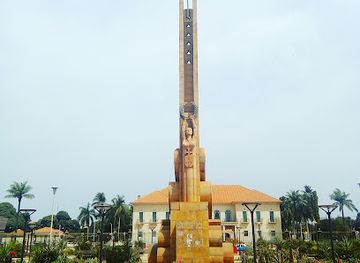
Memorial park
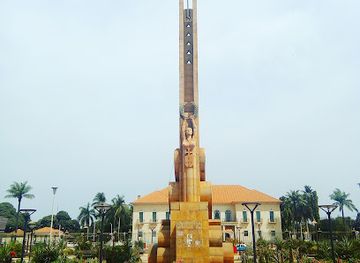
Empire Square
Discover the serene beauty and historical significance of Empire Square, a memorial park in Bissau, Guinea-Bissau, perfect for reflection and relaxation.
-
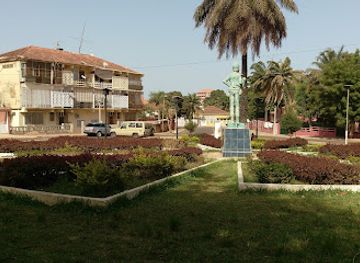
Garden
Praca Titina Silá
Explore the lush beauty of Praca Titina Silá, a serene garden oasis in Bissau, perfect for relaxation and cultural immersion.
-
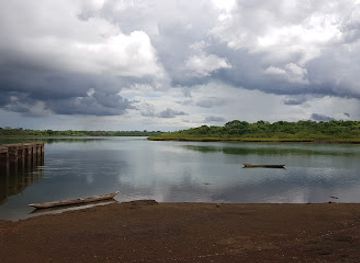
Tourist attraction
Cufada Lagoons Natural Park
Discover the breathtaking beauty of Cufada Lagoons Natural Park, a serene escape in Guinea-Bissau filled with rich wildlife and stunning landscapes.
Best landmarks in Gabu Region
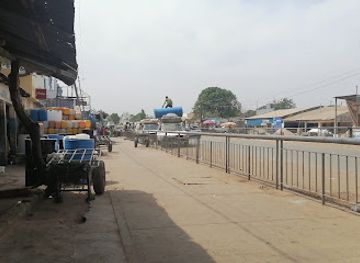
The principal landmarks of Gabú Region are tied to its historic geography and expansive interior landscape. Gabú town itself is the region’s most recognisable urban reference point, serving as an administrative and trading centre on routes through eastern Guinea-Bissau. The historical landscape of Kansala is more significant than its visible remains: it represents the former capital of Kaabu and the site traditionally associated with the state’s defeat in 1867. Because the location is remote and archaeological interpretation is limited, visitors should use local knowledge and avoid treating unmarked ruins or earthworks as confirmed monuments. In the south, the broad terrain of the Boé forms a natural landmark, with open hills, wooded savanna and seasonal waterways setting it apart from the flatter coastal parts of the country. Dulombi-Boé National Park gives this landscape protected status and adds ecological importance, although its remoteness means that visits require advance arrangements rather than a spontaneous sightseeing approach.
-
Memorial park
Empire Square
Discover tranquility and heritage at Empire Square, Bissau's serene memorial park showcasing the rich cultural history of Guinea-Bissau.
-
National park
Cufada Lagoons Natural Park
Explore Cufada Lagoons Natural Park, a stunning national park in Guinea-Bissau known for its vibrant wildlife, serene lagoons, and breathtaking landscapes.
-
Nature preserve
IBAP
Discover the beauty of nature and conservation at IBAP, a hidden gem in Bissau, Guinea-Bissau, dedicated to preserving biodiversity and heritage.
-
Castle
Fort São José da Amura
Discover the historical significance and stunning views at Fort São José da Amura, a must-see fortress in Bissau, Guinea-Bissau.
Explore Gabu Region on the map
Plan your trip on one map. See where the top cities, national parks and sights are, and book hotels and experiences in a few clicks.
Best hotels in Gabu Region
Best restaurants in Gabu Region
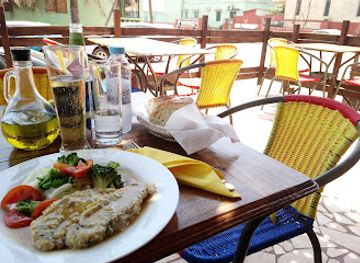
Dining in Gabú Region is centred on simple local cooking, market ingredients, family-run eateries and informal restaurants rather than a developed restaurant scene. Rice is a foundation of Guinea-Bissau cuisine and is commonly served with sauces, vegetables, beans, fish or meat; chicken and beef are also widely available in the inland east. Peanuts, leafy greens, onions and seasonal produce contribute to the region’s everyday dishes, while grilled meat and rice-based meals are practical choices for travellers. In Gabú town, market stalls and modest cafés provide opportunities to eat alongside residents, though menus may be limited and service follows local rhythms. Tea is an important part of social life in many communities, and imported soft drinks are easier to find than specialist beverages. Travellers heading towards the Boé should purchase provisions in Gabú, as rural food options can be intermittent. Ask about ingredients and water, and carry essentials for journeys between settlements.
-
 Hotel
HotelHotel CEIBA
Discover luxury at Hotel CEIBA in Bissau, where modern comfort meets local culture for an unforgettable stay.
-
Restaurant
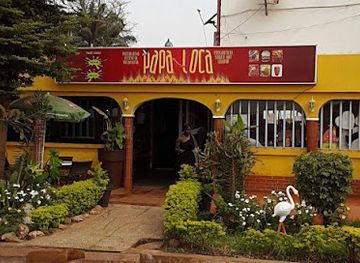
Restaurante Papa Loca
Discover authentic Guinea-Bissauan cuisine at Restaurante Papa Loca in Bissau – where every dish tells a story.
-
Italian
O Bistro
Experience authentic Italian flavors at O Bistro in Bissau – where tradition meets local charm in every bite.
-
Restaurant
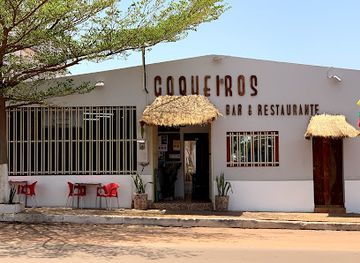
Coqueiros Bissau
Discover the authentic flavors of Guinea-Bissau at Coqueiros Bissau - where local cuisine meets warm hospitality.
Best bars in Gabu Region
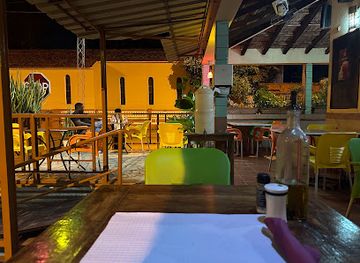
Gabú Region does not have a large organised nightclub scene. Evening life in Gabú is more likely to centre on modest cafés, local restaurants, tea gatherings, informal bars and social activity around the town’s main streets. Music may be heard at particular celebrations or community events, but these are not fixed tourist performances and should be approached respectfully. In rural districts, nights are generally quiet, with people gathering at home or within the community rather than moving between entertainment venues. Alcohol is available in some settings, but Guinea-Bissau’s eastern interior has a strong Muslim presence, so visitors should avoid assuming that drinking defines local hospitality. There are few reliable late-night services outside Gabú, and travellers staying in remote areas should arrange evening meals and transport before dark. Check locally for current venues rather than relying on old listings.
-
Restaurant
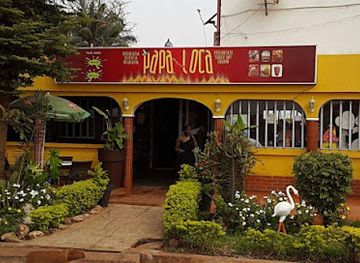
Restaurante Papa Loca
Experience the vibrant flavors of Guinea-Bissau at Restaurante Papa Loca, a culinary gem in Bissau offering a unique dining experience.
-
Italian
O Bistro
Experience authentic Italian cuisine at O Bistro in Bissau, where every dish is crafted with love and tradition, perfect for every palate.
-
Restaurant
Coqueiros Bissau
Discover the vibrant culinary scene of Bissau at Coqueiros Bissau, where local flavors meet international cuisine in an inviting atmosphere.
-
Hotel
Ponta Anchaca
Discover the serene beauty of Ponta Anchaca, a tranquil hotel in the heart of Guinea-Bissau's Bijagos Archipelago, perfect for relaxation and exploration.

Best nightclubs in Gabu Region
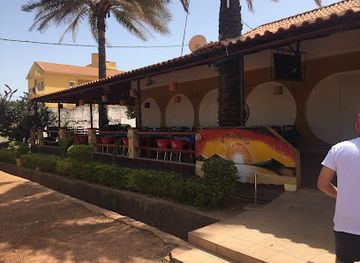
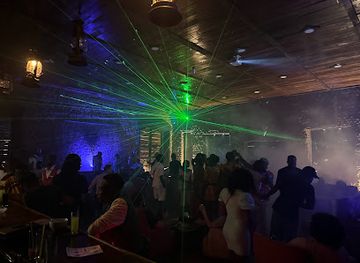
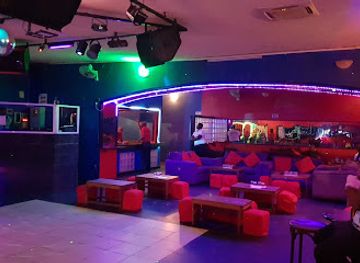
Gabú Region does not have a large organised nightclub scene. Evening life in Gabú is more likely to centre on modest cafés, local restaurants, tea gatherings, informal bars and social activity around the town’s main streets. Music may be heard at particular celebrations or community events, but these are not fixed tourist performances and should be approached respectfully. In rural districts, nights are generally quiet, with people gathering at home or within the community rather than moving between entertainment venues. Alcohol is available in some settings, but Guinea-Bissau’s eastern interior has a strong Muslim presence, so visitors should avoid assuming that drinking defines local hospitality. There are few reliable late-night services outside Gabú, and travellers staying in remote areas should arrange evening meals and transport before dark. Check locally for current venues rather than relying on old listings.
-
Disco club
Bambu
Experience the vibrant nightlife of Bissau at Bambu, a premier disco club offering unforgettable music and dance in Guinea-Bissau.
-
Live music bar
Kings Club
Experience the vibrant nightlife of Bissau at Kings Club, where live music and local culture come together in an unforgettable atmosphere.
-
Lounge
Antika Bissau
Discover the cozy charm of Antika Bissau, a lounge that offers a taste of local culture and delightful refreshments in the heart of Bissau.
-
Night club
Discoteca TABANKA
Discover the electric nightlife at Discoteca TABANKA in Bissau, the heart of Guinea-Bissau's club scene, where music and culture collide.

Best shops in Gabu Region
Shopping in Gabú Region is practical and locally oriented. Gabú market is the main place to look for fresh produce, rice, peanuts, household goods, clothing and everyday supplies, with the busiest activity generally taking place earlier in the day. Small shops and market stalls are better suited to provisions for an overland journey than to extensive souvenir shopping. Visitors may find locally made woven articles, clothing, leather goods or craftwork, but availability varies and formal craft outlets are limited. Regional food products such as peanuts and other preserved or dried ingredients can make useful gifts when packaged and transported responsibly. Bargaining may be customary in informal markets, though it should be polite and proportionate. Outside Gabú, retail options diminish quickly, so buy fuel-related necessities, water, medicines and snacks before travelling towards the Boé. Do not purchase archaeological objects, wildlife products or culturally important items whose legal status or provenance is uncertain.
-
Store
Diaoube
Experience the vibrant markets and rich culture of Diaoube, Senegal – a hidden gem for travelers seeking authenticity.
-
Shopping mall
Mercado crintin de bafata
Discover the heart of Bafatá at Mercado Crintin de Bafata, a vibrant shopping mall showcasing local culture and products.
-
Hotel
Residencial Djarama
Discover the charm of Gabu at Residencial Djarama, a cozy hotel blending comfort with local culture in the heart of Guinea-Bissau.
-
Shopping mall
Galomaro Cossé
Explore the heart of Galomaro at Cossé Shopping Mall, where local culture meets vibrant retail therapy in Guinea-Bissau.
Get your free copy of our complete guide to Gabu Region, delivered straight to you.
Everything on this page, from attractions and restaurants to essentials and local phrases, in one PDF you can read offline, print or share.
Already have an account? Sign in
Your Gabu Region guide is ready.
We'll send it to · Not you? Sign out

Getting your guide ready…
We are putting together a fresh copy of the Gabu Region guide. This can take up to a minute.
This can take a few moments. If your browser asks, choose Allow so the download can start. You'll find the guide in your Downloads folder.
Nothing happened? Download it again
Sorry, the guide is taking longer than usual. Please try again in a minute, or get it by email instead.
Gabu Region essentials
Currency and Payment
Safety
Emergency Situations
Do's and Don'ts
Local Tips
From Eve
Local phrases worth knowing
You don't need to get them perfect. A few words go a long way, and locals appreciate the effort.
Basics
| English | Local | Say it |
|---|---|---|
| Hello | Olá | [oh-lah] |
| Goodbye | Adeus | [ah-deh-oos] |
| Yes | Sim | [seem] |
| No | Não | [now] |
| Please/You're welcome | Por favor/De nada | [por fah-vor/deh nah-dah] |
| Thank you | Obrigado | [oh-bree-gah-doo] |
| Excuse me/Sorry | Desculpe | [des-kool-peh] |
| How are you? | Como você está? | [koh-moo voh-seh es-tah] |
| Fine. And you? | Bem. E você? | [baym. eh voh-seh] |
| Do you speak English? | Você fala inglês? | [voh-seh fah-lah een-glez] |
| I don't understand | Eu não entendo | [eh-oo now en-ten-doo] |
Eating & Drinking
| English | Local | Say it |
|---|---|---|
| I'd like to see the menu, please | Gostaria de ver o menu, por favor | [goh-stah-ree-ah jeh vehr oo meh-noo, por fah-vor] |
| I don't eat meat | Eu não como carne | [eh-oo now koh-moo kar-nee] |
| Cheers! | Saúde! | [sah-oo-deh] |
| I would like to pay, please | Gostaria de pagar, por favor | [goh-stah-ree-ah jeh pah-gar, por fah-vor] |
Emergencies
| English | Local | Say it |
|---|---|---|
| Help! | Socorro! | [soh-koh-roh] |
| Go away! | Vá embora! | [vah em-boh-rah] |
| Call the Police! | Chame a polícia! | [sha-meh ah poh-lee-syah] |
| Call a doctor! | Chame um médico! | [sha-meh oom meh-dee-koh] |
| I'm lost | Estou perdido | [es-toh pehr-dee-doo] |
| I'm ill | Estou doente | [es-toh do-ehn-chee] |
Shopping
| English | Local | Say it |
|---|---|---|
| I'd like to buy... | Gostaria de comprar... | [goh-stah-ree-ah jeh kohm-prahr] |
| I'm just looking | Estou apenas olhando | [es-toh ah-peh-nas oh-lhan-doo] |
| How much is it? | Quanto custa? | [kwan-toh koos-tah] |
| That's too expensive | Isso é muito caro | [ee-soh eh mooy-toh kah-roh] |
| Can you lower the price? | Você pode abaixar o preço? | [voh-seh poh-jee ah-bah-ee-shar oo preh-soo] |
Time & Numbers
| English | Local | Say it |
|---|---|---|
| What time is it? | Que horas são? | [keh oh-ras sah-o] |
| It's one o'clock | É uma hora | [eh oo-mah oh-rah] |
| Half past (10) | Dez e meia | [dehz eh meh-yah] |
| Morning | Manhã | [mahn-yah] |
| Afternoon | Tarde | [tar-deh] |
| Evening | Noite | [noy-chee] |
| Yesterday | Ontem | [on-tem] |
| Today | Hoje | [oh-zhe] |
| Tomorrow | Amanhã | [ah-mahn-yah] |
| 1 | Um | [oom] |
| 2 | Dois | [doyz] |
| 3 | Três | [trehz] |
| 4 | Quatro | [kwah-tro] |
| 5 | Cinco | [seen-koh] |
| 6 | Seis | [says] |
| 7 | Sete | [seh-chee] |
| 8 | Oito | [oy-toh] |
| 9 | Nove | [noh-veh] |
| 10 | Dez | [dehz] |
Transport & Directions
| English | Local | Say it |
|---|---|---|
| Where's a/the...? | Onde está um/a...? | [on-deh es-tah oom/ah] |
| What's the address? | Qual é o endereço? | [kwahl eh oo in-deh-reh-soo] |
| Can you show me (on the map)? | Você pode me mostrar (no mapa)? | [voh-seh poh-jee mee mohs-trar (no mah-pah)] |
| When's the next (bus)? | Quando é o próximo (ônibus)? | [kwan-doo eh oo proh-see-mo (oh-nee-boos)] |
| A ticket (to ....) | Um bilhete (para ....) | [oom bee-lyeh-teh (pah-rah)] |
History of Gabu Region
Early Mandinka Expansion and the Mali Sphere
From the medieval period, Mandinka political and commercial networks expanded westwards from the wider Upper Guinea interior. The eastern part of present-day Guinea-Bissau became connected to the influence of the Mali Empire and to routes carrying people, livestock, agricultural products and ideas across the savanna. Local political authority was not uniform, but these connections helped establish the cultural and linguistic foundations from which Kaabu later developed. The region’s location between the Gambia, Senegal and Upper Guinea worlds made it an important interior corridor long before European colonial rule.
The Rise of the Kaabu Empire
Kaabu, also called Gabu, emerged as a major Mandinka state in the western Upper Guinea region after the decline of direct Mali influence. Its rulers governed through a network of provinces and allied settlements, while cavalry, farming and regional trade supported political power. Kansala became the best-known royal centre, traditionally linked with the territory of present-day Gabú Region. Kaabu’s influence extended beyond modern national borders, so its historical geography does not match the boundaries of contemporary Guinea-Bissau. Even so, eastern Guinea-Bissau remains its principal historical heartland.
Islamic Scholarship and Regional Trade
Islam spread gradually through trade, clerical networks and relations with neighbouring Muslim societies. In the eastern interior, Islamic learning became an important source of religious and social authority, particularly among Mandinka and Fula communities. Trade routes connected settlements to Senegal, Guinea and the coastal territories, carrying cattle, grain, textiles and other goods. The process was neither uniform nor instantaneous: older social institutions and local practices continued alongside Islamic traditions. The region’s mosques, religious schools and strong Muslim presence today reflect this long historical development.
The Fall of Kansala and Kaabu in 1867
In 1867, a conflict involving Fula forces and the Kaabu state culminated in the fall of Kansala, an event widely regarded as the end of Kaabu’s political independence. Accounts describe a prolonged siege and a final destruction associated with the defeat of the ruling dynasty. The event altered the balance of power across the eastern Upper Guinea interior and remains a defining episode in regional historical memory. The exact location and surviving physical evidence of Kansala can be difficult for visitors to interpret, making local knowledge especially important.
Portuguese Colonial Incorporation
Portuguese claims in Guinea developed over several centuries, but effective occupation of the interior was gradual and contested. Gabú and surrounding territories were drawn into the colonial administration of Portuguese Guinea during the late nineteenth and early twentieth centuries, after local states and communities had already established their own political systems. Colonial rule introduced new administrative boundaries, taxation and military control without erasing older commercial and cultural links with Senegal and Guinea. The region’s present position within Guinea-Bissau reflects this colonial territorial framework rather than the older geography of Kaabu.
Independence and the Eastern Interior
Guinea-Bissau declared independence from Portugal in 1973, with formal recognition following in 1974. Gabú Region subsequently became part of the independent republic’s eastern administrative structure. The post-colonial period brought efforts to extend roads, schools, health services and state administration across a sparsely populated area, although infrastructure remains uneven. Gabú town has retained its role as an inland commercial and administrative centre, while the Boé continues to be associated with remote rural communities, natural landscapes and the historical memory of eastern Guinea-Bissau.
Gabu Region in Photos
Browse through our photo collection highlighting the charm and character of the destination.
Neighbouring regions of Gabu Region
The closest regions to Gabu Region, if you have time for more than one.
-

-

-

-

-


Swipe for more regions
Explore more

Explore more of Guinea-Bissau
Discover Guinea-Bissau: An untouched paradise with pristine beaches, rich wildlife, and vibrant culture waiting to be explored in the heart of West Africa.
Explore Guinea-Bissau