
Kankan Region, Guinea Travel Guide
Explore the Kankan Region in Guinea: A vibrant cultural hub with rich traditions, scenic landscapes, and warm hospitality, offering an authentic West African experience.
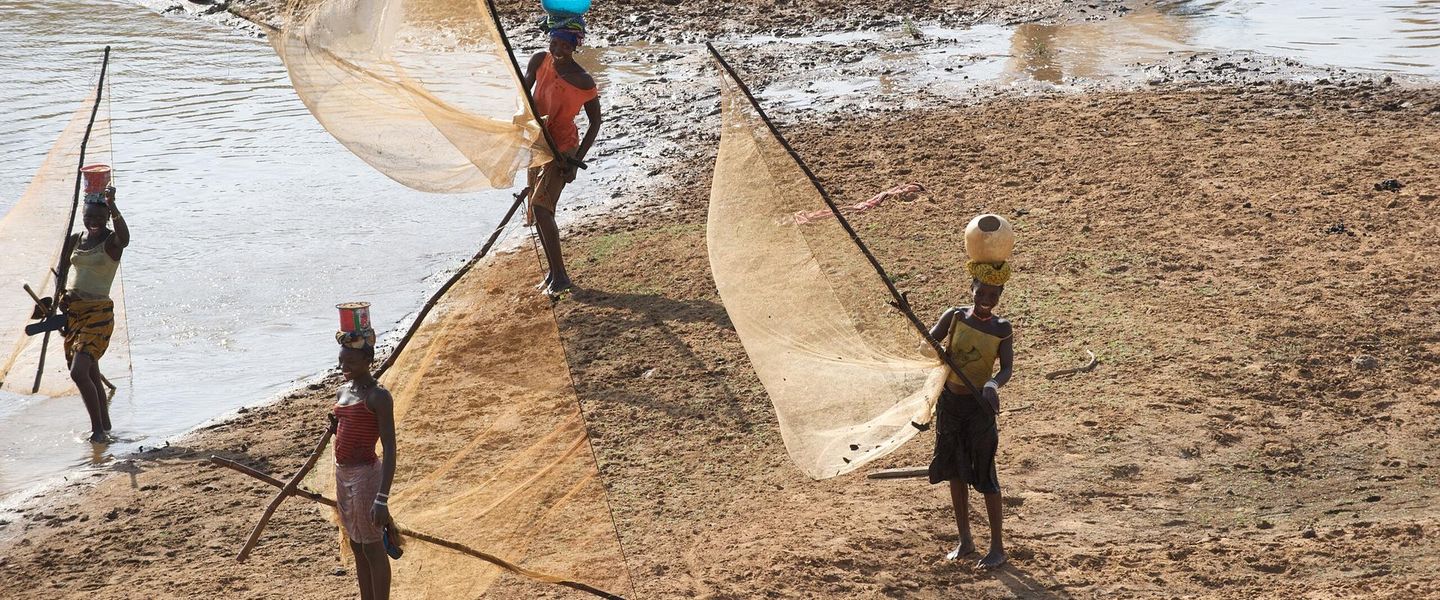
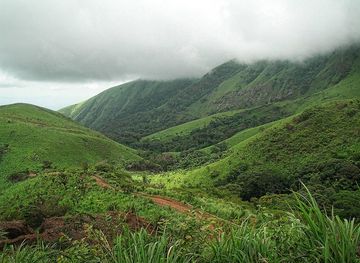
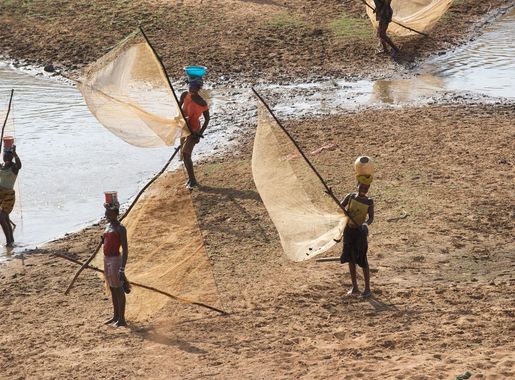
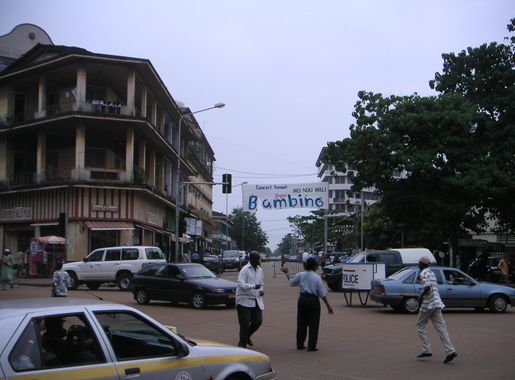
The Kankan Region in Guinea is a captivating destination that allows you to dive deep into the rich cultural tapestry of West Africa. Known for its vibrant traditions and warm hospitality, this region is a must-visit for those seeking an authentic African experience. The region's main city, Kankan, is the largest in eastern Guinea and offers a mix of historical landmarks and bustling markets that reflect the local way of life. One of the highlights of the Kankan Region is its traditional music and dance. The region is famous for its performances of the djembe and kora, instruments that have been integral to Guinean culture for centuries. Visitors can often enjoy live performances in local villages or during special festivals, providing a unique opportunity to experience the local heritage up close. Nature lovers will also find much to appreciate in Kankan. The Milo River, which flows through the region, offers scenic views and opportunities for leisurely boat rides. The surrounding landscape is dotted with lush forests and rolling hills, making it ideal for hiking and bird watching. Additionally, the region's climate is relatively mild, ensuring a comfortable experience for most of the year. Don't miss the chance to interact with the local communities. The people of Kankan are known for their friendliness and are often eager to share their customs with visitors. Whether it's through participating in a traditional ceremony or simply enjoying a meal with a local family, these interactions provide a deeper understanding of the region's culture and way of life.

Know before you go
Hi, I'm Eve. Here are a few practical things to know before exploring Kankan Region.
- Learn some basic French phrases. It will help you communicate better with locals, as French is the official language.
- Visit during the dry season (November to April) for more comfortable weather and easier travel conditions.
- Always ask for permission before taking photos of people or cultural ceremonies.
- Try local dishes like 'foufou' and 'rice with sauce' to get a taste of the regional cuisine.
- Carry cash with you, as credit card facilities are limited in the region.
Top City Travel Guides in Kankan Region
The cities of Kankan Region, and the easiest places to base yourself.


Best landmarks in Kankan Region
Top-rated picks
Best Landmarks

National Park of Upper Niger
Explore the breathtaking landscapes and rich biodiversity of the National Park of Upper Niger, a hidden gem for nature enthusiasts in Guinea.

Place des martyrs
Explore the historical depths of Place des Martyrs in Kankan, a landmark that embodies the spirit and resilience of Guinea's rich cultural heritage.

Best restaurants in Kankan Region
Top-rated picks
Best Restaurants

SUMA MEALS RESTAURANT
Experience the warmth of family-friendly dining at SUMA MEALS RESTAURANT in Kankan, Guinea – where local flavors meet inviting hospitality.

Modern Restaurant Senegalese
Experience authentic Senegalese cuisine at Modern Restaurant Senegalese in Kankan—where every dish tells a story.

Restaurant Fast Food Les Frères Unis
Savor fast food favorites at Restaurant Fast Food Les Frères Unis in Kankan - where taste meets tradition!

Senkéfara
Experience the flavors of Guinea at Senkéfara, Kankan's top family-friendly restaurant offering delicious local cuisine in a warm atmosphere.

Best bars in Kankan Region
Top-rated picks
Best Bars

Missira Koko
Discover the lively ambiance of Missira Koko, Kankan's top bar for local drinks, music, and authentic cultural experiences.

BAR.RESTAURAN de EMOSBI
Experience the authentic flavors of Guinea at BAR.RESTAURAN de EMOSBI in Soronkoni, where every dish is a journey into local cuisine.

BAR CAFE SOMORI DOUMBOUYA
Experience the lively local culture and warm hospitality at Bar Cafe Somori Doumbouya, a must-visit bar in Tombokho, Guinea.

Palenke
Experience the vibrant nightlife of Nzerekore at Palenke, a lively bar offering a diverse selection of drinks and a welcoming atmosphere.

Best nightclubs in Kankan Region
Top-rated picks
Best Nightclubs

Komarala Night Club
Discover the pulsating nightlife at Komarala Night Club in Kankan, where rhythm, dance, and local culture come alive under the stars.
BEL-AIR
Experience the vibrant atmosphere of Bel-Air in Kankan, a perfect lounge for relaxation and cultural immersion in Guinea.

Best shops in Kankan Region
Top-rated picks
Best Shops

centre Likida
Explore the lively Centre Likida in Kankan, Guinea—your destination for shopping, local culture, and delightful culinary experiences.

American Food Store
Experience the flavors of America at the American Food Store, where culinary nostalgia meets local charm, perfect for tourists and food lovers alike.
carrefour Sansangbèré
Explore Carrefour Sansangbèré, Kankan's hub for shopping, dining, and local culture, offering a unique experience for every visitor.

Indian store
Experience the vibrant flavors of India at Kankan's Indian Store, your one-stop grocery shop for authentic spices and snacks.

Explore Kankan Region on the Map
A handpicked selection of must-see spots in Kankan Region, mapped for you.
Kankan Region Essentials
-
Kankan Region is accessible primarily through Conakry International Airport (CKY), located in Guinea's capital city, Conakry. From Conakry, you can take a domestic flight to Kankan Airport or travel by road. The road journey from Conakry to Kankan typically takes around 10-12 hours by car or bus. Buses and minibuses (bush taxis) are available for public transport, though they can be crowded and less comfortable.
-
Within the Kankan Region, local transportation options include shared taxis, minibuses, and motorcycle taxis (known as 'motos'). While shared taxis and minibuses are more cost-effective, motorcycle taxis offer a quicker way to navigate through traffic. Renting a car is also an option, but roads can be rough and driving conditions may be challenging. For short distances, walking is a viable option in towns like Kankan.
-
The official currency in Guinea is the Guinean Franc (GNF). Cash is the most common form of payment, and it's advisable to carry enough local currency, especially in smaller towns and rural areas where ATMs are scarce. Credit cards are accepted in some hotels and larger establishments in Kankan, but their use is not widespread. Ensure you exchange enough money upon arrival in Conakry or at the airport.
-
Kankan Region is generally safe for tourists, but standard precautions should be taken. Avoid walking alone at night and keep valuables out of sight. Some areas, particularly in larger towns, can have higher crime rates, so stay vigilant. Petty theft and pickpocketing can occur in crowded places such as markets and bus stations. Always be aware of your surroundings and follow local advice.
-
In case of an emergency, dial 117 for police assistance and 442-020 for medical emergencies. The main hospital in Kankan is the Kankan Regional Hospital, which can handle most medical situations. It's advisable to have travel insurance that covers medical emergencies. Pharmacies are available in larger towns for over-the-counter medications. Always keep emergency contact numbers handy.
-
Fashion: Do dress modestly, especially in rural areas and religious sites. Avoid wearing revealing clothing. Religion: Do respect local customs and traditions. Always remove your shoes when entering someone's home or a religious site. Public Transport: Do be respectful and offer your seat to elders. Don't eat or drink on public transport. Greetings: Do greet people with a handshake and a smile. A friendly greeting in local languages such as Malinke or French is appreciated. Eating & Drinking: Do try local dishes and accept food offerings graciously. Don't refuse hospitality, as it is considered impolite.
-
To experience Kankan Region 'like a local,' visit the bustling markets where you can buy fresh produce, traditional fabrics, and local crafts. Engage with locals, who are often friendly and willing to share stories about their culture and history. Don't miss visiting the historic site of Kankan University and the Tinkisso River, which offers beautiful scenery and opportunities for relaxation. Participating in local festivals and events can provide a deeper understanding of the region's rich cultural heritage.
When is the best time to visit Kankan Region?
Useful Local Phrases for Kankan Region
You don't need to speak the language perfectly. Even learning a few simple words can make conversations warmer—and locals usually appreciate the effort.
— Eve

Here are the phrases I use most often in Kankan Region. Try a few—you'll be surprised how far they go! 😊
❤️
-
- HelloN'na
[n'na] - GoodbyeN'ba
[n'ba] - YesWa
[wa] - NoAyi
[ayi] - Please/You're welcomeS'il vous plaît
[sil voo ple] - Thank youM'ra
[m'ra] - Excuse me/SorryFé m'wa
[fe m'wa] - How are you?I n'na?
[i n'na] - Fine. And you?M'ra. I n'na?
[m'ra. i n'na] - Do you speak English?I sa bô English?
[i sa bô English] - I don't understandM'na ka fô
[m'na ka fô]
- HelloN'na
-
- I'd like to see the menu, pleaseM'ra d'ka fô menu, s'il vous plaît
[m'ra d'ka fô menu, sil voo ple] - I don't eat meatM'na ka dîr viande
[m'na ka dîr viande] - Cheers!Sakré!
[s'akré] - I would like to pay, pleaseM'ra d'ka fô bô, s'il vous plaît
[m'ra d'ka fô bô, sil voo ple]
- I'd like to see the menu, pleaseM'ra d'ka fô menu, s'il vous plaît
-
- Help!Ala!
[ala] - Go away!Kô t'na!
[kô t'na] - Call the Police!Fé m'wa Police!
[fe m'wa Police] - Call a doctor!Fé m'wa d'kó!
[fe m'wa d'kó] - I'm lostM'na ka fô fô
[m'na ka fô fô] - I'm illM'na ka fô kô
[m'na ka fô kô]
- Help!Ala!
-
- I'd like to buy...M'ra d'ka fô...
[m'ra d'ka fô...] - I'm just lookingM'na ka sô
[m'na ka sô] - How much is it?Kô se tî?
[kô se tî] - That's too expensiveTô ka dîr pên
[tô ka dîr pên] - Can you lower the price?I ka d'ka bô tî?
[i ka d'ka bô tî]
- I'd like to buy...M'ra d'ka fô...
-
- What time is it?Kô tî i?
[kô tî i] - It's one o'clockI se tî dô
[i se tî dô] - Half past (10)Mê tî (10)
[mê tî (10)] - MorningFôra
[fôra] - AfternoonD'kôna
[d'kôna] - EveningFôra tî
[fôra tî] - YesterdayAla tî
[ala tî] - TodayD'kôna tî
[d'kôna tî] - TomorrowMê d'kôna
[mê d'kôna] - 1Kô
[kô] - 2D'kô
[d'kô] - 3Tô
[tô] - 4Dô
[dô] - 5N'kô
[n'kô] - 6Sô
[sô] - 7Sâ
[sâ] - 8N'ya
[n'ya] - 9N'kô sâ
[n'kô sâ] - 10Dô sâ
[dô sâ]
- What time is it?Kô tî i?
-
- Where's a/the...?Kô n'na...?
[kô n'na] - What's the address?Kô tî adrès?
[kô tî adrès] - Can you show me (on the map)?I ka d'ka fô m'kâ (bô mappa)?
[i ka d'ka fô m'kâ bô mappa] - When's the next (bus)?Kô tî n'na (bus)?
[kô tî n'na bus] - A ticket (to ....)D'kôta (bô ...)
[d'kôta bô ...]
- Where's a/the...?Kô n'na...?
History of Kankan Region
-
Kankan, the largest city in the Kankan Region, was founded in the 17th century by the Mandinka people. It quickly became an important center for the spread of Islam, as well as a hub for trade, particularly in gold and kola nuts. The city’s strategic location on the Milo River facilitated its growth and prominence in the region.
-
In the late 19th century, the Kankan Region became part of the Wassoulou Empire, established by the legendary warrior and leader Samori Touré. Touré led a resistance against French colonial forces, and his empire extended across parts of present-day Guinea, Mali, and Côte d'Ivoire. Kankan served as a significant center during this period, and Samori’s legacy is still evident in the region today.
-
During the late 19th and early 20th centuries, the Kankan Region fell under French colonial rule. The French established administrative and commercial centers in Kankan, integrating the region into the broader colonial economy. Railways and infrastructure developments during this period played a crucial role in connecting Kankan with other parts of French West Africa.
-
Guinea achieved independence from France in 1958, and Kankan became a focal point for national development efforts. Sékou Touré, Guinea’s first president, emphasized the importance of education and economic development in the region. The University of Kankan, founded in the 1960s, became a significant institution for higher learning in the country.
-
Kankan is renowned for its rich cultural heritage. The region is home to numerous traditional festivals, such as the 'Dundunba' festival, which showcases Mandinka music, dance, and folklore. Artisan crafts, including weaving and pottery, thrive in Kankan, preserving age-old techniques and artistic traditions.
-
Today, Kankan continues to be a vibrant and culturally rich region. The city is a melting pot of various ethnic groups, including the Mandinka, Malinke, and Fulani, each contributing to the diverse cultural tapestry. Modern Kankan balances its historical legacy with ongoing development, making it a captivating destination for travelers exploring Guinea.
Neighbouring Regions of Kankan Region
The closest regions to Kankan Region, if you have time for more than one.




Your all‑in‑one travel companion app
Explore expert travel guides, compare and book tours, experiences, hotels, and more—all from the palm of your hand. Download now for seamless trip planning wherever your wanderlust takes you.


Explore More of Guinea

Looking beyond Kankan Region? Discover Guinea for broader travel guides, local hot-spots, and regional highlights.
Explore GuineaKankan Region in Photos
Browse through our photo collection highlighting the charm and character of the destination.




Kankan Region: The Cultural Heartbeat of Guinea
The Kankan Region in Guinea is a captivating destination that allows you to dive deep into the rich cultural tapestry of West Africa. Known for its vibrant traditions and warm hospitality, this region is a must-visit for those seeking an authentic African experience. The region's main city, Kankan, is the largest in eastern Guinea and offers a mix of historical landmarks and bustling markets that reflect the local way of life. One of the highlights of the Kankan Region is its traditional music and dance. The region is famous for its performances of the djembe and kora, instruments that have been integral to Guinean culture for centuries. Visitors can often enjoy live performances in local villages or during special festivals, providing a unique opportunity to experience the local heritage up close. Nature lovers will also find much to appreciate in Kankan. The Milo River, which flows through the region, offers scenic views and opportunities for leisurely boat rides. The surrounding landscape is dotted with lush forests and rolling hills, making it ideal for hiking and bird watching. Additionally, the region's climate is relatively mild, ensuring a comfortable experience for most of the year. Don't miss the chance to interact with the local communities. The people of Kankan are known for their friendliness and are often eager to share their customs with visitors. Whether it's through participating in a traditional ceremony or simply enjoying a meal with a local family, these interactions provide a deeper understanding of the region's culture and way of life.