

Free Kissidougou Region Travel Guide & Mobile App
Explore Kissidougou Region with free travel guides. Discover regional history, expert tips, proposed trips, and audio guides on web or mobile app.


Kissidougou offers an overland taste of Guinea’s forest-edge landscapes, Kissi culture, rural markets and agricultural life away from the coast.
Read more about Kissidougou Region
When is the best time to visit Kissidougou Region?
Best: December–February · 29–31°C| Month | High (°C) | Rainfall (mm) |
|---|---|---|
| January (best) | 30 | 10 |
| February (best) | 31 | 15 |
| March | 32 | 20 |
| April | 33 | 40 |
| May | 31 | 90 |
| June | 29 | 150 |
| July | 28 | 220 |
| August | 28 | 220 |
| September | 29 | 150 |
| October | 30 | 90 |
| November | 29 | 40 |
| December (best) | 29 | 15 |
Getting to and around Kissidougou Region
How to get there
Transportation
Best landmarks in Kissidougou Region
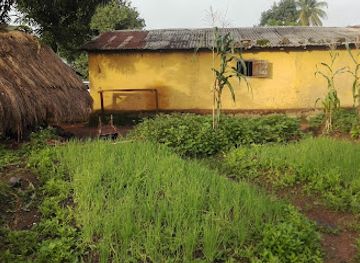
Kissidougou’s most meaningful landmarks are civic and geographic rather than monumental. The town itself functions as a regional centre, with its market areas, transport points and public buildings expressing the practical role it plays for surrounding communities. The wider landscape is the more distinctive visual marker: rolling forest-edge country, seasonal waterways and the gradual change from Upper Guinea’s more open savannah towards the wetter south. Local mosques and community buildings may be important reference points, but they should be approached as active places of worship and daily life rather than as tourist monuments. No single internationally recognised castle, cathedral or archaeological complex defines Kissidougou, and visitors should be cautious of claims that assign famous landmarks from Faranah or Forest Guinea to the prefecture. The area’s significance lies in its position as a cultural and ecological transition zone, its agricultural settlements and its role in the modern history of south-eastern Guinea.
-
Council
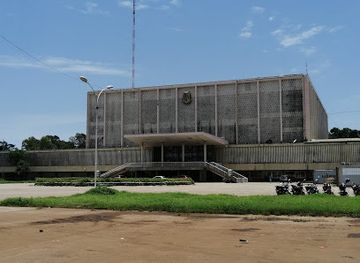
Palais du Peuple
Explore the Palais du Peuple, a stunning architectural gem and the heart of governance in Conakry, Guinea, where culture and history come alive.
-
Mosque
Mosquée de Kissidougou-Est
Uncover the spiritual and cultural richness of Guinea at the Mosquée de Kissidougou-Est, an architectural marvel in the heart of Kissidougou.
-
Mosque
Mosquée de Kissidougou
Explore the rich heritage and architectural beauty of the Mosquée de Kissidougou, a serene symbol of faith and community in Guinea.
-
Hotel
Kissidougou
Explore the cultural richness and natural beauty of Kissidougou, a hidden gem in Guinea, perfect for an unforgettable travel adventure.
Explore Kissidougou Region on the map
Plan your trip on one map. See where the top cities, national parks and sights are, and book hotels and experiences in a few clicks.
Best hotels in Kissidougou Region
Best restaurants in Kissidougou Region
Dining in Kissidougou is modest, local and closely connected to the agricultural economy. Small restaurants, street vendors and household-style eateries commonly serve rice with sauces, grilled meat or fish where available, cassava-based foods, plantain, beans and seasonal vegetables. The exact menu changes with harvests, supply routes and the availability of refrigeration. Rice is particularly important across Guinea, while the prefecture’s position between Upper Guinea and the forest zone allows ingredients and cooking influences to overlap. Fresh fruit, including bananas and other tropical produce, may be available in season, and local markets are useful for snacks and provisions rather than polished food tours. Visitors should choose busy, well-regarded stalls, eat food that is thoroughly cooked and carry drinking water. Formal dining is limited compared with Conakry, so travellers with dietary restrictions should explain them clearly in French and carry suitable backup foods on rural journeys.
-
Restaurant
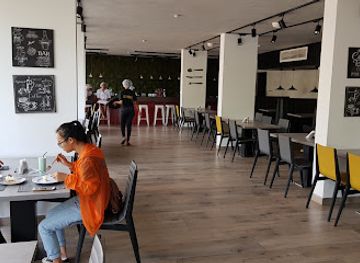
Le Special
Discover authentic Guinean flavors at Le Special in Conakry – where tradition meets taste in a warm and welcoming atmosphere.
-
Restaurant
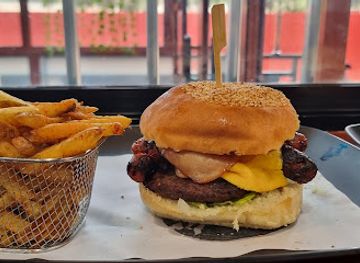
Mim's Burger
Discover the flavorful world of burgers at Mim's Burger in Conakry - where every bite tells a story of culinary excellence.
-
Restaurant
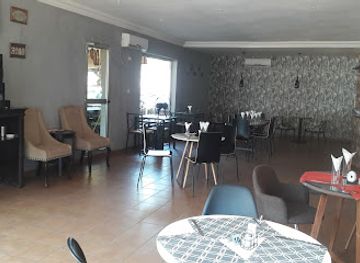
Le Bambou
Experience the vibrant flavors of Guinea at Le Bambou - where culinary tradition meets modern dining in Ratoma.
-
Restaurant
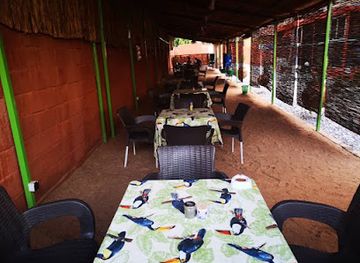
Restaurant Conakry
Discover authentic Burkinabé cuisine at Restaurant Conakry in Ouagadougou - where flavor meets culture.
Best bars in Kissidougou Region
Kissidougou does not have a substantial nightclub or late-night entertainment scene. Evening life is more likely to centre on modest cafés, local drinking places, small restaurants, conversation and occasional music than on dedicated clubs. Some establishments may serve bottled beer, soft drinks or locally familiar beverages, but opening arrangements and stock can change, and alcohol is not central to every community’s social life. Nights are generally quieter outside the town centre, where households and village communities follow agricultural and family routines. Visitors should avoid walking unfamiliar roads after dark, arrange transport in advance and observe local expectations around photography, noise and dress. Travellers seeking a larger range of bars, live music or formal entertainment will find more choice in Guinea’s major cities, not in Kissidougou.
-
Restaurant
Hôtel Night-Club Zéphyr international
Discover the lively dining and nightlife experience at Hôtel Night-Club Zéphyr International in Kissidougou, Guinea.
-
Bar
Plein air HAPPINESS KISSIDOUGOU
Discover the vibrant energy of Plein Air Happiness Kissidougou, a local bar offering refreshing drinks and a taste of Guinea's spirited culture.
-
 Bar
BarBar Piah Bèngou
Experience the vibrant culture and authentic flavors of Guinea at Bar Piah Bèngou in Kissidougou, a must-visit bar for every traveler.
-
Bar
Kouria kissidougou
Discover the vibrant atmosphere of Kouria Kissidougou, a lively bar in Guinea where culture and community come to life.

Best nightclubs in Kissidougou Region
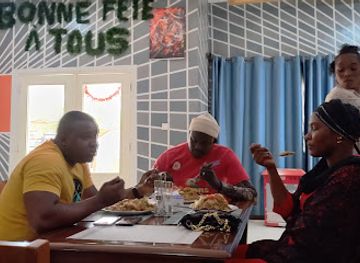
Kissidougou does not have a substantial nightclub or late-night entertainment scene. Evening life is more likely to centre on modest cafés, local drinking places, small restaurants, conversation and occasional music than on dedicated clubs. Some establishments may serve bottled beer, soft drinks or locally familiar beverages, but opening arrangements and stock can change, and alcohol is not central to every community’s social life. Nights are generally quieter outside the town centre, where households and village communities follow agricultural and family routines. Visitors should avoid walking unfamiliar roads after dark, arrange transport in advance and observe local expectations around photography, noise and dress. Travellers seeking a larger range of bars, live music or formal entertainment will find more choice in Guinea’s major cities, not in Kissidougou.
-
Restaurant
Hôtel Night-Club Zéphyr international
Discover the perfect blend of dining and nightlife at Hôtel Night-Club Zéphyr International in Kissidougou, Guinea.
-
Night club
Parisiana night club
Discover the heartbeat of Kissidougou's nightlife at Parisiana Night Club, where rhythm meets culture in a vibrant dance of music and joy.
Best shops in Kissidougou Region
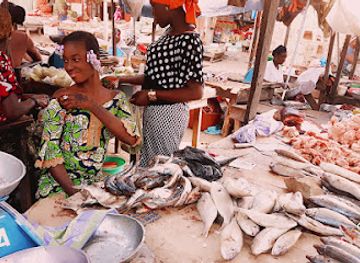
Shopping in Kissidougou is centred on practical markets and small independent traders rather than large retail complexes. Visitors can look for rice, cassava products, fruit, vegetables, spices, household goods, clothing and locally traded foodstuffs, with availability changing according to season and transport conditions. Market visits are most useful when approached as part of everyday town life: ask before photographing stalls and bargain politely only where negotiation is clearly customary. Craft production exists at community level, but quality and availability vary, so purchases should be made because they are useful or genuinely connected to local makers rather than presented as guaranteed regional souvenirs. Bring enough Guinean francs for small transactions, as card facilities are uncommon. Travellers may also find locally produced agricultural goods, but fresh food and untreated plant material can be subject to customs restrictions when taken across borders.
-
Market
Kissidougou Central Market
Discover the essence of local life at Kissidougou Central Market, a vibrant hub of culture, commerce, and culinary delights in Guinea.
-
Supermarket
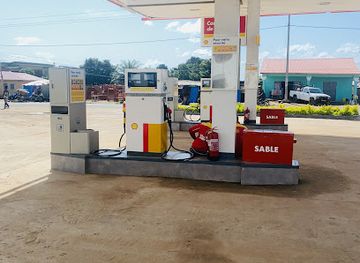
Kissidougou Shell Station
Experience the vibrant local culture and convenience at Kissidougou Shell Station, your essential stop in Guinea for travel supplies and refreshments.
-
Grocery store
Superette
Explore local flavors at Superette, a delightful grocery store in Kissidougou, showcasing the rich culinary traditions of Guinea.
-
Cell phone store
DIABY BUSINESS
Visit DIABY BUSINESS in Kissidougou for top-notch mobile devices and accessories, ensuring you're connected throughout your journey.


Get your free copy of our complete guide to Kissidougou Region, delivered straight to you.
Everything on this page, from attractions and restaurants to essentials and local phrases, in one PDF you can read offline, print or share.
Already have an account? Sign in
Your Kissidougou Region guide is ready.
We'll send it to · Not you? Sign out

Getting your guide ready…
We are putting together a fresh copy of the Kissidougou Region guide. This can take up to a minute.
This can take a few moments. If your browser asks, choose Allow so the download can start. You'll find the guide in your Downloads folder.
Nothing happened? Download it again
Sorry, the guide is taking longer than usual. Please try again in a minute, or get it by email instead.
Kissidougou Region essentials
Currency and Payment
Safety
Emergency Situations
Do's and Don'ts
Local Tips
From Eve
Local phrases worth knowing
You don't need to get them perfect. A few words go a long way, and locals appreciate the effort.
Basics
| English | Local | Say it |
|---|---|---|
| Hello | N'fa | [N-fah] |
| Goodbye | N'koma | [N-koh-mah] |
| Yes | Aye | [Eye] |
| No | Nya | [N-yah] |
| Please/You're welcome | Siguiri | [See-goo-ree] |
| Thank you | M'na tori | [M-nah toh-ree] |
| Excuse me/Sorry | N'ka fô | [N-kah foh] |
| How are you? | N'ko fô? | [N-koh foh?] |
| Fine. And you? | N'ka soro. N'ko fô? | [N-kah soh-roh. N-koh foh?] |
| Do you speak English? | N'ko bôlô English? | [N-koh boh-loh English?] |
| I don't understand | M'na n'ka tori | [M-nah n-kah toh-ree] |
Eating & Drinking
| English | Local | Say it |
|---|---|---|
| I'd like to see the menu, please | M'na kôri n'ka fô menu, siguri | [M-nah koh-ree n-kah foh meh-noo, see-goo-ree] |
| I don't eat meat | M'na n'ka dî la | [M-nah n-kah dee lah] |
| Cheers! | N'fa kô | [N-fah koh] |
| I would like to pay, please | M'na kôri n'ka fô peya, siguri | [M-nah koh-ree n-kah foh pay-ah, see-goo-ree] |
Emergencies
| English | Local | Say it |
|---|---|---|
| Help! | N'ka fô! | [N-kah foh!] |
| Go away! | N'ka kô fô! | [N-kah koh foh!] |
| Call the Police! | N'ka fô Police! | [N-kah foh Police!] |
| Call a doctor! | N'ka fô dohta! | [N-kah foh doh-tah!] |
| I'm lost | M'na n'ka dî fô | [M-nah n-kah dee foh] |
| I'm ill | M'na kô fô | [M-nah koh foh] |
Shopping
| English | Local | Say it |
|---|---|---|
| I'd like to buy... | M'na kôri n'ka fô tî, ... | [M-nah koh-ree n-kah foh tee, ...] |
| I'm just looking | M'na kôri fô | [M-nah koh-ree foh] |
| How much is it? | N'ko fô n'ka? | [N-koh foh n-kah?] |
| That's too expensive | N'ka fô tî sô | [N-kah foh tee soh] |
| Can you lower the price? | N'ko kôri n'ka fô tî? | [N-koh koh-ree n-kah foh tee?] |
Time & Numbers
| English | Local | Say it |
|---|---|---|
| What time is it? | N'ko fô n'kô? | [N-koh foh n-koh?] |
| It's one o'clock | N'ka fô lô | [N-kah foh loh] |
| Half past (10) | N'ka fô tî sô (10) | [N-kah foh tee soh (10)] |
| Morning | N'ka fô jô | [N-kah foh joh] |
| Afternoon | N'ka fô fô | [N-kah foh foh] |
| Evening | N'ka fô kô | [N-kah foh koh] |
| Yesterday | N'ka fô jî | [N-kah foh jee] |
| Today | N'ka fô n'kô | [N-kah foh n-koh] |
| Tomorrow | N'ka fô jô | [N-kah foh joh] |
| 1 | Kô | [Koh] |
| 2 | Dô | [Doh] |
| 3 | Tî | [Tee] |
| 4 | Tô | [Toh] |
| 5 | Sô | [Soh] |
| 6 | Sè | [Seh] |
| 7 | Sèt | [Seht] |
| 8 | Huit | [Wheet] |
| 9 | Nèf | [Nehf] |
| 10 | Dix | [Dee] |
Transport & Directions
| English | Local | Say it |
|---|---|---|
| Where's a/the...? | N'ko fô n'kô ...? | [N-koh foh n-koh ...?] |
| What's the address? | N'ko fô n'kô n'ka? | [N-koh foh n-koh n-kah?] |
| Can you show me (on the map)? | N'ko kôri m'na fô (n'ka n'kô)? | [N-koh koh-ree m-nah foh (n-kah n-koh)?] |
| When's the next (bus)? | N'ko fô n'ka n'kô (bus)? | [N-koh foh n-kah n-koh (bus)?] |
| A ticket (to ....) | N'ka fô ticket (n'ka ....) | [N-kah foh ticket (n-kah ....)] |
History of Kissidougou Region
Kissi settlement and forest-edge societies
The Kissidougou area lies at a historical meeting point between the savannah-oriented societies of Upper Guinea and the more humid forest zone farther south. Kissi communities developed agricultural systems suited to substantial seasonal rainfall, while trade, migration and intermarriage connected them with Mandingo and other neighbouring peoples. Rice cultivation, village-based exchange and locally organised leadership shaped the social landscape long before the creation of modern administrative boundaries. The cultural geography of the prefecture remains more important to visitors than any single monumental site: language, farming patterns and market relationships reflect this long interaction between ecological zones.
Mande expansion and regional trade
For centuries, political and commercial networks associated with the wider Mande world linked Upper Guinea with routes running towards the forest regions. Traders moved goods such as kola, livestock, grain, metalwork and cloth through settlements that changed in importance according to security, agricultural production and access to roads. Kissidougou’s position between Faranah and the forested south gave it a role as a regional crossroads. These networks were not a single empire governing every community, but overlapping systems of authority, commerce and cultural influence that helped shape the population encountered in the area today.
Samori Touré and the nineteenth-century upheavals
The late nineteenth century brought major political and military upheaval to inland Guinea as Samori Touré’s Wassoulou Empire expanded through parts of present-day Guinea, Mali and Côte d’Ivoire. Campaigns, shifting alliances and resistance affected communities across Upper Guinea and the forest margins, even where control was temporary. The period also coincided with intensified European competition for territory. Its legacy is remembered through broader regional history rather than through a single universally recognised monument in Kissidougou, and it helps explain the disruption experienced by local societies before French colonial rule was consolidated.
French colonial administration
France incorporated the area into French Guinea during the expansion of colonial rule at the end of the nineteenth and beginning of the twentieth centuries. Colonial administration reorganised existing political landscapes into districts and posts, imposed taxation and labour obligations, and redirected commerce towards systems serving the colonial economy. Roads and administrative routes increased official access, but services remained uneven and local communities bore much of the cost of colonial extraction. Kissidougou’s later role as a town and prefectural centre emerged from this wider process of administrative consolidation rather than from monumental urban development.
Independence and the First Republic
Guinea became independent from France in 1958 under President Ahmed Sékou Touré. The new state pursued a strongly centralised political and economic model, with national development taking precedence over the colonial relationship and private commercial structures. In inland towns such as Kissidougou, the period brought changes to administration, education, agricultural policy and political organisation, although infrastructure remained limited compared with the coast. Independence also reinforced the importance of national institutions in areas where local identity continued to be expressed through community, language and regional cultural affiliations.
Conflict, displacement and humanitarian pressures
From the 1990s into the early twenty-first century, wars in Liberia, Sierra Leone and Côte d’Ivoire placed severe pressure on south-eastern Guinea. Kissidougou and other towns in the wider forest and Upper Guinea transition zone were affected by the movement of refugees, humanitarian agencies and displaced Guineans. These pressures altered local economies and public services while connecting the area to international relief operations. The experience forms an important part of modern regional history, although its effects varied between urban centres, host communities and rural settlements.
Contemporary agricultural and regional change
Today, Kissidougou remains primarily an administrative, agricultural and commercial centre rather than a mass-tourism destination. Population growth, improved road links in some directions, mobile communications and changing patterns of trade have altered how produce and people move through the prefecture. Seasonal farming remains central, while the town serves surrounding communities with markets, transport connections and basic services. Contemporary Kissidougou is therefore best understood as a place shaped by continuity and adaptation: long-established agricultural and cultural practices coexist with the practical demands of a modern Guinean regional centre.
Kissidougou Region in Photos
Browse through our photo collection highlighting the charm and character of the destination.
Neighbouring regions of Kissidougou Region
The closest regions to Kissidougou Region, if you have time for more than one.
-

-

-

-

-


Swipe for more regions
Explore more

Explore more of Guinea
Explore Guinea's hidden beauty, from lush rainforests and majestic waterfalls to vibrant markets and rich cultural heritage in West Africa.
Explore Guinea