

Free Macenta Region Travel Guide & Mobile App
Explore Macenta Region with free travel guides. Discover regional history, expert tips, proposed trips, and audio guides on web or mobile app.


Explore Macenta in south-eastern Guinea for rainforest, the Ziama Massif, Toma heritage and rural Forestière landscapes.
Read more about Macenta Region
When is the best time to visit Macenta Region?
Best: November–January · 28–30°C| Month | High (°C) | Rainfall (mm) |
|---|---|---|
| January (best) | 30 | 10 |
| February | 30 | 15 |
| March | 31 | 20 |
| April | 32 | 25 |
| May | 32 | 30 |
| June | 31 | 35 |
| July | 30 | 40 |
| August | 30 | 35 |
| September | 29 | 30 |
| October | 29 | 25 |
| November (best) | 28 | 20 |
| December (best) | 28 | 15 |
Getting to and around Macenta Region
How to get there
Transportation
Best attractions in Macenta Region
Macenta’s attractions are primarily environmental and cultural rather than a concentration of formal tourist sites. The Ziama Massif Biosphere Reserve is the central draw, offering humid upland rainforest, streams, large trees and opportunities for guided observation of the forest environment. Access should be arranged locally, since conservation rules, road conditions and suitable tracks may change. Sérédou provides a useful starting point for understanding the relationship between settlements, farming and the forest. Around Macenta town and the rural roads, markets, cultivated valleys and village landscapes offer a more everyday view of Forestière Guinea. Visitors may also arrange introductions to Toma cultural traditions, craftwork or community events, but these should be genuine local encounters rather than uninvited visits to private ceremonies. The prefecture is suited to travellers interested in ecology, rural geography, photography, ethnography and overland exploration. It is not a conventional resort destination: facilities are limited, distances are substantial and many experiences depend on a local guide, driver or community contact. The surrounding forest and agricultural landscapes are the principal setting, with the journey itself forming an important part of the experience.
-
 Mosque
Grande Mosquée de Macenta
Explore the Grande Mosquée de Macenta, a stunning architectural marvel in Guinea that reflects the rich Islamic heritage and serene ambiance of the region.
Best landmarks in Macenta Region
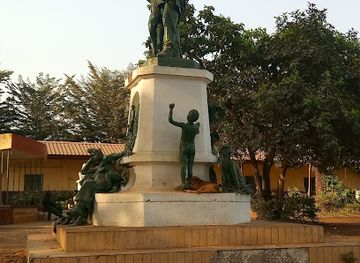
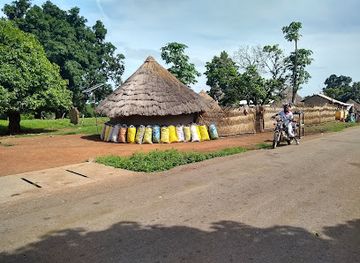
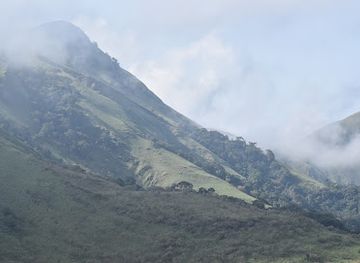
The Ziama Massif is Macenta’s defining geographical landmark: a broad, forested upland whose ecological importance extends beyond the prefecture and represents one of Guinea’s significant remnants of Upper Guinean rainforest. Its value is not concentrated in a single monument but in the continuous relationship between ridges, streams, forest cover and surrounding communities. Sérédou is an important local reference point for approaches to the massif and for understanding the human geography of the reserve. Macenta town itself is a regional landmark in a practical sense, marking a historic and commercial centre within Guinea’s Forestière belt and a meeting point for roads heading towards the forest and neighbouring prefectures. The red-earth roads, cultivated valleys and densely wooded hills form a recognisable landscape rather than an individual architectural sight. Toma cultural objects, masks and ceremonial traditions are significant elements of regional heritage, but many belong to living communities and should not be treated as publicly accessible monuments. Their interpretation depends on permission, context and local custodianship.
-
Museum
National Museum of Guinea
Explore the vibrant culture and history of Guinea at the National Museum of Guinea in Conakry, a must-visit destination for every traveler.
-
National park
National Park of Upper Niger
Explore the breathtaking landscapes and diverse wildlife of the National Park of Upper Niger in Guinea, a pristine escape for nature lovers and adventure seekers.
-
Park
Totalreservat Berg Nimba
Discover the breathtaking landscapes and rich biodiversity at Totalreservat Berg Nimba, a UNESCO World Heritage site in Guinea.
-
Hotel
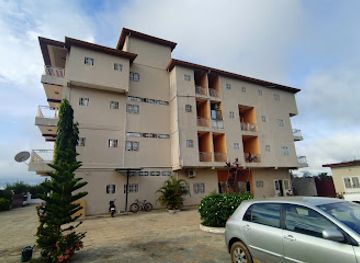
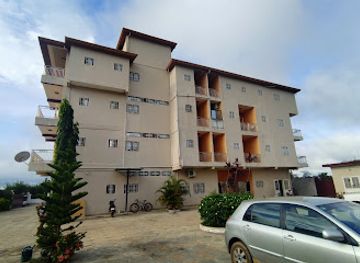
Hôtel le Macenta
Discover the charm and comfort of Hôtel le Macenta, a perfect base for exploring the vibrant culture and landscapes of Guinea.
Explore Macenta Region on the map
Plan your trip on one map. See where the top cities, national parks and sights are, and book hotels and experiences in a few clicks.
Best hotels in Macenta Region
Best restaurants in Macenta Region
Dining in Macenta is based on Guinean home cooking and small local eateries rather than an established restaurant scene. Rice with sauces, cassava, plantain, sweet potato, beans, grilled meat and seasonal vegetables are common components of meals in the Forestière region, while fish may be available where supply routes permit. Palm oil, groundnuts, chilli and aromatic leaves contribute to the flavours of many dishes, and locally grown coffee and fruit reflect the humid agricultural environment. Roadside stalls and market vendors may sell rice dishes, grilled foods, fried plantain or simple breakfasts, while modest eateries in Macenta town provide the most dependable choice for visitors. Food availability changes with market supply and the season, so flexible expectations are useful. Carry sealed drinking water and choose busy food stalls with good turnover; outside town, advance arrangements with accommodation or a host may be necessary. Tipping is not a formal requirement, though small gestures for attentive service are welcomed.
-
Restaurant
Restaurant Paracétamol
Experience authentic Guinean cuisine at Restaurant Paracétamol in Macenta - where tradition meets taste.

Best bars in Macenta Region
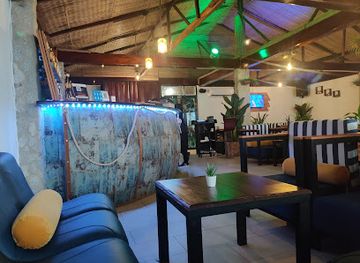
Macenta does not have a large, internationally oriented nightclub scene. Evening life centres on modest bars, cafés, local eateries and informal social venues in the town, with music and conversation more prominent than organised late-night entertainment. In smaller settlements and near the forest, evenings are generally quiet and shaped by household and community routines rather than tourism. Locally produced drinks and bottled beer may be available, but visitors should drink moderately, keep valuables secure and arrange their return transport before going out. Live music, dance and cultural performance may occur during community events, but these are not fixed tourist shows and require respectful permission to attend or photograph. Outside Macenta town, do not assume that venues remain open late or that transport will be available after dark.
-
Bar
MLS Lounge Bar
Discover the vibrant nightlife of Conakry at MLS Lounge Bar, where refreshing drinks and a friendly atmosphere await all visitors.
-
Hotel
Hôtel le Macenta
Discover the charm of Guinea at Hôtel le Macenta, where comfort meets local culture in a cozy atmosphere.
-
Lounge
Océan's Lounge
Discover Océan's Lounge in Conakry, a perfect blend of relaxation and vibrant atmosphere awaits you in this serene escape!
-
Lounge
Sky Lounge
Discover the breathtaking views and relaxing atmosphere of Sky Lounge, a top lounge destination in Conakry, Guinea, perfect for unwinding after a day of exploration.
Best nightclubs in Macenta Region
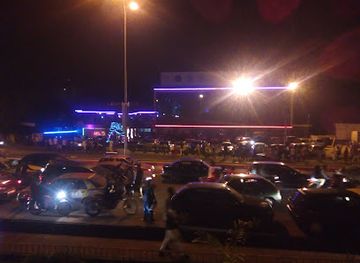
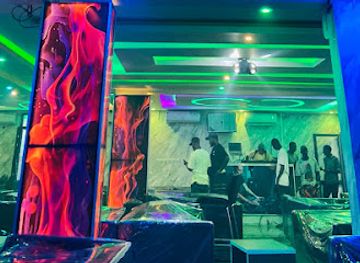
Macenta does not have a large, internationally oriented nightclub scene. Evening life centres on modest bars, cafés, local eateries and informal social venues in the town, with music and conversation more prominent than organised late-night entertainment. In smaller settlements and near the forest, evenings are generally quiet and shaped by household and community routines rather than tourism. Locally produced drinks and bottled beer may be available, but visitors should drink moderately, keep valuables secure and arrange their return transport before going out. Live music, dance and cultural performance may occur during community events, but these are not fixed tourist shows and require respectful permission to attend or photograph. Outside Macenta town, do not assume that venues remain open late or that transport will be available after dark.
-
Dance club
Horizon night club
Immerse yourself in the lively nightlife of Macenta at Horizon Night Club, where vibrant music and dance await every visitor.
Best shops in Macenta Region
Shopping in Macenta is primarily local and practical, with the town market and roadside stalls offering rice, cassava, plantains, fruit, vegetables, household goods, clothing and everyday provisions. Market activity is closely tied to agricultural seasons, so the selection of produce changes throughout the year. Visitors may find locally grown coffee, palm products, dried foods and small craft items, although quality and availability vary and purchases should be made through respectful, fair transactions. Toma and neighbouring Forestière communities have distinctive craft traditions, but masks, ceremonial objects and older-looking artefacts require particular caution: do not buy items that may be sacred, illegally removed from a protected context or exported without documentation. For practical reasons, purchase cash, water, medicines and basic travel supplies in Macenta before heading towards Sérédou or remote forest areas. The prefecture is not a destination for formal retail or luxury shopping; its most meaningful purchases are responsibly sourced food products and modest locally made goods.
-
Market
Marche du Niger
Experience the vibrant culture and unique crafts at Marche du Niger, the heart of Conakry's bustling market scene.
-
Vaporizer store
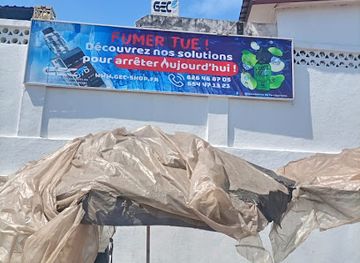
Guinéenne de l'e-cigarette
Discover a vibrant vaporizer haven in Conakry, where quality meets community at Guinéenne de l'e-cigarette.
-
Computer software store
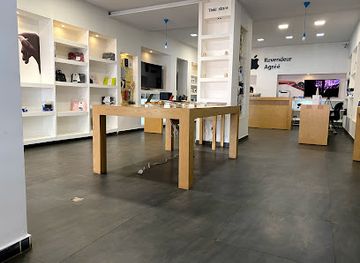
Tinki Store
Explore the latest in computer software at Tinki Store, Conakry's premier destination for tech enthusiasts and professionals alike.
-
Clothing store
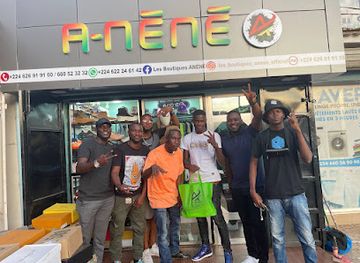
Anènè Brand
Explore Anènè Brand in Conakry for unique clothing that showcases the vibrant culture and artistry of Guinea, perfect for every fashion enthusiast.

Get your free copy of our complete guide to Macenta Region, delivered straight to you.
Everything on this page, from attractions and restaurants to essentials and local phrases, in one PDF you can read offline, print or share.
Already have an account? Sign in
Your Macenta Region guide is ready.
We'll send it to · Not you? Sign out

Getting your guide ready…
We are putting together a fresh copy of the Macenta Region guide. This can take up to a minute.
This can take a few moments. If your browser asks, choose Allow so the download can start. You'll find the guide in your Downloads folder.
Nothing happened? Download it again
Sorry, the guide is taking longer than usual. Please try again in a minute, or get it by email instead.
Macenta Region essentials
Currency and Payment
Safety
Emergency Situations
Do's and Don'ts
Local Tips
From Eve
Local phrases worth knowing
You don't need to get them perfect. A few words go a long way, and locals appreciate the effort.
Basics
| English | Local | Say it |
|---|---|---|
| Hello | N'na | [nuh-nah] |
| Goodbye | N'na bɛ | [nuh-nah beh] |
| Yes | E | [eh] |
| No | Ala | [ah-lah] |
| Please/You're welcome | S'il vous plaît | [seel voo pleh] |
| Thank you | I fɛ | [ee feh] |
| Excuse me/Sorry | M'ba | [m'bah] |
| How are you? | N'ko n'na? | [n'koh nah] |
| Fine. And you? | Sɔrɔ. I n'na? | [soh-roh ee nah] |
| Do you speak English? | I sɔrɔ anglɛ? | [ee soh-roh ahn-gleh] |
| I don't understand | N'ka fɔ n'na | [n'kah foh nah] |
Eating & Drinking
| English | Local | Say it |
|---|---|---|
| I'd like to see the menu, please | M'ba fɔtɔ mɛnu, s'il vous plaît | [m'bah foht-oh meh-noo seel voo pleh] |
| I don't eat meat | N'ka fɔ nyama | [n'kah foh nyah-mah] |
| Cheers! | Sakɔ! | [sah-koh] |
| I would like to pay, please | M'ba fɔtɔ yɔrɔ, s'il vous plaît | [m'bah foht-oh yor-oh seel voo pleh] |
Emergencies
| English | Local | Say it |
|---|---|---|
| Help! | Sɔ! | [soh] |
| Go away! | Fɔ mɔ! | [foh moh] |
| Call the Police! | Fɔ n'na bɔlɔ! | [foh nah boh-loh] |
| Call a doctor! | Fɔ n'na dɔkɛtɛ! | [foh nah doh-keh-teh] |
| I'm lost | N'ka sɔrɔ mɔ | [n'kah soh-roh moh] |
| I'm ill | N'ka bɛ sɔ | [n'kah beh soh] |
Shopping
| English | Local | Say it |
|---|---|---|
| I'd like to buy... | M'ba fɔtɔ tɔɔ... | [m'bah foht-oh toh] |
| I'm just looking | N'ka sɔrɔ | [n'kah soh-roh] |
| How much is it? | I bɛ sɔ? | [ee beh soh] |
| That's too expensive | Ala sɔrɔ fɔrɔ | [ah-lah soh-roh for-oh] |
| Can you lower the price? | I bɛ fɔtɔ sɔrɔ? | [ee beh foht-oh soh-roh] |
Time & Numbers
| English | Local | Say it |
|---|---|---|
| What time is it? | I bɛ sɔn fɔ? | [ee beh sohn foh] |
| It's one o'clock | I bɛ kɔnɔ | [ee beh kohn-oh] |
| Half past (10) | Fɔrɔ (10) | [for-oh] |
| Morning | Dɔlɔ | [doh-loh] |
| Afternoon | Dɔlɔ kɛ | [doh-loh keh] |
| Evening | Dɔlɔ ya | [doh-loh yah] |
| Yesterday | Kɛ n'na | [keh nah] |
| Today | N'na | [nah] |
| Tomorrow | Kɔrɔ n'na | [kor-oh nah] |
| 1 | Kɛnɛ | [keh-neh] |
| 2 | Dɔn | [dawn] |
| 3 | Tati | [tah-tee] |
| 4 | N'nan | [n'nahn] |
| 5 | Sɛtɛ | [seh-teh] |
| 6 | N'nin | [n'neen] |
| 7 | Sɛtɛ kɛnɛ | [seh-teh keh-neh] |
| 8 | N'nin kɛnɛ | [n'neen keh-neh] |
| 9 | Tati kɛnɛ | [tah-tee keh-neh] |
| 10 | Kɛnɛ dɔ | [keh-neh doh] |
Transport & Directions
| English | Local | Say it |
|---|---|---|
| Where's a/the...? | N'na mɔ...? | [nah moh] |
| What's the address? | I bɛ dɔ? | [ee beh doh] |
| Can you show me (on the map)? | I bɛ fɔtɔ n'na (mɛpɛ)? | [ee beh foht-oh nah meh-peh] |
| When's the next (bus)? | Kɔnɔ fɛ n'na (bɔsɛ)? | [kohn-oh feh nah boh-seh] |
| A ticket (to ....) | N'na dɔ bɔlɔ (....) | [nah doh boh-loh] |
History of Macenta Region
Early Forest-Region Communities
The Macenta area belongs to the historical Upper Guinean forest zone, where communities developed farming, hunting, trading and craft traditions adapted to a humid environment. Toma, also known as Loma, communities have long been prominent in the wider borderlands of present-day Guinea and Liberia, alongside neighbouring groups including the Mano. Political authority was often organised through local communities and associations rather than through a single centralised kingdom. Oral traditions, initiation institutions, masks and material culture remain important to understanding the region, although they should not be treated as performances created solely for visitors.
Mande-World Connections and Regional Trade
Before colonial rule, the forest fringe was connected to wider networks reaching north towards the Upper Niger and west towards the Liberian coast. Traders, farmers and craftspeople moved kola, rice, palm products and other goods through routes that crossed cultural and linguistic boundaries. Islam and Mande political influence affected parts of the broader region, but the forest societies retained distinctive religious, social and artistic institutions. These overlapping connections help explain why modern borders do not correspond neatly to the cultural geography of Macenta and the surrounding Forestière region.
Samory Touré and the Colonial Conquest
During the late nineteenth century, the expansion of Samory Touré’s Wassoulou state brought warfare and political upheaval to large parts of present-day Guinea and neighbouring territories. French military expansion followed, and the forest region was progressively incorporated into French West Africa. The conquest altered local authority, trade routes and patterns of settlement. Resistance, negotiation and the reorganisation of communities were part of this wider transformation, whose effects continued under colonial administration.
French Colonial Administration and Forest Economies
Under French rule, Macenta became part of an administrative system that linked the forest interior to coastal and regional centres. Roads and administrative posts expanded, while taxation and colonial commercial policies reshaped agriculture and trade. Forest products, food crops and later plantation agriculture became increasingly important to the regional economy. Colonial boundaries also divided communities whose cultural and linguistic relationships extended into Liberia and Côte d’Ivoire, leaving a lasting legacy in local movement and identity.
The Ziama Forest and Conservation
The Ziama Massif emerged as one of the most important protected forest landscapes in Guinea. Its conservation history reflects both scientific recognition of Upper Guinean rainforest and the practical importance of forest resources to neighbouring communities. UNESCO designated the Ziama Massif a biosphere reserve in 1980, establishing an international framework intended to combine biodiversity protection with sustainable local development. The reserve’s continued significance depends on balancing conservation, farming, forest use and community participation rather than treating the forest as an isolated wilderness.
Independent Guinea and Contemporary Macenta
After Guinea gained independence from France in 1958, Macenta developed within the new republic’s Nzérékoré region. Government investment, regional trade and population movement connected the prefecture more closely with the rest of the country, while limited infrastructure continued to constrain services and tourism. The civil conflicts that affected neighbouring Liberia and Sierra Leone also influenced movement and humanitarian conditions across Guinea’s forest borderlands. Today, Macenta remains a rural prefecture where forest conservation, agriculture, cross-border cultural ties and the gradual improvement of roads are central to its future.
Macenta Region in Photos
Browse through our photo collection highlighting the charm and character of the destination.
Neighbouring regions of Macenta Region
The closest regions to Macenta Region, if you have time for more than one.
-

-

-

-

-


Swipe for more regions
Explore more

Explore more of Guinea
Explore Guinea's hidden beauty, from lush rainforests and majestic waterfalls to vibrant markets and rich cultural heritage in West Africa.
Explore Guinea