

Free Labé Region Travel Guide & Mobile App
Explore Labé Region with free travel guides. Discover regional history, expert tips, proposed trips, and audio guides on web or mobile app.


Explore Guinea’s Labé Region for Fouta Djallon highlands, waterfalls, Fulɓe heritage, rural markets and cool mountain landscapes.
Read more about Labé Region
When is the best time to visit Labé Region?
Best: December–February · 26–29°C| Month | High (°C) | Rainfall (mm) |
|---|---|---|
| January (best) | 26 | 0 |
| February (best) | 29 | 1 |
| March | 31 | 5 |
| April | 32 | 40 |
| May | 31 | 100 |
| June | 29 | 180 |
| July | 28 | 220 |
| August | 28 | 230 |
| September | 29 | 200 |
| October | 29 | 120 |
| November | 28 | 40 |
| December (best) | 27 | 1 |
Getting to and around Labé Region
How to get there
Transportation
Explore Labé Region on the map
Plan your trip on one map. See where the top cities, national parks and sights are, and book hotels and experiences in a few clicks.
Best hotels in Labé Region
Best restaurants in Labé Region
Dining in Labé Region is closely tied to household cooking, markets and the agricultural economy of the Fouta Djallon. Fonio, a small native grain suited to the highlands, is served with sauces, while rice, maize, cassava and tô may accompany preparations made with leafy greens, groundnuts, okra or meat. Grilled beef, mutton and chicken are common in town, and dairy products reflect the importance of cattle keeping in Fulɓe communities. Small restaurants, cafés and market stalls in Labé provide the broadest choice; outside the regional capital, meals may need to be arranged through accommodation or roadside eateries. Tea, coffee and sweet drinks are widely available, while seasonal fruit and vegetables appear in local markets. Visitors should choose busy food stalls, eat meat thoroughly cooked and use treated or bottled water. Fine dining is limited, but the region offers a direct sense of how highland produce, pastoral traditions and everyday Guinean cooking meet.
-
Restaurant
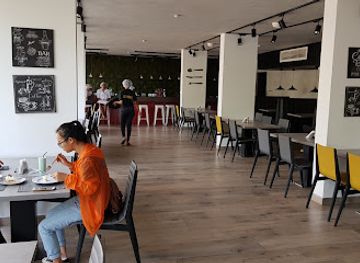
Le Special
Discover authentic Guinean cuisine at Le Special in Conakry – where every meal is a celebration of flavor and culture.
-
Restaurant
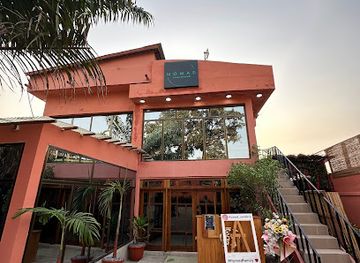
NOMAD
Discover NOMAD in Conakry – where exquisite cuisine meets a welcoming atmosphere for every traveler.
-
Hotel
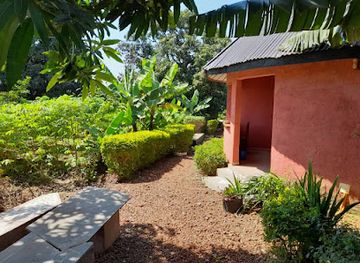
HOTEL TATA, quartier Pounthioun.
Discover comfort and culture at Hotel Tata in Labe, your gateway to exploring Guinea's vibrant landscapes and rich traditions.
-
Hotel
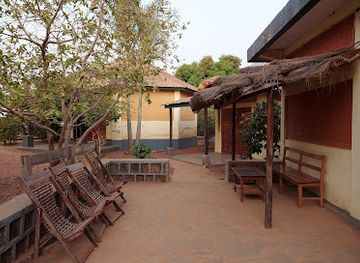
Hôtel Djamtum
Experience Guinean hospitality at Hôtel Djamtum in Quartier Koulidara, Labe – where comfort meets cultural immersion.
Best bars in Labé Region
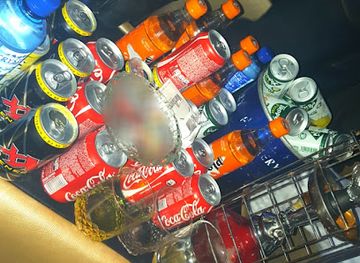
Nightlife in Labé Region is modest and concentrated mainly in Labé town. Evening life centres on cafés, tea stalls, informal restaurants and neighbourhood bars rather than a large club circuit. Some venues play Guinean popular music, and occasional live performances or celebrations may create a livelier atmosphere, but schedules are not always public or predictable. In Pita, Mali and smaller towns, evenings generally become quiet early, with social activity focused on family compounds, food stalls and local gatherings. Alcohol is available in some establishments, though Muslim customs are important across the region and visitors should drink discreetly and respectfully. There is little organised nightlife around waterfalls or rural attractions, where visitors should return before dark unless staying with a trusted local host. Ask accommodation staff about current venues and avoid walking unfamiliar roads late at night.
-
Bar
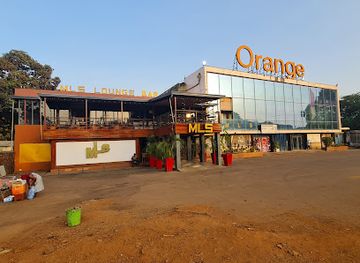
MLS Lounge Bar
Discover the lively MLS Lounge Bar in Conakry, where local flavors and vibrant nightlife create an unforgettable experience for every traveler.
-
Hotel
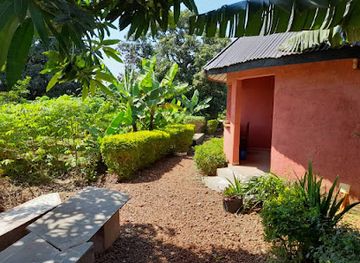
HOTEL TATA, quartier Pounthioun.
Experience the heart of Labe at Hotel Tata, where comfort meets local culture in the stunning landscapes of Guinea.
-
Lounge
CODE BAR
Explore CODE BAR in Conakry, a fusion of culinary delights and vibrant nightlife, perfect for unwinding after a day of adventure in Guinea.
-
Bar
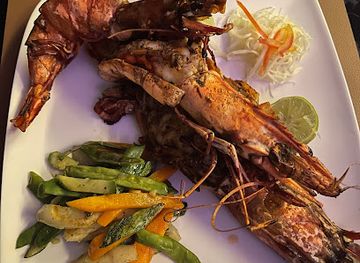
Le Skyview Lounge
Elevate your evening at Le Skyview Lounge, a chic bar and restaurant in Conakry with stunning skyline views and exquisite cuisine.
Best nightclubs in Labé Region
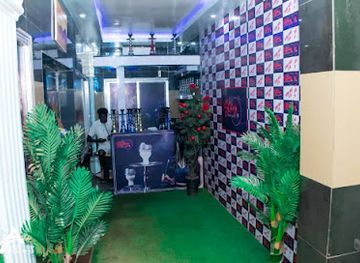
Nightlife in Labé Region is modest and concentrated mainly in Labé town. Evening life centres on cafés, tea stalls, informal restaurants and neighbourhood bars rather than a large club circuit. Some venues play Guinean popular music, and occasional live performances or celebrations may create a livelier atmosphere, but schedules are not always public or predictable. In Pita, Mali and smaller towns, evenings generally become quiet early, with social activity focused on family compounds, food stalls and local gatherings. Alcohol is available in some establishments, though Muslim customs are important across the region and visitors should drink discreetly and respectfully. There is little organised nightlife around waterfalls or rural attractions, where visitors should return before dark unless staying with a trusted local host. Ask accommodation staff about current venues and avoid walking unfamiliar roads late at night.
-
Night club
Alize Club International
Discover the ultimate nightlife experience at Alize Club International in Conakry, where music, dance, and vibrant energy come alive.
-
Movie theater
Galaxie night clube
Discover the vibrant nightlife at Galaxie Night Club in Guinea, where every night is filled with music, dance, and unforgettable moments.
-
Night club
La ROCCA Night Club
Discover the ultimate nightlife experience at La ROCCA Night Club in Conakry, where music, dancing, and vibrant culture come together for an unforgettable evening.
-
Night club
CLIMAX NIGHT CLUB
Discover the vibrant nightlife of Conakry at Climax Night Club, where music, dance, and a lively atmosphere await every night.

Best shops in Labé Region
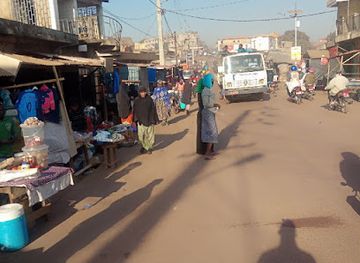
Shopping in Labé Region is centred on Labé’s main market and the smaller market towns linking the prefectures. Visitors can find rice, fonio, groundnuts, honey, seasonal produce and other foods from the highland farming economy, although packaging and availability vary. Livestock and agricultural markets are primarily places of local commerce rather than conventional tourist attractions, so ask before taking photographs. Small shops and stalls may offer woven items, clothing, leather goods, household products and simple souvenirs, while regional craft traditions are more easily explored through local contacts than polished retail outlets. Bargaining can be part of market transactions, but it should remain courteous and realistic. Bring Guinean francs in small denominations and do not assume that cards are accepted. The most useful purchases are often edible regional products or practical handmade goods, bought directly from traders and artisans when possible rather than imported souvenirs.
-
Supermarket
Boutique Diallo Mamoudou S
Discover fresh local produce and unique Guinean flavors at Boutique Diallo Mamoudou S, the premier supermarket in Labe.
-
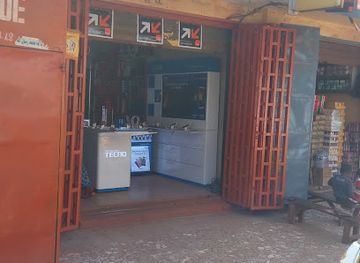
Electronics store
DN Tecno Shop Labé
Explore a world of technology at DN Tecno Shop Labé, offering a diverse range of electronics for every need in the heart of Labé, Guinea.
-
Produce market
Marche Sâces
Explore the bustling Marche Sâces in Labe, Guinea, where vibrant produce, local crafts, and authentic flavors come together for an unforgettable experience.
-
Electronics store
Alpha Soole Shop
Explore the Alpha Soole Shop in Labé, your destination for quality electronics and a taste of local culture in Guinea.

Get your free copy of our complete guide to Labé Region, delivered straight to you.
Everything on this page, from attractions and restaurants to essentials and local phrases, in one PDF you can read offline, print or share.
Already have an account? Sign in
Your Labé Region guide is ready.
We'll send it to · Not you? Sign out

Getting your guide ready…
We are putting together a fresh copy of the Labé Region guide. This can take up to a minute.
This can take a few moments. If your browser asks, choose Allow so the download can start. You'll find the guide in your Downloads folder.
Nothing happened? Download it again
Sorry, the guide is taking longer than usual. Please try again in a minute, or get it by email instead.
Labé Region essentials
Currency and Payment
Safety
Emergency Situations
Do's and Don'ts
Local Tips
From Eve
Local phrases worth knowing
You don't need to get them perfect. A few words go a long way, and locals appreciate the effort.
Basics
| English | Local | Say it |
|---|---|---|
| Hello | Ala | [Ah-lah] |
| Goodbye | N'ka fo | [N'kah fo] |
| Yes | Iye | [Ee-yeh] |
| No | Ala | [Ah-lah] |
| Please/You're welcome | S'il vous plaît | [Seel voo pleh] |
| Thank you | M'baara | [M'bah-rah] |
| Excuse me/Sorry | Fala | [Fah-lah] |
| How are you? | N'ko ma? | [N'koh mah?] |
| Fine. And you? | N'ka fô, n'ko ma? | [N'kah fo, n'koh mah?] |
| Do you speak English? | N'ko jɛɛŋɡlɛs? | [N'koh jeh-ehng-les?] |
| I don't understand | N'ko m'baara | [N'koh m'bah-rah] |
Eating & Drinking
| English | Local | Say it |
|---|---|---|
| I'd like to see the menu, please | N'ka fô mɛnyu, s'il vous plaît | [N'kah fo meh-nyoo, seel voo pleh] |
| I don't eat meat | N'ko mɛtɛ n'ka | [N'koh meh-teh n'kah] |
| Cheers! | N'ka kɔrɔ! | [N'kah koh-roh!] |
| I would like to pay, please | N'ka fô pɛ, s'il vous plaît | [N'kah fo peh, seel voo pleh] |
Emergencies
| English | Local | Say it |
|---|---|---|
| Help! | Ala! | [Ah-lah!] |
| Go away! | Bɛ n'ka fô! | [Beh n'kah fo!] |
| Call the Police! | N'ka fô Polisi! | [N'kah fo Poh-lee-see!] |
| Call a doctor! | N'ka fô dɔkɛtɛ! | [N'kah fo doh-keh-teh!] |
| I'm lost | N'ko mɔ n'ka | [N'koh moh n'kah] |
| I'm ill | N'ko mɔ bɛ | [N'koh moh beh] |
Shopping
| English | Local | Say it |
|---|---|---|
| I'd like to buy... | N'ka fô tɛɛnɛ... | [N'kah fo te-eh-neh...] |
| I'm just looking | N'ka fô bɛ bɛn | [N'kah fo beh behn] |
| How much is it? | Iye bɛ tɛ? | [Ee-yeh beh teh?] |
| That's too expensive | N'ka fô kɛlɛ | [N'kah fo keh-leh] |
| Can you lower the price? | N'ko kɛlɛ dɛmɛ? | [N'koh keh-leh deh-meh?] |
Time & Numbers
| English | Local | Say it |
|---|---|---|
| What time is it? | N'ko bɛn na? | [N'koh behn nah?] |
| It's one o'clock | N'ka fô kɛlɛ | [N'kah fo keh-leh] |
| Half past (10) | N'ka fô sɔ lɔ (10) | [N'kah fo soh loh (10)] |
| Morning | Tɛrɛ | [Teh-reh] |
| Afternoon | Fɛrɛ | [Feh-reh] |
| Evening | An | [Ahn] |
| Yesterday | Bɛ sɔ fɔ | [Beh soh fo] |
| Today | Bɛ lɔ | [Beh loh] |
| Tomorrow | Bɛ sɔ | [Beh soh] |
| 1 | Kɛ | [Keh] |
| 2 | Dɔ | [Doh] |
| 3 | Tɔ | [Taw] |
| 4 | Nɛn | [Nehn] |
| 5 | Kɛtɛ | [Keh-teh] |
| 6 | Sɛtɛ | [Seh-teh] |
| 7 | Sɛtɛtɛ | [Seh-teh-teh] |
| 8 | Sɛtɛkɛ | [Seh-teh-keh] |
| 9 | Sɛtɛsɛn | [Seh-teh-sehn] |
| 10 | Sɛtɛsɛn | [Seh-teh-sehn] |
Transport & Directions
| English | Local | Say it |
|---|---|---|
| Where's a/the...? | N'ka fô ...? | [N'kah fo ...?] |
| What's the address? | N'ka fô adrɛs? | [N'kah fo ah-dreh-s?] |
| Can you show me (on the map)? | N'ko kɛlɛ mɛ ni (n'kan)? | [N'koh keh-leh meh nee (n'kan)?] |
| When's the next (bus)? | N'ka fô n'kan (bɔs)? | [N'kah fo n'kan (baws)?] |
| A ticket (to ....) | N'ka fô tikɛtɛ (n'kan ...) | [N'kah fo tee-keh-teh (n'kan ...)] |
History of Labé Region
Early Highland Communities and Regional Trade
The Fouta Djallon highlands have long supported farming, livestock keeping and movement between the Upper Guinea interior, the coast and the Senegal River basin. Elevated grasslands, valleys and dependable springs created a distinctive agricultural environment, while routes across the plateau connected communities engaged in exchange. Before modern borders, the region was part of wider networks of Mande, Fulɓe and other peoples. Archaeological and oral evidence points to a long history of settlement and mobility, although many individual sites remain insufficiently documented for visitors.
Fulɓe Settlement and the Rise of the Fouta Djallon Imamate
From the seventeenth and eighteenth centuries, Fulɓe communities became increasingly influential across the highlands. In the early eighteenth century, Islamic clerics and political leaders established the Fouta Djallon imamate, a state whose principal political centre was Timbo in what is now neighbouring Mamou Region. Its authority extended across much of the highland zone, including areas corresponding to today’s Labé Region. The imamate shaped landholding, religious scholarship, political organisation and trade, leaving a powerful historical legacy in Pular-speaking communities.
Labé and the Nineteenth-Century Highland Economy
During the nineteenth century, Labé and other highland settlements developed as centres of administration, religious learning, livestock exchange and agricultural trade. Cattle, hides, grain and other products moved along regional routes, linking rural producers with larger markets. Islamic education and oral traditions also flourished, while political authority was exercised through local leaders within the broader imamate system. The region’s present-day emphasis on market towns, pastoral wealth and farming landscapes reflects these older economic and social patterns.
French Conquest and Colonial Administration
French forces conquered the Fouta Djallon at the end of the nineteenth century, ending the political independence of the imamate and incorporating the highlands into French West Africa. Colonial rule reorganised existing authorities, introduced new administrative boundaries and redirected trade and taxation towards the colonial system. Roads and administrative posts increased the state’s reach, but rural production and local religious life continued to shape society. Labé subsequently became an important administrative centre within the territory that would become Guinea.
Independence and the Centralised State
Guinea became independent from France in 1958 under President Ahmed Sékou Touré. The new state pursued a strongly centralised political and economic model, and relations between the government and the Fouta Djallon’s influential religious and commercial communities were often difficult. National policies affected landholding, trade and local authority, while the region remained heavily dependent on agriculture and livestock. The period also strengthened the importance of formal administrative centres such as Labé in the provision of education, commerce and public services.
Contemporary Labé Region
Since the late twentieth century, Labé Region has experienced continuing population growth, expanded road connections and closer links with Guinea’s national and international markets. Farming, livestock, small-scale commerce and remittances remain important, while Labé functions as a commercial hub for a wide rural hinterland. Tourism is developing around the highlands, waterfalls and cultural history, but infrastructure remains modest. Responsible travel therefore depends on local knowledge and contributes most usefully when it supports guides, accommodation providers, drivers and food businesses based in the region.
Labé Region in Photos
Browse through our photo collection highlighting the charm and character of the destination.
Neighbouring regions of Labé Region
The closest regions to Labé Region, if you have time for more than one.
-

-

-

-

-


Swipe for more regions
Explore more

Explore more of Guinea
Explore Guinea's hidden beauty, from lush rainforests and majestic waterfalls to vibrant markets and rich cultural heritage in West Africa.
Explore Guinea