

Free Fouta Djallon Travel Guide & Mobile App
Explore Fouta Djallon with free travel guides. Discover regional history, expert tips, proposed trips, and audio guides on web or mobile app.


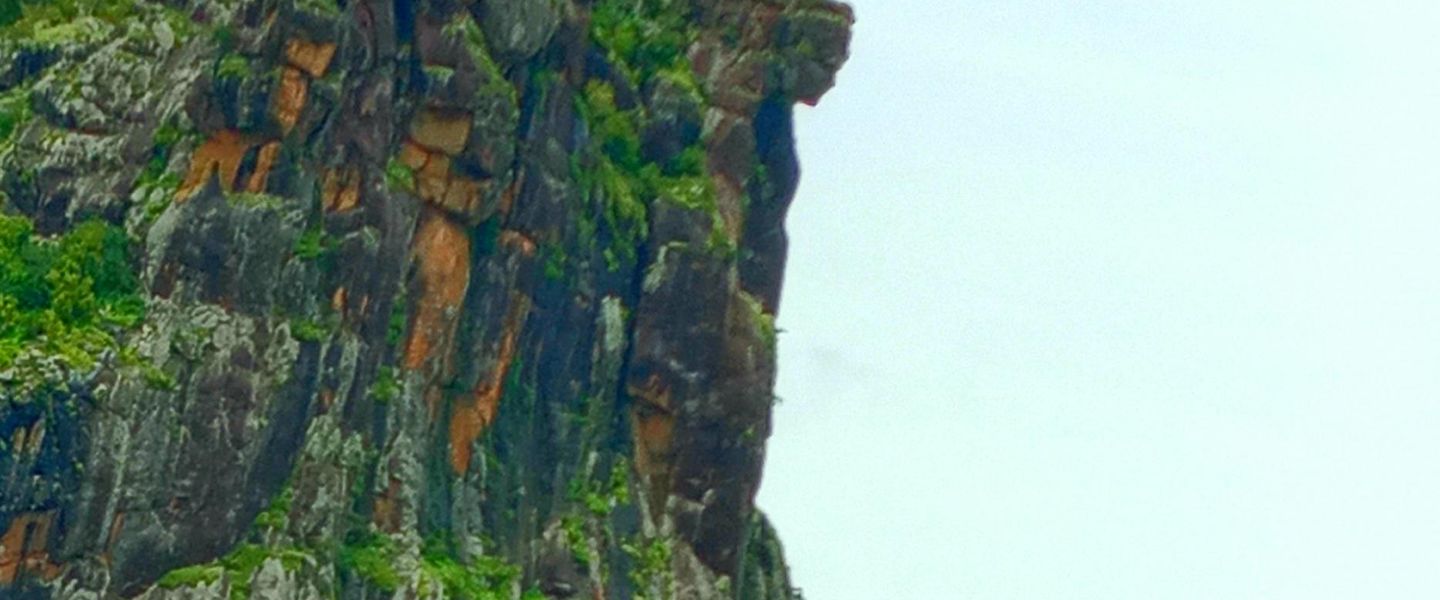


Explore Fouta Djallon in Guinea for cool highlands, waterfalls, Fulani heritage, historic Timbo and rugged routes through Middle Guinea.
Read more about Fouta Djallon
When is the best time to visit Fouta Djallon?
Best: December–February · 24–25°C| Month | High (°C) | Rainfall (mm) |
|---|---|---|
| January (best) | 24 | 1 |
| February (best) | 25 | 3 |
| March | 28 | 6 |
| April | 30 | 15 |
| May | 32 | 30 |
| June | 30 | 40 |
| July | 29 | 80 |
| August | 28 | 100 |
| September | 28 | 90 |
| October | 28 | 40 |
| November | 26 | 15 |
| December (best) | 24 | 2 |
Getting to and around Fouta Djallon
How to get there
Transportation
Top city travel guides in Fouta Djallon
The cities of Fouta Djallon, and the easiest places to base yourself.
-

-


Swipe for more cities
Destinations in Fouta Djallon
Resorts, valleys and scenic spots worth a trip of their own.

Swipe for more destinations
Best attractions in Fouta Djallon
-
Tourist attraction
Grande Mosquée de Conakry
Explore the Grande Mosquée de Conakry, a stunning architectural gem and cultural hub in Guinea's vibrant capital.
-
Amusement center
Bluezone de Kaloum
Discover the excitement and joy at Bluezone de Kaloum, Conakry's ultimate amusement center offering fun for everyone in the heart of Guinea.
-
Museum
National Museum of Guinea
Explore the National Museum of Guinea, where rich history and vibrant culture come alive through captivating exhibits and local artistry.
-
National park
National Park of Upper Niger
Discover the enchanting landscapes and rich biodiversity of the National Park of Upper Niger, a hidden gem for nature lovers in Guinea.

Best landmarks in Fouta Djallon
Mount Loura near Mali is one of Fouta Djallon’s defining natural landmarks, rising above the surrounding plateaux with rugged rock formations and expansive highland views. Near Pita, Kinkon Falls is a prominent geographical feature where water drops through a steep-sided landscape, while the Ditinn waterfalls near Dalaba mark a dramatic valley shaped by the region’s abundant streams. Timbo is the most important historic landmark area: once the political centre of the Fouta Djallon Imamate, it represents the region’s eighteenth- and nineteenth-century Fulani Islamic state and remains significant in local historical memory. Dalaba’s elevated setting and older retreat-era buildings reflect the town’s development as a cool-climate station during the colonial period, although the surviving built environment is varied. Across the countryside, sandstone escarpments, river sources, cultivated slopes and highland passes provide a broader landmark system whose importance is geographic as much as architectural.
-
Hiking area
Fouta Trekking
Explore the breathtaking landscapes and vibrant culture at Fouta Trekking, a premier hiking destination in Guinea's natural paradise.
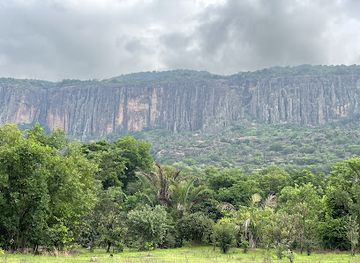
Explore Fouta Djallon on the map
Plan your trip on one map. See where the top cities, national parks and sights are, and book hotels and experiences in a few clicks.
Best hotels in Fouta Djallon
Best restaurants in Fouta Djallon
Dining in Fouta Djallon is practical, regional and closely connected to household agriculture and market supply. Rice is widely served with vegetable, peanut, leaf or meat sauces, while fonio, a small-grained cereal strongly associated with the wider Guinea highlands, appears in homes and local eateries. Maize, cassava, sweet potatoes and seasonal vegetables add variety, and grilled meat is common in town markets and roadside restaurants. Labé, Mamou, Pita and Dalaba offer the broadest choice of simple restaurants, cafés and hotel dining rooms; outside these centres, meals are more likely to come from small local eateries or stalls. Breakfast and refreshments may include bread, coffee or sweet tea, while fruit and prepared snacks change with the season. Visitors should expect straightforward settings, variable service times and limited refrigeration in rural areas. Asking for a dish without chilli or confirming ingredients is useful, and bottled or treated water is the safer choice.
-
Wok restaurant
Foutah cooking
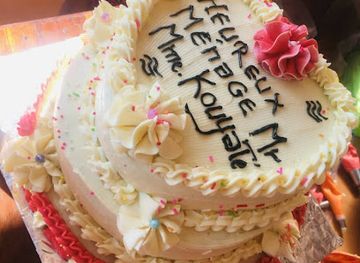
Experience authentic Guinean cuisine at Foutah Cooking - a vibrant wok restaurant in Labé offering delicious meals made with fresh local ingredients.
Best bars in Fouta Djallon
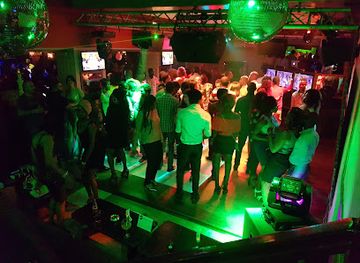
Evening life in Fouta Djallon is generally low-key and centred on tea stalls, cafés, hotel restaurants, neighbourhood eateries and traditional social gatherings rather than a large nightclub circuit. Labé and Mamou have the region’s broadest evening choice, with modest bars, music venues and restaurants where residents meet after work; Dalaba and Pita are quieter and tend to close earlier. Alcohol is available in some establishments, but Guinea’s predominantly Muslim highland communities also support many social settings where tea, coffee, soft drinks and conversation are more important. Live music and celebrations may appear during weddings, festivals or other local occasions, but these are not fixed nightly attractions. Travellers should ask accommodation staff about current venues, return before late-night transport becomes scarce and observe local expectations around photography and behaviour at community events.
-
Bar
MLS Lounge Bar
Experience the vibrant nightlife at MLS Lounge Bar in Conakry, the perfect spot for cocktails, music, and mingling with locals.
-
Restaurant
Cafeteria Exceptional
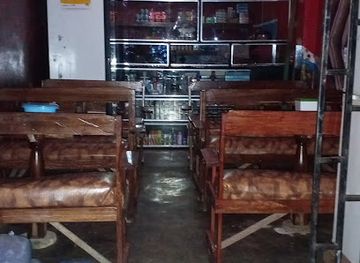
Discover the flavors of Guinea at Cafeteria Exceptional, a welcoming restaurant in Labe offering local and international cuisine.
-
Restaurant
Restaurant
Savor the authentic flavors of Guinea at this charming restaurant in Labé, where every meal is a celebration of local culinary traditions.
-
Restaurant
Sala Plus
Discover authentic Guinean cuisine at Sala Plus, where every dish tells a story of culture and tradition.
Best nightclubs in Fouta Djallon
Evening life in Fouta Djallon is generally low-key and centred on tea stalls, cafés, hotel restaurants, neighbourhood eateries and traditional social gatherings rather than a large nightclub circuit. Labé and Mamou have the region’s broadest evening choice, with modest bars, music venues and restaurants where residents meet after work; Dalaba and Pita are quieter and tend to close earlier. Alcohol is available in some establishments, but Guinea’s predominantly Muslim highland communities also support many social settings where tea, coffee, soft drinks and conversation are more important. Live music and celebrations may appear during weddings, festivals or other local occasions, but these are not fixed nightly attractions. Travellers should ask accommodation staff about current venues, return before late-night transport becomes scarce and observe local expectations around photography and behaviour at community events.
-
Disco club
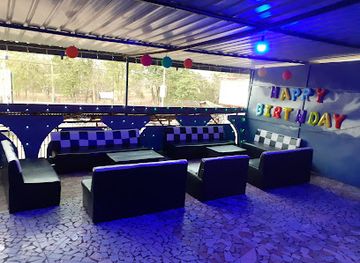
Tinkisso lounge labé
Experience the vibrant nightlife of Labé at Tinkisso Lounge, Guinea's premier disco club, where music and culture come alive.
Best shops in Fouta Djallon
Shopping in Fouta Djallon is concentrated in the markets and high streets of Labé, Mamou, Pita, Dalaba and Mali. These are places to buy foodstuffs, household goods, clothing, sandals and practical travel supplies rather than polished souvenir products. Regional agricultural produce can include fonio, grains, honey, fruit and locally made sauces, although availability follows the season and transport conditions. Visitors may also find woven fabrics, leather goods, baskets, carved items and everyday craftwork, with quality and design varying between sellers. Labé provides the largest commercial environment, while smaller-town markets offer a more direct view of rural exchange and livestock trading. Bargaining may be appropriate in informal markets, but it should be conducted politely and without treating small price differences as entertainment. Carry cash in smaller denominations, inspect goods before payment and ask permission before photographing stalls or artisans.
-
Hiking area
Fouta Trekking
Discover the breathtaking trails and rich culture at Fouta Trekking in Guinea, a hiker's paradise for nature lovers.
-
Supermarket
Boutique Diallo Mamoudou S
Immerse yourself in local culture at Boutique Diallo Mamoudou S, a vibrant supermarket in Labe, Guinea, with a rich selection of local goods.
-
 Produce market
Marché De Dianyabhé
Explore the heart of Labe at Marché De Dianyabhé, a lively produce market showcasing local flavors and vibrant community spirit.
-
Produce market
Marche Sâces
Explore the bustling Marche Sâces in Labe, Guinea, where vibrant produce and local culture intertwine for an unforgettable market experience.
Get your free copy of our complete guide to Fouta Djallon, delivered straight to you.
Everything on this page, from attractions and restaurants to essentials and local phrases, in one PDF you can read offline, print or share.
Already have an account? Sign in
Your Fouta Djallon guide is ready.
We'll send it to · Not you? Sign out

Getting your guide ready…
We are putting together a fresh copy of the Fouta Djallon guide. This can take up to a minute.
This can take a few moments. If your browser asks, choose Allow so the download can start. You'll find the guide in your Downloads folder.
Nothing happened? Download it again
Sorry, the guide is taking longer than usual. Please try again in a minute, or get it by email instead.
Fouta Djallon essentials
Currency and Payment
Safety
Emergency Situations
Do's and Don'ts
Local Tips
From Eve
Local phrases worth knowing
You don't need to get them perfect. A few words go a long way, and locals appreciate the effort.
Basics
| English | Local | Say it |
|---|---|---|
| Hello | Naka | [Nah-kah] |
| Goodbye | Ba bene | [Bah beh-neh] |
| Yes | Waaw | [Wah-w] |
| No | Ala | [Ah-lah] |
| Please/You're welcome | Nyaama | [Nyaah-mah] |
| Thank you | Maa saama | [Mah sah-mah] |
| Excuse me/Sorry | Nyaama to | [Nyaah-mah toh] |
| How are you? | Naka sa? | [Nah-kah sah?] |
| Fine. And you? | Nyaama, waaw? | [Nyaah-mah, wah-w?] |
| Do you speak English? | A njaari anglish? | [Ah njaah-ree ahn-glish?] |
| I don't understand | Ala njaari | [Ah-lah njaah-ree] |
Eating & Drinking
| English | Local | Say it |
|---|---|---|
| I'd like to see the menu, please | Nyaama, a yidi hokkugo menu | [Nyaah-mah, ah yee-dee hoh-kkoo-go men-oo] |
| I don't eat meat | Ala yidi nyam | [Ah-lah yee-dee nyahm] |
| Cheers! | Nyaama to | [Nyaah-mah toh] |
| I would like to pay, please | Nyaama, a yidi hokkugo sa | [Nyaah-mah, ah yee-dee hoh-kkoo-go sah] |
Emergencies
| English | Local | Say it |
|---|---|---|
| Help! | Ala! | [Ah-lah!] |
| Go away! | Njaari! | [Njaah-ree!] |
| Call the Police! | Njaari le Police! | [Njaah-ree leh Po-leece!] |
| Call a doctor! | Njaari le doctor! | [Njaah-ree leh doc-tor!] |
| I'm lost | Ala jooji | [Ah-lah joo-jee] |
| I'm ill | Ala njaari | [Ah-lah njaah-ree] |
Shopping
| English | Local | Say it |
|---|---|---|
| I'd like to buy... | Nyaama, a yidi buy... | [Nyaah-mah, ah yee-dee buy...] |
| I'm just looking | Ala njaari | [Ah-lah njaah-ree] |
| How much is it? | Nyaama, ko fottan? | [Nyaah-mah, koh fot-tahn?] |
| That's too expensive | Ko fottan baalu | [Koh fot-tahn bah-loo] |
| Can you lower the price? | Nyaama, a yidi fottan leddi? | [Nyaah-mah, ah yee-dee fot-tahn leh-dee?] |
Time & Numbers
| English | Local | Say it |
|---|---|---|
| What time is it? | Ko ndiyam? | [Koh ndiyahm?] |
| It's one o'clock | Ko jooni | [Koh joo-nee] |
| Half past (10) | Sango fottan (10) | [Sahng-oh fot-tahn (10)] |
| Morning | Dima | [Dee-mah] |
| Afternoon | Ngalang | [Ngah-lahng] |
| Evening | Golle | [Goh-leh] |
| Yesterday | Jang | [Jahng] |
| Today | Nde | [Ndeh] |
| Tomorrow | Nde fottan | [Ndeh fot-tahn] |
| 1 | Go'o | [Goh-oh] |
| 2 | Doi | [Doh-ee] |
| 3 | Tati | [Tah-tee] |
| 4 | Nayi | [Nye-ee] |
| 5 | Jowi | [Joh-wee] |
| 6 | Jeego | [Jee-go] |
| 7 | Jokki | [Joh-kee] |
| 8 | Sakkani | [Sah-kah-nee] |
| 9 | Jowti | [Joh-tee] |
| 10 | Sey | [Sey] |
Transport & Directions
| English | Local | Say it |
|---|---|---|
| Where's a/the...? | Ko fow nguu...? | [Koh foh ngoo...?] |
| What's the address? | Ko ndiyam le? | [Koh ndiyahm leh?] |
| Can you show me (on the map)? | A yidi hokkugo mi (le nguu)? | [Ah yee-dee hoh-kkoo-go mee (leh ngoo)?] |
| When's the next (bus)? | Ko fow fottan (bus)? | [Koh foh fot-tahn (bus)?] |
| A ticket (to ....) | Hokkugo (to ...) | [Hoh-kkoo-go (to ...)] |
History of Fouta Djallon
Earlier Highland Communities and Trade Routes
Before the formation of the Fouta Djallon Imamate, the highlands were inhabited by communities with varied farming, pastoral and trading traditions. The plateaux and valleys connected the Upper Guinea interior with routes leading towards the Senegal River basin and the coast. Agriculture adapted to the upland environment, while livestock keeping became particularly important in the region’s open grasslands. Earlier settlement history is often preserved through oral traditions, local place names and dispersed archaeological evidence rather than through large, extensively excavated monuments.
Fulani Settlement and the Growth of Islam
From the seventeenth and eighteenth centuries, Fulani pastoralists and clerical lineages became increasingly influential across the highlands. Islamic learning expanded through networks of teachers, mosques and Quranic schools, while pastoral migration and alliances reshaped local political relationships. The process was not a single movement or uniform conquest; it involved settlement, negotiation, conflict and the incorporation of existing communities. These developments laid the foundations for the political state that became known as the Fouta Djallon Imamate.
The Fouta Djallon Imamate, Eighteenth Century
The Fouta Djallon Imamate emerged in the eighteenth century after a movement associated with Karamoko Alfa established a centralised Islamic polity in the highlands. Timbo became its principal political centre, and authority was organised through a network of provincial states and ruling families. The imamate supported Islamic scholarship, regulated trade and governed a strategically important interior region. Its political structure changed over time, but the period left a lasting mark on the identity, religious life and oral history of Middle Guinea.
Timbo, Political Rivalries and Regional Power
The imamate developed internal rivalries between major ruling houses, particularly those associated with Karamoko Alfa and Ibrahim Sori. These divisions shaped the distribution of authority among provincial centres while leaving Timbo as the symbolic capital. Fouta Djallon also interacted with neighbouring states and trading networks through commerce, diplomacy and warfare. The period’s legacy survives in genealogies, local histories, religious institutions and the continuing importance attached to Timbo as a historic centre of Fulani political life.
French Conquest and Colonial Reorganisation
French expansion into the interior of present-day Guinea intensified in the late nineteenth century. After military pressure and political negotiations, the Fouta Djallon came under French control in the 1890s, including the capture of Timbo in 1896. Colonial administration reorganised existing political structures, imposed new forms of taxation and connected the highlands more closely to coastal and regional markets. Roads and administrative posts altered patterns of movement, although local authorities and religious leaders continued to influence everyday life.
Dalaba, Transport and the Modern Highland Economy
During the twentieth century, improved roads and administrative links integrated Fouta Djallon more firmly into Guinea’s national economy. Dalaba gained recognition as a cooler upland retreat, while Mamou became a major transport junction between the coast, the highlands and Upper Guinea. Agricultural production expanded and changed, with fonio, maize, rice, horticultural crops and livestock remaining significant. Since independence in 1958, migration, market connections and changing state policies have continued to reshape the region, while its Fulani cultural and historical identity remains prominent.
Fouta Djallon in Photos
Browse through our photo collection highlighting the charm and character of the destination.
Neighbouring regions of Fouta Djallon
The closest regions to Fouta Djallon, if you have time for more than one.
-

-

-

-

-


Swipe for more regions
Explore more

Explore more of Guinea
Explore Guinea's hidden beauty, from lush rainforests and majestic waterfalls to vibrant markets and rich cultural heritage in West Africa.
Explore Guinea