

Free Lower Guinea Travel Guide & Mobile App
Explore Lower Guinea with free travel guides. Discover regional history, expert tips, proposed trips, and audio guides on web or mobile app.


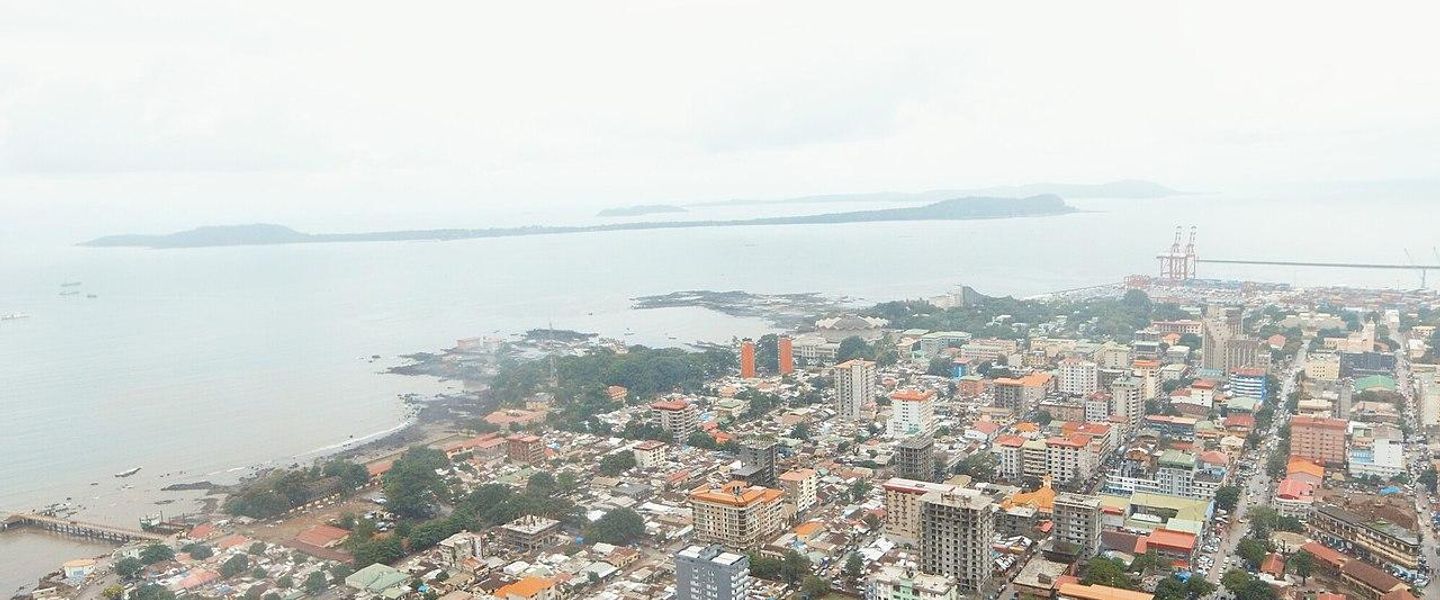


Explore Lower Guinea for Conakry’s markets, Atlantic islands, mangrove waterways, Kindia’s hills and the coastal cultures of Guinea.
Read more about Lower Guinea
When is the best time to visit Lower Guinea?
Best: December–February · 31–32°C| Month | High (°C) | Rainfall (mm) |
|---|---|---|
| January (best) | 31 | 15 |
| February (best) | 32 | 19 |
| March | 33 | 25 |
| April | 34 | 41 |
| May | 34 | 71 |
| June | 33 | 118 |
| July | 33 | 188 |
| August | 32 | 187 |
| September | 32 | 175 |
| October | 32 | 126 |
| November | 32 | 57 |
| December (best) | 31 | 21 |
Getting to and around Lower Guinea
How to get there
Transportation
Top city travel guides in Lower Guinea
The cities of Lower Guinea, and the easiest places to base yourself.

Swipe for more cities
Destinations in Lower Guinea
Resorts, valleys and scenic spots worth a trip of their own.

Swipe for more destinations
Best attractions in Lower Guinea
-
Tourist attraction
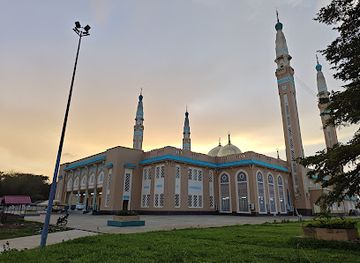
Grande Mosquée de Conakry
Explore the Grande Mosquée de Conakry, a stunning architectural gem and cultural hub in Guinea's vibrant capital.
-
Amusement center
Bluezone de Kaloum
Discover the excitement and joy at Bluezone de Kaloum, Conakry's ultimate amusement center offering fun for everyone in the heart of Guinea.
-
Museum
National Museum of Guinea
Explore the National Museum of Guinea, where rich history and vibrant culture come alive through captivating exhibits and local artistry.
-
Recreation center
Des Moments Enchantés - Youpii Parc
Discover family-friendly fun at Youpii Parc in Conakry, a delightful amusement center with exciting activities for all ages.

Best landmarks in Lower Guinea
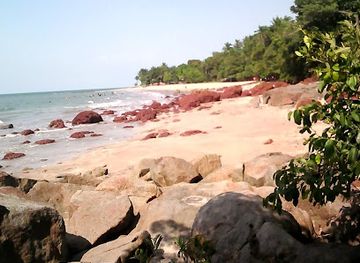
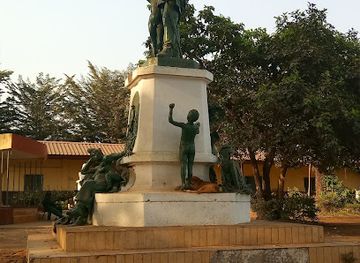
Conakry’s Kaloum peninsula is Lower Guinea’s principal urban landmark landscape, combining government buildings, port infrastructure, markets, religious architecture and surviving traces of the colonial capital. The National Museum is important not only as a visitor institution but also as a place for understanding Guinea’s artistic and cultural diversity. Offshore, the Îles de Loos are natural and historical landmarks whose beaches, rocky shores and old settlement patterns contrast with the crowded capital. The estuarine waterways around Boffa and the Rio Nuñez near Boké express the region’s long relationship with river trade, fishing and shipping. Kindia’s surrounding escarpments, isolated rock formations and waterfalls provide the most recognisable natural relief in the southern part of Lower Guinea. Around Boké and Sangarédi, railways, stockpiles, haul roads and mining infrastructure form a very different kind of landmark, demonstrating the economic importance of bauxite while also highlighting the environmental and social transformation brought by industrial extraction.
-
Bay
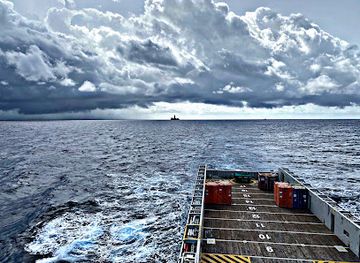
Gulf of Guinea
Experience the breathtaking beauty of the Gulf of Guinea, where stunning beaches meet vibrant culture and rich biodiversity in West Africa.
-
Tourist attraction
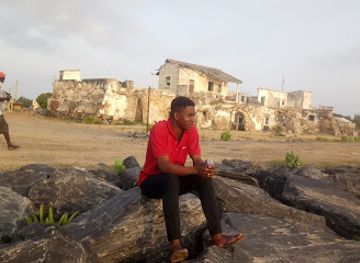
Fort Prinzenstein, Keta
Explore Fort Prinzenstein in Keta: A historical gem revealing Ghana's past, coastal views, and cultural richness.
-
Bridge
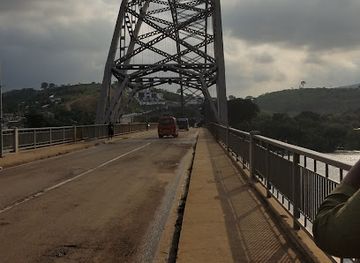
Adomi (Adome) Bridge
Discover the stunning Adomi Bridge in Ghana, an architectural gem offering breathtaking views and a glimpse into the natural beauty of the Volta Region.
-
Museum
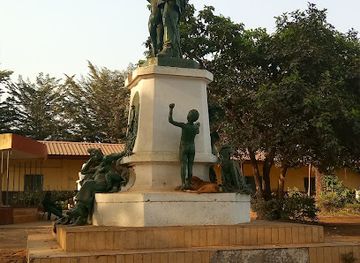
National Museum of Guinea
Explore the captivating heritage of Guinea at the National Museum of Guinea, showcasing artifacts, art, and local culture in the heart of Conakry.
Explore Lower Guinea on the map
Plan your trip on one map. See where the top cities, national parks and sights are, and book hotels and experiences in a few clicks.
Best hotels in Lower Guinea
Best restaurants in Lower Guinea
Lower Guinea’s food reflects its Atlantic setting, humid climate and rice-growing traditions. In Conakry, small restaurants and street stalls commonly serve rice with sauces, grilled fish, chicken, meat and vegetables, while seafood is particularly appropriate near fishing communities and the islands. Rice dishes may be accompanied by peanut, leaf or tomato-based sauces, and palm oil, cassava, plantain and sweet potato appear in different local preparations. Kindia and other inland parts of the region are associated with tropical fruit and agricultural produce, including bananas, pineapples and mangoes when in season. Breakfast cafés, juice stalls and informal eateries are often more representative of daily dining than formal hotel restaurants. French and Lebanese influences are also visible in the capital, alongside Guinean cooking. Bottled water is the sensible choice for visitors, and food from busy establishments with good turnover is generally preferable when eating outside established hotels.
-
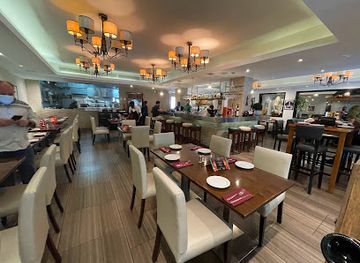
Restaurant
Avenue
Discover Avenue in Conakry: A delightful fusion of local flavors and international cuisine awaits at this charming restaurant.
-
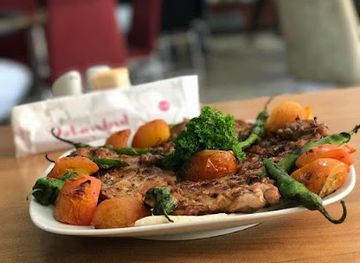
Turkish
Istanbul Restaurant & Pâtisserie
Experience authentic Turkish cuisine and exquisite pastries at Istanbul Restaurant & Pâtisserie in Conakry.
-
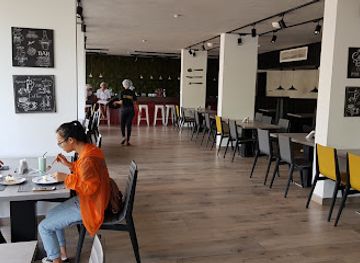
Restaurant
Le Special
Discover authentic Guinean flavors at Le Special in Conakry—where culinary tradition meets warm hospitality.
-
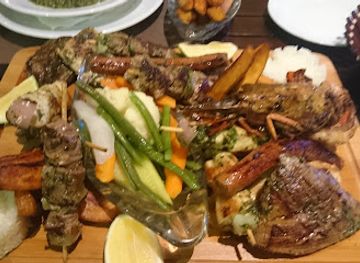
Fine Dining
La Luna
Experience exquisite fine dining at La Luna in Malabo, where local flavors meet international cuisine in an elegant setting.
Best bars in Lower Guinea
Nightlife in Lower Guinea is concentrated in Conakry, where restaurants, hotel lounges, music venues and bars provide the widest choice of evening activity. Live music and dance are important parts of the capital’s cultural life, with styles from Guinea and across West Africa heard in different venues, although programmes and opening arrangements change. In Kindia, Boffa and Boké, evenings are generally quieter and centred on restaurants, cafés, local bars and informal social gatherings rather than a large club scene. Some hotels offer a more predictable setting for visitors, while smaller venues may require local advice and discretion. On the Îles de Loos, the evening atmosphere is coastal and low-key, with accommodation and food arrangements varying by island. Visitors should use arranged transport after dark, avoid isolated areas and drink responsibly rather than assuming that nightlife is available everywhere in the region.
-
Grill
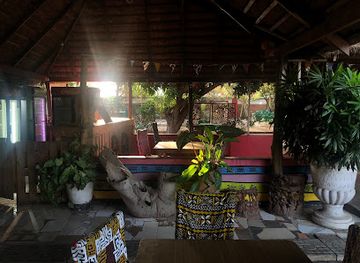
Yenkodi Bar & Restaurant
Experience the best of Ghanaian and international grill cuisine at Yenkodi Bar & Restaurant in Accra, where flavor meets hospitality.
-
Pub
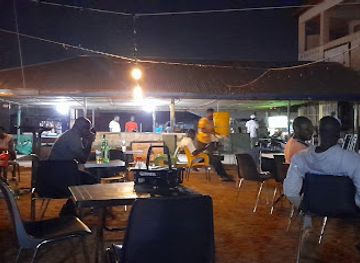
The Guys PUB
Explore the lively nightlife of Wa at The Guys PUB, where vibrant atmosphere meets local flavors and friendly faces.
-
Pizza
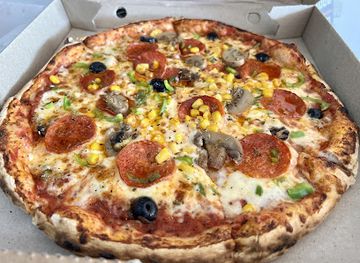
Italia Box
Discover the authentic Italian pizzas and pastries at Italia Box, a must-visit restaurant in the heart of Conakry, Guinea.
-
Fast Food
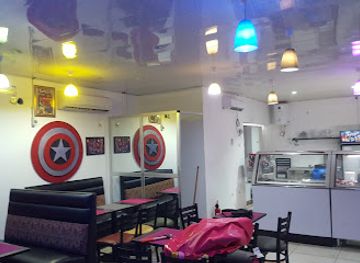
Heroes Coffee Station T2
Discover Heroes Coffee Station T2 in Conakry: a fast food gem offering delicious bites and refreshing coffee in a vibrant atmosphere.
Best nightclubs in Lower Guinea
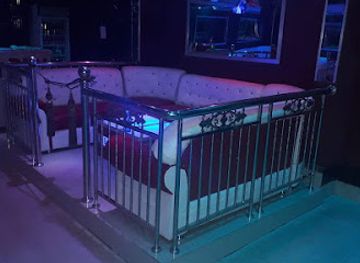
Nightlife in Lower Guinea is concentrated in Conakry, where restaurants, hotel lounges, music venues and bars provide the widest choice of evening activity. Live music and dance are important parts of the capital’s cultural life, with styles from Guinea and across West Africa heard in different venues, although programmes and opening arrangements change. In Kindia, Boffa and Boké, evenings are generally quieter and centred on restaurants, cafés, local bars and informal social gatherings rather than a large club scene. Some hotels offer a more predictable setting for visitors, while smaller venues may require local advice and discretion. On the Îles de Loos, the evening atmosphere is coastal and low-key, with accommodation and food arrangements varying by island. Visitors should use arranged transport after dark, avoid isolated areas and drink responsibly rather than assuming that nightlife is available everywhere in the region.
-
Disco club
CONAKRY CLUB
Dive into the vibrant nightlife at Conakry Club, a premier disco destination in Guinea offering energetic music and unforgettable experiences.
-
Bar
Grand REX Night Club
Discover the energetic nightlife at Grand REX Night Club in Conakry, where music, dance, and culture come alive in an unforgettable experience.
-
Night club
Alize Club International
Immerse yourself in the electrifying nightlife of Conakry at Alize Club International, where every night promises music, dance, and unforgettable memories.
-
Night club
Aviostart
Experience the electrifying nightlife at Aviostart in Siguiri, Guinea – where vibrant music, dance, and local culture come alive.

Best shops in Lower Guinea
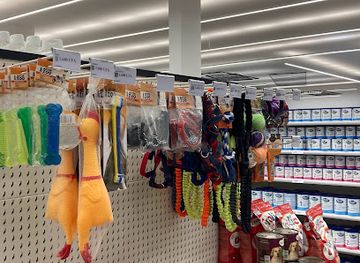
Conakry is the region’s main shopping centre, with busy markets and neighbourhood shops selling clothing, household goods, imported products, fruit, spices and everyday food. Market visits are more about atmosphere and practical commerce than polished retail, and bargaining may be expected, though prices should be agreed clearly and respectfully. The capital is the best place to look for Guinean textiles, carved objects, jewellery, musical items and artworks, but buyers should ask about provenance and avoid purchasing archaeological material or products made from protected wildlife. Kindia’s stalls and markets are useful for seasonal fruit and agricultural produce, while coastal towns offer fish and locally traded goods rather than extensive souvenir shopping. Small craft purchases can be made through trusted makers or cultural organisations when available. Carry cash in lower denominations, protect valuables in crowded areas and remember that retail choice becomes limited outside Conakry.
-
Supermarket
Santy Comercial
Explore Santy Comercial in Bissau for a unique shopping experience featuring local products and a taste of Guinea-Bissau's vibrant culture.
-
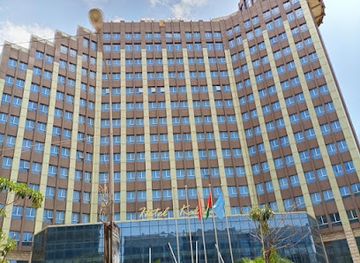
Hotel
Hôtel Kaloum
Experience luxury and comfort at Hôtel Kaloum in Conakry, Guinea, with stunning views and top-notch amenities for an unforgettable stay.
-
Supermarket
Supermercado Darling
Experience the vibrant culture of Bissau at Supermercado Darling, where local flavors and fresh produce come together in a delightful shopping experience.
-
Supermarket
Doce Mãe Bandim
Explore the vibrant atmosphere of Doce Mãe Bandim, a key supermarket in Bissau, where local culture and everyday shopping converge.

Get your free copy of our complete guide to Lower Guinea, delivered straight to you.
Everything on this page, from attractions and restaurants to essentials and local phrases, in one PDF you can read offline, print or share.
Already have an account? Sign in
Your Lower Guinea guide is ready.
We'll send it to · Not you? Sign out

Getting your guide ready…
We are putting together a fresh copy of the Lower Guinea guide. This can take up to a minute.
This can take a few moments. If your browser asks, choose Allow so the download can start. You'll find the guide in your Downloads folder.
Nothing happened? Download it again
Sorry, the guide is taking longer than usual. Please try again in a minute, or get it by email instead.
Lower Guinea essentials
Currency and Payment
Safety
Emergency Situations
Do's and Don'ts
Local Tips
From Eve
Local phrases worth knowing
You don't need to get them perfect. A few words go a long way, and locals appreciate the effort.
Basics
| English | Local | Say it |
|---|---|---|
| Hello | Howdy | [haʊdi] |
| Goodbye | See ya | [si jə] |
| Yes | Yup | [jʌp] |
| No | Nope | [noʊp] |
| Please/You're welcome | No problem | [noʊ ˈprɑːbləm] |
| Thank you | Thanks | [θæŋks] |
| Excuse me/Sorry | Pardon me | [ˈpɑːrdən mi] |
| How are you? | How ya doin'? | [haʊ jə ˈduːɪn] |
| Fine. And you? | Good. And you? | [ɡʊd. ənd ju] |
| Do you speak English? | Do ya talk English? | [du jə tɔk ˈɪŋɡlɪʃ] |
| I don't understand | I ain't got it | [aɪ eɪnt ɡɑt ɪt] |
Eating & Drinking
| English | Local | Say it |
|---|---|---|
| I'd like to see the menu, please | Can I see the menu? | [kæn aɪ si ðə ˈmɛnju] |
| I don't eat meat | I don't eat meat | [aɪ doʊnt it miːt] |
| Cheers! | Cheers! | [ʧɪrz] |
| I would like to pay, please | Can I get the check? | [kæn aɪ ɡɛt ðə ʧɛk] |
Emergencies
| English | Local | Say it |
|---|---|---|
| Help! | Help! | [hɛlp] |
| Go away! | Leave me alone! | [liːv mi əˈloʊn] |
| Call the Police! | Call the cops! | [kɔl ðə kɑps] |
| Call a doctor! | Get a doctor! | [ɡɛt ə ˈdɑktər] |
| I'm lost | I'm lost | [aɪm lɔst] |
| I'm ill | I'm sick | [aɪm sɪk] |
Shopping
| English | Local | Say it |
|---|---|---|
| I'd like to buy... | I wanna buy... | [aɪ ˈwɑnə baɪ] |
| I'm just looking | Just browsing | [dʒʌst ˈbraʊzɪŋ] |
| How much is it? | What's the price? | [wʌts ðə praɪs] |
| That's too expensive | That's pricey | [ðæts ˈpraɪsi] |
| Can you lower the price? | Can ya drop the price? | [kæn jə drɑp ðə praɪs] |
Time & Numbers
| English | Local | Say it |
|---|---|---|
| What time is it? | What time is it? | [wʌt taɪm ɪz ɪt] |
| It's one o'clock | It's one o'clock | [ɪts wʌn əˈklɑk] |
| Half past (10) | Half past ten | [hæf pæst tɛn] |
| Morning | Morning | [ˈmɔrnɪŋ] |
| Afternoon | Afternoon | [ˌɑːftərˈnuːn] |
| Evening | Evening | [ˈiːvnɪŋ] |
| Yesterday | Yesterday | [ˈjɛstərdeɪ] |
| Today | Today | [təˈdeɪ] |
| Tomorrow | Tomorrow | [təˈmɔroʊ] |
| 1 | One | [wʌn] |
| 2 | Two | [tu] |
| 3 | Three | [θri] |
| 4 | Four | [fɔr] |
| 5 | Five | [faɪv] |
| 6 | Six | [sɪks] |
| 7 | Seven | [ˈsɛvən] |
| 8 | Eight | [eɪt] |
| 9 | Nine | [naɪn] |
| 10 | Ten | [tɛn] |
Transport & Directions
| English | Local | Say it |
|---|---|---|
| Where's a/the...? | Where's the...? | [wɛrz ðə] |
| What's the address? | What's the address? | [wʌts ðə əˈdrɛs] |
| Can you show me (on the map)? | Can ya point it out? | [kæn jə pɔɪnt ɪt aʊt] |
| When's the next (bus)? | When's the next bus? | [wɛn ðə nɛkst bʌs] |
| A ticket (to ....) | A ticket to... | [ə ˈtɪkɪt tu] |
History of Lower Guinea
Early coastal communities and river trade
Lower Guinea’s geography encouraged settlement along estuaries, tidal creeks and navigable rivers. Baga, Susu, Landuma, Nalu and other communities developed agricultural, fishing and trading economies adapted to mangrove wetlands, coastal plains and nearby hills. The estuaries around the Rio Nuñez, Fatala and Konkouré connected inland producers with Atlantic commerce. Rice cultivation, salt-making, fishing and the use of palm products became enduring features of the coastal economy, while local political authority was shaped by village networks, religious leaders, ruling families and control of trading points.
Atlantic commerce and the Rio Pongo
From the early modern period, European merchants became increasingly involved in trade along the rivers and estuaries of Lower Guinea. The Rio Pongo and neighbouring waterways became associated with exchanges in agricultural goods, hides, wax, ivory and enslaved people, linking coastal brokers and inland networks to Atlantic markets. Fortified trading posts and European factories were established at various points along the coast, although local African authorities and merchants remained central to the operation of commerce. The legacy of this period is visible in the region’s mixed cultural influences and in the historical importance of its river settlements.
Islamic influence and Susu expansion
Islam spread through commerce, scholarship and regional political networks, becoming a major influence in coastal Guinea. Susu-speaking communities and leaders played an important role in the political and commercial life of the Lower Guinea coast, while Islamic teachers, clerics and trading families helped connect settlements with wider networks across present-day Guinea and neighbouring countries. Islam did not erase existing social structures or cultural practices; instead, religious life developed alongside local languages, customary authority, agriculture, fishing and community traditions.
French conquest and colonial administration
During the late nineteenth century, France extended military and administrative control over the coastal territories that became part of French Guinea. Conakry developed as the colonial capital and port, while river settlements and inland routes were brought into an administrative system designed to support taxation, trade and resource extraction. Colonial rule altered patterns of authority, land use and labour, and encouraged the construction of roads, port facilities and government buildings. Resistance, negotiation and accommodation varied from one community to another, and colonial boundaries brought diverse coastal societies into a single political territory.
Conakry, railways and the making of modern Guinea
Conakry’s growth accelerated during the colonial period as its deep-water harbour, railway connections and administrative role made it the principal urban and commercial centre of Guinea. Rail and road links connected the coast with interior agricultural and mineral-producing areas, while migration brought workers and traders from across the territory and neighbouring countries. The capital’s peninsula expanded around port, government and market districts, creating the urban framework that still shapes Lower Guinea. Independence in 1958 transformed the political meaning of these institutions, but Conakry retained its central role.
Bauxite and industrial transformation
Lower Guinea contains some of Guinea’s most important bauxite resources, particularly around Boké and Sangarédi. Large-scale extraction and the development of rail, roads and export facilities have made the Boké region central to Guinea’s economy and to the global aluminium industry. Mining has brought employment, investment and new infrastructure, but it has also raised questions about land, water, resettlement, environmental change and the distribution of economic benefits. The contrast between industrial mining zones, agricultural communities and fragile coastal ecosystems is one of the defining modern realities of the region.
Urban expansion and contemporary coastal life
Since independence, Conakry and its surrounding urban corridor have expanded rapidly, driven by population growth, internal migration, commerce and the concentration of national institutions. The result is a region where dense neighbourhoods, informal markets and traffic coexist with historic buildings, modern businesses and older fishing communities. Lower Guinea’s contemporary culture reflects national diversity while retaining strong coastal traditions in food, music, language and religious life. Urban growth, climate exposure, drainage problems and pressure on transport systems continue to influence how residents and visitors experience the region.
Lower Guinea in Photos
Browse through our photo collection highlighting the charm and character of the destination.
Neighbouring regions of Lower Guinea
The closest regions to Lower Guinea, if you have time for more than one.
-

-

-

-

-


Swipe for more regions
Explore more

Explore more of Guinea
Explore Guinea's hidden beauty, from lush rainforests and majestic waterfalls to vibrant markets and rich cultural heritage in West Africa.
Explore Guinea