

Free Middle Guinea Travel Guide & Mobile App
Explore Middle Guinea with free travel guides. Discover regional history, expert tips, proposed trips, and audio guides on web or mobile app.


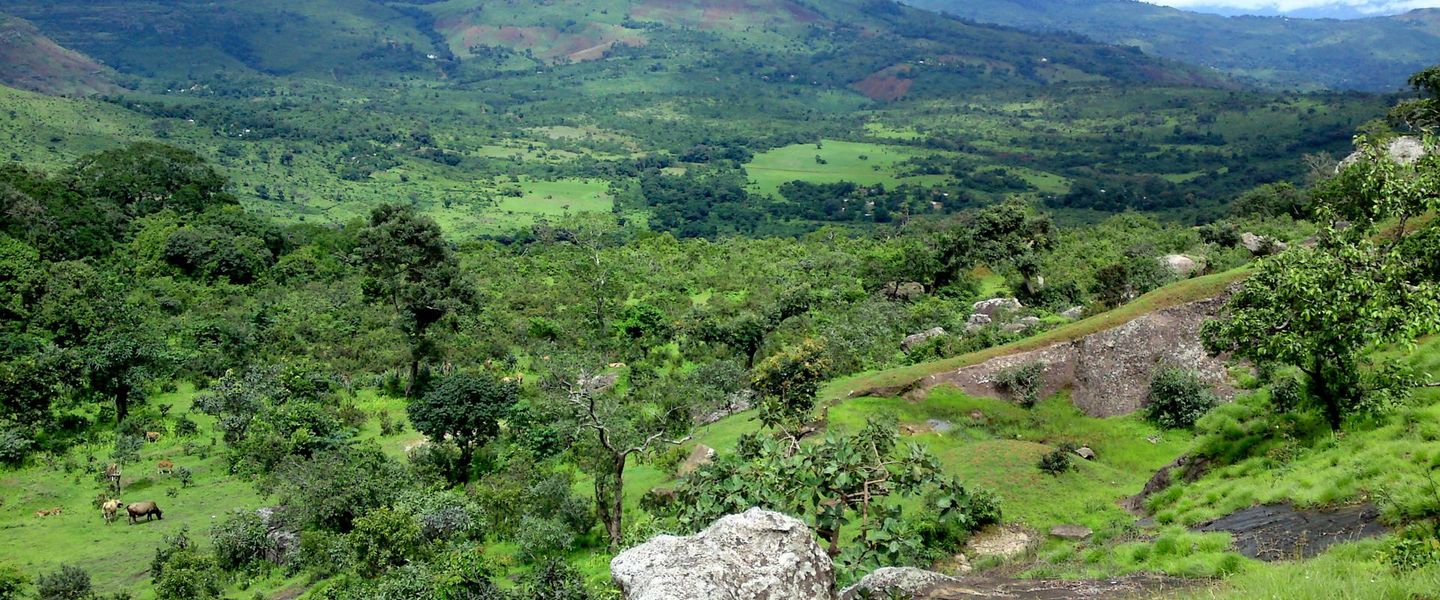


Explore Middle Guinea’s Fouta Djallon highlands, waterfalls, Fulani heritage, mountain towns and fonio-rich culinary traditions.
Read more about Middle Guinea
When is the best time to visit Middle Guinea?
Best: December–February · 29–30°C| Month | High (°C) | Rainfall (mm) |
|---|---|---|
| January (best) | 29 | 10 |
| February (best) | 30 | 20 |
| March | 32 | 40 |
| April | 33 | 70 |
| May | 34 | 90 |
| June | 31 | 100 |
| July | 30 | 110 |
| August | 30 | 110 |
| September | 31 | 100 |
| October | 30 | 90 |
| November | 29 | 40 |
| December (best) | 29 | 20 |
Getting to and around Middle Guinea
How to get there
Transportation
Top city travel guides in Middle Guinea
The cities of Middle Guinea, and the easiest places to base yourself.
-

-


Swipe for more cities
Destinations in Middle Guinea
Resorts, valleys and scenic spots worth a trip of their own.

Swipe for more destinations
Best attractions in Middle Guinea
-
Tourist attraction
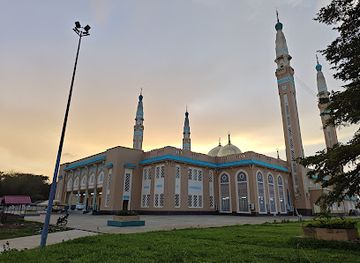
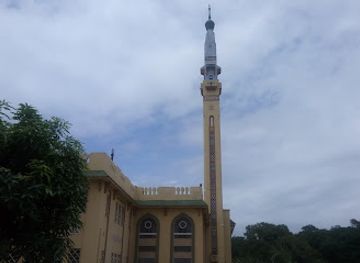
Grande Mosquée de Conakry
Explore the Grande Mosquée de Conakry, a stunning architectural gem and cultural hub in Guinea's vibrant capital.
-
Amusement center
Bluezone de Kaloum
Discover the excitement and joy at Bluezone de Kaloum, Conakry's ultimate amusement center offering fun for everyone in the heart of Guinea.
-
Museum
National Museum of Guinea
Explore the National Museum of Guinea, where rich history and vibrant culture come alive through captivating exhibits and local artistry.
-
National park
National Park of Upper Niger
Discover the enchanting landscapes and rich biodiversity of the National Park of Upper Niger, a hidden gem for nature lovers in Guinea.

Best landmarks in Middle Guinea
Timbo is Middle Guinea’s most important historical landmark area: the town served as the political centre of the Futa Jallon Imamate, and its name remains central to the region’s history of Islamic government and scholarship. The physical remains are more modest than the story, so visits are best understood with local historical guidance. In Labé, mosques, religious schools, market streets and older urban quarters express the continuing cultural importance of the highland capital, although the city’s architecture is a living urban landscape rather than a preserved museum district. Dalaba’s colonial-era buildings and highland setting reflect its former role as a retreat and administrative station, while the town’s surrounding escarpments and valleys form natural landmarks in their own right. The Dame de Mali, a striking rock formation near Mali, is one of the region’s most recognisable geological features. The Kinkon and Ditinn waterfall areas provide further visual landmarks, combining precipices, watercourses and layered plateau scenery. Access, conservation and visitor facilities vary, and the significance of many places is best understood through local knowledge rather than signage alone.
-
Mosque
Grande Mosquée de Conakry
Explore the Grande Mosquée de Conakry, a stunning Islamic architectural masterpiece and a cultural landmark in Guinea's vibrant capital.
-
Museum
National Museum of Guinea
Discover Guinea's vibrant culture and history at the National Museum of Guinea, showcasing artifacts, art, and traditions of this West African nation.
-
National park
National Park of Upper Niger
Experience the breathtaking beauty of the National Park of Upper Niger, a natural paradise in Guinea with rich biodiversity and thrilling adventures.
-
Council
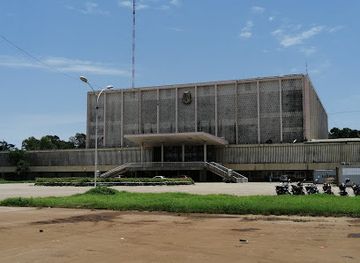
Palais du Peuple
Explore the Palais du Peuple, a symbol of Guinea's governance, showcasing stunning architecture and rich cultural heritage in Conakry.

Explore Middle Guinea on the map
Plan your trip on one map. See where the top cities, national parks and sights are, and book hotels and experiences in a few clicks.
Best hotels in Middle Guinea
Best restaurants in Middle Guinea
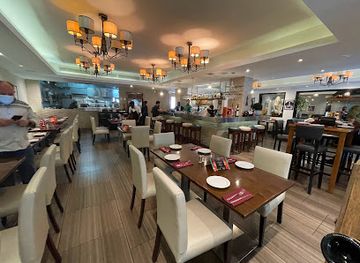
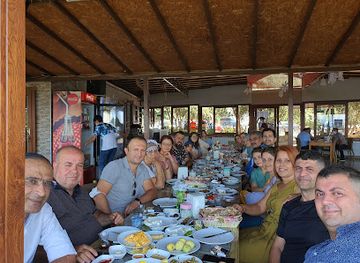
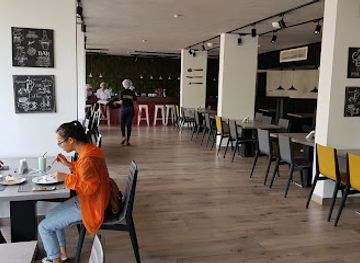
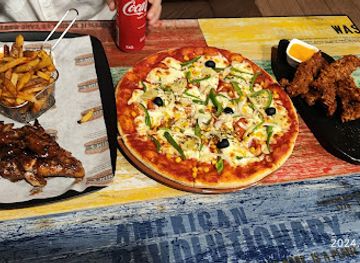
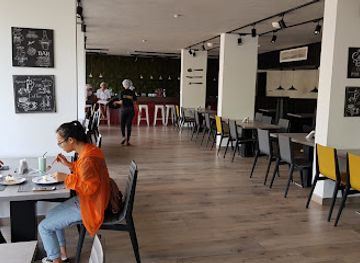
Dining in Middle Guinea is closely connected to household cooking, market produce and the agricultural economy of the Fouta Djallon. Fonio, a tiny-grained cereal traditionally cultivated in the highlands, appears as a grain or accompaniment and is often served with sauces made from groundnuts, leaves, vegetables or meat. Rice, grilled beef, chicken, freshwater fish where available, beans and fried plantain are common across Guinea, while local dairy products reflect the region’s pastoral traditions. In Labé and Mamou, modest restaurants, cafés and hotel dining rooms provide the broadest choice, including rice-based plates and dishes suited to travellers. Village markets are useful for seasonal fruit, bread, roasted groundnuts and simple refreshments, though hygiene standards and availability vary. Food is often served generously and communally, and meals may be prepared at a relaxed pace. Visitors seeking vegetarian food should explain their requirements clearly in French or with local assistance, while those with allergies should not rely on assumptions about ingredients. Cold drinks and bottled water are easier to find in larger towns than in remote waterfall areas.
-
Restaurant
Avenue
Discover Avenue in Conakry: where authentic Guinean flavors meet international cuisine in a welcoming atmosphere.
-
Turkish
Istanbul Restaurant & Pâtisserie
Experience the vibrant taste of Turkey with exquisite dishes and mouthwatering pastries at Istanbul Restaurant & Pâtisserie in Conakry.
-
Restaurant
Le Special
Experience the vibrant flavors of Guinea at Le Special - Conakry's premier dining destination offering authentic local cuisine.
-
Restaurant
Mim's Burger
Discover delicious burgers at Mim's Burger in Conakry - a culinary gem combining local flavors with international flair.
Best bars in Middle Guinea
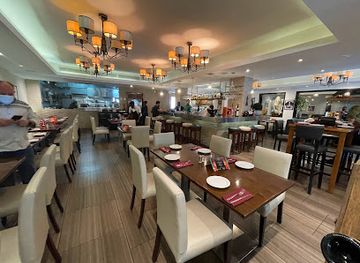
Evening life in Middle Guinea is relatively restrained and centres on cafés, family-run restaurants, hotel terraces and neighbourhood bars rather than a large nightclub circuit. Labé has the widest choice of places for an evening drink, conversation, football broadcasts and occasional music, while Mamou’s nightlife reflects its role as a busy transport town. In Dalaba, Pita and smaller settlements, evenings are usually quieter, with social activity concentrated around eating places, guesthouses and local gathering spots. Alcohol is available in some establishments, but Guinea is predominantly Muslim and visitors should avoid assuming that drinking is central to social life. Music and celebrations may become more prominent during weddings or other private events, but these should be treated as community occasions and approached with discretion. Establishments, services and opening arrangements can change, so accommodation staff or a trusted local contact are the best source of current information. Avoid walking unfamiliar roads alone after dark and arrange transport back to where you are staying.
-
Restaurant
Avenue
Experience the vibrant flavors of Guinea at Avenue, a culinary haven in Conakry offering a delightful fusion of local and international cuisine.
-
Restaurant
Le Special
Experience the authentic flavors of Guinea at Le Special, a top restaurant in Conakry offering a diverse menu and a welcoming atmosphere.
-
Pizza
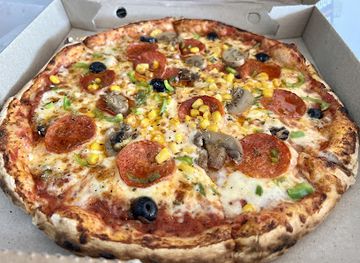
Italia Box
Discover the authentic taste of Italy at Italia Box in Conakry, where delicious pizzas and exquisite pastries await every food lover.
-
Restaurant
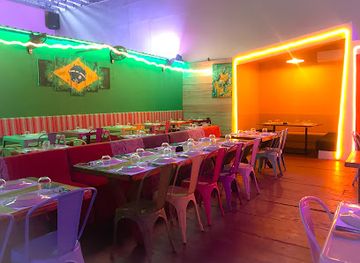
Favela
Discover the vibrant culinary scene at Favela in Conakry, where traditional Guinean dishes and a lively atmosphere await.
Best nightclubs in Middle Guinea
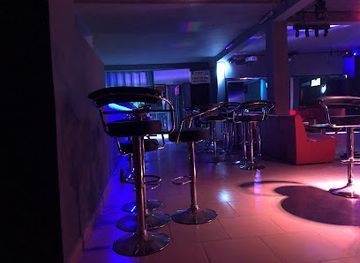
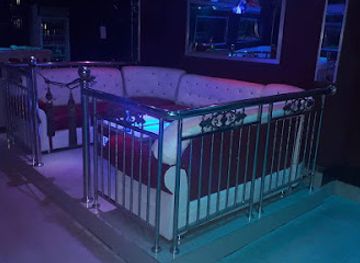
Evening life in Middle Guinea is relatively restrained and centres on cafés, family-run restaurants, hotel terraces and neighbourhood bars rather than a large nightclub circuit. Labé has the widest choice of places for an evening drink, conversation, football broadcasts and occasional music, while Mamou’s nightlife reflects its role as a busy transport town. In Dalaba, Pita and smaller settlements, evenings are usually quieter, with social activity concentrated around eating places, guesthouses and local gathering spots. Alcohol is available in some establishments, but Guinea is predominantly Muslim and visitors should avoid assuming that drinking is central to social life. Music and celebrations may become more prominent during weddings or other private events, but these should be treated as community occasions and approached with discretion. Establishments, services and opening arrangements can change, so accommodation staff or a trusted local contact are the best source of current information. Avoid walking unfamiliar roads alone after dark and arrange transport back to where you are staying.
-
Disco club
CONAKRY CLUB
Discover the vibrant nightlife of Conakry Club, where music, dancing, and a lively atmosphere combine for an unforgettable experience in Guinea.
-
Bar
Grand REX Night Club
Discover the exhilarating nightlife at Grand REX Night Club in Conakry, Guinea, where music, dance, and culture unite for an unforgettable experience.
-
Night club
Alize Club International
Discover the vibrant nightlife of Conakry at Alize Club International, where music, dancing, and unforgettable memories await.
-
Night club
La ROCCA Night Club
Discover the electrifying atmosphere of La ROCCA Night Club, Conakry's premier nightlife destination, where music, dancing, and culture collide.
Best shops in Middle Guinea
Shopping in Middle Guinea is primarily a market-town experience rather than a luxury retail activity. Labé and Mamou have the largest concentrations of stalls, small shops and everyday commerce, with textiles, clothing, household goods, leather items and agricultural produce moving through their markets. Smaller markets around Dalaba, Pita and Mali are useful for seasonal fruit, vegetables, groundnuts, fonio and locally made food products, although trading days and stock vary. Visitors may find woven materials, practical leather goods, carved objects and other handmade items, but quality and provenance should be discussed respectfully rather than assumed. Packaged fonio and other regional foods can make appropriate souvenirs when purchased from a clean, established seller and transported within customs limits. Bargaining is common in informal markets, but it should remain courteous and proportionate. Carry cash, inspect goods before paying and keep purchases modest if travelling by shared taxi. There are few places designed for international souvenir shopping, so the most distinctive purchases are generally edible products, textiles or craft items encountered through ordinary local commerce.
-
Hotel
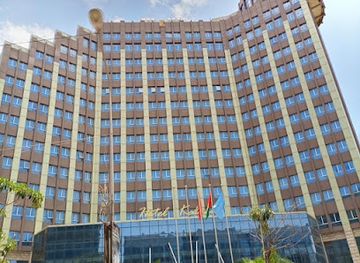
Hôtel Kaloum
Discover the elegance and hospitality of Hôtel Kaloum in Conakry, Guinea, where luxury meets local charm and comfort.
-
Supermarket
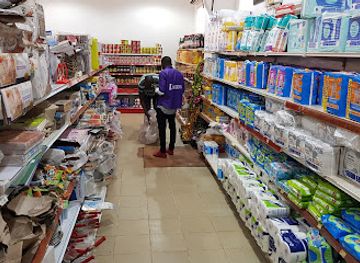
Supermercado Darling
Discover local flavors and essential goods at Supermercado Darling, a bustling supermarket in Bissau, Guinea-Bissau, perfect for tourists.
-
Turkish
Istanbul Restaurant & Pâtisserie
Discover the rich flavors of Turkish cuisine and exquisite pastries at Istanbul Restaurant & Pâtisserie in Conakry, a culinary haven for all food lovers.
-
Market
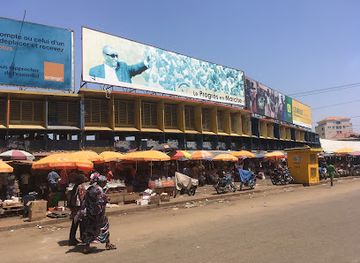
Marche du Niger
Discover the authentic flavors and vibrant culture at Marche du Niger, Conakry's quintessential market experience.
Get your free copy of our complete guide to Middle Guinea, delivered straight to you.
Everything on this page, from attractions and restaurants to essentials and local phrases, in one PDF you can read offline, print or share.
Already have an account? Sign in
Your Middle Guinea guide is ready.
We'll send it to · Not you? Sign out

Getting your guide ready…
We are putting together a fresh copy of the Middle Guinea guide. This can take up to a minute.
This can take a few moments. If your browser asks, choose Allow so the download can start. You'll find the guide in your Downloads folder.
Nothing happened? Download it again
Sorry, the guide is taking longer than usual. Please try again in a minute, or get it by email instead.
Middle Guinea essentials
Currency and Payment
Safety
Emergency Situations
Do's and Don'ts
Local Tips
From Eve
Local phrases worth knowing
You don't need to get them perfect. A few words go a long way, and locals appreciate the effort.
Basics
| English | Local | Say it |
|---|---|---|
| Hello | Howdy | [/ˈhaʊ.di/] |
| Goodbye | See ya | [/siː jə/] |
| Yes | Yep | [/jɛp/] |
| No | Nope | [/noʊp/] |
| Please/You're welcome | Sure thing | [/ʃʊr θɪŋ/] |
| Thank you | Thanks a lot | [/θæŋks ə lɑt/] |
| Excuse me/Sorry | Pardon me | [/ˈpɑrdən mi/] |
| How are you? | How’s it going? | [/haʊz ɪt ˈɡoʊɪŋ/] |
| Fine. And you? | Good. And you? | [/ɡʊd. ənd ju/] |
| Do you speak English? | Can you talk English? | [/kæn ju tɔk ˈɪŋɡlɪʃ/] |
| I don't understand | I don’t get it | [/aɪ doʊnt ɡɛt ɪt/] |
Eating & Drinking
| English | Local | Say it |
|---|---|---|
| I'd like to see the menu, please | Can I see the menu? | [/kæn aɪ si ðə ˈmɛnju/] |
| I don't eat meat | I’m a vegetarian | [/aɪm ə ˌvɛdʒɪˈtɛriən/] |
| Cheers! | Cheers! | [/tʃɪrz/] |
| I would like to pay, please | Can I get the check? | [/kæn aɪ ɡɛt ðə tʃɛk/] |
Emergencies
| English | Local | Say it |
|---|---|---|
| Help! | Help! | [/hɛlp/] |
| Go away! | Leave me alone! | [/liːv mi əˈloʊn/] |
| Call the Police! | Call the cops! | [/kɔl ðə kɑps/] |
| Call a doctor! | Get a doctor! | [/ɡɛt ə ˈdɑktər/] |
| I'm lost | I can’t find my way | [/aɪ kænt faɪnd maɪ weɪ/] |
| I'm ill | I’m not feeling well | [/aɪm nɑt ˈfiːlɪŋ wɛl/] |
Shopping
| English | Local | Say it |
|---|---|---|
| I'd like to buy... | I want to buy... | [/aɪ wɑnt tu baɪ/] |
| I'm just looking | Just browsing | [/dʒʌst ˈbraʊzɪŋ/] |
| How much is it? | What’s the price? | [/wʌts ðə praɪs/] |
| That's too expensive | That costs too much | [/ðæt kɔsts tu mʌtʃ/] |
| Can you lower the price? | Can you make it cheaper? | [/kæn ju meɪk ɪt ˈtʃiːpər/] |
Time & Numbers
| English | Local | Say it |
|---|---|---|
| What time is it? | What time we got? | [/wʌt taɪm wi ɡɑt/] |
| It's one o'clock | It's one | [/ɪts wʌn/] |
| Half past (10) | Half past ten | [/hæf pæst tɛn/] |
| Morning | Morning | [/ˈmɔrnɪŋ/] |
| Afternoon | Afternoon | [/ˌæftərˈnun/] |
| Evening | Evening | [/ˈiːvnɪŋ/] |
| Yesterday | Yesterday | [/ˈjɛstərdeɪ/] |
| Today | Today | [/təˈdeɪ/] |
| Tomorrow | Tomorrow | [/təˈmɔroʊ/] |
| 1 | One | [/wʌn/] |
| 2 | Two | [/tu/] |
| 3 | Three | [/θri/] |
| 4 | Four | [/fɔr/] |
| 5 | Five | [/faɪv/] |
| 6 | Six | [/sɪks/] |
| 7 | Seven | [/ˈsɛvən/] |
| 8 | Eight | [/eɪt/] |
| 9 | Nine | [/naɪn/] |
| 10 | Ten | [/tɛn/] |
Transport & Directions
| English | Local | Say it |
|---|---|---|
| Where's a/the...? | Where’s the...? | [/wɛrz ðə.../] |
| What's the address? | What’s the address? | [/wʌts ði əˈdrɛs/] |
| Can you show me (on the map)? | Can you point it out? | [/kæn ju pɔɪnt ɪt aʊt/] |
| When's the next (bus)? | When’s the next bus? | [/wɛn z ðə nɛkst bʌs/] |
| A ticket (to ....) | A ticket to... | [/ə ˈtɪkɪt tu.../] |
History of Middle Guinea
Early Highland Communities and Trade
The plateaux and valleys of the Fouta Djallon have supported farming, herding and regional exchange for centuries. The highlands’ position between the Upper Guinea interior, the Senegal basin and the coast encouraged movement of livestock, salt, kola and agricultural goods. Archaeological evidence and oral traditions point to long settlement histories, although much of the region’s past is preserved through local memory rather than monumental remains. The landscape itself shaped political life: defensible uplands, fertile valleys and control of passes gave influential communities advantages in commerce and authority.
The Formation of the Futa Jallon Imamate
From the eighteenth century, Fulani Muslim leaders consolidated an Islamic state in the Fouta Djallon, conventionally known as the Futa Jallon Imamate. Timbo became its principal political centre, while other settlements developed as seats of learning and local administration. The imamate was not a modern nation-state, but a network of authorities whose influence extended across the highland region. Islamic scholarship, Pular language and institutions of religious leadership became enduring features of Middle Guinea’s cultural landscape.
Timbo, Trade and Religious Scholarship
Under the imamate, Timbo and other highland centres connected pastoral communities, cultivators and merchants. Religious teachers and scholars helped link the Fouta Djallon to wider West African intellectual networks, while markets handled livestock, grain and manufactured goods. The authority of local ruling families varied over time, and the region contained communities with different political and religious histories. Nevertheless, the period established the historical framework most closely associated with Middle Guinea today: a highland society shaped by Islam, pastoralism, farming and long-distance exchange.
French Colonial Incorporation
French forces gradually imposed colonial control over the Fouta Djallon during the late nineteenth and early twentieth centuries, bringing the independent political order centred on Timbo to an end. Colonial administration relied on existing authorities while redirecting taxation, labour and trade towards French interests. Roads and administrative stations altered patterns of movement, and the region became more closely integrated into French Guinea. Colonial rule also introduced new forms of schooling and bureaucracy, while creating tensions that remained important during the later independence movement.
Dalaba and the Colonial Highland Station
Dalaba gained prominence during the colonial era partly because its elevated climate was regarded by European officials as cooler than the coast and lowlands. Administrative buildings, gardens and roads reflected the hill-station model used in several tropical colonies. Although the colonial presence was limited and unequal, it left a visible layer in the town’s built environment and historical memory. Dalaba’s reputation as a highland retreat later combined with its waterfalls, valleys and agricultural surroundings to give it a distinctive place in Guinea’s travel geography.
Independence and Modern Regional Change
Guinea became independent from France in 1958, after which Middle Guinea remained important for livestock, food production, trade and national transport between the coast and the interior. Labé expanded as the region’s main commercial and administrative centre, while Mamou developed as a significant road and railway-era junction. Rural communities have experienced changing markets, population movement, education and access to communications. Today, the region’s identity continues to draw on the history of the Futa Jallon while adapting to modern economic and environmental pressures.
Middle Guinea in Photos
Browse through our photo collection highlighting the charm and character of the destination.
Neighbouring regions of Middle Guinea
The closest regions to Middle Guinea, if you have time for more than one.
-

-

-

-

-


Swipe for more regions
Explore more

Explore more of Guinea
Explore Guinea's hidden beauty, from lush rainforests and majestic waterfalls to vibrant markets and rich cultural heritage in West Africa.
Explore Guinea