

Free Mamou Region Travel Guide & Mobile App
Explore Mamou Region with free travel guides. Discover regional history, expert tips, proposed trips, and audio guides on web or mobile app.


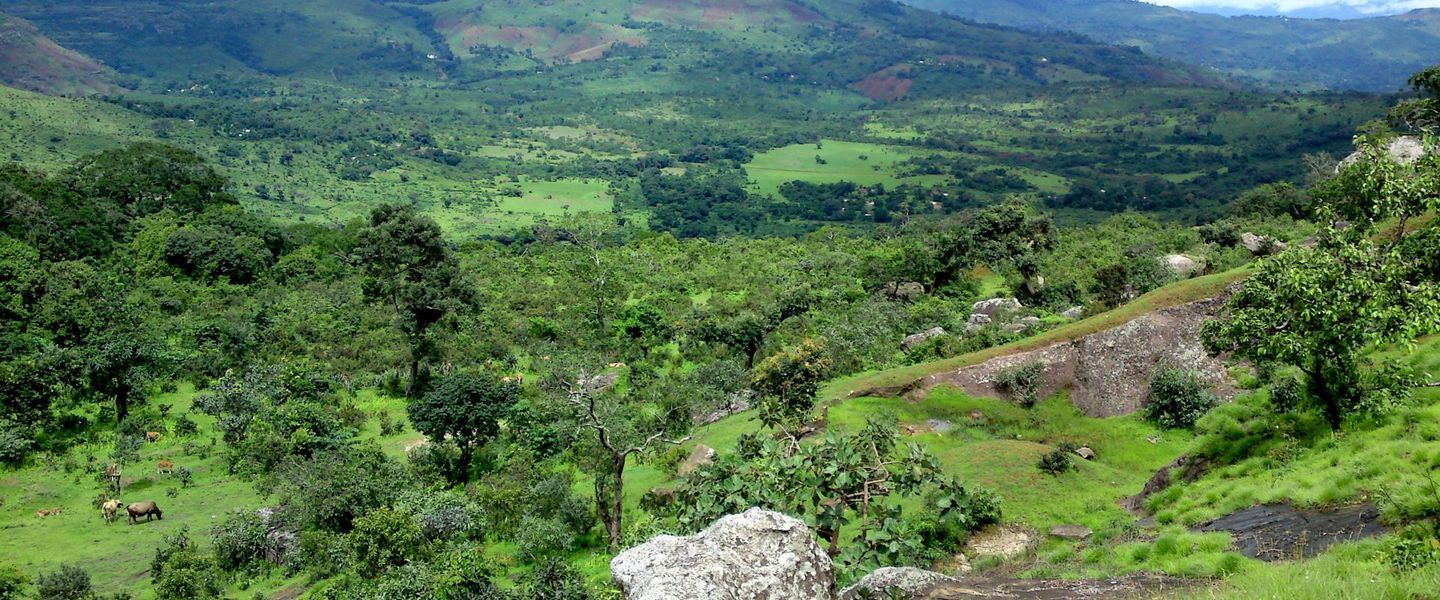


Mamou Region reveals Guinea’s Fouta Djallon highlands through waterfalls, cool upland scenery, Fula heritage, markets and rural road journeys.
Read more about Mamou Region
When is the best time to visit Mamou Region?
Best: November–January · 28–29°C| Month | High (°C) | Rainfall (mm) |
|---|---|---|
| January (best) | 28 | 10 |
| February | 30 | 15 |
| March | 33 | 20 |
| April | 35 | 25 |
| May | 35 | 30 |
| June | 33 | 35 |
| July | 30 | 40 |
| August | 30 | 40 |
| September | 31 | 35 |
| October | 31 | 30 |
| November (best) | 29 | 25 |
| December (best) | 28 | 20 |
Getting to and around Mamou Region
How to get there
Transportation
Top city travel guides in Mamou Region
The cities of Mamou Region, and the easiest places to base yourself.

Swipe for more cities
Best attractions in Mamou Region
-
National park
National Park of Upper Niger
Discover the enchanting landscapes and rich biodiversity of the National Park of Upper Niger, a hidden gem for nature lovers in Guinea.
-
National forest
Forêt guinéenne de l'Ouest africain
Discover the breathtaking biodiversity and captivating landscapes of Forêt Guinénne de l'Ouest Africain, a national forest teeming with nature's wonders in Sierra Leone.
-
Tourist attraction
Artisanal Diamond Mine
Discover the rich cultural heritage and diamond mining tradition at the Artisanal Diamond Mine in Old Sefadu, Sierra Leone.


Best landmarks in Mamou Region
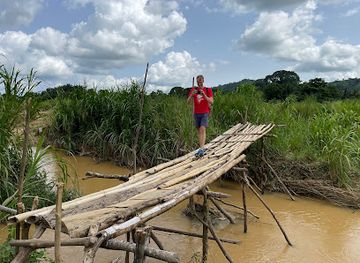
The most recognisable landmarks of Mamou Region are tied to its highland geography and political history. Kinkon waterfall and its associated hydroelectric infrastructure near Pita express the practical importance of Fouta Djallon’s rivers, where dramatic terrain has been adapted for power generation. The waterfalls and wooded valleys around Dalaba provide a contrasting natural landmark landscape, with cascades cutting through upland rock and vegetation. Mamou’s importance as an inland crossroads is itself reflected in its roads, markets and civic fabric, which connect Guinea’s coast with Middle Guinea and the interior. Across the region, mosques, market settlements and traces of colonial administration point to the long interaction between Fula political authority, Islamic scholarship, French rule and modern state development. The wider highland plateaux and river sources are also geographical landmarks: they help explain the region’s farming patterns, water systems and strategic importance. These places are often experienced through roads and short guided walks rather than formal monument complexes, so their significance becomes clearer when local history and environmental knowledge accompany the visit.
-
National park
National Park of Upper Niger
Explore the breathtaking National Park of Upper Niger, a haven of wildlife and stunning landscapes in Guinea, perfect for nature lovers and adventure seekers.
-
Mosque
Grande Mosquée de Mamou
Explore the Grande Mosquée de Mamou, a stunning architectural gem and cultural landmark in Guinea, inviting all to experience its serene beauty and local heritage.
-
Place of worship
Mamou
Explore the serene beauty and rich spiritual heritage of Mamou, a place of worship in Conakry, Guinea, where tradition meets tranquility.
Explore Mamou Region on the map
Plan your trip on one map. See where the top cities, national parks and sights are, and book hotels and experiences in a few clicks.
Best hotels in Mamou Region
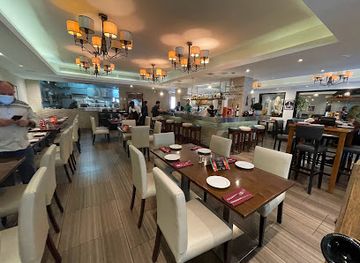
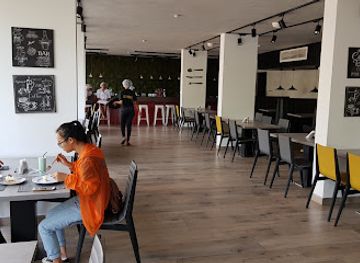
Best restaurants in Mamou Region
Dining in Mamou Region is informal and closely connected to local markets, roadside cooking and family-run restaurants. Rice with sauces, grilled meat, chicken and seasonal vegetables are widely available, while fonio, the small-grained cereal strongly associated with upland West African farming, is an important food to look for. Fula food traditions also include milk and other dairy products, reflecting the region’s pastoral heritage. In Mamou, Dalaba and Pita, visitors can find simple eateries serving filling meals to travellers and local workers; outside the towns, options become limited and should not be assumed along remote routes. Fresh produce from the highlands appears seasonally in markets, and tea is a common presence in social and roadside settings. Restaurant service may be unhurried, menus may be limited, and cash is normally required. The region is better suited to exploring everyday Guinean food than seeking an extensive international dining scene.
-
Restaurant
Avenue
Discover Avenue in Conakry – where local flavors meet international cuisine in a welcoming atmosphere.
-
Restaurant
Le Special
Discover the flavors of Guinea at Le Special - where authentic cuisine meets warm hospitality in Conakry.
-
Restaurant
Mim's Burger
Discover delicious burgers at Mim's Burger in Conakry—where flavor meets local culture.
-
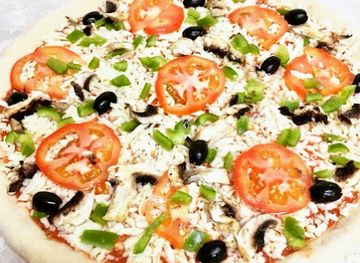
Pizza
Italia Box
Experience authentic Italian cuisine at Italia Box in Conakry—delicious pizzas and exquisite pastries await you!

Best bars in Mamou Region
Mamou Region has a modest evening scene centred on cafés, tea stalls, restaurants and local bars rather than large nightclubs. Mamou offers the broadest choice because it is the region’s main town and transport hub, while Dalaba and Pita are quieter and more oriented towards conversation, meals and early evening socialising. Music may feature in some venues, but entertainment and opening arrangements are changeable and should be checked locally. In smaller settlements, evenings often revolve around family and community life rather than a formal nightlife district. Visitors should dress and behave respectfully, especially in predominantly Muslim communities, and should not assume that alcohol is available everywhere. Valuing the region’s evening culture means allowing time for food, tea, conversation and the cooler highland air rather than expecting a major club circuit.
-
African
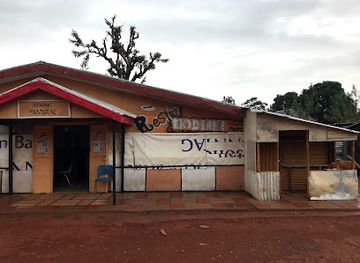
Restaurant Moderne
Experience authentic African cuisine at Restaurant Moderne in Dalaba, where every meal is a celebration of local flavors and culinary heritage.
-
Restaurant
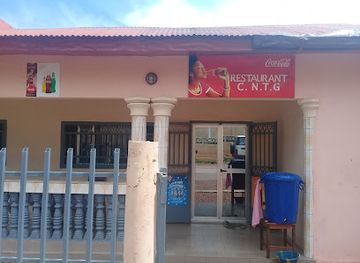
Restaurant Cantine Ouvrière
Discover authentic Guinean cuisine at Restaurant Cantine Ouvrière in Mamou, where every dish tells a story.
-
Bar
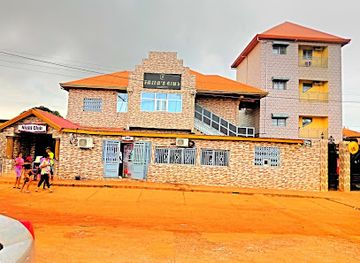
Fattas Club
Experience the vibrant nightlife of Conakry at Fattas Club, a lively bar serving local drinks and creating unforgettable memories.
-
Restaurant
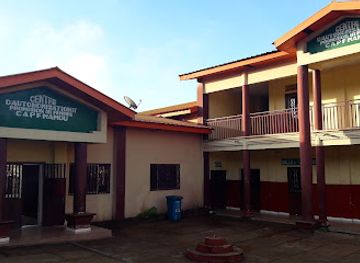
CAPF Mamou
Experience authentic Guinean cuisine at CAPF Mamou, a warm and inviting restaurant in the heart of Mamou, perfect for culinary exploration.
Best nightclubs in Mamou Region
Mamou Region has a modest evening scene centred on cafés, tea stalls, restaurants and local bars rather than large nightclubs. Mamou offers the broadest choice because it is the region’s main town and transport hub, while Dalaba and Pita are quieter and more oriented towards conversation, meals and early evening socialising. Music may feature in some venues, but entertainment and opening arrangements are changeable and should be checked locally. In smaller settlements, evenings often revolve around family and community life rather than a formal nightlife district. Visitors should dress and behave respectfully, especially in predominantly Muslim communities, and should not assume that alcohol is available everywhere. Valuing the region’s evening culture means allowing time for food, tea, conversation and the cooler highland air rather than expecting a major club circuit.
-
Disco club
CONAKRY CLUB
Discover the vibrant nightlife at Conakry Club, a top disco destination in Guinea where music and culture come alive.
-
Night club
Club BEMBEYA
Dive into the vibrant nightlife of Conakry at Club BEMBEYA, where music, dance, and culture come alive in an unforgettable atmosphere.
-
Night club
Alize Club International
Explore Conakry's vibrant nightlife at Alize Club International, where music, culture, and fun come together for an unforgettable experience.
-
Night club
Aviostart
Experience the electrifying nightlife of Siguiri at Aviostart, where vibrant music and dance create unforgettable memories.




Best shops in Mamou Region
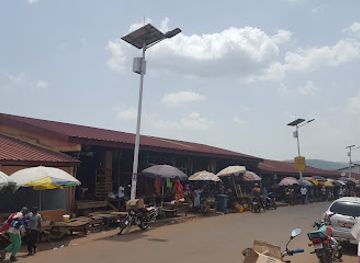
Shopping in Mamou Region is concentrated in Mamou, Dalaba and Pita markets, where visitors encounter practical commerce rather than a large souvenir industry. Market stalls sell rice, fonio, vegetables, fruit, livestock products, clothing, household goods and items brought along Guinea’s inland trade routes. Fonio and other shelf-stable agricultural produce can make appropriate regional purchases when packaged for travel, while dairy products are better enjoyed locally because of storage limitations. Small shops and roadside traders may offer woven goods, simple clothing and local foodstuffs, but availability varies considerably. Bargaining can be part of informal market transactions, though visitors should remain courteous and confirm prices before accepting services or transport. Craft and textile shopping is less developed than in Guinea’s major urban centres, so the most authentic purchases are often modest items connected with everyday food and market life rather than heavily branded souvenirs.
-
Shopping mall
Grand Marché de Mamou
Explore the Grand Marché de Mamou, a vibrant marketplace for unique crafts, local cuisine, and an authentic Guinean experience in the heart of Mamou.
-
Shopping mall
Marché Pépé Kalé
Discover the heart of Mamou at Marché Pépé Kalé, a lively shopping mall filled with local culture, crafts, and culinary delights.
-
Supermarket
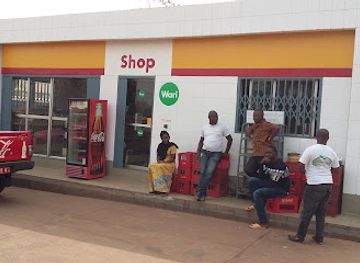
Shell Boutique Mamou / Scierie
Discover local flavors and everyday life at Shell Boutique Mamou, your go-to supermarket in Guinea. A vibrant marketplace for all your travel needs.
-
Gift shop
Ley Miro
Explore Ley Miro, a charming gift shop in Guinea, where unique handcrafted treasures await to tell the story of local culture.

Get your free copy of our complete guide to Mamou Region, delivered straight to you.
Everything on this page, from attractions and restaurants to essentials and local phrases, in one PDF you can read offline, print or share.
Already have an account? Sign in
Your Mamou Region guide is ready.
We'll send it to · Not you? Sign out

Getting your guide ready…
We are putting together a fresh copy of the Mamou Region guide. This can take up to a minute.
This can take a few moments. If your browser asks, choose Allow so the download can start. You'll find the guide in your Downloads folder.
Nothing happened? Download it again
Sorry, the guide is taking longer than usual. Please try again in a minute, or get it by email instead.
Mamou Region essentials
Currency and Payment
Safety
Emergency Situations
Do's and Don'ts
Local Tips
From Eve
Local phrases worth knowing
You don't need to get them perfect. A few words go a long way, and locals appreciate the effort.
Basics
| English | Local | Say it |
|---|---|---|
| Hello | N'ka kɛ | [N'ka keh] |
| Goodbye | N'ka so | [N'ka so] |
| Yes | Wa | [Wah] |
| No | Ala | [Ah-lah] |
| Please/You're welcome | N'ka mɔgɔ | [N'ka mo-goh] |
| Thank you | I ni ce | [Ee nee seh] |
| Excuse me/Sorry | N'ka to | [N'ka toh] |
| How are you? | I ni fɔ? | [Ee nee for?] |
| Fine. And you? | I ni kɛ. I ni fɔ? | [Ee nee keh. Ee nee for?] |
| Do you speak English? | I bɛ sɔrɔ English? | [Ee beh so-roh English?] |
| I don't understand | N'ka fɛ kɛ | [N'ka feh keh] |
Eating & Drinking
| English | Local | Say it |
|---|---|---|
| I'd like to see the menu, please | N'ka fɛ n'kan, n'ka mɔgɔ | [N'ka feh n'kan, n'ka mo-goh] |
| I don't eat meat | N'ka fɛ bɔrɔ | [N'ka feh bo-roh] |
| Cheers! | N'ka sɔrɔ! | [N'ka so-roh!] |
| I would like to pay, please | N'ka fɛ bɔ, n'ka mɔgɔ | [N'ka feh boh, n'ka mo-goh] |
Emergencies
| English | Local | Say it |
|---|---|---|
| Help! | Sikɛ! | [See-keh!] |
| Go away! | N'ka kɔ! | [N'ka koh!] |
| Call the Police! | N'ka fɛ Police! | [N'ka feh Police!] |
| Call a doctor! | N'ka fɛ dɔktɛr! | [N'ka feh dok-ter!] |
| I'm lost | N'ka fɛ bɔkɔ | [N'ka feh boh-koh] |
| I'm ill | N'ka fɛ sɔrɔ | [N'ka feh so-roh] |
Shopping
| English | Local | Say it |
|---|---|---|
| I'd like to buy... | N'ka fɛ tɔ... | [N'ka feh toh...] |
| I'm just looking | N'ka fɛ bɛɛ | [N'ka feh beh-eh] |
| How much is it? | I bɛ fɛ kɛ? | [Ee beh feh keh?] |
| That's too expensive | I bɛ kɛ fɔ | [Ee beh keh fo] |
| Can you lower the price? | I bɛ kɛ bɔ kɛ? | [Ee beh keh boh keh?] |
Time & Numbers
| English | Local | Say it |
|---|---|---|
| What time is it? | I bɛ kɛ fɔ? | [Ee beh keh fo?] |
| It's one o'clock | I bɛ kɛ fɔ kɛ | [Ee beh keh fo keh] |
| Half past (10) | N'ka fɛ bɔ fɔ (10) | [N'ka feh boh fo (10)] |
| Morning | Dɔɔrɔ | [Doh-roh] |
| Afternoon | Dɔɔrɔ n'kɛ | [Doh-roh n'keh] |
| Evening | Dɔɔrɔ n'kɛ fɔ | [Doh-roh n'keh fo] |
| Yesterday | Bɔ n'kɛ | [Boh n'keh] |
| Today | Dɔɔrɔ n'kɛ | [Doh-roh n'keh] |
| Tomorrow | N'ka fɛ bɛ n'kɛ | [N'ka feh beh n'keh] |
| 1 | Kɛ | [Keh] |
| 2 | Duo | [Doo-oh] |
| 3 | Tatu | [Tah-too] |
| 4 | Nye | [Nyeh] |
| 5 | Tano | [Tah-noh] |
| 6 | Jɛ | [Jeh] |
| 7 | Sɛt | [Seht] |
| 8 | Wulu | [Woo-loo] |
| 9 | Kɛt | [Keh-t] |
| 10 | Kɔn | [Kohn] |
Transport & Directions
| English | Local | Say it |
|---|---|---|
| Where's a/the...? | N'ka fɛ a/na...? | [N'ka feh ah/nah...?] |
| What's the address? | I bɛ kɛ adiresi? | [Ee beh keh ah-dee-reh-see?] |
| Can you show me (on the map)? | I bɛ kɛ fɛ n'ka (na map)? | [Ee beh keh feh n'ka (nah map)?] |
| When's the next (bus)? | I bɛ kɛ fɔ n'ka (bus)? | [Ee beh keh fo n'ka (bus)?] |
| A ticket (to ....) | N'ka fɛ tikɛ (na ....) | [N'ka feh tee-keh (nah ....)] |
History of Mamou Region
Early Fouta Djallon Settlement and Agriculture
The highlands of the Fouta Djallon have long supported settled farming, livestock keeping and trade between Guinea’s coast and the interior. Upland valleys and plateaux provided land for crops including fonio, a hardy West African grain, while pastoralism became closely associated with Fulɓe communities. The region’s rivers and seasonal rainfall helped sustain cultivation but also made the highlands a strategically important source area. Archaeological evidence and oral traditions point to a long history of movement and interaction among communities rather than a single uniform settlement pattern.
The Fouta Djallon Imamate
During the eighteenth century, Muslim Fulɓe leaders established the Fouta Djallon imamate, a theocratic state centred on the highlands. Its political and religious influence extended across much of present-day Middle Guinea, with Timbo serving as the principal capital outside today’s Mamou Region. The imamate organised authority through a network of local leaders and Islamic institutions, while trade, farming and pastoralism remained fundamental to daily life. Its legacy still shapes the cultural landscape of the region, particularly through Islamic scholarship, political memory, architecture and oral history.
Trade Routes and the Growth of Mamou
Mamou developed as a strategic inland settlement because it stood near routes linking the coast, the Fouta Djallon and Guinea’s forested and northern regions. Traders, herders, officials and travellers used these corridors to move livestock, agricultural produce and imported goods. The town’s later importance was reinforced by colonial administration and transport infrastructure. Mamou’s position today as a road junction and regional market centre is therefore rooted in geography that long predates the modern Guinean state.
French Colonial Rule and the Highland Stations
France incorporated the Fouta Djallon into French West Africa after military and political expansion during the late nineteenth century. Colonial rule altered taxation, administration, trade and land-use patterns, while roads and railway development strengthened Mamou’s role as an inland centre. Dalaba was developed as a cooler highland retreat during the colonial period, reflecting the administration’s interest in upland climates and agricultural experimentation. The region’s colonial legacy remains visible in selected buildings, road alignments, administrative centres and the contrast between older local institutions and imported planning.
Independence and the Republic of Guinea
Guinea became independent from France in 1958 under President Ahmed Sékou Touré. The new republic inherited a region whose economy and communications depended heavily on roads, agricultural production and connections between Guinea’s natural zones. State-led development reshaped administration and commerce, while political changes affected religious institutions, local authority and economic life. Mamou continued to function as a major inland gateway, and the wider highlands remained important for farming, livestock and water resources.
Hydropower, Agriculture and Contemporary Change
In the post-independence period, the rivers and waterfalls of the Fouta Djallon acquired renewed importance for irrigation, hydropower and regional development. The Kinkon project near Pita is one of the most recognisable examples of infrastructure built around upland water resources. At the same time, population growth, farming pressure, erosion and changing rainfall patterns have made land and watershed management increasingly significant. Contemporary Mamou Region combines traditional agricultural and pastoral practices with road commerce, public services and small-scale tourism focused on scenery and cultural heritage.
Mamou Region in Photos
Browse through our photo collection highlighting the charm and character of the destination.
Neighbouring regions of Mamou Region
The closest regions to Mamou Region, if you have time for more than one.
-

-

-

-

-


Swipe for more regions
Explore more

Explore more of Guinea
Explore Guinea's hidden beauty, from lush rainforests and majestic waterfalls to vibrant markets and rich cultural heritage in West Africa.
Explore Guinea