

Lola Region, Guinea Travel Guide
Discover the Lola Region in Guinea: A blend of natural beauty, rich culture, and adventurous landscapes, perfect for an authentic African experience.
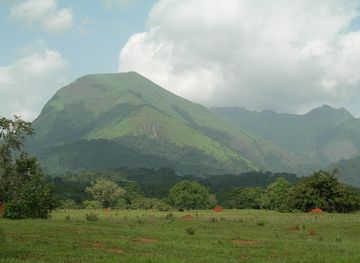
Nestled in the southeast corner of Guinea, the Lola Region is a captivating destination that offers an authentic African experience. Known for its lush landscapes and rich cultural heritage, Lola is a place where nature and tradition come together to create an unforgettable journey. The region is named after the town of Lola, which serves as a gateway to many of the area's attractions. One of the most stunning features of Lola is the Mount Nimba Strict Nature Reserve, a UNESCO World Heritage site. This reserve is home to diverse flora and fauna, including endangered species like the Nimba otter shrew. The breathtaking views from Mount Nimba's peaks are a treat for hikers and nature lovers alike. The reserve's dense forest and rolling hills make it an excellent spot for bird-watching and photography. Cultural enthusiasts will find the Lola Region equally fascinating. The area is home to the Mano and Kpelle ethnic groups, each with its own unique traditions and crafts. Visitors can explore local markets to find handmade textiles, pottery, and jewelry. The region also hosts various festivals throughout the year, where tourists can witness traditional dances, music, and rituals. These events offer a deep dive into the life and customs of the local communities. The Lola Region is not just about natural beauty and culture; it also offers opportunities for adventure. The nearby Ziama Massif is perfect for trekking and exploring caves. The region's rivers and waterfalls provide excellent spots for picnics and relaxation. For those interested in local cuisine, the markets and restaurants in Lola town offer a taste of traditional Guinean dishes, made from fresh, locally-sourced ingredients.

Know before you go
Hi, I'm Eve. Here are a few practical things to know before exploring Lola Region.
- Visit during the dry season (November to April) for easier access to natural attractions.
- Hire a local guide for trekking in Mount Nimba and Ziama Massif to ensure safety and gain deeper insights.
- Bring cash, as ATMs are scarce and credit cards are seldom accepted.
- Learn a few basic phrases in French, as it is widely spoken in the region.
- Respect local customs and traditions, especially when visiting villages and attending festivals.
Destinations in Lola Region
Resorts, valleys and scenic spots worth a trip of their own.

Explore Lola Region: Things to Do, Places to Eat, Hotels & More
Handpicked recommendations for top attractions, local dining, accommodations, and more

Top Attractions & Sightseeing in Lola Region
Top-rated picks
Best Attractions

National Museum of Guinea
Discover the rich cultural heritage of Guinea at the National Museum of Guinea, a must-visit attraction for travelers exploring Conakry.

Nimba Nature and Environment Initiative
Explore the breathtaking landscapes and vibrant ecosystems at Nimba Nature and Environment Initiative, Liberia’s premier nature preserve for eco-enthusiasts.

Best landmarks in Lola Region
Top-rated picks
Best Landmarks

National Museum of Guinea
Explore the vibrant history and culture of Guinea at the National Museum of Guinea, a treasure trove of artifacts and artistry in Conakry.

National Park of Upper Niger
Explore the breathtaking landscapes and diverse wildlife of the National Park of Upper Niger in Guinea, a must-visit destination for nature lovers.

Mont Nimba
Discover the breathtaking landscapes and rich biodiversity of Mont Nimba, a UNESCO World Heritage site in Guinea, perfect for adventure and culture.

Best restaurants in Lola Region
Top-rated picks
Best Restaurants

Avenue
Discover Avenue in Conakry: Where Local Flavors Meet International Cuisine in an Inviting Atmosphere.

Istanbul Restaurant & Pâtisserie
Discover authentic Turkish flavors and exquisite pastries at Istanbul Restaurant & Pâtisserie in Conakry.

Le Special
Discover authentic Guinean cuisine at Le Special in Conakry – where every meal tells a story.

Mim's Burger
Savor the best burgers in Conakry at Mim's Burger, where quality meets taste in a welcoming atmosphere.

Best bars in Lola Region
Top-rated picks
Best Bars

Le Boj, Douala
Discover the vibrant flavors of Douala at Le Boj, a premier restaurant and lounge that brings together local cuisine and international flair.

Riviera Royal Hotel
Experience the ultimate blend of luxury, entertainment, and local culture at the Riviera Royal Hotel in Conakry, Guinea.

Bayékou
Experience the vibrant flavors of Senegal at Bayékou, a culinary jewel in Dakar, offering authentic dishes and a lively atmosphere.
Hôtel Petit Bateau
Experience the beauty of Conakry at Hôtel Petit Bateau, where ocean views and delicious cuisine meet comfort and relaxation.

Best nightclubs in Lola Region
Top-rated picks
Best Nightclubs

CONAKRY CLUB
Dive into the vibrant nightlife of Conakry at Conakry Club, where music and dance come alive in a thrilling atmosphere.

Alize Club International
Dive into the dynamic nightlife at Alize Club International, where music, dance, and local flair create unforgettable memories in Conakry, Guinea.

Komarala Night Club
Dive into the lively nightlife at Komarala Night Club in Kankan, Guinea, where music, dance, and fun await every visitor.

Aviostart
Discover the vibrant nightlife of Siguiri at Aviostart, a premier night club featuring music, dancing, and unforgettable local experiences.

Best shops in Lola Region
Top-rated picks
Best Shops

Marche du Niger
Experience the vibrant culture and flavors of Guinea at Marche du Niger, a bustling market in Conakry filled with local crafts and delicious cuisine.
Centro Artístico Juvenil
Discover the essence of Guinea-Bissau's handicraft culture at Centro Artístico Juvenil, a vibrant hub of local artistry and tradition.

Guinéenne de l'e-cigarette
Discover the vibrant vaping culture at Guinéenne de l'e-cigarette, Conakry's premier vaporizer store with a vast selection and expert staff.

Arabinènè Marketplace
Explore the vibrant Arabinènè Marketplace in Conakry, Guinea, for unique gifts, local crafts, and a taste of the rich Guinean culture.

Explore Lola Region on the Map
A handpicked selection of must-see spots in Lola Region, mapped for you.
Lola Region Essentials
-
Lola Region in Guinea is accessible via Conakry International Airport, located in the capital city of Conakry. From Conakry, you can take a domestic flight to Nzérékoré Airport, which is the nearest airport to Lola. Alternatively, you can travel by road; however, be prepared for a long journey as it can take up to 12-14 hours by car. Private taxis and buses are available for hire in Conakry.
-
Within Lola Region, transportation options include local taxis and motorbike taxis known as 'moto-taxis.' These are relatively inexpensive and a common mode of transport. For longer distances, shared minibuses (bush taxis) are available. Renting a car is another option, but roads can be rough and challenging, especially during the rainy season. It is advisable to hire a local driver if you are unfamiliar with the terrain.
-
The official currency in Guinea is the Guinean Franc (GNF). Credit cards are not widely accepted, so it is essential to carry enough cash for your transactions. ATMs are available in major towns, but they can be unreliable, so it is wise to withdraw sufficient cash in Conakry before traveling to Lola Region.
-
Lola Region is generally safe for tourists, but it is important to take standard precautions. Avoid traveling alone at night and be cautious in crowded places. Petty crimes such as pickpocketing can occur. Areas with higher crime rates targeting tourists include busy markets and bus stations. Always keep your belongings secure and stay vigilant.
-
In case of emergency, dial 117 for police assistance or 119 for medical emergencies. It is recommended to have travel insurance that covers medical emergencies. The nearest hospital is in Nzérékoré, and there are local clinics in Lola for minor health issues. Pharmacies are available for over-the-counter medications.
-
Fashion: Do dress modestly, especially in rural areas. Avoid wearing revealing clothing. Religion: Do respect local customs and traditions. Always ask for permission before taking photographs of people or religious sites. Public Transport: Do be respectful and give up your seat to elderly passengers. Don't eat or drink on public transport. Greetings: Do greet people with a handshake and a smile. A friendly greeting in the local language, 'Bonjour,' is appreciated. Eating & Drinking: Do try local delicacies and accept food offerings graciously. Don't refuse hospitality, as it is considered impolite.
-
To experience Lola Region like a local, visit the weekly markets where you can buy fresh produce and traditional Guinean goods. Engage with locals, as they are often friendly and willing to share stories about the region's history and culture. Don't miss visiting the Mount Nimba Strict Nature Reserve, a UNESCO World Heritage Site. For a unique experience, participate in a traditional dance or music event, which are common in the region.
When is the best time to visit Lola Region?
Useful Local Phrases for Lola Region
You don't need to speak the language perfectly. Even learning a few simple words can make conversations warmer—and locals usually appreciate the effort.
— Eve

Here are the phrases I use most often in Lola Region. Try a few—you'll be surprised how far they go! 😊
❤️
-
- HelloHi
[hai] - GoodbyeBye
[bai] - YesYeah
[yeh] - NoNope
[nohp] - Please/You're welcomeSure
[shur] - Thank youThanks
[thangs] - Excuse me/SorrySorry
[saw-ree] - How are you?How's it going?
[hows it goin] - Fine. And you?Good, and you?
[good, and you] - Do you speak English?Do you talk English?
[do you talk ing-glish] - I don't understandI don't get it
[I don't get it]
- HelloHi
-
- I'd like to see the menu, pleaseCan I see the menu?
[can I see the men-you] - I don't eat meatI don't eat meat
[I don't eat meat] - Cheers!Cheers!
[cheers] - I would like to pay, pleaseCan I get the check?
[can I get the chek]
- I'd like to see the menu, pleaseCan I see the menu?
-
- Help!Help!
[help] - Go away!Leave me alone!
[leave me alone] - Call the Police!Call the cops!
[call the cops] - Call a doctor!Get a doctor!
[get a doktor] - I'm lostI'm lost
[I'm lost] - I'm illI'm not feeling well
[I'm not feeling well]
- Help!Help!
-
- I'd like to buy...I want to buy...
[I want to buy] - I'm just lookingJust browsing
[just browsing] - How much is it?What's the price?
[whats the price] - That's too expensiveThat's too pricey
[thats too pricy] - Can you lower the price?Can you make it cheaper?
[can you make it cheaper]
- I'd like to buy...I want to buy...
-
- What time is it?What time is it?
[what time is it] - It's one o'clockIt's one
[its wan] - Half past (10)Half past ten
[half past ten] - MorningMorning
[morning] - AfternoonAfternoon
[afternoon] - EveningEvening
[evening] - YesterdayYesterday
[yesturday] - TodayToday
[today] - TomorrowTomorrow
[tomorrow] - 1One
[wan] - 2Two
[too] - 3Three
[three] - 4Four
[for] - 5Five
[fiv] - 6Six
[siks] - 7Seven
[sev-en] - 8Eight
[ate] - 9Nine
[nain] - 10Ten
[ten]
- What time is it?What time is it?
-
- Where's a/the...?Where's the ...?
[wheres the ...?] - What's the address?What's the address?
[whats the address] - Can you show me (on the map)?Can you point it out?
[can you point it out] - When's the next (bus)?When's the next bus?
[whens the next bus] - A ticket (to ....)A ticket to ...
[a tiket to ...]
- Where's a/the...?Where's the ...?
History of Lola Region
-
The Lola Region, located in the southeastern part of Guinea, is known for its lush landscapes and diverse ecosystems. Historically, it has been home to various indigenous tribes, including the Kissi and Toma peoples. These tribes have inhabited the region for centuries, developing unique cultures, languages, and traditions that continue to influence the region today.
-
In the late 19th century, the area now known as the Lola Region fell under French colonial rule as part of French Guinea. The colonial era brought significant changes, including the introduction of European administrative systems, infrastructure development, and the spread of Christianity. However, it also led to the exploitation of local resources and the suppression of indigenous cultures.
-
In 1958, Guinea gained independence from France, marking a new chapter in the history of the Lola Region. Under the leadership of President Ahmed Sékou Touré, the country embarked on a path of socialist development. The Lola Region, like much of Guinea, experienced efforts to modernize the economy and infrastructure, although these initiatives were often hampered by political and economic challenges.
-
The Lola Region is rich in cultural heritage, with traditions that have been preserved and passed down through generations. The Kissi and Toma peoples are known for their vibrant festivals, traditional music, dance, and crafts. The region's folklore, oral histories, and spiritual practices offer a deep insight into its cultural identity and resilience.
-
The Lola Region is renowned for its stunning natural landscapes, including the Mount Nimba Strict Nature Reserve, a UNESCO World Heritage site. This reserve is home to a wide array of flora and fauna, some of which are endemic to the area. The region's biodiversity and natural beauty make it a significant destination for ecotourism and conservation efforts.
-
Agriculture is a cornerstone of the Lola Region's economy, with local communities engaging in the cultivation of crops such as rice, coffee, and cocoa. Additionally, artisanal mining and crafts play a vital role in the livelihoods of many residents. The region's markets are vibrant hubs of economic activity, where traditional goods and produce are traded.
-
In recent years, the Lola Region has faced numerous challenges, including political instability, poverty, and limited access to education and healthcare. Efforts to address these issues have included government initiatives and international aid programs aimed at improving infrastructure, promoting sustainable development, and enhancing the quality of life for residents.
Neighbouring Regions of Lola Region
The closest regions to Lola Region, if you have time for more than one.



Your all‑in‑one travel companion app
Explore expert travel guides, compare and book tours, experiences, hotels, and more—all from the palm of your hand. Download now for seamless trip planning wherever your wanderlust takes you.


Explore More of Guinea

Looking beyond Lola Region? Discover Guinea for broader travel guides, local hot-spots, and regional highlights.
Explore GuineaLola Region in Photos
Browse through our photo collection highlighting the charm and character of the destination.


Lola Region: The Hidden Gem of Guinea
Nestled in the southeast corner of Guinea, the Lola Region is a captivating destination that offers an authentic African experience. Known for its lush landscapes and rich cultural heritage, Lola is a place where nature and tradition come together to create an unforgettable journey. The region is named after the town of Lola, which serves as a gateway to many of the area's attractions. One of the most stunning features of Lola is the Mount Nimba Strict Nature Reserve, a UNESCO World Heritage site. This reserve is home to diverse flora and fauna, including endangered species like the Nimba otter shrew. The breathtaking views from Mount Nimba's peaks are a treat for hikers and nature lovers alike. The reserve's dense forest and rolling hills make it an excellent spot for bird-watching and photography. Cultural enthusiasts will find the Lola Region equally fascinating. The area is home to the Mano and Kpelle ethnic groups, each with its own unique traditions and crafts. Visitors can explore local markets to find handmade textiles, pottery, and jewelry. The region also hosts various festivals throughout the year, where tourists can witness traditional dances, music, and rituals. These events offer a deep dive into the life and customs of the local communities. The Lola Region is not just about natural beauty and culture; it also offers opportunities for adventure. The nearby Ziama Massif is perfect for trekking and exploring caves. The region's rivers and waterfalls provide excellent spots for picnics and relaxation. For those interested in local cuisine, the markets and restaurants in Lola town offer a taste of traditional Guinean dishes, made from fresh, locally-sourced ingredients.