

Free Nimba Range Travel Guide & Mobile App
Explore Nimba Range with free travel guides. Discover regional history, expert tips, proposed trips, and audio guides on web or mobile app.


Explore Guinea’s Nimba Range for mountain forests, rare wildlife, conservation heritage and remote cultural landscapes near Lola.
Read more about Nimba Range
When is the best time to visit Nimba Range?
Best: February–March, October · 23–25°C| Month | High (°C) | Rainfall (mm) |
|---|---|---|
| January | 22 | 5 |
| February (best) | 23 | 7 |
| March (best) | 25 | 15 |
| April | 26 | 20 |
| May | 28 | 25 |
| June | 28 | 30 |
| July | 28 | 35 |
| August | 28 | 30 |
| September | 26 | 25 |
| October (best) | 25 | 20 |
| November | 24 | 15 |
| December | 22 | 10 |
Getting to and around Nimba Range
How to get there
Transportation
Destinations in Nimba Range
Resorts, valleys and scenic spots worth a trip of their own.

Swipe for more destinations
Best attractions in Nimba Range
-
Mountain peak
Mount Richard-Molard
Explore the breathtaking landscapes and serene beauty of Mount Richard-Molard, a must-visit mountain peak for nature lovers and adventure seekers.
-
Mountain range
Nimba Range
Experience breathtaking views and rich biodiversity in the majestic Nimba Range, a UNESCO World Heritage site in Guinea.
-
Park
East Nimba Nature Reserve Cornerstone
Explore the East Nimba Nature Reserve in Yekepa, Liberia, where breathtaking landscapes and rich biodiversity await every adventurous traveler.
-
 Woods
WoodsNimba National Forest
Explore the natural beauty and rich biodiversity of Nimba National Forest, a breathtaking wilderness in Liberia that offers adventure and cultural experiences.

Best landmarks in Nimba Range
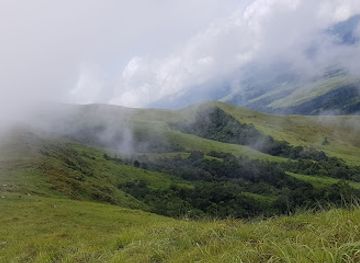
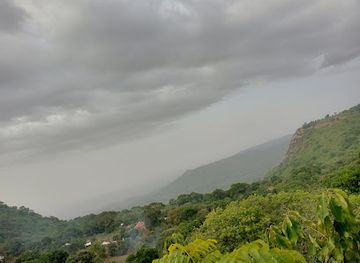
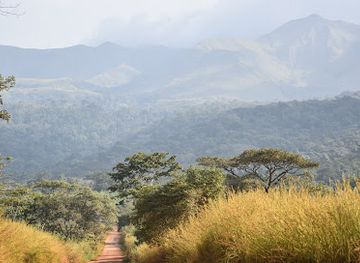
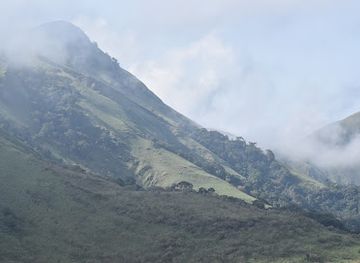
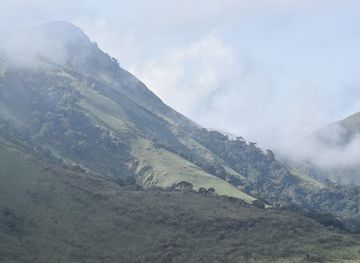
Mount Nimba is the defining natural landmark of south-eastern Guinea, its elongated, iron-rich ridge rising above the surrounding forest and valleys. The summit area lies within a transboundary mountain system shared by Guinea and neighbouring countries, so visitors should not assume that every approach or ridge is accessible from the Guinean side. The Mount Nimba Strict Nature Reserve is significant not only for its scenery but also for the concentration of rare highland habitats that led to international recognition. Around Bossou, the forested slopes and research landscape form another important point of reference, linking a recognisable local place with decades of chimpanzee study. Lola’s position below the range gives it practical and visual importance as the main Guinean settlement associated with Nimba. The contrast between cultivated lowlands, dark forest belts and open upland grassland is one of the region’s most characteristic views. Mining-related roads and geological formations also express the mountain’s economic importance, but they should be understood within the continuing effort to protect the reserve rather than treated simply as sightseeing features.
-
Park
Totalreservat Berg Nimba
Discover the breathtaking landscapes and rich biodiversity of Totalreservat Berg Nimba, a UNESCO World Heritage site in Guinea, perfect for nature lovers and adventurers.
Explore Nimba Range on the map
Plan your trip on one map. See where the top cities, national parks and sights are, and book hotels and experiences in a few clicks.
Best hotels in Nimba Range
Best restaurants in Nimba Range
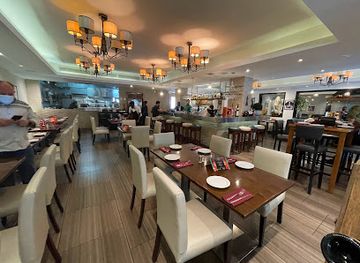
Dining in the Nimba area is informal and closely connected to household cooking, market supply and small local eateries rather than a developed restaurant industry. Meals commonly draw on the wider Forest Region’s staples, including rice, cassava, plantain and sauces prepared with vegetables, groundnuts, fish or meat. Chicken and locally available river fish may appear where supply permits, while seasonal fruit and palm-derived products reflect the humid environment. Lola and Nzérékoré offer the broadest choice of modest restaurants, cafés and street-food stalls, but menus, hygiene standards and availability vary. In rural areas, food is often arranged through guesthouses or local hosts and should be agreed in advance. Bottled or treated water is advisable, and visitors should carry snacks for long journeys and field excursions. The most useful culinary encounters are usually simple regional meals shared respectfully, visits to produce markets and an opportunity to understand how forest-zone agriculture supports communities around the mountain.
-
Hotel
Hotel Palm Camayenne
Experience luxury and comfort at Hotel Palm Camayenne in Conakry - your perfect retreat in Guinea's vibrant capital.
-
Restaurant
Hôtel Petit Bateau
Experience local charm at Hôtel Petit Bateau in Conakry – your cozy retreat for authentic Guinean hospitality.
-
Restaurant
Avenue
Experience authentic Guinean cuisine at Avenue in Conakry – where local flavors meet culinary excellence.
-
Turkish
Istanbul Restaurant & Pâtisserie
Discover authentic Turkish cuisine and exquisite pastries at Istanbul Restaurant & Pâtisserie in Conakry—where flavor meets tradition.
Best bars in Nimba Range
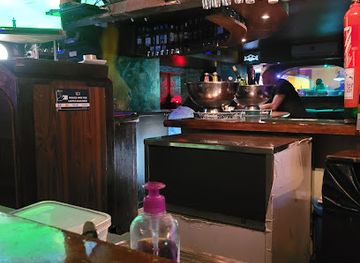
Nightlife in the Nimba Range is limited and centres on informal cafés, small bars, guesthouse compounds and social gatherings in Lola rather than dedicated clubs. Nzérékoré, outside the immediate mountain area, provides a wider evening choice, including restaurants, music and locally oriented drinking places, although the scene remains modest compared with Guinea’s capital. Rural evenings are generally quiet, with conversation, food and community events more prominent than late-night entertainment. Visitors should avoid walking unfamiliar roads after dark, arrange return transport before going out and respect local expectations around noise, photography and alcohol. Beer and soft drinks are more commonly available than specialised cocktails or imported spirits. In protected or research areas, evening activity should follow the rules of the accommodation and reserve authorities, since darkness, wildlife and limited communications make independent exploration impractical.
-
Bar
MLS Lounge Bar
Experience the vibrant nightlife of Conakry at MLS Lounge Bar, where local flavors and lively crowds create unforgettable evenings.
-
Park
Totalreservat Berg Nimba
Discover the breathtaking landscapes and rich biodiversity of Totalreservat Berg Nimba – a must-visit natural reserve in Guinea.
-
Hotel
BEER GARDEN HOTEL, BAR & RESTAURANT
Discover the charm of Ganta at the Beer Garden Hotel, Bar & Restaurant - where local flavors and hospitality meet in a tranquil setting.
-
Restaurant
Justina's Bar And Restaurant
Experience the vibrant atmosphere and authentic flavors at Justina's Bar and Restaurant in Ganta, a culinary gem of Liberia.


Best nightclubs in Nimba Range
Nightlife in the Nimba Range is limited and centres on informal cafés, small bars, guesthouse compounds and social gatherings in Lola rather than dedicated clubs. Nzérékoré, outside the immediate mountain area, provides a wider evening choice, including restaurants, music and locally oriented drinking places, although the scene remains modest compared with Guinea’s capital. Rural evenings are generally quiet, with conversation, food and community events more prominent than late-night entertainment. Visitors should avoid walking unfamiliar roads after dark, arrange return transport before going out and respect local expectations around noise, photography and alcohol. Beer and soft drinks are more commonly available than specialised cocktails or imported spirits. In protected or research areas, evening activity should follow the rules of the accommodation and reserve authorities, since darkness, wildlife and limited communications make independent exploration impractical.
-
Night club
Alizée Club
Experience the vibrant nightlife at Alizée Club, Abidjan's premier destination for dancing, music, and unforgettable memories.
-
Park
Totalreservat Berg Nimba
Explore Totalreservat Berg Nimba: A UNESCO World Heritage Site filled with stunning landscapes, rich biodiversity, and cultural experiences.
-
Night club
Club BEMBEYA
Discover the heart of Conakry's nightlife at Club BEMBEYA, where vibrant music and culture come alive in an unforgettable experience.
-
Night club
Crisber
Experience the vibrant nightlife at Crisber, the premier night club in Conakry, Guinea, where music and fun come alive.

Best shops in Nimba Range
Shopping around the Nimba Range is primarily practical and market-based. Lola and Nzérékoré have the widest selection of food, clothing, household goods, mobile-phone supplies and travel essentials, while smaller settlements offer basic provisions through roadside stalls and periodic markets. Visitors may find locally grown rice, cassava products, plantains, fruit, palm-derived goods and other agricultural produce, subject to season and transport. Small craft items, woven goods and locally made household objects may be available, but the range and quality vary, so they should be bought directly and respectfully rather than treated as standardised souvenirs. There is little purpose-built tourist retail and no dependable luxury-shopping scene. Carry essential medicines, toiletries, batteries, chargers and snacks from a larger town before travelling towards the reserve. When buying natural products or wildlife-related objects, avoid anything that may have been taken from protected habitats, and ask permission before photographing market stalls or individual vendors.
-
Park
Totalreservat Berg Nimba
Explore Totalreservat Berg Nimba: A UNESCO World Heritage site with breathtaking views and rich biodiversity in Guinea's lush wilderness.
-
Market
Marche du Niger
Explore the bustling Marche du Niger, a vibrant market in Conakry showcasing local crafts, traditional cuisine, and the rich culture of Guinea.
-
Vaporizer store
Guinéenne de l'e-cigarette
Explore Guinéenne de l'e-cigarette in Conakry for a vibrant selection of vaporizers and e-liquids in a welcoming atmosphere.
-
Grocery store
Boutique BARRY et Frères
Explore local flavors at Boutique BARRY et Frères, a charming grocery store in Nzerekore, Guinea, offering fresh produce and artisanal products.
Get your free copy of our complete guide to Nimba Range, delivered straight to you.
Everything on this page, from attractions and restaurants to essentials and local phrases, in one PDF you can read offline, print or share.
Already have an account? Sign in
Your Nimba Range guide is ready.
We'll send it to · Not you? Sign out

Getting your guide ready…
We are putting together a fresh copy of the Nimba Range guide. This can take up to a minute.
This can take a few moments. If your browser asks, choose Allow so the download can start. You'll find the guide in your Downloads folder.
Nothing happened? Download it again
Sorry, the guide is taking longer than usual. Please try again in a minute, or get it by email instead.
Nimba Range essentials
Currency and Payment
Safety
Emergency Situations
Do's and Don'ts
Local Tips
From Eve
Local phrases worth knowing
You don't need to get them perfect. A few words go a long way, and locals appreciate the effort.
Basics
| English | Local | Say it |
|---|---|---|
| Hello | Hello | [Heh-loh] |
| Goodbye | Goodbye | [Guhd-bye] |
| Yes | Yes | [Yes] |
| No | No | [No] |
| Please/You're welcome | Please/You're welcome | [Pleez/Yor wel-kum] |
| Thank you | Thank you | [Thangk yoo] |
| Excuse me/Sorry | Excuse me/Sorry | [Ex-kyoos mee/Sor-ree] |
| How are you? | How are you? | [How ar yoo?] |
| Fine. And you? | Fine. And you? | [Fine. And yoo?] |
| Do you speak English? | Do you speak English? | [Doo yoo speak Ing-lish?] |
| I don't understand | I don't understand | [I dont un-der-stand] |
Eating & Drinking
| English | Local | Say it |
|---|---|---|
| I'd like to see the menu, please | I'd like to see the menu, please | [Id lyke to see thuh men-yoo, pleez] |
| I don't eat meat | I don't eat meat | [I dont eet meet] |
| Cheers! | Cheers! | [Cheerz!] |
| I would like to pay, please | I would like to pay, please | [I wud lyke to pay, pleez] |
Emergencies
| English | Local | Say it |
|---|---|---|
| Help! | Help! | [Help!] |
| Go away! | Go away! | [Go aw-ay!] |
| Call the Police! | Call the Police! | [Call thuh Po-lees!] |
| Call a doctor! | Call a doctor! | [Call a dok-tor!] |
| I'm lost | I'm lost | [Im lost] |
| I'm ill | I'm ill | [Im ill] |
Shopping
| English | Local | Say it |
|---|---|---|
| I'd like to buy... | I'd like to buy... | [Id lyke to buy...] |
| I'm just looking | I'm just looking | [Im just looking] |
| How much is it? | How much is it? | [How munch iz it?] |
| That's too expensive | That's too expensive | [Thats too eks-pensiv] |
| Can you lower the price? | Can you lower the price? | [Can yoo low-er thuh pryce?] |
Time & Numbers
| English | Local | Say it |
|---|---|---|
| What time is it? | What time is it? | [What tym iz it?] |
| It's one o'clock | It's one o'clock | [Its wun uh-clock] |
| Half past (10) | Half past (10) | [Haf past (ten)] |
| Morning | Morning | [Mor-ning] |
| Afternoon | Afternoon | [Af-ter-noon] |
| Evening | Evening | [Ee-ven-ing] |
| Yesterday | Yesterday | [Yes-ter-day] |
| Today | Today | [To-day] |
| Tomorrow | Tomorrow | [To-mor-row] |
| 1 | 1 | [Wun] |
| 2 | 2 | [Too] |
| 3 | 3 | [Three] |
| 4 | 4 | [Four] |
| 5 | 5 | [Five] |
| 6 | 6 | [Six] |
| 7 | 7 | [Seven] |
| 8 | 8 | [Eight] |
| 9 | 9 | [Nine] |
| 10 | 10 | [Ten] |
Transport & Directions
| English | Local | Say it |
|---|---|---|
| Where's a/the...? | Where's a/the...? | [Wheres a/thuh...?] |
| What's the address? | What's the address? | [Whats thuh ad-dress?] |
| Can you show me (on the map)? | Can you show me (on the map)? | [Can yoo show mee (on thuh map)?] |
| When's the next (bus)? | When's the next (bus)? | [Wens thuh nekst (bus)?] |
| A ticket (to ....) | A ticket (to ....) | [A tik-it (to ....)] |
History of Nimba Range
Ancient settlement and Forest Region societies
The forested highlands around Nimba have been inhabited and used by communities for centuries, with settlement patterns shaped by fertile valleys, seasonal rainfall and access to forest resources. The wider Forest Region is associated with Kpelle or Guerzé, Dan and other communities whose languages, agricultural practices and social institutions developed across present-day Guinea, Liberia and Côte d’Ivoire. Modern borders divide this cultural zone, but local trade, kinship and movement have long connected settlements on both sides of the range.
Nineteenth-century regional trade and political change
Before colonial rule, the wider south-eastern Guinean interior was linked to regional commerce in agricultural produce, livestock and forest goods. Political authority was distributed among local communities and smaller polities rather than controlled by a single state centred on the mountain. The range’s difficult terrain limited outside access, while paths through the valleys connected settlements to markets farther west and south. These older routes helped shape the location of later towns such as Lola.
French colonial incorporation
France incorporated the Nimba area into French Guinea during the expansion of colonial rule in the late nineteenth and early twentieth centuries. Colonial administration, taxation, mission activity and new trading networks altered local political relationships and encouraged the growth of administrative centres. The region remained comparatively remote, however, and transport infrastructure developed more slowly than in Guinea’s coastal and central zones. Many present-day boundaries and official place names reflect this colonial administrative history.
Iron ore and the Mount Nimba project
Mount Nimba’s iron-rich geology attracted sustained geological investigation and mining interest during the twentieth century. The quality and accessibility of the ore encouraged plans for large-scale extraction and associated transport infrastructure, while also raising questions about the effects of mining on forests, watersheds and wildlife. Iron ore remains an important part of the range’s modern identity, even where proposed or active development has encountered conservation restrictions and local concerns.
Creation of the strict nature reserve
Guinea established the Mount Nimba Strict Nature Reserve in 1944, reflecting growing recognition of the mountain’s exceptional natural value. The protected area was later expanded and received international recognition through UNESCO World Heritage inscription in 1981. Its habitats include montane grasslands, forest and unusual highland ecosystems containing species found nowhere else or in very few other places. Protection has not removed pressure from mining, settlement and access, making conservation a continuing process rather than a settled historical achievement.
Bossou research and contemporary conservation
The Bossou area became internationally significant through long-term scientific research on its wild chimpanzee community, one of the best-known field studies of great apes in Africa. Research brought global attention to the relationship between wildlife, local land use and forest conservation in the Nimba landscape. Guinea’s wider political and economic changes, including periods of instability and development pressure, have affected the region, but conservation organisations, researchers and local communities continue to shape its contemporary future.
Nimba Range in Photos
Browse through our photo collection highlighting the charm and character of the destination.
Neighbouring regions of Nimba Range
The closest regions to Nimba Range, if you have time for more than one.
-

-

-

-

-


Swipe for more regions
Explore more

Explore more of Guinea
Explore Guinea's hidden beauty, from lush rainforests and majestic waterfalls to vibrant markets and rich cultural heritage in West Africa.
Explore Guinea