

Free Demerara-Mahaica Travel Guide & Mobile App
Explore Demerara-Mahaica with free travel guides. Discover regional history, expert tips, proposed trips, and audio guides on web or mobile app.


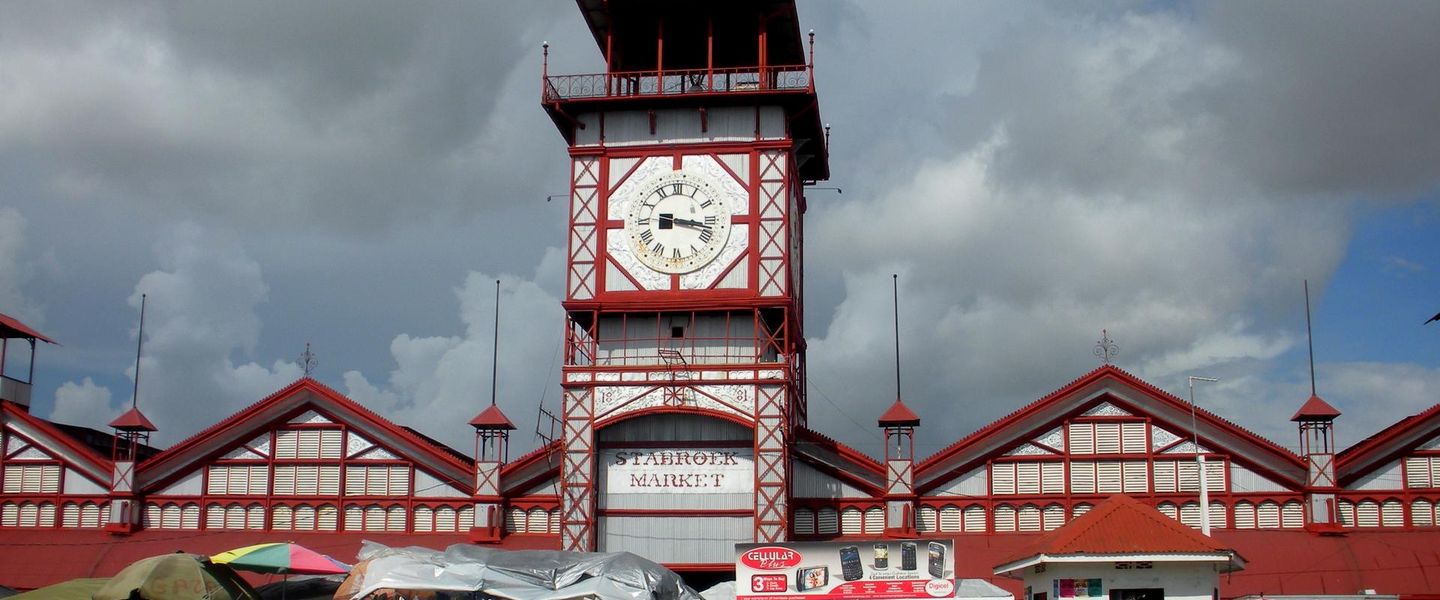


Explore Demerara-Mahaica for Georgetown’s wooden heritage, river wetlands, coastal villages, markets and Guyanese food culture.
Read more about Demerara-Mahaica
When is the best time to visit Demerara-Mahaica?
Best: January–March · 31–32°C| Month | High (°C) | Rainfall (mm) |
|---|---|---|
| January (best) | 31 | 200 |
| February (best) | 32 | 150 |
| March (best) | 32 | 170 |
| April | 32 | 200 |
| May | 32 | 250 |
| June | 32 | 270 |
| July | 32 | 230 |
| August | 32 | 200 |
| September | 32 | 200 |
| October | 32 | 230 |
| November | 32 | 250 |
| December | 31 | 270 |
Getting to and around Demerara-Mahaica
How to get there
Transportation
Best attractions in Demerara-Mahaica
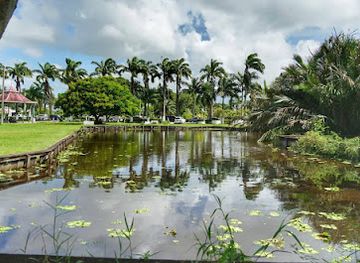
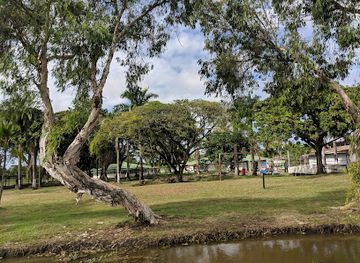
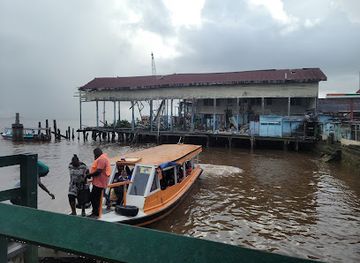
Demerara-Mahaica’s attractions combine the urban heritage of Georgetown with the wetlands, villages and agricultural landscapes of the coastal plain. In the capital, museums introduce visitors to Guyana’s Indigenous cultures, natural history and political development, while the National Gallery at Castellani House and other cultural institutions provide a window into the country’s artistic life. The Botanical Gardens and neighbouring zoological collections offer accessible green space within the city. Beyond central Georgetown, the East Bank and East Coast corridors lead past drainage canals, former plantation areas, rice lands, religious buildings and market communities. The Mahaica River and its surrounding marshes are particularly valuable for guided birdwatching and nature excursions, with opportunities to observe wetland species in a less remote setting than Guyana’s interior. Food markets, roadside stalls and village commerce are attractions in their own right, especially for visitors interested in everyday life. Outdoor experiences are shaped by the flat, water-managed terrain rather than hills: boat trips, canal-side observation and wildlife photography are more characteristic than strenuous walking. Weather, tides and road conditions can affect access, so guided arrangements and flexible timing are worthwhile.
-
Tourist attraction
Botanical Gardens Guyana
Immerse yourself in the beauty of nature at the Botanical Gardens Guyana, a serene escape in the heart of Georgetown's urban landscape.
-
Tourist attraction
National Park
Discover the breathtaking beauty of Georgetown's National Park, a tropical paradise filled with diverse wildlife and stunning landscapes.
-
 Resort hotel
Splashmins Resort
Discover the beauty of Splashmins Resort in Timehri, where relaxation meets adventure in a tropical paradise.
-
Tourist attraction
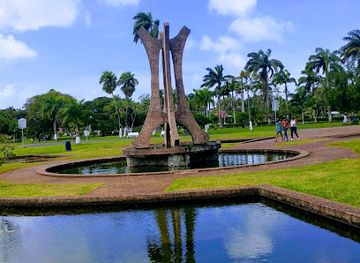
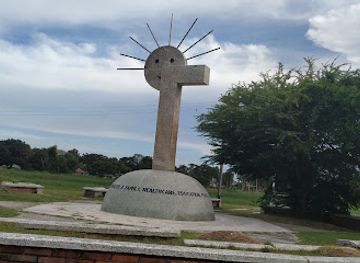
The 1763 Monument
Explore the 1763 Monument in Georgetown, a powerful symbol of Guyana's history and resilience, celebrating the fight for freedom and equality.

Best landmarks in Demerara-Mahaica
Georgetown’s skyline and streets contain the clearest concentration of Demerara-Mahaica’s landmarks. St George’s Cathedral is noted for its tall timber construction, while Georgetown City Hall represents the Gothic Revival influence visible in several civic buildings. The Parliament Buildings, Stabroek Market and the nearby Demerara waterfront form a group of places associated with government, trade and the city’s commercial history. The Walter Roth Museum of Anthropology and the National Museum occupy important cultural roles, although their significance is as institutions as much as architecture. The Promenade Gardens and Botanical Gardens provide formal and civic green spaces within the low-lying capital. Across the wider region, canals, sluices, sea walls and embankments are functional landmarks that express the long effort to make the coastal plain habitable and productive. Former plantation corridors and surviving estate-related landscapes along the East Coast are less monumental but historically important, linking present-day settlements with sugar, emancipation and indentured labour. The Mahaica River is the region’s most prominent natural landmark, marking a transition from the capital’s urban environment to a broad wetland system shaped by tides, drainage and seasonal water levels.
-
Market
Stabroek Market
Experience the vibrant culture and local flavors at Stabroek Market, Georgetown's bustling hub of commerce and tradition.
-
Botanical garden
Botanical Gardens Guyana
Discover the lush landscapes and vibrant flora of the Botanical Gardens in Georgetown, Guyana—a serene escape into nature's beauty.
-
Bridge
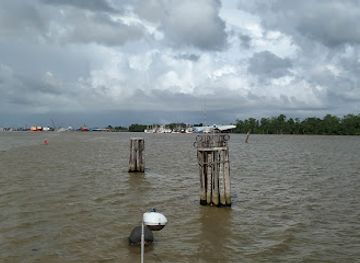
Demerara Harbour Bridge
Experience breathtaking views and a vital connection at Demerara Harbour Bridge, an iconic landmark in Georgetown, Guyana.
-
National park
National Park
Discover the breathtaking beauty of Georgetown's National Park, a lush paradise rich in wildlife and stunning landscapes perfect for nature lovers.
Explore Demerara-Mahaica on the map
Plan your trip on one map. See where the top cities, national parks and sights are, and book hotels and experiences in a few clicks.
Best hotels in Demerara-Mahaica
Best restaurants in Demerara-Mahaica
Dining in Demerara-Mahaica is closely tied to Georgetown’s diverse population and its links with the surrounding agricultural coast. Restaurants, cookshops, cafés and market stalls serve Guyanese staples such as pepperpot, cook-up rice, metemgee, curry, roti, fried rice, chow mein, bake and a range of fish and seafood dishes. Indo-Guyanese cooking is especially visible along the East Coast through curry houses, roti shops and family-run food businesses, while African and Indigenous influences are also present in the wider national cuisine. Fresh produce, plantains, cassava, coconut, seasonal fruit and locally caught fish appear in markets and everyday meals. Georgetown offers the broadest choice of contemporary dining, international food and cafés; outside the capital, roadside eateries and village cookshops are often more informal and cash-based. Farmers’ markets and public markets are useful places to see the ingredients that underpin the region’s food culture. Recipes and preferred flavours vary between households, so menus should be approached as a living Guyanese tradition rather than a fixed regional formula.
-
Grill
Fireside Grill and Chill
Experience the best grilled dishes in Georgetown at Fireside Grill and Chill - where flavor meets comfort in every bite.
-
Asian
Asian Restaurant - NEW THRIVING
Savor authentic Asian flavors at New Thriving Restaurant in Georgetown - where diverse menus meet warm hospitality.
-
Restaurant
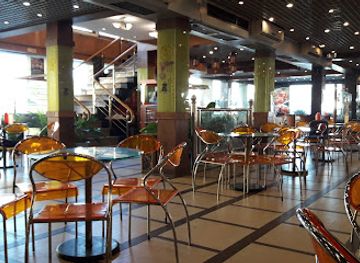
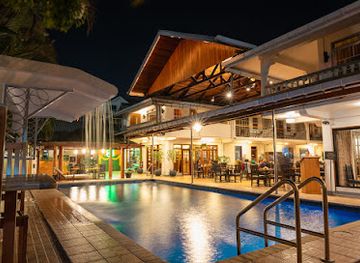
Grand Coastal Hotel
Experience luxury at Grand Coastal Hotel - where comfort meets elegance on Guyana's beautiful East Coast.
-
American
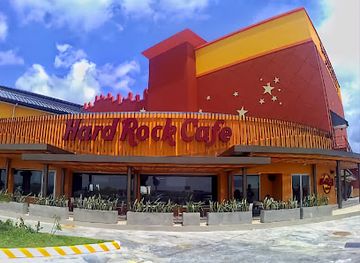
Hard Rock Cafe Guyana
Discover delicious American cuisine amidst rock history at Hard Rock Cafe Guyana - where every meal tells a story.
Best bars in Demerara-Mahaica
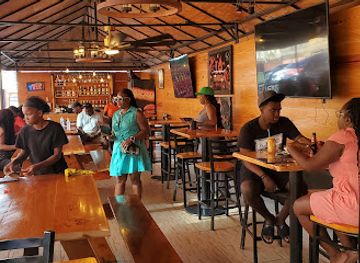
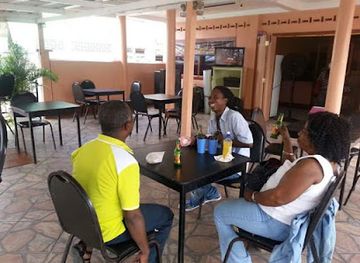
Evening life in Demerara-Mahaica is concentrated in Georgetown, where hotel bars, rum shops, restaurants, lounges and live-music venues provide more choice than the outer villages. The capital’s nightlife ranges from relaxed drinks and Guyanese food to occasional DJ events, dancing and performances, but the scene is smaller and less formally district-based than in many larger international capitals. Historic and neighbourhood pubs are generally social spaces rather than tourist attractions, while restaurants and cafés often form the quieter end of the evening. Along the East Coast, nightlife tends to centre on local bars, family gatherings, restaurants and occasional entertainment rather than a continuous club circuit. Visitors should arrange their return transport in advance, particularly when staying outside central Georgetown, and check current venue details because schedules and businesses change. Drinking is not necessary to participate in local evening culture; music, food and conversation are equally important parts of the region’s social life.
-
Sports bar
704 Sports Bar
Experience the Thrill of Live Sports at 704 Sports Bar in Georgetown, Offering Great Food, Drinks, and a Vibrant Atmosphere.
-
Bar
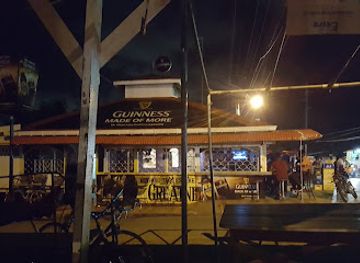
Plaisance Guinness Bar
Discover the vibrant vibes and local flavors at Plaisance Guinness Bar, a must-stop for beer lovers in Better Hope.
-
Grill
Backyard Bar and Grill
Experience the best culinary delights of Guyana at Backyard Bar and Grill, Georgetown's top choice for grilled food and refreshing drinks.
-
Restaurant
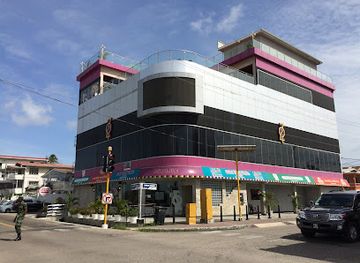
Guinness Bar
Discover the vibrant atmosphere and local flavors at Guinness Bar in Georgetown, where great food and drinks meet lively camaraderie.
Best nightclubs in Demerara-Mahaica
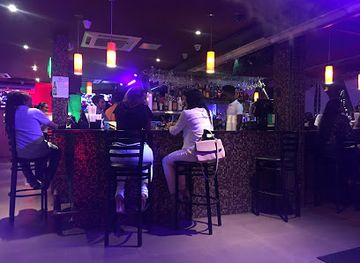
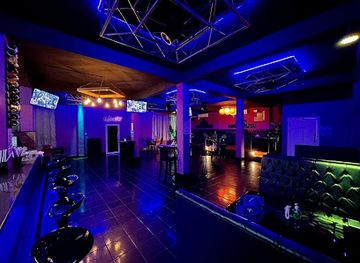
Evening life in Demerara-Mahaica is concentrated in Georgetown, where hotel bars, rum shops, restaurants, lounges and live-music venues provide more choice than the outer villages. The capital’s nightlife ranges from relaxed drinks and Guyanese food to occasional DJ events, dancing and performances, but the scene is smaller and less formally district-based than in many larger international capitals. Historic and neighbourhood pubs are generally social spaces rather than tourist attractions, while restaurants and cafés often form the quieter end of the evening. Along the East Coast, nightlife tends to centre on local bars, family gatherings, restaurants and occasional entertainment rather than a continuous club circuit. Visitors should arrange their return transport in advance, particularly when staying outside central Georgetown, and check current venue details because schedules and businesses change. Drinking is not necessary to participate in local evening culture; music, food and conversation are equally important parts of the region’s social life.
-
Hotel
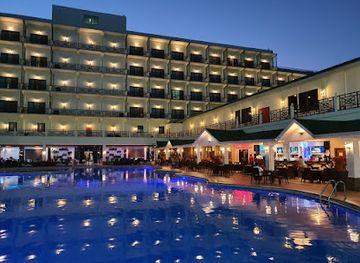
Ramada Georgetown Princess Hotel
Discover comfort and tranquility at the Ramada Georgetown Princess Hotel, your perfect getaway in East Bank Demerara, Guyana.
-
Night club
Palm Court
Experience the vibrant nightlife of Georgetown at Palm Court, where music and fun come together for an unforgettable evening.
-
Disco club
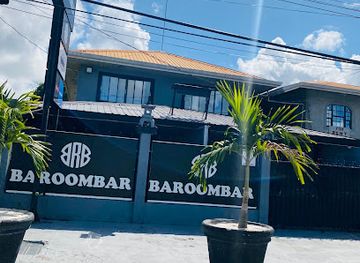
Baroombar
Immerse yourself in Georgetown's nightlife at Baroombar, the disco club known for its vibrant atmosphere and electrifying music.
-
Club
Montra Restaurant & Lounge
Discover Georgetown's nightlife at Montra Restaurant & Lounge, where delightful cuisine meets vibrant entertainment in a stylish atmosphere.
Best shops in Demerara-Mahaica
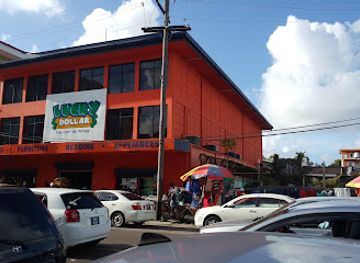
Shopping in Demerara-Mahaica centres on Georgetown’s markets, high streets and neighbourhood commercial areas rather than on a single luxury retail district. Stabroek Market is the most recognisable marketplace, with produce, prepared food, household goods and everyday merchandise, while Bourda Market is important for fresh food and local shopping. Conditions can be busy, so keep bags and phones secure and ask before photographing vendors. Supermarkets and specialist food shops are useful for Guyanese products such as pepper sauces, spices, preserved foods, rum and packaged snacks. Independent retailers and craft outlets offer art, books, textiles, jewellery and souvenirs, though quality and availability vary. Outside Georgetown, East Coast villages have small shops, roadside produce sellers and local markets rather than extensive retail centres. Visitors seeking meaningful purchases should look for Guyanese art, hand-made items and food products with clear local provenance, while remembering that agricultural and animal products may be subject to customs restrictions when taken overseas.
-
Shopping mall
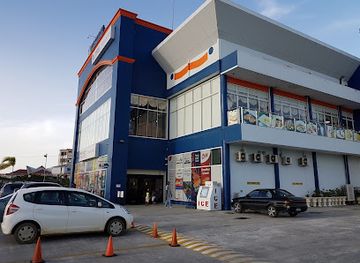
Giftland Mall
Explore Giftland Mall, Georgetown's premier shopping destination offering diverse stores, dining, and entertainment for a perfect day out.
-
Supermarket
Massy Stores Guyana
Explore Massy Stores Guyana for a vibrant shopping experience featuring local and international products in the heart of Providence.
-
Shopping mall
Shopping City Mall
Experience the best of shopping and dining at Shopping City Mall, Georgetown's vibrant retail hub with diverse stores and entertainment options.
-
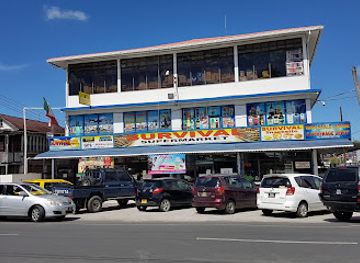
Supermarket
Survival Supermarket
Discover local flavors and global essentials at Survival Supermarket in Georgetown, your go-to destination for all shopping needs.

Get your free copy of our complete guide to Demerara-Mahaica, delivered straight to you.
Everything on this page, from attractions and restaurants to essentials and local phrases, in one PDF you can read offline, print or share.
Already have an account? Sign in
Your Demerara-Mahaica guide is ready.
We'll send it to · Not you? Sign out

Getting your guide ready…
We are putting together a fresh copy of the Demerara-Mahaica guide. This can take up to a minute.
This can take a few moments. If your browser asks, choose Allow so the download can start. You'll find the guide in your Downloads folder.
Nothing happened? Download it again
Sorry, the guide is taking longer than usual. Please try again in a minute, or get it by email instead.
Demerara-Mahaica essentials
Currency and Payment
Safety
Emergency Situations
Do's and Don'ts
Local Tips
From Eve
Local phrases worth knowing
You don't need to get them perfect. A few words go a long way, and locals appreciate the effort.
Basics
| English | Local | Say it |
|---|---|---|
| Hello | Hey | [Hey] |
| Goodbye | Later | [Ley-tah] |
| Yes | Yeah | [Yeh] |
| No | Nah | [Nah] |
| Please/You're welcome | No problem | [Noh prob-lum] |
| Thank you | Thanks | [Tanks] |
| Excuse me/Sorry | Sorry | [Sah-ree] |
| How are you? | Wah happen? | [Wah hap-pen?] |
| Fine. And you? | Ah good. Wah 'bout yuh? | [Ah good. Wah 'bout yuh?] |
| Do you speak English? | Yuh speak English? | [Yuh speak English?] |
| I don't understand | Me nah understand | [Me nah un-der-stand] |
Eating & Drinking
| English | Local | Say it |
|---|---|---|
| I'd like to see the menu, please | Me wan see de menu, please | [Me wan see de men-yu, please] |
| I don't eat meat | Me nah eat meat | [Me nah eat meat] |
| Cheers! | Cheers! | [Cheers!] |
| I would like to pay, please | Me wan pay, please | [Me wan pay, please] |
Emergencies
| English | Local | Say it |
|---|---|---|
| Help! | Help! | [Help!] |
| Go away! | Go way! | [Go way!] |
| Call the Police! | Call de police! | [Call de po-leece!] |
| Call a doctor! | Call a doctor! | [Call a doc-tah!] |
| I'm lost | Me lost | [Me lost] |
| I'm ill | Me sick | [Me sick] |
Shopping
| English | Local | Say it |
|---|---|---|
| I'd like to buy... | Me wan buy... | [Me wan buy...] |
| I'm just looking | Me just a look | [Me just a look] |
| How much is it? | How much dis cost? | [How much dis cost?] |
| That's too expensive | Dat too pricey | [Dat too pry-see] |
| Can you lower the price? | Yuh can lower de price? | [Yuh can lower de pryce?] |
Time & Numbers
| English | Local | Say it |
|---|---|---|
| What time is it? | Wah time it? | [Wah time it?] |
| It's one o'clock | It one o'clock | [It one o'clock] |
| Half past (10) | Half past ten | [Half past ten] |
| Morning | Mornin' | [Mornin'] |
| Afternoon | Afternoon | [Afternoon] |
| Evening | Evenin' | [Evenin'] |
| Yesterday | Yesterday | [Yesterday] |
| Today | Today | [Today] |
| Tomorrow | Tomorrow | [Tomorrow] |
| 1 | One | [One] |
| 2 | Two | [Two] |
| 3 | Three | [Three] |
| 4 | Four | [Four] |
| 5 | Five | [Five] |
| 6 | Six | [Six] |
| 7 | Seven | [Seven] |
| 8 | Eight | [Eight] |
| 9 | Nine | [Nine] |
| 10 | Ten | [Ten] |
Transport & Directions
| English | Local | Say it |
|---|---|---|
| Where's a/the...? | Wheh de...? | [Wheh de...?] |
| What's the address? | Wah de address? | [Wah de ad-dress?] |
| Can you show me (on the map)? | Yuh can show me (pon de map)? | [Yuh can show me (pon de map)?] |
| When's the next (bus)? | Wen de next (bus)? | [Wen de next (bus)?] |
| A ticket (to ....) | A ticket (to ....) | [A ticket (to ....)] |
History of Demerara-Mahaica
Indigenous Coastal Communities and River Networks
Before European colonisation, the coastal plain and river systems of present-day Demerara-Mahaica were used by Indigenous peoples whose knowledge of waterways, fishing grounds and seasonal conditions remains part of Guyana’s wider cultural history. The Demerara and Mahaica rivers were important routes through a landscape that was difficult to cross overland. Archaeological evidence and place names preserve traces of earlier occupation, although much of the region’s modern built environment dates from the plantation period and later urban development.
Dutch Plantations on the Demerara
Dutch colonists established plantations along the Demerara River during the seventeenth and early eighteenth centuries, linking the area to the wider colonial economy of Essequibo, Demerara and Berbice. Canals, dams and drainage works were developed to make the low coastal land suitable for cultivation and transport. Sugar became especially important, and plantations depended on the forced labour of enslaved Africans. The linear arrangement of roads, waterways and estates created a settlement pattern that still influences the region’s geography.
British Rule and the Plantation Economy
Britain took control of Demerara during the Napoleonic period, and the colony was formally incorporated with Essequibo and Berbice in 1831 as British Guiana. Under British administration, sugar production expanded and Georgetown grew as an administrative and commercial port. The plantation system brought severe exploitation, racial hierarchy and environmental transformation. Many current villages and road corridors developed from plantation settlements, while the surviving canals, estate lands and place names provide visible reminders of this period.
Emancipation and Indentured Labour
The abolition of slavery in British Guiana was completed in 1838, following emancipation in 1834 and a period of apprenticeship. Plantation owners subsequently recruited indentured labourers, particularly from India, as well as workers from other parts of the empire. The arrival and settlement of Indo-Guyanese communities transformed the social and religious landscape of Demerara-Mahaica. Villages along the East Coast became associated with small farming, rice cultivation, commerce and religious institutions, contributing to the plural society visible across the region today.
Georgetown as Colonial Capital and Commercial Centre
Georgetown developed from a settlement at the mouth of the Demerara into the capital and principal commercial centre of British Guiana. Its streets, canals, drainage infrastructure and wooden public buildings reflect attempts to manage a low-lying tropical environment. Fire, flooding and changing construction methods altered the city over time, but important civic and religious buildings survived. Georgetown’s markets, wharves and administrative institutions connected the coastal plantations with overseas trade and helped establish the urban character of modern Demerara-Mahaica.
Political Change, Independence and the Modern Coastal Plain
The twentieth century brought labour activism, constitutional reform and movements for self-government. British Guiana became independent Guyana in 1966, with Georgetown remaining the national capital. Since independence, Demerara-Mahaica has continued to concentrate government, education, business and cultural institutions, while its outer districts have retained substantial agricultural activity. The region also faces continuing challenges from flooding, coastal erosion, subsidence and pressure from urban expansion, making drainage canals, sea defences and wetlands central to its contemporary identity.
Demerara-Mahaica in Photos
Browse through our photo collection highlighting the charm and character of the destination.
Neighbouring regions of Demerara-Mahaica
The closest regions to Demerara-Mahaica, if you have time for more than one.
-

-

-

-

-


Swipe for more regions
Explore more

Explore more of Guyana
Discover Guyana, where the Amazon Rainforest meets Caribbean charm, offering everything from stunning waterfalls to vibrant cities and rich cultural experiences.
Explore Guyana