

Free Mahaica-Berbice Travel Guide & Mobile App
Explore Mahaica-Berbice with free travel guides. Discover regional history, expert tips, proposed trips, and audio guides on web or mobile app.


Explore Mahaica-Berbice in Guyana for rice country, river wetlands, coastal villages, Creole and Indo-Guyanese food, and rural landscapes.
Read more about Mahaica-Berbice
When is the best time to visit Mahaica-Berbice?
Best: January–March · 31–32°C| Month | High (°C) | Rainfall (mm) |
|---|---|---|
| January (best) | 31 | 106 |
| February (best) | 31 | 95 |
| March (best) | 32 | 100 |
| April | 32 | 111 |
| May | 32 | 166 |
| June | 32 | 236 |
| July | 31 | 215 |
| August | 31 | 196 |
| September | 31 | 165 |
| October | 31 | 135 |
| November | 31 | 120 |
| December | 31 | 110 |
Getting to and around Mahaica-Berbice
How to get there
Transportation
Top city travel guides in Mahaica-Berbice
The cities of Mahaica-Berbice, and the easiest places to base yourself.
-

-


Swipe for more cities
Destinations in Mahaica-Berbice
Resorts, valleys and scenic spots worth a trip of their own.

Swipe for more destinations
Best attractions in Mahaica-Berbice
Mahaica-Berbice’s attractions are primarily landscape- and community-based rather than concentrated in formal tourist complexes. The Mahaicony and Abary areas offer views across rice fields, cattle country, canals and low coastal wetlands, with opportunities for birdwatching and guided boat outings when local conditions permit. The main road links a succession of villages, shops, churches and agricultural settlements, making the journey itself part of the regional experience. Blairmont and surrounding communities retain connections with the sugar economy, while Fort Wellington and Bath provide useful points for exploring the settled coastal plain. Visitors interested in Guyana’s rural life can arrange introductions to farming, fishing or local food preparation through established community contacts, always respecting private land and working schedules. The region is also suitable for travellers wanting to understand drainage, irrigation and flood management in a landscape where roads, fields and waterways are closely interdependent. Facilities are modest outside the larger settlements, so guided visits, transport and refreshments should be organised in advance rather than assumed to be available at each site.
-
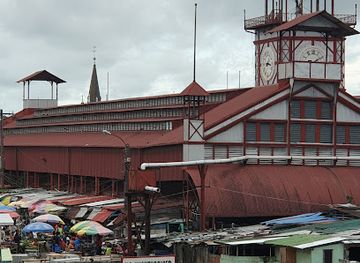
Market
Stabroek Market
Discover the vibrant Stabroek Market in Georgetown, where the spirit of Guyana comes alive through fresh produce, local crafts, and rich cultural experiences.
-
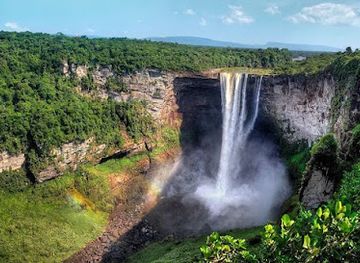
Tourist attraction
Kaieteur Falls - Guyana
Experience the breathtaking beauty of Kaieteur Falls, one of the world's highest waterfalls, surrounded by the lush Amazon rainforest in Guyana.
-
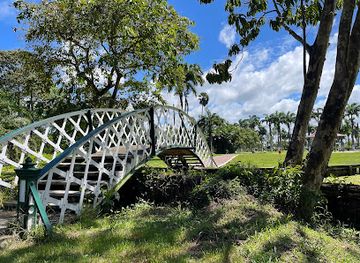
Botanical garden
Botanical Gardens Guyana
Discover the lush beauty and tranquility of the Botanical Gardens in Georgetown, Guyana, a perfect escape into nature's vibrant embrace.
-
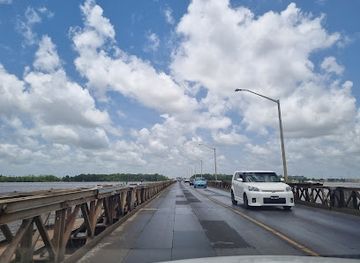
Bridge
Demerara Harbour Bridge
Explore the Demerara Harbour Bridge in Georgetown, Guyana, a stunning engineering marvel with breathtaking views and a unique boat-opening feature.
Best landmarks in Mahaica-Berbice
Mahaica-Berbice’s most recognisable landmarks are often elements of a working coastal landscape. The Mahaicony River and its branching canals express the region’s dependence on waterways for drainage, irrigation, fishing and movement, while the Abary River and surrounding lowlands mark the transition between settled agriculture and wetland environments. The villages of Fort Wellington, Bath, Rosignol, Blairmont and Mahaicony contain churches, community buildings, shops and older houses that reveal the layered history of the coastal plain, although many are functioning local places rather than formal monuments. Blairmont’s association with the historic sugar estate economy is particularly important for understanding the region’s plantation past. Embankments, sluices, bridges and drainage ditches are practical structures but also visible evidence of the engineering required to occupy Guyana’s low coastal land. No single landmark defines the region; its distinguishing character lies in the relationship between rivers, cultivated fields, settlements and infrastructure, best appreciated slowly and with local interpretation.
-
Tourist attraction
Blue Lake Linden
Experience the tranquil allure of Blue Lake Linden, a breathtaking natural wonder perfect for relaxation and adventure in the heart of Guyana.
-
Hotel
Watooka Guest House
Experience tranquility and culture at Watooka Guest House, your ideal retreat in Linden, Guyana, surrounded by stunning natural beauty and rich heritage.
-
Bridge
Berbice Bridge Company
Discover the stunning architecture and breathtaking views of Berbice Bridge, a vital connection in Guyana's picturesque landscape.
-
Grocery store
Bath Settlement
Explore Bath Settlement in Waterloo, Guyana – your gateway to authentic local groceries and a taste of Guyanese culture.
Explore Mahaica-Berbice on the map
Plan your trip on one map. See where the top cities, national parks and sights are, and book hotels and experiences in a few clicks.
Best hotels in Mahaica-Berbice
Best restaurants in Mahaica-Berbice
Dining in Mahaica-Berbice is informal and closely tied to the region’s farms, waterways and mixed communities. Rice is the everyday foundation of many meals, accompanied by fish, shrimp, crab, chicken, curries, stews, cassava, plantain and other provision vegetables. Indo-Guyanese cooking is evident in roti, rice dishes and spiced curries, while Creole and broader Guyanese traditions contribute pepperpot, cook-up rice, fried fish and slow-cooked meats. Coconut, fresh herbs and locally grown produce may feature in home-style preparation. Roadside shops, village eateries, bakeries and small takeaway counters are more typical than destination restaurants, and opening arrangements can be informal. Rosignol, Mahaicony, Blairmont and Fort Wellington offer the best chance of finding everyday meals and supplies, while rural areas may have limited choice outside working hours. Visitors should carry water and snacks on longer journeys and ask whether seafood has been freshly sourced rather than making assumptions about availability.
-
Restaurant
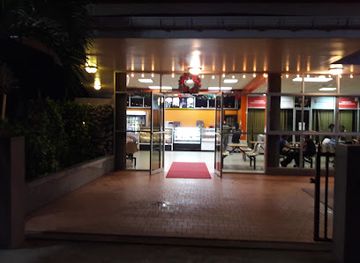
Big B's Baksh Restaurant (Halall) - Rosignol
Discover the authentic tastes of Guyana at Big B's Baksh Restaurant - a must-visit halal dining experience in Rosignol.
-
Restaurant
Spready's Snackette & Bakery
Discover authentic Guyanese flavors at Spready's Snackette & Bakery in Port Mourant – a delightful stop for snacks and freshly baked treats.
-
Chicken
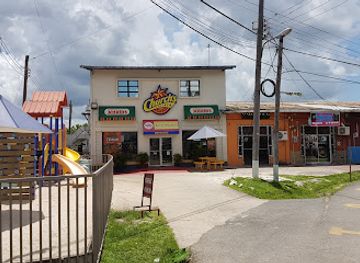
Church's Texas Chicken
Experience the mouthwatering taste of fried chicken at Church's Texas Chicken in Linden – where flavor meets affordability!
-
Chinese
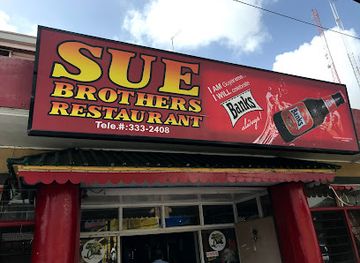
Sue Brothers
Discover the vibrant flavors of authentic Chinese cuisine at Sue Brothers in New Amsterdam, Berbice - a culinary gem waiting for you.

Best bars in Mahaica-Berbice
Nightlife in Mahaica-Berbice is generally low-key and local, centred on rum shops, bars, family restaurants, village social gatherings and occasional music events rather than a large club circuit. Rosignol, Mahaicony, Blairmont and other larger settlements are more likely to have places open in the evening, while rural communities become quiet earlier. Guyanese rum, beer and soft drinks are widely available, but alcohol is not necessary to engage with the region’s evening culture; food, conversation, cricket and music are equally important. Some events may involve chutney, soca, reggae or other popular styles, although schedules and venues can be informal and changeable. Visitors should ask residents or accommodation hosts about current arrangements, use reliable transport after dark and avoid walking along poorly lit roads or drainage embankments.
-
Grill
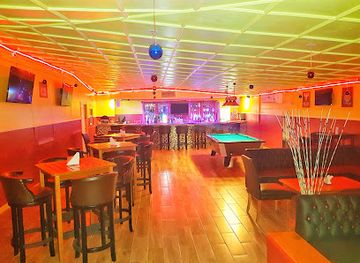
PlayBoys Restaurant &Bar
Discover the vibrant flavors of Guyanese cuisine at PlayBoys Restaurant & Bar, where delicious grilled dishes meet a lively atmosphere.
-
Hotel
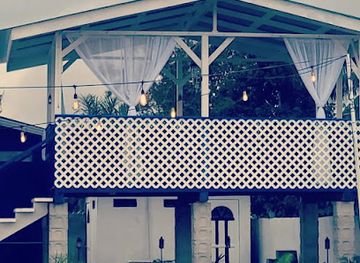
TE'AMO Entertainment Park
Discover the excitement and relaxation at TE'AMO Entertainment Park, your ultimate destination for fun in West Coast Berbice.
-
Bar
Route 626 Bar & Lounge
Experience the vibrant atmosphere and authentic Guyanese hospitality at Route 626 Bar & Lounge, the perfect spot for relaxation and entertainment.
-
Bar
Canje Bistro and Lounge
Discover the vibrant atmosphere and exquisite local cuisine at Canje Bistro and Lounge, the perfect escape in Linden, Guyana.

Best nightclubs in Mahaica-Berbice
Nightlife in Mahaica-Berbice is generally low-key and local, centred on rum shops, bars, family restaurants, village social gatherings and occasional music events rather than a large club circuit. Rosignol, Mahaicony, Blairmont and other larger settlements are more likely to have places open in the evening, while rural communities become quiet earlier. Guyanese rum, beer and soft drinks are widely available, but alcohol is not necessary to engage with the region’s evening culture; food, conversation, cricket and music are equally important. Some events may involve chutney, soca, reggae or other popular styles, although schedules and venues can be informal and changeable. Visitors should ask residents or accommodation hosts about current arrangements, use reliable transport after dark and avoid walking along poorly lit roads or drainage embankments.
-
Night club
Palm Court
Discover Georgetown's nightlife at Palm Court, the ultimate destination for dancing, drinks, and vibrant entertainment.
-
Disco club
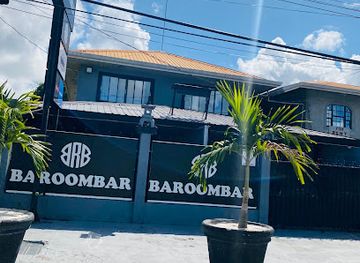
Baroombar
Discover the electrifying nightlife at Baroombar, Georgetown's premier disco club, where unforgettable memories and vibrant music await.
-
Night club
Dynasty Sports Club & Entertainment Centre
Dive into Georgetown's vibrant nightlife at Dynasty Sports Club & Entertainment Centre, where music, dance, and delicious drinks come together.
-
Night club
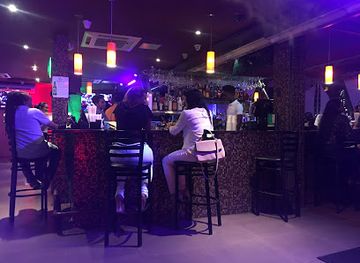
Sweet Lips.
Discover the lively nightlife of Rosignol at Sweet Lips, the ultimate destination for dancing, socializing, and unforgettable experiences.


Best shops in Mahaica-Berbice
Shopping in Mahaica-Berbice is practical and community-oriented, with small shops, roadside stalls, village markets and commercial strips serving local residents rather than a dedicated tourist retail sector. Visitors may find fresh produce, cassava, plantain, rice-related products, fish and other seasonal foods, particularly near farming and river communities. Rosignol, Mahaicony, Blairmont and Fort Wellington provide more everyday choice than the smaller villages, although stock and market activity vary by day. Souvenirs are limited compared with Georgetown, so useful purchases are often locally made foods, packaged Guyanese products, spices, snacks and modest craft items rather than luxury goods. Ask before photographing or handling market produce, and carry cash in Guyanese dollars because smaller vendors may not accept cards. For a broader selection of Guyanese crafts, art, books and branded goods, Georgetown remains the principal shopping destination outside the region.
-
Shopping mall
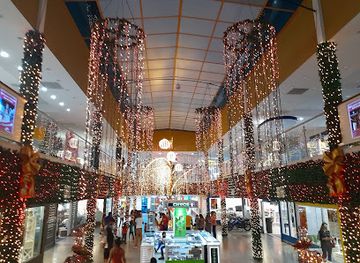
Giftland Mall
Discover Georgetown's vibrant shopping scene at Giftland Mall with diverse retail, dining, and entertainment options for an unforgettable experience.
-
Department store
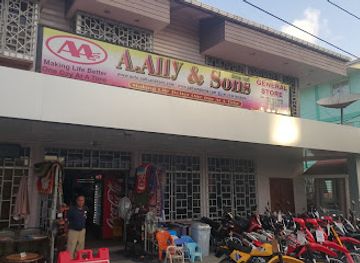
A. Ally & Sons General Store
Discover a variety of goods at A. Ally & Sons General Store in New Amsterdam, from bicycles to hardware supplies.
-
Home goods store
One Mile Exntension
Explore One Mile Extension in Linden, a home goods store that showcases local craftsmanship and unique treasures for your home.
-
Gift shop
Brandon's Divine Classics- Gift Shop
Explore Brandon's Divine Classics in Diamond, where unique gifts, local crafts, and exquisite jewelry await to make your visit memorable.


Get your free copy of our complete guide to Mahaica-Berbice, delivered straight to you.
Everything on this page, from attractions and restaurants to essentials and local phrases, in one PDF you can read offline, print or share.
Already have an account? Sign in
Your Mahaica-Berbice guide is ready.
We'll send it to · Not you? Sign out

Getting your guide ready…
We are putting together a fresh copy of the Mahaica-Berbice guide. This can take up to a minute.
This can take a few moments. If your browser asks, choose Allow so the download can start. You'll find the guide in your Downloads folder.
Nothing happened? Download it again
Sorry, the guide is taking longer than usual. Please try again in a minute, or get it by email instead.
Mahaica-Berbice essentials
Currency and Payment
Safety
Emergency Situations
Do's and Don'ts
Local Tips
From Eve
Local phrases worth knowing
You don't need to get them perfect. A few words go a long way, and locals appreciate the effort.
Basics
| English | Local | Say it |
|---|---|---|
| Hello | Wah Gwaan | [wah gwan] |
| Goodbye | See yuh later | [see yuh lay-tah] |
| Yes | Yes | [yes] |
| No | No | [no] |
| Please/You're welcome | Pleas / Yuh welcome | [pleez / yuh wel-kum] |
| Thank you | Tanks | [tanks] |
| Excuse me/Sorry | Scuze me / Sorry | [skooz mee / sor-ree] |
| How are you? | How yuh doin? | [how yuh doin] |
| Fine. And you? | I good. An yuh? | [ai gud. an yuh] |
| Do you speak English? | Yuh speak English? | [yuh speak ing-glish] |
| I don't understand | Me nah undastand | [mee nah un-dah-stand] |
Eating & Drinking
| English | Local | Say it |
|---|---|---|
| I'd like to see the menu, please | Me wan see di menu, please | [mee wan see dee men-u, pleez] |
| I don't eat meat | Me nah eat meat | [mee nah eet meet] |
| Cheers! | Cheers! | [cheers] |
| I would like to pay, please | Me wan pay, please | [mee wan pay, pleez] |
Emergencies
| English | Local | Say it |
|---|---|---|
| Help! | Help! | [help] |
| Go away! | Geh way! | [geh way] |
| Call the Police! | Call di Police! | [call dee po-lees] |
| Call a doctor! | Call a doctor! | [call a dok-ta] |
| I'm lost | Me lost | [mee lost] |
| I'm ill | Me sick | [mee sik] |
Shopping
| English | Local | Say it |
|---|---|---|
| I'd like to buy... | Me wan buy... | [mee wan buy] |
| I'm just looking | Me jus lookin | [mee jus lookin] |
| How much is it? | How much it cost? | [how much it kost] |
| That's too expensive | Dat too expensive | [dat too eks-pen-siv] |
| Can you lower the price? | Yuh can lower di price? | [yuh kan low-er dee price] |
Time & Numbers
| English | Local | Say it |
|---|---|---|
| What time is it? | Wah time it? | [wah time it] |
| It's one o'clock | It one o'clock | [it wan o-clock] |
| Half past (10) | Half past ten | [half past ten] |
| Morning | Mornin | [mornin] |
| Afternoon | Afternoon | [af-ter-noon] |
| Evening | Evenin | [ee-venin] |
| Yesterday | Yesterday | [yes-ter-day] |
| Today | Today | [to-day] |
| Tomorrow | Tomorrow | [to-mor-row] |
| 1 | One | [wan] |
| 2 | Two | [too] |
| 3 | Three | [tree] |
| 4 | Four | [for] |
| 5 | Five | [fai] |
| 6 | Six | [siks] |
| 7 | Seven | [sev-en] |
| 8 | Eight | [eit] |
| 9 | Nine | [nain] |
| 10 | Ten | [ten] |
Transport & Directions
| English | Local | Say it |
|---|---|---|
| Where's a/the...? | Wheh di...? | [weh dee] |
| What's the address? | Wah di address? | [wah dee ad-dres] |
| Can you show me (on the map)? | Yuh can show me (pon di map)? | [yuh kan show mee (pon dee map)] |
| When's the next (bus)? | When di next (bus)? | [wen dee next (bus)] |
| A ticket (to ....) | A ticket (to ....) | [a tik-it (to ....)] |
History of Mahaica-Berbice
The Coastal Plain before Plantation Agriculture
Before European colonisation, the low coastal plain and river systems of present-day Mahaica-Berbice were used and understood by Indigenous peoples, including communities associated with the wider Atlantic coastal and riverine zone. Creeks, savannahs and forest margins provided routes, fishing grounds and sources of food. The coast was not an empty landscape: its rivers and wetlands shaped movement and settlement long before the construction of canals, dykes and drainage systems. Much of the region’s later history would continue to depend on the same waterways, although colonial agriculture transformed their management and use.
Dutch Colonisation and Plantation Development
Dutch colonisation introduced plantation agriculture to the coastal rivers of Guyana from the seventeenth century. Estates depended on drainage, canals, sluices and embankments to make parts of the tidal plain suitable for cultivation and settlement. Sugar became the dominant plantation crop in many areas, supported by enslaved African labour and a commercial system linked to European markets. Although individual estates and boundaries changed over time, the engineered landscape created during the colonial period remains visible in the region’s canals, waterways, roads and agricultural plots.
Emancipation and the Formation of Villages
The abolition of slavery in the British colony of British Guiana in the nineteenth century changed the social and economic structure of the plantations. Formerly enslaved people established or expanded villages, acquired land where possible and developed independent livelihoods alongside wage labour. Churches, schools, small farms and village institutions became important features of the coastal plain. In Mahaica-Berbice, as elsewhere in Guyana, the post-emancipation period helped create settlement patterns and community identities that remain central to the region’s cultural landscape.
Indentured Migration and the Growth of Rice Farming
After emancipation, plantation owners recruited indentured workers from India to address labour shortages. Many workers and their descendants later settled permanently in British Guiana, contributing profoundly to the population, religious life, cuisine and agricultural economy of the coastal regions. Rice cultivation expanded in areas such as Mahaicony and the Abary district, where flat land and managed waterways provided suitable conditions. The region’s rice fields, Hindu and Muslim institutions, family farms and food traditions are part of this longer history of migration, labour and settlement.
Sugar, Rice and the Colonial Transport Network
During the nineteenth and early twentieth centuries, sugar estates, rice lands and river transport connected Mahaica-Berbice to wider colonial markets. Roads, bridges, drainage works and coastal shipping routes developed to move crops, labourers and supplies between plantations, villages and river ports. Sugar remained important in areas such as Blairmont, while rice and mixed farming became increasingly significant in the eastern districts. These changes tied local communities to the fluctuations of export agriculture and helped establish the economic geography still evident along the region’s main road.
Post-Independence Agricultural and Regional Change
Guyana became independent in 1966, and the decades that followed brought substantial changes to land ownership, agricultural management and public administration. Sugar and rice continued to shape Mahaica-Berbice, although both sectors faced changing markets, labour conditions, weather events and infrastructure pressures. The region remains especially exposed to flooding because much of it lies on the low coastal plain. Contemporary Mahaica-Berbice therefore reflects both long-established agricultural traditions and the continuing need to maintain drainage, roads, bridges and waterways in a changing economic and climatic environment.
Mahaica-Berbice in Photos
Browse through our photo collection highlighting the charm and character of the destination.
Neighbouring regions of Mahaica-Berbice
The closest regions to Mahaica-Berbice, if you have time for more than one.
-

-

-

-

-


Swipe for more regions
Explore more

Explore more of Guyana
Discover Guyana, where the Amazon Rainforest meets Caribbean charm, offering everything from stunning waterfalls to vibrant cities and rich cultural experiences.
Explore Guyana