

Essequibo Islands-West Demerara, Guyana Travel Guide
Discover the serene beauty and rich heritage of Essequibo Islands-West Demerara, Guyana's hidden paradise, where nature meets history in perfect harmony.
Nestled between the mighty Essequibo River and the lush Demerara region, Essequibo Islands-West Demerara is a captivating destination for nature lovers and history enthusiasts alike. This tranquil region boasts a unique blend of tropical landscapes, rich cultural heritage, and warm hospitality, making it a must-visit spot in Guyana. The Essequibo Islands are scattered across the river, each offering its own charm and allure. Explore the rustic beauty of Fort Island, where history comes alive with the ancient Dutch fort and court of policy. Wander through the serene island trails and take in the breathtaking views of the river and surrounding flora. Hogg Island, the largest of them all, offers a more secluded experience, perfect for bird watching and peaceful picnics. On the mainland, West Demerara is an embodiment of Guyana's diverse culture and natural beauty. Visit the bustling town of Vreed-en-Hoop, where you can experience local markets, vibrant street life, and delicious Guyanese cuisine. Take a short drive to Parika, the gateway to the Essequibo River, and embark on a river tour to discover the mesmerizing beauty of the region's waterways and wildlife. Whether you're exploring historical sites, enjoying outdoor activities, or simply soaking in the serene atmosphere, Essequibo Islands-West Demerara offers a unique and unforgettable experience for every traveler.

Know before you go
Hi, I'm Eve. Here are a few practical things to know before exploring Essequibo Islands-West Demerara.
- Visit Fort Island early in the morning to avoid the heat and enjoy a peaceful experience.
- Bring insect repellent for your trips to the islands and river excursions.
- Try local dishes like pepperpot and cassava bread at Vreed-en-Hoop's markets.
- Hire a local guide for the best bird watching spots on Hogg Island.
- Wear comfortable walking shoes as some areas can be rugged and uneven.
Top City Travel Guides in Essequibo Islands-West Demerara
The cities of Essequibo Islands-West Demerara, and the easiest places to base yourself.


Destinations in Essequibo Islands-West Demerara
Resorts, valleys and scenic spots worth a trip of their own.


Explore Essequibo Islands-West Demerara: Things to Do, Places to Eat, Hotels & More
Handpicked recommendations for top attractions, local dining, accommodations, and more

Top Attractions & Sightseeing in Essequibo Islands-West Demerara
Top-rated picks
Best Attractions

Guyana Zoo
Explore the vibrant wildlife of Guyana at the Guyana Zoo, where adventure and conservation meet in a lush, serene setting.

St George's Cathedral
Explore the stunning St. George's Cathedral in Georgetown, Guyana, a breathtaking wooden masterpiece with rich history and serene ambiance.

Bushy Park Beach Resort Essequibo Guyana
Experience the tranquility and natural beauty of Bushy Park Beach Resort, a public beach paradise in Essequibo, Guyana.

Mahaica River Birding Tour
Join the Mahaica River Birding Tour for an unforgettable experience amidst Guyana's stunning avian diversity and lush rainforest ecosystems.

Best landmarks in Essequibo Islands-West Demerara
Top-rated picks
Best Landmarks

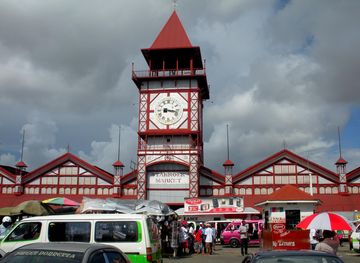
Stabroek Market
Explore the vibrant Stabroek Market in Georgetown, where culture, commerce, and local flavors come together in a historic setting.

Botanical Gardens Guyana
Explore the Botanical Gardens in Georgetown, Guyana, a tranquil oasis showcasing diverse flora and vibrant wildlife in a picturesque setting.

Demerara Harbour Bridge
Explore the Demerara Harbour Bridge, a stunning architectural feat and a cultural landmark connecting Georgetown to the west coast of Demerara, Guyana.

Touring Guyana
Explore Guyana's breathtaking landscapes and vibrant culture with tailored tours from Touring Guyana, your expert travel guide in Georgetown.

Best restaurants in Essequibo Islands-West Demerara
Top-rated picks
Best Restaurants

Fireside Grill and Chill
Experience authentic Guyanese grilling at Fireside Grill and Chill – where flavor meets warmth in Georgetown.

Asian Restaurant - NEW THRIVING
Savor authentic Asian cuisine at New Thriving in Georgetown - a culinary gem with diverse flavors and welcoming ambiance.

Aagman Indian Restaurant
Experience authentic Indian flavors at Aagman Restaurant in Georgetown - where culinary excellence meets warm hospitality.

Amici
Experience authentic Italian cuisine at Amici in Georgetown - where every dish is crafted with passion and tradition.

Best bars in Essequibo Islands-West Demerara
Top-rated picks
Best Bars

Rs53RestoBar & Lounge
Explore the flavors of Georgetown at Rs53RestoBar & Lounge, where grilled perfection meets a vibrant atmosphere for the ultimate dining experience.

Plaisance Guinness Bar
Experience the lively ambiance of Plaisance Guinness Bar, a local favorite in Better Hope, perfect for drinks and socializing.

Backyard Bar and Grill
Experience the authentic taste of Guyanese cuisine at Backyard Bar and Grill, where every meal is a celebration of flavor and community.

Guinness Bar
Experience the lively ambiance and local flavors at Guinness Bar in Georgetown, a must-visit destination for every traveler.

Best nightclubs in Essequibo Islands-West Demerara
Top-rated picks
Best Nightclubs

Palm Court
Discover the heartbeat of Georgetown's nightlife at Palm Court, a vibrant night club where music, dance, and culture collide for an unforgettable experience.

Baroombar
Experience the vibrant nightlife of Georgetown at Baroombar, the premier disco club where music and culture unite in an electrifying atmosphere.

Dynasty Sports Club & Entertainment Centre
Discover the vibrant nightlife at Dynasty Sports Club & Entertainment Centre in Georgetown, where unforgettable music and entertainment come alive.

Club Martini Inc
Discover Georgetown's nightlife at Club Martini Inc, where lively music, great cocktails, and an energetic atmosphere await every night.

Best shops in Essequibo Islands-West Demerara
Top-rated picks
Best Shops

The SACH Store
Discover unique gifts and artisan crafts at The SACH Store in Georgetown, a must-visit for every traveler seeking genuine Guyanese souvenirs.

Brazo’s Giftshop
Explore the charm of Brazo’s Giftshop in Georgetown, where unique Guyanese crafts and souvenirs await every traveler.

Brandon's Divine Classics- Gift Shop
Discover unique gifts and local treasures at Brandon's Divine Classics, a charming gift shop and grocery store in Diamond.

Gifts and Things Online
Explore Gifts and Things Online for unique local crafts, souvenirs, and a taste of the West Coast's vibrant artistry.

Explore Essequibo Islands-West Demerara on the Map
A handpicked selection of must-see spots in Essequibo Islands-West Demerara, mapped for you.
Essequibo Islands-West Demerara Essentials
-
Essequibo Islands-West Demerara is accessible through the Cheddi Jagan International Airport (CJIA) located near the capital city, Georgetown. From the airport, you can take a taxi or a bus to Parika, which is the gateway to the Essequibo Islands. From Parika, you can catch a ferry or speedboat to the islands. The ferry ride offers a scenic route along the Essequibo River and provides a glimpse of the lush tropical landscape.
-
Local transportation options in Essequibo Islands-West Demerara include taxis, minibuses, and ferries. Taxis are widely available and can be hired for both short and long distances. Minibuses are an economical option for traveling between towns and villages. Ferries and speedboats are essential for island hopping and traveling along the Essequibo River. Renting a car is also an option, but be prepared for varying road conditions.
-
The official currency in Guyana is the Guyanese Dollar (GYD). Credit cards are accepted in major hotels, restaurants, and shops, but it is advisable to carry cash for small purchases and in rural areas. ATMs are available in larger towns, but it is wise to withdraw sufficient cash in Georgetown or Vreed-en-Hoop before traveling to more remote locations.
-
While Essequibo Islands-West Demerara is generally a safe destination, it is important to remain vigilant. Avoid walking alone at night in unfamiliar areas and keep your belongings secure. Some areas in Georgetown and Vreed-en-Hoop have higher crime rates, so it is advisable to exercise caution and avoid these areas after dark. Always stay aware of your surroundings and follow local advice.
-
In case of an emergency, dial 911 for immediate assistance. Medical facilities are available in larger towns, with the West Demerara Regional Hospital being the main healthcare provider in the region. It is recommended to have travel insurance that covers medical emergencies. For minor health issues, pharmacies are available in towns where you can purchase over-the-counter medications.
-
Fashion: Do dress modestly, especially when visiting religious or cultural sites. Avoid wearing revealing clothing. Religion: Do respect local customs and traditions. Remove your shoes and cover your head when entering places of worship. Public Transport: Do be courteous and offer your seat to elderly passengers. Don't eat or drink on public transport. Greetings: Do greet people with a warm smile and a handshake. A friendly 'Good morning' or 'Good afternoon' is appreciated. Eating & Drinking: Do try local dishes and accept food offerings graciously. Don't refuse hospitality as it is considered impolite.
-
To experience Essequibo Islands-West Demerara like a local, visit the markets in Parika and Vreed-en-Hoop where you can buy fresh produce and traditional Guyanese goods. Engage with locals—they are often friendly and willing to share stories about their culture and history. Don't miss visiting Fort Island and the Dutch heritage sites, as well as taking a river tour to explore the natural beauty of the region. Enjoy local delicacies such as pepperpot, curry, and cassava bread.
When is the best time to visit Essequibo Islands-West Demerara?
Useful Local Phrases for Essequibo Islands-West Demerara
You don't need to speak the language perfectly. Even learning a few simple words can make conversations warmer—and locals usually appreciate the effort.
— Eve

Here are the phrases I use most often in Essequibo Islands-West Demerara. Try a few—you'll be surprised how far they go! 😊
❤️
-
- HelloHello
[Hello] - GoodbyeGoodbye
[Goodbye] - YesYes
[Yes] - NoNo
[No] - Please/You're welcomePlease/You welcome
[Please/You welcome] - Thank youThank you
[Thank you] - Excuse me/SorryExcuse me/Sorry
[Excuse me/Sorry] - How are you?How yuh?
[How yuh?] - Fine. And you?Fine. An yuh?
[Fine. An yuh?] - Do you speak English?Yuh speak English?
[Yuh speak English?] - I don't understandAh noh understand
[Ah noh understand]
- HelloHello
-
- I'd like to see the menu, pleaseAh wah see di menu, please
[Ah wah see di menu, please] - I don't eat meatAh noh eat meat
[Ah noh eat meat] - Cheers!Cheers!
[Cheers!] - I would like to pay, pleaseAh wah pay, please
[Ah wah pay, please]
- I'd like to see the menu, pleaseAh wah see di menu, please
-
- Help!Help!
[Help!] - Go away!Guh way!
[Guh way!] - Call the Police!Call di Police!
[Call di Police!] - Call a doctor!Call a doctor!
[Call a doctor!] - I'm lostAh lost
[Ah lost] - I'm illAh sick
[Ah sick]
- Help!Help!
-
- I'd like to buy...Ah wah buy...
[Ah wah buy...] - I'm just lookingAh just a look
[Ah just a look] - How much is it?How much it cost?
[How much it cost?] - That's too expensiveDat too expensive
[Dat too expensive] - Can you lower the price?Yuh can lower di price?
[Yuh can lower di price?]
- I'd like to buy...Ah wah buy...
-
- What time is it?Wha time it?
[Wha time it?] - It's one o'clockIt one o'clock
[It one o'clock] - Half past (10)Half past (10)
[Half past (10)] - MorningMornin'
[Mornin'] - AfternoonAfternoon
[Afternoon] - EveningEvenin'
[Evenin'] - YesterdayYestaday
[Yestaday] - TodayToday
[Today] - TomorrowTomorrow
[Tomorrow] - 11
[1] - 22
[2] - 33
[3] - 44
[4] - 55
[5] - 66
[6] - 77
[7] - 88
[8] - 99
[9] - 1010
[10]
- What time is it?Wha time it?
-
- Where's a/the...?Wheh de...?
[Wheh de...?] - What's the address?Wha di address?
[Wha di address?] - Can you show me (on the map)?Yuh can show me (pon di map)?
[Yuh can show me (pon di map)?] - When's the next (bus)?When di next (bus)?
[When di next (bus)?] - A ticket (to ....)A ticket (to....)
[A ticket (to....)]
- Where's a/the...?Wheh de...?
History of Essequibo Islands-West Demerara
-
Before European contact, the Essequibo Islands-West Demerara region was inhabited by various Indigenous groups, including the Arawak and Carib peoples. These communities thrived on the abundant resources of the area, living along the rivers and coastlines, and engaging in fishing, hunting, and small-scale agriculture.
-
In the early 17th century, the Dutch West India Company began establishing settlements along the Essequibo River. The Dutch built several forts, including Fort Kyk-Over-Al, which served as a key administrative center and trading post. The region was part of the Dutch colony of Essequibo, which later merged with Demerara and Berbice to form British Guiana.
-
In 1814, the British took control of the Dutch colonies in Guyana, including Essequibo. The British developed large sugar plantations in the region, relying heavily on enslaved African labor. After the abolition of slavery in 1834, indentured laborers from India, China, and Portugal were brought in to work the plantations, adding to the region's cultural diversity.
-
The plantation economy dominated Essequibo Islands-West Demerara for much of the 19th and early 20th centuries. Sugar, rice, and other crops were cultivated on large estates, contributing significantly to the local economy. Villages such as Windsor Forest and Vreed-en-Hoop were central to agricultural production and trade.
-
Guyana gained independence from Britain in 1966. The Essequibo Islands-West Demerara region experienced significant social and economic changes during the post-independence period. Infrastructure improvements, such as the construction of the Demerara Harbour Bridge in 1978, helped to develop the region further, facilitating trade and travel.
-
The Essequibo Islands-West Demerara region is a melting pot of cultures, reflecting its diverse history. Festivals such as Phagwah, Diwali, and Mashramani are celebrated with great enthusiasm. The region also boasts a rich oral tradition, with stories and folklore passed down through generations, preserving the unique heritage of its people.
Neighbouring Regions of Essequibo Islands-West Demerara
The closest regions to Essequibo Islands-West Demerara, if you have time for more than one.

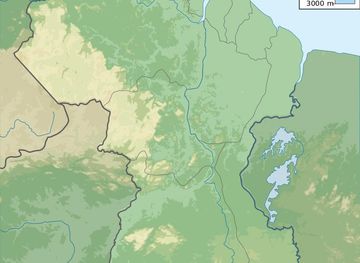


Your all‑in‑one travel companion app
Explore expert travel guides, compare and book tours, experiences, hotels, and more—all from the palm of your hand. Download now for seamless trip planning wherever your wanderlust takes you.


Explore More of Guyana

Looking beyond Essequibo Islands-West Demerara? Discover Guyana for broader travel guides, local hot-spots, and regional highlights.
Explore GuyanaEssequibo Islands-West Demerara in Photos
Browse through our photo collection highlighting the charm and character of the destination.


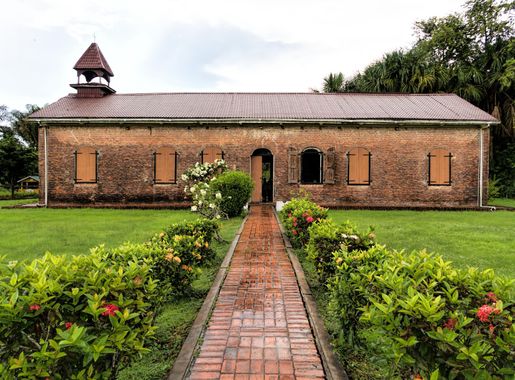


Enchanting Essequibo Islands-West Demerara: Guyana's Hidden Gem
Nestled between the mighty Essequibo River and the lush Demerara region, Essequibo Islands-West Demerara is a captivating destination for nature lovers and history enthusiasts alike. This tranquil region boasts a unique blend of tropical landscapes, rich cultural heritage, and warm hospitality, making it a must-visit spot in Guyana. The Essequibo Islands are scattered across the river, each offering its own charm and allure. Explore the rustic beauty of Fort Island, where history comes alive with the ancient Dutch fort and court of policy. Wander through the serene island trails and take in the breathtaking views of the river and surrounding flora. Hogg Island, the largest of them all, offers a more secluded experience, perfect for bird watching and peaceful picnics. On the mainland, West Demerara is an embodiment of Guyana's diverse culture and natural beauty. Visit the bustling town of Vreed-en-Hoop, where you can experience local markets, vibrant street life, and delicious Guyanese cuisine. Take a short drive to Parika, the gateway to the Essequibo River, and embark on a river tour to discover the mesmerizing beauty of the region's waterways and wildlife. Whether you're exploring historical sites, enjoying outdoor activities, or simply soaking in the serene atmosphere, Essequibo Islands-West Demerara offers a unique and unforgettable experience for every traveler.