

Free Pomeroon-Supenaam Travel Guide & Mobile App
Explore Pomeroon-Supenaam with free travel guides. Discover regional history, expert tips, proposed trips, and audio guides on web or mobile app.


Explore Pomeroon-Supenaam in Guyana for river journeys, rice-country landscapes, Indigenous lakes, coastal villages and distinctive local food.
Read more about Pomeroon-Supenaam
When is the best time to visit Pomeroon-Supenaam?
Best: January–March · 30–31°C| Month | High (°C) | Rainfall (mm) |
|---|---|---|
| January (best) | 30 | 130 |
| February (best) | 30 | 100 |
| March (best) | 31 | 110 |
| April | 31 | 160 |
| May | 31 | 230 |
| June | 31 | 280 |
| July | 31 | 230 |
| August | 31 | 210 |
| September | 31 | 180 |
| October | 31 | 170 |
| November | 31 | 190 |
| December | 30 | 160 |
Getting to and around Pomeroon-Supenaam
How to get there
Transportation
Top city travel guides in Pomeroon-Supenaam
The cities of Pomeroon-Supenaam, and the easiest places to base yourself.
-

-


Swipe for more cities
Destinations in Pomeroon-Supenaam
Resorts, valleys and scenic spots worth a trip of their own.

Swipe for more destinations
Best attractions in Pomeroon-Supenaam
Pomeroon-Supenaam’s attractions are closely tied to its waterways, agricultural landscape and Indigenous communities. Lake Mainstay is the principal recreational destination, offering a setting for swimming, relaxation and nature-oriented visits near the coast; arrangements should be confirmed locally because facilities and access can vary. Capoey Lake provides another opportunity to experience a quieter freshwater environment associated with forest, birdlife and community life. In the Pomeroon, boat journeys reveal riverside farms, small landings, palms and settlements that are difficult to understand from the road alone. Anna Regina and Suddie offer practical access to local commerce, public life and the region’s coastal history, while Charity is a useful point for experiencing the trading and transport culture of the Pomeroon River. Rice fields, drainage canals and embankments form a distinctive agricultural landscape rather than a conventional sightseeing circuit. Visitors interested in everyday Guyana can combine rural road travel with local food, fishing communities and conversations about farming, while those seeking nature should arrange guidance for waterways and less-developed areas. The region rewards flexible itineraries more than a tightly scheduled list of attractions.
-
National park
National Park
Explore the lush landscapes and rich biodiversity of Georgetown's National Park, a serene escape into nature's beauty in Guyana.
-
Lake
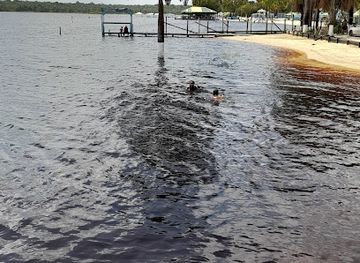
Mainstay Lake
Experience the tranquility and natural beauty of Mainstay Lake, a perfect destination for relaxation, adventure, and unforgettable scenic views.
-
Monument
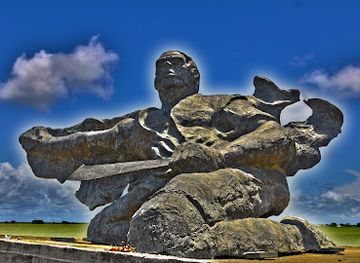
Damon Monument
Discover the rich history and resilience behind the Damon Monument in Anna Regina, an unmissable landmark for every traveler in Guyana.
-
Park
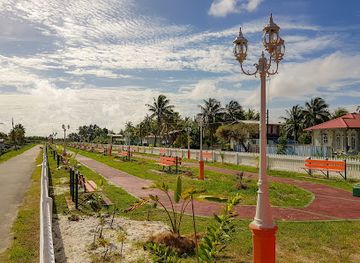
Fear Not Park
Discover the serene beauty of Fear Not Park in Anna Regina - a perfect blend of nature, relaxation, and family fun.

Best landmarks in Pomeroon-Supenaam
The most characteristic landmarks of Pomeroon-Supenaam are often linear rather than monumental. The Supenaam River and Pomeroon River define the region’s edges and remain important visual and practical features, with landings, boats and riverside settlements showing how movement developed before modern roads. Charity, at the Pomeroon’s lower reaches, is especially associated with this river-based landscape. Anna Regina is the region’s principal civic and commercial centre, while Suddie reflects the established settlement pattern of the coastal belt. Lake Mainstay and Capoey Lake are natural and cultural landmarks as well as leisure destinations, linking freshwater environments with Indigenous community life. Across the coastal plain, drainage canals, embankments, sluices and broad rice fields form a remarkable human-made landscape created to manage low-lying land and sustain agriculture. They are less monumental than a fort or cathedral, but they explain the region’s geography and economy more clearly than any single building. Visitors should view these places with local guidance, especially where waterways, private farms or community land are involved.
-
 Resort hotel
Lake Mainstay Resort
Discover the tranquil beauty of Lake Mainstay Resort, a perfect blend of relaxation, adventure, and local culture in Guyana.
-
Monument
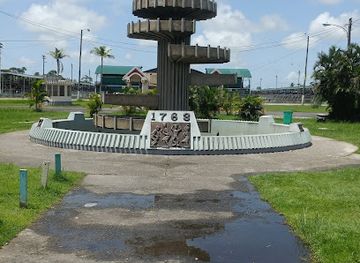
The 1763 Monument
Explore the 1763 Monument in Georgetown, a striking tribute to Guyana's fight for freedom and a must-see tourist attraction.
-
Ferry service
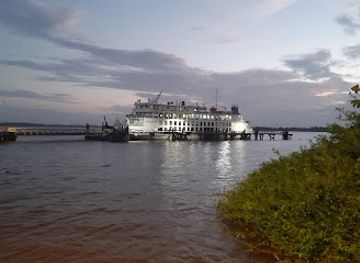
T&HD Supenaam Stelling
Explore the vibrant culture and scenic beauty at T&HD Supenaam Stelling, your gateway to the stunning Essequibo River in Guyana.
-
Tourist attraction
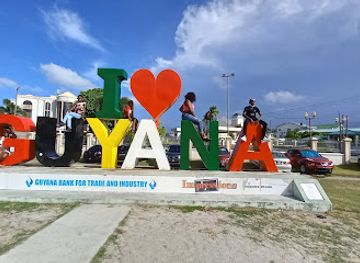
I Love Guyana Sign
Discover the vibrant spirit of Guyana at the iconic 'I Love Guyana' Sign, a colorful landmark in Georgetown that celebrates national pride.
Explore Pomeroon-Supenaam on the map
Plan your trip on one map. See where the top cities, national parks and sights are, and book hotels and experiences in a few clicks.
Best hotels in Pomeroon-Supenaam
Best restaurants in Pomeroon-Supenaam
Dining in Pomeroon-Supenaam is generally informal and closely connected to home cooking, roadside stalls, small cafés and family-run establishments rather than a concentrated restaurant scene. Fresh fish and other seafood are common near the coast and rivers, while rice, coconut, cassava, plantain and ground provisions appear frequently in local meals. Guyanese favourites such as metemgee, pepperpot, cook-up rice, curry dishes and fried fish may be available, though recipes and menus differ between communities. Indigenous food traditions and products made from cassava, including cassava bread and farine, are particularly relevant when visiting communities around Mainstay and Capoey. Pomeroon’s tropical agriculture also makes coconut and seasonal fruit important ingredients. Anna Regina is the most dependable place for a broader choice of everyday meals and provisions, while food in smaller settlements may depend on the day and the availability of local cooks. Carry snacks and water when travelling along the river or into rural areas, and ask locally about meal times rather than expecting late dining.
-
Indian
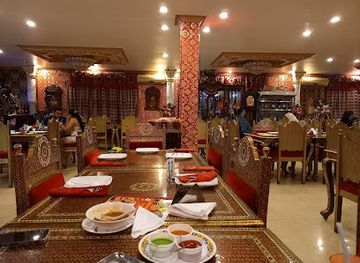
Maharaja Palace Restaurant
Discover the vibrant tastes of India at Maharaja Palace Restaurant - where tradition meets innovation in every dish.
-
Resort hotel
Lake Mainstay Resort
Discover serenity and adventure at Lake Mainstay Resort - your perfect escape into nature's beauty in Guyana.
-
Italian
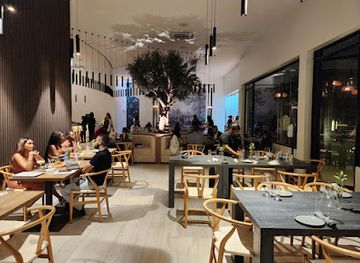
Amici
Experience authentic Italian cuisine at Amici in Georgetown - where every meal is crafted with passion and tradition.
-
Restaurant
Jagdesh Duck Curry Bar
Experience the authentic taste of Guyanese cuisine at Jagdesh Duck Curry Bar, renowned for its exquisite duck dishes and warm hospitality.
Best bars in Pomeroon-Supenaam
Nightlife in Pomeroon-Supenaam is modest and centred on local bars, rum shops, restaurants, community gatherings and informal socialising rather than large clubs. Anna Regina provides the widest choice of evening activity, with small drinking places and restaurants serving residents and travellers, while Suddie and Charity have a more local, low-key atmosphere. Along the Pomeroon, evenings are shaped by river life and family visits, and entertainment may depend on community events or occasional music rather than a permanent venue schedule. Alcohol is widely available in Guyana, but visitors should drink responsibly, avoid isolated roads after dark and arrange transport in advance when staying outside the main settlements. Live music and seasonal celebrations may create livelier evenings, although these should be confirmed locally because opening arrangements and events can change. In rural areas, an early start for river travel or birdwatching is often more rewarding than expecting a late-night entertainment scene.
-
Grill
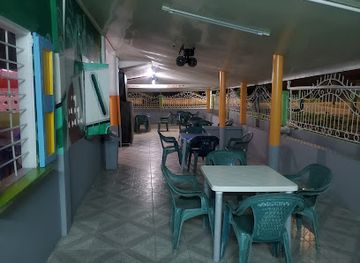
Buju's Pool Bar
Discover Buju's Pool Bar in Anna Regina: a vibrant grill and bar that serves delicious local cuisine in a tropical paradise.
-
Bar
Shooters Bar
Experience vibrant nightlife and local culture at Shooters Bar in Anna Regina, where friendly vibes meet refreshing drinks.
-
Bar
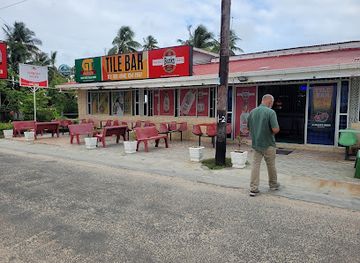
Tile Bar
Experience the vibrant atmosphere and delicious drinks at Tile Bar, a must-visit destination in Suddie for an unforgettable night out.
-
Bar
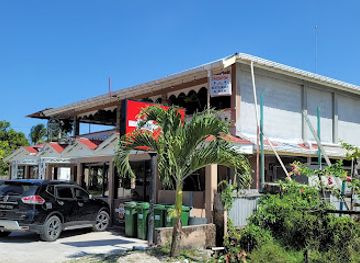
Xenon Hotel and Bar
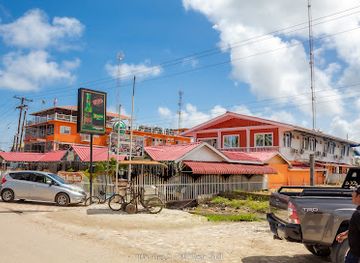
Discover the lively ambiance and refreshing drinks at Xenon Hotel and Bar, the heart of nightlife in Charity.
Best nightclubs in Pomeroon-Supenaam
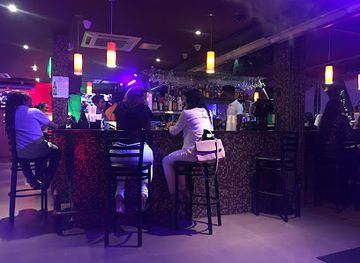
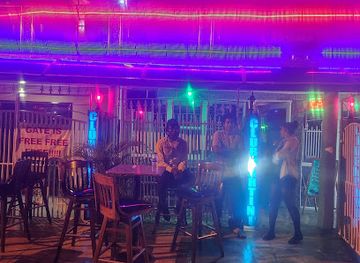
Nightlife in Pomeroon-Supenaam is modest and centred on local bars, rum shops, restaurants, community gatherings and informal socialising rather than large clubs. Anna Regina provides the widest choice of evening activity, with small drinking places and restaurants serving residents and travellers, while Suddie and Charity have a more local, low-key atmosphere. Along the Pomeroon, evenings are shaped by river life and family visits, and entertainment may depend on community events or occasional music rather than a permanent venue schedule. Alcohol is widely available in Guyana, but visitors should drink responsibly, avoid isolated roads after dark and arrange transport in advance when staying outside the main settlements. Live music and seasonal celebrations may create livelier evenings, although these should be confirmed locally because opening arrangements and events can change. In rural areas, an early start for river travel or birdwatching is often more rewarding than expecting a late-night entertainment scene.
-
Night club
Palm Court
Discover the electrifying nightlife of Georgetown at Palm Court, the ultimate destination for music, dance, and delightful drinks.
-
Disco club
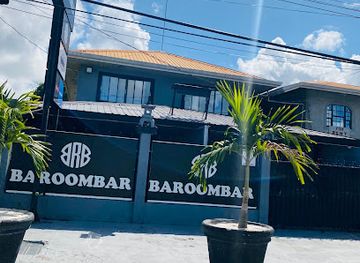
Baroombar
Discover Georgetown's vibrant nightlife at Baroombar, the ultimate disco club for dancing and socializing with locals and tourists alike.
-
Night club
Club Red Dragon
Experience the electrifying nightlife and exceptional service at Club Red Dragon, Georgetown's premier night club destination.
-
Night club
Club Martini Inc
Discover Georgetown's nightlife at Club Martini Inc, where cocktails and dance come together in a vibrant atmosphere.
Best shops in Pomeroon-Supenaam
Shopping in Pomeroon-Supenaam is practical and local, with Anna Regina offering the broadest selection of groceries, clothing, household goods and everyday services. Smaller settlements such as Suddie and Charity have independent shops and roadside sellers rather than large retail centres. Markets and informal stalls are useful places to look for seasonal fruit, vegetables, fish, cassava products and other provisions, although availability depends on the day and supply. Visitors may find locally made cassava bread, farine, coconut products and small craft items connected with Indigenous communities, but these should be purchased respectfully and directly where possible. The region is not primarily a destination for luxury retail or extensive souvenir shopping. Keep cash available for small vendors, check that food products can legally be carried onward, and ask permission before photographing crafts or market activity. Buying locally produced food and handmade goods can support community businesses while giving a more accurate sense of the region’s agricultural and river-based economy.
-
Supermarket
Imam Bacchus and Sons Ltd
Explore diverse flavors and local products at Imam Bacchus and Sons Ltd, a top supermarket on the Essequibo Coast.
-
Supermarket
Jaigobin Supermarket
Explore the vibrant flavors of Guyana at Jaigobin Supermarket, the go-to destination for local delicacies and essential goods on the Essequibo Coast.
-
Clothing store
Styles Guyana
Explore the vibrant fashion scene at Styles Guyana, your go-to clothing store in Parika for stylish apparel and exceptional service.
-
Clothing store
Shawn's Mini Mart
Discover the charm of Shawn's Mini Mart in Anna Regina, where quality clothing meets friendly service in a local shopping experience.
Get your free copy of our complete guide to Pomeroon-Supenaam, delivered straight to you.
Everything on this page, from attractions and restaurants to essentials and local phrases, in one PDF you can read offline, print or share.
Already have an account? Sign in
Your Pomeroon-Supenaam guide is ready.
We'll send it to · Not you? Sign out

Getting your guide ready…
We are putting together a fresh copy of the Pomeroon-Supenaam guide. This can take up to a minute.
This can take a few moments. If your browser asks, choose Allow so the download can start. You'll find the guide in your Downloads folder.
Nothing happened? Download it again
Sorry, the guide is taking longer than usual. Please try again in a minute, or get it by email instead.
Pomeroon-Supenaam essentials
Currency and Payment
Safety
Emergency Situations
Do's and Don'ts
Local Tips
From Eve
Local phrases worth knowing
You don't need to get them perfect. A few words go a long way, and locals appreciate the effort.
Basics
| English | Local | Say it |
|---|---|---|
| Hello | Wah Gwaan | [Wah Gwaan] |
| Goodbye | Laters | [Laters] |
| Yes | Yea | [Yea] |
| No | Naw | [Naw] |
| Please/You're welcome | Ahnah | [Ahnah] |
| Thank you | Tank yuh | [Tank yuh] |
| Excuse me/Sorry | Suhry | [Suhry] |
| How are you? | Wah yuh doin? | [Wah yuh doin?] |
| Fine. And you? | Ahnah. An yuh? | [Ahnah. An yuh?] |
| Do you speak English? | Yuh does speak English? | [Yuh does speak English?] |
| I don't understand | Ah nuh undahstand | [Ah nuh undahstand] |
Eating & Drinking
| English | Local | Say it |
|---|---|---|
| I'd like to see the menu, please | Can yuh show me di menu, please? | [Can yuh show me di menu, please?] |
| I don't eat meat | Ah nuh eat meat | [Ah nuh eat meat] |
| Cheers! | Cheers! | [Cheers!] |
| I would like to pay, please | Ah wan pay, please | [Ah wan pay, please] |
Emergencies
| English | Local | Say it |
|---|---|---|
| Help! | Help! | [Help!] |
| Go away! | Guh way! | [Guh way!] |
| Call the Police! | Call di police! | [Call di police!] |
| Call a doctor! | Call a doctor! | [Call a doctor!] |
| I'm lost | Ah lost | [Ah lost] |
| I'm ill | Ah sick | [Ah sick] |
Shopping
| English | Local | Say it |
|---|---|---|
| I'd like to buy... | Ah wan buy... | [Ah wan buy...] |
| I'm just looking | Ah just lookin | [Ah just lookin] |
| How much is it? | Wah price dis? | [Wah price dis?] |
| That's too expensive | Dat too pricey | [Dat too pricey] |
| Can you lower the price? | Can yuh drop di price? | [Can yuh drop di price?] |
Time & Numbers
| English | Local | Say it |
|---|---|---|
| What time is it? | Wah time it? | [Wah time it?] |
| It's one o'clock | It one o'clock | [It one o'clock] |
| Half past (10) | Half past ten | [Half past ten] |
| Morning | Mornin | [Mornin] |
| Afternoon | Afternoon | [Afternoon] |
| Evening | Evenin | [Evenin] |
| Yesterday | Yesterday | [Yesterday] |
| Today | Today | [Today] |
| Tomorrow | Tomorrow | [Tomorrow] |
| 1 | One | [One] |
| 2 | Two | [Two] |
| 3 | Three | [Three] |
| 4 | Four | [Four] |
| 5 | Five | [Five] |
| 6 | Six | [Six] |
| 7 | Seven | [Seven] |
| 8 | Eight | [Eight] |
| 9 | Nine | [Nine] |
| 10 | Ten | [Ten] |
Transport & Directions
| English | Local | Say it |
|---|---|---|
| Where's a/the...? | Wheh de...? | [Wheh de...?] |
| What's the address? | Wah di address? | [Wah di address?] |
| Can you show me (on the map)? | Can yuh show me pon di map? | [Can yuh show me pon di map?] |
| When's the next (bus)? | When di next bus? | [When di next bus?] |
| A ticket (to ....) | A ticket (to ....) | [A ticket (to ....)] |
History of Pomeroon-Supenaam
Indigenous Peoples and River Landscapes
Before European colonisation, the rivers, wetlands and coastal forests of present-day Pomeroon-Supenaam supported Indigenous communities, including Lokono and Warao peoples. Movement, fishing, cultivation and trade followed waterways rather than the later colonial road network. Indigenous knowledge of cassava, forest products, fishing grounds and seasonal conditions continues to influence life in the region. Community-based places such as Mainstay and Capoey also demonstrate that Indigenous presence is not only a matter of the distant past but part of the region’s contemporary identity.
Dutch Colonisation of the Pomeroon and Essequibo
Dutch colonial activity expanded along the Essequibo and Pomeroon rivers from the seventeenth century, creating plantations and trading settlements linked to the wider colony of Essequibo. The fertile coastal plain was gradually reshaped through drainage, canals and defensive works to make low-lying land suitable for agriculture. European rivalry and conflict affected the colonies, but the lasting physical legacy was the plantation landscape: embankments, ditches, waterways and farms that still help define coastal Pomeroon-Supenaam.
British Rule and the Plantation Economy
Control of the Guiana colonies passed to Britain during the Napoleonic era, and British Guiana emerged as a plantation society whose economy depended on export agriculture and coerced labour. Sugar was important in the wider colony, while the Pomeroon also developed agriculture based on crops suited to its riverside and coastal conditions. The region’s settlement patterns, estate lands and systems of drainage were shaped during this period, leaving a complex heritage that includes both colonial infrastructure and the experiences of enslaved Africans.
Emancipation, Indentureship and New Communities
The abolition of slavery in the British Empire transformed labour and landholding across British Guiana. After emancipation, plantation owners recruited indentured workers, particularly from India, and other communities also established farms, villages and trading networks. The cultural mixture visible in Pomeroon-Supenaam today reflects these successive migrations alongside longstanding Indigenous and African contributions. Religious buildings, food traditions, family names and agricultural practices all bear traces of the nineteenth-century transition from slavery to indentured and independent labour.
Rice, Drainage and Coastal Agriculture
Over the nineteenth and twentieth centuries, rice became one of the defining crops of Guyana’s coastal plain. Its cultivation depended on an intricate system of canals, sluices, dams and drainage channels, because much of the land lies close to or below sea level. Pomeroon-Supenaam’s open fields and water management works are therefore both agricultural infrastructure and historical evidence. Rice farming helped support villages, milling, transport and trade, while coconut, ground provisions, fishing and small-scale cultivation remained important alongside it.
Independence and Regional Development
Guyana became independent from Britain in 1966, and the region subsequently developed within the modern administrative framework of Pomeroon-Supenaam, also known as Region 2. Anna Regina expanded as the principal administrative and commercial centre, while roads, public services, schools and agricultural facilities connected more settlements to the coastal corridor. Development has remained uneven, particularly between the coast and riverine communities, but the region’s modern character continues to rest on the interaction of farming, fishing, commerce, Indigenous community life and water-based transport.
Pomeroon-Supenaam in Photos
Browse through our photo collection highlighting the charm and character of the destination.
Neighbouring regions of Pomeroon-Supenaam
The closest regions to Pomeroon-Supenaam, if you have time for more than one.
-

-

-

-

-


Swipe for more regions
Explore more

Explore more of Guyana
Discover Guyana, where the Amazon Rainforest meets Caribbean charm, offering everything from stunning waterfalls to vibrant cities and rich cultural experiences.
Explore Guyana