

Free Nord-Est Travel Guide & Mobile App
Explore Nord-Est with free travel guides. Discover regional history, expert tips, proposed trips, and audio guides on web or mobile app.


Explore Nord-Est Haiti for Fort-Liberté’s historic bay, frontier towns, coastal landscapes and a layered story of trade and revolution.
Read more about Nord-Est
When is the best time to visit Nord-Est?
Best: December–February · 26°C| Month | High (°C) | Rainfall (mm) |
|---|---|---|
| January (best) | 26 | 30 |
| February (best) | 26 | 25 |
| March | 27 | 35 |
| April | 28 | 45 |
| May | 29 | 65 |
| June | 30 | 85 |
| July | 30 | 95 |
| August | 30 | 90 |
| September | 29 | 75 |
| October | 28 | 55 |
| November | 27 | 45 |
| December (best) | 26 | 35 |
Getting to and around Nord-Est
How to get there
Transportation
Top city travel guides in Nord-Est
The cities of Nord-Est, and the easiest places to base yourself.

Swipe for more cities
Best attractions in Nord-Est
Nord-Est’s attractions centre on Fort-Liberté Bay, historic remains and the department’s relatively open coastal and agricultural landscapes. Fort-Liberté itself offers access to a harbour shaped by colonial defence, while the surrounding forts and offshore features are best visited with locally arranged transport and guidance. The experience is interpretive rather than highly developed: visitors come to understand the strategic importance of the bay, not to follow a fully signposted monument circuit. Around Ouanaminthe, the interest lies in the movement, commerce and daily life of a major frontier town, although border installations should not be treated as tourist sights. Trou-du-Nord, Terrier-Rouge and Caracol reveal the contrast between farming communities, industrial development and the northern coastal plain. Rural excursions may include views of fields, river valleys, lagoons and fishing settlements, but facilities are limited and access can change with weather or security conditions. The department is therefore suited to visitors seeking historical context, local encounters and landscapes outside Haiti’s principal established tourist routes rather than a packaged resort programme.
-
Beach
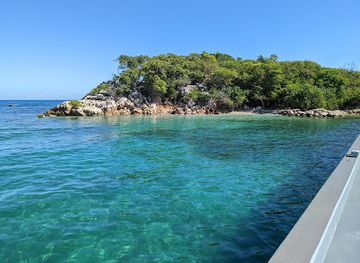
Royal Caribbean Labadee Beach
Discover the tropical bliss of Royal Caribbean Labadee Beach, a private paradise in Haiti where adventure meets relaxation in stunning surroundings.
-
City park
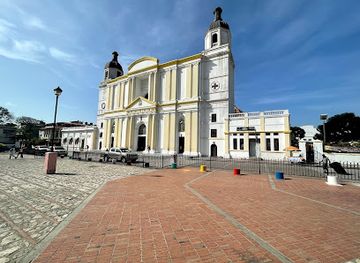
Cathedral Square
Explore Cathedral Square in Cap-Haïtien, a cultural gem where history meets vibrant local life in a lush city park setting.
-
Beach
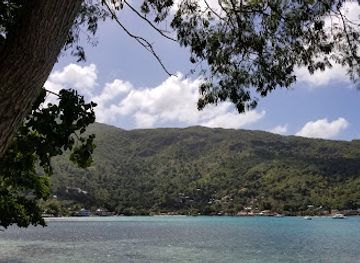
Cadras Beach
Discover Cadras Beach in Labadie, a serene paradise featuring stunning sandy shores, crystal-clear waters, and vibrant local culture for a perfect getaway.
-
Tourist attraction
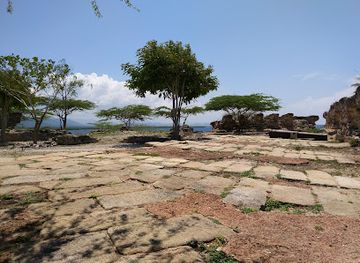
Fort Liberté
Experience the rich history and vibrant culture of Fort Liberté, a coastal town in Haiti that offers stunning views and authentic local experiences.
Best landmarks in Nord-Est
Fort-Liberté’s historic fortifications are the department’s defining built landmarks. The town developed around a naturally sheltered bay, and its old defensive works reflect the importance of controlling shipping and the northeastern frontier during the French colonial period. Fort Liberté’s urban fabric, harbour outlook and surviving colonial-era structures are most meaningful when read together rather than treated as isolated photo stops. The bay’s islands, mangroves and low coastal edges form a second landmark landscape, linking geography with the military and commercial history of the settlement. Ouanaminthe’s position on the Massacre River and beside the Dominican frontier is itself a significant contemporary landmark, although border facilities are functional places subject to strict controls rather than visitor attractions. The industrial landscape around Caracol represents a newer phase of regional development, contrasting with older agricultural settlements and colonial remains. Across the department, the most compelling landmarks are therefore connected: harbour, fort, river, frontier and cultivated plain, each showing a different layer of Nord-Est’s history.
-
Historical place
Laferriere Citadel
Explore Laferriere Citadel, Haiti's majestic fortress, and uncover a rich history amid stunning views and architectural marvels.
-
Catholic cathedral
Notre-Dame of Cap-Haitian Cathedral
Explore the breathtaking Notre-Dame of Cap-Haitien Cathedral, a captivating blend of history and spirituality in the heart of Cap-Haitien, Haiti.
-
Tourist attraction
Sans Souci Palace
Discover the historic Sans Souci Palace, a UNESCO World Heritage site, where breathtaking architecture meets Haiti's rich cultural heritage amidst stunning landscapes.
-
Memorial park
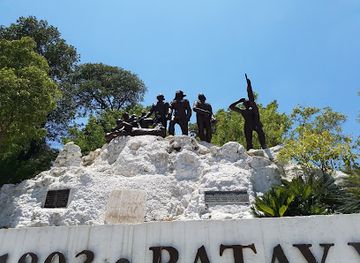
Heroes Monument of Vertières
Discover the Heroes Monument of Vertières in Cap-Haitien, a powerful tribute to Haiti's courageous fight for independence and rich historical legacy.


Explore Nord-Est on the map
Plan your trip on one map. See where the top cities, national parks and sights are, and book hotels and experiences in a few clicks.
Best hotels in Nord-Est
Best restaurants in Nord-Est
Dining in Nord-Est is generally informal and locally oriented, with rice and beans, plantains, seasonal vegetables, poultry, goat, pork and fish forming the basis of many meals. Along the coast and around Fort-Liberté Bay, locally sourced seafood may appear when supply and conditions permit, while street stalls and small eateries provide practical meals in the larger towns. Haitian staples such as griot, tassot, bannann peze and pikliz belong to the wider national cuisine rather than being exclusive to Nord-Est, but they are part of the region’s everyday food culture. Ouanaminthe and Fort-Liberté have the broadest choice of cafés, simple restaurants and accommodation dining rooms; outside them, options can be sparse and opening arrangements unpredictable. Fresh fruit, locally grown produce and drinks based on cane or seasonal ingredients are worth seeking through trusted local recommendations. Visitors should carry water and not assume that remote coastal or historic sites have food available nearby.
-
Restaurant
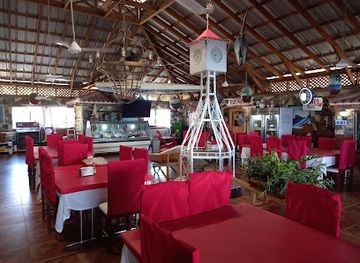
Lakay Restaurant
Experience authentic Haitian cuisine at Lakay Restaurant in Cap-Haitien – where tradition meets flavor in every bite.
-
Restaurant
Coco Mar
Discover Coco Mar in Monte Cristi: A culinary treasure blending local flavors and vibrant atmosphere for an unforgettable dining experience.
-
Restaurant
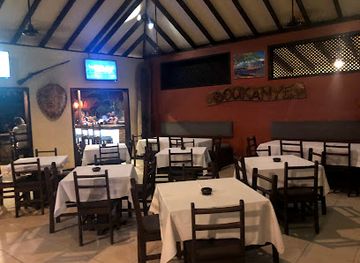
Boukanye
Experience the authentic taste of Haiti at Boukanye - where every meal tells a story.
-
Restaurant
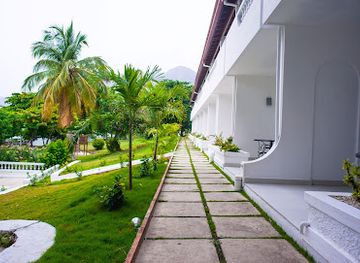
Wahoo Bay Beach
Discover paradise at Wahoo Bay Beach – where stunning sands meet vibrant culture in Haiti's tropical haven.

Best bars in Nord-Est
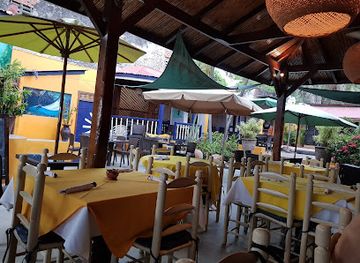
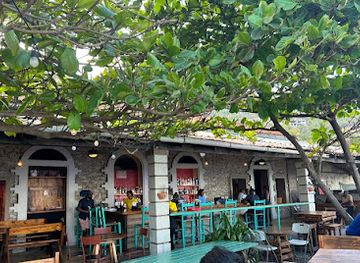
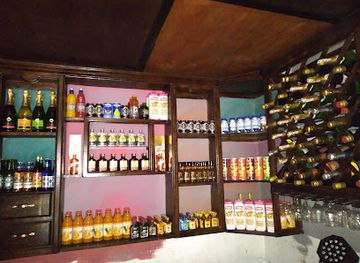
Nightlife in Nord-Est is modest and concentrated in Fort-Liberté, Ouanaminthe and other larger towns. Evening social life is more likely to involve music, conversation, casual restaurants and neighbourhood bars than a large formal club scene. Haitian kompa and other local music styles may be heard in bars, restaurants or private events, while some hotels provide a quieter setting for visitors. Ouanaminthe’s frontier economy gives it a busier commercial atmosphere than smaller rural communities, but nightlife can change quickly with security conditions and local events. Fort-Liberté is better suited to an early evening meal or a drink near established accommodation than to late-night bar-hopping. Do not walk unfamiliar streets after dark, and use transport arranged through a trusted hotel or local contact. Alcohol is not necessary to engage with the region’s evening culture, and visitors should follow local advice about which venues are operating safely.
-
Restaurant
Lakay Restaurant
Savor the true essence of Haitian cuisine at Lakay Restaurant in Cap-Haitien, where vibrant flavors and a warm atmosphere await every visitor.
-
Restaurant
Gwòg Bar Restaurant
Discover the flavors of Haiti at Gwòg Bar Restaurant in Cap-Haitien, where every meal is a celebration of local cuisine and culture.
-
Grill
RENDEZ-VOUS Lakay Mini Bar
Experience authentic Haitian grilled dishes at RENDEZ-VOUS Lakay Mini Bar in Trou-du-Nord, where flavor meets affordability for every traveler.
-
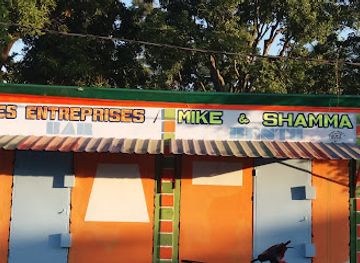
Bar
Les Entreprises Mike & Shamma Bar Resto
Experience the unique blend of local cuisine and vibrant nightlife at Les Entreprises Mike & Shamma Bar Resto in Ouanaminthe.
Best nightclubs in Nord-Est
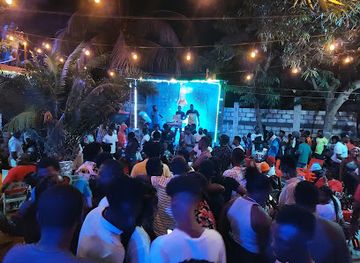
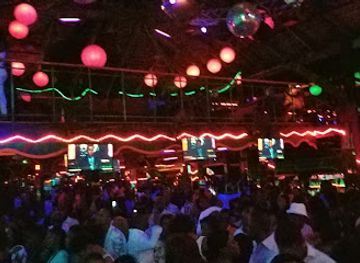
Nightlife in Nord-Est is modest and concentrated in Fort-Liberté, Ouanaminthe and other larger towns. Evening social life is more likely to involve music, conversation, casual restaurants and neighbourhood bars than a large formal club scene. Haitian kompa and other local music styles may be heard in bars, restaurants or private events, while some hotels provide a quieter setting for visitors. Ouanaminthe’s frontier economy gives it a busier commercial atmosphere than smaller rural communities, but nightlife can change quickly with security conditions and local events. Fort-Liberté is better suited to an early evening meal or a drink near established accommodation than to late-night bar-hopping. Do not walk unfamiliar streets after dark, and use transport arranged through a trusted hotel or local contact. Alcohol is not necessary to engage with the region’s evening culture, and visitors should follow local advice about which venues are operating safely.
-
Disco club
Le Manguier
Discover the vibrant nightlife at Le Manguier, Hinche's premier disco club, where music, dance, and culture come alive.
-
Bar
Smart Bar
Discover the vibrant nightlife at Smart Bar in Hinche, where refreshing drinks and a warm atmosphere await every traveler.
-
Night club
Esquina Latina
Immerse yourself in the vibrant nightlife of Petion-Ville at Esquina Latina, where music and dance create unforgettable moments.
-
Night club
Bagay La Club
Dive into the heart of Cap-Haitien's nightlife at Bagay La Club, where music, dancing, and vibrant energy come together for an unforgettable experience.

Best shops in Nord-Est
Shopping in Nord-Est is practical and locally focused rather than centred on major retail complexes. Ouanaminthe is the department’s main commercial and frontier marketplace, with shops and informal trading areas serving local residents and cross-border commerce; conditions and availability can vary considerably. Fort-Liberté offers smaller provisions shops, market trading and everyday goods, while other towns have modest stalls rather than dedicated visitor shopping districts. Look for Haitian food products, spices, coffee where available, woven goods, carved items and handmade souvenirs, buying directly from makers or established vendors when possible. Markets are useful for fruit and local produce, but hygiene, storage and transport should be considered before purchasing perishable food. Bargaining may occur in informal markets, though it should remain courteous and proportionate. Avoid buying archaeological objects, protected wildlife products or anything whose legal origin is unclear, and keep receipts for higher-value purchases when crossing borders.
-
Clothing store
BLACK STORE HAITI
Explore the vibrant fashion of Haiti at BLACK STORE HAITI – where local culture meets unique clothing styles in Petion-Ville.
-
Boutique
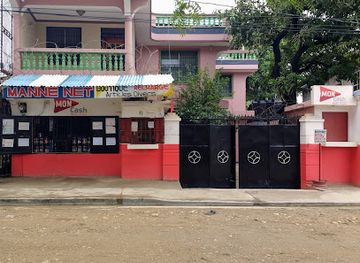
Manne Net Boutique
Explore the vibrant culture of Cap-Haitien at Manne Net Boutique, where unique craftsmanship meets modern fashion in a charming setting.
-
Electronics store
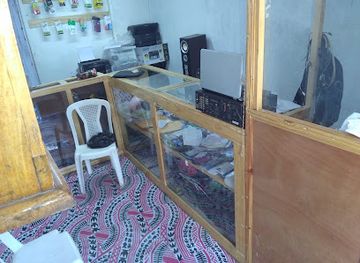
MANPOOGHI-TECH COMPU-SERVICE&STORE
Discover top-notch electronics and exceptional service at Manpooghi-Tech Compu-Service & Store in Ouanaminthe - your tech hub for the latest gadgets.
-
Clothing store
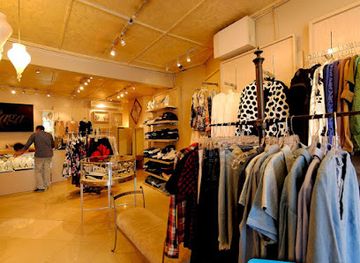
Saga Boutique Haiti
Discover unique fashion at Saga Boutique Haiti, where local artistry meets modern style in the heart of Petion-Ville.

Get your free copy of our complete guide to Nord-Est, delivered straight to you.
Everything on this page, from attractions and restaurants to essentials and local phrases, in one PDF you can read offline, print or share.
Already have an account? Sign in
Your Nord-Est guide is ready.
We'll send it to · Not you? Sign out

Getting your guide ready…
We are putting together a fresh copy of the Nord-Est guide. This can take up to a minute.
This can take a few moments. If your browser asks, choose Allow so the download can start. You'll find the guide in your Downloads folder.
Nothing happened? Download it again
Sorry, the guide is taking longer than usual. Please try again in a minute, or get it by email instead.
Nord-Est essentials
Currency and Payment
Safety
Emergency Situations
Do's and Don'ts
Local Tips
From Eve
Local phrases worth knowing
You don't need to get them perfect. A few words go a long way, and locals appreciate the effort.
Basics
| English | Local | Say it |
|---|---|---|
| Hello | Bonjou | [Bohn-zhoo] |
| Goodbye | Orevwa | [Oh-reh-vwah] |
| Yes | Wi | [Wee] |
| No | Non | [Nohn] |
| Please/You're welcome | Silvouplè | [Seel-voo-play] |
| Thank you | Mèsi | [Meh-see] |
| Excuse me/Sorry | Eskize mwen | [Es-kee-zay mwenn] |
| How are you? | Kijan ou ye? | [Kee-zhan oo yay] |
| Fine. And you? | Byen. E ou? | [Byen. Eh oo?] |
| Do you speak English? | Eske ou pale anglè? | [Es-kay oo pah-lay ahn-gleh] |
| I don't understand | Mwen pa konprann | [Mwen pah kon-pran] |
Eating & Drinking
| English | Local | Say it |
|---|---|---|
| I'd like to see the menu, please | Mwen ta renmen wè meni an, silvouplè | [Mwen tah reh-men weh meh-nee ahn, seel-voo-play] |
| I don't eat meat | Mwen pa manje vyann | [Mwen pah mahn-jay vyahn] |
| Cheers! | Santé! | [Sahn-tay] |
| I would like to pay, please | Mwen ta renmen peye, silvouplè | [Mwen tah reh-men pay-ay, seel-voo-play] |
Emergencies
| English | Local | Say it |
|---|---|---|
| Help! | Sos! | [Sohs] |
| Go away! | Ale wete! | [Ah-lay weh-tay] |
| Call the Police! | Rele polis la! | [Reh-lay poh-lees lah] |
| Call a doctor! | Rele yon doktè! | [Reh-lay yohn dok-tay] |
| I'm lost | Mwen pèdi | [Mwen peh-dee] |
| I'm ill | Mwen malad | [Mwen mah-lahd] |
Shopping
| English | Local | Say it |
|---|---|---|
| I'd like to buy... | Mwen ta renmen achte... | [Mwen tah reh-men ahsh-tay...] |
| I'm just looking | Mwen ap gade sèlman | [Mwen ahp gah-day sel-mahn] |
| How much is it? | Konbyen li ye? | [Kohn-byen lee yay] |
| That's too expensive | Sa a twò chè | [Sah ah troh shay] |
| Can you lower the price? | Eske ou ka bese pri a? | [Es-kay oo kah beh-say pree ah?] |
Time & Numbers
| English | Local | Say it |
|---|---|---|
| What time is it? | Ki lè sa ye? | [Kee leh sah yay] |
| It's one o'clock | Li se yon èdtan | [Lee seh yohn eht-tahn] |
| Half past (10) | Lèd tan (10) | [Lehd tahn (10)] |
| Morning | Maten | [Mah-ten] |
| Afternoon | Apre midi | [Ah-pray mee-dee] |
| Evening | Aswè | [Ah-sweh] |
| Yesterday | Yè | [Yay] |
| Today | Jodi a | [Zho-dee ah] |
| Tomorrow | Demain | [Deh-menn] |
| 1 | 1 | [1] |
| 2 | 2 | [2] |
| 3 | 3 | [3] |
| 4 | 4 | [4] |
| 5 | 5 | [5] |
| 6 | 6 | [6] |
| 7 | 7 | [7] |
| 8 | 8 | [8] |
| 9 | 9 | [9] |
| 10 | 10 | [10] |
Transport & Directions
| English | Local | Say it |
|---|---|---|
| Where's a/the...? | Kote a/the...? | [Koh-tay ah/the...?] |
| What's the address? | Ki adrès la? | [Kee ah-dress lah] |
| Can you show me (on the map)? | Eske ou ka montre mwen (sou kat la)? | [Es-kay oo kah mon-tray mwenn (soo kaht lah)?] |
| When's the next (bus)? | Kilè pwochen (bis la)? | [Kee-leh proh-shen (bees lah)?] |
| A ticket (to ....) | Yon tikè (pou ...) | [Yohn tee-kay (poo ...)] |
History of Nord-Est
Taíno and Early Colonial Settlement
Before European colonisation, the northeast formed part of the Taíno cultural world of Hispaniola, with communities connected to coastal resources, farming areas and regional exchange. Spanish settlement followed the arrival of Europeans, and the harbour later known as Fort-Liberté became associated with Bayaha. The area’s position close to the eastern end of Hispaniola gave it lasting strategic importance, linking coastal navigation with interior routes and the frontier that eventually divided the island between Haiti and the Dominican Republic.
Bayaha and the French Colonial Frontier
During the seventeenth and eighteenth centuries, French influence expanded across western Hispaniola, while the northeastern coast became a contested zone between European colonial powers. Bayaha was developed and fortified under French rule, later taking the name Fort-Dauphin and then Fort-Liberté. Its harbour supported military defence, shipping and plantation interests. The forts around the bay were part of a wider system intended to protect settlements and control maritime approaches rather than isolated monuments built solely for local administration.
Plantations, Trade and Forced Labour
Colonial economic growth depended on plantation agriculture and the forced labour of enslaved Africans. Sugar, coffee, cotton and other crops shaped the countryside, while ports and roads connected estates to overseas commerce. The wealth generated by this system was accompanied by extreme violence and social inequality. In Nord-Est, the relationship between agricultural hinterland, coastal shipping and fortified settlements helped create the economic geography that later influenced town locations, land ownership and patterns of rural life.
The Haitian Revolution and Independence
The northeastern frontier was drawn into the revolutionary crisis that transformed Saint-Domingue between 1791 and 1804. Fortified settlements and plantations changed hands amid the conflict between enslaved insurgents, colonial authorities, foreign forces and competing political factions. The region’s military position remained important during the final campaigns, and the creation of independent Haiti in 1804 altered its trade, administration and strategic relationships. Fort-Liberté’s surviving colonial structures are reminders of this period of upheaval and state formation.
The Dominican Frontier
After Haitian independence, the northeast developed as part of a state whose eastern border was contested, negotiated and repeatedly reinterpreted. Ouanaminthe became especially significant because of its position opposite Dajabón in the Dominican Republic. Cross-border commerce, migration and family connections have long affected local life, although the legal movement of people and goods is governed by national authorities and can be disrupted by political or security developments. The frontier is therefore both an economic resource and a practical constraint for travellers.
Agriculture and Modern Industrial Development
For much of the modern period, Nord-Est remained predominantly agricultural, with farming, livestock and coastal trade supporting dispersed communities. Since the early twenty-first century, industrial and export-oriented projects around Caracol and the wider northeast have sought to build manufacturing employment and associated infrastructure. These developments have brought new roads, workplaces and investment while also prompting debate about land, livelihoods and environmental pressures. The contrast between small-scale agriculture and planned industrial zones is now part of the region’s contemporary landscape.
Nord-Est in Photos
Browse through our photo collection highlighting the charm and character of the destination.
Neighbouring regions of Nord-Est
The closest regions to Nord-Est, if you have time for more than one.
-

-

-
-

-


Swipe for more regions
Explore more

Explore more of Haiti
Discover Haiti: A Caribbean gem with vibrant culture, rich history, stunning landscapes, and a unique culinary scene.
Explore Haiti