

Free Artibonite Travel Guide & Mobile App
Explore Artibonite with free travel guides. Discover regional history, expert tips, proposed trips, and audio guides on web or mobile app.


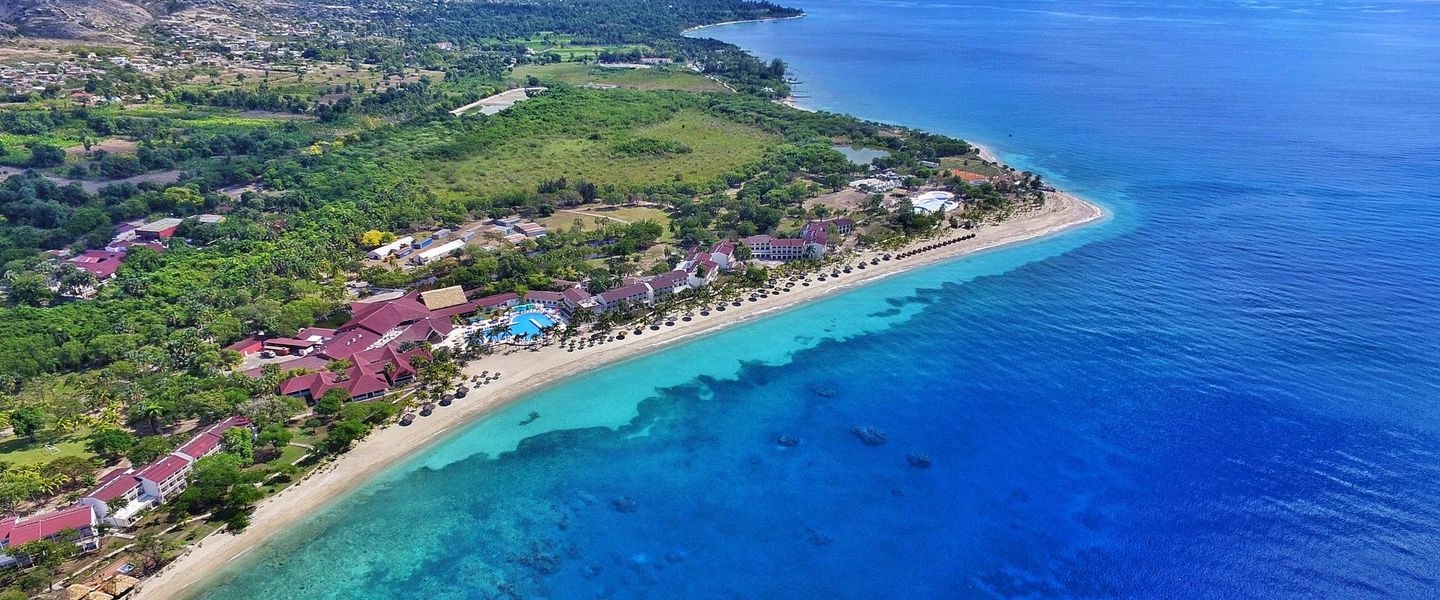

Explore Artibonite, Haiti’s historic river valley, from Gonaïves and Saint-Marc to revolutionary sites, rice fields and coastal landscapes.
Read more about Artibonite
When is the best time to visit Artibonite?
Best: January–March · 27–29°C| Month | High (°C) | Rainfall (mm) |
|---|---|---|
| January (best) | 27 | 20 |
| February (best) | 28 | 25 |
| March (best) | 29 | 30 |
| April | 30 | 35 |
| May | 31 | 40 |
| June | 32 | 45 |
| July | 33 | 50 |
| August | 33 | 55 |
| September | 32 | 60 |
| October | 31 | 55 |
| November | 30 | 50 |
| December | 28 | 45 |
Getting to and around Artibonite
How to get there
Transportation
Top city travel guides in Artibonite
The cities of Artibonite, and the easiest places to base yourself.
-

-

-

-


Swipe for more cities
Destinations in Artibonite
Resorts, valleys and scenic spots worth a trip of their own.
-

-


Swipe for more destinations
Best attractions in Artibonite
Artibonite’s attractions are primarily historical, cultural and landscape-based rather than organised around a conventional resort infrastructure. Gonaïves is the key place for exploring the department’s connection with the proclamation of Haitian independence, while Marchand-Dessalines and Petite-Rivière-de-l’Artibonite provide access to sites associated with Jean-Jacques Dessalines and the revolutionary campaigns. Crête-à-Pierrot is particularly significant for visitors interested in the 1802 struggle against the French expedition. The Artibonite plain offers a close view of rice cultivation, irrigation and rural commerce, although visits to farms or canals should be arranged locally and safely. Around Gonaïves, dry coastal scenery, salt-producing areas and the Gulf of Gonâve form a marked contrast with the greener agricultural valley. Saint-Marc adds a coastal and maritime dimension, with local markets, harbour activity and access to beaches where conditions and security allow. Churches, civic spaces, memorials and town markets reveal layers of regional life that are often more meaningful with a Haitian Creole-speaking guide. Because public facilities and transport can be limited, attractions should be selected according to current security information rather than treated as an independent sightseeing circuit.
-
Local history museum
Musée Ogier-Fombrun
Explore the captivating history of Haiti through the diverse artifacts at Musée Ogier-Fombrun in Montrouis, a must-see for history lovers.
-
Amusement park
La Source
Experience the thrill of La Source, an amusement park in Saint-Michel-de-l'Atalaye, where adventure meets Haitian culture for an unforgettable day.
-
Tourist attraction
Zoo wadadey
Explore the lush landscapes and diverse wildlife at Zoo Wadadey, a premier tourist attraction in Saint-Marc, Haiti.
-
Tourist attraction
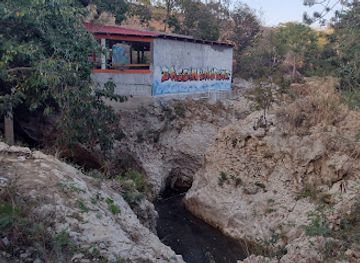
Bassin Laurent SMA
Explore the tranquil beauty of Bassin Laurent SMA in Haiti, a hidden oasis perfect for relaxation, adventure, and unforgettable memories.

Best landmarks in Artibonite
Artibonite’s most important landmarks are tied to the making of Haiti as an independent state. Gonaïves is the department’s defining national landmark in symbolic terms because the declaration of independence was proclaimed there on 1 January 1804; its civic spaces and commemorative sites are best visited with local historical context. Marchand-Dessalines, founded as the capital of independent Haiti under Jean-Jacques Dessalines, remains an essential place for understanding the revolutionary state and the political geography of the Artibonite interior. Near Petite-Rivière-de-l’Artibonite, Crête-à-Pierrot marks the location of a major 1802 battle against the French expedition and is one of the department’s most significant revolutionary sites. The Artibonite River itself is a geographical landmark, shaping rice cultivation, irrigation and settlement across the plain. The dry coastal landscape around Gonaïves and the Gulf of Gonâve provide a strong visual contrast with the cultivated valley. Access, interpretation and preservation vary, so visitors should confirm local conditions and avoid treating memorial sites as unsupervised sightseeing stops.
-
Island
Hispaniola
Explore Hispaniola: A vibrant island of rich culture, stunning landscapes, and unforgettable adventures in the heart of the Caribbean.
-
Hotel
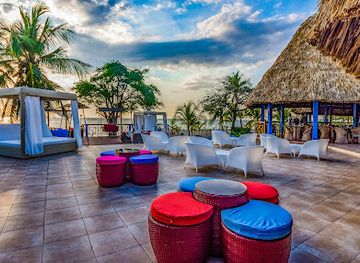
Royal Decameron Indigo Beach Resort & Spa
Discover the Royal Decameron Indigo Beach Resort & Spa, a luxurious getaway on the Cote des Arcadins, blending relaxation with rich cultural experiences in Haiti.
-
Historical place
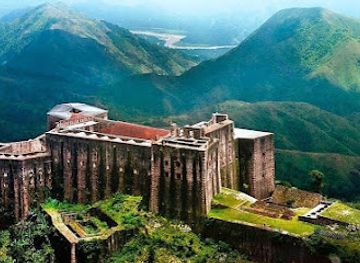
Laferriere Citadel
Discover the majestic Laferriere Citadel, a historic fortress in Haiti showcasing resilience and breathtaking views of nature's beauty.
-
Resort hotel
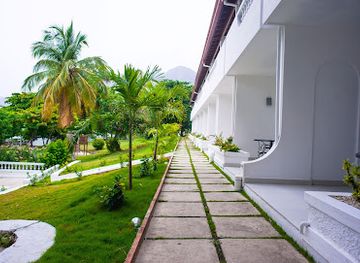
Wahoo Bay Beach
Discover Wahoo Bay Beach, a stunning resort in Haiti offering sun-soaked beaches, thrilling water sports, and delicious dining for an unforgettable getaway.

Explore Artibonite on the map
Plan your trip on one map. See where the top cities, national parks and sights are, and book hotels and experiences in a few clicks.
Best hotels in Artibonite
Best restaurants in Artibonite
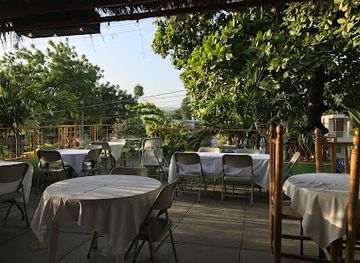
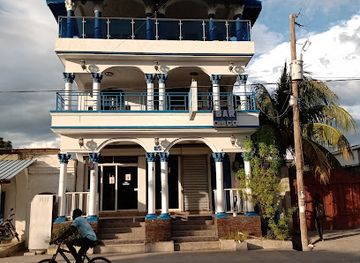
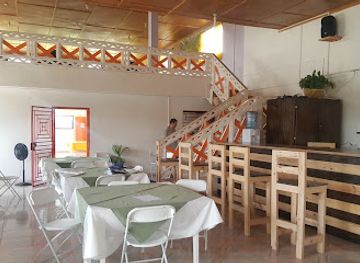
Eating in Artibonite is closely connected to Haiti’s wider Creole food culture and to the department’s agricultural plain. Rice is especially significant in the Artibonite economy and commonly appears with beans, vegetables, chicken, pork, goat or fish, while plantains, root vegetables and pikliz provide familiar accompaniments. In Gonaïves and Saint-Marc, seafood and fish may feature in local cooking, although availability depends on supply and conditions. Roadside kitchens, market stalls, family-run eateries and modest restaurants often provide the most direct introduction to regional food, while dining in private homes may offer dishes prepared for local occasions. Fresh produce from the valley supports sauces and stewed dishes, and seasonal fruit is sold in markets. Visitors should choose establishments through trusted local recommendations, take care with drinking water and raw foods, and avoid assuming that a busy stall has the same hygiene standards as a formal restaurant. Dining hours, menus, electricity and refrigeration can be affected by wider disruptions.
-
Restaurant
Kay Foun
Experience authentic Haitian cuisine at Kay Foun in Saint-Marc – where every dish is crafted with love and tradition.
-
Restaurant
Celeste Bar-Resto Club
Discover Celeste Bar-Resto Club in Gonaïves - where authentic Haitian cuisine meets vibrant nightlife in a lively atmosphere.
-
Restaurant
Coin D'Or Fast Food
Discover authentic Haitian flavors at Coin D'Or Fast Food in Gonaïves – a must-visit dining destination for tourists seeking delicious meals.
-
Restaurant
Chalydath Bar & Restaurant
Discover authentic Haitian flavors at Chalydath Bar & Restaurant in Pignon – your gateway to delightful cuisine and local culture.

Best bars in Artibonite
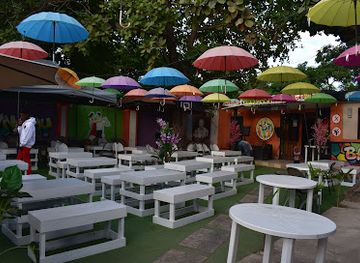
Evening life in Artibonite is generally centred on family gatherings, neighbourhood bars, music, restaurants and occasional community celebrations rather than a large, dependable nightclub circuit. Gonaïves and Saint-Marc have the broadest selection of places for a social evening, including venues where Haitian popular music, kompa and other local styles may be heard, while smaller inland towns tend to close earlier and offer fewer formal options. Some establishments serve beer, rum and soft drinks, but alcohol should not be treated as necessary to experiencing local culture. Current security conditions make night travel a serious consideration, particularly on roads between towns, and visitors should use only venues approved by trusted local contacts, keep movements discreet and return to secure accommodation before conditions deteriorate. Opening arrangements, live music and venue status can change without notice.
-
Restaurant
BERLENTZ KAY PANOU BAR RESTO MULTISERVICES
Discover the rich flavors of Haiti at Berlentz Kay Panou Bar Resto Multiservices, where vibrant atmosphere meets authentic culinary experiences.
-
Live music bar
Platana Bar Resto
Experience the vibrant culture of Haiti at Platana Bar Resto, where delicious food and live music create unforgettable nights.
-
 Bar
BarLe Tout Puissant Bar
Experience the vibrant nightlife of Gonaïves at Le Tout Puissant Bar - a lively spot for locals and tourists alike.
-
Bar
Chez Kino Bar
Experience the vibrant nightlife at Chez Kino Bar in Durocher, where local culture meets refreshing drinks and great company.


Best nightclubs in Artibonite
Evening life in Artibonite is generally centred on family gatherings, neighbourhood bars, music, restaurants and occasional community celebrations rather than a large, dependable nightclub circuit. Gonaïves and Saint-Marc have the broadest selection of places for a social evening, including venues where Haitian popular music, kompa and other local styles may be heard, while smaller inland towns tend to close earlier and offer fewer formal options. Some establishments serve beer, rum and soft drinks, but alcohol should not be treated as necessary to experiencing local culture. Current security conditions make night travel a serious consideration, particularly on roads between towns, and visitors should use only venues approved by trusted local contacts, keep movements discreet and return to secure accommodation before conditions deteriorate. Opening arrangements, live music and venue status can change without notice.
-
Night club
Esquina Latina
Discover the heart of Petion-Ville's nightlife at Esquina Latina, where vibrant music and dancing create unforgettable memories.
-
Night club
Bagay La Club
Discover the lively nightlife of Bagay La Club in Cap-Haitien, where music, dance, and local culture come together for an unforgettable experience.
-
Night club
Tropicana Night Club
Discover the energetic nightlife of Tropicana Night Club in Cap-Haïtien, where vibrant music, delicious drinks, and unforgettable memories await.
-
Night club
Magic Night Club
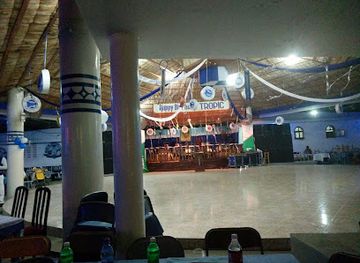
Discover the electrifying nightlife at Magic Night Club in Anse-à-Galets, where vibrant music meets unforgettable moments.


Best shops in Artibonite
Shopping in Artibonite is concentrated in open-air markets, town-centre stalls, small shops and roadside trading points rather than large retail complexes. Gonaïves and Saint-Marc offer the widest range of everyday goods, clothing, household items and locally traded food, while smaller towns serve surrounding farming communities. Rice and other agricultural products are central to the regional economy, though packaged produce and handicrafts may not always be available in a consistent form for visitors. Markets can also be useful places to see seasonal fruit, vegetables, spices, charcoal, woven goods and practical household crafts. Haitian artwork, painted objects, metalwork and textiles may appear through local sellers, but provenance and quality vary, so buy respectfully and avoid purchasing archaeological objects or materials that may have been taken from historic sites. Bargaining may occur in informal markets, but it should remain courteous. Carry small gourde notes, keep purchases discreet and check transport and security arrangements before travelling to a market.
-
Shopping mall
Kay Georges Multi Services
Discover a vibrant shopping experience at Kay Georges Multi Services in Marchand Dessalines, where local culture meets diverse retail offerings.
-
Supermarket
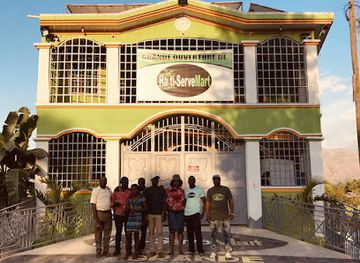
Haïti ServeMart
Explore the vibrant flavors and local products at Haïti ServeMart, the essential supermarket for every traveler in Haiti.
-
Clothing store
Kreyativ Store
Discover unique fashion and beauty products at Kreyativ Store in Petion-Ville, where local style meets quality craftsmanship.
-
Grocery store
Nounoune Boutique
Discover the essence of Haitian cuisine at Nounoune Boutique, your go-to grocery store in Marchand Dessalines for fresh local flavors.

Get your free copy of our complete guide to Artibonite, delivered straight to you.
Everything on this page, from attractions and restaurants to essentials and local phrases, in one PDF you can read offline, print or share.
Already have an account? Sign in
Your Artibonite guide is ready.
We'll send it to · Not you? Sign out

Getting your guide ready…
We are putting together a fresh copy of the Artibonite guide. This can take up to a minute.
This can take a few moments. If your browser asks, choose Allow so the download can start. You'll find the guide in your Downloads folder.
Nothing happened? Download it again
Sorry, the guide is taking longer than usual. Please try again in a minute, or get it by email instead.
Artibonite essentials
Currency and Payment
Safety
Emergency Situations
Do's and Don'ts
Local Tips
From Eve
Local phrases worth knowing
You don't need to get them perfect. A few words go a long way, and locals appreciate the effort.
Basics
| English | Local | Say it |
|---|---|---|
| Hello | Bonjou | [bɔnʒu] |
| Goodbye | Orevwa | [oʁɛvwa] |
| Yes | Wi | [wi] |
| No | Non | [nɔ̃] |
| Please/You're welcome | Souple | [suplɛ] |
| Thank you | Mesi | [mɛsi] |
| Excuse me/Sorry | Eskize mwen | [ɛski.zɛ mɛ̃] |
| How are you? | Kijan ou ye? | [kiʒɑ̃ u je] |
| Fine. And you? | Mwen byen. E ou? | [mɛ̃ bjɛ̃. e u] |
| Do you speak English? | Eske ou pale anglè? | [ɛs.ke u pa.le aŋ.ɡlɛ] |
| I don't understand | Mwen pa konprann | [mɛ̃ pa kɔ̃.pʁɑ̃] |
Eating & Drinking
| English | Local | Say it |
|---|---|---|
| I'd like to see the menu, please | Mwen ta renmen wè meni an, souple | [mɛ̃ ta ʁɛn.mɛ̃ wɛ me.ni ɑ̃, suplɛ] |
| I don't eat meat | Mwen pa manje vyann | [mɛ̃ pa mɑ̃.ʒe vjɑ̃] |
| Cheers! | Santé! | [sɑ̃.te] |
| I would like to pay, please | Mwen ta renmen peye, souple | [mɛ̃ ta ʁɛn.mɛ̃ pe.je, suplɛ] |
Emergencies
| English | Local | Say it |
|---|---|---|
| Help! | Ede! | [e.de] |
| Go away! | Kite m' kontre! | [ki.te m kɔ̃.tʁe] |
| Call the Police! | Rele lapolis! | [ʁe.le la.pɔ.lis] |
| Call a doctor! | Rele yon doktè! | [ʁe.le jɔ̃ dɔk.te] |
| I'm lost | Mwen pèdi | [mɛ̃ pɛ.di] |
| I'm ill | Mwen malad | [mɛ̃ ma.lad] |
Shopping
| English | Local | Say it |
|---|---|---|
| I'd like to buy... | Mwen ta renmen achte... | [mɛ̃ ta ʁɛn.mɛ̃ aʃ.te] |
| I'm just looking | Mwen ap gade | [mɛ̃ ap ɡa.de] |
| How much is it? | Konbyen sa koute? | [kɔ̃.bjɛ̃ sa ku.te] |
| That's too expensive | Sa twòp chè | [sa tʁɔp ʃɛ] |
| Can you lower the price? | Eske ou ka bese pri a? | [ɛs.ke u ka be.se pʁi a] |
Time & Numbers
| English | Local | Say it |
|---|---|---|
| What time is it? | Ki lè sa ye? | [ki lɛ sa je] |
| It's one o'clock | Se yon èdtan | [se jɔ̃ ɛd.tɑ̃] |
| Half past (10) | Midòz (10) | [mi.doz (10)] |
| Morning | Maten | [ma.tɛn] |
| Afternoon | Apre midi | [ap.ʁe mi.di] |
| Evening | Aswè | [a.sʁe] |
| Yesterday | Yè | [je] |
| Today | Jodi a | [ʒo.di a] |
| Tomorrow | Demain | [də.mɛ̃] |
| 1 | Youn | [jɔ̃] |
| 2 | De | [de] |
| 3 | Twa | [twa] |
| 4 | Katre | [ka.tʁɛ] |
| 5 | Senk | [sɛ̃k] |
| 6 | Sis | [sis] |
| 7 | Sèt | [sɛt] |
| 8 | Huit | [ɥit] |
| 9 | Nèf | [nɛf] |
| 10 | Dis | [dis] |
Transport & Directions
| English | Local | Say it |
|---|---|---|
| Where's a/the...? | Kote yon/...? | [ko.te jɔ̃/...] |
| What's the address? | Ki adrès la? | [ki a.dʁɛs la] |
| Can you show me (on the map)? | Eske ou ka montre mwen (sou kat la)? | [ɛs.ke u ka mɔ̃.tʁe mɛ̃ (su kat la)] |
| When's the next (bus)? | Kilè pwochen (bis la)? | [ki.lɛ pʁɔ.ʃɛn (bis la)] |
| A ticket (to ....) | Yon tikè (pou ....) | [jɔ̃ ti.kɛ (pu ...)] |
History of Artibonite
Taíno Settlement and the Artibonite Landscape
Before European colonisation, the Artibonite valley and its surrounding coast were inhabited by Taíno communities whose settlements depended on farming, fishing and riverine environments. The river corridor provided fertile land and connections between the interior and the coast. Spanish conquest, disease, forced labour and enslavement severely disrupted Indigenous society during the sixteenth century. Although much of the visible built heritage in modern Artibonite dates from later periods, the region’s agricultural geography and place names preserve the importance of its pre-colonial landscape.
Plantation Agriculture under French Saint-Domingue
During the eighteenth century, the Artibonite plain became one of the important agricultural areas of the French colony of Saint-Domingue. Enslaved Africans cultivated crops including sugar, coffee and indigo within a plantation economy connected to ports such as Saint-Marc and Gonaïves. Wealth was concentrated among plantation owners and merchants, while enslaved workers endured coercion and harsh conditions. Canals, estates, roads and coastal commerce transformed the valley, creating an economic structure whose inequalities continued to influence Haiti after independence.
The Haitian Revolution in the Artibonite
Artibonite was deeply involved in the revolutionary conflict that began in 1791. Its plantations, ports and strategic routes made the valley important to both the insurgent forces and the French authorities. In March 1802, Haitian troops defended Crête-à-Pierrot, a fortified position near Petite-Rivière-de-l’Artibonite, against the expedition sent by Napoleon Bonaparte. Although the defenders eventually withdrew, the resistance became a powerful demonstration of Haitian military organisation and determination during the struggle to end slavery and colonial rule.
Marchand-Dessalines and Independence, 1804
After independence, Jean-Jacques Dessalines established Marchand, now known as Marchand-Dessalines, as the capital of the new Haitian state. Its location in the Artibonite interior reflected both the agricultural importance of the valley and the strategic concerns of the revolutionary leadership. Gonaïves holds a complementary place in the national story: Haiti’s declaration of independence was proclaimed there on 1 January 1804. Together, the two towns connect Artibonite with the political creation of the first independent Black republic in the modern world.
The Independent Republic and Rural Reconstruction
Nineteenth-century Artibonite developed as an agricultural region within the new Haitian republic, with rice, sugar, coffee and food crops supporting local communities and markets. The end of colonial rule did not erase inherited inequalities or the difficulties of maintaining roads, canals and port infrastructure. Rural settlements expanded across the plain, while coastal towns remained linked to domestic and international commerce. Churches, market centres and civic buildings from later periods reflect the gradual formation of Haiti’s independent regional institutions.
Irrigation, Rice and the Modern Artibonite Economy
The Artibonite River became increasingly important to organised irrigation and rice production during the twentieth century. Water-management schemes helped establish the valley as Haiti’s principal rice-growing area, while also supporting vegetables and other crops. The agricultural system has faced recurring problems, including flooding, drought, erosion, weak infrastructure and competition from imported food. Even so, rice fields and irrigation canals remain defining features of the department and demonstrate how strongly its modern economy depends on the river.
Disaster, Political Instability and Contemporary Change
Artibonite has experienced hurricanes, floods, droughts, earthquakes and prolonged political and economic instability, all of which have affected transport, farming and public services. Gonaïves suffered particularly severe flooding after tropical storms and hurricanes in the early twenty-first century. More recently, insecurity and disruption along important transport corridors have made movement difficult in parts of the department. At the same time, farmers, traders, civic groups and cultural organisations continue to sustain local markets, agricultural production and the memory of Artibonite’s revolutionary past.
Artibonite in Photos
Browse through our photo collection highlighting the charm and character of the destination.
Neighbouring regions of Artibonite
The closest regions to Artibonite, if you have time for more than one.
-

-

-

-

-


Swipe for more regions
Explore more

Explore more of Haiti
Discover Haiti: A Caribbean gem with vibrant culture, rich history, stunning landscapes, and a unique culinary scene.
Explore Haiti