

Free Ouest Travel Guide & Mobile App
Explore Ouest with free travel guides. Discover regional history, expert tips, proposed trips, and audio guides on web or mobile app.


Explore Ouest, Haiti’s capital department, for revolutionary history, Creole culture, mountain landscapes and coastal communities.
Read more about Ouest
When is the best time to visit Ouest?
Best: December–February · 31°C| Month | High (°C) | Rainfall (mm) |
|---|---|---|
| January (best) | 31 | 39 |
| February (best) | 31 | 35 |
| March | 32 | 40 |
| April | 32 | 63 |
| May | 33 | 127 |
| June | 33 | 113 |
| July | 34 | 127 |
| August | 33 | 141 |
| September | 33 | 155 |
| October | 32 | 171 |
| November | 31 | 107 |
| December (best) | 31 | 45 |
Getting to and around Ouest
How to get there
Transportation
Top city travel guides in Ouest
The cities of Ouest, and the easiest places to base yourself.
-

-

-

-

-


Swipe for more cities
Destinations in Ouest
Resorts, valleys and scenic spots worth a trip of their own.
-

-


Swipe for more destinations
Best attractions in Ouest
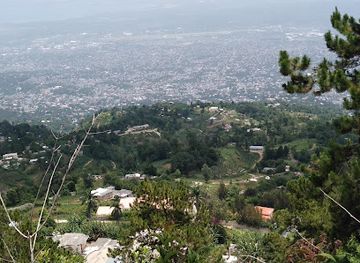
Ouest’s attractions range from museums and historic streets in Port-au-Prince to mountain agriculture, coastal scenery and community life beyond the capital. The Musée du Panthéon National Haïtien is the most useful starting point for the country’s revolutionary and political history, while the Iron Market offers a vivid view of commerce and craft traditions when conditions permit. The capital’s galleries, cultural centres and music venues reflect Haiti’s influential visual-art and performance scenes, though visitors should check current access arrangements. Kenscoff provides a cooler highland setting with vegetable gardens and mountain views, while Léogâne and Arcahaie offer insight into the western plain, rural livelihoods and national memory. The department’s portion of La Gonâve is more remote, with dry hills, shoreline communities and limited visitor infrastructure. Beaches and coastal outings should be planned through trusted local contacts rather than treated as unscheduled independent excursions. The most rewarding experiences often combine a recognised institution with time spent understanding the landscape, food and crafts of the communities around it.
-
Park
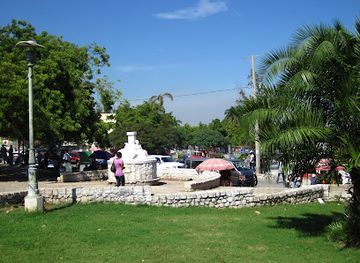
Champ de Mars
Experience the cultural vibrancy of Champ de Mars in Port-au-Prince, where history, art, and local life intertwine in a breathtaking urban park.
-
Park
Place Saint-Pierre
Explore the tranquility of Place Saint-Pierre, a serene park in Port-au-Prince, where nature meets culture in a vibrant urban oasis.
-
Tourist attraction
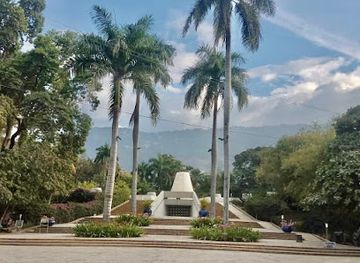
The National Pantheon Museum
Explore Haiti's heritage at the National Pantheon Museum, a captivating tribute to the nation's history and culture, showcasing its heroes and invaluable artifacts.
-
Fortress
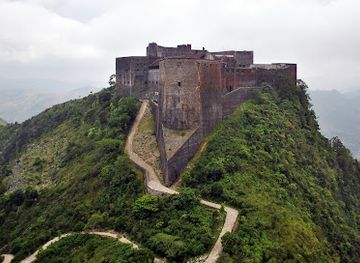
Fort Jacques et Fort Alexandre
Explore the historic Fort Jacques et Fort Alexandre, a stunning fortress offering breathtaking views and a deep dive into Haiti's rich history.


Best landmarks in Ouest
The most important landmark in Ouest is the National Palace site in Port-au-Prince, whose damaged remains recall both the authority of the Haitian state and the destruction caused by the 2010 earthquake. Nearby civic and religious buildings, including the remains of the cathedral, form part of a cityscape shaped by colonial history, independence and repeated rebuilding. The Musée du Panthéon National Haïtien is significant not only as a museum but also as a place where national heroes, revolutionary memory and state identity are presented together. Port-au-Prince’s Iron Market is a recognisable commercial structure and a long-established symbol of the capital’s trading life, although access should be assessed locally. Beyond the metropolitan area, the hills of Kenscoff provide a natural counterpoint to the crowded plain, while the coast near Arcahaie and the broad waters around La Gonâve express the department’s geographical reach. These landmarks are best understood within Haiti’s living political and social landscape rather than as isolated monuments.
-
Park
Champ de Mars
Explore the historic Champ de Mars, a vibrant park in Port-au-Prince, rich with culture, history, and natural beauty, perfect for relaxation and exploration.
-
Historical place
Laferriere Citadel
Discover the history and beauty of Laferriere Citadel, a UNESCO World Heritage site, and a symbol of Haiti's rich cultural heritage.
-
Park
Place Saint-Pierre
Explore the lush beauty of Place Saint-Pierre in Port-au-Prince, a serene park perfect for relaxation and cultural immersion in the heart of Haiti.
-
Catholic cathedral
Notre-Dame of Cap-Haitian Cathedral
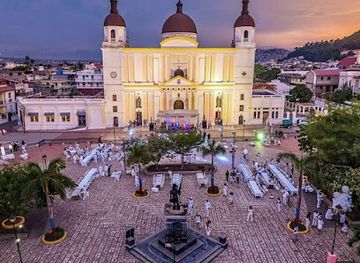
Discover the beauty and history of Notre-Dame of Cap-Haitien Cathedral, a stunning Gothic landmark in the heart of Cap-Haitien, Haiti.
Explore Ouest on the map
Plan your trip on one map. See where the top cities, national parks and sights are, and book hotels and experiences in a few clicks.
Best hotels in Ouest
Best restaurants in Ouest
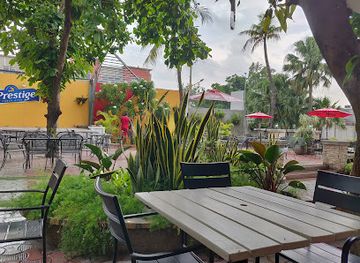
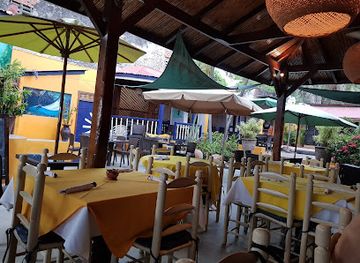
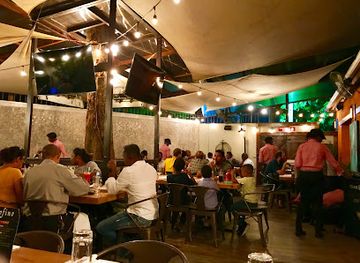
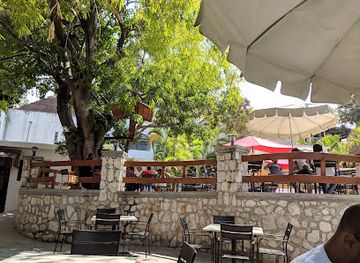
Dining in Ouest is centred on Haitian Creole cooking, with the broadest choice concentrated in Port-au-Prince and Pétion-Ville. Everyday dishes commonly combine rice and beans, plantains, poultry, goat, pork, vegetables and pikliz, the spicy pickled accompaniment found across Haitian cuisine. Griot, diri djondjon where available, soups, fritters and fruit drinks appear in restaurants and home-style cooking, while seafood is more relevant in coastal communities than in the inland capital. Established hotels and restaurants may offer more predictable service and international menus, whereas smaller eateries provide a closer introduction to local flavours but require careful judgement about hygiene, water and food storage. Markets and roadside stalls can reveal seasonal produce, coffee and regional ingredients, although visitors should take local advice. Tipping practices vary, so check whether a service charge is included and leave an additional amount only when appropriate.
-
Restaurant
Kokoye Bar & Grill
Experience authentic Haitian flavors at Kokoye Bar & Grill in Port-au-Prince, where vibrant culture meets delicious cuisine.
-
Restaurant
Lakay Restaurant
Discover authentic Haitian cuisine at Lakay Restaurant in Cap-Haitien – where every dish tells a story of culture and flavor.
-
Italian
Portofino
Experience authentic Italian cuisine in the heart of Petion Ville at Portofino – where every dish tells a story.
-
Restaurant
Kokoye
Experience authentic Haitian cuisine at Kokoye in Petion-Ville – where every dish tells a story.
Best bars in Ouest
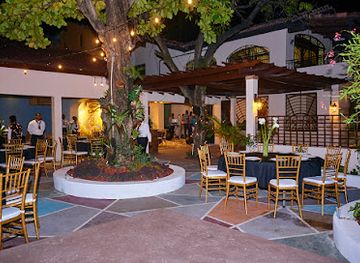
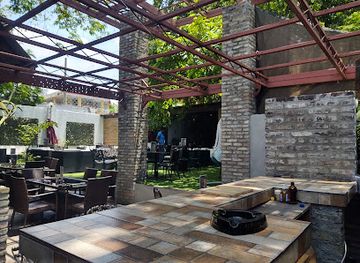
Evening life in Ouest is concentrated in Port-au-Prince and Pétion-Ville, where restaurants, hotel bars, lounges and occasional live-music venues provide the most developed nightlife. Haitian kompa, rara and other local musical traditions are important to the region’s cultural life, but performances and public events can be irregular and should be confirmed locally. In less urban parts of the department, evenings usually centre on family gatherings, small bars, restaurants or community occasions rather than a formal club scene. Because security conditions can change quickly, visitors should use trusted transport, avoid walking between venues, limit visible valuables and follow the advice of their accommodation. Alcohol is not necessary for engaging with local culture, and daytime cultural programming may offer a more dependable way to hear music and meet artists.
-
Bar
FUBAR
Experience the lively ambiance and refreshing cocktails at FUBAR, the go-to bar in Petion-Ville for an unforgettable night out.
-
Bar
Asu Rooftop Lounge
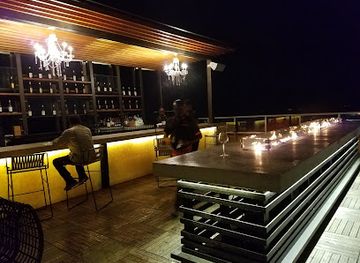
Experience breathtaking views and delicious cocktails at Asu Rooftop Lounge, the perfect nightlife destination in Port-au-Prince.
-
Bar
House of Beer Haiti
Discover the lively bar scene at House of Beer Haiti, offering a wide selection of beers, delicious fast food, and vibrant nightlife.
-
Bar
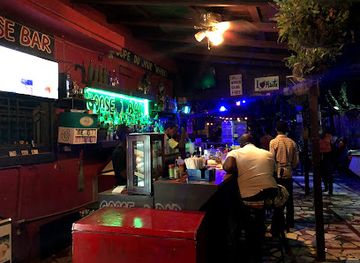
Goose Bar
Goose Bar: Embrace the vibrant nightlife of Port-au-Prince with great drinks and a lively atmosphere.
Best nightclubs in Ouest
Evening life in Ouest is concentrated in Port-au-Prince and Pétion-Ville, where restaurants, hotel bars, lounges and occasional live-music venues provide the most developed nightlife. Haitian kompa, rara and other local musical traditions are important to the region’s cultural life, but performances and public events can be irregular and should be confirmed locally. In less urban parts of the department, evenings usually centre on family gatherings, small bars, restaurants or community occasions rather than a formal club scene. Because security conditions can change quickly, visitors should use trusted transport, avoid walking between venues, limit visible valuables and follow the advice of their accommodation. Alcohol is not necessary for engaging with local culture, and daytime cultural programming may offer a more dependable way to hear music and meet artists.
-
Bar
FUBAR
Experience the vibrant nightlife at FUBAR in Petion-Ville, where local culture, music, and refreshing drinks come together for an unforgettable evening.
-
Bar
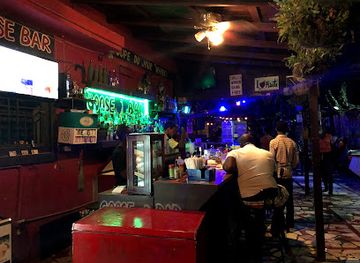
Goose Bar
Experience the vibrant nightlife of Port-au-Prince at Goose Bar, where live music, refreshing drinks, and Caribbean culture come together.
-
Disco club
Le Manguier
Discover the heartbeat of Hinche's nightlife at Le Manguier, Haiti's premier disco club for music, dance, and unforgettable memories.
-
Night club
Esquina Latina
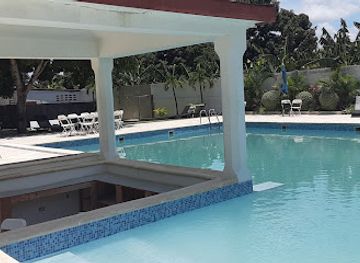
Discover the heart of Petion-Ville's nightlife at Esquina Latina, where vibrant music and lively dance await every night.


Best shops in Ouest
Shopping in Ouest is strongest in the capital, where markets, independent traders, galleries and handicraft sellers offer paintings, metalwork, carved objects, textiles, jewellery, books and Haitian music. The Iron Market is historically important, but conditions and access can vary, so visitors should go with trusted local guidance and avoid carrying conspicuous valuables. Pétion-Ville has a concentration of galleries, boutiques, restaurants and shops aimed at both local and international customers, while smaller markets in the wider department focus more on food, household goods and practical necessities. Good purchases include locally made art, crafts, coffee, spices and packaged food from reputable sellers; buyers should ask about materials, provenance and fair prices rather than assuming every item is traditionally made. Rural communities around Kenscoff, Léogâne, Arcahaie and La Gonâve have fewer dedicated visitor shops, making planned purchases in the capital sensible before travelling onward.
-
Supermarket
Caribbean Supermarket
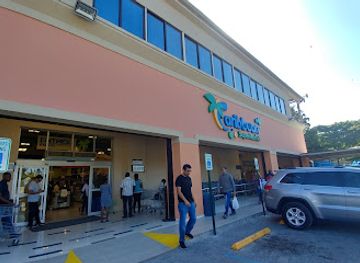
Experience the heart of Haitian cuisine at Caribbean Supermarket in Petion-Ville, where local flavors and cultural treasures await.
-
Store
Delmas 2000
Delmas 2000: A vibrant shopping mall in Port-au-Prince, blending local culture with a diverse shopping and dining experience.
-
Grocery store
Big Star Market
Explore the vibrant flavors and local goods at Big Star Market, Petion-Ville's premier grocery store and cultural hub.
-
Shopping mall
Maison Handal
Discover the vibrant shopping and cultural experience at Maison Handal in Port-au-Prince, a must-visit destination for tourists.
Get your free copy of our complete guide to Ouest, delivered straight to you.
Everything on this page, from attractions and restaurants to essentials and local phrases, in one PDF you can read offline, print or share.
Already have an account? Sign in
Your Ouest guide is ready.
We'll send it to · Not you? Sign out

Getting your guide ready…
We are putting together a fresh copy of the Ouest guide. This can take up to a minute.
This can take a few moments. If your browser asks, choose Allow so the download can start. You'll find the guide in your Downloads folder.
Nothing happened? Download it again
Sorry, the guide is taking longer than usual. Please try again in a minute, or get it by email instead.
Ouest essentials
Currency and Payment
Safety
Emergency Situations
Do's and Don'ts
Local Tips
From Eve
Local phrases worth knowing
You don't need to get them perfect. A few words go a long way, and locals appreciate the effort.
Basics
| English | Local | Say it |
|---|---|---|
| Hello | Bonjour | [Bon-zhoor] |
| Goodbye | Orevwa | [O-reh-vwah] |
| Yes | Wi | [Wee] |
| No | Non | [Nohn] |
| Please/You're welcome | Souple/Pa gen pwoblem | [Soo-pleh/Pah gen proh-blem] |
| Thank you | Mesi | [Meh-see] |
| Excuse me/Sorry | Eskize mwen/Désolé | [Es-kee-zeh mwenz/Deh-soh-lay] |
| How are you? | Kijan ou ye? | [Kee-zhan oo yeh] |
| Fine. And you? | Mwen byen. E ou? | [Mwen byen. Eh oo?] |
| Do you speak English? | Eske ou pale Anglè? | [Es-keh oo pah-leh Ahn-gleh] |
| I don't understand | Mwen pa konprann | [Mwen pah kohn-pran] |
Eating & Drinking
| English | Local | Say it |
|---|---|---|
| I'd like to see the menu, please | Mwen ta renmen wè meni an, souple | [Mwen tah ren-men weh meh-nee ahn, soo-pleh] |
| I don't eat meat | Mwen pa manje vyann | [Mwen pah mahn-zheh vyahn] |
| Cheers! | Sante! | [Sahn-teh] |
| I would like to pay, please | Mwen ta renmen peye, souple | [Mwen tah ren-men peh-yeh, soo-pleh] |
Emergencies
| English | Local | Say it |
|---|---|---|
| Help! | Ede! | [Eh-deh] |
| Go away! | Ale wete! | [Ah-leh weh-teh] |
| Call the Police! | Rele polis la! | [Reh-leh poh-lees lah] |
| Call a doctor! | Rele yon doktè! | [Reh-leh yon dok-teh] |
| I'm lost | Mwen pèdi | [Mwen peh-dee] |
| I'm ill | Mwen malad | [Mwen mah-lahd] |
Shopping
| English | Local | Say it |
|---|---|---|
| I'd like to buy... | Mwen ta renmen achte... | [Mwen tah ren-men ah-shtay...] |
| I'm just looking | Mwen jis ap gade | [Mwen jees ap gah-day] |
| How much is it? | Konbyen sa koute? | [Kohn-byen sah koo-teh?] |
| That's too expensive | Sa a twò chè | [Sah ah troh sheh] |
| Can you lower the price? | Eske ou ka bese pri a? | [Es-keh oo kah beh-seh pree ah?] |
Time & Numbers
| English | Local | Say it |
|---|---|---|
| What time is it? | Ki lè li ye? | [Kee leh lee yeh?] |
| It's one o'clock | Li se yon heure | [Lee seh yon ehr] |
| Half past (10) | Demi apre (10) | [Duh-mee ah-preh (10)] |
| Morning | Matin | [Mah-tan] |
| Afternoon | Apre midi | [Ah-preh mee-dee] |
| Evening | Swa | [Swah] |
| Yesterday | Yè | [Yeh] |
| Today | Jodi a | [Zho-dee ah] |
| Tomorrow | Demain | [Duh-menn] |
| 1 | 1 | [1] |
| 2 | 2 | [2] |
| 3 | 3 | [3] |
| 4 | 4 | [4] |
| 5 | 5 | [5] |
| 6 | 6 | [6] |
| 7 | 7 | [7] |
| 8 | 8 | [8] |
| 9 | 9 | [9] |
| 10 | 10 | [10] |
Transport & Directions
| English | Local | Say it |
|---|---|---|
| Where's a/the...? | Ki kote a/an...? | [Kee koh-teh ah/ahn...?] |
| What's the address? | Ki adrès la? | [Kee ah-dress lah?] |
| Can you show me (on the map)? | Eske ou ka montre mwen (sou kat la)? | [Es-keh oo kah mohn-treh mwenz (soo kaht lah)?] |
| When's the next (bus)? | Kilè pwochen (bis la)? | [Kee-leh proh-shen (bees lah)?] |
| A ticket (to ....) | Yon tikè (pou....) | [Yon tee-keh (poo....)] |
History of Ouest
Taíno Settlement and Indigenous Heritage
Before European colonisation, the region was inhabited by Taíno communities whose settlements, agricultural practices and maritime networks formed part of the wider Caribbean world. Indigenous place names and archaeological traces survive unevenly, although much of the visible historic landscape was later transformed by colonial settlement, plantation agriculture and urban growth. Understanding this earlier history is important because Haiti’s story did not begin with the arrival of Spain or France: the plains, mountains, bays and islands of present-day Ouest already supported organised societies with their own political and economic systems.
French Saint-Domingue and Colonial Port Growth
During the eighteenth century, the western part of Hispaniola became the centre of the French colony of Saint-Domingue, whose plantation economy depended on the forced labour of enslaved Africans. Port-au-Prince was founded in 1749 and developed as an administrative and commercial centre on the Bay of Port-au-Prince. Sugar, coffee and other exports connected the colony to Atlantic trade, while the wealth of the plantation system rested on extreme violence and exploitation. Some surviving urban and rural landscapes, as well as later social divisions, reflect this colonial foundation.
The Haitian Revolution and Independence, 1791–1804
The revolution that began in 1791 transformed Saint-Domingue and the wider Atlantic world. Enslaved people and their allies defeated colonial forces and helped establish the independent state of Haiti in 1804. The Ouest region, including Port-au-Prince and the surrounding plain, was closely connected to the military, political and commercial events of this period. The revolution abolished slavery and challenged European imperial power, while its legacy remains visible in Haiti’s national symbols, public commemorations, museums and political culture.
Nineteenth-Century State Building and Urban Change
After independence, Haiti developed its own institutions amid political rivalry, international pressure and difficult economic conditions. Port-au-Prince became the principal seat of government and a centre of diplomacy, trade and education. Public buildings, churches, markets and private houses expanded the capital’s architectural character, often combining Caribbean, European and locally adapted forms. The surrounding countryside remained important for agriculture and commerce, while Léogâne, Arcahaie and other settlements retained links to plantation-era land use and regional trade.
The United States Occupation, 1915–1934
The United States occupied Haiti from 1915 to 1934, a period that brought administrative and infrastructural changes but also coercion, political exclusion and resistance. Port-au-Prince was the main focus of the occupation’s governmental and economic activity, while roads and public works affected connections across the country. The period left a contested legacy: some institutional developments continued after withdrawal, but memories of foreign control and the suppression of opposition remain central to Haitian historical understanding.
Political Upheaval and the Growth of the Capital
During the twentieth century, Port-au-Prince expanded rapidly as people moved from rural areas towards employment, education and public institutions. The capital became the country’s dominant urban centre, with densely populated districts spreading across the plain and lower hills. The Duvalier era, from 1957 to 1986, shaped Haiti’s political life through authoritarian rule and repression. Later decades brought democratic transitions, recurring instability and the growth of a major diaspora whose remittances, ideas and cultural connections continue to influence Ouest.
The 2010 Earthquake and Continuing Reconstruction
On 12 January 2010, a major earthquake struck near Port-au-Prince, causing catastrophic loss of life and destroying or seriously damaging homes, public buildings, churches, hospitals and cultural institutions across the metropolitan area and nearby communities. Léogâne was among the places particularly badly affected. Reconstruction has been uneven, and earthquake damage, replacement buildings and informal urban growth remain part of the department’s contemporary landscape. The disaster also reshaped international engagement with Haiti and intensified long-standing debates about governance, housing and development.
Ouest in Photos
Browse through our photo collection highlighting the charm and character of the destination.
Neighbouring regions of Ouest
The closest regions to Ouest, if you have time for more than one.
-

-

-
-

-


Swipe for more regions
Explore more

Explore more of Haiti
Discover Haiti: A Caribbean gem with vibrant culture, rich history, stunning landscapes, and a unique culinary scene.
Explore Haiti