

Free Nord Travel Guide & Mobile App
Explore Nord with free travel guides. Discover regional history, expert tips, proposed trips, and audio guides on web or mobile app.


Explore Nord Haiti for Cap-Haïtien’s Creole heritage, the Citadelle and Sans-Souci, mountain landscapes, beaches and revolutionary history.
Read more about Nord
When is the best time to visit Nord?
Best: December–February · 28°C| Month | High (°C) | Rainfall (mm) |
|---|---|---|
| January (best) | 28 | 30 |
| February (best) | 28 | 35 |
| March | 28 | 40 |
| April | 29 | 45 |
| May | 30 | 55 |
| June | 31 | 65 |
| July | 31 | 70 |
| August | 31 | 75 |
| September | 30 | 70 |
| October | 30 | 65 |
| November | 29 | 55 |
| December (best) | 28 | 40 |
Getting to and around Nord
How to get there
Transportation
Top city travel guides in Nord
The cities of Nord, and the easiest places to base yourself.

Swipe for more cities
Destinations in Nord
Resorts, valleys and scenic spots worth a trip of their own.

Swipe for more destinations
Best attractions in Nord
Nord’s attractions centre on the exceptional concentration of revolutionary heritage around Cap-Haïtien and Milot. The National History Park brings together Sans-Souci Palace and the mountain-top Citadelle Laferrière, whose scale, setting and political history make them the department’s defining cultural sites. Cap-Haïtien adds a living urban experience through its historic streets, markets, churches, galleries and everyday commercial life, although visits are best organised with local advice. Beyond the main city, the Massif du Nord offers mountain roads, agricultural landscapes and opportunities for carefully planned walks, while Dondon is associated with limestone caves and the interior’s karst terrain. The coastal area includes beaches, fishing communities and the privately managed Labadee complex, but access and facilities differ sharply from place to place. Visitors should not assume that every attractive cove or rural site has lifeguards, signage, sanitation or reliable transport. Cultural encounters, music and food are often as significant as formal attractions, particularly when arranged through local guides or community-based operators. Because conditions, security and accessibility can change, the department rewards flexible itineraries rather than an overpacked schedule.
-
Tourist attraction
Labadee Haïti
Experience the beauty and adventure of Labadee, Haiti - a private paradise with pristine beaches, thrilling activities, and vibrant local culture.
-
Historical place
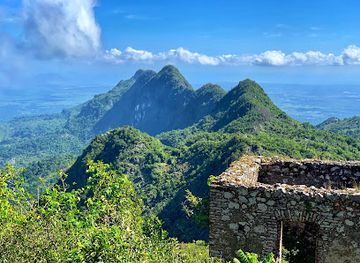
Laferriere Citadel
Discover the historic Laferriere Citadel, a UNESCO World Heritage site in Haiti, showcasing resilience, rich culture, and breathtaking views.
-
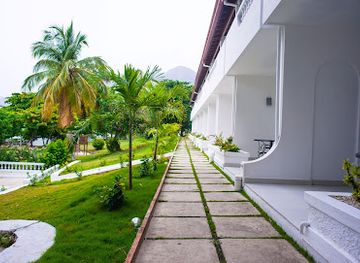
Resort hotel
Wahoo Bay Beach
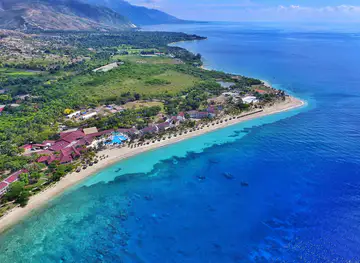
Discover the enchanting beauty of Wahoo Bay Beach, where pristine sands meet vibrant local culture in the heart of Haiti.
-
Tourist attraction
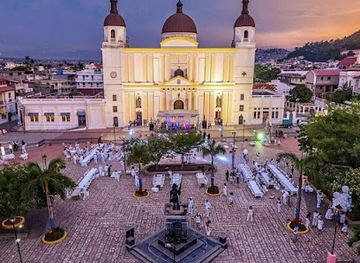
Notre-Dame of Cap-Haitian Cathedral
Discover the architectural beauty and spiritual essence of Notre-Dame of Cap-Haitien Cathedral, a jewel in Haiti's cultural heritage.



Best landmarks in Nord
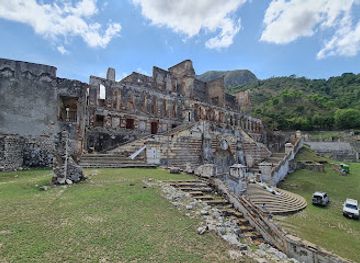
The Citadelle Laferrière is Nord’s most recognisable landmark: a vast early nineteenth-century fortress set high in the Massif du Nord, built under Henri Christophe to defend the kingdom he established after Haitian independence. Its walls, artillery positions and mountain setting convey the military anxieties and state-building ambitions of the period. Below it, near Milot, the ruins of Sans-Souci Palace mark the former royal and administrative centre of Christophe’s northern kingdom; the surviving stairways, terraces and masonry are especially significant when read alongside the Citadelle. In Cap-Haïtien, the historic central street pattern, balconies and older commercial buildings form an urban landmark landscape shaped by the city’s colonial and post-independence past, even where individual buildings require careful conservation. The Cathedral of Cap-Haïtien is another prominent civic and religious presence in the city centre. Further north, the coastline and sheltered waters around Labadee provide a notable geographic landmark, though much of the area is privately managed and access is controlled. Together, these sites connect fortress, royal court, city and coast within one department.
-
Historical place
Laferriere Citadel
Discover the breathtaking Laferriere Citadel, a historic fortress offering stunning views and a deep dive into Haiti's rich heritage.
-
Catholic cathedral
Notre-Dame of Cap-Haitian Cathedral
Explore the stunning Notre-Dame of Cap-Haitien Cathedral, a historic and architectural marvel in the heart of Cap-Haitien, Haiti.
-
Tourist attraction
Sans Souci Palace
Explore the majestic ruins of Sans Souci Palace, a UNESCO World Heritage site that showcases Haiti's rich history and stunning architecture.
-
Memorial park
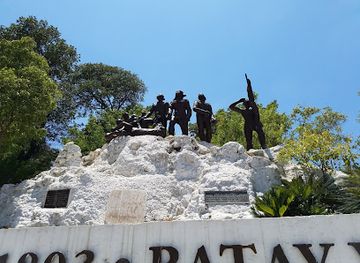
Heroes Monument of Vertières
Explore the Heroes Monument of Vertières in Cap-Haitien, a poignant tribute to Haiti's fight for independence and a serene escape into history.
Explore Nord on the map
Plan your trip on one map. See where the top cities, national parks and sights are, and book hotels and experiences in a few clicks.
Best hotels in Nord
Best restaurants in Nord
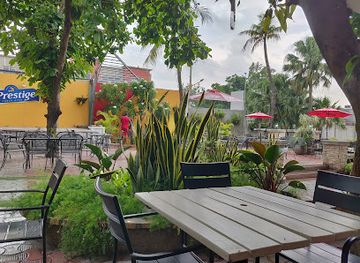
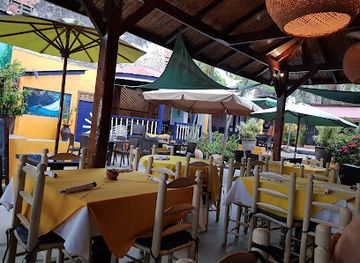
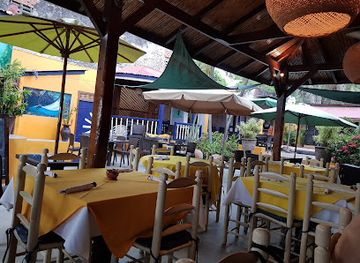
Dining in Nord reflects Haiti’s wider Creole food culture while drawing on the northern coast and agricultural plain. In Cap-Haïtien, restaurants, hotel dining rooms and informal eateries serve rice and beans, plantains, poultry, pork, seafood and sauces flavoured with herbs, peppers and pikliz, the spicy pickled accompaniment commonly served with meals. Seafood is more prominent towards the coast, while inland communities depend more heavily on plantains, maize, beans and locally grown produce. Markets provide a window onto seasonal fruit, vegetables, spices and prepared snacks, though visitors should choose food and water cautiously. Cafés and restaurants serving Haitian dishes may also offer French-influenced cooking, reflecting the country’s layered history rather than a separate northern cuisine. Service can be unhurried, and menus or ingredients may change according to supply. In rural districts, eating options are limited, so arrange meals in advance when travelling to heritage or mountain sites. Tipping practices vary; ask locally rather than assuming a fixed rule.
-
Restaurant
Kokoye Bar & Grill
Experience authentic Haitian cuisine at Kokoye Bar & Grill in Port-au-Prince – where flavor meets culture in every dish.
-
Restaurant
Lakay Restaurant
Discover authentic Haitian cuisine at Lakay Restaurant in Cap-Haitien - a must-visit for food lovers seeking rich flavors and cultural charm.
-
Restaurant
Lakay Bar Restaurant
Discover authentic Haitian cuisine at Lakay Bar Restaurant in Cap-Haitien – where every dish tells a story.
-
Italian
Portofino
Savor authentic Italian flavors in the heart of Petion Ville at Portofino - where every dish tells a story.
Best bars in Nord
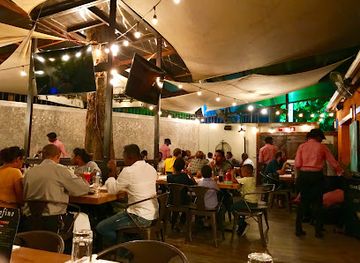
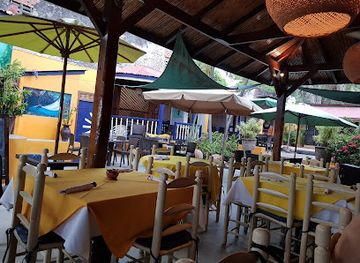
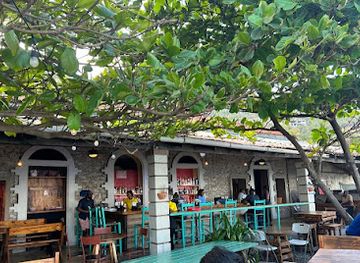
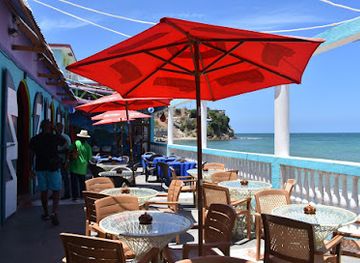
Evening life in Nord is concentrated in Cap-Haïtien, where bars, hotel lounges, restaurants and music venues provide more choice than in the department’s rural districts. Haitian music, including kompa and other popular styles, is central to the atmosphere, while some venues combine food, dancing and live performances. Smaller towns generally rely on modest local bars, restaurants and community events rather than a formal club scene. Labadee’s evening arrangements, where available, are determined by its private or cruise operators and should not be confused with Cap-Haïtien nightlife. Visitors should choose venues through trusted local contacts, keep transport arranged in advance and avoid walking unfamiliar streets after dark. Opening arrangements, performances and crowd levels are changeable, particularly during periods of political or security uncertainty. Alcohol is available in many established venues, but experiencing northern Haitian culture does not depend on drinking; music, food and conversation are equally important parts of the evening.
-
Restaurant
Lakay Restaurant
Discover the flavors of Haiti at Lakay Restaurant, where every dish tells a story of culture and tradition in Cap-Haitien.
-
Restaurant
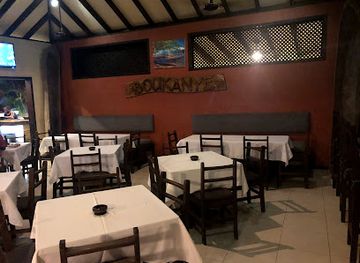
Boukanye
Experience the vibrant flavors of Haiti at Boukanye, Cap-Haitien's culinary gem, where every dish tells a story.
-
Restaurant
Gwòg Bar Restaurant
Discover the authentic taste of Haiti at Gwòg Bar Restaurant, where local flavors and lively ambiance create unforgettable dining experiences.
-
Restaurant
Déco Bar Restaurant
Savor the authentic flavors of Haiti at Déco Bar Restaurant, a culinary gem in Cap-Haïtien offering a delightful dining experience.
Best nightclubs in Nord
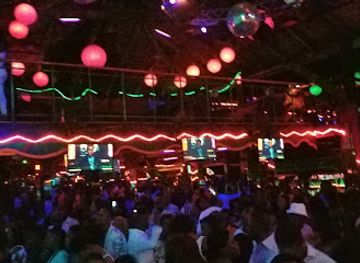
Evening life in Nord is concentrated in Cap-Haïtien, where bars, hotel lounges, restaurants and music venues provide more choice than in the department’s rural districts. Haitian music, including kompa and other popular styles, is central to the atmosphere, while some venues combine food, dancing and live performances. Smaller towns generally rely on modest local bars, restaurants and community events rather than a formal club scene. Labadee’s evening arrangements, where available, are determined by its private or cruise operators and should not be confused with Cap-Haïtien nightlife. Visitors should choose venues through trusted local contacts, keep transport arranged in advance and avoid walking unfamiliar streets after dark. Opening arrangements, performances and crowd levels are changeable, particularly during periods of political or security uncertainty. Alcohol is available in many established venues, but experiencing northern Haitian culture does not depend on drinking; music, food and conversation are equally important parts of the evening.
-
Restaurant
Lakay Bar Restaurant
Experience the vibrant flavors and lively atmosphere at Lakay Bar Restaurant in Cap-Haitien, where delicious cuisine meets energetic nightlife.
-
Disco club
Le Manguier
Discover the electrifying vibes of Le Manguier, Hinche's premier disco club, where vibrant music and lively dance floors await!
-
Night club
Esquina Latina
Discover the vibrant nightlife at Esquina Latina, where music and dance come alive in the heart of Petion-Ville, Haiti.
-
Night club
Bagay La Club
Discover the heart of Cap-Haitien's nightlife at Bagay La Club, where music and culture come alive under the stars.

Best shops in Nord
Shopping in Nord is centred on Cap-Haïtien’s markets, commercial streets and small independent retailers rather than large modern shopping districts. Market stalls sell fresh produce, spices, household goods, clothing and prepared foods, offering a direct view of the city’s regional trade, but visitors should go with local guidance and keep valuables discreet. Haitian art, painted objects, carved pieces, textiles and handmade jewellery may be available through galleries, hotel shops and craft sellers; ask about materials, provenance and whether items can legally leave the country before purchasing. Local food products, coffee and rum may also be offered, although packaging, transport rules and supply vary. Smaller communities such as Milot and towns along the northern plain have more limited retail options, often focused on everyday necessities rather than souvenirs. Bargaining can be part of informal market transactions, but it should remain courteous and proportionate. Carry Haitian gourdes for smaller purchases, and do not assume that rural sellers accept cards or foreign currency.
-
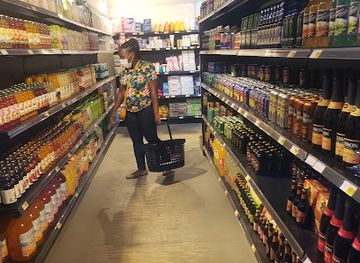
Supermarket
Léa Market
Discover the vibrant Léa Market in Cap-Haitien for a taste of local flavors and a glimpse into Haitian culture.
-
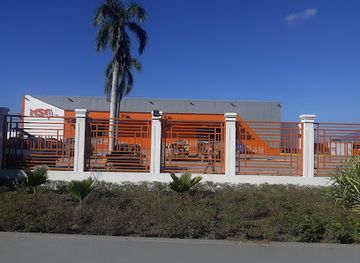
Shopping mall
MSC Grand Nord
Explore MSC Grand Nord in Cap-Haitien for a unique shopping experience blending local culture with modern retail.
-
Home goods store
Valerio Canez
Explore Valerio Canez in Cap-Haitien for unique home goods and authentic Haitian crafts that reflect the vibrant local culture.
-
Shopping mall
Boutique Delor
Explore Boutique Delor in Cap-Haitien for a vibrant shopping experience featuring local and international brands in a lively atmosphere.
Get your free copy of our complete guide to Nord, delivered straight to you.
Everything on this page, from attractions and restaurants to essentials and local phrases, in one PDF you can read offline, print or share.
Already have an account? Sign in
Your Nord guide is ready.
We'll send it to · Not you? Sign out

Getting your guide ready…
We are putting together a fresh copy of the Nord guide. This can take up to a minute.
This can take a few moments. If your browser asks, choose Allow so the download can start. You'll find the guide in your Downloads folder.
Nothing happened? Download it again
Sorry, the guide is taking longer than usual. Please try again in a minute, or get it by email instead.
Nord essentials
Currency and Payment
Safety
Emergency Situations
Do's and Don'ts
Local Tips
From Eve
Local phrases worth knowing
You don't need to get them perfect. A few words go a long way, and locals appreciate the effort.
Basics
| English | Local | Say it |
|---|---|---|
| Hello | Bonjou | [bɔ̃ʒu] |
| Goodbye | Orevwa | [oʁɛvwa] |
| Yes | Wi | [wi] |
| No | Non | [nɔ̃] |
| Please/You’re welcome | Souple | [suplɛ] |
| Thank you | Mesi | [mesi] |
| Excuse me/Sorry | Eskize mwen | [ɛskiˈze mwɛ̃] |
| How are you? | Kijan ou ye? | [kiˈʒɑ̃ u je] |
| Fine. And you? | Byen. E ou? | [bjɛ̃ e u] |
| Do you speak English? | Eske ou pale anglè? | [ɛske u paˈle ɑ̃ɡle] |
| I don't understand | Mwen pa konprann | [mwɛ̃ pa kɔ̃pʁɑ̃] |
Eating & Drinking
| English | Local | Say it |
|---|---|---|
| I’d like to see the menu, please | Mwen ta renmen wè meni an, souple | [mwɛ̃ ta ʁɛmɛn wɛ meni ɑ̃ suple] |
| I don't eat meat | Mwen pa manje vyann | [mwɛ̃ pa mɑ̃ʒe vjɑ̃] |
| Cheers! | Santé! | [sɑ̃te] |
| I would like to pay, please | Mwen ta renmen peye, souple | [mwɛ̃ ta ʁɛmɛn peje suple] |
Emergencies
| English | Local | Say it |
|---|---|---|
| Help! | S.O.S! | [ɛs.o.ɛs] |
| Go away! | Sòti! | [sɔti] |
| Call the Police! | Rele polis la! | [ʁele pɔlis la] |
| Call a doctor! | Rele yon doktè! | [ʁele jɔ̃ dɔkte] |
| I’m lost | Mwen pèdi | [mwɛ̃ pɛʁdi] |
| I’m ill | Mwen malad | [mwɛ̃ malad] |
Shopping
| English | Local | Say it |
|---|---|---|
| I’d like to buy... | Mwen ta renmen achte... | [mwɛ̃ ta ʁɛmɛn aʃte] |
| I’m just looking | Mwen ap gade | [mwɛ̃ ap ɡadɛ] |
| How much is it? | Konbyen li koute? | [kɔ̃bjen li kute] |
| That’s too expensive | Sa twò chè | [sa tʁo ʃe] |
| Can you lower the price? | Eske ou ka bese pri a? | [ɛske u ka bezɛ pʁi a] |
Time & Numbers
| English | Local | Say it |
|---|---|---|
| What time is it? | Ki lè li ye? | [ki lɛ li je] |
| It’s one o’clock | Li se yon èdtan | [li se jɔ̃ ɛdtɑ̃] |
| Half past (10) | Mwatye apre (10) | [mwatje apʁe (10)] |
| Morning | Matin | [matɛ̃] |
| Afternoon | Apre-midi | [apʁe midi] |
| Evening | Swa | [swa] |
| Yesterday | Yè | [jɛ] |
| Today | Jodi a | [ʒodi a] |
| Tomorrow | Demain | [dəmɛ̃] |
| 1 | 1 | [1] |
| 2 | 2 | [2] |
| 3 | 3 | [3] |
| 4 | 4 | [4] |
| 5 | 5 | [5] |
| 6 | 6 | [6] |
| 7 | 7 | [7] |
| 8 | 8 | [8] |
| 9 | 9 | [9] |
| 10 | 10 | [10] |
Transport & Directions
| English | Local | Say it |
|---|---|---|
| Where's a/the...? | Kote yon/...? | [kote jɔ̃] |
| What's the address? | Ki adrès la? | [ki adʁɛs la] |
| Can you show me (on the map)? | Eske ou ka montre m (sou kat la)? | [ɛske u ka mɔ̃tʁe m (su kat la)] |
| When's the next (bus)? | Kilè pwochen (bis la)? | [kile pʁoʃɛn bis la] |
| A ticket (to ....) | Yon tikè (pou ....) | [jɔ̃ tiˈke pu] |
History of Nord
Taíno Settlement and Indigenous Heritage
Before European colonisation, the northern part of Hispaniola was inhabited by Taíno communities whose economy combined farming, fishing, hunting and regional exchange. Their presence is reflected in archaeological evidence across northern Haiti, although much of the material record remains less accessible to visitors than the department’s later colonial monuments. Taíno words, crops and environmental knowledge also survive within the wider cultural history of Haiti. European conquest brought epidemic disease, forced labour and profound demographic change, replacing indigenous political systems with colonial rule.
French Saint-Domingue and the Northern Plain
Under French colonial rule, the northern plain became one of Saint-Domingue’s most productive agricultural zones. Sugar, coffee and other export crops were cultivated through an enslaved labour system, and plantations, roads and port activity connected the area with Cap-Français, the colonial predecessor of Cap-Haïtien. The wealth of the colony rested on extreme exploitation, while African languages, beliefs, foodways and social networks formed the foundations of the society that would later become Haiti.
The Haitian Revolution in the North, 1791–1804
The northern plain was a central theatre of the Haitian Revolution. The uprising that began in 1791 spread through plantations and communities around the colonial north, challenging French authority and the system of slavery. Cap-Français was destroyed during the conflict in 1802, and the war culminated in Haitian independence on 1 January 1804. The revolution transformed the department’s political identity and made northern Haiti one of the most important landscapes in the history of emancipation and anti-colonial struggle.
Cap-Haïtien and the Early Independent State
After independence, the northern territories were governed within the Kingdom of Haiti established by Henri Christophe in 1811. Cap-Haïtien served as the kingdom’s principal urban and commercial centre, while Christophe developed a court, military infrastructure and administrative network across the north. His rule left its strongest architectural legacy in the mountains and plain south of the city. The period ended after Christophe’s death in 1820, when northern Haiti was reunited with the republic in the south.
The Citadelle and Sans-Souci Complex
Henri Christophe commissioned the Citadelle Laferrière and the Sans-Souci Palace complex during the early nineteenth century to defend and administer the northern kingdom. The Citadelle occupied an exceptionally strong mountain position, while Sans-Souci functioned as a royal residence and political centre near Milot. Their construction involved enormous labour and resources, and the buildings expressed both the new state’s fear of foreign invasion and its ambition to establish sovereign institutions. Their survival provides a powerful physical record of post-revolutionary Haiti.
Occupation, Commerce and Changing Transport Networks
The United States occupation of Haiti from 1915 to 1934 affected administration, infrastructure and economic life throughout the country, including Nord. Later decades brought changing patterns of road transport, migration and trade around Cap-Haïtien and the northern borderlands. The city continued to function as a regional port and commercial centre, although political instability and limited investment constrained infrastructure. These developments help explain the contrast between Nord’s nationally important heritage and the practical difficulties visitors may encounter on roads and at public facilities.
Heritage Recognition and Contemporary Nord
The Citadelle, Sans-Souci and the wider National History Park were recognised by UNESCO in 1982, drawing international attention to northern Haiti’s architectural and revolutionary legacy. Contemporary Nord remains more than a collection of monuments: Cap-Haïtien is a living Creole city, and surrounding communities continue to depend on agriculture, commerce, fishing, tourism and migration. Heritage conservation now exists alongside urgent needs for reliable roads, services, environmental protection and secure access, making responsible tourism an important but carefully managed prospect.
Nord in Photos
Browse through our photo collection highlighting the charm and character of the destination.
Neighbouring regions of Nord
The closest regions to Nord, if you have time for more than one.
-

-
-

-

-


Swipe for more regions
Explore more

Explore more of Haiti
Discover Haiti: A Caribbean gem with vibrant culture, rich history, stunning landscapes, and a unique culinary scene.
Explore Haiti