

Free Nord-Ouest Travel Guide & Mobile App
Explore Nord-Ouest with free travel guides. Discover regional history, expert tips, proposed trips, and audio guides on web or mobile app.


Explore Nord-Ouest Haiti for historic harbours, dry coastal landscapes, Île de la Tortue and a less-travelled northern culture.
Read more about Nord-Ouest
When is the best time to visit Nord-Ouest?
Best: December–February · 27–28°C| Month | High (°C) | Rainfall (mm) |
|---|---|---|
| January (best) | 27 | 21 |
| February (best) | 28 | 19 |
| March | 28 | 25 |
| April | 29 | 35 |
| May | 30 | 60 |
| June | 31 | 80 |
| July | 31 | 90 |
| August | 31 | 100 |
| September | 30 | 90 |
| October | 29 | 70 |
| November | 28 | 50 |
| December (best) | 27 | 25 |
Getting to and around Nord-Ouest
How to get there
Transportation
Destinations in Nord-Ouest
Resorts, valleys and scenic spots worth a trip of their own.

Swipe for more destinations
Best attractions in Nord-Ouest
Nord-Ouest’s attractions are dispersed across a broad and often dry landscape rather than concentrated in formal visitor complexes. Port-de-Paix offers markets, waterfront activity and a useful introduction to the department’s commercial life. Môle-Saint-Nicolas is the principal historical and scenic destination, combining a sheltered bay, colonial-era associations, exposed hills and views towards the Windward Passage. The surrounding peninsula is suited to locally guided walks, coastal observation and boat excursions when conditions permit. Île de la Tortue provides a more remote island experience, with rugged terrain, fishing communities and beaches whose access depends on local maritime arrangements. Inland, the roads towards Jean-Rabel, Bombardopolis and Baie-de-Henne pass through agricultural settlements and sparsely populated countryside, revealing the department’s dry-climate way of life. Visitors should not expect a dense network of museums, managed parks or signposted trails; the region’s interest lies in its geography, history and living communities. Independent exploration is constrained by security, road quality, limited accommodation and the need to arrange reliable transport in advance.
-
Tourist attraction
Haut Palmiste
Explore Haut Palmiste, a stunning tourist attraction in Isla de la Tortuga that blends breathtaking landscapes with rich Haitian culture and adventure.
-
Tourist attraction
Jubilee Voodoo Monument
Explore the Jubilee Voodoo Monument in Anse a Foleur, a captivating insight into Haiti's rich Voodoo traditions and cultural heritage.
-
Roche a l'Inde
Discover the natural beauty of Roche à l'Inde in Camp Coq, Haiti, a serene destination offering breathtaking views and a peaceful retreat.
-
Tourist attraction
Gran Lakou
Discover the vibrant culture and stunning scenery at Gran Lakou in Aux Plaines, a must-visit tourist attraction in Haiti.
Best landmarks in Nord-Ouest
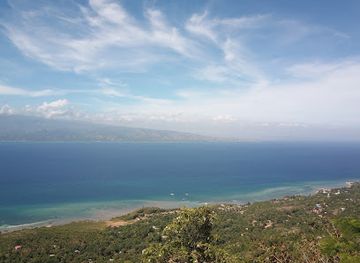
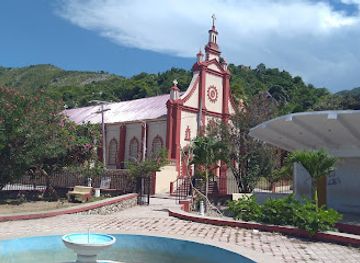
Môle-Saint-Nicolas is Nord-Ouest’s most recognisable historical landmark, its harbour and peninsula associated with Christopher Columbus’s 1492 landfall in the region. The bay’s strategic position at the entrance to the Windward Passage explains its importance to successive maritime powers and gives the settlement a strong geographical identity. Port-de-Paix’s waterfront and urban core are significant in a more living, everyday sense: they express the department’s role as a northern trading and transport centre, with the sea still shaping commerce and movement. Île de la Tortue is a major natural landmark, distinguished by its long, mountainous form offshore and its history within Caribbean maritime routes. Across the mainland, limestone ridges, dry valleys and exposed coastal headlands provide the physical backdrop that differentiates Nord-Ouest from Haiti’s wetter mountain districts. The region has fewer monumental buildings and formally presented heritage complexes than some Haitian destinations, so its landmarks are best understood through their setting, historical associations and relationship to local communities.
-
Historical place
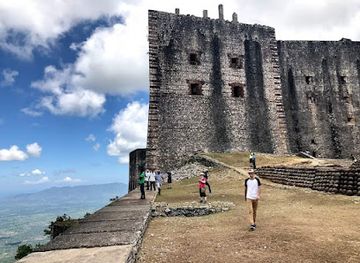
Laferriere Citadel
Discover the historic Laferriere Citadel, a majestic fortress in Haiti that offers stunning views and a deep dive into the country's rich history.
-
Catholic cathedral
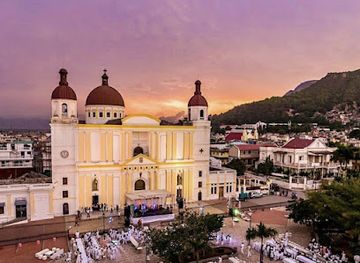
Notre-Dame of Cap-Haitian Cathedral
Discover the beauty and historical significance of Notre-Dame of Cap-Haitien Cathedral, a must-visit landmark in Haiti's vibrant Cap-Haitien.
-
Tourist attraction
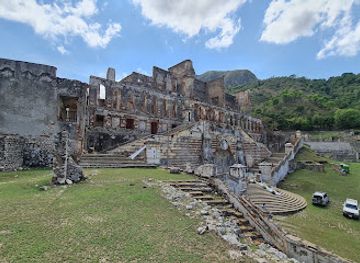
Sans Souci Palace
Discover the historical beauty of Sans Souci Palace, a UNESCO World Heritage Site and a symbol of Haiti's rich cultural heritage in Milot.
-
Memorial park
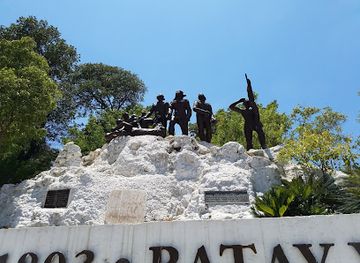
Heroes Monument of Vertières
Discover the Heroes Monument of Vertières, a poignant memorial celebrating Haiti's fight for independence amidst stunning natural beauty.
Explore Nord-Ouest on the map
Plan your trip on one map. See where the top cities, national parks and sights are, and book hotels and experiences in a few clicks.
Best hotels in Nord-Ouest
Best restaurants in Nord-Ouest
Dining in Nord-Ouest is closely tied to Haitian home cooking, market produce and the coastal economy. Port-de-Paix has the widest choice of informal eateries, cafés and small restaurants, while food in smaller towns and villages is more likely to be prepared in homes, guesthouses or modest local establishments. Rice and beans, plantains, poultry, goat, fish and seasonal vegetables are common elements of Haitian meals, with preparation varying between households. Along the coast, freshly caught fish and other seafood may be available, although supply depends on weather, landing times and refrigeration. Street snacks and market foods can include fried plantain, fritters and savoury pastries. Visitors should ask about ingredients, water and food handling, and carry provisions when travelling towards Môle-Saint-Nicolas or Île de la Tortue. Coffee, fruit drinks and locally produced rum belong to the wider Haitian culinary landscape, but availability and quality are not uniform. Meals are often social and unhurried; advance arrangements are sensible where accommodation is limited.
-
Restaurant
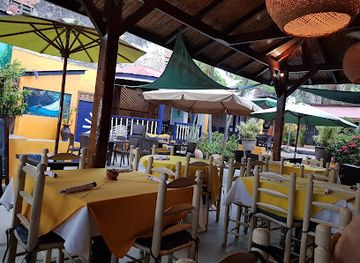
Lakay Restaurant
Discover the authentic taste of Haiti at Lakay Restaurant in Cap-Haitien, where traditional flavors meet warm hospitality.
-
Restaurant
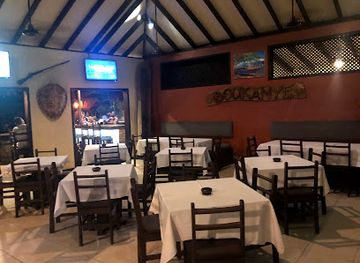
Boukanye
Discover authentic Haitian cuisine at Boukanye in Cap-Haitien – where every meal is a celebration of flavor and culture.
-
Restaurant
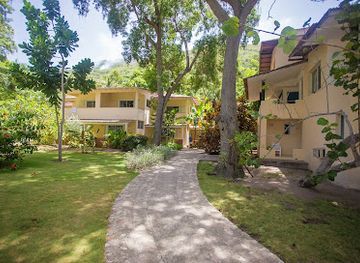
Cormier Beach Resort, Cap Haïtien, Haïti
Experience the beauty of Cap Haïtien at Cormier Beach Resort - where relaxation meets adventure on Haiti's stunning coastline.
-
Restaurant
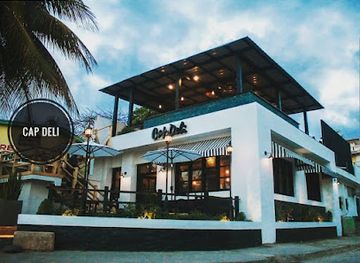
CAP DELI
Savor authentic Haitian flavors at Cap Deli in Cap-Haitien – where every meal tells a story.
Best bars in Nord-Ouest
Nord-Ouest has a modest evening scene, centred on informal bars, small restaurants, music and social gatherings rather than a substantial nightclub circuit. Port-de-Paix offers the greatest concentration of places to meet in the evening, but opening arrangements, power supply and security conditions can change. In smaller communities, evenings are more likely to revolve around family compounds, neighbourhood bars, church or community events and locally played music. Môle-Saint-Nicolas and Île de la Tortue are not dependable destinations for late-night entertainment, and visitors should plan to return to accommodation before dark unless travelling with trusted local guidance. Alcohol is available in some social settings, including beer and rum, but it is not necessary to participate in local life. Keep valuables out of sight, avoid isolated waterfront areas at night and confirm safe transport before leaving any venue.
-
Restaurant
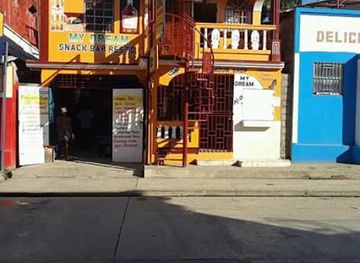
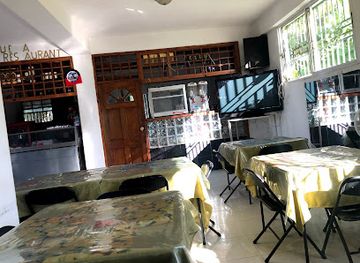
My Dream Snack Bar Resto
Experience the vibrant flavors of Haiti at My Dream Snack Bar Resto, a must-visit restaurant in Port-de-Paix for authentic local cuisine.
-
 Restaurant
Taty bar
Discover the vibrant flavors of Haiti at Taty Bar, a must-visit restaurant in Port-de-Paix offering authentic culinary delights and warm hospitality.
-
Restaurant
Carina Bar Restaurant
Discover the heart of Haitian cuisine at Carina Bar Restaurant in Port-de-Paix, where flavorful dishes and vibrant atmosphere await.
-
Bar
Solution bar-resto
Discover the lively ambiance of Solution Bar-Resto in Bombardopolis, where culture and flavor come together for an unforgettable experience.
Best nightclubs in Nord-Ouest
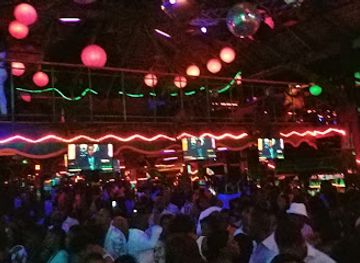
Nord-Ouest has a modest evening scene, centred on informal bars, small restaurants, music and social gatherings rather than a substantial nightclub circuit. Port-de-Paix offers the greatest concentration of places to meet in the evening, but opening arrangements, power supply and security conditions can change. In smaller communities, evenings are more likely to revolve around family compounds, neighbourhood bars, church or community events and locally played music. Môle-Saint-Nicolas and Île de la Tortue are not dependable destinations for late-night entertainment, and visitors should plan to return to accommodation before dark unless travelling with trusted local guidance. Alcohol is available in some social settings, including beer and rum, but it is not necessary to participate in local life. Keep valuables out of sight, avoid isolated waterfront areas at night and confirm safe transport before leaving any venue.
-
Hotel
Rendez-vous Hotel Club
Discover the charm of Port-de-Paix at Rendez-vous Hotel Club, where comfort and culture blend for an unforgettable Caribbean experience.
-
Night club
Esquina Latina
Experience the vibrant nightlife at Esquina Latina, Petion-Ville's premier night club, where music, dance, and culture come alive.
-
Night club
Bagay La Club
Immerse yourself in the vibrant nightlife of Cap-Haitien at Bagay La Club, where music, dance, and energy come together for an unforgettable experience.
-
Night club
Saxo Club
Experience the vibrant nightlife at Saxo Club in Petion-Ville, where local music and dancing create an unforgettable atmosphere.

Best shops in Nord-Ouest
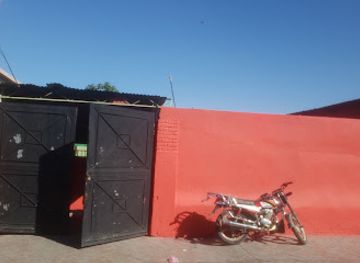
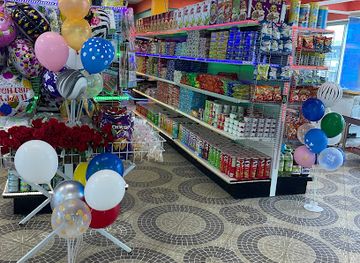
Shopping in Nord-Ouest is primarily practical and local, with Port-de-Paix providing the department’s broadest markets and supply shops. Visitors can browse stalls selling fresh produce, spices, household goods, clothing and prepared snacks, while smaller communities offer compact markets shaped by agricultural seasons and fishing activity. Useful regional purchases may include Haitian coffee, spices, rum or locally made food products, but quality, packaging and transport conditions vary, so perishable goods should be bought thoughtfully. Handicrafts and artwork may appear through informal sellers rather than established craft districts; ask permission before photographing makers or their work and confirm prices clearly. In rural areas, shopping is less about dedicated souvenirs than observing everyday commerce and purchasing directly from small vendors. Carry gourdes in small denominations, as card payments are uncommon and change may be limited. Port-de-Paix is the sensible place to obtain essentials before travelling towards Môle-Saint-Nicolas or Île de la Tortue.
-
Supermarket
Guernie Supermarché
Explore the vibrant flavors of Haiti at Guernie Supermarché, a local supermarket in Port-de-Paix offering a wide range of products and fresh produce.
-
Custom t-shirt store
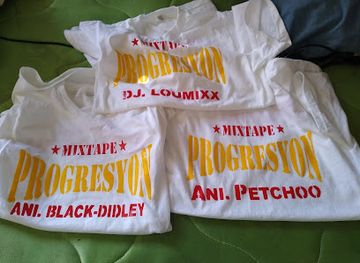
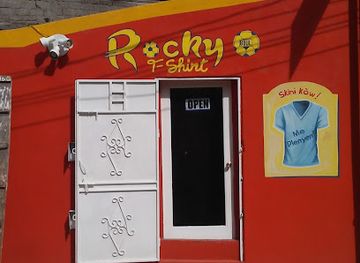
STEPH CHUCK Reflex Design
Explore the charm of Mole Saint-Nicolas at STEPH CHUCK Reflex Design, where you can create custom t-shirts that embody your unique travel experiences.
-
Shopping mall
TAP TAP Plus Multi Services
Explore TAP TAP Plus Multi Services: A vibrant shopping mall in Port-de-Paix, showcasing local culture and unique products.
-
Home goods store
Les femmes du Christ
Discover unique handcrafted treasures at Les Femmes du Christ in Mole Saint-Nicolas, where local culture meets exquisite home goods.
Get your free copy of our complete guide to Nord-Ouest, delivered straight to you.
Everything on this page, from attractions and restaurants to essentials and local phrases, in one PDF you can read offline, print or share.
Already have an account? Sign in
Your Nord-Ouest guide is ready.
We'll send it to · Not you? Sign out

Getting your guide ready…
We are putting together a fresh copy of the Nord-Ouest guide. This can take up to a minute.
This can take a few moments. If your browser asks, choose Allow so the download can start. You'll find the guide in your Downloads folder.
Nothing happened? Download it again
Sorry, the guide is taking longer than usual. Please try again in a minute, or get it by email instead.
Nord-Ouest essentials
Currency and Payment
Safety
Emergency Situations
Do's and Don'ts
Local Tips
From Eve
Local phrases worth knowing
You don't need to get them perfect. A few words go a long way, and locals appreciate the effort.
Basics
| English | Local | Say it |
|---|---|---|
| Hello | Alo | [ah-lo] |
| Goodbye | Orevwa | [oh-reh-vwah] |
| Yes | Wi | [wee] |
| No | Non | [non] |
| Please/You're welcome | Souple | [soo-pleh] |
| Thank you | Mesi | [meh-see] |
| Excuse me/Sorry | Eskize mwen | [es-kee-zeh mwen] |
| How are you? | Kijan ou ye? | [kee-zhan oo yeh] |
| Fine. And you? | Mwen byen. E ou? | [mwen byen. eh oo] |
| Do you speak English? | Eske ou pale Anglè? | [es-keh oo pah-leh ahn-gleh] |
| I don't understand | Mwen pa konprann | [mwen pah kon-pran] |
Eating & Drinking
| English | Local | Say it |
|---|---|---|
| I'd like to see the menu, please | Mwen ta renmen wè meni an, souple | [mwen tah ren-men weh meh-nee ahn, soo-pleh] |
| I don't eat meat | Mwen pa manje vyann | [mwen pah man-jeh vyahn] |
| Cheers! | Sante! | [sahn-teh] |
| I would like to pay, please | Mwen ta renmen peye, souple | [mwen tah ren-men peh-yeh, soo-pleh] |
Emergencies
| English | Local | Say it |
|---|---|---|
| Help! | Mete men! | [meh-teh men] |
| Go away! | Ale wete! | [ah-leh weh-teh] |
| Call the Police! | Rele polis la! | [reh-leh poh-lees lah] |
| Call a doctor! | Rele yon doktè! | [reh-leh yon dok-teh] |
| I'm lost | Mwen pèdi | [mwen peh-dee] |
| I'm ill | Mwen malad | [mwen mah-lahd] |
Shopping
| English | Local | Say it |
|---|---|---|
| I'd like to buy... | Mwen ta renmen achte... | [mwen tah ren-men ah-shtay...] |
| I'm just looking | Mwen jis ap gade | [mwen jees ap gah-deh] |
| How much is it? | Konbyen sa koute? | [kon-byen sah koo-teh] |
| That's too expensive | Sa twò chè | [sah troh sheh] |
| Can you lower the price? | Eske ou ka bese pri a? | [es-keh oo kah beh-seh pree ah] |
Time & Numbers
| English | Local | Say it |
|---|---|---|
| What time is it? | Ki lè sa ye? | [kee leh sah yeh] |
| It's one o'clock | Li se yèd tan | [lee seh yed tahn] |
| Half past (10) | Mid tan (10) | [mid tahn (diz)] |
| Morning | Maten | [mah-ten] |
| Afternoon | Apre-midi | [ah-preh mee-dee] |
| Evening | Swa | [swah] |
| Yesterday | Yè | [yeh] |
| Today | Jodi a | [jo-dee ah] |
| Tomorrow | Demèn | [deh-men] |
| 1 | Youn | [youn] |
| 2 | De | [deh] |
| 3 | Twa | [twah] |
| 4 | Katre | [kah-treh] |
| 5 | Senk | [sank] |
| 6 | Sis | [sees] |
| 7 | Sèt | [set] |
| 8 | Wit | [weet] |
| 9 | Nèf | [nehf] |
| 10 | Dis | [dees] |
Transport & Directions
| English | Local | Say it |
|---|---|---|
| Where's a/the...? | Kote yon/...? | [koh-teh yon/...?] |
| What's the address? | Ki adrès la? | [kee ah-dres lah] |
| Can you show me (on the map)? | Eske ou ka montre mwen (sou kat la)? | [es-keh oo kah mon-treh mwen (soo kaht lah)?] |
| When's the next (bus)? | Kilè pwochen (otobis)? | [kee-leh proh-shen (oh-toh-bees)?] |
| A ticket (to ....) | Yon tikè (pou ....) | [yon ti-keh (poo ....)] |
History of Nord-Ouest
Taíno Settlement and the Northern Coast
Before European colonisation, the region was inhabited by Taíno communities whose settlements and trading networks were connected to the wider Caribbean. The north-western coast, with its bays, islands and natural harbours, supported fishing, agriculture and movement by canoe. Much of the archaeological record remains less extensively presented to visitors than that of some better-known Caribbean sites, but the landscape itself helps explain why the area attracted successive maritime powers. Place names, coastal routes and the continuing importance of fishing all form part of a longer history that predates the arrival of Spain.
Columbus and Môle-Saint-Nicolas, 1492
Christopher Columbus reached the north-western Haitian coast during his first voyage across the Atlantic in December 1492. The bay of Môle-Saint-Nicolas is widely associated with his landfall in the area, although early voyage accounts and later interpretations make the precise location of every landing difficult to establish. The event nevertheless placed the coast within the first sustained phase of European exploration in the Caribbean. It was followed by Spanish occupation, the disruption of Indigenous societies and the introduction of new institutions, crops, animals and diseases.
French Colonisation and the Plantation Economy
During the seventeenth and eighteenth centuries, the western part of Hispaniola became the French colony of Saint-Domingue. The north-western coast and its offshore islands were drawn into a colonial economy based on plantation agriculture, maritime commerce and forced labour. Ports and anchorages served local trade and shipping, while the dry environment encouraged forms of cultivation and livestock keeping that differed from the wetter plantation districts farther east. Colonial landholding left a lasting imprint on settlement patterns, social divisions and the region’s relationship with the sea.
The Haitian Revolution and Independence
The uprising that began in 1791 transformed the colony and culminated in Haiti’s independence in 1804. People from the northern districts participated in the revolutionary upheaval, which dismantled French colonial rule and slavery. The north-western ports and roads became part of the new state’s struggle to secure territory, maintain food production and manage relations with foreign powers. Independence brought political sovereignty but also economic isolation, conflict over land and severe pressure on communities whose livelihoods had been shaped by the colonial system.
Nineteenth-Century Ports, Agriculture and Coastal Trade
After independence, places such as Port-de-Paix and Môle-Saint-Nicolas remained connected to coastal commerce, while inland communities relied on agriculture, livestock, charcoal production and local exchange. Trade in coffee, hides, food crops and other products linked the department to larger Haitian markets, although poor roads and difficult terrain limited integration. The coast also retained strategic importance because the Windward Passage carries shipping between the Caribbean and the Atlantic. This combination of maritime access and inland isolation has continued to shape the department’s economy.
Modern Mobility and Environmental Pressure
In the twentieth and twenty-first centuries, road building, migration, changing agricultural practices and expanding regional commerce altered life in Nord-Ouest without removing its structural difficulties. Recurrent drought, soil erosion, deforestation and exposure to storms have placed pressure on farming and water supplies. Port-de-Paix has grown as the department’s principal service and trading centre, while smaller communities remain dependent on fragile transport links and remittances. Contemporary Nord-Ouest is therefore shaped both by its long maritime history and by the practical challenges of development in a dry, comparatively remote region.
Nord-Ouest in Photos
Browse through our photo collection highlighting the charm and character of the destination.
Neighbouring regions of Nord-Ouest
The closest regions to Nord-Ouest, if you have time for more than one.
-
-

-

-

-


Swipe for more regions
Explore more

Explore more of Haiti
Discover Haiti: A Caribbean gem with vibrant culture, rich history, stunning landscapes, and a unique culinary scene.
Explore Haiti