

Free Centre Travel Guide & Mobile App
Explore Centre with free travel guides. Discover regional history, expert tips, proposed trips, and audio guides on web or mobile app.


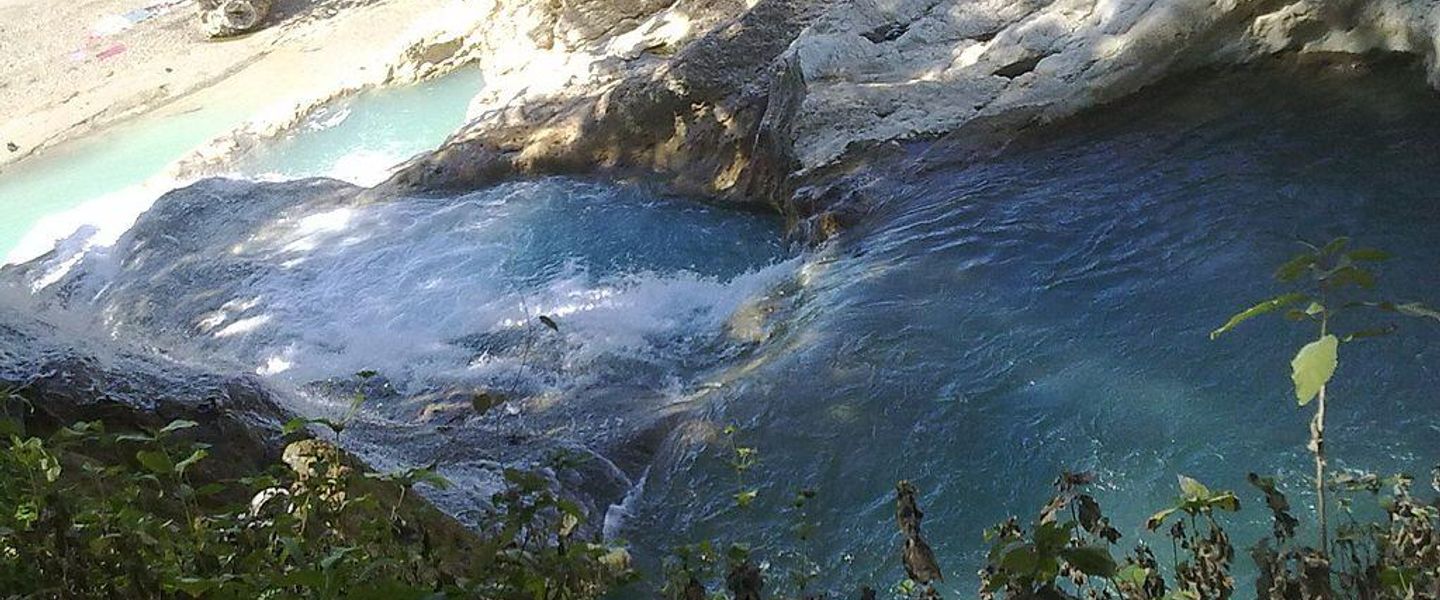


Explore Centre Haiti for Hinche, Lake Péligre, Bassin Zim, Saut-d’Eau and the rural landscapes of the Artibonite highlands.
Read more about Centre
When is the best time to visit Centre?
Best: December–February · 28°C| Month | High (°C) | Rainfall (mm) |
|---|---|---|
| January (best) | 28 | 12 |
| February (best) | 28 | 10 |
| March | 29 | 14 |
| April | 30 | 25 |
| May | 30 | 45 |
| June | 30 | 55 |
| July | 31 | 65 |
| August | 31 | 75 |
| September | 30 | 85 |
| October | 30 | 45 |
| November | 29 | 25 |
| December (best) | 28 | 15 |
Getting to and around Centre
How to get there
Transportation
Top city travel guides in Centre
The cities of Centre, and the easiest places to base yourself.
-

-

-


Swipe for more cities
Destinations in Centre
Resorts, valleys and scenic spots worth a trip of their own.

Swipe for more destinations
Best attractions in Centre
Centre’s attractions are primarily landscape-based and cultural rather than built as a formal tourism circuit. Bassin Zim, near Hinche, is known for its waterfall, pools, limestone scenery and cave-like formations, although access and facilities can vary. Saut-d’Eau combines a waterfall setting with one of Haiti’s best-known pilgrimage traditions, drawing visitors to a landscape considered sacred by many participants. Lake Péligre offers a striking reservoir landscape among the central mountains and an opportunity to understand the scale of Haiti’s modern hydroelectric infrastructure. Hinche and Mirebalais provide markets, street life and everyday views of agricultural commerce, while Lascahobas and the eastern districts offer routes through the plateau towards the Dominican frontier. Outdoor visits should be planned with local advice because paths, river crossings and road approaches can change after rainfall. The department is also suited to visitors interested in rural Haiti, local religious culture, farming landscapes and the memory of Charlemagne Péralte, rather than those seeking a dense concentration of staffed museums or polished visitor facilities.
-
Tourist attraction
Chutes de Saut d'Eau, Centre, Haiti
Experience the breathtaking beauty of Chutes de Saut d'Eau, a hidden gem in Haiti featuring stunning waterfalls and lush landscapes for nature lovers.
-
Amusement center
Place Pétion
Discover the excitement of Place Pétion, an amusement center in Gonaïves offering thrilling rides and fun-filled activities for all ages.
-
Amusement center
Place d'Armes de la Ville des Gonaïves
Explore the vibrant Place d'Armes in Gonaïves, a cultural hub filled with local flavors, crafts, and joyful community gatherings.
-
Amusement center
Place Bouteille
Experience the vibrant culture and thrilling entertainment at Place Bouteille, the heart of amusement in Gonaïves, Haiti.


Best landmarks in Centre
Lake Péligre is Centre’s most prominent engineered landmark, a large reservoir held by the Péligre Dam on the Artibonite and surrounded by steep, folded terrain. It represents Haiti’s post-war development ambitions as well as the profound physical and social changes caused by major infrastructure. Bassin Zim near Hinche is a natural landmark whose waterfall, limestone formations and enclosed pools give it a strong visual identity within the surrounding agricultural countryside. Saut-d’Eau’s waterfall is both a geographical feature and a sacred place associated with pilgrimage, making its significance cultural as well as natural. Hinche’s importance as an inland administrative and commercial centre is reflected in its public spaces, roads and markets, while the town’s association with Charlemagne Péralte gives the wider area national political symbolism. Across the department, the Artibonite valleys, plateau roads and mountain horizons are landmarks in their own right, revealing the geography that has directed settlement, farming and movement for generations.
-
Island
Hispaniola
Explore the enchanting Hispaniola Island, where rich history meets stunning landscapes and vibrant cultures in the heart of the Caribbean.
-
Park
Champ de Mars
Experience the heart and soul of Port-au-Prince at Champ de Mars, a lively park filled with culture, history, and vibrant local life.
-
Historical place
Laferriere Citadel
Explore Laferriere Citadel: A breathtaking historical fortress in Haiti offering stunning views and rich cultural heritage.
-
Catholic cathedral
Notre-Dame of Cap-Haitian Cathedral
Explore the majestic Notre-Dame of Cap-Haitien Cathedral, a stunning symbol of Haiti's architectural and cultural heritage in the heart of Cap-Haitien.


Explore Centre on the map
Plan your trip on one map. See where the top cities, national parks and sights are, and book hotels and experiences in a few clicks.
Best hotels in Centre
Best restaurants in Centre
Dining in Centre is closely linked to Haitian home cooking, market trade and the agricultural products of the Artibonite and central plateau. In Hinche and Mirebalais, small restaurants and informal eateries commonly serve rice and beans, stewed meat, poultry, fried plantain, pikliz and vegetable dishes, while roadside vendors offer simple meals and snacks according to the day’s supply. Rice is especially important in the wider Artibonite food economy, complemented by maize, beans, root vegetables and seasonal fruit. Coffee and sugar-based drinks may appear alongside soft drinks, while fresh juices depend on availability and hygiene conditions. Rural markets are useful for observing local produce, but visitors should choose cooked food that is served hot and drink treated or sealed water. Dining tends to be informal, and menus may not be printed, so a local guide or host can help explain ingredients, portion sizes and prices.
-
Italian
Portofino
Discover authentic Italian flavors at Portofino in Petion Ville - an exquisite dining experience awaits you.
-
Haitian
Jojo Restaurant
Discover authentic Haitian cuisine at Jojo Restaurant in Pétion-Ville - where every dish tells a story.
-
Lebanese
Magdoos Restaurant
Experience authentic Lebanese and Mediterranean flavors at Magdoos Restaurant in Petion-Ville - a culinary haven for every tourist.
-
Sushi
Haiku
Experience authentic sushi at Haiku in Pétion-Ville – where tradition meets innovation in every delicious bite.



Best bars in Centre
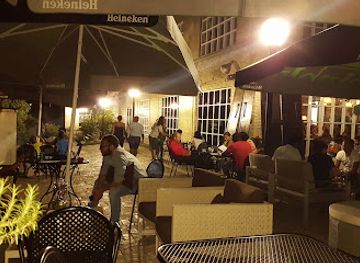
Nightlife in Centre is modest and concentrated in towns rather than organised around a major club district. Hinche and Mirebalais have informal bars, restaurants and music-led evening venues where people gather for conversation, Haitian popular music and televised events. In smaller communities, evenings are more likely to centre on family visits, local celebrations or a neighbourhood bar than on late-night entertainment. Saut-d’Eau becomes considerably busier during its July pilgrimage period, when religious activity, music and temporary commerce alter the town’s normal rhythm, but visitors should not assume that this creates a permanent nightlife scene. Ask locally about safe, operating venues, avoid displaying cash and arrange transport back to accommodation before going out. Alcohol is available, but experiencing Centre does not depend on drinking; respectful participation in local social life is more important than seeking a conventional nightlife circuit.
-
Live music bar
Le coin Bar
Discover the lively atmosphere and vibrant music scene at Le Coin Bar in Hinche, where culture and entertainment blend seamlessly.
-
Bar
Smart Bar
Enjoy the lively nightlife at Smart Bar in Hinche, where vibrant music and refreshing drinks create an unforgettable atmosphere.
-
 Live music bar
Family Bar Resto
Discover the lively ambiance and rich culture at Family Bar Resto, a premier live music destination in Source Colas, offering delicious food and unforgettable performances.
-
Bar
Chez Kino Bar
Discover the vibrant atmosphere and delectable drinks at Chez Kino Bar, a top spot for nightlife in Durocher, Haiti.


Best nightclubs in Centre
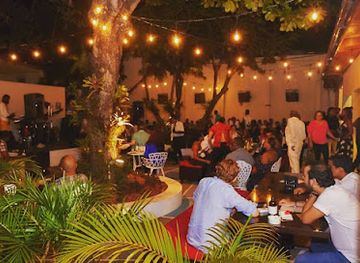
Nightlife in Centre is modest and concentrated in towns rather than organised around a major club district. Hinche and Mirebalais have informal bars, restaurants and music-led evening venues where people gather for conversation, Haitian popular music and televised events. In smaller communities, evenings are more likely to centre on family visits, local celebrations or a neighbourhood bar than on late-night entertainment. Saut-d’Eau becomes considerably busier during its July pilgrimage period, when religious activity, music and temporary commerce alter the town’s normal rhythm, but visitors should not assume that this creates a permanent nightlife scene. Ask locally about safe, operating venues, avoid displaying cash and arrange transport back to accommodation before going out. Alcohol is available, but experiencing Centre does not depend on drinking; respectful participation in local social life is more important than seeking a conventional nightlife circuit.
-
Bar
FUBAR
Experience the vibrant nightlife of Petion-Ville at FUBAR, where creative cocktails and electrifying music set the stage for unforgettable nights.
-
Bar
Asu Rooftop Lounge
Experience breathtaking views and exquisite cocktails at Asu Rooftop Lounge, the perfect bar for unwinding in Port-au-Prince.
-
Disco club
Le Manguier
Experience the pulsating nightlife at Le Manguier in Hinche, Haiti – where dance, music, and culture collide for an unforgettable evening.
-
Night club
Esquina Latina
Immerse yourself in the vibrant nightlife of Petion-Ville at Esquina Latina, where music, dance, and culture come alive in an unforgettable setting.


Best shops in Centre
Shopping in Centre is centred on markets, roadside stalls and town high streets rather than large modern retail complexes. Hinche and Mirebalais are the principal places to browse produce, clothing, household goods, prepared foods and practical supplies, with market activity generally liveliest earlier in the day. Visitors may find rice, beans, maize, fruit, spices and locally prepared foods from the agricultural districts, although packaging and transport conditions mean that perishable purchases require care. Small craft items, woven goods and Haitian artworks may be available through local contacts, but selection is less predictable than in Port-au-Prince or established coastal tourist centres. Saut-d’Eau develops additional temporary commerce during pilgrimage periods, when vendors sell food, devotional objects and everyday goods. Bargain politely, confirm prices before buying and carry Haitian gourdes in small denominations. Shopping is best approached as an insight into local commerce rather than as a dedicated souvenir itinerary.
-
Shopping mall
Centre Commercial Tanis/Jumelle
Discover the vibrant shopping experience at Centre Commercial Tanis/Jumelle, a true gem in Port-au-Prince's retail landscape.
-
Produce market
MarlèneCenter
Discover the vibrant MarlèneCenter in Mirebalais, where fresh produce and local culture converge for an authentic Haitian market experience.
-
Electronics store
BALOCELL
Discover Balocell in Durocher, Haiti—the ultimate destination for electronics shopping, offering quality products and exceptional service.
-
Store
CACIQUE Store
Experience the vibrant culture of Haiti at CACIQUE Store, your go-to destination for youth fashion, electronics, and local delicacies.


Get your free copy of our complete guide to Centre, delivered straight to you.
Everything on this page, from attractions and restaurants to essentials and local phrases, in one PDF you can read offline, print or share.
Already have an account? Sign in
Your Centre guide is ready.
We'll send it to · Not you? Sign out

Getting your guide ready…
We are putting together a fresh copy of the Centre guide. This can take up to a minute.
This can take a few moments. If your browser asks, choose Allow so the download can start. You'll find the guide in your Downloads folder.
Nothing happened? Download it again
Sorry, the guide is taking longer than usual. Please try again in a minute, or get it by email instead.
Centre essentials
Currency and Payment
Safety
Emergency Situations
Do's and Don'ts
Local Tips
From Eve
Local phrases worth knowing
You don't need to get them perfect. A few words go a long way, and locals appreciate the effort.
Basics
| English | Local | Say it |
|---|---|---|
| Hello | Bonjou | [bɔ̃ʒu] |
| Goodbye | Orevwa | [oʁevwa] |
| Yes | Wi | [wi] |
| No | Non | [nɔ̃] |
| Please/You're welcome | Tanpri | [tɑ̃pʁi] |
| Thank you | Mèsi | [mɛsi] |
| Excuse me/Sorry | Eskize mwen | [ɛzkiˈze mwɛ̃] |
| How are you? | Kijan ou ye? | [kiʒɑ̃ u je] |
| Fine. And you? | Mwen byen. E ou? | [mɛ̃ bjɛ̃ e u] |
| Do you speak English? | Eske ou pale angle? | [ɛske u palɛ ɑ̃ɡlɛ] |
| I don't understand | Mwen pa konprann | [mɛ̃ pa kɔ̃pʁɑ̃] |
Eating & Drinking
| English | Local | Say it |
|---|---|---|
| I'd like to see the menu, please | Mwen ta renmen wè meni an, tanpri | [mɛ̃ ta ʁɛnˈmɛn we mɛni ɑ̃ tɑ̃pʁi] |
| I don't eat meat | Mwen pa manje vyann | [mɛ̃ pa mɑ̃ʒe vjɑ̃] |
| Cheers! | Sante! | [sɑ̃te] |
| I would like to pay, please | Mwen ta renmen peye, tanpri | [mɛ̃ ta ʁɛnˈmɛn peje tɑ̃pʁi] |
Emergencies
| English | Local | Say it |
|---|---|---|
| Help! | S.O.S! | [ɛs.o.ɛs] |
| Go away! | Ale w! | [ale w] |
| Call the Police! | Rele lapolis! | [ʁele lapɔlis] |
| Call a doctor! | Rele yon doktè! | [ʁele jɔ̃ dɔkte] |
| I'm lost | Mwen pèdi | [mɛ̃ pɛʁdi] |
| I'm ill | Mwen malad | [mɛ̃ malad] |
Shopping
| English | Local | Say it |
|---|---|---|
| I'd like to buy... | Mwen ta renmen achte... | [mɛ̃ ta ʁɛnˈmɛn aʃte] |
| I'm just looking | Mwen ap gade sèlman | [mɛ̃ ap ɡɑde sɛləmɑ̃] |
| How much is it? | Konbyen sa koute? | [kɔ̃bjen sa kutɛ] |
| That's too expensive | Sa twò chè | [sa tʁo ʃɛ] |
| Can you lower the price? | Eske ou ka bese pri a? | [ɛske u ka bɛse pʁi a] |
Time & Numbers
| English | Local | Say it |
|---|---|---|
| What time is it? | Ki lè sa ye? | [ki le sa je] |
| It's one o'clock | Se 1 èdtan | [se œ̃ ɛdtɑ̃] |
| Half past (10) | Midòz (10) | [midɔz (dɛ)] |
| Morning | Matin | [matɛ̃] |
| Afternoon | Apre midi | [apʁe midi] |
| Evening | Swa | [swa] |
| Yesterday | Yè | [je] |
| Today | Jodi a | [ʒodi a] |
| Tomorrow | Demain | [dəmɛ̃] |
| 1 | 1 | [œ̃] |
| 2 | 2 | [dø] |
| 3 | 3 | [tʁwa] |
| 4 | 4 | [kaʁ] |
| 5 | 5 | [sɛ̃k] |
| 6 | 6 | [sis] |
| 7 | 7 | [sɛt] |
| 8 | 8 | [wɥit] |
| 9 | 9 | [nœf] |
| 10 | 10 | [dɛ] |
Transport & Directions
| English | Local | Say it |
|---|---|---|
| Where's a/the...? | Kote a/the...? | [kote a/the] |
| What's the address? | Ki adrès la? | [ki adʁɛs la] |
| Can you show me (on the map)? | Eske ou ka montre mwen (sou kat la)? | [ɛske u ka mɔ̃tʁe mɛ̃ (su kat la)] |
| When's the next (bus)? | Kilè pwochen (bis la)? | [kile pʁɔʃɛn (bis la)] |
| A ticket (to ....) | Yon tikè (pou ....) | [jɔ̃ tikɛ (pu)] |
History of Centre
Taíno and Indigenous Landscapes
Before European colonisation, the interior of Hispaniola was inhabited by Taíno communities whose settlements, farming systems and routes connected valleys and uplands across what is now Haiti and the Dominican Republic. Much of the surviving archaeological record has been damaged or insufficiently studied, yet the central plateau’s rivers, caves and fertile soils remain evidence of why the region supported settled life. Indigenous place histories were later overlaid by Spanish, French and African influences.
Colonial Frontier and Plantation Expansion
Centre developed on the inland margins of the French colony of Saint-Domingue, whose wealth depended on plantation agriculture and enslaved African labour. The department was not shaped in the same way as the densely planted northern and western plains, but its valleys and routes linked cultivated districts, livestock areas and frontier settlements. Colonial rule also brought violent displacement, racial hierarchy and the religious and cultural conditions from which modern Haitian society emerged.
The Haitian Revolution and Independence
The revolution that began in 1791 transformed the whole colony, including the central interior. Enslaved people, formerly free people of colour and competing military forces contested control of roads, farms and settlements. Independence in 1804 created Haiti as the first independent Black republic, but the new state inherited a damaged agricultural economy and difficult relations with foreign powers. Centre’s location between the capital region, the Artibonite and the eastern frontier gave it continuing strategic importance.
Hinche and the Eastern Frontier
The central plateau has long been influenced by its proximity to the Dominican Republic, with movement, commerce and family ties crossing the frontier despite changing political controls. Hinche became an important Haitian town in this eastern interior and a centre of administration and trade. The borderlands also experienced periods of tension, restricted movement and economic exchange, making Centre’s history inseparable from the changing relationship between the two countries sharing Hispaniola.
Charlemagne Péralte and the U.S. Occupation
Centre is closely associated with Charlemagne Péralte, a Haitian nationalist born in Hinche who became one of the leading figures of resistance to the United States occupation of Haiti from 1915 to 1934. Péralte organised armed opposition in the countryside and became a powerful symbol of sovereignty after his death in 1919. His legacy remains particularly significant in Hinche and in national discussions of occupation, resistance and Haitian political independence.
Péligre Dam and the Modern Artibonite
Construction of the Péligre Dam on the Artibonite during the 1950s marked a major shift in Centre’s infrastructure and economy. The hydroelectric project was intended to provide power and support national development, while also transforming a mountain valley and affecting communities in the reservoir area. The dam remains an important piece of Haiti’s modern infrastructure, and Lake Péligre illustrates both the ambitions and the social costs of large development projects.
Agriculture, Migration and Contemporary Centre
In the contemporary department, farming, local commerce and cross-border exchange remain central to daily life. Rice cultivation in the Artibonite system, alongside maize, beans, livestock and market gardening, supports many households, although drought, storms, soil loss and limited infrastructure create persistent pressures. Migration to Port-au-Prince, other Haitian departments and the Dominican Republic has also shaped family economies. Centre’s present character therefore reflects both rural continuity and extensive movement.
Centre in Photos
Browse through our photo collection highlighting the charm and character of the destination.
Neighbouring regions of Centre
The closest regions to Centre, if you have time for more than one.
-

-

-
-

-


Swipe for more regions
Explore more

Explore more of Haiti
Discover Haiti: A Caribbean gem with vibrant culture, rich history, stunning landscapes, and a unique culinary scene.
Explore Haiti