

Hawaii (Big Island), Hawaii Travel Guide
Discover the Big Island of Hawaii: A land of active volcanoes, lush rainforests, pristine beaches, and rich cultural heritage.
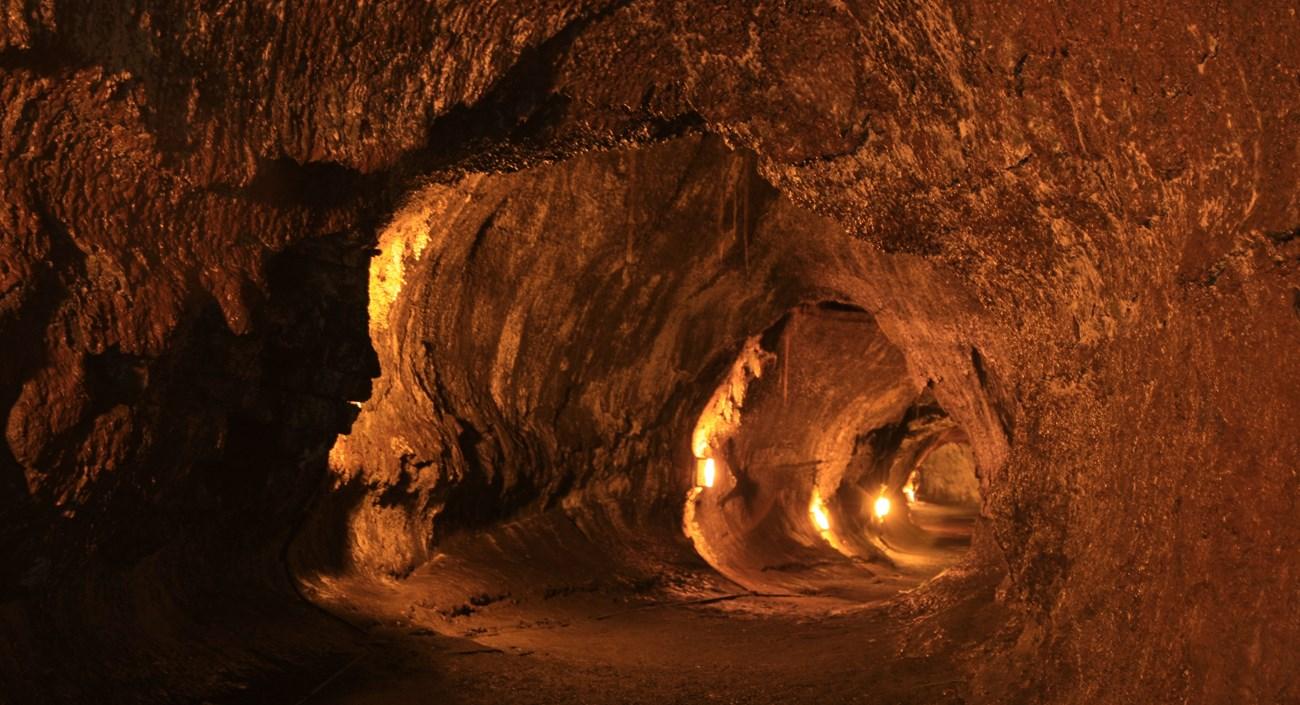
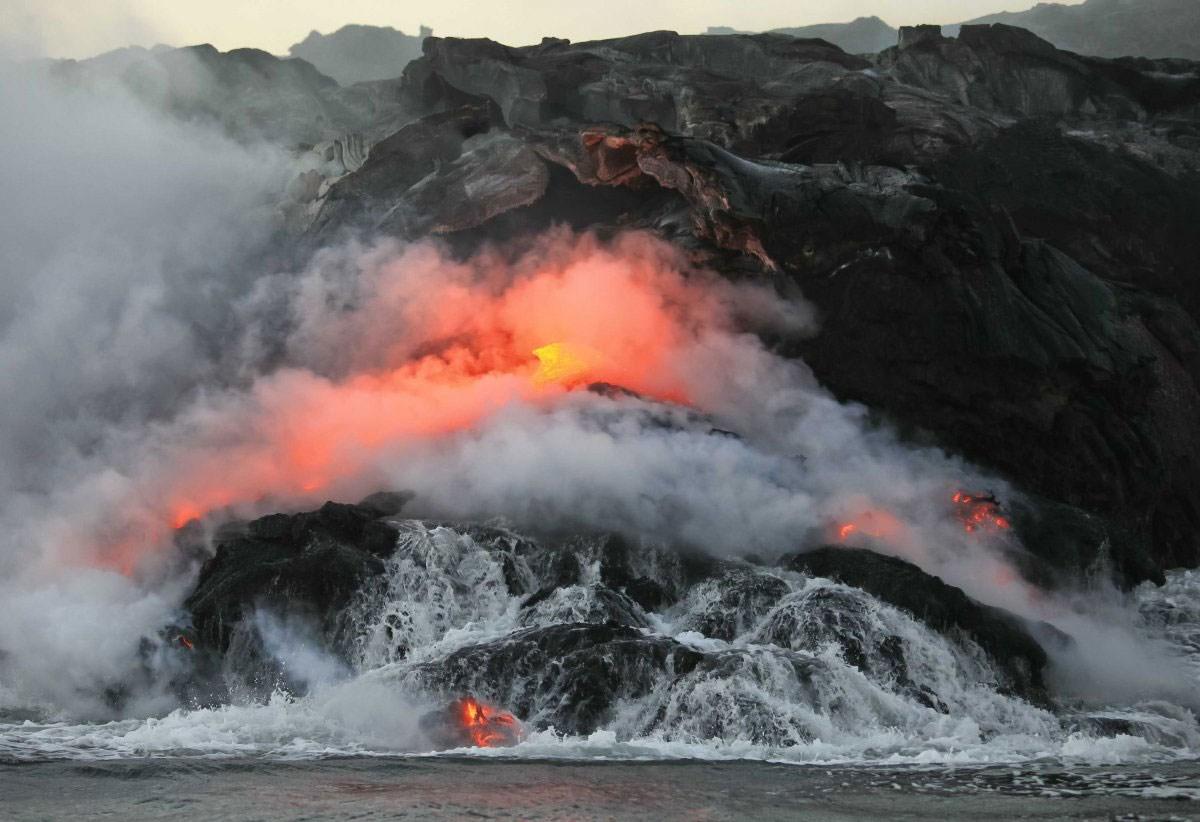
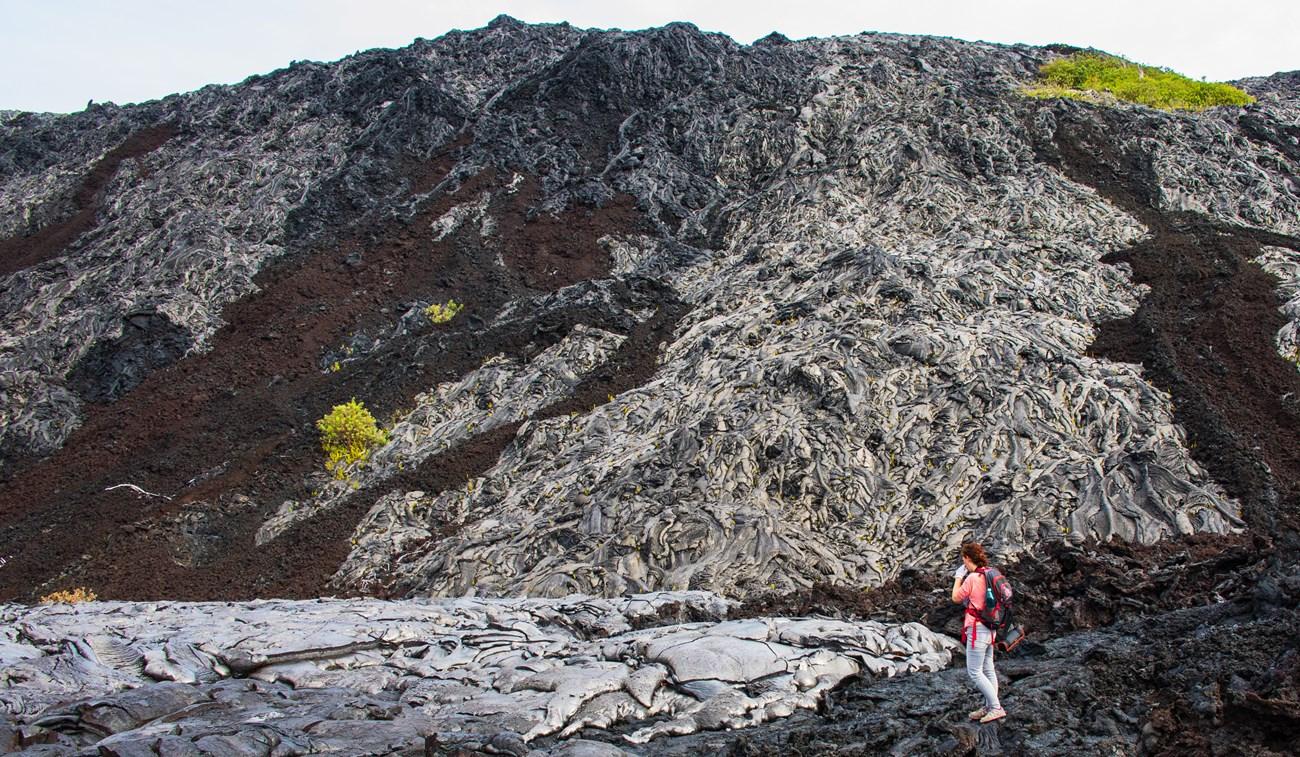
The Big Island of Hawaii, officially known as Hawai'i Island, is the largest and youngest of the Hawaiian archipelago. It is a paradise teeming with natural wonders, from active volcanoes to lush rainforests and pristine beaches. This island offers a unique blend of adventure and relaxation, making it an ideal destination for all types of travelers. One of the most captivating features of the Big Island is its diverse landscapes. Here, you can explore the volcanic terrains of Hawaii Volcanoes National Park, where Kilauea, one of the world's most active volcanoes, continuously shapes the land. The park also offers hiking trails, lava tubes, and the chance to witness the raw power of nature. For those seeking tranquility, the island's stunning beaches provide the perfect escape. Whether you prefer the black sands of Punalu'u Beach or the white sands of Hapuna Beach, the coastal scenery is breathtaking. Snorkeling and diving enthusiasts will find the waters around the Big Island rich with marine life, including the chance to swim with manta rays and sea turtles. Cultural experiences abound on the Big Island, with numerous historical sites and vibrant local traditions. Visit the Pu'uhonua o Honaunau National Historical Park to learn about ancient Hawaiian culture and the island's royal history. The town of Hilo offers a charming glimpse into local life, with its farmers' markets, botanical gardens, and art galleries. No visit to the Big Island would be complete without experiencing its night skies. The island's Mauna Kea Observatory is one of the world's premier astronomical sites. Here, you can stargaze at the summit, where the clarity of the night sky offers a view of the cosmos unlike any other.

Know before you go
Hi, I'm Eve. Here are a few practical things to know before exploring Hawaii (Big Island).
- Renting a car is highly recommended as public transportation is limited and many attractions are spread out.
- Visit Hawaii Volcanoes National Park early in the morning to avoid crowds and enjoy cooler temperatures.
- Pack layers as the island's climate varies significantly from the coast to the volcanic summits.
- Respect local customs and natural sites, especially sacred places like Mauna Kea and Pu'uhonua o Honaunau.
- Try local foods such as poke, laulau, and fresh tropical fruits from farmers' markets.


Best restaurants in Hawaii (Big Island)
Top-rated picks
Best Restaurants

Rainforest Cafe
Discover an immersive jungle-themed restaurant experience at Rainforest Cafe in Grapevine, Texas—perfect for family outings and adventurous dining.

Golden Corral Buffet & Grill
Discover endless delicious options at Golden Corral Buffet & Grill – where family-friendly dining meets affordable prices in St. Louis.

Cinemark Tinseltown Grapevine and XD
Discover cinematic excellence at Cinemark Tinseltown Grapevine - enjoy the latest films with state-of-the-art amenities and tasty snacks.

Hawaiian Bros Island Grill
Discover authentic Hawaiian cuisine at Hawaiian Bros Island Grill, where island flavors meet warm hospitality in O'Fallon.

Best bars in Hawaii (Big Island)
Top-rated picks
Best Bars

Islands Restaurant Long Beach Pike
Experience the vibrant flavors of American cuisine at Islands Restaurant Long Beach Pike, where every meal feels like a tropical getaway.

Islands Restaurant Redondo Beach
Experience the best of American coastal cuisine at Islands Restaurant Redondo Beach, where delicious burgers and refreshing cocktails await you.

Islands Restaurant Mission Valley
Experience a delightful blend of American cuisine and tropical vibes at Islands Restaurant Mission Valley, perfect for families and friends.

Islands Restaurant Westchester
Experience the vibrant flavors of Islands Restaurant Westchester, a family-friendly American dining destination with a tropical twist in Los Angeles.


Best shops in Hawaii (Big Island)
Top-rated picks
Best Shops

Honolulu Cookie Company
Experience the sweetness of Hawaii at the Honolulu Cookie Company in Las Vegas, offering delicious cookies and unique Hawaiian gifts.

Kona Coffee Roasters | Chelsea
Experience the essence of Hawaiian coffee culture at Kona Coffee Roasters in Chelsea, NYC, where every sip transports you to the islands.

Explore Hawaii (Big Island) on the Map
A handpicked selection of must-see spots in Hawaii (Big Island), mapped for you.
Hawaii (Big Island) Essentials
-
Hawaii (Big Island) is serviced by two main airports: Kona International Airport (KOA) on the west coast and Hilo International Airport (ITO) on the east coast. Direct flights are available from major US cities as well as connections from other Hawaiian islands. Car rentals, taxis, and shuttles are available at both airports for onward travel.
-
The best way to explore the Big Island is by renting a car, given its size and the spread of attractions. Public buses operated by Hele-On can take you to major towns, but service can be infrequent. Taxis and ride-hailing services like Uber are available in larger towns. Biking is also an option for shorter distances, particularly in Kona and Hilo.
-
The official currency is the US Dollar (USD). Credit and debit cards are widely accepted, but it's advisable to carry some cash, especially for smaller establishments and remote areas. ATMs are available throughout the island, primarily in larger towns and tourist areas.
-
Hawaii (Big Island) is generally safe for tourists. However, it's wise to take standard precautions. Avoid leaving valuables in your car, especially at beach parks and trailheads. Areas such as Pahoa and some parts of Hilo have higher crime rates, particularly for petty theft. Always stay aware of your surroundings and avoid isolated areas after dark.
-
In case of emergency, dial 911 for police, fire, or medical assistance. Major hospitals are located in Hilo and Kona. Urgent care clinics are available in smaller towns. It's recommended to have travel insurance that includes coverage for medical emergencies. Local pharmacies can provide over-the-counter medications for minor health issues.
-
Fashion: Do wear casual and comfortable clothing suited for warm weather. Don't wear swimwear away from the beach or pool areas. Religion: Do respect local customs and traditions, especially when visiting religious sites. Public Transport: Do be courteous to drivers and other passengers. Don't expect public transport to be punctual. Greetings: Do greet people with a friendly 'Aloha.' Handshakes are also common. Eating & Drinking: Do try local dishes such as poke and loco moco. Don't refuse the offer of food or drink as it may be considered impolite.
-
To experience the Big Island like a local, visit the Farmers Markets in Hilo and Kona for fresh produce and local crafts. Attend a traditional Hawaiian luau to enjoy local food and culture. Explore off-the-beaten-path beaches like Makalawena and Kiholo Bay. Engage with locals who are often willing to share their knowledge of the island's history and hidden gems.
-
Hawaii (Big Island) has a diverse climate, ranging from tropical on the coasts to arid in the Kona area and even snowy on Mauna Kea. The west side is generally sunnier and drier, while the east side receives more rain. Always check the weather forecast before planning outdoor activities.
When is the best time to visit Hawaii (Big Island)?
Useful Local Phrases for Hawaii (Big Island)
You don't need to speak the language perfectly. Even learning a few simple words can make conversations warmer—and locals usually appreciate the effort.
— Eve

Here are the phrases I use most often in Hawaii (Big Island). Try a few—you'll be surprised how far they go! 😊
❤️
-
- HelloAloha
[ah-loh-hah] - GoodbyeA hui hou
[ah hoo-ee hoh] - YesĀe
[ah-eh] - NoAʻole
[ah-oh-leh] - Please/You're welcomeE ʻoluʻolu
[eh oh-loo-oh-loo] - Thank youMahalo
[mah-hah-loh] - Excuse me/SorryE kala mai
[eh kah-lah mai] - How are you?Pehea ʻoe?
[peh-heh-ah oh-eh] - Fine. And you?Maikaʻi. A ʻoe?
[mai-kah-ee. ah oh-eh] - Do you speak English?E ʻōlelo ana ʻoe i ka ʻŌlelo Pelekane?
[eh oh-leh-loh ah-nah oh-eh ee kah oh-leh-loh peh-leh-kah-neh] - I don't understandAʻole au e ʻike
[ah-oh-leh ow eh ee-keh]
- HelloAloha
-
- I'd like to see the menu, pleaseE makemake au e nānā i ka menu, e ʻoluʻolu
[eh mah-kah-meh ow eh nah-nah ee kah meh-noo, eh oh-loo-oh-loo] - I don't eat meatAʻole au e ʻai i ka mea ʻai
[ah-oh-leh ow eh ai ee kah meh-ah ai] - Cheers!Kampai!
[kahm-pie] - I would like to pay, pleaseE makemake au e uku, e ʻoluʻolu
[eh mah-kah-meh ow eh oo-koo, eh oh-loo-oh-loo]
- I'd like to see the menu, pleaseE makemake au e nānā i ka menu, e ʻoluʻolu
-
- Help!Kōkua!
[koh-koo-ah] - Go away!E hele aku!
[eh heh-leh ah-koo] - Call the Police!K calling i ka Pōtu!
[kah call-ee i kah poh-too] - Call a doctor!K calling i ke kauka!
[kah call-ee i keh kau-kah] - I'm lostUa nalowale au
[oo-ah nah-loh-wah-leh ow] - I'm illUa maʻi au
[oo-ah mah-ee ow]
- Help!Kōkua!
-
- I'd like to buy...E makemake au e kūʻai...
[eh mah-kah-meh ow eh koo-eye] - I'm just lookingKe nānā wale nō au
[keh nah-nah vah-leh noh ow] - How much is it?Ehia ka mea?
[eh-hee-ah kah meh-ah] - That's too expensiveO nā mea ʻoi aku ka ʻoluʻolu
[oh nah meh-ah oy ah-koo kah oh-loo-oh-loo] - Can you lower the price?E hiki anei iā ʻoe ke hoʻemi i ke kumukūʻai?
[eh hee-kee ah-neh ee-yah oh-eh keh hoh-eh-mee ee keh koo-moo-koo-eye]
- I'd like to buy...E makemake au e kūʻai...
-
- What time is it?O nā hora ʻē a laila?
[oh nah hoh-rah eh eh lai-lah] - It's one o'clockO ka hola ʻekahi
[oh kah hoh-lah eh-kah-hee] - Half past (10)Umi a i hoʻokahi
[oo-mee ah ee hoh-oh-kah-hee] - MorningKakahiaka
[kah-kah-hee-ah-kah] - AfternoonPopo
[poh-poh] - EveningAhiahi
[ah-hee-ah-hee] - YesterdayI nehinei
[ee neh-hee-neh] - TodayI kēia lā
[ee keh-ee-ah lah] - TomorrowI ka lā ʻapōpō
[ee kah lah ah-poh-poh] - 1Kahi
[kah-hee] - 2Elua
[eh-loo-ah] - 3Ekolu
[eh-koh-loo] - 4Eha
[eh-hah] - 5Elima
[eh-lee-mah] - 6Eono
[eh-oh-noh] - 7E七
[eh-nah] - 8Ewalu
[eh-wah-loo] - 9Eiwa
[eh-ee-vah] - 10Umi
[oo-mee]
- What time is it?O nā hora ʻē a laila?
-
- Where's a/the...?Aia i/he...?
[ah-ee-ah ee/heh] - What's the address?He aha ka helu?
[he ah-hah kah heh-loo] - Can you show me (on the map)?E hiki anei iā ʻoe e hōʻike mai (ma ke kāleka)?
[eh hee-kee an-eh ee-yah oh-eh eh hoh-eh-kee mai (mah keh kah-leh-kah)] - When's the next (bus)?Inā ʻo ia, ʻo nā kalaka e hiki mai?
[ee-nah oh ee-uh, oh nah kah-lah-kah eh hee-kee mai] - A ticket (to ....)He tiket (i ke ...)
[he tee-ket (ee keh ...)]
- Where's a/the...?Aia i/he...?
History of Hawaii (Big Island)
-
Hawaii (Big Island) was formed by volcanic activity from the Hawaiian hotspot, with the oldest rocks dating back to over a million years ago. The island is composed of five major volcanoes: Kohala, Mauna Kea, Hualalai, Mauna Loa, and Kilauea. Mauna Loa and Kilauea are among the most active volcanoes on Earth, continuously shaping the island's landscape.
-
The first Polynesians settled on Hawaii (Big Island) around 1,500 years ago. These early settlers developed a complex society with advanced agricultural practices, impressive aquaculture systems, and a rich oral tradition. They built heiau (temples) and were skilled navigators, using the stars to travel across the Pacific Ocean.
-
In 1778, British explorer Captain James Cook became the first European to set foot on the Hawaiian Islands, landing on the Big Island at Kealakekua Bay. Initially welcomed by the native Hawaiians, tensions eventually led to Cook's death in 1779. His arrival marked the beginning of significant changes for the Hawaiian people, including the introduction of new diseases and foreign influences.
-
Kamehameha I, born on the Big Island in the 1750s, is one of Hawaii's most revered figures. After years of conflict and strategic alliances, he successfully unified the Hawaiian Islands under his rule in 1810. The Puukohola Heiau, located on the Big Island, was built by Kamehameha and remains a significant historical site.
-
In the 1820s, Christian missionaries from New England arrived on the Big Island, profoundly impacting Hawaiian society. They introduced Western education, religion, and new agricultural practices, leading to the adoption of Christianity and Western customs. The Haili Church in Hilo, established in 1824, stands as a testament to this period.
-
The mid-19th century saw the rise of the sugar industry on the Big Island. With fertile lands and a favorable climate, sugar plantations flourished, attracting laborers from countries like China, Japan, Portugal, and the Philippines. This period significantly shaped the island's demographic and cultural landscape.
-
In 1898, Hawaii was annexed by the United States, and in 1959, it became the 50th state. The Big Island played a crucial role during these transitions, with Hilo serving as a political and economic hub. The annexation brought about infrastructural developments, including the construction of roads, schools, and healthcare facilities.
-
Today, Hawaii (Big Island) is a vibrant blend of its rich history and contemporary influences. The island is renowned for its diverse ecosystems, from lush rainforests and arid deserts to black sand beaches and snow-capped mountains. Cultural festivals, such as the Merrie Monarch Festival, celebrate traditional Hawaiian arts, hula, and music, preserving the island's unique heritage.
Neighbouring Regions of Hawaii (Big Island)
The closest regions to Hawaii (Big Island), if you have time for more than one.


Your all‑in‑one travel companion app
Explore expert travel guides, compare and book tours, experiences, hotels, and more—all from the palm of your hand. Download now for seamless trip planning wherever your wanderlust takes you.


Explore More of Hawaii
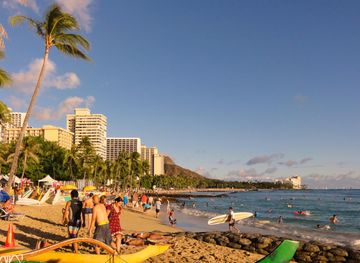
Looking beyond Hawaii (Big Island)? Discover Hawaii for broader travel guides, local hot-spots, and regional highlights.
Explore HawaiiHawaii (Big Island) in Photos
Browse through our photo collection highlighting the charm and character of the destination.




Big Island: The Heart of Hawaii
The Big Island of Hawaii, officially known as Hawai'i Island, is the largest and youngest of the Hawaiian archipelago. It is a paradise teeming with natural wonders, from active volcanoes to lush rainforests and pristine beaches. This island offers a unique blend of adventure and relaxation, making it an ideal destination for all types of travelers. One of the most captivating features of the Big Island is its diverse landscapes. Here, you can explore the volcanic terrains of Hawaii Volcanoes National Park, where Kilauea, one of the world's most active volcanoes, continuously shapes the land. The park also offers hiking trails, lava tubes, and the chance to witness the raw power of nature. For those seeking tranquility, the island's stunning beaches provide the perfect escape. Whether you prefer the black sands of Punalu'u Beach or the white sands of Hapuna Beach, the coastal scenery is breathtaking. Snorkeling and diving enthusiasts will find the waters around the Big Island rich with marine life, including the chance to swim with manta rays and sea turtles. Cultural experiences abound on the Big Island, with numerous historical sites and vibrant local traditions. Visit the Pu'uhonua o Honaunau National Historical Park to learn about ancient Hawaiian culture and the island's royal history. The town of Hilo offers a charming glimpse into local life, with its farmers' markets, botanical gardens, and art galleries. No visit to the Big Island would be complete without experiencing its night skies. The island's Mauna Kea Observatory is one of the world's premier astronomical sites. Here, you can stargaze at the summit, where the clarity of the night sky offers a view of the cosmos unlike any other.