

Free Oahu Travel Guide & Mobile App
Explore Oahu with free travel guides. Discover regional history, expert tips, proposed trips, and audio guides on web or mobile app.


Explore Oahu's volcanic ridges, Hawaiian heritage, Honolulu culture, North Shore surf, windward beaches and diverse Pacific cuisine.
Read more about Oahu
When is the best time to visit Oahu?
Best: February, May–June · 27–31°C| Month | High (°C) | Rainfall (mm) |
|---|---|---|
| January | 27 | 79 |
| February (best) | 27 | 75 |
| March | 28 | 90 |
| April | 29 | 70 |
| May (best) | 29 | 49 |
| June (best) | 31 | 28 |
| July | 31 | 36 |
| August | 32 | 40 |
| September | 32 | 46 |
| October | 31 | 72 |
| November | 29 | 88 |
| December | 28 | 116 |
Getting to and around Oahu
How to get there
Transportation
Best landmarks in Oahu
Diamond Head is Oahu's defining volcanic landmark, its steep tuff-cone profile rising beside Waikiki and forming a familiar symbol of Honolulu. The Koʻolau Range provides the island's most dramatic mountain scenery, with deeply cut ridges visible from windward towns and the Nuʻuanu corridor. ʻIolani Palace in Downtown Honolulu is the former residence of Hawaii's monarchy and a rare surviving royal palace in the United States; nearby Kawaiahaʻo Church and the King Kamehameha I statue add to the historic character of the civic district. Pearl Harbor is both a working naval setting and a landmark of twentieth-century history, commemorated through its memorial and museum complex. On the windward side, Nuʻuanu Pali is a significant mountain pass and viewpoint associated with Kamehameha I's 1795 conquest of Oahu. The North Shore's broad beaches and powerful winter surf are natural landmarks rather than single monuments, while Hanauma Bay's curved volcanic coastline illustrates the island's submerged and eroded volcanic geology. Access rules protect several of these places, and their cultural importance is not always captured by a photograph or viewpoint alone.
-
Museum
Honolulu House Museum
Discover a unique blend of Polynesian, Italianate, and Gothic Revival architecture at the Honolulu House Museum, a captivating landmark preserving Marshall, Michigan's vibrant history and cultural heritage.

Explore Oahu on the map
Plan your trip on one map. See where the top cities, national parks and sights are, and book hotels and experiences in a few clicks.
Best hotels in Oahu
Best restaurants in Oahu
Oahu's food scene reflects Native Hawaiian traditions and the island's many immigrant communities. Visitors can seek out poi, laulau, kalua-style pork, lomi salmon, fresh fish and seafood, as well as plate lunches, a local everyday format often combining rice, macaroni salad and a main dish. Japanese, Chinese, Korean, Filipino, Portuguese and broader Pacific influences are especially visible in Honolulu's neighbourhood restaurants, bakeries and markets. Waikiki offers a broad range of hotel dining and international cuisine, while Chinatown, Kaimukī, Kapahulu and other Honolulu districts have more varied independent options. The North Shore and windward coast are associated with food trucks, roadside fruit stands, shrimp farms and shave ice, though individual businesses change over time. Farmers' markets provide locally grown fruit, taro products, coffee, baked goods and prepared foods. Menus may use Hawaiian words or describe local ingredients, so asking about preparation and provenance can make dining more informative.
-
Hawaiian
Oahu Hawaiian BBQ Sushi Bar & Thai Cuisine
Savor the exotic fusion of Hawaiian BBQ and Thai cuisine at Oahu Hawaiian BBQ Sushi Bar in Bismarck - a culinary gem waiting to be explored.
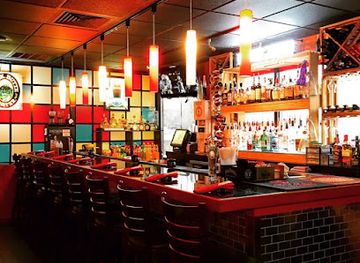
Best bars in Oahu
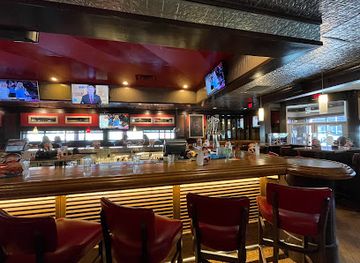
Nightlife is concentrated in Honolulu, particularly Waikiki and nearby districts, where hotel lounges, cocktail bars, sports bars, live music venues and dance-oriented clubs serve a mixed local and visitor clientele. Downtown Honolulu and Chinatown have a more varied evening scene, with restaurants, breweries, galleries and live performances, although individual venues and operating patterns change. Elsewhere on Oahu, evenings are generally quieter and centre on neighbourhood restaurants, traditional pubs, casual bars, cinemas or community events rather than a dense club circuit. Haleiwa and other North Shore communities offer relaxed places to eat and drink, but many visitors treat them as daytime destinations. Local breweries and bars may feature beers brewed in Hawaii, and music can include contemporary performers alongside Hawaiian styles. Check transport arrangements before drinking, as distances, limited late-night buses and winding roads make designated drivers, taxis or ride-hailing the sensible choices outside central Honolulu.
-
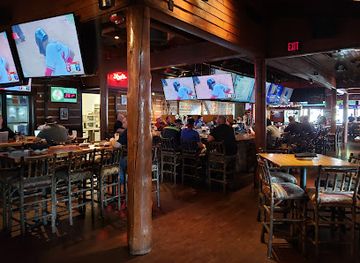
Sports bar
Twin Peaks
Discover Twin Peaks, Kennesaw's premier sports bar, offering delicious American cuisine and a vibrant atmosphere for sports enthusiasts and food lovers alike.
-
American
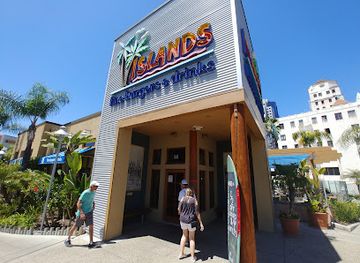
Islands Restaurant Long Beach Pike
Experience the vibrant flavors of American cuisine at Islands Restaurant Long Beach, where island life meets delicious burgers and family-friendly dining.
-
American
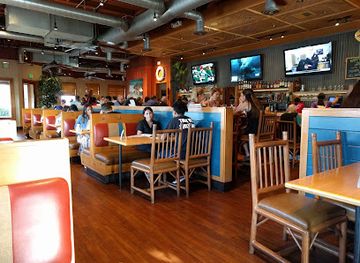
Islands Restaurant Redondo Beach
Experience the vibrant flavors of American cuisine at Islands Restaurant in Redondo Beach, where island vibes meet family-friendly dining.
-
Restaurant
TGI Fridays
Discover the lively atmosphere and delicious American cuisine at TGI Fridays in Fort Smith, where fun dining meets sports entertainment.
Best nightclubs in Oahu
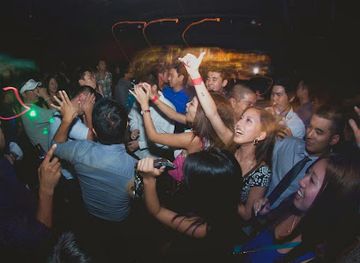
Nightlife is concentrated in Honolulu, particularly Waikiki and nearby districts, where hotel lounges, cocktail bars, sports bars, live music venues and dance-oriented clubs serve a mixed local and visitor clientele. Downtown Honolulu and Chinatown have a more varied evening scene, with restaurants, breweries, galleries and live performances, although individual venues and operating patterns change. Elsewhere on Oahu, evenings are generally quieter and centre on neighbourhood restaurants, traditional pubs, casual bars, cinemas or community events rather than a dense club circuit. Haleiwa and other North Shore communities offer relaxed places to eat and drink, but many visitors treat them as daytime destinations. Local breweries and bars may feature beers brewed in Hawaii, and music can include contemporary performers alongside Hawaiian styles. Check transport arrangements before drinking, as distances, limited late-night buses and winding roads make designated drivers, taxis or ride-hailing the sensible choices outside central Honolulu.
-
Night club
Ginza Nightclub
Discover the vibrant nightlife at Ginza Nightclub in Honolulu, a premier destination for unforgettable dance and music experiences in Hawaii.
Best shops in Oahu
Honolulu provides Oahu's broadest shopping choice, from the luxury and international retail of Waikiki to independent boutiques, galleries, bookshops and food retailers in Downtown, Kaimukī and other neighbourhoods. Large shopping complexes offer familiar US brands, while Chinatown and local markets are useful for produce, snacks, flowers and prepared food rather than conventional souvenirs. Farmers' markets around the island commonly sell tropical fruit, baked goods, coffee, honey, preserves and locally made products, with locations and days varying. Haleiwa's historic main street is associated with surf shops, art galleries, casual boutiques and shave-ice stops, while windward communities offer smaller independent retailers and craft studios. Look for Hawaiian-made textiles, jewellery, woodwork, artwork, music and food products, checking labels to distinguish locally made goods from imported items. Purchases of coral, shells, plants, wildlife products, archaeological objects, sand or rocks can raise conservation or legal concerns, so choose souvenirs that do not remove material from the island.
-
Leather goods store
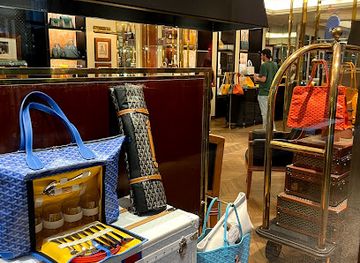
Maison Goyard
Explore the elegance of Maison Goyard in Bal Harbour, where luxury leather goods meet timeless craftsmanship for the discerning traveler.
-
Gift shop
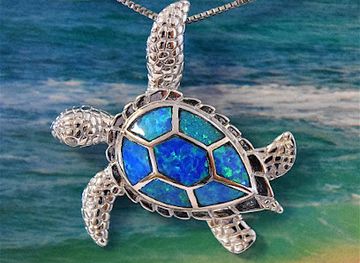
Hawaii Treasures Shop
Explore the vibrant world of Hawaiian souvenirs at Hawaii Treasures Shop, where local craftsmanship meets island charm.
Get your free copy of our complete guide to Oahu, delivered straight to you.
Everything on this page, from attractions and restaurants to essentials and local phrases, in one PDF you can read offline, print or share.
Already have an account? Sign in
Your Oahu guide is ready.
We'll send it to · Not you? Sign out

Getting your guide ready…
We are putting together a fresh copy of the Oahu guide. This can take up to a minute.
This can take a few moments. If your browser asks, choose Allow so the download can start. You'll find the guide in your Downloads folder.
Nothing happened? Download it again
Sorry, the guide is taking longer than usual. Please try again in a minute, or get it by email instead.
Oahu essentials
Currency and Payment
Safety
Emergency Situations
Do's and Don'ts
Local Tips
From Eve
Local phrases worth knowing
You don't need to get them perfect. A few words go a long way, and locals appreciate the effort.
Basics
| English | Local | Say it |
|---|---|---|
| Hello | Aloha | [ah-loh-hah] |
| Goodbye | Aloha | [ah-loh-hah] |
| Yes | Ae | [ah-eh] |
| No | Aole | [ah-oh-leh] |
| Please/You're welcome | E kala mai | [eh kah-lah mah-ee] |
| Thank you | Mahalo | [mah-hah-loh] |
| Excuse me/Sorry | E kala mai | [eh kah-lah mah-ee] |
| How are you? | Pehea ʻoe? | [peh-heh-ah oh-eh] |
| Fine. And you? | Maika'i. A ʻoe? | [mai-kah-ee. ah oh-eh] |
| Do you speak English? | Ua ʻōlelo ʻoe i ka ʻŌlelo Pelekane? | [oo-ah oh-leh-loh oh-eh ee kah oh-leh-loh peh-leh-kah-neh] |
| I don't understand | Aʻohe au i ʻike | [ah-oh-heh ow ee ee-keh] |
Eating & Drinking
| English | Local | Say it |
|---|---|---|
| I'd like to see the menu, please | E mālama i ka menu, e ʻoluʻolu. | [eh mah-lah-mah ee kah meh-noo, eh oh-loo-oh-loo] |
| I don't eat meat | Aʻohe au e ʻai i ka mea ʻai. | [ah-oh-heh ow eh eye ee kah meh-ah eye] |
| Cheers! | Aloha! | [ah-loh-hah] |
| I would like to pay, please | E ʻoluʻolu e uku koʻu, e ʻoluʻolu. | [eh oh-loo-oh-loo eh oo-koo koh-oo, eh oh-loo-oh-loo] |
Emergencies
| English | Local | Say it |
|---|---|---|
| Help! | Kōkua! | [koh-koo-ah] |
| Go away! | E hele i kahi! | [eh heh-leh ee kah-hee] |
| Call the Police! | Kāhea i ka ʻŌpili! | [kah-heh-ah ee kah oh-pee-lee] |
| Call a doctor! | Kāhea i ke kauka! | [kah-heh-ah ee keh kau-kah] |
| I'm lost | Pāpaʻu au. | [pah-pah-oo ow] |
| I'm ill | E maʻi au. | [eh mah-ee ow] |
Shopping
| English | Local | Say it |
|---|---|---|
| I'd like to buy... | E makemake au e kūʻai i... | [eh mah-kah-meh ow eh koo-eye ee] |
| I'm just looking | Ke nānā wale aku au. | [keh nah-nah vah-leh ah-ku ow] |
| How much is it? | Ehia ka mea? | [eh-hee-ah kah meh-ah] |
| That's too expensive | O nā mea ʻē aʻe. | [oh nah meh-ah eh eh] |
| Can you lower the price? | E hiki anei ke hoʻemi i ka kumukūʻai? | [eh hee-kee ah-neh keh ho-eh-mee ee kah koo-moo-koo-eye] |
Time & Numbers
| English | Local | Say it |
|---|---|---|
| What time is it? | Maui i ka hora? | [ma-oo-ee ee kah ho-rah] |
| It's one o'clock | O ka hola ʻekahi. | [oh kah ho-lah eh-kah-hee] |
| Half past (10) | Hālua (10) | [hah-loo-ah (ten)] |
| Morning | Kakahiaka | [kah-kah-hee-ah-kah] |
| Afternoon | Auinalā | [ow-ee-nah-lah] |
| Evening | Popoʻi | [poh-poh-ee] |
| Yesterday | I nehinei | [ee neh-hee-neh] |
| Today | I kēia lā | [ee keh-ee-ah lah] |
| Tomorrow | I ka lā ʻapōpō | [ee kah lah ah-poh-poh] |
| 1 | Kahi | [kah-hee] |
| 2 | Elua | [eh-loo-ah] |
| 3 | Ekolu | [eh-koh-loo] |
| 4 | Eha | [eh-hah] |
| 5 | Elima | [eh-lee-mah] |
| 6 | Eono | [eh-oh-noh] |
| 7 | Ewalu | [eh-wah-loo] |
| 8 | Ewalu | [eh-wah-loo] |
| 9 | Eiwa | [eh-ee-vah] |
| 10 | Umi | [oo-mee] |
Transport & Directions
| English | Local | Say it |
|---|---|---|
| Where's a/the...? | Aia i hea ka...? | [ah-ee-ah ee heh-ah kah] |
| What's the address? | He aha ka helu? | [heh ah-hah kah heh-loo] |
| Can you show me (on the map)? | E hiki anei e hōʻike iaʻu (ma ke kāleka)? | [eh hee-kee ah-neh eh hoh-kee ee-ah-oo (mah keh kah-leh-kah)] |
| When's the next (bus)? | Kāhea ka bus aʻe? | [kah-heh-ah kah bus ah-eh] |
| A ticket (to ....) | He tiket (i....) | [heh tee-ket (ee....)] |
History of Oahu
Polynesian Settlement and Hawaiian Society
Ocean-going Polynesians settled the Hawaiian Islands after navigating vast stretches of the Pacific, establishing communities on Oahu that were organised through land, water and chiefly relationships. Over many centuries, residents developed irrigated taro cultivation, fishing systems, religious practices and trade between valleys and coastal settlements. The ahupuaʻa system linked mountain resources to the sea, encouraging careful use of different ecological zones. Oahu's valleys, fishponds, heiau and agricultural areas reflect this long period of Indigenous Hawaiian history, even where modern development has altered the landscape.
Kamehameha's Conquest of Oahu, 1795
In 1795, Kamehameha I defeated the forces of Oahu's ruler Kalanikūpule during the Battle of Nuʻuanu. The fighting culminated in the steep Nuʻuanu Pali area, where Oahu became part of the kingdom Kamehameha was consolidating across the islands. The victory changed the island's political position and helped create the unified Hawaiian Kingdom. Nuʻuanu remains historically important not only for the battle but also for its role as a route between Honolulu and the windward coast, although the modern lookout and road do not reproduce the historical scene in full.
Honolulu and the Hawaiian Kingdom
Honolulu grew from a settlement and harbour into the capital and principal port of the Hawaiian Kingdom during the nineteenth century. Its location supported trade in sandalwood, whaling supplies, agricultural goods and later sugar, while foreign merchants and religious communities established a lasting presence. The capital's importance increased when the royal government made Honolulu the kingdom's seat in the 1840s. ʻIolani Palace, Kawaiahaʻo Church, the former royal grounds and historic Downtown preserve the architectural and political legacy of this period.
Plantation Economy, Migration and Modern Honolulu
During the nineteenth and early twentieth centuries, sugar and pineapple became major forces in Hawaii's economy. Plantations on Oahu relied on workers recruited from China, Japan, Portugal, the Philippines, Korea and elsewhere, creating communities whose languages, religious practices and cuisines shaped the island's modern culture. Honolulu expanded as a commercial centre, while railways, roads and harbour facilities connected plantations, farms and markets. Although large-scale plantation agriculture has declined, its social and architectural legacies remain visible in food traditions, family histories and former agricultural districts.
The Overthrow of the Hawaiian Kingdom and Annexation
In 1893, Queen Liliʻuokalani was overthrown by a group of American and European-descended residents with support from United States representatives. The Hawaiian Kingdom was replaced by a provisional government and then the Republic of Hawaii, before the United States annexed Hawaii in 1898. The events remain central to Hawaiian history and to contemporary discussions of sovereignty, land and identity. Sites in Honolulu connected with the monarchy and the overthrow help visitors understand these events beyond a simplified account of annexation.
Pearl Harbor and the Second World War
On 7 December 1941, Japanese forces attacked the United States Pacific Fleet at Pearl Harbor on southern Oahu, drawing the United States into the Second World War. The attack killed military personnel and civilians and transformed Hawaii into a heavily militarised strategic centre. Although Pearl Harbor remains an active naval area, its historic sites and museums interpret the attack, the USS Arizona Memorial area, the battleship USS Missouri and the wider wartime consequences. Access arrangements vary because of security and preservation requirements.
Statehood, Tourism and Contemporary Oahu
Hawaii became the fiftieth US state in 1959, after decades in which Honolulu expanded and Oahu's military, government and service economies grew. Waikiki developed into an international resort district, while improved roads and air travel made the island accessible to visitors from across the United States and the Pacific. Contemporary Oahu is more than a tourism centre: it is home to Native Hawaiian cultural revitalisation, a large multicultural population, universities, technology and military institutions, as well as continuing debates about housing, land use, environmental pressure and responsible tourism.
Oahu in Photos
Browse through our photo collection highlighting the charm and character of the destination.
Neighbouring regions of Oahu
The closest regions to Oahu, if you have time for more than one.
-

-

-

-

-


Swipe for more regions
Explore more
Explore more of Hawaii
Discover the tropical paradise of Hawaii, where pristine beaches, lush landscapes, and rich Polynesian culture create an unforgettable vacation experience.
Explore Hawaii