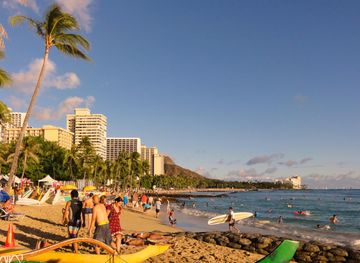
Free Lanai Travel Guide & Mobile App
Explore Lanai with free travel guides. Discover regional history, expert tips, proposed trips, and audio guides on web or mobile app.


Discover Lanai, Hawaii's smallest inhabited island, where stunning landscapes meet luxury and adventure in perfect harmony.
Read more about Lanai
When is the best time to visit Lanai?
Best: May–July · 25–27°C| Month | High (°C) | Rainfall (mm) |
|---|---|---|
| January | 23 | 81 |
| February | 23 | 69 |
| March | 24 | 74 |
| April | 24 | 53 |
| May (best) | 25 | 38 |
| June (best) | 26 | 25 |
| July (best) | 27 | 25 |
| August | 27 | 38 |
| September | 26 | 51 |
| October | 25 | 69 |
| November | 24 | 74 |
| December | 23 | 81 |
Getting to and around Lanai
How to get there
Transportation
Best attractions in Lanai
Lanai, the smallest publicly accessible inhabited island in Hawaii, offers visitors a unique blend of tranquility and adventure with its diverse attractions. Known as the 'Pineapple Island' due to its past as a pineapple plantation, Lanai now boasts luxurious resorts alongside untouched natural beauty. Travelers can explore the mysterious rock formations of the Garden of the Gods, where the landscape transforms into a surreal, lunar-like terrain at sunset. For beach enthusiasts, Hulopoe Bay offers pristine sands and crystal-clear waters ideal for snorkeling, where vibrant marine life thrives around coral reefs. History buffs can delve into the island's past at Kaunolu Village, an ancient Hawaiian fishing village and sacred site that provides a glimpse into the life of early Hawaiians. Off-road adventures await at the Munro Trail, a challenging drive or hike that rewards adventurers with panoramic views of neighboring islands and lush valleys. Whether seeking relaxation or exploration, Lanai promises an unforgettable escape into Hawaii's rich cultural tapestry and natural splendor.
Best landmarks in Lanai
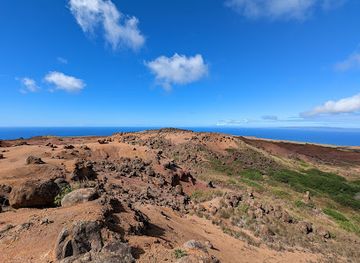
Lanai, the smallest inhabited island in Hawaii, offers a treasure trove of captivating landmarks that beckon travelers to explore its unique blend of natural beauty and historical intrigue. Visitors can embark on an adventure to the Garden of the Gods, a surreal lunar-like landscape where towering rock formations cast shadows over the rust-colored earth, or bask in the serenity of Hulopoe Bay, a pristine marine sanctuary perfect for snorkeling amidst vibrant coral reefs and playful dolphins. History enthusiasts will find the remnants of Lanai's past at the Kaunolu Village, an ancient Hawaiian fishing village featuring petroglyphs and the sacred Halulu Heiau. For those seeking panoramic vistas, a journey to the top of Puu Pehe, or Sweetheart Rock, rewards with breathtaking views of the turquoise waters below. Meanwhile, Lanai City offers a peek into the island's plantation past, with its charming array of shops, cafes, and the historic Hotel Lanai. Whether you're drawn by the allure of its secluded beaches, the whispers of history, or the untouched splendor of its landscapes, Lanai promises an unforgettable journey through Hawaii's lesser-known gem.
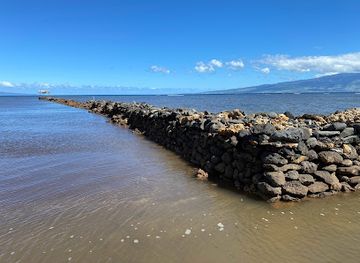
Explore Lanai on the map
Plan your trip on one map. See where the top cities, national parks and sights are, and book hotels and experiences in a few clicks.
Best hotels in Lanai
Best restaurants in Lanai
Nestled amid the breathtaking landscapes of Lanai, the dining scene is an exquisite fusion of local flavors and international culinary excellence that promises to captivate every palate. Visitors can immerse themselves in the island's rich culinary tapestry, where traditional Hawaiian dishes are lovingly prepared using fresh, locally sourced ingredients, from succulent poke bowls to savory kalua pork. The island's dining establishments range from elegant restaurants offering gourmet fare with stunning ocean views to charming, laid-back eateries that invite guests to savor comfort food in a cozy setting. Whether indulging in a lavish multi-course meal at a luxury resort or grabbing a quick bite at a beachside cafe, the vibrant and diverse dining experiences on Lanai make it an unmissable culinary destination in the heart of Hawaii.
Best nightclubs in Lanai
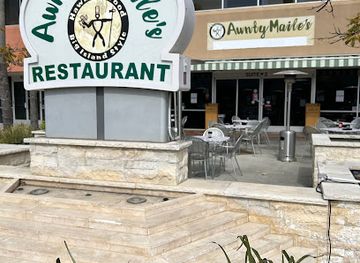
While Lanai may not boast the bustling nightlife of its neighboring islands, it offers an enchanting and intimate evening experience that is perfect for those seeking a more relaxed and exclusive vibe. Visitors can immerse themselves in the island's serene beauty with a visit to the sophisticated bars and lounges located within the luxurious resorts. The Lanai City Bar & Grille, nestled in the historic Hotel Lanai, is a favorite among locals and tourists alike, offering a cozy atmosphere with live music that perfectly complements the island's tranquil ambiance. For a touch of elegance, the Hulopoe Court Lounge features stunning ocean views and a curated cocktail menu that highlights local flavors. As the night unfolds, guests can enjoy stargazing under the clear Hawaiian skies, creating a magical end to their day on this secluded island paradise.
Get your free copy of our complete guide to Lanai, delivered straight to you.
Everything on this page, from attractions and restaurants to essentials and local phrases, in one PDF you can read offline, print or share.
Already have an account? Sign in
Your Lanai guide is ready.
We'll send it to · Not you? Sign out

Getting your guide ready…
We are putting together a fresh copy of the Lanai guide. This can take up to a minute.
This can take a few moments. If your browser asks, choose Allow so the download can start. You'll find the guide in your Downloads folder.
Nothing happened? Download it again
Sorry, the guide is taking longer than usual. Please try again in a minute, or get it by email instead.
Lanai essentials
Currency and Payment
Safety
Emergency Situations
Do's and Don'ts
Local Tips
From Eve
Local phrases worth knowing
You don't need to get them perfect. A few words go a long way, and locals appreciate the effort.
Basics
| English | Local | Say it |
|---|---|---|
| Hello | Aloha | [ah-loh-hah] |
| Goodbye | Aloha | [ah-loh-hah] |
| Yes | Āe | [ah-eh] |
| No | Aʻole | [ah-oh-leh] |
| Please/You're welcome | E ʻoluʻolu | [eh oh-loo-oh-loo] |
| Thank you | Mahalo | [mah-hah-loh] |
| Excuse me/Sorry | E kala mai | [eh kah-lah my] |
| How are you? | Pehea ʻoe? | [peh-heh-ah oy] |
| Fine. And you? | Maikaʻi. A ʻoe? | [my-kah-ee ah oy] |
| Do you speak English? | Kōkua ʻoe i ka ʻōlelo Pelekane? | [koh-koo-ah oy ee kah oh-leh-loh peh-leh-kah-neh] |
| I don't understand | Aʻole au e ʻike | [ah-oh-leh ow eh ee-keh] |
Eating & Drinking
| English | Local | Say it |
|---|---|---|
| I'd like to see the menu, please | E ʻoluʻolu e ʻike i ka menu | [eh oh-loo-oh-loo eh ee-keh ee kah meh-noo] |
| I don't eat meat | Aʻole au e ʻai i ka ʻiʻo | [ah-oh-leh ow eh eye ee kah ee-oh] |
| Cheers! | Ono! | [oh-noh] |
| I would like to pay, please | E ʻoluʻolu e hoʻ_payment | [eh oh-loo-oh-loo eh hoh-pay-ment] |
Emergencies
| English | Local | Say it |
|---|---|---|
| Help! | Kōkua! | [koh-koo-ah] |
| Go away! | E hele aku! | [eh heh-leh ah-koo] |
| Call the Police! | Kipa i ka ʻAha Koa! | [kee-pah ee kah ah-hah koh-ah] |
| Call a doctor! | Kipa i ke kauka! | [kee-pah ee keh kau-kah] |
| I'm lost | Pau au i ke alanui | [pau ow ee keh ah-lah-noo-ee] |
| I'm ill | E mālama au i ka maʻi | [eh mah-lah-mah ow ee kah mah-ee] |
Shopping
| English | Local | Say it |
|---|---|---|
| I'd like to buy... | E makemake ana au e kūʻai... | [eh mah-kah-meh ah-nah ow eh koo-eye] |
| I'm just looking | Ke nānā aku nei au | [keh nah-nah ah-koo nay ow] |
| How much is it? | Ehia ka mea? | [eh-hee-ah kah meh-ah] |
| That's too expensive | O nā mea ʻoi aku ka ʻoluʻolu | [oh nah meh-ah oy ah-koo kah oh-loo-oh-loo] |
| Can you lower the price? | E hiki iā ʻoe ke hoʻohaʻahaʻa i ka kumukūʻai? | [eh hee-kee ee-ah oy keh hoh-hah-ah-hah ee kah koo-moo-kee-eye] |
Time & Numbers
| English | Local | Say it |
|---|---|---|
| What time is it? | He aha ka hora? | [heh ah-hah kah hoh-rah] |
| It's one o'clock | He ʻekahi ka hola | [heh eh-kah-hee kah hoh-lah] |
| Half past (10) | Hālua i ka hola (10) | [hah-loo-ah ee kah hoh-lah] |
| Morning | Kukuli | [koo-koo-lee] |
| Afternoon | Awakening | [ah-wah-keh-nee] |
| Evening | Pau | [pah-oo] |
| Yesterday | I nehinei | [ee neh-hee-neh] |
| Today | I kēia lā | [ee keh-ee-ah lah] |
| Tomorrow | I ka lā ʻapōpō | [ee kah lah ah-poh-poh] |
| 1 | Kahi | [kah-hee] |
| 2 | Elua | [eh-loo-ah] |
| 3 | Ekolu | [eh-koh-loo] |
| 4 | Eha | [eh-hah] |
| 5 | Elima | [eh-lee-mah] |
| 6 | Eono | [eh-oh-noh] |
| 7 | Ehiku | [eh-hee-koo] |
| 8 | Ewalu | [eh-wah-loo] |
| 9 | Eiwa | [eh-ee-vah] |
| 10 | Umi | [oo-mee] |
Transport & Directions
| English | Local | Say it |
|---|---|---|
| Where's a/the...? | Aia i hea ka...? | [ah-ee-ah ee he-ah kah] |
| What's the address? | He aha ka ʻāina? | [heh ah-hah kah ah-ee-nah] |
| Can you show me (on the map)? | E hiki iā ʻoe ke hōʻike mai iaʻu (ma ke ʻāina)? | [eh hee-kee ee-ah oy keh hoh-ee-kee my ee-ah-oo ma keh ah-ee-nah] |
| When's the next (bus)? | Inā hea ka bus aʻe? | [ee-nah he-ah kah bus ah-eh] |
| A ticket (to ....) | He tiket (i ...) | [heh tee-ket ee] |
History of Lanai
The Early Hawaiian Settlement
Lanai's history begins with the early Polynesians who settled the island around the 15th century. Known for their fishing and agricultural skills, these early inhabitants cultivated taro, sweet potatoes, and other crops in the island's fertile lands. They established small fishing villages along the coast and built heiau (sacred temples) that played a central role in their spiritual and community life.
The Legend of Kaululā‘au
One of the most famous legends associated with Lanai is that of Kaululā‘au, a mischievous prince who was banished to the island by his father, the ruling chief of Maui. According to the legend, Kaululā‘au rid Lanai of evil spirits and eventually redeemed himself, transforming the island into a more hospitable place. This tale is deeply ingrained in Lanai's cultural heritage and is often recounted in Hawaiian oral traditions.
European Contact and the Sandalwood Trade
The first recorded European contact with Lanai occurred in 1779 when Captain James Cook's expedition sighted the island. By the early 19th century, Lanai became involved in the lucrative sandalwood trade. Hawaiian chiefs harvested large quantities of sandalwood, which was highly prized in China, leading to significant changes in the island's economy and landscape.
The Mormon Settlement at Palawai Basin
In the mid-19th century, a group of Mormon missionaries, led by Walter Murray Gibson, attempted to establish a colony in the Palawai Basin on Lanai. Despite initial enthusiasm, the settlement faced numerous challenges, including water shortages and agricultural difficulties. The Mormon community eventually abandoned the project, but their efforts left a lasting mark on Lanai's history.
The Pineapple Era
Lanai's most transformative period began in the early 20th century when James Dole purchased the island and established the Hawaiian Pineapple Company. Lanai became known as the 'Pineapple Island,' with vast plantations covering much of its land. The pineapple industry dominated the island's economy for several decades, attracting a diverse workforce and creating the plantation town of Lanai City.
Transition to Tourism
In the late 20th century, the decline of the pineapple industry led to a shift towards tourism. Entrepreneur David Murdock acquired the island in the 1980s and spearheaded the development of luxury resorts, including the Four Seasons Resort Lanai. This transition revitalized Lanai's economy and positioned it as an exclusive travel destination, attracting visitors seeking tranquility and natural beauty.
Cultural Preservation and Modern-Day Lanai
Today, Lanai is a testament to both its rich cultural heritage and its modern evolution. Efforts to preserve Hawaiian traditions, such as the annual Aloha Festivals and the restoration of historical sites, are ongoing. The island's small population and limited development ensure that it remains a unique and serene destination, offering a glimpse into Hawaii's past while embracing contemporary luxury.
Lanai in Photos
Browse through our photo collection highlighting the charm and character of the destination.
Neighbouring regions of Lanai
The closest regions to Lanai, if you have time for more than one.
-
 Molokai
Discover Molokai: Hawaii's unspoiled gem with breathtaking landscapes, rich history, and authentic island culture. Perfect for a tranquil and immersive getaway.
Molokai
Discover Molokai: Hawaii's unspoiled gem with breathtaking landscapes, rich history, and authentic island culture. Perfect for a tranquil and immersive getaway.
-
 Maui
Discover Maui, Hawaii: A paradise of scenic drives, volcanic landscapes, and vibrant marine life perfect for nature lovers and adventure seekers.
Maui
Discover Maui, Hawaii: A paradise of scenic drives, volcanic landscapes, and vibrant marine life perfect for nature lovers and adventure seekers.
-
 Oahu
Discover Oahu, the vibrant heart of Hawaii, where golden beaches, rich history, lush landscapes, and cultural diversity await every kind of traveler.
Oahu
Discover Oahu, the vibrant heart of Hawaii, where golden beaches, rich history, lush landscapes, and cultural diversity await every kind of traveler.
-
 Hawaii (Big Island)
Discover the Big Island of Hawaii: A land of active volcanoes, lush rainforests, pristine beaches, and rich cultural heritage.
Hawaii (Big Island)
Discover the Big Island of Hawaii: A land of active volcanoes, lush rainforests, pristine beaches, and rich cultural heritage.
-
 Kauai
Discover the lush landscapes and cultural richness of Kauai, Hawaii's Garden Isle, where adventure and serenity coexist in perfect harmony.
Kauai
Discover the lush landscapes and cultural richness of Kauai, Hawaii's Garden Isle, where adventure and serenity coexist in perfect harmony.
Swipe for more regions