

Free Comayagua Valley Travel Guide & Mobile App
Explore Comayagua Valley with free travel guides. Discover regional history, expert tips, proposed trips, and audio guides on web or mobile app.


Explore Honduras's Comayagua Valley for colonial architecture, mountain forests, coffee country, caves and historic towns between Tegucigalpa and the north.
Read more about Comayagua Valley
When is the best time to visit Comayagua Valley?
Best: December–February · 28–30°C| Month | High (°C) | Rainfall (mm) |
|---|---|---|
| January (best) | 29 | 13 |
| February (best) | 30 | 10 |
| March | 31 | 8 |
| April | 32 | 25 |
| May | 33 | 60 |
| June | 32 | 90 |
| July | 31 | 80 |
| August | 31 | 90 |
| September | 31 | 100 |
| October | 30 | 80 |
| November | 29 | 50 |
| December (best) | 28 | 25 |
Getting to and around Comayagua Valley
How to get there
Transportation
Best attractions in Comayagua Valley
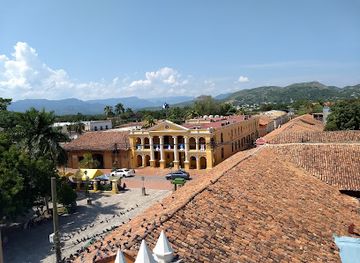
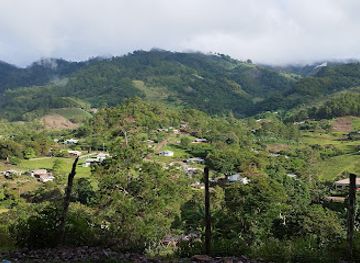
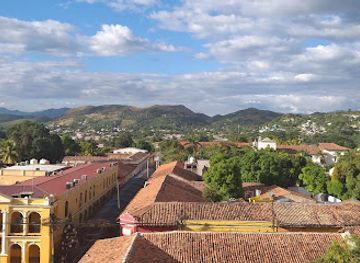
The Comayagua Valley combines a concentrated historic experience with varied highland and rural attractions. In Comayagua, visitors can explore the cathedral, colonial churches, religious art collections, former civic buildings and shaded plazas on foot. The city is particularly rewarding for travellers interested in Spanish colonial urban planning and the religious history of central Honduras. Outside the urban centre, the valley's farmland and smaller settlements provide a more everyday view of the region, with roadside produce stalls, nurseries and views towards wooded mountain slopes. PANACAM, or Parque Nacional Montaña de Comayagua, offers cloud forest, birdwatching and walking routes for visitors prepared for uneven terrain and changeable weather. The Taulabé caves, near the CA-5 in the wider Comayagua area, provide an accessible underground excursion with formations illuminated along a visitor path. Siguatepeque and its surrounding uplands add cooler temperatures, pine forest and coffee-country scenery. These attractions are dispersed, so a car, driver or carefully arranged local excursion is useful; the region is better understood as a combination of heritage, productive countryside and mountain ecology than as a single compact sightseeing circuit.
-
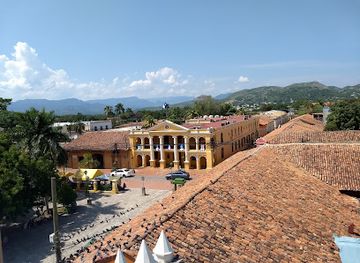
Catholic cathedral
Cathedral of the Immaculate Conception
Explore the architectural splendor and rich history of the Cathedral of the Immaculate Conception in Comayagua, a must-visit for cultural enthusiasts.
-
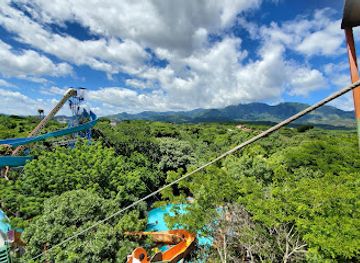
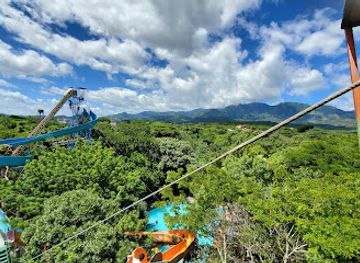
Water park
Villamar Park
Experience the thrill of water adventures at Villamar Park, Comayagua's premier water park, where fun meets relaxation for all ages.
-
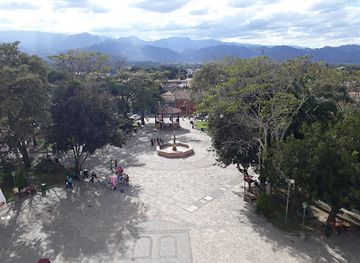
Park
Central Plaza Leon Alvarado
Explore Central Plaza Leon Alvarado in Comayagua, a beautiful park perfect for relaxation, local culture, and enjoying the vibrant atmosphere of Honduras.
-
Tourist attraction
Comayagua, Comayagua Honduras CA
Explore Comayagua, a historic Honduran town rich in culture, stunning architecture, and breathtaking landscapes, perfect for every traveler.
Best landmarks in Comayagua Valley
Comayagua Cathedral is the valley's most recognisable architectural landmark, facing the principal plaza and preserving one of Honduras's most important colonial religious settings. Its historic clock is especially notable and is traditionally associated with an exceptionally early period of clockmaking in the Americas, although visitors should rely on the cathedral's current interpretation for precise details. Nearby churches, including La Merced and San Francisco, reveal the scale of the former colonial town and the continuing importance of Catholic institutions. The old civic buildings and colonial street grid add coherence to the historic centre rather than functioning as isolated monuments. Outside the city, the forested mountains of PANACAM form a major natural landmark, marking the northern and eastern rise of the valley towards cloud-forest country. The Taulabé cave system provides a contrasting geological landmark alongside the main highway, while the open agricultural basin itself is an important geographical feature: its broad floor, framed by mountains and crossed by the CA-5, explains Comayagua's historic role as an inland crossroads.
-
Catholic cathedral
Cathedral of the Immaculate Conception
Explore the Cathedral of the Immaculate Conception in Comayagua, a stunning Catholic cathedral rich in history and architectural beauty.
-
Water park
Villamar Park
Discover the thrills of Villamar Park, Comayagua's premier water park, where adventure meets relaxation in a tropical paradise.
-
Park
Central Plaza Leon Alvarado
Discover the historical heart of Comayagua at Central Plaza León Alvarado, a vibrant hub of culture, colonial architecture, and community life in Honduras.
-
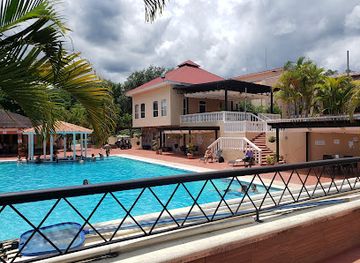
Hotel
Comayagua Golf Club
Experience leisure and elegance at Comayagua Golf Club, offering stunning landscapes, exceptional dining, and premier golfing in Honduras.
Explore Comayagua Valley on the map
Plan your trip on one map. See where the top cities, national parks and sights are, and book hotels and experiences in a few clicks.
Best hotels in Comayagua Valley
Best restaurants in Comayagua Valley
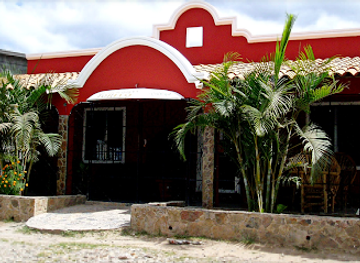
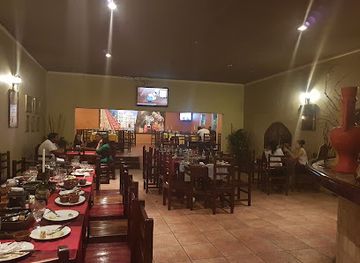
Dining in the Comayagua Valley reflects the central Honduran countryside, with menus commonly built around beans, rice, tortillas, plantain, eggs, grilled meats and soups. Comayagua has the broadest choice of cafés, casual restaurants and traditional eateries, including places suited to a pause between visits to the historic centre. Markets and roadside stalls offer fruit, fresh juices, snacks and regional staples, though visitors should choose busy outlets with good food turnover and sensible hygiene. In Siguatepeque and the higher districts, coffee is an important part of the local food identity, and cooler weather suits cafés, bakeries and substantial breakfasts. The valley is also an agricultural area, so seasonal produce and roadside fruit can be more distinctive than formal restaurant specialities. Rural eateries and roadside dining may have limited menus and payment facilities; carrying small lempira notes is useful. Expect Honduran comfort food rather than a sharply separate regional cuisine, with variations shaped by household cooking, local produce and the different climates of the low valley and uplands.
-
Restaurant
Restaurante El Torito • Comayagua
Experience authentic Honduran cuisine at Restaurante El Torito in Comayagua - where every dish tells a story.
-
Grill
Lo de Kerpo Asados y Mas
Discover authentic Honduran cuisine at Lo de Kerpo Asados y Mas in Comayagua - where every meal is a celebration of flavor.
-
Restaurant
KRIFAS
Discover KRIFAS in Comayagua: where flavorful burgers meet warm hospitality for an unforgettable dining experience.
-
Restaurant
Asados La Casita
Experience authentic Honduran barbecue at Asados La Casita in Comayagua - where tradition meets flavor!

Best bars in Comayagua Valley
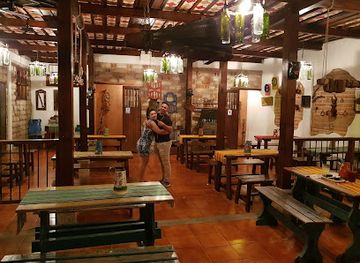
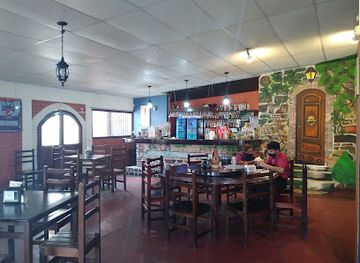
Evening life in the Comayagua Valley is generally social and low-key rather than centred on a large club scene. Comayagua has the widest selection of casual bars, restaurants and places for an evening drink, with activity focused around central streets and commercial areas rather than a single nationally famous nightlife district. Siguatepeque offers a cooler highland setting with cafés, restaurants and local bars, while smaller communities tend to rely on neighbourhood establishments and family gatherings. Traditional Honduran beers, spirits, soft drinks and coffee are widely available, but drinking is not necessary to experience the region's evening culture. Live music and busy restaurants may appear at weekends or during local celebrations, but schedules and venues change, so ask accommodation staff for current information. Use recognised taxis after dark, avoid walking on poorly lit roads and remember that nightlife outside the main towns can end early.
-
Grill
Lo de Kerpo Asados y Mas
Experience the authentic flavors of Honduras at Lo de Kerpo Asados y Mas, where delicious grilled meats meet warm hospitality.
-
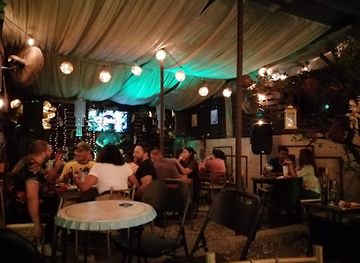
Bar
El Balcón Beer Garden
Experience the vibrant nightlife at El Balcón Beer Garden, Comayagua's premier bar for local brews and live entertainment in a charming garden setting.
-
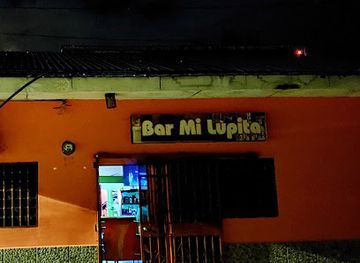
Grill
Bar Mi Lupita.
Discover the essence of Honduran cuisine at Bar Mi Lupita, where every dish is a celebration of local flavors and culture.
-
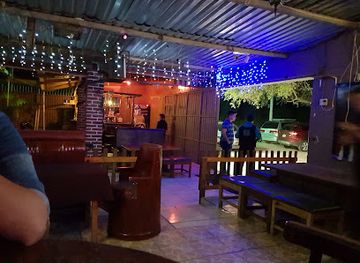
Bar
Camelot
Experience the vibrant nightlife at Camelot, a charming bar in Comayagua perfect for unwinding with friends and enjoying local flavors.
Best nightclubs in Comayagua Valley
Evening life in the Comayagua Valley is generally social and low-key rather than centred on a large club scene. Comayagua has the widest selection of casual bars, restaurants and places for an evening drink, with activity focused around central streets and commercial areas rather than a single nationally famous nightlife district. Siguatepeque offers a cooler highland setting with cafés, restaurants and local bars, while smaller communities tend to rely on neighbourhood establishments and family gatherings. Traditional Honduran beers, spirits, soft drinks and coffee are widely available, but drinking is not necessary to experience the region's evening culture. Live music and busy restaurants may appear at weekends or during local celebrations, but schedules and venues change, so ask accommodation staff for current information. Use recognised taxis after dark, avoid walking on poorly lit roads and remember that nightlife outside the main towns can end early.
-
Bar
LaBu
Experience the vibrant nightlife and local culture at LaBu, Comayagua's must-visit bar for tourists seeking a lively atmosphere and delicious drinks.
-
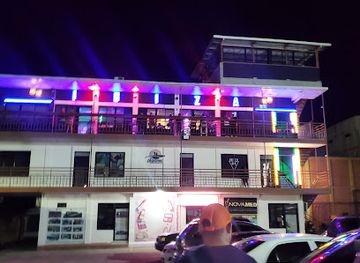
Disco club
IBIZA Club
Step into the electrifying nightlife of IBIZA Club, where unforgettable music and vibrant vibes create the ultimate dance experience in Comayagua.
-
Bar
The Last Resort Club
Discover the vibrant nightlife and unique cocktails at The Last Resort Club in Palmerola, a must-visit bar for tourists seeking an exciting evening out.
-
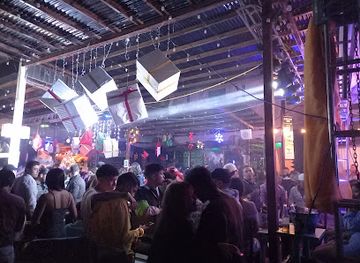
Night club
Wallys World
Discover the electrifying nightlife at Wally's World, Palmerola's premier night club, where music and energy collide for an unforgettable experience.

Best shops in Comayagua Valley
Shopping in the Comayagua Valley is practical and locally focused, with the strongest selection in Comayagua and Siguatepeque. Comayagua's central commercial streets and markets are useful for fruit, household goods, snacks, clothing and everyday products, while small shops near the historic centre sell religious items, souvenirs and locally produced food. Siguatepeque is associated with the cooler uplands, coffee and plant nurseries, making roasted beans and small agricultural products sensible regional purchases when quality and origin are clear. Market stalls and roadside sellers may offer seasonal fruit, sweets, baked goods and simple handicrafts, but stock changes frequently and bargaining should remain courteous. Visitors can also look for Honduran wooden crafts, woven items and small artworks rather than expecting a large luxury-retail scene. Carry cash in small lempira denominations for markets and rural sellers, inspect packaged food labels and choose transportable goods if continuing by bus. The most meaningful purchases are generally edible or locally made rather than mass-produced souvenirs.
-
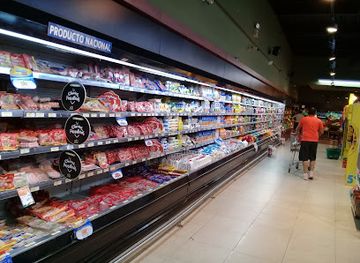
Supermarket
Supermercados Del Corral
Discover the flavors of Comayagua at Supermercados Del Corral, your ultimate shopping destination for local and international delights.
-
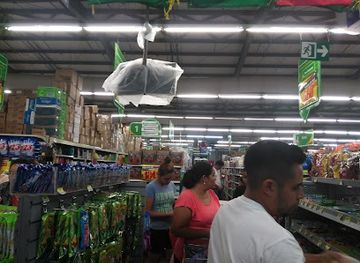
Supermarket
Maxi Despensa • Comayagua
Explore the vibrant offerings at Maxi Despensa in Comayagua, where local flavors and international products meet in a bustling supermarket experience.
-
Supermarket
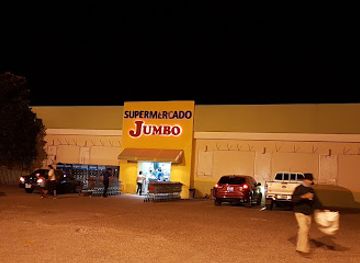
Supermercado Jumbo
Explore the vibrant Supermercado Jumbo in Comayagua, where local flavors meet international tastes, perfect for all your shopping needs.
-
Historical place
CAXA REAL
Explore Caxa Real, a historical site in Comayagua, where the rich heritage of Honduras comes to life through its architecture and stories.
Get your free copy of our complete guide to Comayagua Valley, delivered straight to you.
Everything on this page, from attractions and restaurants to essentials and local phrases, in one PDF you can read offline, print or share.
Already have an account? Sign in
Your Comayagua Valley guide is ready.
We'll send it to · Not you? Sign out

Getting your guide ready…
We are putting together a fresh copy of the Comayagua Valley guide. This can take up to a minute.
This can take a few moments. If your browser asks, choose Allow so the download can start. You'll find the guide in your Downloads folder.
Nothing happened? Download it again
Sorry, the guide is taking longer than usual. Please try again in a minute, or get it by email instead.
Comayagua Valley essentials
Currency and Payment
Safety
Emergency Situations
Do's and Don'ts
Local Tips
From Eve
Local phrases worth knowing
You don't need to get them perfect. A few words go a long way, and locals appreciate the effort.
Basics
| English | Local | Say it |
|---|---|---|
| Hello | Hola | [Ola] |
| Goodbye | Adiós | [Adyos] |
| Yes | Sí | [Si] |
| No | No | [No] |
| Please/You're welcome | Por favor | [Por favor] |
| Thank you | Gracias | [Grasias] |
| Excuse me/Sorry | Perdón | [Perdon] |
| How are you? | ¿Cómo estás? | [Como estas] |
| Fine. And you? | Bien. ¿Y tú? | [Bien. I tu] |
| Do you speak English? | ¿Hablas inglés? | [Hablas ingles] |
| I don't understand | No entiendo | [No entiendo] |
Eating & Drinking
| English | Local | Say it |
|---|---|---|
| I'd like to see the menu, please | Me gustaría ver el menú, por favor | [Me gustaria ver el menu, por favor] |
| I don't eat meat | No como carne | [No como carne] |
| Cheers! | ¡Salud! | [Salud] |
| I would like to pay, please | Me gustaría pagar, por favor | [Me gustaria pagar, por favor] |
Emergencies
| English | Local | Say it |
|---|---|---|
| Help! | ¡Ayuda! | [Ayuda] |
| Go away! | ¡Vete! | [Vete] |
| Call the Police! | ¡Llama a la policía! | [Llama a la policia] |
| Call a doctor! | ¡Llama a un doctor! | [Llama a un doctor] |
| I'm lost | Estoy perdido/a | [Estoy perdido] |
| I'm ill | Estoy enfermo/a | [Estoy enfermo] |
Shopping
| English | Local | Say it |
|---|---|---|
| I'd like to buy... | Quisiera comprar... | [Quisiera comprar] |
| I'm just looking | Solo estoy mirando | [Solo estoy mirando] |
| How much is it? | ¿Cuánto cuesta? | [Cuanto cuesta] |
| That's too expensive | Eso es muy caro | [Eso es muy caro] |
| Can you lower the price? | ¿Puedes bajar el precio? | [Puedes bajar el precio] |
Time & Numbers
| English | Local | Say it |
|---|---|---|
| What time is it? | ¿Qué hora es? | [Que hora es] |
| It's one o'clock | Es la una | [Es la una] |
| Half past (10) | Y media (10) | [Y media] |
| Morning | Mañana | [Mañana] |
| Afternoon | Tarde | [Tarde] |
| Evening | Noche | [Noche] |
| Yesterday | Ayer | [Ayer] |
| Today | Hoy | [Hoy] |
| Tomorrow | Mañana | [Mañana] |
| 1 | Uno | [Uno] |
| 2 | Dos | [Dos] |
| 3 | Tres | [Tres] |
| 4 | Cuatro | [Cuatro] |
| 5 | Cinco | [Cinco] |
| 6 | Seis | [Seis] |
| 7 | Siete | [Siete] |
| 8 | Ocho | [Ocho] |
| 9 | Nueve | [Nueve] |
| 10 | Diez | [Diez] |
Transport & Directions
| English | Local | Say it |
|---|---|---|
| Where's a/the...? | ¿Dónde está un/una...? | [Donde esta un/una] |
| What's the address? | ¿Cuál es la dirección? | [Cual es la direccion] |
| Can you show me (on the map)? | ¿Puedes mostrarme (en el mapa)? | [Puedes mostrarme en el mapa] |
| When's the next (bus)? | ¿Cuándo es el próximo (bus)? | [Cuando es el proximo] |
| A ticket (to ....) | Un boleto (a ...) | [Un boleto a] |
History of Comayagua Valley
Indigenous Communities Before Spanish Rule
Before European conquest, the Comayagua Valley was inhabited by Indigenous communities, including Lenca-speaking peoples whose presence remains important to the historical understanding of central Honduras. The valley's fertile lands and position between the Caribbean-facing north and the interior made it a useful corridor for settlement, agriculture and exchange. Archaeological evidence across Honduras shows that Indigenous societies cultivated maize and other crops, maintained regional networks and adapted to varied mountain and valley environments. Much of the region's pre-colonial history is less visible to casual visitors than its later churches and plazas, but it forms the foundation of the valley's cultural landscape.
The Foundation of Comayagua in the Sixteenth Century
The Spanish established Comayagua in 1537 under the name Santa María de la Nueva Valladolid de Comayagua, traditionally associated with the conquistador Alonso de Cáceres. Its position in a fertile inland basin helped it develop as a centre of administration, religion and commerce. Colonial authorities imposed new political and economic structures on Indigenous communities, while Catholic institutions became prominent in the emerging town. The settlement's grid, churches and civic buildings grew over succeeding centuries, leaving the urban pattern and architectural survivals that still define Comayagua's historic centre.
Colonial Administration, Religion and Trade
During the colonial period, Comayagua became one of the principal Spanish settlements in what is now Honduras. It served as an administrative and ecclesiastical centre, and its churches, convents and government buildings reflected the town's regional importance. Trade and agriculture in the surrounding valley supported urban institutions, while wider links connected the interior with mining districts and Caribbean ports. The Cathedral of the Immaculate Conception and other surviving religious buildings date from this period or preserve its artistic legacy. Colonial prosperity was uneven, however, and depended on systems of labour and authority imposed on local populations.
Comayagua as Capital of Honduras
After Central American independence from Spain in 1821, Comayagua remained the capital of Honduras for much of the nineteenth century. Its central location and established institutions made it a natural political headquarters, but rivalry with Tegucigalpa increasingly shaped national politics. Government buildings, churches and urban traditions from this period are part of Comayagua's historical identity. Political instability and competition between regional interests weakened the city's position as the country modernised, while Tegucigalpa grew in influence through commerce, mining connections and political power.
The Capital Moves to Tegucigalpa in 1880
In 1880, during the presidency of Marco Aurelio Soto, the Honduran capital was transferred from Comayagua to Tegucigalpa. The decision marked a major turning point: Comayagua lost its national political role but retained its importance as a historic and religious centre. The change helped preserve much of the old urban fabric, as the city was no longer reshaped on the scale expected of a national capital. Today, the contrast between Comayagua's colonial streets and Tegucigalpa's later metropolitan development is one of the clearest ways to understand Honduras's nineteenth-century transformation.
Roads, Agriculture and the Modern Valley
In the twentieth and twenty-first centuries, improved roads strengthened the Comayagua Valley's role as a link between central Honduras and the Caribbean-facing north. Agriculture, cattle raising and commercial cultivation expanded across the basin, while higher districts around Siguatepeque developed associations with coffee, pine forests and a cooler climate. The CA-5 highway increased the movement of people and goods, and Palmerola International Airport added a major air gateway within the valley. These changes have brought new economic connections while leaving Comayagua's historic centre and surrounding rural landscapes central to the region's identity.
Comayagua Valley in Photos
Browse through our photo collection highlighting the charm and character of the destination.
Neighbouring regions of Comayagua Valley
The closest regions to Comayagua Valley, if you have time for more than one.
-

-

-

-

-


Swipe for more regions
Explore more

Explore more of Honduras
Discover Honduras: From ancient Maya ruins and vibrant cities to stunning beaches and lush rainforests, this Central American gem offers something for every traveler.
Explore Honduras