
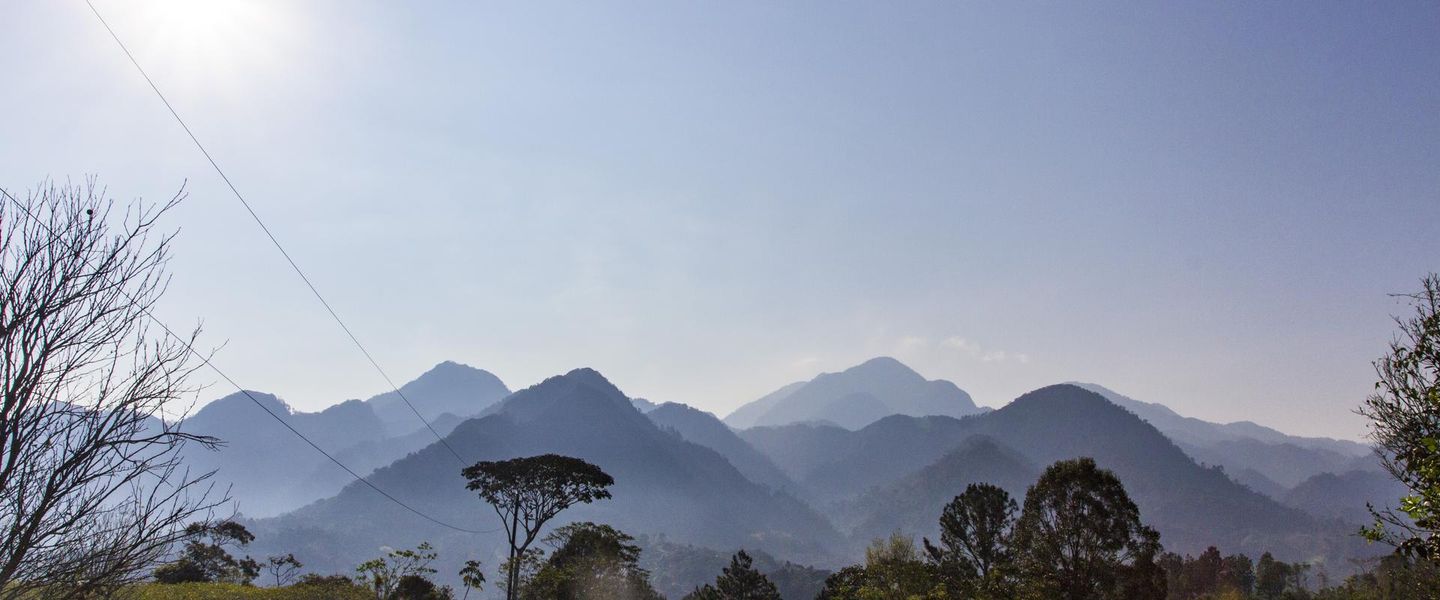
Santa Bárbara Region, Honduras Travel Guide
Discover the hidden beauty of Santa Bárbara Region in Honduras – where lush mountains, rich coffee culture, and historic colonial towns await your exploration.
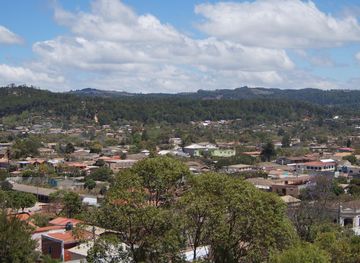
Nestled in the heart of Honduras, the Santa Bárbara Region offers an enchanting blend of natural beauty, rich culture, and historical significance. This hidden gem is a paradise for those who seek to explore unspoiled landscapes and experience the warmth of local hospitality. The region is characterized by its lush mountains, picturesque coffee plantations, and quaint colonial towns that transport you back in time. Santa Bárbara is home to several national parks, including the renowned Celaque Mountain National Park, where adventurous travelers can hike to the highest peak in Honduras. The area is also famous for its vibrant coffee culture, with numerous plantations offering tours and tastings. Visitors can learn about the coffee-making process from bean to cup, and savor the rich flavors of Honduran coffee. The cultural heritage of Santa Bárbara is equally captivating. The town of Santa Bárbara itself boasts charming colonial architecture, bustling markets, and friendly locals who are eager to share their traditions. Don't miss the chance to visit the Santa Bárbara Church, an architectural marvel that dates back to the 18th century. The region also hosts various festivals throughout the year, celebrating everything from local cuisine to traditional music and dance.

Know before you go
Hi, I'm Eve. Here are a few practical things to know before exploring Santa Bárbara Region.
- Visit during the dry season (November to April) for the best weather and easier hiking conditions.
- Wear comfortable hiking shoes and bring plenty of water when exploring national parks.
- Try the local coffee; it's some of the best in the world. Many plantations offer tours and tastings.
- Learn a few Spanish phrases. While some locals speak English, knowing basic Spanish will enhance your experience.
- Check the local festival calendar before planning your trip to experience the rich cultural festivities.
- Visit the Santa Bárbara Church to admire its colonial architecture and historical significance.
Top City Travel Guides in Santa Bárbara Region
The cities of Santa Bárbara Region, and the easiest places to base yourself.


Destinations in Santa Bárbara Region
Resorts, valleys and scenic spots worth a trip of their own.


Explore Santa Bárbara Region: Things to Do, Places to Eat, Hotels & More
Handpicked recommendations for top attractions, local dining, accommodations, and more

Top Attractions & Sightseeing in Santa Bárbara Region
Top-rated picks
Best Attractions

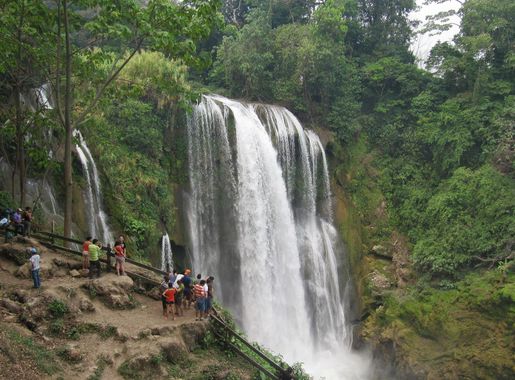
Cataratas Pulhapanzak
Experience the breathtaking beauty of Cataratas Pulhapanzak, a stunning waterfall in San Buenaventura, perfect for adventure seekers and nature lovers alike.

Joya Grande Zoo
Explore Joya Grande Zoo in Santa Cruz de Yojoa, a family-friendly destination featuring exotic animals, lush gardens, and conservation education in Honduras.

Parque Nacional Cerro Azul Meámbar
Explore the breathtaking landscapes and rich biodiversity of Parque Nacional Cerro Azul Meámbar, a must-visit national park in Honduras.

Parque Eco-Arqueológico Los Naranjos
Explore the lush beauty and ancient history of Parque Eco-Arqueológico Los Naranjos in Peña Blanca, Cortés, a captivating ecological park and tourist attraction.

Best landmarks in Santa Bárbara Region
Top-rated picks
Best Landmarks

Cataratas Pulhapanzak
Explore the breathtaking beauty and adventure at Cataratas Pulhapanzak, a stunning waterfall destination in San Buenaventura, Honduras, perfect for nature lovers.

La Gruta
Explore La Gruta, a historical landmark in La Esperanza, where natural beauty meets rich cultural heritage, captivating travelers with every step.

Fortaleza de San Fernando
Discover the stunning architecture and rich history of Fortaleza de San Fernando in Omoa, a must-see destination for all history enthusiasts visiting Honduras.

Aguas Termales Presidente
Discover the healing waters and serene beauty of Aguas Termales Presidente in Lempira, a must-visit natural hot spring oasis in Honduras.

Best restaurants in Santa Bárbara Region
Top-rated picks
Best Restaurants

La Cumbre
Experience exquisite dining at La Cumbre in El Hatillo - where breathtaking views meet gourmet Honduran cuisine.

Family Restaurant & Family Coffee
Experience local flavors and family-friendly dining at Tegucigalpita's charming Family Restaurant & Family Coffee.

Café Honoré
Discover the flavors of Honduras at Café Honoré - a top-rated restaurant in Tegucigalpa offering delicious food and warm hospitality.

Restaurante Típicos El Charancaco
Experience authentic Honduran flavors at Restaurante Típicos El Charancaco in Quimistán—where every dish celebrates tradition and warmth.

Best bars in Santa Bárbara Region
Top-rated picks
Best Bars

Sante Tegus
Experience the vibrant nightlife at Sante Tegus, a top bar in Tegucigalpa, offering delicious cocktails and a lively atmosphere.

Bar y Restaurante Rancho La Sierra
Savor the best of grilled cuisine and local flavors at Bar y Restaurante Rancho La Sierra in Santa Barbara, a culinary haven for every food lover.

Las Pinequitas - Bistro Café
Experience the unique culinary flavors of Santa Barbara at Las Pinequitas - Bistro Café, a perfect blend of local and international cuisine.

Bijao Ranch - Bar & Restaurant
Experience the vibrant flavors and lively entertainment at Bijao Ranch, Santa Bárbara's premier grill and karaoke bar for tourists.

Best nightclubs in Santa Bárbara Region
Top-rated picks
Best Nightclubs

Beyond Club (FREEDOM LOUNGE SPS)
Dive into the vibrant nightlife of San Pedro Sula at Beyond Club, a premier disco club offering electrifying music and an unforgettable atmosphere.

Karao's
Discover the vibrant nightlife of Trujillo at Karao's, where music, dance, and local culture come together for an unforgettable experience.

Le Queen
Experience the vibrant nightlife of San Pedro Sula at Le Queen, where unforgettable moments and pulsating rhythms await you.

BALAMKU (Mayan Club)
Discover the heartbeat of Santa Rosa de Copan's nightlife at Balamku (Mayan Club), where vibrant music and culture collide for an unforgettable experience.

Best shops in Santa Bárbara Region
Top-rated picks
Best Shops

City Mall
Discover the ultimate shopping and entertainment experience at City Mall in Tegucigalpa, where every visit is a new adventure.

Mall Galerías del Valle
Experience shopping bliss at Mall Galerías del Valle—San Pedro Sula's top destination for retail therapy, dining, and entertainment.

Joya Grande Zoo
Experience the vibrant wildlife and stunning landscapes at Joya Grande Zoo, a top tourist attraction in Santa Cruz de Yojoa.

Mall Pasaje Valle
Explore Mall Pasaje Valle: A shopping paradise in San Pedro Sula offering local crafts, diverse cuisines, and a lively atmosphere for all visitors.

Explore Santa Bárbara Region on the Map
A handpicked selection of must-see spots in Santa Bárbara Region, mapped for you.
Santa Bárbara Region Essentials
-
Santa Bárbara Region is accessible primarily via Ramón Villeda Morales International Airport in San Pedro Sula, which is the closest major airport. From the airport, you can travel to Santa Bárbara by car, bus, or taxi. The drive typically takes around 2 to 3 hours. Additionally, regular bus services run from San Pedro Sula to Santa Bárbara, offering an affordable option for travelers.
-
Within Santa Bárbara, local transportation options include taxis, moto-taxis, and buses. Taxis are convenient for short distances, while moto-taxis provide a more adventurous way to navigate the town. Buses and minibuses (known as 'rapiditos') connect Santa Bárbara with surrounding towns and villages. Renting a car is also an option, offering the flexibility to explore the region at your own pace.
-
The official currency in Honduras is the Honduran Lempira (HNL). Credit cards are accepted in some hotels, restaurants, and shops in Santa Bárbara, but it's advisable to carry cash, especially for smaller establishments and local markets. ATMs are available, but it’s wise to withdraw sufficient cash in larger cities like San Pedro Sula before traveling to rural areas.
-
While Santa Bárbara is generally safe for tourists, it's important to exercise standard precautions. Avoid walking alone at night in unfamiliar areas and be vigilant with your belongings in crowded places. Some neighborhoods in larger cities, such as San Pedro Sula, have higher crime rates, so it’s best to remain cautious and avoid these areas. Always ask locals or your accommodation for advice on safe areas to visit.
-
In case of an emergency, dial 911 for immediate assistance. Santa Bárbara has local police stations and medical facilities available. It is recommended to have travel insurance that covers medical emergencies. For minor health issues, there are pharmacies where you can purchase over-the-counter medications. Make sure to carry a copy of your passport and important contact numbers.
-
Fashion: Do dress modestly, especially when visiting religious sites. Avoid wearing revealing clothing. Religion: Do respect local religious customs and traditions. When visiting churches, dress conservatively and maintain a quiet demeanor. Public Transport: Do be courteous and respectful to fellow passengers. Don’t eat or drink on public transport. Greetings: Do greet people with a friendly 'Buenas' or 'Hola'. A handshake is common among acquaintances. Eating & Drinking: Do try local dishes and accept food offerings graciously. Don’t refuse hospitality, as it is considered impolite.
-
To experience Santa Bárbara like a local, visit the bustling local markets where you can buy fresh produce and traditional Honduran goods. Engage with locals, who are often friendly and eager to share stories about their culture and history. Don’t miss visiting the Santa Bárbara mountain range for stunning hiking trails and breathtaking views. Additionally, try local delicacies such as 'baleadas' and 'sopa de caracol'.
When is the best time to visit Santa Bárbara Region?
Useful Local Phrases for Santa Bárbara Region
You don't need to speak the language perfectly. Even learning a few simple words can make conversations warmer—and locals usually appreciate the effort.
— Eve

Here are the phrases I use most often in Santa Bárbara Region. Try a few—you'll be surprised how far they go! 😊
❤️
-
- HelloHola
[Ola] - GoodbyeAdiós
[Adios] - YesSí
[Si] - NoNo
[No] - Please/You’re welcomePor favor/De nada
[Por favor/De nada] - Thank youGracias
[Grasias] - Excuse me/SorryDisculpe/Lo siento
[Disculpe/Lo siento] - How are you?¿Cómo estás?
[Como estas] - Fine. And you?Bien. ¿Y tú?
[Bien. Y tu] - Do you speak English?¿Hablas inglés?
[Hablas ingles] - I don't understandNo entiendo
[No entiendo]
- HelloHola
-
- I’d like to see the menu, pleaseMe gustaría ver el menú, por favor
[Me gustaria ver el menu, por favor] - I don't eat meatNo como carne
[No como carne] - Cheers!¡Salud!
[Salud] - I would like to pay, pleaseMe gustaría pagar, por favor
[Me gustaria pagar, por favor]
- I’d like to see the menu, pleaseMe gustaría ver el menú, por favor
-
- Help!¡Ayuda!
[Ayuda] - Go away!¡Vete!
[Vete] - Call the Police!¡Llama a la policía!
[Llama a la policia] - Call a doctor!¡Llama a un doctor!
[Llama a un doctor] - I’m lostEstoy perdido/a
[Estoy perdido/a] - I’m illEstoy enfermo/a
[Estoy enfermo/a]
- Help!¡Ayuda!
-
- I’d like to buy...Me gustaría comprar...
[Me gustaria comprar] - I’m just lookingSolo estoy mirando
[Solo estoy mirando] - How much is it?¿Cuánto cuesta?
[Cuanto cuesta] - That’s too expensiveEso es muy caro
[Eso es muy caro] - Can you lower the price?¿Puedes bajar el precio?
[Puedes bajar el precio]
- I’d like to buy...Me gustaría comprar...
-
- What time is it?¿Qué hora es?
[Que hora es] - It's one o'clockEs la una
[Es la una] - Half past (10)Y media (10)
[Y media (10)] - MorningMañana
[Mañana] - AfternoonTarde
[Tarde] - EveningNoche
[Noche] - YesterdayAyer
[Ayer] - TodayHoy
[Hoy] - TomorrowMañana
[Mañana] - 1Uno
[Uno] - 2Dos
[Dos] - 3Tres
[Tres] - 4Cuatro
[Cuatro] - 5Cinco
[Cinco] - 6Seis
[Seis] - 7Siete
[Siete] - 8Ocho
[Ocho] - 9Nueve
[Nueve] - 10Diez
[Diez]
- What time is it?¿Qué hora es?
-
- Where's a/the...?¿Dónde está un/una...?
[Donde esta un/una] - What's the address?¿Cuál es la dirección?
[Cual es la direccion] - Can you show me (on the map)?¿Puedes mostrarme (en el mapa)?
[Puedes mostrarme en el mapa] - When's the next (bus)?¿Cuándo es el próximo (bus)?
[Cuando es el proximo bus] - A ticket (to ....)Un boleto (a ....)
[Un boleto a]
- Where's a/the...?¿Dónde está un/una...?
History of Santa Bárbara Region
-
Before the arrival of the Spanish, the region that is now Santa Bárbara was inhabited by various indigenous peoples, including the Lenca. The Lenca were known for their intricate pottery, agricultural practices, and deep spiritual connection to the land. Evidence of their presence can still be found in archaeological sites scattered throughout the region.
-
In the early 16th century, Spanish conquistadors arrived in what is now Santa Bárbara. The region was incorporated into the Spanish Empire, and many of its indigenous inhabitants were subjected to forced labor and conversion to Christianity. The town of Santa Bárbara was officially founded in 1537 and quickly became a colonial hub due to its strategic location and fertile lands.
-
As the 19th century approached, the winds of independence began to blow through Central America. Santa Bárbara played a role in the Honduran struggle for independence from Spanish rule. Local leaders and residents participated in various uprisings and political movements that ultimately led to Honduras' independence in 1821.
-
Throughout the 19th and 20th centuries, Santa Bárbara experienced significant economic development. The region became known for its coffee production, which brought prosperity and attracted migrant workers. Infrastructure improvements, such as the construction of roads and railways, further integrated Santa Bárbara into the national economy.
-
Santa Bárbara is rich in cultural heritage, with traditions that reflect a blend of indigenous, Spanish, and African influences. The region is known for its vibrant festivals, such as the Feria de Santa Bárbara, which celebrates the town's patron saint with music, dance, and traditional foods. Artisan crafts, including handwoven textiles and pottery, are also an important part of the local culture.
-
Today, Santa Bárbara is a thriving region that balances its historical legacy with modern development. It remains an important agricultural center, while also promoting sustainable tourism. Visitors can explore historical sites, enjoy natural attractions like the Celaque National Park, and experience the warm hospitality of the local communities.
Neighbouring Regions of Santa Bárbara Region
The closest regions to Santa Bárbara Region, if you have time for more than one.



Your all‑in‑one travel companion app
Explore expert travel guides, compare and book tours, experiences, hotels, and more—all from the palm of your hand. Download now for seamless trip planning wherever your wanderlust takes you.


Explore More of Honduras

Looking beyond Santa Bárbara Region? Discover Honduras for broader travel guides, local hot-spots, and regional highlights.
Explore HondurasSanta Bárbara Region in Photos
Browse through our photo collection highlighting the charm and character of the destination.





Santa Bárbara Region: A Hidden Gem in Honduras
Nestled in the heart of Honduras, the Santa Bárbara Region offers an enchanting blend of natural beauty, rich culture, and historical significance. This hidden gem is a paradise for those who seek to explore unspoiled landscapes and experience the warmth of local hospitality. The region is characterized by its lush mountains, picturesque coffee plantations, and quaint colonial towns that transport you back in time. Santa Bárbara is home to several national parks, including the renowned Celaque Mountain National Park, where adventurous travelers can hike to the highest peak in Honduras. The area is also famous for its vibrant coffee culture, with numerous plantations offering tours and tastings. Visitors can learn about the coffee-making process from bean to cup, and savor the rich flavors of Honduran coffee. The cultural heritage of Santa Bárbara is equally captivating. The town of Santa Bárbara itself boasts charming colonial architecture, bustling markets, and friendly locals who are eager to share their traditions. Don't miss the chance to visit the Santa Bárbara Church, an architectural marvel that dates back to the 18th century. The region also hosts various festivals throughout the year, celebrating everything from local cuisine to traditional music and dance.