

Free Yoro Region Travel Guide & Mobile App
Explore Yoro Region with free travel guides. Discover regional history, expert tips, proposed trips, and audio guides on web or mobile app.


Explore Yoro in northern Honduras for mountain forests, agricultural valleys, Tolupan heritage, rural towns and the folklore of the fish rain.
Read more about Yoro Region
When is the best time to visit Yoro Region?
Best: January–March · 30–31°C| Month | High (°C) | Rainfall (mm) |
|---|---|---|
| January (best) | 30 | 60 |
| February (best) | 30 | 50 |
| March (best) | 31 | 50 |
| April | 33 | 60 |
| May | 34 | 100 |
| June | 34 | 120 |
| July | 34 | 80 |
| August | 34 | 90 |
| September | 34 | 110 |
| October | 33 | 140 |
| November | 31 | 100 |
| December | 30 | 80 |
Getting to and around Yoro Region
How to get there
Transportation
Top city travel guides in Yoro Region
The cities of Yoro Region, and the easiest places to base yourself.
-

-


Swipe for more cities
Destinations in Yoro Region
Resorts, valleys and scenic spots worth a trip of their own.
-

-


Swipe for more destinations
Best attractions in Yoro Region
Yoro's attractions are defined less by a dense chain of formal tourist sites than by the relationship between agricultural valleys, inland towns and mountain forests. In El Progreso, the principal draw is Montaña de Mico Quemado, whose slopes rise above the plain and provide forest scenery, elevated views and opportunities for walking and birdwatching where access conditions permit. The city itself is useful for understanding the commercial life of the Ulúa valley and the legacy of banana-era development. Yoro city offers local history, parish life and the folklore surrounding the lluvia de peces, or rain of fish. Farther east and inland, Olanchito and the towns of the Aguán valley provide access to rural landscapes, farms and river corridors. Pico Pijol is the department's most important highland nature destination, with cloud-forest environments and cooler conditions, although visits require planning, local guidance and suitable transport. Smaller municipalities such as Morazán, Yorito, Victoria and Sulaco reveal a quieter side of Honduras through markets, agricultural traditions and mountain scenery. Wildlife observation, hiking and community-based experiences are possible, but facilities are limited compared with established Caribbean tourist centres.
-
Tourist attraction
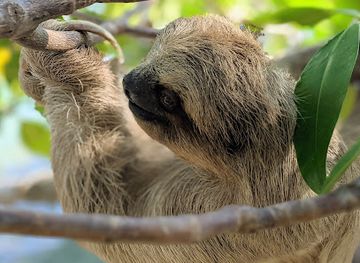
Daniel Johnson's Monkey and Sloth Hang Out
Discover the joy of interacting with sloths and monkeys at Daniel Johnson's Monkey and Sloth Hang Out in Roatan, a sanctuary dedicated to wildlife conservation.
-
Botanical garden
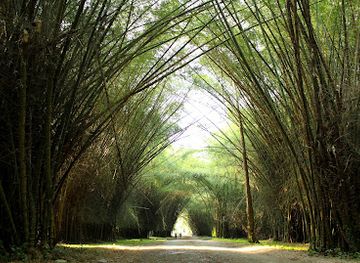
Jardín Botánico Lancetilla
Discover the enchanting flora of Jardín Botánico Lancetilla, a botanical garden in Tela, Honduras, perfect for nature lovers and tranquility seekers.
-
Tourist attraction
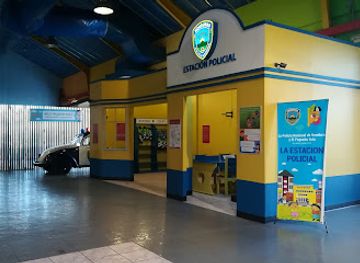
The Little Sula Children's Museum
Explore, learn, and play at The Little Sula Children's Museum, where adventure and education come together for an unforgettable family experience in San Pedro Sula.
-
Tourist attraction
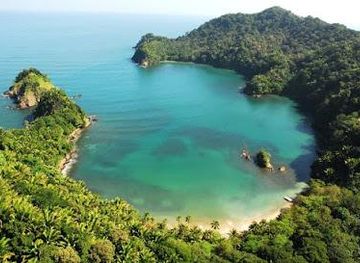
Punta Sal Tela
Experience the beauty of Punta Sal Tela, a hidden gem in Honduras with stunning beaches, vibrant marine life, and lush tropical landscapes perfect for exploration.
Best landmarks in Yoro Region
Montaña de Mico Quemado is Yoro's most recognisable natural landmark, forming a green mountain wall above El Progreso and serving as an important watershed and visual reference for the Ulúa valley. Pico Pijol is another defining feature: its forested summit and surrounding highlands represent the department's wetter, cooler interior and its remaining cloud-forest habitats. The Ulúa River and its broad agricultural plain are geographical landmarks as much as scenic ones, explaining the location and economic development of El Progreso. In the city of Yoro, the central urban landscape and parish architecture provide a modest but meaningful expression of inland colonial and post-colonial settlement. Olanchito's position between the Aguán valley and surrounding mountains gives it a separate geographical identity within the department. The roads and river valleys themselves reveal the contrast between commercial lowlands and isolated upland communities. These places matter because they show Yoro's structure: a department shaped by water, elevation, agricultural expansion, forest conservation and long-standing Indigenous presence rather than by one monumental building.
-
Tourist attraction
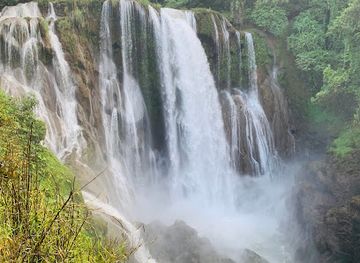
Cataratas Pulhapanzak
Explore the stunning Cataratas Pulhapanzak, a natural wonder in Honduras, perfect for adventure and relaxation amidst breathtaking waterfalls.
-
Museum
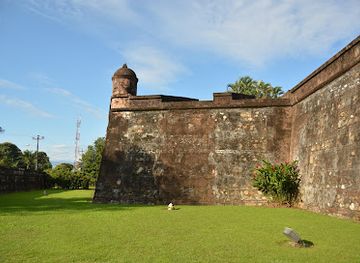
Fortaleza de San Fernando
Explore the historical Fortaleza de San Fernando, a captivating museum and tourist attraction in Omoa, Honduras, showcasing colonial history and stunning sea views.
-
Tourist attraction
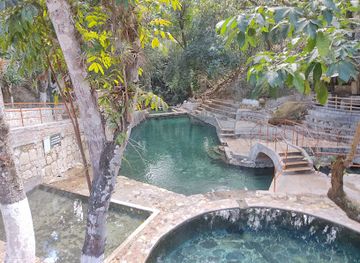
Aguas Termales Presidente
Experience the soothing natural hot springs of Aguas Termales Presidente in Lempira, a tranquil retreat for relaxation and rejuvenation amidst stunning scenery.
-
Park
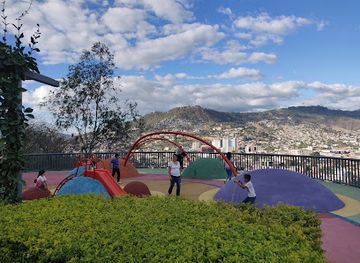
Parque Cerro Juana Lainez
Explore the lush landscapes and stunning views at Parque Cerro Juana Lainez, a tranquil park perfect for relaxation and outdoor activities in Tegucigalpa.
Explore Yoro Region on the map
Plan your trip on one map. See where the top cities, national parks and sights are, and book hotels and experiences in a few clicks.
Best hotels in Yoro Region
Best restaurants in Yoro Region
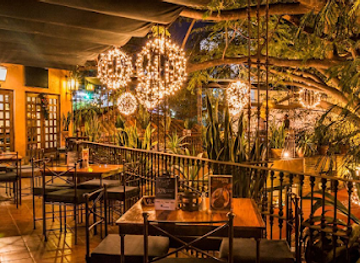
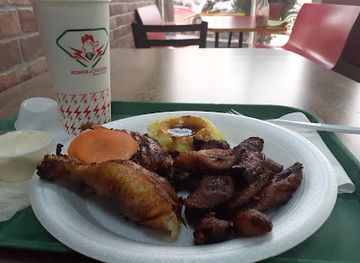
Yoro's food culture reflects northern Honduran home cooking and the produce of its valleys rather than a narrowly defined restaurant cuisine. Expect maize tortillas, beans, rice, plantains, eggs, soups, grilled meats and fresh dairy products, with seasonal fruit and vegetables supplied by the surrounding agricultural districts. In El Progreso and the larger towns, simple comedor restaurants, cafés and family-run eateries provide the widest choice, while smaller communities tend to rely on market stalls, bakeries and informal kitchens. The department's lowlands are closely associated with banana and other commercial crops, although these are usually encountered as agricultural products rather than as a single signature dish. Travellers may also find regional variations of tamales, pastelitos and other Honduran snacks. Rural inns and roadside eateries are practical places to try everyday food, but menus and opening arrangements can be limited outside the main towns. Carry water and a few provisions when travelling towards mountain reserves, where dining options are sparse.
-
Restaurant
Hacienda Real Honduras
Discover the rich flavors of Latin America at Hacienda Real Honduras - where culinary artistry meets warm hospitality.
-
Restaurant
Power Chicken • El Progreso
Experience authentic Honduran flavors at Power Chicken in El Progreso—home to delicious rotisserie chicken and warm hospitality.
-
Restaurant
La Cumbre
Discover La Cumbre: A premier dining destination in El Hatillo offering exquisite cuisine and stunning views for an unforgettable culinary journey.
-
Grill
Asados Típicos Las Tejas
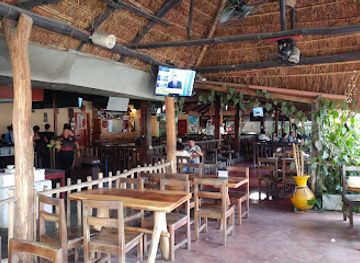
Experience authentic Honduran grilled cuisine at Asados Típicos Las Tejas in El Progreso - a culinary delight not to be missed.

Best bars in Yoro Region
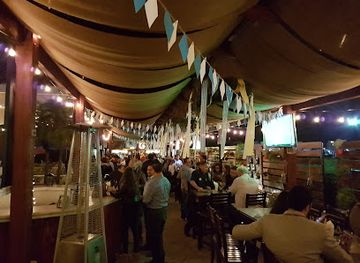
Evening life in Yoro is generally centred on family restaurants, neighbourhood bars, pool halls, cafés and traditional cantinas rather than a large nightclub circuit. El Progreso has the broadest selection of places to eat and socialise, with busier evenings around commercial areas and public festivities, while Yoro city and Olanchito offer a more local, town-based atmosphere. In smaller municipalities, nightlife may consist mainly of modest bars, food stalls and occasional live music or celebrations connected with parish or civic events. Travellers should ask accommodation staff or trusted local contacts about current venues and avoid assuming that rural establishments operate to fixed hours. Beer and spirits are available, but drinking is not necessary to experience the region's evening culture; early dinners, town-square activity and conversations in cafés often provide a better sense of everyday life.
-
Irish pub
Mc Allister's Irish Pub
Discover the charm of Ireland at Mc Allister's Irish Pub in Tegucigalpa, where great food, drinks, and atmosphere come together.
-
Bar
Beer Garden Clarion
Experience the lively ambiance and exquisite cocktails at Beer Garden Clarion, the heart of Tegucigalpa's nightlife.
-
Bar
Indie Lounge
Discover Tegucigalpa's Indie Lounge, where vibrant nightlife, eclectic music, and a stylish atmosphere create unforgettable experiences.
-
Grill
La Cerve
Discover the vibrant flavors of Honduras at La Cerve, Tegucigalpa's premier grill restaurant, perfect for tourists and locals alike.


Best nightclubs in Yoro Region
Evening life in Yoro is generally centred on family restaurants, neighbourhood bars, pool halls, cafés and traditional cantinas rather than a large nightclub circuit. El Progreso has the broadest selection of places to eat and socialise, with busier evenings around commercial areas and public festivities, while Yoro city and Olanchito offer a more local, town-based atmosphere. In smaller municipalities, nightlife may consist mainly of modest bars, food stalls and occasional live music or celebrations connected with parish or civic events. Travellers should ask accommodation staff or trusted local contacts about current venues and avoid assuming that rural establishments operate to fixed hours. Beer and spirits are available, but drinking is not necessary to experience the region's evening culture; early dinners, town-square activity and conversations in cafés often provide a better sense of everyday life.
-
Disco club
Beyond Club (FREEDOM LOUNGE SPS)
Experience the vibrant nightlife of San Pedro Sula at Beyond Club (FREEDOM LOUNGE SPS) – where the music is loud and the dance floor never sleeps.
-
Disco club
Le Queen
Dive into the vibrant nightlife of San Pedro Sula at Le Queen, a premier disco club featuring electrifying music and a lively atmosphere.
-
Disco club
Karao's
Experience the vibrant nightlife at Karao's, Trujillo's premier disco club, where music and dance come alive in a dazzling atmosphere.
-
Sports bar
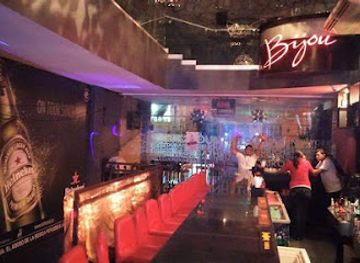
Bijou Restobar Lounge Club
Discover the vibrant atmosphere of Bijou Restobar Lounge Club, where sports, delicious food, and great company come together in El Progreso.



Best shops in Yoro Region
Shopping in Yoro is primarily practical and local, with the strongest market activity in El Progreso, Yoro city and Olanchito. Municipal markets and small food shops sell fruit, vegetables, maize products, beans, dairy goods and everyday household items from the surrounding agricultural districts. El Progreso has the broadest choice of supermarkets, clothing shops, pharmacies and general retail, while smaller towns are better for observing local commerce than for extensive souvenir shopping. Travellers may find handmade items, woven goods or small craft products through local fairs and community contacts, but availability varies and should not be assumed. Regional food products, coffee from upland areas, sweets, baked goods and packaged agricultural produce are more dependable purchases than highly standardised souvenirs. Ask permission before buying directly from Indigenous artisans and pay a fair price rather than treating local work as a bargain. Carry reusable bags and cash for markets, where card payments are uncommon.
-
Shopping mall
City Mall
Experience the best of shopping, dining, and entertainment at City Mall in Tegucigalpa, the ultimate destination for tourists.
-
Shopping mall
Multiplaza
Discover the vibrant shopping scene at Multiplaza, Tegucigalpa's premier destination for fashion, food, and family fun.
-
Shopping mall
Mall Galerías del Valle
Experience the vibrant shopping scene at Mall Galerías del Valle, San Pedro Sula's premier destination for retail, dining, and entertainment.
-
Shopping mall
CityMall San Pedro Sula
Explore CityMall San Pedro Sula for a delightful shopping experience with diverse brands, dining, and entertainment options in one vibrant location.




Get your free copy of our complete guide to Yoro Region, delivered straight to you.
Everything on this page, from attractions and restaurants to essentials and local phrases, in one PDF you can read offline, print or share.
Already have an account? Sign in
Your Yoro Region guide is ready.
We'll send it to · Not you? Sign out

Getting your guide ready…
We are putting together a fresh copy of the Yoro Region guide. This can take up to a minute.
This can take a few moments. If your browser asks, choose Allow so the download can start. You'll find the guide in your Downloads folder.
Nothing happened? Download it again
Sorry, the guide is taking longer than usual. Please try again in a minute, or get it by email instead.
Yoro Region essentials
Currency and Payment
Safety
Emergency Situations
Do's and Don'ts
Local Tips
From Eve
Local phrases worth knowing
You don't need to get them perfect. A few words go a long way, and locals appreciate the effort.
Basics
| English | Local | Say it |
|---|---|---|
| Hello | Hola | [Ola] |
| Goodbye | Adiós | [Adeeos] |
| Yes | Sí | [See] |
| No | No | [No] |
| Please/You're welcome | Por favor/De nada | [Por favor/De nada] |
| Thank you | Gracias | [Grasias] |
| Excuse me/Sorry | Perdón | [Perdon] |
| How are you? | ¿Cómo estás? | [Como estas] |
| Fine. And you? | Bien. ¿Y tú? | [Bien. I tu] |
| Do you speak English? | ¿Hablas inglés? | [Hablas ingles] |
| I don't understand | No entiendo | [No entiendo] |
Eating & Drinking
| English | Local | Say it |
|---|---|---|
| I'd like to see the menu, please | Quisiera ver el menú, por favor | [Kisiera ver el menu, por favor] |
| I don't eat meat | No como carne | [No komo karne] |
| Cheers! | ¡Salud! | [Salud] |
| I would like to pay, please | Quisiera pagar, por favor | [Kisiera pagar, por favor] |
Emergencies
| English | Local | Say it |
|---|---|---|
| Help! | ¡Ayuda! | [Ayuda] |
| Go away! | ¡Vete! | [Vete] |
| Call the Police! | ¡Llama a la policía! | [Llama a la polisia] |
| Call a doctor! | ¡Llama a un doctor! | [Llama a un doktor] |
| I'm lost | Estoy perdido | [Estoy perdido] |
| I'm ill | Estoy enfermo | [Estoy enfermo] |
Shopping
| English | Local | Say it |
|---|---|---|
| I'd like to buy... | Quisiera comprar... | [Kisiera comprar] |
| I'm just looking | Solo estoy mirando | [Solo estoy mirando] |
| How much is it? | ¿Cuánto cuesta? | [Cuanto cuesta] |
| That's too expensive | Eso es muy caro | [Eso es muy karo] |
| Can you lower the price? | ¿Puedes bajar el precio? | [Puedes bajar el precio] |
Time & Numbers
| English | Local | Say it |
|---|---|---|
| What time is it? | ¿Qué hora es? | [Ke ora es] |
| It's one o'clock | Es la una | [Es la una] |
| Half past (10) | Y media | [Y media] |
| Morning | Mañana | [Mañana] |
| Afternoon | Tarde | [Tarde] |
| Evening | Noche | [Noche] |
| Yesterday | Ayer | [Ayer] |
| Today | Hoy | [Hoy] |
| Tomorrow | Mañana | [Mañana] |
| 1 | Uno | [Uno] |
| 2 | Dos | [Dos] |
| 3 | Tres | [Tres] |
| 4 | Cuatro | [Kuatro] |
| 5 | Cinco | [Sinko] |
| 6 | Seis | [Seis] |
| 7 | Siete | [Siete] |
| 8 | Ocho | [Ocho] |
| 9 | Nueve | [Nueve] |
| 10 | Diez | [Diez] |
Transport & Directions
| English | Local | Say it |
|---|---|---|
| Where's a/the...? | ¿Dónde está...? | [Donde esta] |
| What's the address? | ¿Cuál es la dirección? | [Cual es la dirrecion] |
| Can you show me (on the map)? | ¿Puedes mostrarme (en el mapa)? | [Puedes mostrarme en el mapa] |
| When's the next (bus)? | ¿Cuándo es el próximo (bus)? | [Cuando es el proximo bus] |
| A ticket (to ....) | Un boleto (a ...) | [Un boleto a] |
History of Yoro Region
Pre-Hispanic Peoples and Tolupan Heritage
Before Spanish colonisation, the territory now known as Yoro was occupied by Indigenous peoples whose descendants include the Tolupan communities of the northern and central uplands. Tolupan history has been shaped by pressure on land, forests and political autonomy, but cultural continuity remains important in several communities. The department's mountainous geography helped preserve distinct local identities, while the valleys became more heavily integrated into colonial and later commercial economies.
Spanish Colonial Incorporation
Spanish power reached the region during the sixteenth century, bringing new systems of landholding, religion, administration and labour. Control was more direct in accessible valleys and town centres than in the forested interior, where Indigenous communities retained greater distance from colonial institutions. The foundation and growth of settlements such as Yoro reflected the gradual organisation of inland territory within the Spanish colonial sphere and the spread of Catholic parish life.
Nineteenth-Century Towns and Agricultural Expansion
After Honduras became independent from Spain in the early nineteenth century, Yoro remained predominantly rural and dependent on agriculture, livestock and local trade. Towns developed as administrative and market centres linking mountain communities with the larger valleys. Land use expanded gradually, and political control continued to be negotiated across difficult terrain. The department's later economic importance was closely connected to its rivers, fertile lowlands and access to the Caribbean-facing north.
The Ulúa Valley and Agricultural Commercialisation
During the late nineteenth and early twentieth centuries, the lowlands around the Ulúa River became increasingly integrated into commercial agriculture. Improved transport, irrigation and land development encouraged the production of bananas and other crops, while El Progreso grew as a service and trading centre. These changes brought employment and new infrastructure but also altered land ownership and placed pressure on wetlands, forests and communities dependent on small-scale agriculture.
Railways, Banana Companies and El Progreso
The development of rail links and banana commerce in northern Honduras transformed El Progreso during the twentieth century. Railways connected plantations and river-valley production to Caribbean export systems, while company activity influenced settlement patterns, labour and urban growth. The banana economy later declined in relative importance, but its legacy remains visible in the organisation of the plain, the town's commercial role and the wider history of labour and foreign enterprise in northern Honduras.
Conflict, Reform and Rural Land Change
Twentieth-century Honduras saw major debates over land reform, agricultural modernisation and the rights of rural workers and Indigenous communities. In Yoro, these issues were particularly significant because commercial plantations, cattle ranches, forested uplands and small farms occupied the same broad territory. Changes in land tenure and agricultural production brought opportunity for some communities while intensifying disputes over access to land and natural resources.
Modern Environmental and Cultural Challenges
In recent decades, Yoro has faced the combined pressures of deforestation, agricultural expansion, flooding, climate variability and uneven rural development. Protected mountain landscapes such as Montaña de Mico Quemado and Pico Pijol represent efforts to conserve watersheds and biodiversity, while Tolupan communities continue to defend cultural identity and territorial interests. The department's modern story is therefore not only economic, but also concerned with environmental stewardship and local control.
Yoro Region in Photos
Browse through our photo collection highlighting the charm and character of the destination.
Neighbouring regions of Yoro Region
The closest regions to Yoro Region, if you have time for more than one.
-

-

-

-

-


Swipe for more regions
Explore more

Explore more of Honduras
Discover Honduras: From ancient Maya ruins and vibrant cities to stunning beaches and lush rainforests, this Central American gem offers something for every traveler.
Explore Honduras