

Free Intibucá Region Travel Guide & Mobile App
Explore Intibucá Region with free travel guides. Discover regional history, expert tips, proposed trips, and audio guides on web or mobile app.


Explore Honduras’s Intibucá highlands for Lenca culture, pine forests, cool mountain towns, coffee, crafts and scenic rural landscapes.
Read more about Intibucá Region
When is the best time to visit Intibucá Region?
Best: May–July · 22–23°C| Month | High (°C) | Rainfall (mm) |
|---|---|---|
| January | 19 | 10 |
| February | 19 | 12 |
| March | 20 | 14 |
| April | 21 | 18 |
| May (best) | 22 | 23 |
| June (best) | 23 | 30 |
| July (best) | 22 | 28 |
| August | 22 | 29 |
| September | 22 | 32 |
| October | 21 | 26 |
| November | 20 | 20 |
| December | 19 | 14 |
Getting to and around Intibucá Region
How to get there
Transportation
Top city travel guides in Intibucá Region
The cities of Intibucá Region, and the easiest places to base yourself.

Swipe for more cities
Destinations in Intibucá Region
Resorts, valleys and scenic spots worth a trip of their own.

Swipe for more destinations
Best attractions in Intibucá Region
Intibucá’s attractions centre on highland landscapes, Lenca culture and the everyday life of mountain communities rather than a concentration of large commercial sights. La Esperanza and Intibucá provide a base for exploring local churches, markets, cafés and craft activity, while nearby rural settlements offer insight into agriculture, weaving, pottery and community traditions. Laguna de Chiligatoro is a recognised excursion for visitors seeking open water, pine-covered hills and a quieter outdoor setting. The Opalaca mountain area contributes forested ridges, cool air and opportunities for walking and landscape observation, though access and trails can be locally managed or lightly signposted. Coffee-growing areas, vegetable farms and viewpoints along the mountain roads reveal how elevation shapes the regional economy. Visitors interested in culture should look for respectful, community-based encounters rather than treating Lenca traditions as performances. Birdwatching, short hikes and rural photography are possible, but weather and road conditions determine what can be done comfortably. Intibucá rewards slower travel, with the strongest experiences often coming from combining a town visit, a natural excursion and time spent learning about local food or craft production.
-
Historical landmark
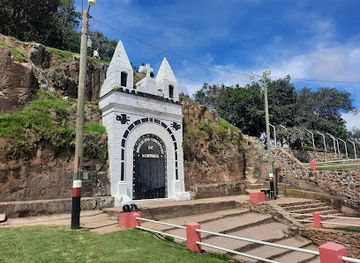
La Gruta
Explore La Gruta, a historical landmark in La Esperanza, where rich culture meets stunning architecture amidst breathtaking landscapes.
-
Tourist attraction
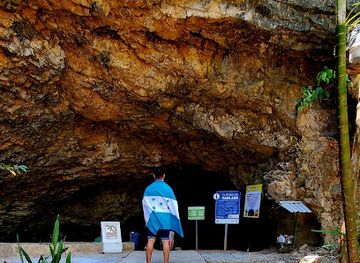
Caves Taulabé
Discover the breathtaking underground beauty of Caves Taulabé, a natural wonder in Honduras filled with stunning rock formations and rich geological history.
-
Church
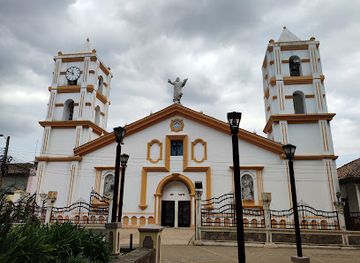
Iglesia de Intibucá
Experience the rich cultural heritage and spiritual ambiance at Iglesia de Intibucá, a stunning historical church in the heart of La Esperanza.
-
Log cabins
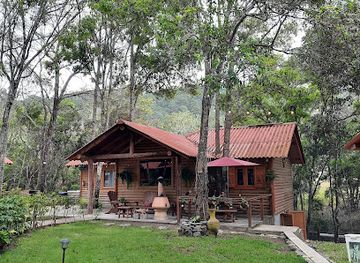
Las Cabañas de Carlos
Discover the serene beauty of Las Cabañas de Carlos, a cozy log cabin retreat in the mountains of Intibucá, perfect for nature lovers and adventurers.
Best landmarks in Intibucá Region
La Esperanza and Intibucá’s most meaningful landmarks are connected with highland settlement, religious life and the surrounding mountain environment. The central churches and civic spaces of the adjoining towns reflect the enduring role of parish institutions in communities shaped by colonial and republican history, although their architecture is generally modest rather than monumental. Laguna de Chiligatoro is a natural landmark whose open water and surrounding uplands stand out within the pine-dominated landscape. The ridges and forests of the Opalaca mountain area form another defining geographic feature, marking the region’s watershed and rural character. More broadly, the paired urban centres of La Esperanza and Intibucá are themselves an important cultural landmark: two closely connected towns with distinct municipal identities and strong associations with Lenca heritage. Along the roads, cultivated slopes, small settlements and pine forests provide a changing highland panorama that is central to the region’s visual identity. These places are best understood through their relationship to agriculture, water, community life and Indigenous history rather than as isolated photo stops.
-
Cruise terminal
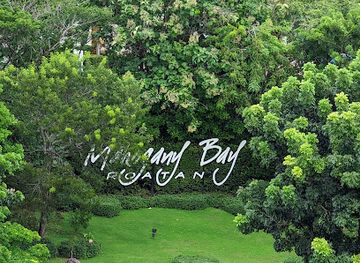
Mahogany Bay Cruise Terminal
Discover Roatan's beauty and adventure from Mahogany Bay Cruise Terminal, your gateway to pristine beaches, vibrant culture, and unforgettable Caribbean experiences on the stunning island of Roatan.
-
Tourist attraction
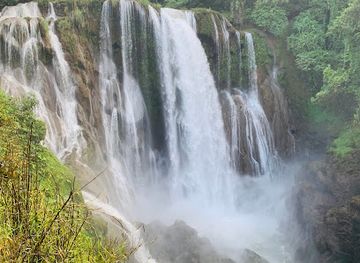
Cataratas Pulhapanzak
Experience the enchanting beauty of Cataratas Pulhapanzak, a stunning waterfall destination in Honduras that offers adventure, relaxation, and local culture.
-
Historical landmark
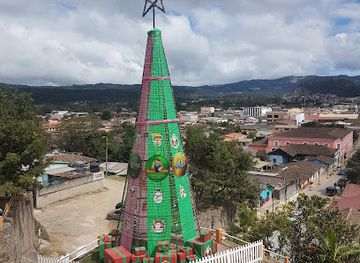
La Gruta
Discover the historical charm of La Gruta, a breathtaking landmark in La Esperanza, Honduras, showcasing rich cultural heritage and stunning architecture.
-
Museum
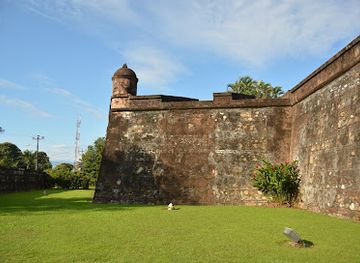
Fortaleza de San Fernando
Explore the Fortaleza de San Fernando in Omoa, Honduras: a historic Spanish fortress offering stunning Caribbean views and a deep dive into the region's colonial past.
Explore Intibucá Region on the map
Plan your trip on one map. See where the top cities, national parks and sights are, and book hotels and experiences in a few clicks.
Best hotels in Intibucá Region
Best restaurants in Intibucá Region
Dining in Intibucá is grounded in Honduran highland cooking, small family-run eateries, market food and cafés rather than a large fine-dining scene. Visitors may encounter ticucos, maize-based parcels traditionally associated with western and central Honduran cooking, as well as nacatamales, montucas, beans, rice, soups and grilled meats. Atol chuco, a savoury fermented maize drink or porridge found in parts of western Honduras, reflects regional food traditions, while rosquillas and other baked goods are useful for snacks. The cool uplands support vegetable growing and coffee production, so local cafés and modest restaurants often make these ingredients part of the daily food culture. La Esperanza and Intibucá have the broadest choice of eateries, whereas rural communities may offer fewer options and earlier closing times. Farmers’ produce, handmade tortillas and seasonal ingredients are often more characteristic of the region than elaborate menus. Ask what is prepared locally, and carry cash when eating outside the main urban centre.
-
Restaurant
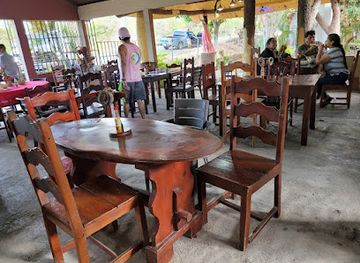
Finca Y Restaurante San Agustin
Discover authentic Honduran flavors at Finca Y Restaurante San Agustin amidst breathtaking landscapes in Intibucá.
-
Grill
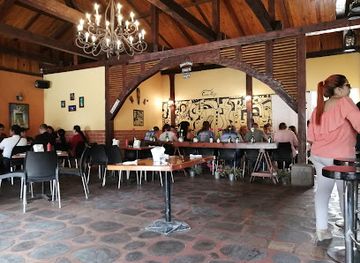
Restaurante Casa Vieja
Discover authentic Honduran flavors at Restaurante Casa Vieja in La Esperanza - where every meal tells a story.
-
Restaurant
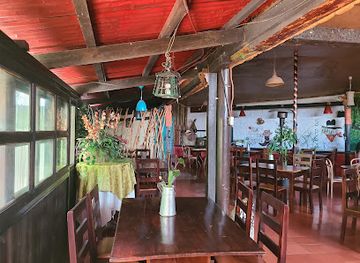
Restaurante La Hacienda Lenca
Discover authentic Honduran cuisine at Restaurante La Hacienda Lenca in La Esperanza - where tradition meets flavor.
-
Restaurant
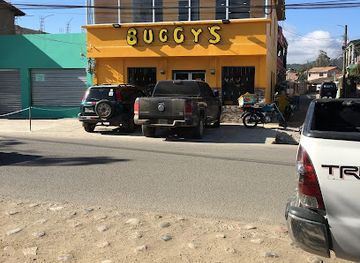
Buggy’s
Discover Buggy's in La Esperanza – where authentic Honduran flavors meet warm hospitality in a cozy setting.
Best bars in Intibucá Region
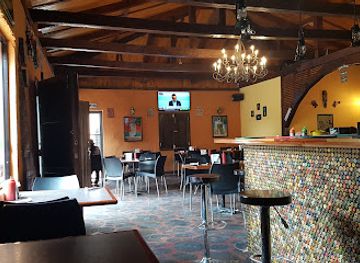
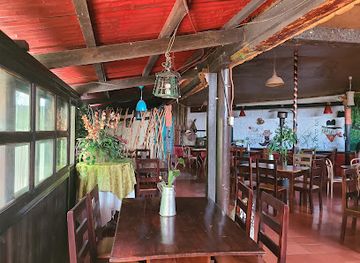
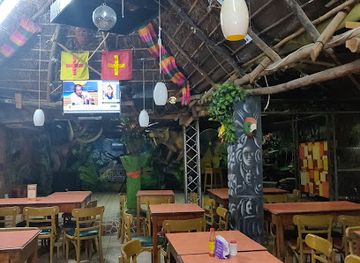
Evening life in Intibucá is relatively restrained and concentrated in La Esperanza and Intibucá rather than spread across a major club district. Small bars, cafés, restaurants and traditional drinking places provide opportunities to meet friends, watch sport or listen to music, while some venues may offer live entertainment on particular nights. The cooler climate encourages an early-evening social rhythm, and rural communities generally have fewer formal nightlife options than the main towns. Visitors should rely on current local advice for suitable venues and return transport, particularly when staying outside the urban centre. Coffee shops and informal restaurants can be better places to experience the region’s evening atmosphere than looking for a large nightclub scene. Alcohol is not necessary to participate in local social life, and respectful behaviour is especially important in small communities where visitors may be conspicuous.
-
Grill
Restaurante Casa Vieja
Discover the rich flavors of Honduran cuisine at Restaurante Casa Vieja, a top destination for grilled delights in La Esperanza.
-
Restaurant
Restaurante La Hacienda Lenca
Experience authentic Honduran cuisine at Restaurante La Hacienda Lenca, where tradition meets flavor in a welcoming atmosphere.
-
Bar
Sante Tegus
Discover the vibrant nightlife of Tegucigalpa at Sante Tegus, where local culture meets a lively bar atmosphere.
-
Restaurant
Restaurante El Fogón
Experience the authentic tastes of Honduras at Restaurante El Fogón in La Esperanza, where every dish tells a story.

Best nightclubs in Intibucá Region
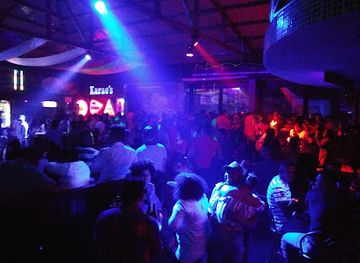
Evening life in Intibucá is relatively restrained and concentrated in La Esperanza and Intibucá rather than spread across a major club district. Small bars, cafés, restaurants and traditional drinking places provide opportunities to meet friends, watch sport or listen to music, while some venues may offer live entertainment on particular nights. The cooler climate encourages an early-evening social rhythm, and rural communities generally have fewer formal nightlife options than the main towns. Visitors should rely on current local advice for suitable venues and return transport, particularly when staying outside the urban centre. Coffee shops and informal restaurants can be better places to experience the region’s evening atmosphere than looking for a large nightclub scene. Alcohol is not necessary to participate in local social life, and respectful behaviour is especially important in small communities where visitors may be conspicuous.
-
Disco club
Karao's
Experience the vibrant nightlife of Trujillo at Karao's, where music, dance, and unforgettable memories come together.
-
Night club
Club BCIE
Immerse yourself in the vibrant nightlife of Tegucigalpa at Club BCIE, where music, dancing, and local culture come alive.
-
Night club
Club Pink Pussycat TGU
Immerse yourself in the vibrant nightlife of Tegucigalpa at Club Pink Pussycat TGU, where unforgettable experiences await.
-
Bar
Club 504
Discover the pulse of La Esperanza nightlife at Club 504, where vibrant energy and local flavors create unforgettable experiences.

Best shops in Intibucá Region
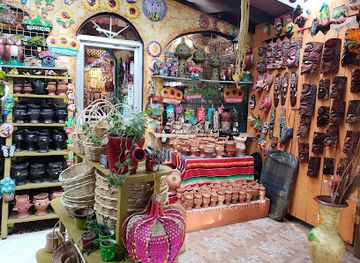
Shopping in Intibucá is primarily local and practical, with the greatest variety found in La Esperanza and Intibucá’s markets, small shops and food stalls. Visitors can look for coffee, locally grown produce, baked goods and traditional Honduran foods, while craft purchases may include Lenca-associated textiles, pottery, woven items and household objects. Availability and quality vary, so ask who made an item and where it was produced rather than assuming that every Indigenous-style product is locally crafted. Small market areas are useful for observing everyday commerce, but they are not designed as large-scale souvenir centres. Independent shops and community craft initiatives may offer more direct contact with makers when arrangements are available. Books, practical clothing and household goods are also more characteristic of local retail than luxury shopping. Buy respectfully, avoid pressuring individual artisans over small price differences and carry lempiras in cash, particularly when shopping beyond the main towns.
-
Historical landmark
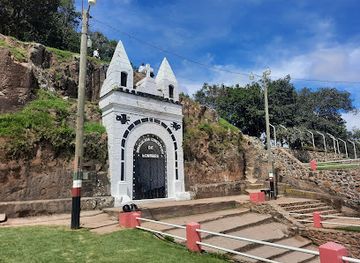
La Gruta
Experience the rich history and breathtaking views at La Gruta, a must-visit landmark in La Esperanza, Honduras.
-
Shopping mall
Centro Comercial Esperanzano
Experience vibrant shopping and local culture at Centro Comercial Esperanzano in Intibucá, Honduras – a must-visit destination for every traveler.
-
Stores and shopping
Souvenir El Buen Amigo
Explore the vibrant craftsmanship of Honduras at Souvenir El Buen Amigo, your go-to spot for unique souvenirs and local artistry in La Ceiba.
-
Souvenir store
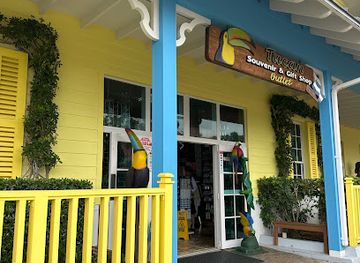
Tucan Gift Shop
Explore Tucan Gift Shop in Dixon Cove for unique souvenirs and local crafts that capture the spirit of the Bay Islands.
Get your free copy of our complete guide to Intibucá Region, delivered straight to you.
Everything on this page, from attractions and restaurants to essentials and local phrases, in one PDF you can read offline, print or share.
Already have an account? Sign in
Your Intibucá Region guide is ready.
We'll send it to · Not you? Sign out

Getting your guide ready…
We are putting together a fresh copy of the Intibucá Region guide. This can take up to a minute.
This can take a few moments. If your browser asks, choose Allow so the download can start. You'll find the guide in your Downloads folder.
Nothing happened? Download it again
Sorry, the guide is taking longer than usual. Please try again in a minute, or get it by email instead.
Intibucá Region essentials
Currency and Payment
Safety
Emergency Situations
Do's and Don'ts
Local Tips
From Eve
Local phrases worth knowing
You don't need to get them perfect. A few words go a long way, and locals appreciate the effort.
Basics
| English | Local | Say it |
|---|---|---|
| Hello | Hola | [oh-lah] |
| Goodbye | Adiós | [ah-dee-ohs] |
| Yes | Sí | [see] |
| No | No | [noh] |
| Please/You're welcome | Por favor/De nada | [por fah-vor/day nah-dah] |
| Thank you | Gracias | [grah-syahs] |
| Excuse me/Sorry | Perdón | [pehr-dohn] |
| How are you? | ¿Cómo estás? | [koh-moh ehs-tahs] |
| Fine. And you? | Bien. ¿Y tú? | [byehn. ee too] |
| Do you speak English? | ¿Hablas inglés? | [ah-blahs een-glehs] |
| I don't understand | No entiendo | [noh en-tyen-doh] |
Eating & Drinking
| English | Local | Say it |
|---|---|---|
| I'd like to see the menu, please | Me gustaría ver el menú, por favor | [meh goos-tah-ree-ah vehr el meh-noo, por fah-vor] |
| I don't eat meat | No como carne | [noh koh-moh kar-neh] |
| Cheers! | ¡Salud! | [sah-lood] |
| I would like to pay, please | Me gustaría pagar, por favor | [meh goos-tah-ree-ah pah-gar, por fah-vor] |
Emergencies
| English | Local | Say it |
|---|---|---|
| Help! | ¡Ayuda! | [ah-yoo-dah] |
| Go away! | ¡Vete! | [veh-teh] |
| Call the Police! | ¡Llama a la policía! | [yah-mah ah lah poh-lee-see-ah] |
| Call a doctor! | ¡Llama a un médico! | [yah-mah ah oon meh-dee-koh] |
| I'm lost | Estoy perdido | [es-toy pehr-dee-doh] |
| I'm ill | Estoy enfermo | [es-toy en-fehr-moh] |
Shopping
| English | Local | Say it |
|---|---|---|
| I'd like to buy... | Me gustaría comprar... | [meh goos-tah-ree-ah kohm-prar] |
| I'm just looking | Solo estoy mirando | [soh-loh es-toy mee-ran-doh] |
| How much is it? | ¿Cuánto cuesta? | [kwahn-toh kwes-tah] |
| That's too expensive | Eso es muy caro | [eh-soh es mwee kah-roh] |
| Can you lower the price? | ¿Puedes bajar el precio? | [pweh-des bah-har el preh-syo] |
Time & Numbers
| English | Local | Say it |
|---|---|---|
| What time is it? | ¿Qué hora es? | [keh oh-rah es] |
| It's one o'clock | Es la una | [es lah oo-nah] |
| Half past (10) | Y media (10) | [ee meh-dyah (diez)] |
| Morning | Mañana | [mah-nyah-nah] |
| Afternoon | Tarde | [tahr-deh] |
| Evening | Noche | [noh-cheh] |
| Yesterday | Ayer | [ah-yehr] |
| Today | Hoy | [oy] |
| Tomorrow | Mañana | [mah-nyah-nah] |
| 1 | Uno | [oo-noh] |
| 2 | Dos | [dohs] |
| 3 | Tres | [tres] |
| 4 | Cuatro | [kwah-troh] |
| 5 | Cinco | [seen-koh] |
| 6 | Seis | [says] |
| 7 | Siete | [syay-teh] |
| 8 | Ocho | [oh-choh] |
| 9 | Nueve | [nweh-beh] |
| 10 | Diez | [dyehs] |
Transport & Directions
| English | Local | Say it |
|---|---|---|
| Where's a/the...? | ¿Dónde hay un/una...? | [dohn-deh ai oon/oo-nah] |
| What's the address? | ¿Cuál es la dirección? | [kwahl es lah dee-rehk-syon] |
| Can you show me (on the map)? | ¿Puedes mostrarme (en el mapa)? | [pweh-des mohs-trar-meh (en el mah-pah)] |
| When's the next (bus)? | ¿Cuándo es el próximo (bus)? | [kwahn-doh es el prohk-see-moh (boos)] |
| A ticket (to ....) | Un boleto (a ....) | [oon bo-leh-toh (ah ....)] |
History of Intibucá Region
Lenca communities before Spanish rule
The highlands of present-day Intibucá have long been associated with Lenca communities whose societies were based on farming, trade and settlement across the mountainous interior of western Honduras. Maize, beans and other crops supported life in an environment shaped by altitude and seasonal rainfall. Lenca cultural continuity is especially important in Intibucá today, although modern communities, languages and traditions have been affected by centuries of political, economic and religious change.
Spanish conquest and colonial reorganisation
Spanish expansion into western Honduras during the sixteenth century brought warfare, new systems of land control, Christian evangelisation and forced labour. Indigenous communities were incorporated into colonial administrative and religious structures, while Spanish settlement altered patterns of authority and landholding. The highland terrain made control uneven, but colonial influence endured through churches, town institutions, agricultural production and the social hierarchy that developed under Spanish rule.
Highland towns and rural agriculture
During the colonial period and after independence, the Intibucá highlands remained predominantly rural. Communities depended on maize and bean cultivation, livestock and small-scale trade, with settlements linked by difficult roads and mountain paths. Towns such as La Esperanza and Intibucá developed as local service and market centres. Their importance came less from grand urban monuments than from their role connecting dispersed farming communities with commerce, administration and religious life.
Independence and the Honduran republic
The region became part of the Federal Republic of Central America after independence from Spain and later of the independent Republic of Honduras. National political changes were felt in Intibucá through new administrative structures, land disputes, education and the gradual integration of remote communities into the state. Indigenous residents continued to combine local customs and communal relationships with institutions inherited from the colonial and republican periods.
Roads, coffee and market connections
Improved roads and transport connections during the twentieth century strengthened links between Intibucá’s mountain communities and the rest of Honduras. Coffee became an important part of the wider highland economy, alongside vegetables, maize, beans and livestock. Better access supported trade and public services but also increased pressure on forests and water resources. The region’s present character reflects this mixture of subsistence agriculture, commercial farming and mountain commerce.
Lenca cultural recognition and contemporary Intibucá
In recent decades, Indigenous rights movements and cultural initiatives have given greater public visibility to Lenca identity in Honduras. Craft production, community organisation, traditional foods and local celebrations help maintain cultural expression, although these traditions are not static or identical from one community to another. Intibucá’s contemporary identity therefore combines Indigenous heritage, rural livelihoods, coffee and vegetable production, migration, education and a growing interest in responsible cultural tourism.
Intibucá Region in Photos
Browse through our photo collection highlighting the charm and character of the destination.
Neighbouring regions of Intibucá Region
The closest regions to Intibucá Region, if you have time for more than one.
-

-

-

-

-


Swipe for more regions
Explore more

Explore more of Honduras
Discover Honduras: From ancient Maya ruins and vibrant cities to stunning beaches and lush rainforests, this Central American gem offers something for every traveler.
Explore Honduras