

Free Western Highlands Travel Guide & Mobile App
Explore Western Highlands with free travel guides. Discover regional history, expert tips, proposed trips, and audio guides on web or mobile app.


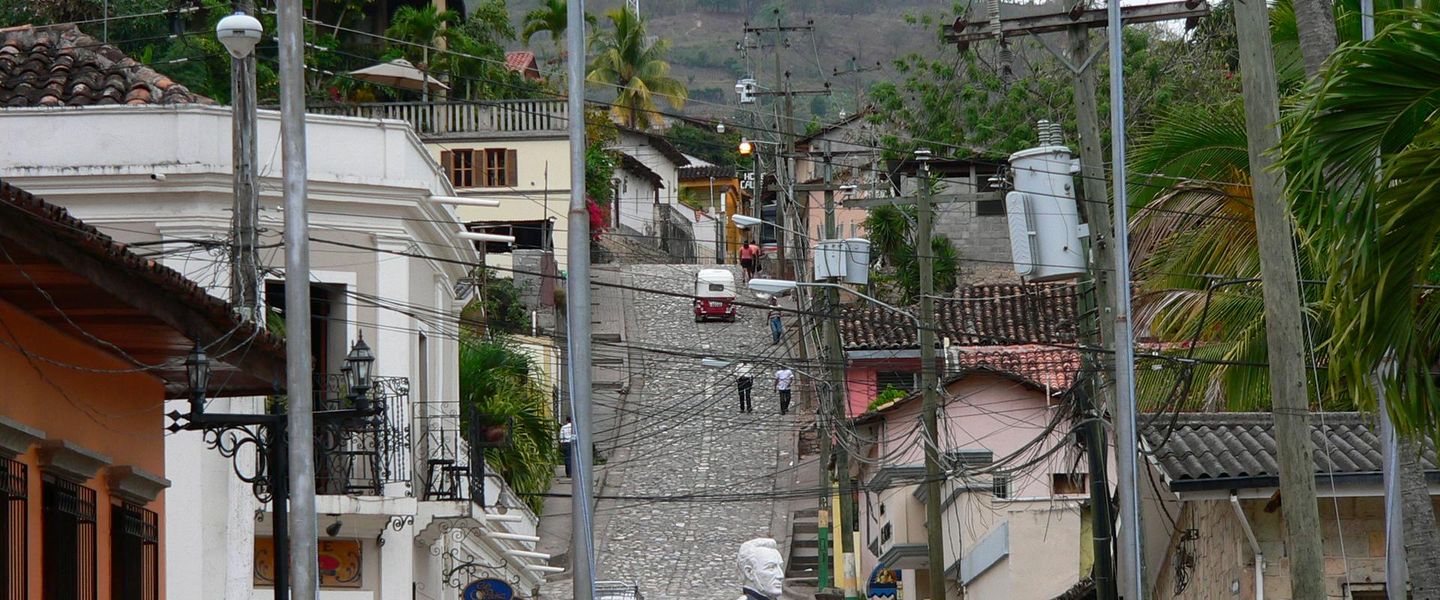


Explore Honduras's Western Highlands for Copán's Maya archaeology, colonial Gracias, Lenca crafts, coffee farms and cool mountain landscapes.
Read more about Western Highlands
When is the best time to visit Western Highlands?
Best: December–February · 25°C| Month | High (°C) | Rainfall (mm) |
|---|---|---|
| January (best) | 25 | 11 |
| February (best) | 25 | 12 |
| March | 27 | 15 |
| April | 28 | 21 |
| May | 29 | 25 |
| June | 28 | 28 |
| July | 28 | 31 |
| August | 28 | 29 |
| September | 28 | 27 |
| October | 26 | 24 |
| November | 25 | 19 |
| December (best) | 25 | 13 |
Getting to and around Western Highlands
How to get there
Transportation
Top city travel guides in Western Highlands
The cities of Western Highlands, and the easiest places to base yourself.
-

-

-

-


Swipe for more cities
Destinations in Western Highlands
Resorts, valleys and scenic spots worth a trip of their own.
-

-


Swipe for more destinations
Best attractions in Western Highlands
The Western Highlands combine archaeological, cultural and outdoor attractions across a broad mountain area. Copán Archaeological Park is the principal heritage site, with plazas, temples, carved monuments and the Great Hieroglyphic Stairway, while the Museum of Maya Sculpture near Copán Ruinas places the sculpture in a more interpretive setting. Copán Ruinas itself offers a walkable base of traditional architecture, small museums and local guide services. Around Gracias, visitors can explore colonial streets and use the town as a starting point for Celaque National Park, whose cloud forests and steep trails provide the region's most substantial hiking. La Esperanza and Intibucá offer access to highland markets, indigenous cultural life and Lenca craft traditions, while La Campa is associated with pottery workshops and rural mountain scenery. Santa Rosa de Copán has a historic centre, regional museums and a strong coffee-country setting. Elsewhere, coffee farms, viewpoints, village churches and forest roads reward slower exploration, although access to rural sites should be organised locally because public transport is less frequent away from the main towns.
-
Tourist attraction
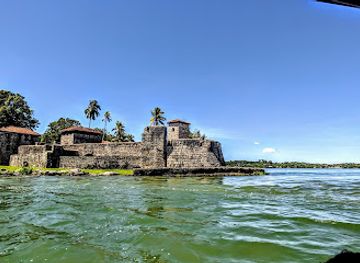
Nacional Rio Dulce National Park
Discover the breathtaking beauty of Nacional Rio Dulce National Park, a haven for nature lovers and adventure seekers in Guatemala.
Best landmarks in Western Highlands
The Western Highlands' strongest landmarks range from Maya stonework to forested summits and colonial townscapes. At Copán, the Great Plaza, the Hieroglyphic Stairway, the Acropolis and the carved monuments form an exceptional record of Classic Maya rulership and artistic achievement. The Museum of Maya Sculpture is itself a significant architectural and interpretive landmark within the archaeological visitor complex. In Gracias, colonial churches and the historic central streets recall the town's former administrative importance, while the nearby Celaque massif provides a powerful natural reference point and contains Cerro Las Minas, Honduras's highest summit. The highland towns of La Esperanza and Intibucá are marked less by monumental architecture than by their cultural landscape of markets, churches, workshops and cool upland streets. Santa Rosa de Copán's historic centre reflects the area's Spanish and republican town-building traditions, set within a wider coffee-growing region. Together these places show how archaeology, colonial settlement, indigenous continuity and mountain geography shape the visual identity of western Honduras.
-
National park
Parque El Picacho
Explore the lush landscapes and vibrant wildlife at Parque El Picacho, a stunning national park in Tegucigalpa, Honduras.
-
Hotel
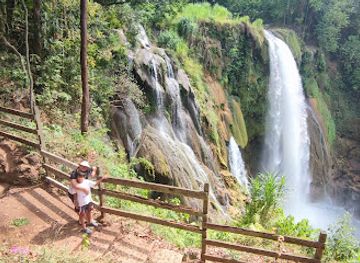
Cataratas Pulhapanzak
Explore the breathtaking Cataratas Pulhapanzak, a natural paradise in Honduras with stunning waterfalls and diverse wildlife for an unforgettable experience.
-
Museum
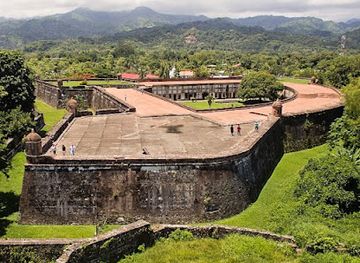
Fortaleza de San Fernando
Discover the rich history and stunning views at Fortaleza de San Fernando, a captivating museum and fortress located in Omoa, Honduras.
-
Park
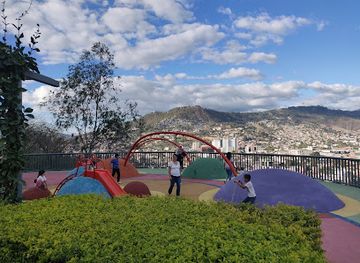
Parque Cerro Juana Lainez
Explore the beauty of Parque Cerro Juana Lainez, an urban park in Tegucigalpa offering lush landscapes and breathtaking city views for every nature enthusiast.
Explore Western Highlands on the map
Plan your trip on one map. See where the top cities, national parks and sights are, and book hotels and experiences in a few clicks.
Best hotels in Western Highlands
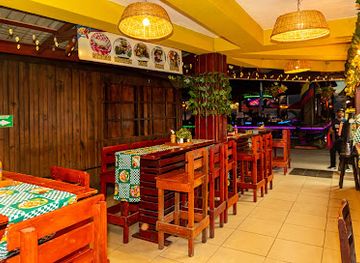
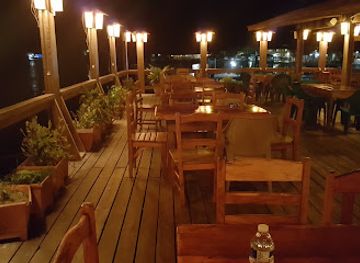
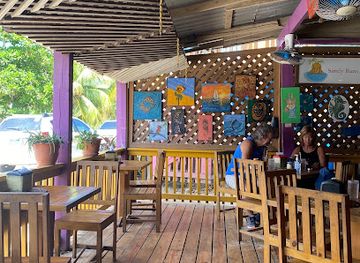
Best restaurants in Western Highlands
Food in the Western Highlands is grounded in Honduran staples such as tortillas, beans, rice, eggs, soups, grilled meats, tamales and fried snacks, with recipes and seasonings varying between towns and households. In Lenca areas, visitors may encounter traditional maize-based foods such as ticucos alongside locally made tortillas and other regional preparations. Copán, Santa Rosa de Copán, Gracias and La Esperanza provide the broadest choice of cafés, comedor-style eateries, bakeries and restaurants, while villages tend to offer simpler family-run dining. Coffee is central to the regional food economy, and highland cafés and small roasters are good places to taste beans from nearby farms. Markets are useful for fruit, dairy products, breads and inexpensive prepared food, although hygiene standards and opening patterns differ. Dining in the countryside is often informal, and menus may depend on the day's supplies rather than a fixed selection.
-
Restaurant
La Cumbre
Experience fine dining at La Cumbre in El Hatillo – where breathtaking views meet exceptional cuisine.
-
Honduran
Calelu's
Discover the authentic taste of Honduras at Calelu's in West End – a must-visit dining destination for every traveler.
-
Restaurant
Happy Harry's HideAway
Discover delicious local cuisine at Happy Harry's HideAway in West End, Bay Islands - where every meal is an unforgettable experience.
-
American
Sandy Buns Bakery
Discover the delightful taste of American baked goods at Sandy Buns Bakery in West End, Roatan - a must-visit culinary gem.
Best bars in Western Highlands
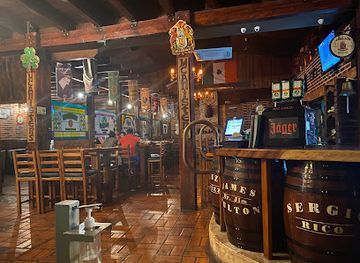
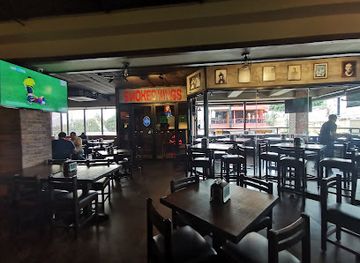
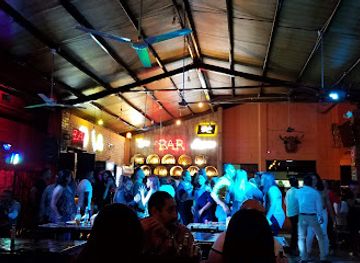
Evening life in the Western Highlands is generally modest and town-centred rather than dominated by large clubs. Copán Ruinas has the most tourism-oriented choice of cafés, bars and restaurants, with evenings often focused on conversation, music and drinks after visiting the ruins. Santa Rosa de Copán, Gracias and La Esperanza have local bars, casual restaurants and occasional live music, while smaller communities usually settle early and offer little organised nightlife. Traditional Honduran drinks, coffee and locally available beers are more central than a distinctive regional cocktail culture. Business hours and entertainment can vary considerably, especially outside holiday periods, so visitors should ask locally rather than expect a fixed nightlife district. In mountain areas, an early dinner and a quiet evening may be the practical choice before a walking or archaeological excursion.
-
Irish pub
Mc Allister's Irish Pub
Discover the essence of Irish culture at Mc Allister's Irish Pub in Tegucigalpa, where hearty meals and vibrant music come together.
-
Bar
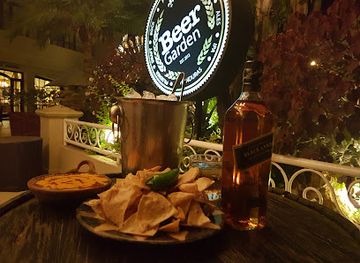
Beer Garden Clarion
Experience the vibrant atmosphere and refreshing drinks at Beer Garden Clarion, a premier bar in Tegucigalpa's Colonia Alameda.
-
Restaurant
RadioHouse
Experience the authentic taste of Honduras at RadioHouse, a vibrant restaurant in the heart of Tegucigalpa offering traditional dishes and a lively atmosphere.
-
Bar
Bar Quinto Patio Cervecero
Experience the lively atmosphere of Bar Quinto Patio Cervecero, a top spot in Tegucigalpa for craft beers and local nightlife.
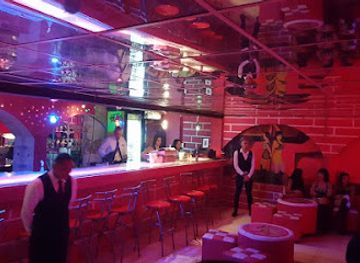
Best nightclubs in Western Highlands
Evening life in the Western Highlands is generally modest and town-centred rather than dominated by large clubs. Copán Ruinas has the most tourism-oriented choice of cafés, bars and restaurants, with evenings often focused on conversation, music and drinks after visiting the ruins. Santa Rosa de Copán, Gracias and La Esperanza have local bars, casual restaurants and occasional live music, while smaller communities usually settle early and offer little organised nightlife. Traditional Honduran drinks, coffee and locally available beers are more central than a distinctive regional cocktail culture. Business hours and entertainment can vary considerably, especially outside holiday periods, so visitors should ask locally rather than expect a fixed nightlife district. In mountain areas, an early dinner and a quiet evening may be the practical choice before a walking or archaeological excursion.
-
Night club
Club BCIE
Discover the electrifying nightlife at Club BCIE, Tegucigalpa's ultimate destination for dancing, music, and unforgettable memories.
-
Night club
Club Pink Pussycat TGU
Discover the lively nightlife at Club Pink Pussycat TGU in Tegucigalpa, where music, dance, and vibrant energy create unforgettable moments.
-
Disco club
Medusa club
Discover the electrifying nightlife at Medusa Club in Tegucigalpa, where great music and vibrant energy make every night unforgettable.
-
 Disco club
INFINITY NIGHT
Discover the electrifying nightlife at Infinity Night, Tegucigalpa's premier disco club, where music, energy, and unforgettable moments await you.

Best shops in Western Highlands
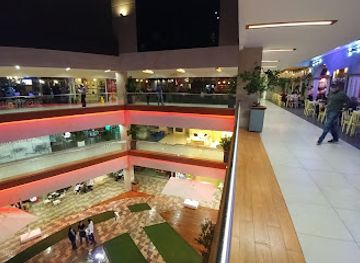
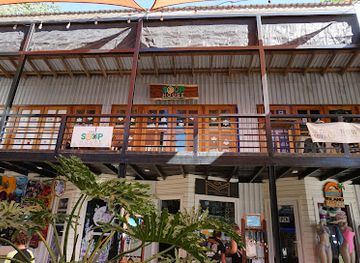
Shopping in the Western Highlands is strongest in market towns and craft-producing communities rather than large retail centres. Copán Ruinas has shops and galleries selling reproductions, books, textiles, jewellery and other Maya-themed goods, while Santa Rosa de Copán, Gracias, La Esperanza and Intibucá provide more everyday highland markets and independent stores. Lenca pottery from the La Campa area is among the region's most distinctive purchases, and woven or embroidered textiles can be found through workshops and community sellers around Intibucá, although designs and availability vary. Coffee from western Honduran farms is a practical souvenir, particularly when bought from a reputable roaster or producer. Markets also offer local sweets, baked goods, spices and seasonal produce. Carry cash in lempiras, ask about the maker and provenance of craftwork, and pack fragile pottery carefully for onward travel.
-
Shopping mall
City Mall
Discover shopping, dining, and entertainment at City Mall, Tegucigalpa's premier retail hub for tourists and locals alike.
-
Shopping mall
Mall Megaplaza La Ceiba
Discover shopping, dining, and entertainment at Mall Megaplaza La Ceiba, the ultimate shopping destination in La Ceiba, Honduras.
-
Shopping mall
La Galería
Explore La Galería in Tegucigalpa, a premier shopping destination offering a blend of local culture, diverse shops, and culinary delights.
-
Shopping mall
Macaw Container Market
Discover the Macaw Container Market: Your gateway to authentic shopping and local flavors in Roatán, Bay Islands.


Get your free copy of our complete guide to Western Highlands, delivered straight to you.
Everything on this page, from attractions and restaurants to essentials and local phrases, in one PDF you can read offline, print or share.
Already have an account? Sign in
Your Western Highlands guide is ready.
We'll send it to · Not you? Sign out

Getting your guide ready…
We are putting together a fresh copy of the Western Highlands guide. This can take up to a minute.
This can take a few moments. If your browser asks, choose Allow so the download can start. You'll find the guide in your Downloads folder.
Nothing happened? Download it again
Sorry, the guide is taking longer than usual. Please try again in a minute, or get it by email instead.
Western Highlands essentials
Currency and Payment
Safety
Emergency Situations
Do's and Don'ts
Local Tips
From Eve
Local phrases worth knowing
You don't need to get them perfect. A few words go a long way, and locals appreciate the effort.
Basics
| English | Local | Say it |
|---|---|---|
| Hello | Hola | [Oh-lah] |
| Goodbye | Adiós | [Ah-dee-ohs] |
| Yes | Sí | [See] |
| No | No | [No] |
| Please/You're welcome | Por favor/De nada | [Por fah-vor/Dey nah-dah] |
| Thank you | Gracias | [Gra-thee-as] |
| Excuse me/Sorry | Perdón | [Per-dohn] |
| How are you? | ¿Cómo estás? | [Koh-moh es-tahs] |
| Fine. And you? | Bien. ¿Y tú? | [Bee-en. Ee too?] |
| Do you speak English? | ¿Hablas inglés? | [Ah-blahs een-glays?] |
| I don't understand | No entiendo | [No en-tee-en-doh] |
Eating & Drinking
| English | Local | Say it |
|---|---|---|
| I'd like to see the menu, please | Me gustaría ver el menú, por favor | [Meh goos-tah-ree-ah vehr el meh-noo, por fah-vor] |
| I don't eat meat | No como carne | [No koh-mo kar-neh] |
| Cheers! | ¡Salud! | [Sah-lud] |
| I would like to pay, please | Me gustaría pagar, por favor | [Meh goos-tah-ree-ah pah-gar, por fah-vor] |
Emergencies
| English | Local | Say it |
|---|---|---|
| Help! | ¡Ayuda! | [Ay-oo-dah] |
| Go away! | ¡Vete! | [Veh-teh] |
| Call the Police! | ¡Llama a la policía! | [Yah-mah ah lah poh-lee-thee-ah] |
| Call a doctor! | ¡Llama a un doctor! | [Yah-mah ah oon dok-tor] |
| I'm lost | Estoy perdido | [Es-toy per-dee-doh] |
| I'm ill | Estoy enfermo | [Es-toy en-fer-mo] |
Shopping
| English | Local | Say it |
|---|---|---|
| I'd like to buy... | Me gustaría comprar... | [Meh goos-tah-ree-ah kom-prar] |
| I'm just looking | Solo estoy mirando | [Soh-lo es-toy mee-ran-do] |
| How much is it? | ¿Cuánto cuesta? | [Kwan-toh kwes-tah?] |
| That's too expensive | Eso es muy caro | [Eh-so es mwee kah-ro] |
| Can you lower the price? | ¿Puedes bajar el precio? | [Pweh-des bah-har el preh-syo?] |
Time & Numbers
| English | Local | Say it |
|---|---|---|
| What time is it? | ¿Qué hora es? | [Keh oh-rah es?] |
| It's one o'clock | Es la una | [Es lah oo-nah] |
| Half past (10) | Y media (10) | [Ee meh-dee-ah (diez)] |
| Morning | Mañana | [Mah-nyah-nah] |
| Afternoon | Tarde | [Tar-deh] |
| Evening | Noche | [Noh-cheh] |
| Yesterday | Ayer | [Ah-yer] |
| Today | Hoy | [Oy] |
| Tomorrow | Mañana | [Mah-nyah-nah] |
| 1 | Uno | [Oo-no] |
| 2 | Dos | [Dohs] |
| 3 | Tres | [Tres] |
| 4 | Cuatro | [Kwah-tro] |
| 5 | Cinco | [Seen-koh] |
| 6 | Seis | [Says] |
| 7 | Siete | [Syet-eh] |
| 8 | Ocho | [Oh-cho] |
| 9 | Nueve | [Nweh-veh] |
| 10 | Diez | [Dyez] |
Transport & Directions
| English | Local | Say it |
|---|---|---|
| Where's a/the...? | ¿Dónde está...? | [Dohn-deh es-tah...?] |
| What's the address? | ¿Cuál es la dirección? | [Kwahl es lah dee-rek-see-on?] |
| Can you show me (on the map)? | ¿Puedes mostrarme (en el mapa)? | [Pweh-des mos-trar-me (en el mah-pah)?] |
| When's the next (bus)? | ¿Cuándo es el siguiente (autobús)? | [Kwan-doh es el see-gyehn-te (ow-toh-boos)?] |
| A ticket (to ....) | Un boleto (a ...) | [Oon bo-leh-to (ah ...)] |
History of Western Highlands
Maya Copán and the Classic Period
Copán became one of the great Maya centres of the southeastern Maya world, flourishing particularly between the fifth and ninth centuries CE. Its rulers sponsored temples, plazas, altars, carved monuments and the celebrated Hieroglyphic Stairway, which records dynastic history in one of the longest known Maya inscriptions. Copán was also an important centre of astronomy, writing and sculpture. The ruins near present-day Copán Ruinas preserve evidence of a sophisticated court society and remain the region's clearest archaeological expression of pre-Hispanic Honduras.
Lenca Societies before Spanish Rule
Before and during the arrival of the Spanish, Lenca-speaking communities occupied much of the western and south-western highlands. Their societies were organised through local communities and regional networks rather than a single centralised empire. Agriculture, trade, pottery and other forms of craft production shaped life in the uplands. Contemporary Lenca communities, particularly around Intibucá, La Esperanza and Lempira, maintain cultural practices and artistic traditions that should be understood as living heritage rather than simply as remnants of the past.
Spanish Conquest and the Resistance of Lempira
Spanish forces entered western Honduras during the sixteenth century, encountering Maya, Lenca and other communities. Lempira, a Lenca leader associated with the region that now bears his name, became a symbol of resistance to Spanish attempts to impose colonial authority. The details of his life are difficult to separate from later national narratives, but his importance in Honduran historical memory is enduring. The mountainous terrain made conquest and administration difficult, and resistance continued in various forms during the early colonial period.
Gracias and the Colonial Frontier
Gracias was founded in the sixteenth century and became an important Spanish administrative and ecclesiastical centre on the colonial frontier. For a period in the 1540s, it hosted the Audiencia de los Confines, a major judicial institution for parts of Central America. Its churches, street plan and surviving colonial buildings reflect the town's former regional importance. The settlement also stood along routes linking highland communities, mining areas and agricultural districts, helping to connect the interior of western Honduras with wider colonial networks.
Agriculture, Cattle and Highland Trade
After the colonial period, the western highlands remained predominantly agricultural, with maize, beans, cattle and small-scale commerce supporting dispersed communities. Market towns such as Santa Rosa de Copán, Gracias and La Esperanza developed as centres for trade and administration. Coffee later became increasingly important in the higher, cooler districts, linking local farms to national and international markets. The resulting landscape of shaded plantations, processing facilities and mountain roads is a modern historical layer that continues to influence employment, settlement and regional identity.
Lenca Craft Traditions and Cultural Continuity
Lenca communities in the western highlands have preserved and adapted distinctive craft traditions, including pottery made in and around La Campa and woven or embroidered textiles associated with the Intibucá area. These practices have economic, artistic and cultural significance, although production varies between communities and individual makers. Contemporary craftwork should not be treated as a frozen survival from pre-Hispanic times: it reflects indigenous knowledge, local materials, changing markets and the continuing assertion of Lenca identity within modern Honduras.
Conservation and Heritage Tourism
During the twentieth and early twenty-first centuries, archaeological conservation at Copán and the protection of highland forests helped reshape the region's visitor economy. Copán was inscribed on the UNESCO World Heritage List in 1980, while protected landscapes such as Celaque National Park highlighted the ecological value of the mountains. Tourism now sits alongside coffee, farming, trade and craft production. Its benefits are uneven, making respectful visits, locally guided experiences and support for community-based enterprises especially important.
Western Highlands in Photos
Browse through our photo collection highlighting the charm and character of the destination.
Neighbouring regions of Western Highlands
The closest regions to Western Highlands, if you have time for more than one.
-

-

-

-

-


Swipe for more regions
Explore more

Explore more of Honduras
Discover Honduras: From ancient Maya ruins and vibrant cities to stunning beaches and lush rainforests, this Central American gem offers something for every traveler.
Explore Honduras