

Free Balaton Uplands Travel Guide & Mobile App
Explore Balaton Uplands with free travel guides. Discover regional history, expert tips, proposed trips, and audio guides on web or mobile app.


Explore Hungary’s Balaton Uplands for volcanic hills, vineyard trails, historic villages, Tihany Abbey and north-shore Lake Balaton views.
Read more about Balaton Uplands
When is the best time to visit Balaton Uplands?
Best: June–August · 24–26°C| Month | High (°C) | Rainfall (mm) |
|---|---|---|
| January | 4 | 35 |
| February | 5 | 31 |
| March | 10 | 38 |
| April | 15 | 48 |
| May | 21 | 61 |
| June (best) | 24 | 73 |
| July (best) | 26 | 68 |
| August (best) | 25 | 61 |
| September | 21 | 51 |
| October | 15 | 42 |
| November | 8 | 39 |
| December | 4 | 36 |
Getting to and around Balaton Uplands
How to get there
Transportation
Best attractions in Balaton Uplands
The Balaton Uplands offer a mixture of natural, cultural and outdoor attractions rather than a single concentrated sightseeing circuit. Tihany combines the Benedictine Abbey, volcanic peninsula landscapes, walking paths and views across the lake, while Balatonfüred provides museums, historic villas, a lakeside promenade and access to bathing and boating. West of these centres, the Káli Basin is valued for its villages, meadowland, vineyards and geological features, especially Hegyestű near Monoszló, where exposed basalt explains the region’s volcanic past. Badacsony and the neighbouring hills provide walking routes, wine cellars and elevated lake viewpoints, while Szigliget and Csobánc add castle ruins to the landscape. Near Tapolca, the Lake Cave offers an underground visitor experience beneath the town. The Balaton Uplands National Park protects wetlands, caves, grasslands, forests and traditional agricultural areas, supporting hiking, cycling, birdwatching and nature study. Visitors should expect distances between attractions and plan around the terrain: a village walk, geological site or vineyard visit may be as rewarding as a formal museum, but often requires local transport or a longer approach on foot.
-
Zoo
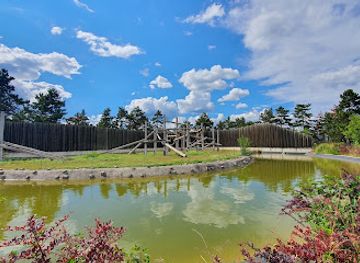
Veszprém Zoo
Explore Veszprém Zoo, a premier destination in Hungary showcasing diverse wildlife and promoting conservation in a family-friendly atmosphere.
-
Museum
Festetics Palace
Experience the regality of Festetics Palace, a baroque masterpiece in Keszthely, Hungary, rich in history, art, and stunning gardens.
-
Tourist attraction
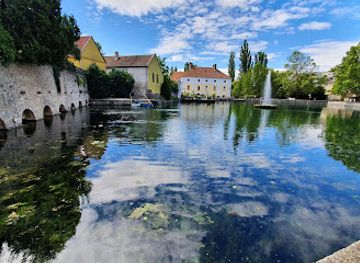
Tapolcai-tavasbarlang Látogatóközpont
Explore the mystical Tapolca Cave Lake, a stunning underground wonder in Hungary's national park, perfect for adventure and tranquility.
-
Abbey
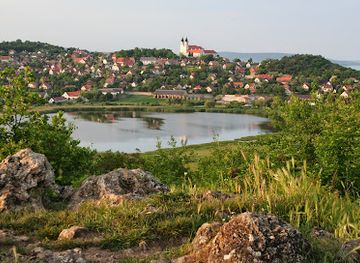
Tihanyi Bencés Apátság
Explore the historic Tihanyi Bencés Apátság, a stunning abbey offering breathtaking views and rich cultural experiences on the Tihany Peninsula.

Best landmarks in Balaton Uplands
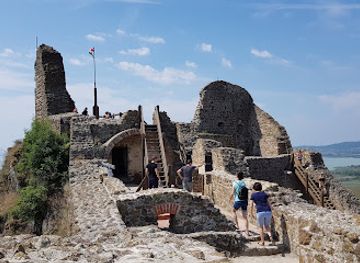
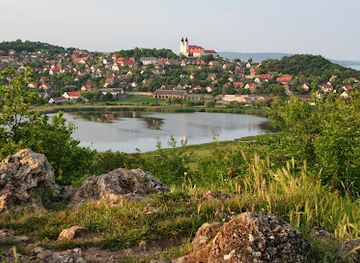
Tihany Abbey is the Balaton Uplands’ defining historic landmark, standing on a peninsula whose volcanic origins are visible in the surrounding terrain and inner lake. Its 1055 foundation charter gives the site exceptional importance in Hungarian cultural history. At Balatonfüred, the Tagore Promenade, historic villas and spa buildings represent the 19th-century development of Lake Balaton as a place of bathing, health and fashionable summer life. Szigliget Castle occupies a volcanic hill above the western north shore, its surviving walls conveying the defensive role of the Balaton frontier and providing expansive views over the lake. The ruins of Csobánc Castle similarly crown an isolated hill in the upland landscape. Hegyestű near Monoszló is a geological landmark rather than a formal monument: its exposed basalt columns reveal the structure of an extinct volcanic formation. The basalt outcrops and distinctive profile of Szent György-hegy, together with Badacsony’s steep volcanic mass, are among the region’s most recognisable natural forms. Traditional stone villages in the Káli Basin complete this landmark landscape, showing how architecture, farming and geology developed together.
-
Fortress
Szigliget
Discover the captivating history and breathtaking views at Szigliget Fortress, a stunning gem on the shores of Lake Balaton in Hungary.
-
Abbey
Tihanyi Bencés Apátság
Explore the Tihanyi Bencés Apátság, a stunning abbey rich in history and breathtaking views of Lake Balaton, a must-see for any traveler in Hungary.
-
Observation deck
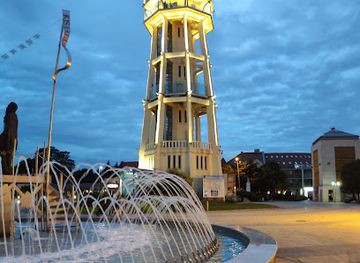
Siofok Water Tower
Experience breathtaking views from the Siófok Water Tower, an essential stop for tourists exploring the beauty of Lake Balaton.
-
Lake
Lake Balaton
Explore the stunning landscapes, charming towns, and vibrant culture around Lake Balaton, Hungary's premier travel destination.
Explore Balaton Uplands on the map
Plan your trip on one map. See where the top cities, national parks and sights are, and book hotels and experiences in a few clicks.
Best hotels in Balaton Uplands
Best restaurants in Balaton Uplands
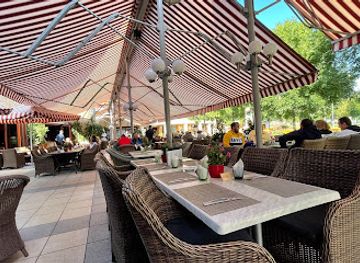
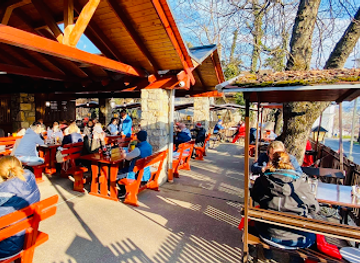
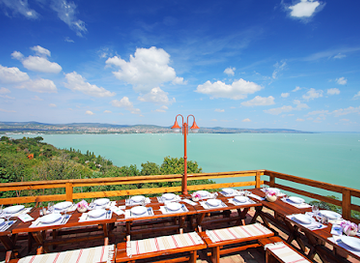
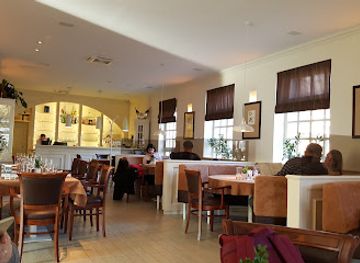
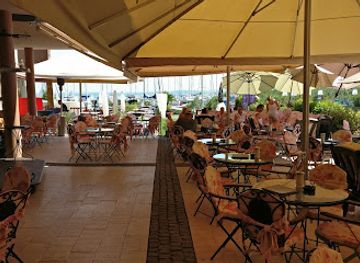
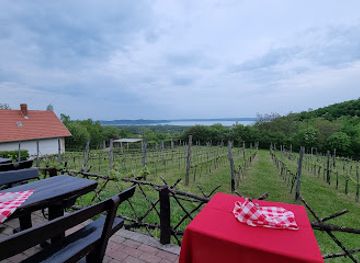
Dining in the Balaton Uplands reflects both the lake and the farming country behind it. Lakeside restaurants commonly feature freshwater fish, while menus across the region also draw on pork, poultry, seasonal vegetables, wild herbs, cheeses and traditional Hungarian paprika-based cooking. The northern shore’s wine culture is central: Balatonfüred–Csopak and Badacsony wines accompany meals in restaurants, rural inns and cellar terraces, with Olaszrizling and other local varieties especially associated with the landscape. Tihany is known for its local culinary identity, including dishes and products linked to the peninsula’s protected and cultivated environment. In the Káli Basin and smaller villages, dining may focus on farm produce, sourdough baking, preserves and contemporary interpretations of regional cooking. Markets and village food shops are useful for picnic ingredients, while cafés in Balatonfüred, Tihany and Tapolca provide pastries, coffee and lighter meals. Book ahead for sought-after rural restaurants or winery kitchens in summer, and remember that smaller producers may require advance arrangements.
-
Hungarian
Borcsa Étterem
Savor the authentic taste of Hungary at Borcsa Étterem in Balatonfüred - where every dish tells a story.
-
Restaurant
Muskátli borozó - Hatlépcsős
Experience authentic Hungarian cuisine at Muskátli Borozó - Hatlépcsős, a charming restaurant and wine bar in Balatonfüred.
-
Restaurant
Echo Étterem
Discover Echo Étterem in Tihany: where traditional Hungarian cuisine meets breathtaking views and modern elegance.
-
Restaurant
Kistücsök Food&Room
Discover exceptional dining and cozy accommodations at Kistücsök Food&Room in Balatonszemes – where Hungarian flavors come alive.
Best bars in Balaton Uplands
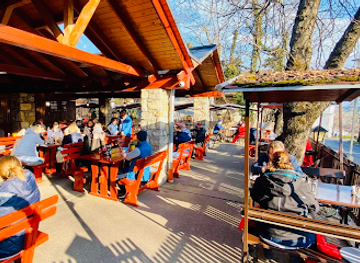
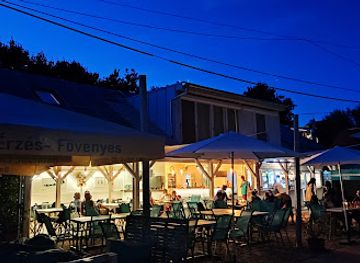
Evening life in the Balaton Uplands is shaped more by wine cellars, terraces, traditional pubs and lakeside restaurants than by a large nightclub scene. Balatonfüred has the broadest choice of bars, cafés and cultural venues, with a social atmosphere around the waterfront and historic town centre during the main season. Tihany and the northern resort villages offer quieter evenings centred on restaurants, wine tasting and views over the lake. Badacsony’s cellar rows and hill settlements become important social venues in summer, particularly when local wine events or seasonal programmes take place, but arrangements vary from year to year. In the Káli Basin and other rural areas, evening options are more limited and often depend on the opening of a guesthouse restaurant, village pub or winery. Tapolca provides a practical year-round town base with pubs and cafés. Check transport before drinking in the hills, as late public connections may be sparse; enjoying regional wine is not essential to experiencing the area’s evening culture.
-
Restaurant
Muskátli borozó - Hatlépcsős
Discover the authentic flavors of Hungary at Muskátli Borozó, a charming wine bar and restaurant in Balatonfüred, perfect for every wine lover.
-
Cafe
Carolina Cafe and Cocktail Bar
Experience the perfect blend of coffee, cocktails, and scenic views at Carolina Cafe and Cocktail Bar in Balatonfüred.
-
Hungarian
Laci Pince Csárda (Balatonudvari)
Experience the best of Hungarian cuisine at Laci Pince Csárda in Balatonudvari, where culinary tradition meets warm hospitality.
-
Gastropub
Kalóz Strandbisztró
Experience the best of Hungarian cuisine at Kalóz Strandbisztró, a charming gastropub by the serene shores of Lake Balaton.
Best nightclubs in Balaton Uplands
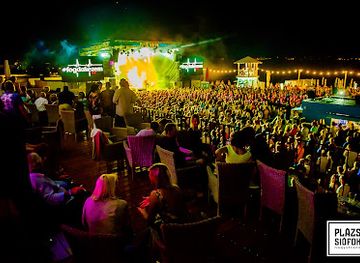
Evening life in the Balaton Uplands is shaped more by wine cellars, terraces, traditional pubs and lakeside restaurants than by a large nightclub scene. Balatonfüred has the broadest choice of bars, cafés and cultural venues, with a social atmosphere around the waterfront and historic town centre during the main season. Tihany and the northern resort villages offer quieter evenings centred on restaurants, wine tasting and views over the lake. Badacsony’s cellar rows and hill settlements become important social venues in summer, particularly when local wine events or seasonal programmes take place, but arrangements vary from year to year. In the Káli Basin and other rural areas, evening options are more limited and often depend on the opening of a guesthouse restaurant, village pub or winery. Tapolca provides a practical year-round town base with pubs and cafés. Check transport before drinking in the hills, as late public connections may be sparse; enjoying regional wine is not essential to experiencing the area’s evening culture.
-
Night club
Plázs Siófok
Dive into the nightlife and relaxation at Plázs Siófok, a premier outdoor club and bath venue on the stunning shores of Lake Balaton.
-
Disco club
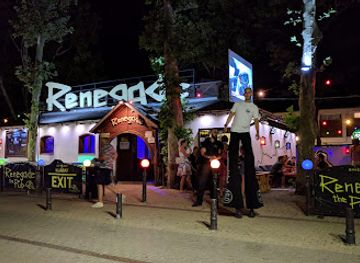
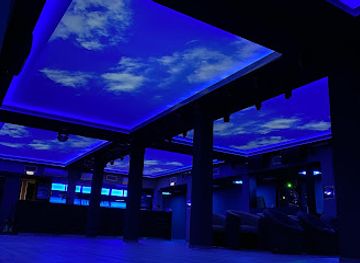
Renegade PUB and Restaurant
Dive into the lively nightlife at Renegade PUB and Restaurant in Siófok, where delicious food meets electrifying disco vibes.
-
Night club
Club Helka
Discover the vibrant nightlife at Club Helka in Balatonfüred, where music, dancing, and unforgettable moments await by Lake Balaton.
-
Night club
Tropical Garden & Pub
Experience the vibrant nightlife at Tropical Garden & Pub in Siófok, a hidden gem with tropical vibes and lively music.

Best shops in Balaton Uplands
Shopping in the Balaton Uplands is oriented towards local produce, wine, crafts and small-town high streets rather than large-scale retail. Balatonfüred and Tapolca offer the widest range of everyday shops, cafés, galleries and practical services, while Tihany has many small outlets devoted to regional food, crafts and gifts. Bottles from the Balatonfüred–Csopak and Badacsony wine areas are the most characteristic purchase, provided they are bought from a reputable cellar or producer and transported carefully. Look also for lavender products around Tihany, honey, preserves, farmhouse cheeses, smoked goods, seasonal fruit and locally made ceramics or textiles. Village markets and temporary producers’ markets can be valuable for food shopping, but their days and seasonal arrangements vary, so check locally. In the Káli Basin, independent galleries, studios and farm-based sellers reflect the area’s creative and agricultural character. High-street souvenirs are widely available, but buying directly from a winery, market stall or craft maker usually gives a more specific connection to the region.
-
Dessert shop
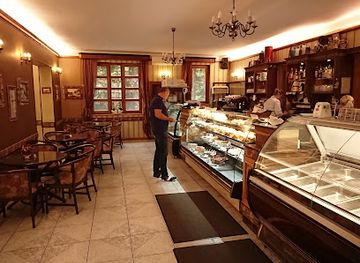
Bergmann Confectionery Tea and Coffee
Discover the sweet side of Balatonfüred at Bergmann Confectionery, where exquisite pastries and aromatic coffee create a delightful retreat for every visitor.
-
General store
Föveny ABC
Discover the local charm of Föveny ABC, your go-to general store in Balatonudvari for snacks, essentials, and unique souvenirs.
-
Craft store
Lavender Shop Tihany
Discover the enchanting world of lavender at the Lavender Shop in Tihany, where unique crafts and aromatic products await every visitor.
-
Pastries
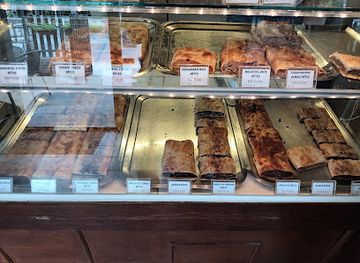
Füredi Strudel Shop
Discover the authentic taste of Hungarian pastries at Füredi Strudel Shop, where every bite is a sweet journey through tradition.


Get your free copy of our complete guide to Balaton Uplands, delivered straight to you.
Everything on this page, from attractions and restaurants to essentials and local phrases, in one PDF you can read offline, print or share.
Already have an account? Sign in
Your Balaton Uplands guide is ready.
We'll send it to · Not you? Sign out

Getting your guide ready…
We are putting together a fresh copy of the Balaton Uplands guide. This can take up to a minute.
This can take a few moments. If your browser asks, choose Allow so the download can start. You'll find the guide in your Downloads folder.
Nothing happened? Download it again
Sorry, the guide is taking longer than usual. Please try again in a minute, or get it by email instead.
Balaton Uplands essentials
Currency and Payment
Safety
Emergency Situations
Do's and Don'ts
Local Tips
From Eve
Local phrases worth knowing
You don't need to get them perfect. A few words go a long way, and locals appreciate the effort.
Basics
| English | Local | Say it |
|---|---|---|
| Hello | Helló | [heh-loh] |
| Goodbye | Viszlát | [vees-laht] |
| Yes | Igen | [ee-gen] |
| No | Nem | [nem] |
| Please/You're welcome | Kérem | [keh-rem] |
| Thank you | Köszönöm | [kuh-soh-nuhm] |
| Excuse me/Sorry | Elnézést | [el-neh-zesht] |
| How are you? | Hogy vagy? | [hohdg vahd?] |
| Fine. And you? | Jól. És te? | [yohl. aysh teh?] |
| Do you speak English? | Beszélsz angolul? | [beh-sehlz ahn-goh-lool?] |
| I don't understand | Nem értem | [nem air-tehm] |
Eating & Drinking
| English | Local | Say it |
|---|---|---|
| I'd like to see the menu, please | Szeretném látni az étlapot, kérem | [seh-reht-neem laht-nee ahz ayt-lah-poh-t, keh-rem] |
| I don't eat meat | Nem eszem húst | [nem eh-sehm hoosht] |
| Cheers! | Egészségedre! | [eh-geh-sheh-gehd-reh!] |
| I would like to pay, please | Szeretném fizetni, kérem | [seh-reht-neem fee-zeht-nee, keh-rem] |
Emergencies
| English | Local | Say it |
|---|---|---|
| Help! | Segítség! | [seh-geet-shehg!] |
| Go away! | Menj el! | [men-yel!] |
| Call the Police! | Hívd a rendőrséget! | [heevd ah ren-door-sheh-geht!] |
| Call a doctor! | Hívj egy orvost! | [heev-yedj or-vosht!] |
| I'm lost | Elvesztem | [el-vesz-tem] |
| I'm ill | Beteg vagyok | [beh-tehg vah-dyok] |
Shopping
| English | Local | Say it |
|---|---|---|
| I'd like to buy... | Szeretnék venni... | [seh-reht-neek veh-nee...] |
| I'm just looking | Csak nézelődöm | [chok nay-zeh-loh-dohm] |
| How much is it? | Mennyibe kerül? | [men-nee-beh keh-rul?] |
| That's too expensive | Ez túl drága | [ehz tool drah-gah] |
| Can you lower the price? | Le tudná csökkenteni az árat? | [leh tood-nah chuh-kken-teh-nee ahz ah-raht?] |
Time & Numbers
| English | Local | Say it |
|---|---|---|
| What time is it? | Hány óra van? | [hahn-yeh oh-rah vahn?] |
| It's one o'clock | Egy óra van | [edj oh-rah vahn] |
| Half past (10) | Fél tíz | [fehl teez] |
| Morning | Reggel | [rehg-gel] |
| Afternoon | Délután | [day-loo-tahn] |
| Evening | Este | [esh-teh] |
| Yesterday | Tegnap | [teh-nahp] |
| Today | Ma | [mah] |
| Tomorrow | Holnap | [hol-nahp] |
| 1 | 1 | [1] |
| 2 | 2 | [2] |
| 3 | 3 | [3] |
| 4 | 4 | [4] |
| 5 | 5 | [5] |
| 6 | 6 | [6] |
| 7 | 7 | [7] |
| 8 | 8 | [8] |
| 9 | 9 | [9] |
| 10 | 10 | [10] |
Transport & Directions
| English | Local | Say it |
|---|---|---|
| Where's a/the...? | Hol van a...? | [hol vahn ah...?] |
| What's the address? | Mi a cím? | [mee ah teem?] |
| Can you show me (on the map)? | Meg tudod mutatni (a térképen)? | [meg tood-od moo-taht-nee (ah tayr-keh-pen)?] |
| When's the next (bus)? | Mikor jön a következő (busz)? | [mee-kor yuhn ah keh-vet-keh-zoe (booz)?] |
| A ticket (to ....) | Egy jegy (a....) | [edj yehd (ah....)] |
History of Balaton Uplands
Roman Pannonia and the Lake Landscape
The Balaton area formed part of the Roman province of Pannonia, and roads, settlements and agricultural estates connected the lake basin with the wider imperial network. Roman viticulture and land management influenced the region, although the modern wine landscape developed through many later periods. Archaeological remains around the northern shore, including traces of Roman occupation and rural production, help explain why the Balaton basin has long been a settled and cultivated landscape rather than an untouched wilderness.
The Medieval Abbey of Tihany
King Andrew I founded the Benedictine Abbey of Tihany in 1055, making it one of the most important medieval institutions on the northern shore. The foundation charter is especially significant because it contains some of the earliest surviving written words in Hungarian. The abbey also controlled land and religious activity around the peninsula. Its church and hilltop position remain among the clearest visible links between the modern region and medieval Hungary.
Ottoman Frontier and Hilltop Fortresses
From the 16th century, the Balaton region lay near the contested frontier between the Habsburg Kingdom of Hungary and the Ottoman Empire. Fortifications such as Szigliget and Csobánc guarded routes and settlements, while nearby strongholds changed hands or were drawn into military campaigns. Much of the original defensive network has disappeared, but castle ruins on volcanic hills preserve the strategic importance of the landscape and offer wide views across the lake and surrounding country.
The Rise of Bathing Culture at Balatonfüred
Balatonfüred became a prominent spa and resort from the 18th and 19th centuries, building on its mineral springs and lakeside setting. Doctors, aristocratic families, writers and political figures helped establish a culture of promenades, villas, concerts and summer social life. The town’s reform-era buildings and waterfront traditions reflect the emergence of modern leisure in Hungary. Balatonfüred remains the principal urban and cultural centre of the eastern Balaton Uplands.
Wine, Vineyards and Rural Production
Viticulture has shaped the northern shore for centuries, with volcanic soils, slopes and lake-moderated conditions supporting several distinct wine areas. The Balatonfüred–Csopak and Badacsony districts developed different but complementary identities, while the Káli Basin retained a more village-based agricultural character. The 19th and 20th centuries brought economic disruption, including the effects of phylloxera and later collectivisation, yet private wine production and renewed interest in native varieties have strengthened the region’s contemporary wine culture.
Conservation and the Modern Balaton Region
Growing pressure from tourism, roads, second homes and intensive agriculture encouraged a stronger conservation approach during the 20th century. The Balaton Uplands National Park, established in 1997, brought together protected volcanic hills, wetlands, caves, grasslands and cultural landscapes around the northern lake. Its work reflects a modern understanding of the region: geological formations, traditional vineyards, village architecture and wildlife habitats are interconnected and require careful management.
Balaton Uplands in Photos
Browse through our photo collection highlighting the charm and character of the destination.
Neighbouring regions of Balaton Uplands
The closest regions to Balaton Uplands, if you have time for more than one.
-

-

-

-

-


Swipe for more regions
Explore more

Explore more of Hungary
Discover Hungary: A land of historic cities, scenic landscapes, thermal baths, and rich culinary traditions in the heart of Europe.
Explore Hungary