

Free Transdanubia Travel Guide & Mobile App
Explore Transdanubia with free travel guides. Discover regional history, expert tips, proposed trips, and audio guides on web or mobile app.


Explore Transdanubia in western Hungary for Lake Balaton, Roman ruins, historic towns, thermal waters, forested hills and acclaimed wine regions.
Read more about Transdanubia
When is the best time to visit Transdanubia?
Best: June–August · 22–24°C| Month | High (°C) | Rainfall (mm) |
|---|---|---|
| January | 4 | 30 |
| February | 5 | 35 |
| March | 10 | 40 |
| April | 14 | 45 |
| May | 19 | 50 |
| June (best) | 22 | 55 |
| July (best) | 24 | 60 |
| August (best) | 24 | 55 |
| September | 20 | 50 |
| October | 15 | 45 |
| November | 9 | 40 |
| December | 5 | 35 |
Getting to and around Transdanubia
How to get there
Transportation
Top city travel guides in Transdanubia
The cities of Transdanubia, and the easiest places to base yourself.
-

-

-

-

-

-


Swipe for more cities
Destinations in Transdanubia
Resorts, valleys and scenic spots worth a trip of their own.
-

-

-

-
-

-


Swipe for more destinations
Best attractions in Transdanubia
Transdanubia's attractions range from Roman archaeology and medieval religious sites to lake recreation, vineyards and forested hills. In Pécs, the underground early Christian burial chambers of ancient Sopianae sit alongside museums and Ottoman-era monuments, while Szombathely presents the Roman heritage of Savaria. Pannonhalma Archabbey combines historic buildings, religious traditions, gardens and views across the surrounding countryside. Historic centres in Sopron, Győr, Veszprém and Székesfehérvár reward walking rather than rapid sightseeing, with churches, civic buildings and museums revealing different chapters of Hungarian history. Lake Balaton supports swimming, sailing, cycling and boat excursions, while the Balaton Uplands and Bakony offer trails among basalt hills, woodland and rural villages. The Mecsek above Pécs provides another setting for walking, caves and wooded viewpoints. Castle sites at Szigetvár, Sümeg, Tata and elsewhere illustrate the region's former frontier role, although their preservation and visitor facilities differ. Theatres, galleries, music institutions and seasonal cultural programmes are concentrated in the larger towns, while wine estates and thermal resorts provide slower-paced experiences in the countryside.
-
Bridge
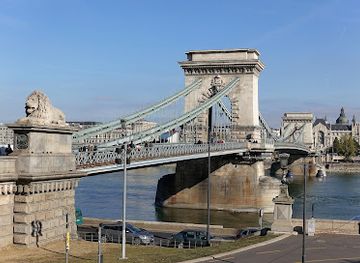
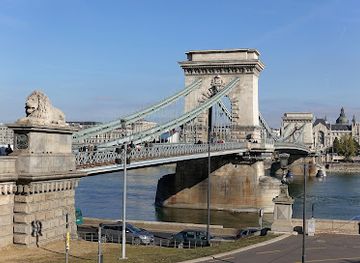
Széchenyi Chain Bridge
Discover the stunning Széchenyi Chain Bridge in Budapest - a historic architectural marvel offering breathtaking views and rich cultural heritage.
-
Tourist attraction
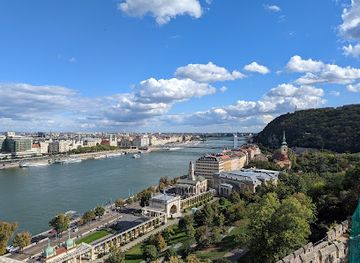
Buda Castle
Explore Buda Castle, a stunning historical site in Budapest, showcasing breathtaking views, rich culture, and the essence of Hungarian history.
-
Tourist attraction
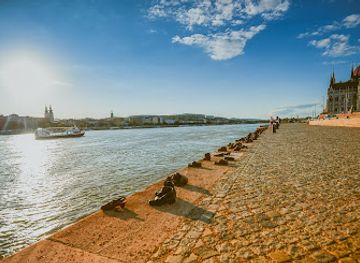
Shoes on the Danube Bank
Discover the poignant Shoes on the Danube Bank, a powerful Holocaust memorial in Budapest that honors the lives lost during World War II.
-
Tourist attraction
Tapolcai-tavasbarlang Látogatóközpont
Explore the mesmerizing underground lakes at Tapolcai-tavasbarlang, a stunning natural attraction in Hungary's picturesque Tapolca region.

Best landmarks in Transdanubia
Transdanubia's landmarks express its roles as Roman province, royal heartland, religious centre and military frontier. Pannonhalma Archabbey is one of the region's defining silhouettes, standing above north-western vineyards and fields with a history reaching back to the foundation of the Hungarian kingdom. The historic core of Sopron preserves medieval street patterns and a dense collection of civic and religious buildings, while Győr's Baroque centre reflects its position at major river and trade routes. In Székesfehérvár, the cathedral area and commemorative remains evoke the medieval coronation city, even though much of the original royal complex has disappeared. Pécs is marked by the early Christian burial chambers of Sopianae, the Cathedral precinct and Ottoman monuments such as the Mosque of Pasha Qasim, now a Catholic church. Lake Balaton supplies natural landmarks as well, including the volcanic forms of the Badacsony area and the Tihany Peninsula. Castles at Szigetvár, Sümeg and Tata preserve different aspects of the region's defensive and aristocratic past.
-
Historical landmark
Castle District
Explore the historic charm of Budapest's Castle District, a UNESCO World Heritage Site filled with stunning architecture and rich cultural heritage.
-
Fortress
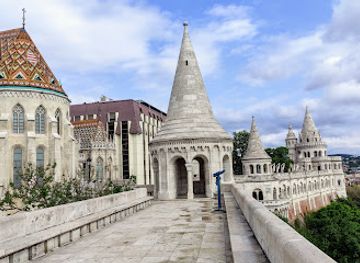
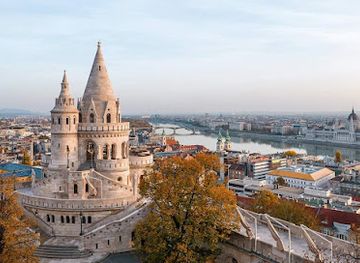
Fisherman's Bastion
Explore the enchanting Fisherman's Bastion, a historic fortress in Budapest offering breathtaking views and rich cultural heritage.
-
Plaza
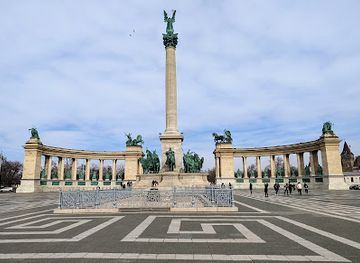
Heroes' Square
Discover the grandeur of Heroes' Square in Budapest, a monumental tribute to Hungary's history and culture, set against stunning architectural backdrops.
-
Bridge
Széchenyi Chain Bridge
Explore the enchanting Széchenyi Chain Bridge in Budapest, a stunning architectural marvel connecting Buda and Pest over the picturesque Danube River.
Explore Transdanubia on the map
Plan your trip on one map. See where the top cities, national parks and sights are, and book hotels and experiences in a few clicks.
Best hotels in Transdanubia
Best restaurants in Transdanubia
Dining in Transdanubia reflects Hungary's national culinary traditions while drawing strongly on local landscapes and produce. Around Lake Balaton, freshwater fish, including pike-perch where available, appears alongside hearty soups, grilled dishes and seasonal vegetables; lakeside menus range from informal lángos and cafés to contemporary restaurants. Rural kitchens commonly use paprika, onions, sour cream and yeast-based or potato dishes, with dödölle particularly associated with western Hungarian cooking. Pécs and the southern wine districts offer varied restaurants influenced by the region's multi-ethnic and urban history, while market towns and villages are good places to look for pastries, preserved foods and locally grown produce. Wine is central rather than ornamental: Balaton, Pannonhalma, Mór, Sopron, Szekszárd and Villány each have their own climate, soils and styles. Farmers' markets, cellar tastings, traditional csárdas, cafés and family-run guesthouses provide the most direct connection with regional food culture.
-
Hungarian
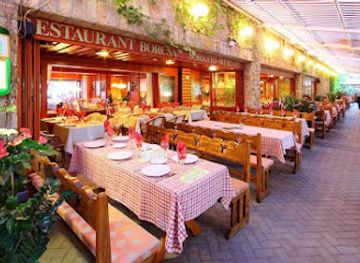
Borcsa Étterem
Experience authentic Hungarian flavors at Borcsa Étterem in Balatonfüred – where tradition meets taste in a cozy lakeside setting.
-
Restaurant
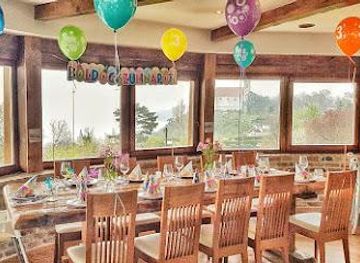
Echo Étterem
Gourmet Hungarian cuisine meets Balaton panorama in this elegant hilltop restaurant.
-
Hungarian
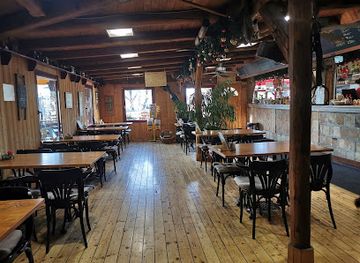
Sanyi Sarok Étterem
Discover authentic Hungarian flavors at Sanyi Sarok Étterem in Siófok – a must-visit destination for food lovers!
-
Restaurant
Kedvesem Bisztró
Discover Kedvesem Bisztró: A delightful bistro on Lake Balaton offering authentic Hungarian cuisine in a picturesque setting.
Best bars in Transdanubia
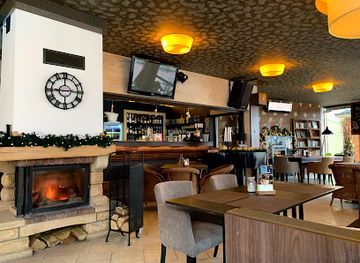
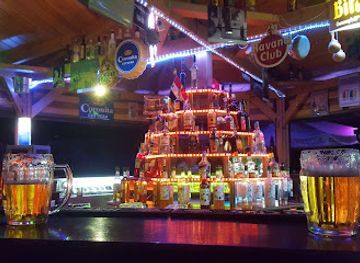
Evening life in Transdanubia is varied but generally more town-centred and seasonal than Budapest's. Győr, Pécs and Sopron have the broadest choice of cafés, wine bars, pubs, live-music venues and late-opening restaurants, with Pécs benefiting from its university population and established cultural institutions. Around Lake Balaton, summer resorts become livelier, particularly along the principal waterfront settlements, where beach bars, concerts and casual restaurants operate more actively during the holiday season than in winter. Wine cellars and tasting rooms are important evening venues in Villány, Szekszárd, the Balaton districts and other wine areas, often requiring advance arrangements and responsible transport. Smaller towns and rural districts rely more on traditional pubs, cafés, cultural events and local restaurants than on nightclubs. Opening patterns change considerably outside the summer and university periods, so current local information is essential.
-
Pub
Szimpla Kert
Experience the eclectic atmosphere of Szimpla Kert, Budapest's iconic ruin pub blending culture, nightlife, and local flavors.
-
Restaurant
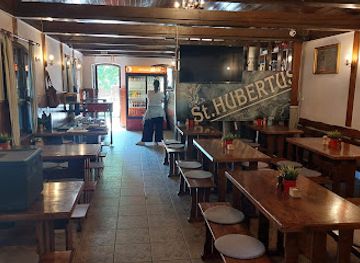
Muskátli borozó - Hatlépcsős
Experience the essence of Hungarian cuisine and fine wines at Muskátli Borozó - Hatlépcsős, a must-visit restaurant in Balatonfüred.
-
Bar
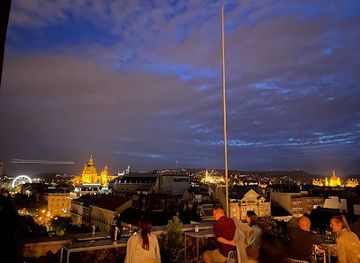
360 Bar
Discover Budapest's breathtaking skyline and vibrant nightlife at 360 Bar, the ultimate cocktail experience in the heart of the city.
-
Cocktail bar
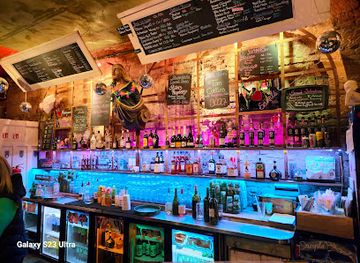
Rumpus Tiki Bar
Discover the vibrant tiki vibes of Rumpus Tiki Bar in Budapest, where exotic cocktails and a lively atmosphere await.

Best nightclubs in Transdanubia
Evening life in Transdanubia is varied but generally more town-centred and seasonal than Budapest's. Győr, Pécs and Sopron have the broadest choice of cafés, wine bars, pubs, live-music venues and late-opening restaurants, with Pécs benefiting from its university population and established cultural institutions. Around Lake Balaton, summer resorts become livelier, particularly along the principal waterfront settlements, where beach bars, concerts and casual restaurants operate more actively during the holiday season than in winter. Wine cellars and tasting rooms are important evening venues in Villány, Szekszárd, the Balaton districts and other wine areas, often requiring advance arrangements and responsible transport. Smaller towns and rural districts rely more on traditional pubs, cafés, cultural events and local restaurants than on nightclubs. Opening patterns change considerably outside the summer and university periods, so current local information is essential.
-
Night club
Plázs Siófok
Discover the vibrant nightlife and serene outdoor bathing at Plázs Siófok, a premier destination on the shores of Lake Balaton.
-
Disco club
Renegade PUB and Restaurant
Discover the perfect blend of dining and nightlife at Renegade PUB and Restaurant in Siófok, where delicious food meets an exhilarating disco atmosphere.
-
Bar
KHUFU Music Club & Cocktail Bar
Discover the energetic atmosphere of KHUFU Music Club & Cocktail Bar in Siófok, where music and cocktails create unforgettable nights.
-
Night club
Marilyn Night Club | Gentlemen's Club, Striptease Bar
Discover the enchanting world of adult entertainment at Marilyn Night Club, Budapest's premier gentlemen's club featuring stunning performances and a vibrant atmosphere.



Best shops in Transdanubia
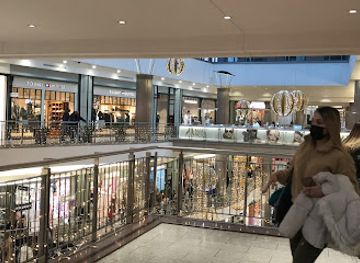
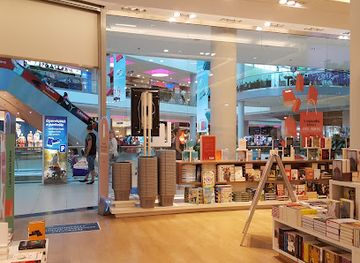
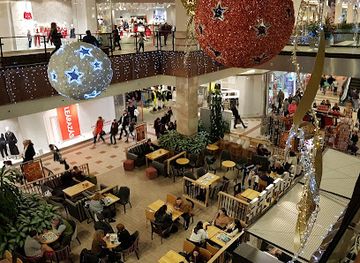
Shopping in Transdanubia is strongest in historic town centres, market towns, lake resorts and wine-producing districts rather than in one continuous retail zone. Győr, Pécs, Sopron and Székesfehérvár provide the widest selection of independent shops, bookshops, galleries and everyday retail, while smaller towns offer local markets and traditional high streets. Around Lake Balaton, seasonal stalls and specialist shops sell wine, honey, preserves, paprika products and other regional foods; quality and provenance vary, so labelled producers and established markets are preferable. Villány, Szekszárd, Pannonhalma, Mór and the Balaton wine areas are suitable places to buy bottles directly from wineries, subject to transport and customs limits. Craft goods may include ceramics, textiles, woodwork and small-scale artworks, although these are not uniformly distinctive to the whole region. Farmers' markets are especially useful for tasting local produce, while heritage towns offer antiques, galleries and confectionery shops alongside conventional souvenirs.
-
Shopping mall
Westend
Explore Westend, Budapest's vibrant shopping mall with over 400 stores, diverse dining options, and entertainment for all ages.
-
Shopping mall
Allee Mall
Explore Allee Mall, Budapest’s vibrant shopping hub with diverse stores, delightful dining, and engaging entertainment options for all ages.
-
Gift shop
Campona
Explore Campona, Budapest's premier shopping mall, featuring a variety of stores, dining options, and entertainment for all ages.
-
Outlet mall
Premier Outlet
Discover unbeatable deals on top brands at Premier Outlet, Biatorbágy – your ultimate shopping destination near Budapest.

Get your free copy of our complete guide to Transdanubia, delivered straight to you.
Everything on this page, from attractions and restaurants to essentials and local phrases, in one PDF you can read offline, print or share.
Already have an account? Sign in
Your Transdanubia guide is ready.
We'll send it to · Not you? Sign out

Getting your guide ready…
We are putting together a fresh copy of the Transdanubia guide. This can take up to a minute.
This can take a few moments. If your browser asks, choose Allow so the download can start. You'll find the guide in your Downloads folder.
Nothing happened? Download it again
Sorry, the guide is taking longer than usual. Please try again in a minute, or get it by email instead.
Transdanubia essentials
Currency and Payment
Safety
Emergency Situations
Do's and Don'ts
Local Tips
From Eve
Local phrases worth knowing
You don't need to get them perfect. A few words go a long way, and locals appreciate the effort.
Basics
| English | Local | Say it |
|---|---|---|
| Hello | Szia | [see-yah] |
| Goodbye | Viszlát | [vees-laht] |
| Yes | Igen | [ee-gen] |
| No | Nem | [nem] |
| Please/You're welcome | Kérem | [kay-rem] |
| Thank you | Köszönöm | [kuh-suh-nuhm] |
| Excuse me/Sorry | Elnézést | [el-nay-zayst] |
| How are you? | Hogy vagy? | [hodj vahd] |
| Fine. And you? | Jól. És te? | [yoal. aysh teh] |
| Do you speak English? | Beszélsz angolul? | [beh-sayls ahn-goh-lool] |
| I don't understand | Nem értem | [nem air-tem] |
Eating & Drinking
| English | Local | Say it |
|---|---|---|
| I'd like to see the menu, please | Szeretném megnézni az étlapot, kérem | [seh-reht-neem meg-nayz-nee ahz ate-lah-poht, kay-rem] |
| I don't eat meat | Nem eszem húst | [nem eh-sem hoosht] |
| Cheers! | Egészségedre! | [eh-geh-sheh-ged-reh] |
| I would like to pay, please | Szeretném kifizetni, kérem | [seh-reht-neem kee-fi-zet-nee, kay-rem] |
Emergencies
| English | Local | Say it |
|---|---|---|
| Help! | Segítség! | [seh-geet-shehg] |
| Go away! | Menj el! | [men-yel] |
| Call the Police! | Hívd a rendőrséget! | [heevd ah ren-door-sheh-get] |
| Call a doctor! | Hívd az orvost! | [heevd ahz or-vohst] |
| I'm lost | Elvesztem | [el-vehst-em] |
| I'm ill | Beteg vagyok | [beh-tehg vah-yok] |
Shopping
| English | Local | Say it |
|---|---|---|
| I'd like to buy... | Szeretnék venni... | [seh-reht-neek ven-nee] |
| I'm just looking | Csak nézelődöm | [chahk nay-zel-oh-dohm] |
| How much is it? | Mennyibe kerül? | [men-nee-beh kehr-ool] |
| That's too expensive | Ez túl drága | [ez tool drah-gah] |
| Can you lower the price? | Le tudnád csökkenteni az árat? | [leh tood-nahd chohk-kent-eh-nee ahz ah-raht] |
Time & Numbers
| English | Local | Say it |
|---|---|---|
| What time is it? | Hány óra van? | [hahn-ee oh-rah vahn] |
| It's one o'clock | Egy óra van | [edj oh-rah vahn] |
| Half past (10) | Fél (10) | [fehl (10)] |
| Morning | Reggel | [reh-gel] |
| Afternoon | Délután | [day-loo-tahn] |
| Evening | Este | [esh-teh] |
| Yesterday | Tegnap | [teh-nahp] |
| Today | Ma | [mah] |
| Tomorrow | Holnap | [hol-nahp] |
| 1 | 1 | [1] |
| 2 | 2 | [2] |
| 3 | 3 | [3] |
| 4 | 4 | [4] |
| 5 | 5 | [5] |
| 6 | 6 | [6] |
| 7 | 7 | [7] |
| 8 | 8 | [8] |
| 9 | 9 | [9] |
| 10 | 10 | [10] |
Transport & Directions
| English | Local | Say it |
|---|---|---|
| Where's a/the...? | Hol van a...? | [hol vahn ah] |
| What's the address? | Mi a cím? | [mee ah teem] |
| Can you show me (on the map)? | Megmutatnád (a térképen)? | [meg-moo-taht-nahd (ah tayr-kay-pen)] |
| When's the next (bus)? | Mikor jön a következő (busz)? | [mee-kor yohn ah keh-vet-keh-zoe (booz)] |
| A ticket (to ....) | Egy jegy (....-ra) | [edj yehd (....-rah)] |
History of Transdanubia
Roman Pannonia and the Amber Route
Much of Transdanubia formed part of the Roman province of Pannonia from the first century AD. Roads, forts and settlements connected the Danube frontier with the interior of the empire and the routes leading towards the Adriatic and northern Europe. Savaria, the Roman predecessor of Szombathely, became an important administrative and commercial centre, while Sopianae beneath modern Pécs developed in the south. Fortifications along the Danube reflected the strategic importance of the frontier. Archaeological remains, museums and the early Christian burial chambers at Pécs preserve evidence of this Romanised landscape.
Medieval Royal Centres and Christian Foundations
After the establishment of the Hungarian kingdom, Transdanubia became a central zone of royal power, ecclesiastical organisation and trade. Székesfehérvár served as the principal coronation and burial city of medieval Hungarian kings, while Veszprém acquired lasting importance as an episcopal centre and a city closely connected with Hungarian queens. Benedictine foundations, most significantly the monastery at Pannonhalma, helped shape religious, educational and agricultural life. Fortified settlements and market towns grew along routes between the Danube, Lake Balaton and the western borderlands.
Ottoman Expansion and the Borderland Fortresses
The Ottoman conquest of much of central Hungary in the sixteenth century transformed Transdanubia into a contested frontier. Castles including Szigetvár, Sümeg, Tata and Pápa were involved in campaigns, garrison life and the shifting political boundaries between Ottoman and Habsburg territories. The wars caused substantial disruption, depopulation and economic change, while fortified towns became symbols of resistance and military authority. Ottoman rule was particularly significant in parts of southern and central Transdanubia, and surviving Turkish monuments in Pécs offer a different architectural legacy of the period.
Habsburg Rule and Reconstruction
Following the expulsion of Ottoman forces from most of the region at the end of the seventeenth century, Transdanubia underwent political and demographic reconstruction within the Habsburg Monarchy. Landowners, religious orders and towns rebuilt churches, palaces and civic quarters in Baroque and later architectural styles. German-speaking settlers and other communities joined older Hungarian and Croatian populations in different parts of the region. The resulting cultural landscape can be seen in the historic centres of Győr, Sopron, Székesfehérvár and Pécs, as well as in the estates and villages of the countryside.
Agriculture, Vineyards and Commercial Growth
From the eighteenth century onwards, improved roads, river transport and later railways strengthened links between Transdanubian towns and wider European markets. Agriculture remained fundamental, but viticulture and food production gained particular importance around Lake Balaton, Pannonhalma, Mór, Sopron, Szekszárd and Villány. Market towns expanded, while estates and urban merchants invested in storage, processing and transport. The region's present wine geography reflects this long interaction between soils, climate, landownership and commercial networks, although wars, disease and political upheaval repeatedly disrupted production.
Industrialisation and Twentieth-Century Transformation
The nineteenth and twentieth centuries brought railways, manufacturing and large-scale industrial development to parts of Transdanubia. Győr became a major industrial and transport centre, while mining, engineering, chemical production and energy industries shaped towns in central and southern districts. The world wars and the political settlement that followed the Second World War altered borders, ownership and patterns of settlement. Under state socialism, industrial expansion and collective agriculture changed the countryside, even as historic buildings and religious institutions faced different degrees of neglect or restriction.
Post-1989 Heritage and Regional Tourism
Since the political transition of 1989, Transdanubia has experienced renewed investment in historic centres, thermal tourism, winemaking, cultural institutions and lake-based recreation. European integration strengthened economic links with Austria, Slovenia and Croatia, particularly in the western border region. Former industrial areas have been joined by technology, services and logistics, while towns such as Pécs and Veszprém have developed strong cultural profiles. Heritage conservation has also made Roman archaeology, medieval sites, Baroque townscapes and Jewish and minority histories more visible to visitors.
Transdanubia in Photos
Browse through our photo collection highlighting the charm and character of the destination.
Neighbouring regions of Transdanubia
The closest regions to Transdanubia, if you have time for more than one.
-

-

-

-

-


Swipe for more regions
Explore more

Explore more of Hungary
Discover Hungary: A land of historic cities, scenic landscapes, thermal baths, and rich culinary traditions in the heart of Europe.
Explore Hungary