

Kapos Valley, Hungary Travel Guide
Discover the enchanting Kapos Valley in Hungary, a serene escape with rolling hills, lush forests, thermal baths, and a rich cultural heritage.
Nestled in the heart of Hungary, Kapos Valley offers a serene escape for nature enthusiasts and history buffs alike. This picturesque region is renowned for its rolling hills, lush forests, and meandering rivers, making it a perfect destination for hiking, cycling, and bird-watching. The valley's scenic beauty is complemented by its rich cultural heritage, with charming villages and ancient ruins that tell the story of Hungary's past. At the center of the valley lies the town of Kaposvár, a vibrant hub with a mix of modern amenities and historical landmarks. Visitors can explore the grand Kaposvár Cathedral, enjoy a leisurely stroll through the town's parks, or sample local delicacies at one of the many traditional restaurants. The town also hosts a variety of cultural festivals throughout the year, offering a glimpse into the local way of life. For those seeking relaxation, Kapos Valley's thermal baths are a must-visit. Known for their healing properties, these natural springs provide a soothing retreat for weary travelers. Whether you're soaking in the warm waters or indulging in a spa treatment, the thermal baths are the perfect way to unwind after a day of exploration. Beyond the town, the valley's natural beauty beckons. The Zselic Nature Reserve, with its dark sky park, offers a unique opportunity for stargazing, while the nearby Lake Deseda provides a tranquil setting for boating and fishing. With its blend of natural wonders and cultural treasures, Kapos Valley is a destination that promises to enchant and inspire.

Know before you go
Hi, I'm Eve. Here are a few practical things to know before exploring Kapos Valley.
- Visit in late spring or early autumn for the best weather and fewer crowds.
- Rent a bicycle to explore the valley's scenic trails at your own pace.
- Don't miss the local festivals in Kaposvár to experience traditional Hungarian culture.
- Pack comfortable hiking shoes for exploring the Zselic Nature Reserve.
- Try the local thermal baths for a relaxing and therapeutic experience.
- Sample traditional Hungarian dishes at family-run restaurants for an authentic culinary experience.
Top City Travel Guides in Kapos Valley
The cities of Kapos Valley, and the easiest places to base yourself.


Destinations in Kapos Valley
Resorts, valleys and scenic spots worth a trip of their own.


Explore Kapos Valley: Things to Do, Places to Eat, Hotels & More
Handpicked recommendations for top attractions, local dining, accommodations, and more

Top Attractions & Sightseeing in Kapos Valley
Top-rated picks
Best Attractions
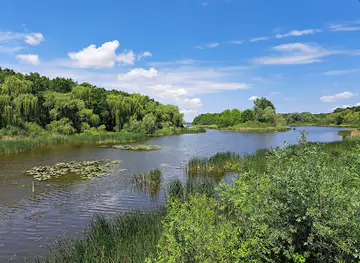
Balaton Uplands National Park
Discover the breathtaking landscapes and rich biodiversity of Balaton Uplands National Park, a must-visit destination for nature lovers in Hungary.
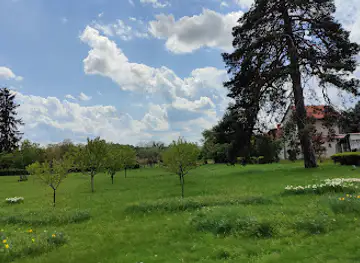
Rippl-Rónai Emlékmúzeum
Explore the rich artistic legacy of Hungary at the Rippl-Rónai Memorial Museum, where history and creativity converge in Kaposvár.

Kaposvar Viragfurdo (Flower Bath)
Experience the serene beauty and fun-filled atmosphere of Kaposvár Virágfürdő, Hungary's floral-themed thermal spa and swimming pool complex.

Festetics Mansion, Alsóbogát
Explore the timeless beauty and rich history of Festetics Mansion in Alsóbogát, a captivating castle and cultural gem in Hungary.

Best landmarks in Kapos Valley
Top-rated picks
Best Landmarks

Fisherman's Bastion
Discover breathtaking views and rich history at Fisherman's Bastion, a stunning neo-Romanesque terrace in Budapest's Castle District.

Heroes' Square
Explore Heroes' Square in Budapest, a historic plaza showcasing Hungary's cultural heritage and national heroes through stunning architecture and monuments.

St. Stephen's Basilica
Discover the breathtaking architecture and rich history of St. Stephen's Basilica, a Budapest gem that promises stunning views and serene beauty.
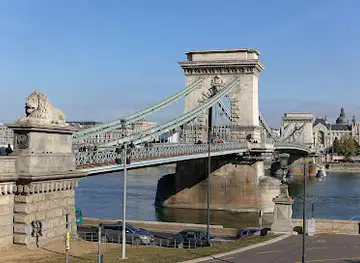
Széchenyi Chain Bridge
Experience the breathtaking Széchenyi Chain Bridge in Budapest, an architectural wonder connecting Buda and Pest over the stunning Danube River.

Best restaurants in Kapos Valley
Top-rated picks
Best Restaurants

Hungarikum Bisztró
Discover the heart of Hungarian cuisine at Hungarikum Bisztró in Budapest - where tradition meets flavor in every dish.

Parisi 6
Experience authentic Hungarian cuisine with vegetarian options at Parisi 6 in Budapest's vibrant District V.

Ape Regina Italian Restaurant
Discover authentic Italian cuisine at Ape Regina Restaurant in Budapest - where every dish tells a story of tradition and flavor.

Renaissance Restaurant
Experience authentic Hungarian cuisine amidst stunning views at Visegrád's Renaissance Restaurant.

Best bars in Kapos Valley
Top-rated picks
Best Bars

Szimpla Kert
Discover the vibrant Szimpla Kert, Budapest's iconic ruin pub that fuses culture and nightlife in a uniquely artistic atmosphere.

Instant-Fogas Complex
Instant-Fogas Complex: A vibrant bar and nightclub in Budapest offering exciting nightlife, eclectic drinks, and unforgettable music experiences.

Ötkert
Experience Budapest's vibrant nightlife at Ötkert, a premier bar and nightclub known for its electrifying atmosphere and top DJs.

Morrison's 2
Explore Budapest's nightlife at Morrison's 2, where great drinks, music, and a vibrant atmosphere await in the heart of the city.

Best nightclubs in Kapos Valley
Top-rated picks
Best Nightclubs

Instant-Fogas Complex
Discover the heartbeat of Budapest's nightlife at Instant-Fogas Complex, where music and energy come alive until dawn.

Club Heaven Budapest
Unleash your energy at Club Heaven Budapest, the ultimate destination for unforgettable nightlife experiences in the heart of the city.

Ötkert
Experience the vibrant nightlife of Budapest at Ötkert, a premier night club offering thrilling music, exquisite cocktails, and unforgettable moments.

Peaches And Cream Club
Dive into Budapest's nightlife at Peaches And Cream Club, where music, dancing, and unforgettable memories await every weekend.

Best shops in Kapos Valley
Top-rated picks
Best Shops

Central Market Hall
Discover the flavors and culture of Budapest at the iconic Central Market Hall, offering a vibrant array of local produce and traditional delicacies.

Westend
Explore Westend in Budapest: A Shopping Mall with a Unique Blend of Fashion, Dining, and Entertainment.

ÁRKÁD Budapest
Experience the ultimate shopping and dining destination in Budapest at ÁRKÁD, where style meets convenience.

Allee Mall
Discover Allee Mall: Budapest's vibrant shopping hub with diverse stores, delightful dining, and endless entertainment options.

Explore Kapos Valley on the Map
A handpicked selection of must-see spots in Kapos Valley, mapped for you.
Kapos Valley Essentials
-
Kapos Valley is located in the south-western part of Hungary. The nearest major city is Kaposvár, which has a well-connected train station. Visitors can fly into Budapest Ferenc Liszt International Airport and then take a train or bus to Kaposvár. The train journey from Budapest to Kaposvár takes approximately 2.5 to 3 hours. Alternatively, you can rent a car and drive, which takes about 2 hours from Budapest.
-
In Kapos Valley, local buses and taxis are the primary means of public transport. Bicycles can also be rented for a more scenic and flexible way to explore the valley. Kaposvár has a well-organized bus network that connects various parts of the city and the surrounding areas. For a more personalized experience, consider renting a car to explore the valley at your own pace.
-
The official currency in Hungary is the Hungarian Forint (HUF). Credit cards are widely accepted in hotels, restaurants, and larger stores, but it is advisable to carry some cash for smaller establishments and rural areas. ATMs are readily available in Kaposvár and other major towns within the valley.
-
Kapos Valley is generally safe for tourists. However, it is always wise to exercise standard precautions. Avoid walking alone at night in isolated areas and keep an eye on your belongings in crowded places. There are no specific high-crime areas targeting tourists, but staying vigilant and aware of your surroundings is always recommended.
-
In case of emergency, dial 112 for immediate assistance. Local police stations and medical facilities are available in Kaposvár. It is recommended to have travel insurance that covers medical emergencies. Pharmacies are available in the valley for minor health issues and over-the-counter medications.
-
Fashion: Do dress modestly, especially when visiting religious sites. Avoid overly revealing clothing. Religion: Do respect local customs and traditions. When visiting churches, it is customary to cover your shoulders and knees. Public Transport: Do be respectful and give up your seat to elderly passengers. Don’t speak loudly or eat on public transport. Greetings: Do greet people with a handshake. A slight nod of the head is also a sign of respect. Eating & Drinking: Do try local delicacies and accept food offerings graciously. Don’t refuse hospitality, as it is considered impolite.
-
To experience Kapos Valley like a local, visit the local markets where you can buy fresh produce and traditional Hungarian goods. Engage with the locals, who are often friendly and willing to share stories about the valley’s history and culture. Don’t miss visiting the Zselic Starry Sky Park for stargazing or the Rippl-Rónai Memorial House and Visitor Center in Kaposvár for a dose of local art and history.
When is the best time to visit Kapos Valley?
Useful Local Phrases for Kapos Valley
You don't need to speak the language perfectly. Even learning a few simple words can make conversations warmer—and locals usually appreciate the effort.
— Eve

Here are the phrases I use most often in Kapos Valley. Try a few—you'll be surprised how far they go! 😊
❤️
-
- HelloHello
[Hello] - GoodbyeGoodbye
[Goodbye] - YesYes
[Yes] - NoNo
[No] - Please/You're welcomePlease/You're welcome
[Please/You're welcome] - Thank youThank you
[Thank you] - Excuse me/SorryExcuse me/Sorry
[Excuse me/Sorry] - How are you?How are you?
[How are you?] - Fine. And you?Fine. And you?
[Fine. And you?] - Do you speak English?Do you speak English?
[Do you speak English?] - I don't understandI don't understand
[I don't understand]
- HelloHello
-
- I'd like to see the menu, pleaseI'd like to see the menu, please
[I'd like to see the menu, please] - I don't eat meatI don't eat meat
[I don't eat meat] - Cheers!Cheers!
[Cheers!] - I would like to pay, pleaseI would like to pay, please
[I would like to pay, please]
- I'd like to see the menu, pleaseI'd like to see the menu, please
-
- Help!Help!
[Help!] - Go away!Go away!
[Go away!] - Call the Police!Call the Police!
[Call the Police!] - Call a doctor!Call a doctor!
[Call a doctor!] - I'm lostI'm lost
[I'm lost] - I'm illI'm ill
[I'm ill]
- Help!Help!
-
- I'd like to buy...I'd like to buy...
[I'd like to buy...] - I'm just lookingI'm just looking
[I'm just looking] - How much is it?How much is it?
[How much is it?] - That's too expensiveThat's too expensive
[That's too expensive] - Can you lower the price?Can you lower the price?
[Can you lower the price?]
- I'd like to buy...I'd like to buy...
-
- What time is it?What time is it?
[What time is it?] - It's one o'clockIt's one o'clock
[It's one o'clock] - Half past (10)Half past (10)
[Half past (10)] - MorningMorning
[Morning] - AfternoonAfternoon
[Afternoon] - EveningEvening
[Evening] - YesterdayYesterday
[Yesterday] - TodayToday
[Today] - TomorrowTomorrow
[Tomorrow] - 11
[1] - 22
[2] - 33
[3] - 44
[4] - 55
[5] - 66
[6] - 77
[7] - 88
[8] - 99
[9] - 1010
[10]
- What time is it?What time is it?
-
- Where's a/the...?Where's a/the...?
[Where's a/the...?] - What's the address?What's the address?
[What's the address?] - Can you show me (on the map)?Can you show me (on the map)?
[Can you show me (on the map)?] - When's the next (bus)?When's the next (bus)?
[When's the next (bus)?] - A ticket (to ....)A ticket (to ....)
[A ticket (to ....)]
- Where's a/the...?Where's a/the...?
History of Kapos Valley
-
The history of Kapos Valley is deeply intertwined with the Roman Empire. Evidence of ancient Roman roads, villas, and fortifications can still be found throughout the valley. The Romans established settlements here, capitalizing on the fertile land and strategic location. Archaeological finds, such as pottery, coins, and tools, provide a glimpse into the daily lives of the Roman settlers who once thrived in this picturesque area.
-
During the medieval period, Kapos Valley flourished as a center of agriculture and trade. The valley was dotted with small villages and market towns, each with its own unique charm. The construction of stone churches and fortifications during this time period showcases the architectural prowess and economic prosperity of the region. Historical records from this era highlight the valley’s role in regional commerce and its connections to other parts of Hungary and Europe.
-
The 16th and 17th centuries were marked by the turbulent period of Turkish occupation. Kapos Valley, like much of Hungary, fell under Ottoman control. This era left an indelible mark on the region’s culture and architecture. Many of the fortifications from the medieval period were either destroyed or repurposed by the Ottomans. The influence of Turkish culture can still be seen in some of the architectural styles and cultural practices that have endured over the centuries.
-
Following the end of Turkish rule, Kapos Valley came under the influence of the Habsburg Monarchy. The 18th and 19th centuries were a time of reconstruction and revitalization. New estates and manor houses were built, and the agricultural landscape was transformed with the introduction of advanced farming techniques. The region saw a resurgence in trade and cultural activities, with festivals and fairs becoming a central part of community life.
-
The 20th century brought significant changes to Kapos Valley, as Hungary underwent political and social transformations. The valley experienced industrialization, which brought both challenges and opportunities. The resilience of the local communities ensured that traditional crafts, agriculture, and cultural heritage were preserved amidst modernization. Today, Kapos Valley is a blend of historical richness and contemporary vibrancy, attracting tourists from around the world who seek to explore its scenic beauty and historical depth.
Neighbouring Regions of Kapos Valley
The closest regions to Kapos Valley, if you have time for more than one.


Your all‑in‑one travel companion app
Explore expert travel guides, compare and book tours, experiences, hotels, and more—all from the palm of your hand. Download now for seamless trip planning wherever your wanderlust takes you.


Explore More of Hungary

Looking beyond Kapos Valley? Discover Hungary for broader travel guides, local hot-spots, and regional highlights.
Explore HungaryKapos Valley in Photos
Browse through our photo collection highlighting the charm and character of the destination.


Kapos Valley: Hungary's Hidden Gem
Nestled in the heart of Hungary, Kapos Valley offers a serene escape for nature enthusiasts and history buffs alike. This picturesque region is renowned for its rolling hills, lush forests, and meandering rivers, making it a perfect destination for hiking, cycling, and bird-watching. The valley's scenic beauty is complemented by its rich cultural heritage, with charming villages and ancient ruins that tell the story of Hungary's past. At the center of the valley lies the town of Kaposvár, a vibrant hub with a mix of modern amenities and historical landmarks. Visitors can explore the grand Kaposvár Cathedral, enjoy a leisurely stroll through the town's parks, or sample local delicacies at one of the many traditional restaurants. The town also hosts a variety of cultural festivals throughout the year, offering a glimpse into the local way of life. For those seeking relaxation, Kapos Valley's thermal baths are a must-visit. Known for their healing properties, these natural springs provide a soothing retreat for weary travelers. Whether you're soaking in the warm waters or indulging in a spa treatment, the thermal baths are the perfect way to unwind after a day of exploration. Beyond the town, the valley's natural beauty beckons. The Zselic Nature Reserve, with its dark sky park, offers a unique opportunity for stargazing, while the nearby Lake Deseda provides a tranquil setting for boating and fishing. With its blend of natural wonders and cultural treasures, Kapos Valley is a destination that promises to enchant and inspire.