

Free Somogy Travel Guide & Mobile App
Explore Somogy with free travel guides. Discover regional history, expert tips, proposed trips, and audio guides on web or mobile app.


Somogy combines Lake Balaton resorts, Kaposvár culture, vineyards, forest trails and rural heritage across southwestern Hungary.
Read more about Somogy
When is the best time to visit Somogy?
Best: June, August–September · 22–27°C| Month | High (°C) | Rainfall (mm) |
|---|---|---|
| January | 1 | 33 |
| February | 4 | 28 |
| March | 11 | 38 |
| April | 16 | 43 |
| May | 20 | 55 |
| June (best) | 25 | 65 |
| July | 28 | 60 |
| August (best) | 27 | 60 |
| September (best) | 22 | 50 |
| October | 16 | 43 |
| November | 9 | 38 |
| December | 3 | 33 |
Getting to and around Somogy
How to get there
Transportation
Top city travel guides in Somogy
The cities of Somogy, and the easiest places to base yourself.
-

-

-

-


Swipe for more cities
Destinations in Somogy
Resorts, valleys and scenic spots worth a trip of their own.
-

-

-


Swipe for more destinations
Best attractions in Somogy
Somogy’s attractions range from lakeside recreation to inland heritage and nature. Along the southern shore of Lake Balaton, Siófok, Fonyód, Balatonföldvár, Balatonboglár and Balatonlelle provide beaches, promenades, harbours, water sports and seasonal cultural programmes, with the shallow southern shoreline particularly suited to relaxed bathing. The Balatonboglár wine region adds vineyard visits and cellar traditions to the resort landscape. Inland, Kaposvár offers museums, galleries, theatre and the Rippl-Rónai Memorial House, while the Szennai Skanzen presents traditional buildings and rural material culture from Somogy. Somogyvár’s medieval monastery remains are important for visitors interested in ecclesiastical history, and the ruins of Kereki Castle introduce the county’s frontier past. The Zselic hills, Boronka Landscape Protection Area and parts of the Duna–Dráva National Park broaden the offering with woodland walks, cycling, birdwatching and quiet observation of wetlands and riverine habitats. The region rewards visitors who combine a Balaton base with slower excursions into villages, vineyards and protected countryside rather than treating the county as solely a beach destination.
-
Tourist attraction
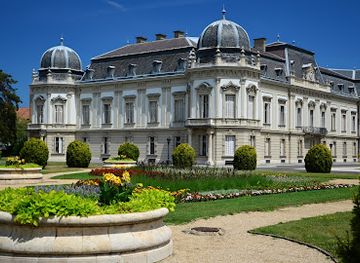
Festetics Palace
Explore the grandeur of Festetics Palace, a stunning Baroque castle and museum in Keszthely showcasing Hungary's rich history and culture.
-
Tourist attraction
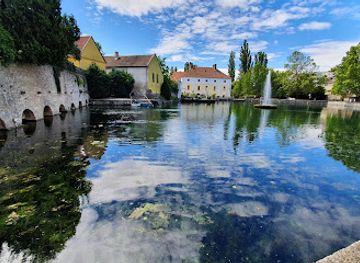
Tapolcai-tavasbarlang Látogatóközpont
Explore the mesmerizing underground lakes of Tapolcai-tavasbarlang, a hidden natural wonder in Hungary's national park, perfect for adventurers and nature lovers.
-
Tourist attraction
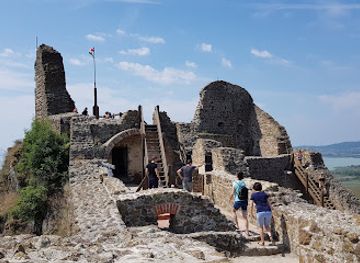
Szigliget
Experience the allure of Szigliget, Hungary, where ancient history meets stunning landscapes by Lake Balaton, perfect for every traveler.
-
Tourist attraction
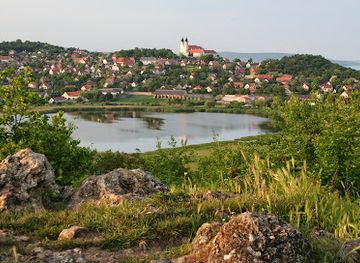
Tihanyi Bencés Apátság
Discover the historic Tihanyi Bencés Apátság: a serene abbey offering stunning views, rich heritage, and a peaceful retreat near Lake Balaton.
Best landmarks in Somogy
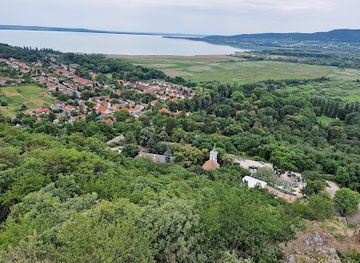
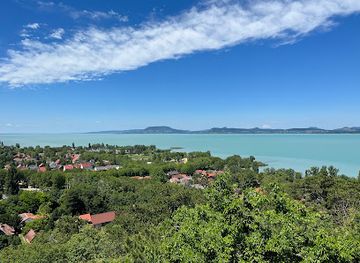
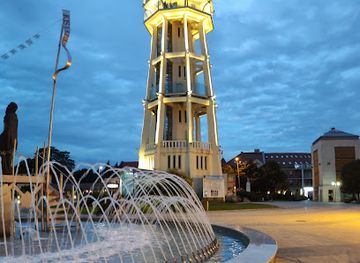
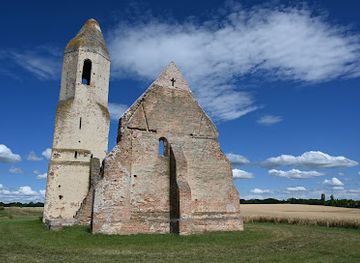
Lake Balaton itself is Somogy’s defining geographical landmark, with the broad southern shore, reed beds, harbours and low hills behind the water shaping the county’s visual identity. In Siófok, the historic Water Tower is a prominent civic symbol and an orientation point in the town centre. Balatonföldvár is noted for its planned resort character, waterfront promenade and historic villas, while Fonyód’s elevated position gives it a distinctive relationship with the lake and surrounding shore. Inland, the hilltop remains of Somogyvár Abbey mark one of the county’s most significant medieval religious sites, and the ruins of Kereki Castle recall the fortified landscape of the Ottoman frontier. Kaposvár’s historic centre, including the County Hall and theatre area, reflects the civic development of the nineteenth and early twentieth centuries. In the Zselic and southern woodland districts, the landscape itself becomes the landmark: rolling forest, dark-sky conditions, meadows and watercourses contrast sharply with the developed lakeside. These places together express Somogy’s principal themes of Balaton tourism, medieval history, civic culture and wooded rural geography.
-
Fortress
Szigliget
Explore the historical wonders of Szigliget Fortress, a captivating castle overlooking the stunning Lake Balaton in Hungary.
-
Tourist attraction
Janus Xantos Lookout (Sphere Lookout)
Experience breathtaking views of Lake Balaton from the architectural marvel of Janus Xantos Lookout, a highlight for every traveler in Hungary.
-
Observation deck
Siofok Water Tower
Discover breathtaking views and rich history at the Siofok Water Tower, a captivating observation deck overlooking Lake Balaton.
-
Tourist attraction
Pusztatorony
Explore the historical charm of Pusztatorony in Somogyvár, Hungary, where stunning architecture meets captivating nature and rich cultural heritage.
Explore Somogy on the map
Plan your trip on one map. See where the top cities, national parks and sights are, and book hotels and experiences in a few clicks.
Best hotels in Somogy
Best restaurants in Somogy
Somogy’s food culture combines the cooking of inland southwestern Hungary with the seasonal hospitality of the Balaton shore. Lakeside restaurants commonly serve freshwater fish, including versions of fish soup and grilled or fried fish, although menus vary in their use of local produce. Inland kitchens draw on pork, poultry, game in appropriate seasons, potatoes, cabbage, peppers and vegetables from small farms and gardens. Kaposvár and the larger resort towns have the widest choice of contemporary restaurants, cafés and bakeries, while village inns and cellar restaurants offer a more traditional setting. The Balatonboglár wine region is central to local dining, with white and rosé wines particularly associated with the area, alongside red varieties and modern blends. Look for farmers’ markets, seasonal fruit, preserves, pastries and regional cheeses, and remember that food marketed as “Balaton” may come from the wider lake region rather than Somogy alone. Reservations are sensible at popular lakeside restaurants during the summer season.
-
Restaurant
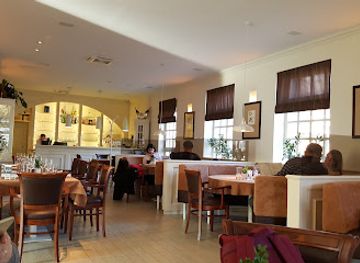
Kistücsök Food&Room
Discover culinary excellence at Kistücsök Food&Room in Balatonszemes—where local flavors meet warm hospitality.
-
Restaurant
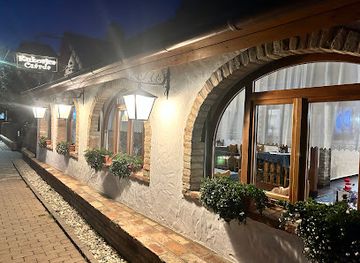
Kukorica Csárda
Experience authentic Hungarian cuisine at Kukorica Csárda in Balatonújlak - a culinary journey awaits you!
-
Hungarian
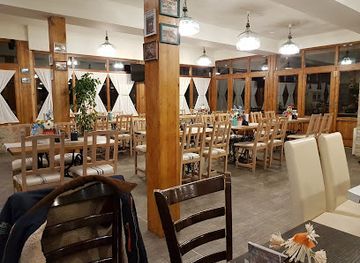
Platán Étterem
Experience authentic Hungarian cuisine at Platán Étterem in Balatonföldvár - a culinary delight by Lake Balaton.
-
Restaurant
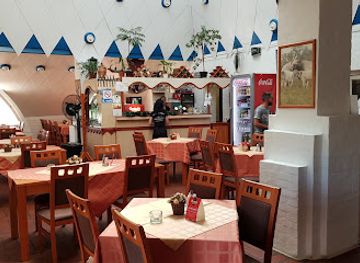
Gulya Csárda
Discover authentic Hungarian cuisine at Gulya Csárda in Balatonszentgyörgy—a must-visit for food lovers exploring Hungary's culinary delights.
Best bars in Somogy
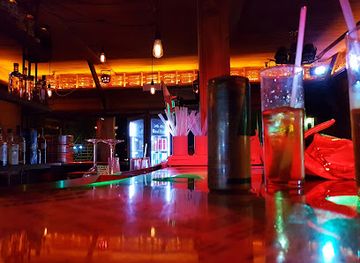
Evening life in Somogy is concentrated on the Balaton shore and in Kaposvár. Siófok has the county’s largest summer nightlife scene, with waterfront bars, late-opening entertainment venues and seasonal clubs, while Balatonlelle, Balatonboglár and Fonyód offer a smaller mix of wine bars, terraces, cafés and live music. Balatonföldvár and other resort towns tend to be quieter, with evenings centred on promenades, restaurants and hotel or harbour venues. Kaposvár provides year-round pubs, cafés, cultural events and occasional live performances, with a more local urban rhythm than the seasonal resorts. Inland villages generally rely on traditional pubs, community events and rural restaurants rather than dedicated nightclubs. Summer programmes change from year to year, so check current listings and expect quieter nights outside the bathing season. Local wine cellars and breweries can be a more characteristic evening choice than a large club, especially in the vineyard districts.
-
Restaurant
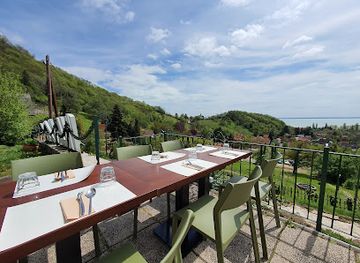
Villa Kabala
Discover Villa Kabala, a delightful restaurant and boarding house in Balaton Uplands, renowned for its traditional Hungarian cuisine and stunning natural views.
-
Pub
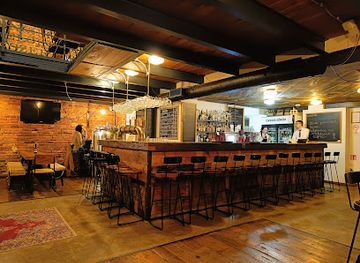
Hansdonner Beer House
Discover the essence of local brews at Hansdonner Beer House in Kaposvár, where every sip tells a story of Hungarian craftsmanship.
-
Bar
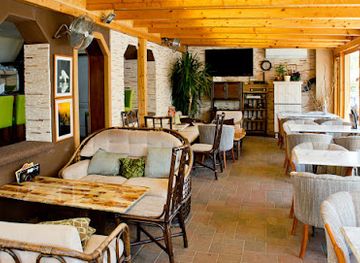
Menthol Café
Discover the charm of Menthol Café in Fonyód, a delightful bar offering a cozy atmosphere and a diverse menu of drinks.
-
Bar
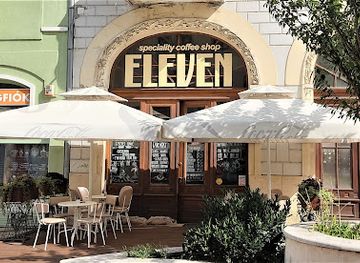
Eleven Kultúrbisztró
Experience the vibrant flavors of Eleven Kultúrbisztró in Kaposvár, where culinary delight meets a cozy atmosphere.
Best nightclubs in Somogy
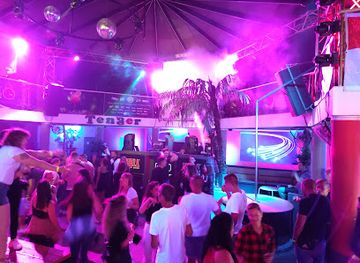
Evening life in Somogy is concentrated on the Balaton shore and in Kaposvár. Siófok has the county’s largest summer nightlife scene, with waterfront bars, late-opening entertainment venues and seasonal clubs, while Balatonlelle, Balatonboglár and Fonyód offer a smaller mix of wine bars, terraces, cafés and live music. Balatonföldvár and other resort towns tend to be quieter, with evenings centred on promenades, restaurants and hotel or harbour venues. Kaposvár provides year-round pubs, cafés, cultural events and occasional live performances, with a more local urban rhythm than the seasonal resorts. Inland villages generally rely on traditional pubs, community events and rural restaurants rather than dedicated nightclubs. Summer programmes change from year to year, so check current listings and expect quieter nights outside the bathing season. Local wine cellars and breweries can be a more characteristic evening choice than a large club, especially in the vineyard districts.
-
Night club
Plázs Siófok
Dive into the nightlife and relaxation at Plázs Siófok, a vibrant venue by Lake Balaton offering dancing, events, and outdoor bathing.
-
Disco club
Renegade PUB and Restaurant
Discover the energy of Renegade PUB and Restaurant, Siófok's top disco club, blending delicious cuisine with unforgettable nightlife experiences.
-
Disco club
Hungarian Sea Disco
Experience the vibrant nightlife of Vonyarcvashegy at Hungarian Sea Disco, where music, dancing, and unforgettable memories await you.
-
Night club
Pub Daddy
Dive into Siófok's vibrant nightlife at Pub Daddy, where music, dance, and unforgettable memories await every visitor!


Best shops in Somogy
Shopping in Somogy is strongest in the larger Balaton resorts and in Kaposvár, while small inland communities offer a more limited selection of everyday shops and occasional markets. Siófok, Balatonlelle, Fonyód and Balatonboglár have seasonal waterfront businesses selling beach goods, clothing, gifts and food products, but the character is primarily holiday-oriented rather than luxury retail. Kaposvár provides the broadest range of high-street shops, supermarkets, independent businesses and cultural retailers. Farmers’ markets are useful places to look for honey, fruit, vegetables, preserves, paprika, baked goods and local wines, although market days vary by settlement and season. Wine from the Balatonboglár wine region is a practical regional purchase, while Somogy’s craft traditions include pottery, textiles, embroidery and folk-inspired decorative work. The Szennai Skanzen and cultural centres may offer more meaningful locally themed souvenirs than generic lakeside stalls. Carry cash for smaller producers and ask about transport or packaging if buying bottles, jars or handmade goods for an international journey.
-
Store
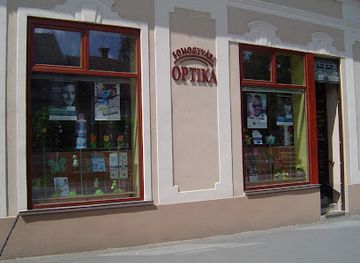
Somogyvári Optika
Discover the unique shopping experience at Somogyvári Optika in Marcali, Hungary, offering quality optical goods and exceptional service.
-
Internet shop
Gyógyfűbolt Kft.
Explore Gyógyfűbolt Kft., a herbalist shop in Buzsák offering a variety of herbal remedies, teas, and health products for holistic wellness.
-
Store
390. Sz. Coop kisáruház
Explore the heart of Hungarian culture at 390. Sz. Coop kisáruház, where local flavors and community charm meet.
-
Store
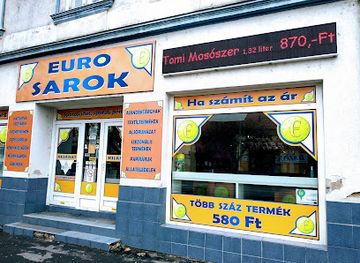
Euro Sarok Marcali
Explore the heart of Marcali at Euro Sarok, your go-to destination for local goods and unique souvenirs in Hungary.
Get your free copy of our complete guide to Somogy, delivered straight to you.
Everything on this page, from attractions and restaurants to essentials and local phrases, in one PDF you can read offline, print or share.
Already have an account? Sign in
Your Somogy guide is ready.
We'll send it to · Not you? Sign out

Getting your guide ready…
We are putting together a fresh copy of the Somogy guide. This can take up to a minute.
This can take a few moments. If your browser asks, choose Allow so the download can start. You'll find the guide in your Downloads folder.
Nothing happened? Download it again
Sorry, the guide is taking longer than usual. Please try again in a minute, or get it by email instead.
Somogy essentials
Currency and Payment
Safety
Emergency Situations
Do's and Don'ts
Local Tips
From Eve
Local phrases worth knowing
You don't need to get them perfect. A few words go a long way, and locals appreciate the effort.
Basics
| English | Local | Say it |
|---|---|---|
| Hello | Hello | [Heh-loh] |
| Goodbye | Goodbye | [Good-bye] |
| Yes | Yes | [Yes] |
| No | No | [No] |
| Please/You're welcome | Please/You're welcome | [Pleez/Yer welcome] |
| Thank you | Thank you | [Thank you] |
| Excuse me/Sorry | Excuse me/Sorry | [Ex-kyoos mee/Sor-ree] |
| How are you? | How are you? | [How ar you?] |
| Fine. And you? | Fine. And you? | [Fine. And you?] |
| Do you speak English? | Do you speak English? | [Do you speek Ing-glish?] |
| I don't understand | I don't understand | [I dont un-der-stand] |
Eating & Drinking
| English | Local | Say it |
|---|---|---|
| I'd like to see the menu, please | I'd like to see the menu, please | [I'd like to see the men-yoo, pleez] |
| I don't eat meat | I don't eat meat | [I dont eet meet] |
| Cheers! | Cheers! | [Cheers!] |
| I would like to pay, please | I would like to pay, please | [I wood like to pay, pleez] |
Emergencies
| English | Local | Say it |
|---|---|---|
| Help! | Help! | [Help!] |
| Go away! | Go away! | [Go away!] |
| Call the Police! | Call the Police! | [Call the Po-leese!] |
| Call a doctor! | Call a doctor! | [Call a doc-tor!] |
| I'm lost | I'm lost | [I'm lost] |
| I'm ill | I'm ill | [I'm ill] |
Shopping
| English | Local | Say it |
|---|---|---|
| I'd like to buy... | I'd like to buy... | [I'd like to buy...] |
| I'm just looking | I'm just looking | [I'm just looking] |
| How much is it? | How much is it? | [How much is it?] |
| That's too expensive | That's too expensive | [That's too ex-pens-ive] |
| Can you lower the price? | Can you lower the price? | [Can you lower the price?] |
Time & Numbers
| English | Local | Say it |
|---|---|---|
| What time is it? | What time is it? | [What time is it?] |
| It's one o'clock | It's one o'clock | [It's one o'clock] |
| Half past (10) | Half past (10) | [Half past (10)] |
| Morning | Morning | [Morn-ing] |
| Afternoon | Afternoon | [Af-ter-noon] |
| Evening | Evening | [Eve-ning] |
| Yesterday | Yesterday | [Yes-ter-day] |
| Today | Today | [To-day] |
| Tomorrow | Tomorrow | [To-mor-row] |
| 1 | 1 | [One] |
| 2 | 2 | [Two] |
| 3 | 3 | [Three] |
| 4 | 4 | [Four] |
| 5 | 5 | [Five] |
| 6 | 6 | [Six] |
| 7 | 7 | [Seven] |
| 8 | 8 | [Eight] |
| 9 | 9 | [Nine] |
| 10 | 10 | [Ten] |
Transport & Directions
| English | Local | Say it |
|---|---|---|
| Where's a/the...? | Where's a/the...? | [Where's a/the...?] |
| What's the address? | What's the address? | [What's the ad-dress?] |
| Can you show me (on the map)? | Can you show me (on the map)? | [Can you show me (on the map)?] |
| When's the next (bus)? | When's the next (bus)? | [When's the next (bus)?] |
| A ticket (to ....) | A ticket (to ....) | [A tick-et (to ....)] |
History of Somogy
Prehistoric settlement and Roman Pannonia
Archaeological evidence shows that the territory of present-day Somogy was inhabited long before the Hungarian conquest, with settlements and burial sites associated with prehistoric communities and later Celtic groups. Under Roman rule, the region formed part of the province of Pannonia. Roads, farms and military networks connected the area with settlements around Lake Balaton and the wider Transdanubian landscape, although Somogy was less urbanised than the principal Roman centres. Scattered remains, pottery and earthworks provide evidence of this long period of settlement beneath the later medieval and modern countryside.
The medieval county and Somogyvár
After the Hungarian conquest, Somogy became one of the kingdom’s counties, administered through estates, churches and fortified settlements. Somogyvár was an important medieval religious centre; a Benedictine monastery dedicated to Saint Aegidius was founded there in the late eleventh century, during the reign of King Ladislaus I. The monastery connected the county to wider European religious networks and became a major ecclesiastical institution. Its archaeological remains and hilltop setting still illustrate the political and spiritual importance of medieval Somogy.
Ottoman frontier and divided territories
From the sixteenth century, Somogy was affected by the Ottoman advance into central Hungary and the prolonged frontier conflict between Habsburg and Ottoman forces. Fortified places, including settlements and castles around the Balaton hinterland, were drawn into a changing military zone. Villages suffered depopulation, destruction and repeated taxation, while the region’s political control shifted. The castle ruins at Kereki and other surviving defensive remains belong to this broader history of frontier warfare, even where only fragments of the original structures remain.
Resettlement and agrarian reconstruction in the eighteenth century
Following the end of Ottoman rule, much of Somogy underwent demographic and economic reconstruction. Landowners and the Habsburg administration encouraged the repopulation of villages, the cultivation of abandoned land and the development of estates. Hungarian, German, Croatian and other communities contributed to the region’s changing rural society, with local patterns varying from one settlement to another. Agriculture, livestock breeding, woodland management and small-scale crafts became the foundation of county life, leaving a legacy visible in village layouts, farm buildings and folk culture.
Nineteenth-century transport, trade and Kaposvár’s growth
The nineteenth century brought stronger links between Somogy’s market centres, the Danube basin and Lake Balaton. Road and railway improvements supported the movement of grain, livestock, timber and wine, while Kaposvár developed into the county’s principal administrative and commercial town. The expansion of public buildings, civic institutions and cultural organisations gave the town much of its historic urban character. At the same time, improved transport began to make the Balaton shore more accessible to visitors and investors, laying foundations for its later resort economy.
The rise of Lake Balaton tourism
Organised tourism expanded around Lake Balaton from the late nineteenth century and accelerated during the twentieth century. Southern-shore settlements such as Siófok, Fonyód, Balatonföldvár, Balatonboglár and Balatonlelle developed bathing facilities, villas, hotels, promenades and railway connections. The lake became an important domestic holiday destination during the socialist period, when mass tourism reshaped its waterfronts and accommodation. Contemporary Somogy still reflects this layered history through resort architecture, marinas, public beaches and the seasonal contrast between heavily visited shore towns and quieter inland districts.
Modern cultural and environmental identity
During the twentieth and early twenty-first centuries, Somogy’s identity broadened beyond agriculture and lake tourism. Kaposvár became associated with theatre, visual arts and the work of József Rippl-Rónai, while museums and open-air collections documented village traditions. At the same time, woodland, wetland and river landscapes gained greater protection through areas such as the Zselic, the Boronka Landscape Protection Area and the Duna–Dráva National Park. These developments have encouraged cultural tourism, cycling, nature observation and more sustainable forms of rural visitation alongside the established Balaton holiday economy.
Somogy in Photos
Browse through our photo collection highlighting the charm and character of the destination.
Neighbouring regions of Somogy
The closest regions to Somogy, if you have time for more than one.
-

-

-

-

-


Swipe for more regions
Explore more

Explore more of Hungary
Discover Hungary: A land of historic cities, scenic landscapes, thermal baths, and rich culinary traditions in the heart of Europe.
Explore Hungary