

Free Bakony Travel Guide & Mobile App
Explore Bakony with free travel guides. Discover regional history, expert tips, proposed trips, and audio guides on web or mobile app.


Explore Hungary’s Bakony mountains for beech forests, limestone gorges, historic abbeys, castle ruins, village food and rewarding walking routes.
Read more about Bakony
When is the best time to visit Bakony?
Best: June–August · 24–26°C| Month | High (°C) | Rainfall (mm) |
|---|---|---|
| January | 2 | 40 |
| February | 4 | 35 |
| March | 10 | 40 |
| April | 15 | 50 |
| May | 20 | 60 |
| June (best) | 24 | 60 |
| July (best) | 26 | 50 |
| August (best) | 26 | 50 |
| September | 21 | 40 |
| October | 15 | 40 |
| November | 7 | 45 |
| December | 3 | 45 |
Getting to and around Bakony
How to get there
Transportation
Top city travel guides in Bakony
The cities of Bakony, and the easiest places to base yourself.
-

-

-

-

-


Swipe for more cities
Destinations in Bakony
Resorts, valleys and scenic spots worth a trip of their own.
-

-

-


Swipe for more destinations
Best attractions in Bakony
The Bakony’s attractions are closely tied to its forested landscape and scattered settlements. Walking and cycling routes lead through the Cuha Valley, around Bakonybél and across the central uplands, while Kőris-hegy provides the range’s highest viewpoint area. Protected woodland, caves, springs and distinctive plant communities reward visitors interested in geology and nature, with the Szentgáli tiszafás notable for its ancient yew population. Zirc combines the former Cistercian abbey with collections and cultural institutions, and Bakonybél adds Benedictine heritage and the Pannon Csillagda astronomy centre. Csesznek Castle brings medieval history into the open landscape, while heritage rail travel through the Cuha Valley offers a different perspective on the mountains. Smaller villages, forestry museums and rural guesthouses contribute to the region’s character, although most attractions are modest in scale and separated by hilly roads. The Bakony suits visitors who are prepared to combine a museum or historic site with a walk, rather than those seeking a concentrated chain of major monuments.
-
Abbey
Pannonhalma Archabbey
Explore the historic Pannonhalma Archabbey, a UNESCO World Heritage site in Hungary, renowned for its stunning architecture and rich spiritual heritage.
-
Tourist attraction
Csókakő Castle
Explore the historical marvel of Csókakő Castle, a majestic fortress amidst breathtaking landscapes in Hungary, perfect for history buffs and nature enthusiasts alike.
-
Tourist attraction
Bakonyi Adventure Park
Experience the thrill and excitement of Bakonyi Adventure Park, Hungary's premier destination for family fun and adventure in a stunning natural setting.
-
Fortress
Cseszneki Castle
Explore the historic Cseszneki Castle in Hungary's Bakony Mountains, where medieval charm meets breathtaking scenery for an unforgettable experience.


Best landmarks in Bakony
Zirc Abbey is the Bakony’s most important architectural landmark, with its Baroque church and monastic complex expressing the continuing influence of the Cistercian foundation established in the twelfth century. Above Csesznek, the ruined castle occupies a rocky ridge with wide views across the surrounding valleys and remains the region’s most recognisable medieval stronghold. Bakonybél Abbey represents a different strand of religious history, rooted in the area’s early Benedictine foundation and its long connection with learning and forest settlement. Kőris-hegy, the highest point of the Bakony, is a geographical landmark rather than a built monument, while the Cuha Valley’s bridges, cuttings and railway structures mark the engineering history of movement through the mountains. The yew woodland at Szentgál is another significant natural landmark, valued for its unusual ancient trees and protected ecological character. Together these places show how faith, defence, transport, geology and woodland management have shaped the region.
-
National park
Balaton Uplands National Park
Discover the breathtaking landscapes and rich biodiversity of Balaton Uplands National Park, Hungary's stunning natural retreat.
-
Fortress
Cseszneki Castle
Discover the enchanting Cseszneki Castle, a historical gem in Hungary's Bakony Mountains offering breathtaking views and rich medieval heritage.
-
Tourist attraction
Roman bath waterfall
Discover the serene beauty of the Roman Bath Waterfall in Bakonynána, a picturesque destination where nature meets tranquility.
-
Visitor center
Pannon observatory
Discover the Pannon Observatory in Bakonybél - a gateway to the cosmos nestled in the beautiful Balaton-felvidéki National Park.


Explore Bakony on the map
Plan your trip on one map. See where the top cities, national parks and sights are, and book hotels and experiences in a few clicks.
Best hotels in Bakony
Best restaurants in Bakony
Bakony cooking is hearty, seasonal and closely connected with the surrounding countryside. Rural restaurants and guesthouses commonly serve soups, stews, pork, game, freshwater fish, mushrooms and potato-based dishes, while village baking and fruit desserts reflect the agricultural traditions of western Hungary. Forest produce should be enjoyed through licensed restaurants or local products rather than gathered independently. Honey, herbal preparations, jams, syrups and preserves are among the more characteristic purchases from small producers. Zirc offers the broadest choice of cafés and restaurants, while Bakonybél, Csesznek and other villages tend to have smaller selections centred on guesthouses, inns and family-run establishments. Menus may change with the season, and vegetarian choices can be more limited in rural areas than in larger Hungarian towns. Regional wines and pálinka belong to the wider Transdanubian food culture, but the Bakony’s dining identity is primarily that of a forest and farming region rather than a defined wine country.
-
Hungarian
Kéhli Vendéglő
Discover Kéhli Vendéglő: A Traditional Hungarian Restaurant Offering Authentic Flavors in Budapest's District III.
-
Restaurant
Fricska
Experience authentic Hungarian cuisine at Fricska in Veszprém - where tradition meets taste!
-
American
Johnny's Bistro Veszprém
Experience the fusion of American and Mexican flavors at Johnny's Bistro Veszprém, where every dish tells a story.
-
Restaurant
Marica Cafe and Restaurant
Experience a delightful fusion of Hungarian and Italian cuisines at Marica Cafe and Restaurant in Veszprém.


Best bars in Bakony
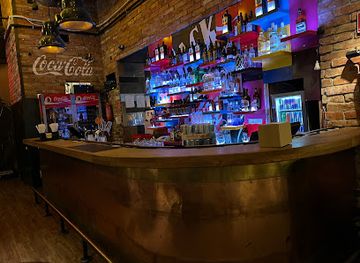
Nightlife in the Bakony is quiet and dispersed, with traditional pubs, village inns, guesthouse dining rooms and a few cafés providing most evening activity. Zirc has the widest choice of places to eat and drink, while Bakonybél and Csesznek are more suited to relaxed evenings after walking, with conversation, local beer or spirits and seasonal events rather than late-night entertainment. The region does not have a major nightclub scene, and many rural venues close earlier than urban bars. Visitors interested in astronomy can sometimes find evening programmes at the Pannon Csillagda, subject to its current schedule, while cultural events and community gatherings may bring temporary activity to individual villages. Arrange transport before drinking, as rural buses and taxis are limited and distances between settlements can be substantial.
-
Restaurant
Hotel Szarvaskút Wellness és konferencia - Kemencés Étterem
Experience the ultimate relaxation at Hotel Szarvaskút, a wellness hotel with exquisite dining in the heart of nature.
-
Irish pub
Skorpió Irish Pub
Discover Skorpió Irish Pub in Veszprém - where authentic Irish culture meets local charm for an unforgettable night out.
-
Restaurant
Patkó Vendéglő és Pizzéria
Experience the flavors of Hungary at Patkó Vendéglő és Pizzéria in Zirc, where delicious food meets warm hospitality.
-
Restaurant
Vadszőlő Szálló és Étterem
Discover the flavors of Hungary at Vadszőlő Szálló és Étterem, a cozy restaurant and boarding house in scenic Bakonybél.


Best nightclubs in Bakony
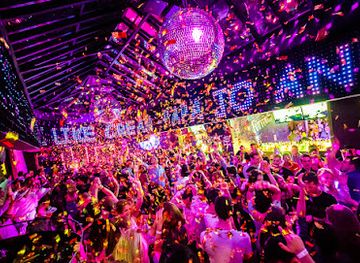
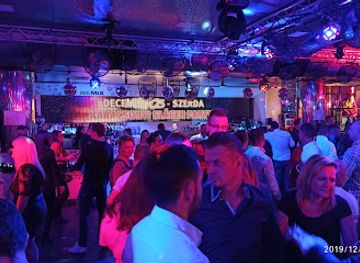
Nightlife in the Bakony is quiet and dispersed, with traditional pubs, village inns, guesthouse dining rooms and a few cafés providing most evening activity. Zirc has the widest choice of places to eat and drink, while Bakonybél and Csesznek are more suited to relaxed evenings after walking, with conversation, local beer or spirits and seasonal events rather than late-night entertainment. The region does not have a major nightclub scene, and many rural venues close earlier than urban bars. Visitors interested in astronomy can sometimes find evening programmes at the Pannon Csillagda, subject to its current schedule, while cultural events and community gatherings may bring temporary activity to individual villages. Arrange transport before drinking, as rural buses and taxis are limited and distances between settlements can be substantial.
-
Night club
Club Heaven Budapest
Discover the vibrant nightlife of Budapest at Club Heaven, where electrifying music and a stunning atmosphere await you.
-
Night club
Ötkert
Experience the vibrant nightlife of Budapest at Ötkert, a stylish nightclub offering exquisite cocktails and electrifying music in the heart of the city.
-
Night club
Peaches And Cream Club
Peaches And Cream Club: The Heart of Budapest's Nightlife with Unforgettable Music and Atmosphere.
-
Night club
Retro Disco Remix
Experience the ultimate nightlife at Retro Disco Remix in Budapest, where music, dance, and vibrant energy come together for an unforgettable night.

Best shops in Bakony
Shopping in the Bakony is centred on local produce and practical village commerce rather than large retail districts. Zirc has the broadest selection of everyday shops, cafés and services, while smaller settlements offer limited provisions through village stores and guesthouse-linked outlets. Visitors can look for honey, herbal teas, fruit preserves, syrups, mushrooms sold through proper channels, smoked products and locally made cakes or biscuits. Craft and souvenir choices are often modest, but ceramics, woodwork, textiles and nature-related products may appear at regional events or specialist visitor centres. Farmers’ markets and seasonal village fairs are the best places to encounter produce directly from local makers, although dates vary and should be checked locally. The Pannon Csillagda and abbey-related institutions may offer educational or cultural souvenirs, while Zirc’s historic and religious associations make books, postcards and locally themed gifts more distinctive than generic tourist merchandise.
-
Gift shop
Szputnyik shop D20
Explore unique vintage clothing, handcrafted jewelry, and one-of-a-kind gifts at Szputnyik Shop D20 in the heart of Budapest.
-
Store
Rekord Üzletház Kft.
Explore the heart of Hungarian culture at Rekord Üzletház Kft., Zirc's charming store offering local products and authentic experiences.
-
Paintings store
Festékház | Németh és Társa Kft.
Explore the vibrant world of art at Festékház, Zirc's premier paintings store showcasing local creativity and culture.
-
Store
Home-Garden Store
Explore the enchanting Home-Garden Store in Zirc for exquisite gardening supplies and unique home decor that captures the essence of Hungary.


Get your free copy of our complete guide to Bakony, delivered straight to you.
Everything on this page, from attractions and restaurants to essentials and local phrases, in one PDF you can read offline, print or share.
Already have an account? Sign in
Your Bakony guide is ready.
We'll send it to · Not you? Sign out

Getting your guide ready…
We are putting together a fresh copy of the Bakony guide. This can take up to a minute.
This can take a few moments. If your browser asks, choose Allow so the download can start. You'll find the guide in your Downloads folder.
Nothing happened? Download it again
Sorry, the guide is taking longer than usual. Please try again in a minute, or get it by email instead.
Bakony essentials
Currency and Payment
Safety
Emergency Situations
Do's and Don'ts
Local Tips
From Eve
Local phrases worth knowing
You don't need to get them perfect. A few words go a long way, and locals appreciate the effort.
Basics
| English | Local | Say it |
|---|---|---|
| Hello | Szia | [see-yah] |
| Goodbye | Viszlát | [vees-laht] |
| Yes | Igen | [ee-gen] |
| No | Nem | [nem] |
| Please/You're welcome | Kérem | [kay-rem] |
| Thank you | Köszönöm | [kuh-suh-nuhm] |
| Excuse me/Sorry | Elnézést | [el-neh-zayst] |
| How are you? | Hogy vagy? | [hodj vahd] |
| Fine. And you? | Jól. És te? | [yohl. aysh teh] |
| Do you speak English? | Beszélsz angolul? | [beh-sayls ahn-goh-lool] |
| I don't understand | Nem értem | [nem air-tem] |
Eating & Drinking
| English | Local | Say it |
|---|---|---|
| I'd like to see the menu, please | Szeretném megnézni az étlapot, kérem | [seh-reht-neem mehg-nayzni ahz ayt-lah-pot, kay-rem] |
| I don't eat meat | Nem eszem húst | [nem eh-sem hoosht] |
| Cheers! | Egészségedre! | [eh-geh-sheh-ged-reh] |
| I would like to pay, please | Szeretnék fizetni, kérem | [seh-reht-neek fee-zet-nee, kay-rem] |
Emergencies
| English | Local | Say it |
|---|---|---|
| Help! | Segítség! | [seh-geet-sheh-g] |
| Go away! | Menj el! | [men-y el] |
| Call the Police! | Hívd a rendőrséget! | [heevd ah ren-door-sheh-get] |
| Call a doctor! | Hívd az orvost! | [heevd ahz or-vosht] |
| I'm lost | Elvesztem | [el-veh-stem] |
| I'm ill | Beteg vagyok | [beh-tehg vah-dyok] |
Shopping
| English | Local | Say it |
|---|---|---|
| I'd like to buy... | Szeretnék venni... | [seh-reht-neek vehn-nee] |
| I'm just looking | Csak nézelődöm | [chawk nay-zeh-loh-dohm] |
| How much is it? | Mennyibe kerül? | [men-yi-beh keh-rool] |
| That's too expensive | Ez túl drága | [ehz tool drah-gah] |
| Can you lower the price? | Le tudnád csökkenteni az árat? | [leh tood-naad choh-kken-tee ahz ah-raht] |
Time & Numbers
| English | Local | Say it |
|---|---|---|
| What time is it? | Hány óra van? | [hahn-ee oh-rah vahn] |
| It's one o'clock | Egy óra van | [ehd oh-rah vahn] |
| Half past (10) | Fél (10) | [fehl (10)] |
| Morning | Reggel | [rehg-gel] |
| Afternoon | Délután | [day-loo-tahn] |
| Evening | Este | [esh-teh] |
| Yesterday | Tegnap | [teg-nahp] |
| Today | Ma | [mah] |
| Tomorrow | Holnap | [hol-nahp] |
| 1 | 1 | [1] |
| 2 | 2 | [2] |
| 3 | 3 | [3] |
| 4 | 4 | [4] |
| 5 | 5 | [5] |
| 6 | 6 | [6] |
| 7 | 7 | [7] |
| 8 | 8 | [8] |
| 9 | 9 | [9] |
| 10 | 10 | [10] |
Transport & Directions
| English | Local | Say it |
|---|---|---|
| Where's a/the...? | Hol van a...? | [hol vahn ah] |
| What's the address? | Mi a cím? | [mee ah teem] |
| Can you show me (on the map)? | Meg tudnád mutatni (a térképen)? | [meg tood-naad moo-taht-nee (ah tair-keh-pen)] |
| When's the next (bus)? | Mikor jön a következő (busz)? | [mee-kor yon ah keh-vet-keh-zoe (booz)] |
| A ticket (to....) | Egy jegy (....) | [ehd yehd (....)] |
History of Bakony
Prehistoric Caves and Early Settlement
The Bakony’s limestone geology created caves and rock shelters that preserve evidence of prehistoric human activity. Sites in and around the range have produced archaeological material from several periods, including the Stone Age and later prehistoric communities. The forests, springs, sheltered valleys and elevated plateaux offered hunting grounds and settlement resources, although the evidence is usually encountered through museums and archaeological interpretation rather than as a continuous visitor route. The cave landscape also helped shape modern scientific interest in the region, where geology, palaeontology and archaeology remain closely connected.
Roman Roads and the Transdanubian Frontier
Under Roman rule, the Bakony formed part of the wider province of Pannonia, positioned between important settlements and routes in western Hungary. The mountains were not a heavily urbanised core, but roads, military movement, agriculture and resource use connected the uplands with the surrounding plains and lakeside districts. Roman influence is more visible through archaeological traces and the region’s place within the Pannonian frontier landscape than through a single monumental Roman town. Later roads often followed practical passes and valleys that had long made movement through the range possible.
The Benedictine Foundation at Bakonybél
Benedictine monastic life at Bakonybél dates from the early eleventh century, traditionally associated with the reign of King Stephen I. The monastery helped bring religious learning, land management and written culture into a remote forest setting. Its history was interrupted and reshaped by political upheavals, including the Ottoman period and later changes in religious administration, but the settlement retained its connection with Benedictine activity. Bakonybél’s present identity, including its cultural and educational institutions, is still strongly influenced by this long monastic heritage.
Zirc and the Cistercian Expansion
The Cistercians established Zirc Abbey in 1182, making the settlement one of the most important ecclesiastical centres of the Bakony. The order’s traditions of prayer, agriculture, woodland management and learning affected the surrounding landscape as well as the town itself. The abbey suffered during the Ottoman wars and later underwent major rebuilding, particularly in the Baroque period. Its church, monastic buildings and collections preserve the memory of a religious institution that connected the forested uplands with wider European monastic networks.
Castles, Border Warfare and Csesznek
Medieval castles guarded routes through the Bakony and the approaches between western Hungary and the interior. Csesznek, founded in the thirteenth century and later expanded, became the best-known fortress of the range because of its commanding position above the surrounding valleys. Like many Hungarian strongholds, it was affected by the Ottoman wars, changing military technology and later political upheavals. Today its ruined walls and elevated setting provide a clear reminder that the Bakony was not simply an isolated forest, but a strategically important landscape crossed by armies, traders and administrators.
Forestry, Charcoal and Rural Industries
For centuries, the Bakony’s forests supported timber cutting, charcoal burning, livestock grazing and small-scale craft industries. Local communities developed around woodland work, while estates and monasteries managed substantial forest resources. The uplands also became associated with lime burning, quarrying and glassmaking in different periods, using local fuel and raw materials. These activities altered parts of the landscape but also created the roads, narrow-gauge railways and working settlements that helped connect remote valleys with larger markets. Forestry remains an important influence on the appearance and economy of the region.
Railways and the Modern Mountain Region
Railway construction in the late nineteenth and early twentieth centuries changed access to the Bakony, linking mountain villages and forestry districts with towns on the surrounding plains. Lines through the Cuha Valley became especially notable for their engineering and scenery, negotiating steep wooded terrain with bridges, cuttings and tunnels. Rail transport assisted the movement of timber, agricultural goods and people, while also introducing the first practical foundations for recreational travel. Although services and operating arrangements have changed over time, railway heritage remains an important part of the Bakony’s modern identity.
Bakony in Photos
Browse through our photo collection highlighting the charm and character of the destination.
Neighbouring regions of Bakony
The closest regions to Bakony, if you have time for more than one.
-

-

-

-

-


Swipe for more regions
Explore more

Explore more of Hungary
Discover Hungary: A land of historic cities, scenic landscapes, thermal baths, and rich culinary traditions in the heart of Europe.
Explore Hungary