

Free Veszprem Travel Guide & Mobile App
Plan your Veszprem trip with Evendo. Get free guides to top attractions, restaurants, hotels, and bars. Web access or download the mobile app.


Veszprém, Hungary, combines a hilltop castle, Queen Gisela heritage, lively cultural venues and easy access to the Bakony and Lake Balaton landscapes.
Castle Hills and Queenly Heritage
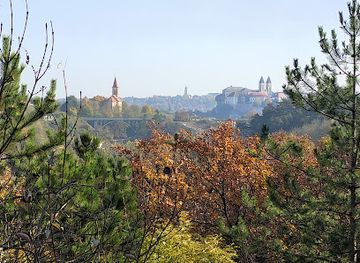
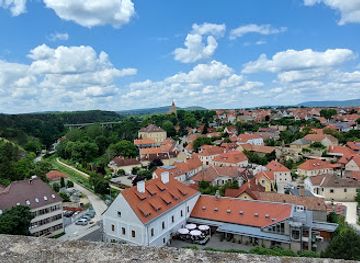
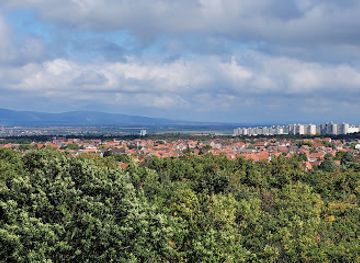
Veszprém rises across a series of wooded hills in western Hungary, between the Bakony uplands and Lake Balaton. Its historic centre is the Castle District, a compact ridge of churches, palaces, medieval remains and public squares overlooking the Séd Valley. The city is traditionally associated with Queen Gisela, wife of Hungary’s first king, Stephen I, and became known as the “City of Queens” because its bishop crowned Hungarian queens. Today, the castle quarter combines ecclesiastical heritage with galleries, museums and carefully restored civic buildings, while the Fire Tower provides a memorable view over the rooftops and surrounding hills.Read more about Veszprem
A Cultural City in the Bakony–Balaton Region
When is the best time to visit Veszprem?
Best: May–June, September · 22–27°C| Month | High (°C) | Rainfall (mm) |
|---|---|---|
| January | 3 | 30 |
| February | 4 | 30 |
| March | 10 | 30 |
| April | 17 | 40 |
| May (best) | 22 | 50 |
| June (best) | 27 | 60 |
| July | 30 | 60 |
| August | 29 | 50 |
| September (best) | 24 | 40 |
| October | 18 | 40 |
| November | 10 | 30 |
| December | 6 | 30 |
Getting to and around Veszprem
How to get there
Transportation
Best attractions in Veszprem
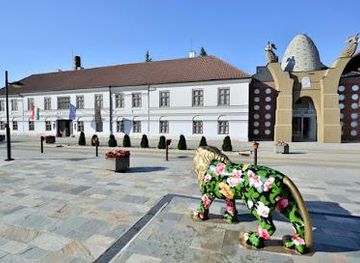
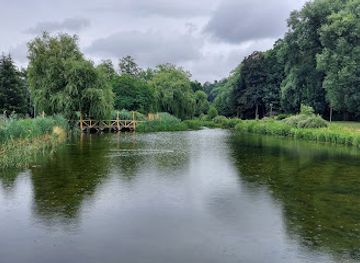
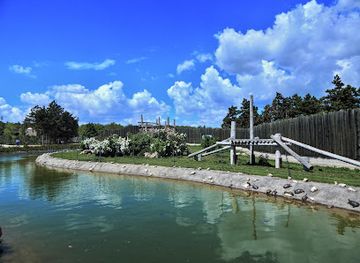
Veszprém’s principal sightseeing area is the Castle District, where the St Michael Cathedral, Gizella Chapel, Archbishop’s Palace and Canon Houses form a compact historic ensemble above the city. The Fire Tower, built on the site of an earlier gate tower, offers a clear orientation point over the red roofs and surrounding hills. Below the castle, Óváros tér and the pedestrian streets provide a slower-paced introduction to the city’s civic architecture, cafés and galleries. The Séd Valley adds greenery and walking paths beneath the old centre, while the Veszprém Zoo on Gulya-domb combines animal exhibits with a wooded setting. The Modern Gallery and other cultural venues broaden the city’s appeal beyond its medieval and Baroque core. Veszprém also makes a useful starting point for excursions towards the Bakony and northern Lake Balaton, although those are regional outings rather than attractions within the city itself.
-
Museum
Herend Porcelain Museum
Discover the exquisite artistry of porcelain at the Herend Porcelain Museum, a treasure trove of history and craftsmanship in Hungary.
33 min drive · 13 km from city centre
-
Tourist attraction
Gulya-domb
Explore the breathtaking landscapes and wildlife at Gulya-domb, a premier nature preserve and zoo in Veszprém, Hungary.
7 min drive · 2.4 km from city centre
-
Tourist attraction
Monasteries and Gardens
Discover the tranquil beauty of Veszprém's Monasteries and Gardens, a serene escape brimming with history, stunning gardens, and spiritual heritage.
7 min drive · 2.2 km from city centre
-
Tourist attraction
Gulya-high hill lookout
Discover stunning panoramas at Gulya-high Hill Lookout, a serene retreat in Veszprém offering breathtaking views and natural beauty.
7 min drive · 2.3 km from city centre
Best landmarks in Veszprem
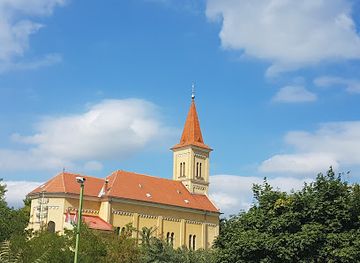
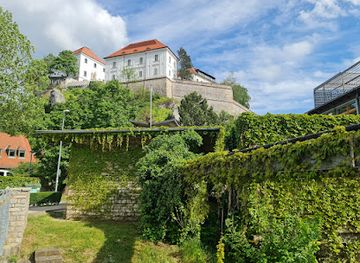
The landmark ensemble of Veszprém is concentrated on the Castle Hill. St Michael Cathedral, seat of the city’s historic bishopric, dominates the ridge, while the nearby Gizella Chapel preserves important medieval elements and recalls the city’s association with Queen Gisela. The Archbishop’s Palace and the Canon Houses express the ecclesiastical power that shaped Veszprém’s appearance after the Ottoman wars, when much of the centre was rebuilt in Baroque form. At the approach to the upper town, the Heroes’ Gate commemorates the city’s past and frames the route into the castle quarter. The Fire Tower is both a civic symbol and a surviving defensive structure, although its present form reflects later rebuilding. The Holy Trinity Column and the broad spaces around the cathedral complete a historic landscape where religious, military and municipal memories stand close together.
-
Zoo
Veszprém Zoo
Discover the enchanting Veszprém Zoo, where wildlife and education come together in a beautiful park setting for an unforgettable family adventure.
6 min drive · 2.1 km from city centre
-
Visitor center
Veszprém Vár
Discover the historical marvels of Veszprém Vár, where medieval charm meets breathtaking views in the heart of Hungary.
12 min walk · 1.0 km from city centre
-
Nature preserve
Gulya-domb
Explore the serene beauty of Gulya-domb, a nature preserve in Veszprém, offering stunning landscapes and diverse wildlife for a perfect day out.
7 min drive · 2.4 km from city centre
-
City park
Monasteries and Gardens
Experience the tranquil beauty of Veszprém's Monasteries and Gardens, where history and nature harmoniously blend for an unforgettable visit.
7 min drive · 2.2 km from city centre
Explore Veszprem on the map
Plan your Veszprem trip on one map. See where the top attractions, landmarks, restaurants, bars and hotels are, find what's near where you're staying, and book hotels and experiences in a few clicks.
Best hotels in Veszprem
Best restaurants in Veszprem
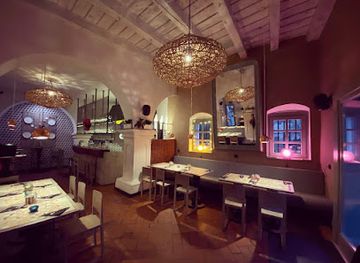
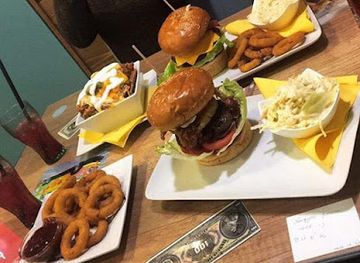
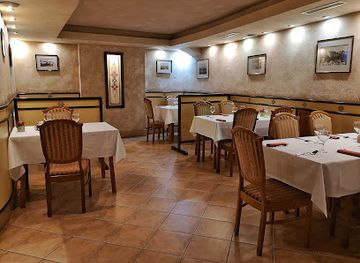
Veszprém’s dining scene is concentrated around Óváros tér, Rákóczi utca and the streets below the castle, where traditional Hungarian cooking shares space with cafés, bakeries and contemporary restaurants. Menus commonly draw on national favourites such as goulash, paprikás, soups, freshwater fish and rustic meat dishes, while the Bakony region contributes a forested, rural influence to local culinary identity. Cakes, coffee and savoury pastries suit a pause between visits to the castle institutions, and the market hall offers a more everyday view of regional produce and Hungarian food shopping. Restaurants around the centre range from informal lunch places to polished dining rooms, with ingredients and wine lists often reflecting the wider Balaton region. Seasonal produce, local wines and dishes influenced by western Hungarian cooking are more characteristic than a single dish belonging exclusively to Veszprém.
-
Restaurant
Fricska
Discover authentic Hungarian cuisine at Fricska in Veszprém, where every meal is a celebration of local flavors and hospitality.
15 min walk · 1.2 km from city centre
-
American
Johnny's Bistro Veszprém
Discover culinary excellence at Johnny's Bistro Veszprém - where American meets Mexican flavors in an unforgettable dining experience.
10 min walk · 0.8 km from city centre
-
Restaurant
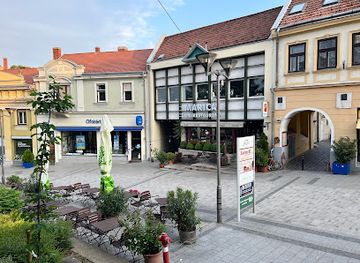
Marica Cafe and Restaurant
Discover the fusion of Hungarian and Italian cuisines at Marica Cafe and Restaurant in Veszprém - a culinary gem offering delightful flavors in an inviting atmosphere.
12 min walk · 1.0 km from city centre
-
Restaurant
Fejesvölgy Vendéglő
Experience authentic Hungarian flavors at Fejesvölgy Vendéglő in Veszprém – where tradition meets modern culinary excellence.
5 min drive · 1.6 km from city centre
Best bars in Veszprem
Veszprém’s evening life is active but moderate in scale, shaped more by university culture, concerts and festivals than by a large club circuit. Central cafés and bars around Óváros tér and the streets below the castle provide places for a relaxed drink, while the Hangvilla cultural centre hosts concerts, theatre and other performances in a former cinema building. Expresszó is associated with live music and late-evening events, particularly for younger audiences and students. During major cultural programmes, including VeszprémFest and other city events, venues across the centre acquire a busier atmosphere, with outdoor performances and festival audiences. Evenings can also centre on a concert, gallery programme or walk through the illuminated historic quarter rather than drinking. Visitors should check current event listings, as nightlife and performance schedules vary considerably outside festival periods.
-
Irish pub
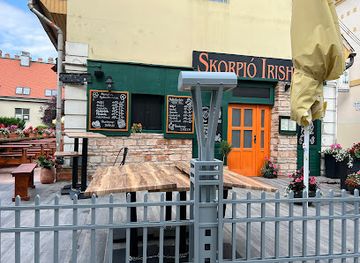
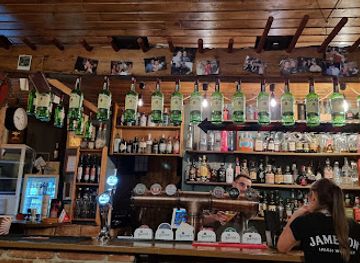
Skorpió Irish Pub
Experience the warmth of Irish hospitality and vibrant culture at Skorpió Irish Pub in Veszprém, Hungary.
13 min walk · 1.1 km from city centre
-
Bar
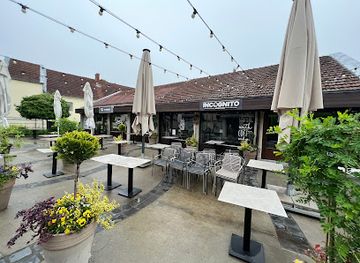
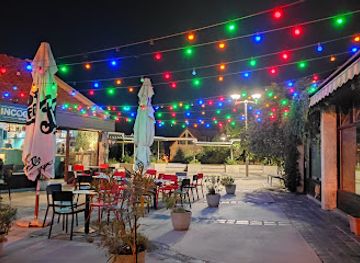
Incognito Café
Experience the cozy ambiance and exceptional beverages at Incognito Café, a perfect retreat in Veszprém for tourists and locals alike.
12 min walk · 1.0 km from city centre
-
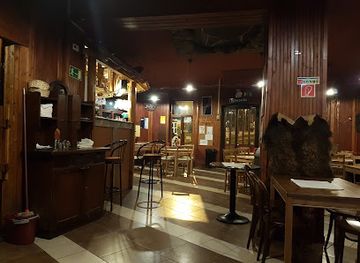
Restaurant
Sport Pub, Veszprém, Mártírok útja
Discover the lively atmosphere of Sport Pub in Veszprém, where delicious food meets sports excitement in a charming setting.
5 min drive · 1.8 km from city centre
-
Bar
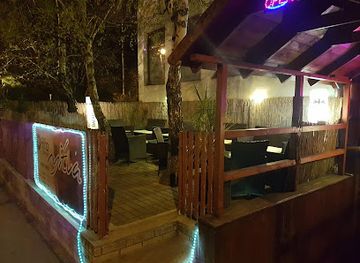
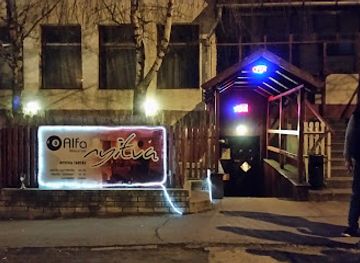
Alfa Biliárd Bár
Experience the vibrant nightlife at Alfa Biliárd Bár in Veszprém, where pool meets socializing in a lively atmosphere.
5 min drive · 1.8 km from city centre
Best nightclubs in Veszprem
Veszprém’s evening life is active but moderate in scale, shaped more by university culture, concerts and festivals than by a large club circuit. Central cafés and bars around Óváros tér and the streets below the castle provide places for a relaxed drink, while the Hangvilla cultural centre hosts concerts, theatre and other performances in a former cinema building. Expresszó is associated with live music and late-evening events, particularly for younger audiences and students. During major cultural programmes, including VeszprémFest and other city events, venues across the centre acquire a busier atmosphere, with outdoor performances and festival audiences. Evenings can also centre on a concert, gallery programme or walk through the illuminated historic quarter rather than drinking. Visitors should check current event listings, as nightlife and performance schedules vary considerably outside festival periods.
-
Irish pub
Skorpió Irish Pub
Discover the heart of Irish culture at Skorpió Irish Pub, where hearty dishes and vibrant nights await you in Veszprém.
13 min walk · 1.1 km from city centre
-
Event venue
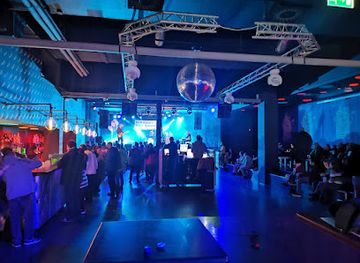
Expresszó
Experience Veszprém's nightlife at Expresszó, the ultimate event venue for live music, parties, and unforgettable entertainment.
13 min walk · 1.1 km from city centre
-
Bar
Incognito Café
Experience the vibrant atmosphere of Incognito Café in Veszprém, offering a delightful selection of drinks and a taste of local culture.
12 min walk · 1.0 km from city centre
-
Night club
Alfa Biliárd Bár
Experience the vibrant nightlife of Veszprém at Alfa Biliárd Bár, where great drinks and pool games create unforgettable memories.
5 min drive · 1.8 km from city centre
Best shops in Veszprem
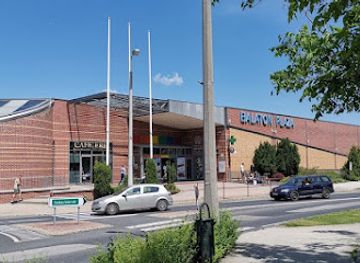
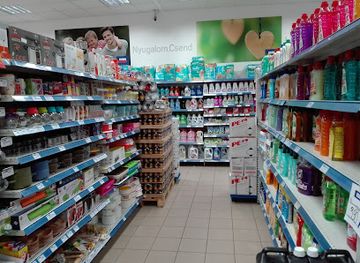
Shopping in Veszprém is centred on the historic streets below and around the castle, especially Óváros tér and Rákóczi utca, where independent shops, cafés and small galleries occupy older buildings. The market hall offers everyday Hungarian produce and a useful glimpse of local trading life, while specialist shops and seasonal stalls may carry regional foods, paprika, sweets, wine and craft products from the Bakony–Balaton area. Modern retail is represented by larger commercial centres and supermarkets outside the oldest quarter, serving residents more than sightseers. The best souvenirs are often modest and regional: ceramics, handmade objects, local wine, preserves or food products rather than mass-produced items labelled as Hungarian. Market and shop opening patterns can vary, particularly at weekends, so independent retailers may require more planning than the central streets suggest.
-
Shopping mall
Balaton Plaza
Discover Balaton Plaza: A premier shopping mall in Veszprém offering diverse shopping, dining, and entertainment experiences for every visitor.
6 min walk · 0.5 km from city centre
-
Shopping mall
STOP SHOP Veszprém
Experience the best of shopping, dining, and entertainment at STOP SHOP Veszprém, your go-to destination while visiting Hungary.
6 min drive · 1.9 km from city centre
-
Market
Balatonfured Market
Experience the vibrant Balatonfüred Market, where local flavors and cultural heritage come alive in the heart of Hungary's beautiful lakeside town.
36 min drive · 16 km from city centre
-
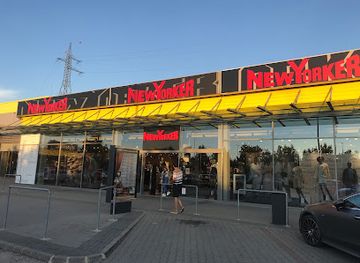
Clothing store
NEW YORKER
Explore the vibrant fashion scene at NEW YORKER in Veszprém with a diverse range of clothing and accessories for all ages.
6 min drive · 1.9 km from city centre
Get your free copy of our complete guide to Veszprem, delivered straight to you.
Everything on this page, from attractions and restaurants to essentials and local phrases, in one PDF you can read offline, print or share.
Already have an account? Sign in
Your Veszprem guide is ready.
We'll send it to · Not you? Sign out

Getting your guide ready…
We are putting together a fresh copy of the Veszprem guide. This can take up to a minute.
This can take a few moments. If your browser asks, choose Allow so the download can start. You'll find the guide in your Downloads folder.
Nothing happened? Download it again
Sorry, the guide is taking longer than usual. Please try again in a minute, or get it by email instead.
Veszprem essentials
Currency and Payment
Safety
Emergency Situations
Do's and Don'ts
Local Tips
From Eve
Local phrases worth knowing
You don't need to get them perfect. A few words go a long way, and locals appreciate the effort.
Basics
| English | Local | Say it |
|---|---|---|
| Hello | Helló | [heh-loh] |
| Goodbye | Viszontlátásra | [vee-zont-la-taash-ra] |
| Yes | Igen | [ee-gen] |
| No | Nem | [nem] |
| Please/You're welcome | Kérem | [keh-rem] |
| Thank you | Köszönöm | [koe-szoe-noem] |
| Excuse me/Sorry | Elnézést | [el-ne-zesht] |
| How are you? | Hogy vagy? | [ho-dj va-dj] |
| Fine. And you? | Jól vagyok. És te? | [yoel va-djok. ays te] |
| Do you speak English? | Beszélsz angolul? | [be-sails on-go-lool] |
| I don't understand | Nem értem | [nem air-tem] |
Eating & Drinking
| English | Local | Say it |
|---|---|---|
| I'd like to see the menu, please | Szeretnék látni az étlapot, kérem | [seh-ret-naek laat-nee az eht-loh-pot, keh-rem] |
| I don't eat meat | Nem eszem húst | [nem es-em hoost] |
| Cheers! | Egészségedre! | [ay-gaish-say-ged-reh] |
| I would like to pay, please | Szeretnék fizetni, kérem | [seh-ret-naek fee-zeht-nee, keh-rem] |
Emergencies
| English | Local | Say it |
|---|---|---|
| Help! | Segítség! | [she-geet-saig] |
| Go away! | Menj el! | [men yel] |
| Call the Police! | Hívd a rendőrséget! | [heed a ren-dur-say-get] |
| Call a doctor! | Hívd az orvost! | [heed az or-vosht] |
| I'm lost | Elvesztem | [el-vesh-tem] |
| I'm ill | Beteg vagyok | [be-teg va-djok] |
Shopping
| English | Local | Say it |
|---|---|---|
| I'd like to buy... | Szeretnék vásárolni... | [seh-ret-naek va-shaor-ol-nee] |
| I'm just looking | Csak nézelődöm | [chak ne-zeh-loe-dum] |
| How much is it? | Mennyibe kerül? | [men-nyi-be keh-rool] |
| That's too expensive | Ez túl drága | [ez tool dra-ga] |
| Can you lower the price? | Le tudnád engedni az árat? | [leh tud-naad eng-ed-nee az ah-rat] |
Time & Numbers
| English | Local | Say it |
|---|---|---|
| What time is it? | Mennyi az idő? | [men-nyi az e-doe] |
| It's one o'clock | Egy óra van | [edj o-ra van] |
| Half past (10) | Fél tizenegy | [fayl tee-zen-edj] |
| Morning | Reggel | [reg-gel] |
| Afternoon | Délután | [del-oo-taan] |
| Evening | Este | [es-te] |
| Yesterday | Tegnap | [teg-nap] |
| Today | Ma | [ma] |
| Tomorrow | Holnap | [hol-nap] |
| 1 | Egy | [edj] |
| 2 | Kettő | [ket-toe] |
| 3 | Három | [ha-roem] |
| 4 | Négy | [ne-gy] |
| 5 | Öt | [oet] |
| 6 | Hat | [hat] |
| 7 | Hét | [hayt] |
| 8 | Nyolc | [nyoltz] |
| 9 | Kilenc | [ke-lents] |
| 10 | Tíz | [teaz] |
Transport & Directions
| English | Local | Say it |
|---|---|---|
| Where's a/the...? | Hol van a...? | [hol van a] |
| What's the address? | Mi a cím? | [mee ah cheem] |
| Can you show me (on the map)? | Meg tudnád mutatni (a térképen)? | [meg tud-naad moo-tat-nee a ter-keh-pen] |
| When's the next (bus)? | Mikor megy a következő (busz)? | [mee-kor me-dj a ko-vek-tay (boos)] |
| A ticket (to ....) | Egy jegy (....-ra) | [edj yedj (...-ra)] |
History of Veszprem
Early Settlement and the Castle Hill
The Veszprém area has been inhabited since prehistoric times, and archaeological evidence records settlement in the wider region before the medieval town emerged. The city’s defensible position on a rocky ridge above the Séd stream helped shape its later importance. A fortified centre developed during the early medieval formation of the Hungarian kingdom, although the precise circumstances of its earliest foundation remain debated. By the eleventh century Veszprém had become an important ecclesiastical and administrative centre, with its castle hill providing both protection and a prominent setting for religious institutions.
Stephen, Gisela and the Bishopric
Veszprém’s medieval identity is closely linked with King Stephen I and Queen Gisela, whose association with the city remains central to local tradition. A bishopric was established at Veszprém around the beginning of the eleventh century, traditionally dated to 1009, giving the settlement a lasting religious role. The cathedral and the surrounding ecclesiastical institutions developed on the castle hill, while the city became connected with the coronation of Hungarian queens. Although later buildings have replaced much of the medieval fabric, the Gizella Chapel, cathedral foundations and other surviving remains preserve traces of this formative period.
Medieval Growth and Destruction
During the Middle Ages Veszprém served as a regional centre of church administration, learning and trade. Its castle and religious institutions expanded, and the settlement below the ridge developed around routes linking western Hungary with the Balaton region. The Mongol invasion of 1241–42 affected the kingdom severely, but Veszprém recovered as royal power and fortified towns were reorganised. Fire and warfare repeatedly altered the built environment, meaning that the visible castle district contains layers from different periods rather than a wholly preserved medieval town. The city’s ecclesiastical influence nevertheless continued well beyond the Middle Ages.
Ottoman Frontier Town
Veszprém occupied a contested position during the long conflict between the Habsburg monarchy and the Ottoman Empire. Ottoman forces captured the city in 1552, after which control changed during the frontier wars and the castle suffered from military pressure and neglect. The settlement’s religious and civic life was disrupted, while fortifications became more important than urban embellishment. Habsburg forces recovered Veszprém in the late seventeenth century as Ottoman power receded from the region. The end of the frontier period allowed the town’s institutions and economy to stabilise, creating the conditions for extensive rebuilding.
Baroque Rebuilding and Civic Renewal
Following the Ottoman wars, Veszprém’s skyline was reshaped in the Baroque period. Ecclesiastical patrons rebuilt or remodelled major structures on the castle hill, and the episcopal centre acquired the formal appearance associated with the city today. The cathedral was altered several times, while the Bishop’s Palace, canonical houses and civic buildings established a more coherent architectural ensemble. Economic and administrative development outside the castle strengthened the lower town, and roads connected Veszprém more effectively with western Hungary and Lake Balaton. Much of the historic character visible in the central districts reflects this post-war rebuilding rather than the medieval town alone.
Modern Veszprém and Cultural Recognition
The nineteenth and twentieth centuries brought new transport links, municipal institutions and gradual expansion beyond the historic ridge. Veszprém suffered damage during the Second World War, but important historic buildings survived and the city continued as the administrative centre of its county. The University of Pannonia added a strong educational dimension, while cultural venues and festivals broadened the city’s public life. In 2023 Veszprém, together with the Bakony–Balaton region, held the title of European Capital of Culture, highlighting the area’s music, arts, heritage and landscape. Contemporary Veszprém balances this cultural role with its older ecclesiastical and civic identity.
Veszprem in Photos
Browse through our photo collection highlighting the charm and character of the destination.
Cities near Veszprem
The closest cities to Veszprem, if you have time for more than one stop.
-

-

-

-

-


Swipe for more cities
Explore more

Explore more of Hungary
Discover Hungary: A land of historic cities, scenic landscapes, thermal baths, and rich culinary traditions in the heart of Europe.
Explore Hungary