

Free Szekesfehervar Travel Guide & Mobile App
Plan your Szekesfehervar trip with Evendo. Get free guides to top attractions, restaurants, hotels, and bars. Web access or download the mobile app.


Szekesfehervar, Hungary, pairs royal history with baroque streets, medieval remains, museums and lively cafés between Budapest and Lake Balaton.
Royal Origins and Baroque Streets
Székesfehérvár lies between Budapest and Lake Balaton in western-central Hungary, on a plain shaped by the meeting of historic trade routes. Its name means ‘white castle of the throne’, a fitting reflection of its medieval importance. Founded in the late tenth century by Grand Prince Géza and developed by King Stephen I, the city became the principal royal and ecclesiastical centre of the medieval Hungarian kingdom. Kings were crowned and buried here, and the former basilica once stood at the heart of national political life.Read more about Szekesfehervar
Monuments in the Modern City
Culture, Water and Everyday Life
When is the best time to visit Szekesfehervar?
Best: June, August–September · 22–28°C| Month | High (°C) | Rainfall (mm) |
|---|---|---|
| January | 2 | 26 |
| February | 3 | 22 |
| March | 8 | 26 |
| April | 14 | 35 |
| May | 20 | 71 |
| June (best) | 25 | 84 |
| July | 28 | 73 |
| August (best) | 28 | 70 |
| September (best) | 22 | 52 |
| October | 17 | 41 |
| November | 9 | 35 |
| December | 4 | 29 |
Getting to and around Szekesfehervar
How to get there
Transportation
Best attractions in Szekesfehervar
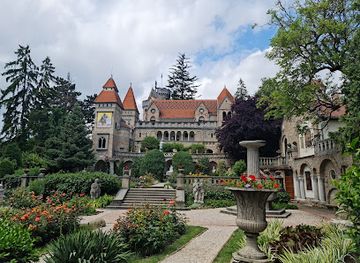
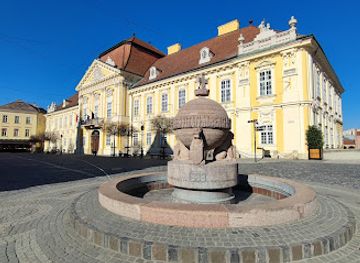
Székesfehérvár’s principal attractions trace the city’s transformation from royal centre to modern county capital. The Garden of Ruins and National Memorial Place preserves the foundations and carved fragments of the medieval Basilica of the Virgin Mary, where Hungarian monarchs were crowned and buried. Around Városház tér, the Bishop’s Palace, Cistercian Church of Saint John of Nepomuk and Baroque civic buildings create a compact architectural circuit, while the Black Eagle Pharmacy Museum offers a detailed look at historic pharmaceutical interiors and urban craftsmanship. Bory Castle, built by Jenő Bory as a home and studio, is an imaginative landmark filled with sculpture, towers and personal symbolism. The Museum of King Saint Stephen adds archaeological and historical context, and Bregyó’s recreational area provides lakeside greenery and space for walking beyond the central streets.
-
Tourist attraction
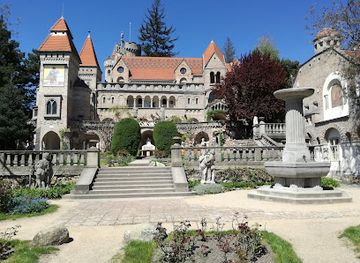
Bory Castle
Explore Bory Castle in Székesfehérvár, a unique blend of history, art, and stunning architecture nestled in the heart of Hungary.
12 min drive · 3.9 km from city centre
-
Tourist attraction
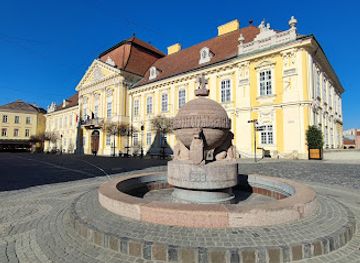
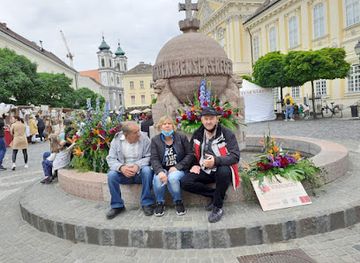
Country Apple statue
Discover the beauty of Székesfehérvár at the Country Apple Statue, a historical landmark celebrating the city's rich agricultural heritage.
2 min walk · 0.2 km from city centre
-
Tourist attraction
Székesfehérvári Koronás Park
Experience the beauty and tranquility of Székesfehérvári Koronás Park, a perfect blend of nature and recreation in Székesfehérvár, Hungary.
12 min walk · 0.9 km from city centre
-
Tourist attraction
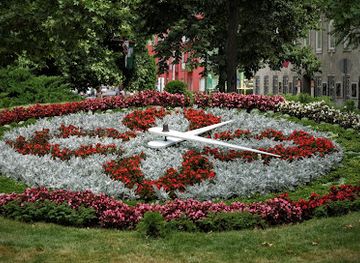
Székesfehérvári Virágóra
Experience the enchanting Székesfehérvári Virágóra, a stunning floral clock and a symbol of Székesfehérvár's rich heritage amidst vibrant gardens.
6 min walk · 0.5 km from city centre
Best landmarks in Szekesfehervar
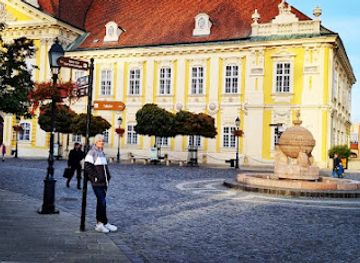
The Garden of Ruins and National Memorial Place is Székesfehérvár’s defining historical landmark, preserving the remains of the Basilica of the Virgin Mary and marking the city’s role in royal coronations and burials. Városház tér forms the architectural heart of the centre, with the Baroque Bishop’s Palace and the Town Hall expressing the city’s reconstruction after Ottoman rule. The Cistercian Church of Saint John of Nepomuk contributes an ornate eighteenth-century ecclesiastical presence, while Bishop’s Well adds a small but recognisable feature to the historic streetscape. Outside the old centre, Bory Castle is an unusual twentieth-century landmark in which Jenő Bory combined architecture, sculpture and family memory. Together these places show how medieval royal authority, Baroque religious renewal and modern artistic ambition remain visible in the same city.
-
Castle
Bory Castle
Discover the enchanting Bory Castle in Székesfehérvár, Hungary – a masterpiece of architecture blending art, history, and breathtaking views.
12 min drive · 3.9 km from city centre
-
Historical landmark
Country Apple statue
Explore the Country Apple statue in Székesfehérvár - a historical landmark that celebrates the city's agricultural heritage and vibrant culture.
2 min walk · 0.2 km from city centre
-
Memorial park
Military Memorial Park
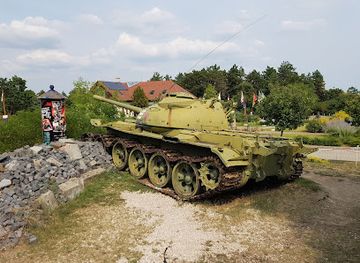
Explore the serene Military Memorial Park in Pálköz, a tribute to the brave souls who served, combining history, nature, and community engagement.
33 min drive · 13 km from city centre
-
Museum
Székesfehérvár
Explore Székesfehérvár: A historical transit hub in Hungary rich with cultural heritage, architectural wonders, and local flavors.
7 min drive · 2.4 km from city centre
Explore Szekesfehervar on the map
Plan your Szekesfehervar trip on one map. See where the top attractions, landmarks, restaurants, bars and hotels are, find what's near where you're staying, and book hotels and experiences in a few clicks.
Best hotels in Szekesfehervar
Best restaurants in Szekesfehervar
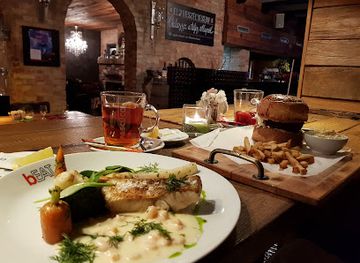
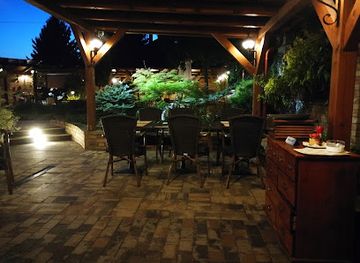
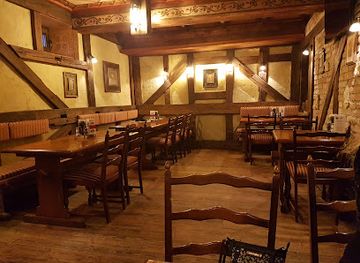
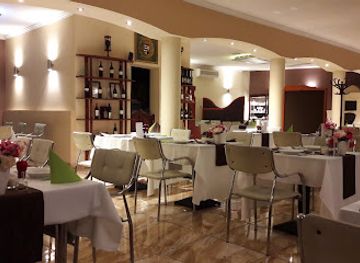
Székesfehérvár’s dining culture reflects the broad traditions of Hungarian cuisine, with restaurants and cafés serving dishes based on paprika, onions, seasonal vegetables, pork, poultry and freshwater fish. Familiar specialities may include goulash soup, pörkölt, paprikás, stuffed cabbage and lángos, while túrógombóc and strudel represent the country’s fondness for substantial sweet dishes. The historic centre around Városház tér and the pedestrian streets contains cafés, bakeries and restaurants suited to a leisurely meal between museum visits. Markets and specialist food shops provide opportunities to find regional produce, cured meats, cheeses, pastries and preserves. Contemporary kitchens increasingly reinterpret Hungarian flavours without abandoning the hearty character associated with local cooking, and nearby Fejér County’s wine-growing areas add a regional dimension to drinks lists.
-
Restaurant
bEAT
Discover bEAT in Székesfehérvár - where local flavors meet global cuisine in an inviting setting.
5 min walk · 0.4 km from city centre
-
Restaurant
Diófa Étterem
Experience authentic Hungarian cuisine at Diófa Étterem in Székesfehérvár—where tradition meets modernity in every delicious bite.
7 min drive · 2.2 km from city centre
-
German
Salvator Bajor Étterem
Experience authentic German cuisine at Salvator Bajor Étterem in Székesfehérvár – where tradition meets flavor.
10 min walk · 0.8 km from city centre
-
Restaurant
Kiskulacs Vendéglő
Experience authentic Hungarian cuisine at Kiskulacs Vendéglő in Székesfehérvár – where every meal is a celebration of local flavors.
7 min walk · 0.5 km from city centre
Best bars in Szekesfehervar
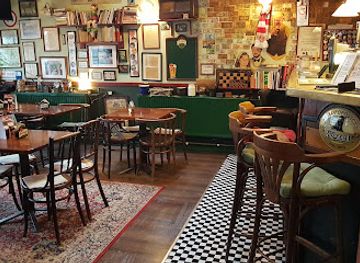
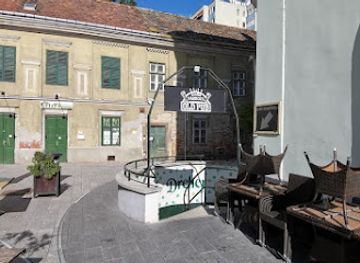
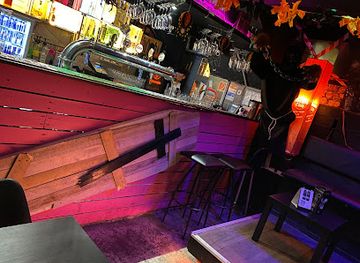
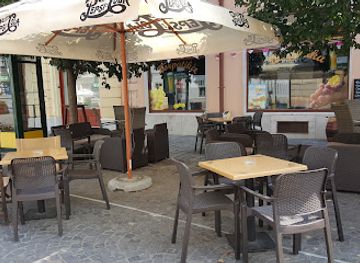
Evenings in Székesfehérvár tend to centre on cafés, wine bars, restaurants and cultural performances rather than the large-scale club scene associated with Budapest. The pedestrian centre and streets near Városház tér offer places for a relaxed drink in historic surroundings, with Hungarian wines and locally familiar spirits appearing alongside beer and coffee. The city’s theatres, concert programme and seasonal festivals provide important alternatives to nightlife based around alcohol, while live music and public events can bring additional activity to central squares. Student-oriented bars and later venues exist, but the scale is regional and relatively restrained; schedules and opening patterns can change, so current local listings are useful when planning an evening.
-
Pub
Petz Söröző
Experience the local charm and vibrant atmosphere of Petz Söröző, a top pub in Székesfehérvár offering a delightful selection of drinks.
10 min walk · 0.8 km from city centre
-
Bar
Varkocs Old Pub
Explore Székesfehérvár's vibrant nightlife at Varkocs Old Pub, a charming bar offering a delightful selection of drinks and a cozy atmosphere.
6 min walk · 0.5 km from city centre
-
Cocktail bar
SHOTbar
Discover the vibrant nightlife at SHOTbar, Székesfehérvár's premier cocktail bar offering innovative drinks and a lively atmosphere.
1 min walk · 0.1 km from city centre
-
Bar
Borpatika
Experience the lively ambiance and exceptional drink selection at Borpatika, the heart of Székesfehérvár's vibrant bar scene.
7 min walk · 0.6 km from city centre
Best nightclubs in Szekesfehervar
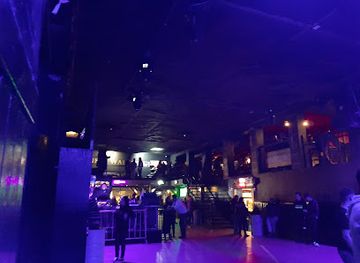
Evenings in Székesfehérvár tend to centre on cafés, wine bars, restaurants and cultural performances rather than the large-scale club scene associated with Budapest. The pedestrian centre and streets near Városház tér offer places for a relaxed drink in historic surroundings, with Hungarian wines and locally familiar spirits appearing alongside beer and coffee. The city’s theatres, concert programme and seasonal festivals provide important alternatives to nightlife based around alcohol, while live music and public events can bring additional activity to central squares. Student-oriented bars and later venues exist, but the scale is regional and relatively restrained; schedules and opening patterns can change, so current local listings are useful when planning an evening.
-
Night club
Fezen Club
Discover Székesfehérvár's dynamic nightlife at Fezen Club, the premier destination for live music, dancing, and unforgettable experiences.
6 min drive · 1.9 km from city centre
-
Disco club
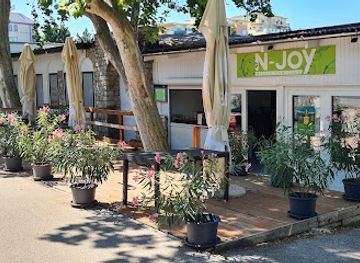
N-Joy Bistro and Club
Experience the vibrant nightlife of Székesfehérvár at N-Joy Bistro and Club, where delicious cuisine meets a pulsating dance atmosphere.
9 min walk · 0.7 km from city centre
-
Night club
GÉK
Experience the vibrant nightlife at GÉK, Székesfehérvár's premier night club offering electrifying music and an unforgettable atmosphere.
7 min drive · 2.3 km from city centre
-
Night club
HDM
Unleash your night at HDM, the ultimate night club in Székesfehérvár, where music, dance, and good vibes come alive.
21 min drive · 6.9 km from city centre
Best shops in Szekesfehervar
Shopping in Székesfehérvár combines everyday Hungarian retail with small-scale opportunities in and around the historic centre. The pedestrian streets near Városház tér contain independent shops, cafés, bakeries and practical retailers, while larger commercial areas and shopping centres serve residents beyond the old town. Markets and delicatessens are useful for Hungarian food products such as paprika, honey, preserves, cheeses, cured meats and regional wines, though stock and trading days vary. Visitors interested in souvenirs can look for ceramics, embroidered textiles, folk-inspired crafts and locally produced confectionery rather than relying solely on mass-produced memorabilia. The city’s most distinctive purchases are often connected to food and regional craftsmanship, allowing shopping to reflect Fejér County’s agricultural surroundings and the practical character of a provincial Hungarian centre.
-
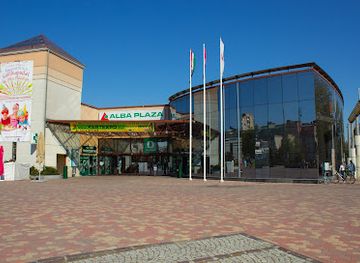
Shopping mall
Alba Plaza
Explore the dynamic shopping experience at Alba Plaza, your go-to destination for fashion, dining, and family entertainment in Székesfehérvár.
3 min walk · 0.2 km from city centre
-
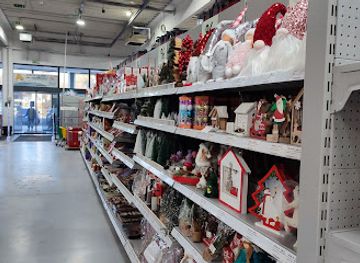
Shopping mall
Merx Hipermarket
Discover the vibrant shopping experience at Merx Hipermarket in Székesfehérvár, where variety meets convenience in a lively atmosphere.
13 min drive · 4.2 km from city centre
-
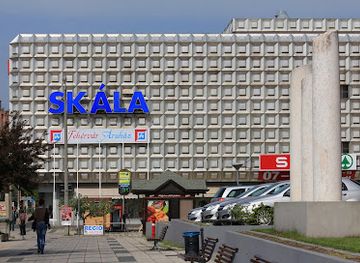
Shopping mall
Skála Székesfehérvár
Visit Skála Székesfehérvár for a unique shopping experience blending local culture with global brands, perfectly situated in the heart of Hungary.
5 min walk · 0.4 km from city centre
-
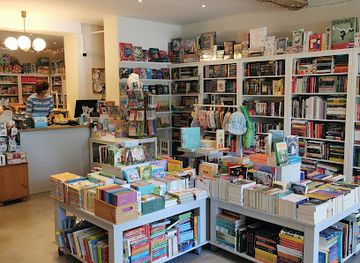
Bakery
Már Vártalak pékség, kávézó, könyv és játékbolt
Experience the perfect blend of fresh pastries, cozy reading nooks, and fun games at Már Vártalak in Székesfehérvár.
5 min drive · 1.7 km from city centre
Get your free copy of our complete guide to Szekesfehervar, delivered straight to you.
Everything on this page, from attractions and restaurants to essentials and local phrases, in one PDF you can read offline, print or share.
Already have an account? Sign in
Your Szekesfehervar guide is ready.
We'll send it to · Not you? Sign out

Getting your guide ready…
We are putting together a fresh copy of the Szekesfehervar guide. This can take up to a minute.
This can take a few moments. If your browser asks, choose Allow so the download can start. You'll find the guide in your Downloads folder.
Nothing happened? Download it again
Sorry, the guide is taking longer than usual. Please try again in a minute, or get it by email instead.
Szekesfehervar essentials
Currency and Payment
Safety
Emergency Situations
Do's and Don'ts
Local Tips
From Eve
Local phrases worth knowing
You don't need to get them perfect. A few words go a long way, and locals appreciate the effort.
Basics
| English | Local | Say it |
|---|---|---|
| Hello | Szia | [see-ah] |
| Goodbye | Viszlát | [vee-slaat] |
| Yes | Igen | [ee-gen] |
| No | Nem | [nem] |
| Please/You're welcome | Kérem | [keh-rem] |
| Thank you | Köszönöm | [koe-suh-noem] |
| Excuse me/Sorry | Elnézést | [el-neh-zayst] |
| How are you? | Hogy vagy? | [hohj vahdj] |
| Fine. And you? | Jól vagyok. És te? | [yohl vahdj-ohk. ays teh] |
| Do you speak English? | Beszélsz angolul? | [be-saylss ahng-oh-lool] |
| I don't understand | Nem értem | [nem ayr-tem] |
Eating & Drinking
| English | Local | Say it |
|---|---|---|
| I'd like to see the menu, please | Szeretnék látni az étlapot, kérem | [seh-reh-tneik laht-nee ahs ayt-loh-pot, keh-rem] |
| I don't eat meat | Nem eszem húst | [nem es-em hoofst] |
| Cheers! | Egészségedre! | [eh-geh-she-ged-reh] |
| I would like to pay, please | Szeretnék fizetni, kérem | [seh-reh-tneik fee-zeht-nee, keh-rem] |
Emergencies
| English | Local | Say it |
|---|---|---|
| Help! | Segítség! | [she-geet-sayg] |
| Go away! | Menj el! | [men yel] |
| Call the Police! | Hívj rendőrt! | [heev rehn-durt] |
| Call a doctor! | Hívj orvost! | [heev or-vosht] |
| I'm lost | Elvesztem | [el-vehs-tem] |
| I'm ill | Beteg vagyok | [be-tehg vahdj-ohk] |
Shopping
| English | Local | Say it |
|---|---|---|
| I'd like to buy... | Szeretnék vásárolni... | [seh-reh-tneik vah-shah-rohl-nee] |
| I'm just looking | Csak nézelődöm | [chahk nay-zeh-loh-dohm] |
| How much is it? | Mennyibe kerül? | [men-nyee-be keh-rool] |
| That's too expensive | Ez túl drága | [ez tool draa-gah] |
| Can you lower the price? | Le tudnád engedni az árat? | [leh too-dnahd eng-ed-nee ahs ah-raht] |
Time & Numbers
| English | Local | Say it |
|---|---|---|
| What time is it? | Mennyi az idő? | [men-yee ahs ee-doh] |
| It's one o'clock | Egy óra van | [edj oh-rah vahn] |
| Half past (10) | Fél tizenegy van | [feyl tee-zen-egy vahn] |
| Morning | Reggel | [reh-ggel] |
| Afternoon | Délelőtt | [deh-leh-loht] |
| Evening | Este | [es-teh] |
| Yesterday | Tegnap | [teg-nahp] |
| Today | Ma | [mah] |
| Tomorrow | Holnap | [hol-nahp] |
| 1 | Egy | [edj] |
| 2 | Kettő | [keh-t-toh] |
| 3 | Három | [hah-rom] |
| 4 | Négy | [neydg] |
| 5 | Öt | [oht] |
| 6 | Hat | [haht] |
| 7 | Hét | [hayt] |
| 8 | Nyolc | [nyoltz] |
| 9 | Kilenc | [kee-lentz] |
| 10 | Tíz | [teedz] |
Transport & Directions
| English | Local | Say it |
|---|---|---|
| Where's a/the...? | Hol van a...? | [hol vahn ah] |
| What's the address? | Mi a cím? | [mee ah cheem] |
| Can you show me (on the map)? | Meg tudnád mutatni (a térképen)? | [meg too-dnahd moo-taht-nee ah tayrkay-pehn] |
| When's the next (bus)? | Mikor jön a következő (busz)? | [mee-kor yern ah koe-vet-kay-zoh boos] |
| A ticket (to ....) | Egy jegyet (....-ra) | [edj yeg-yet rah] |
History of Szekesfehervar
Géza and the Foundation of the City
Székesfehérvár emerged during the formation of the Hungarian state in the late tenth century. Grand Prince Géza established a settlement here around 972, choosing a location linked to routes across the Transdanubian plain. His son, Stephen I, the first king of Hungary, developed the town as a royal and ecclesiastical centre after the foundation of the Christian kingdom around the year 1000. The city’s position allowed the early Árpád rulers to connect royal administration, religious institutions and trade. Its name, meaning ‘white castle of the throne’, reflected both its fortified character and its direct association with Hungarian sovereignty.
The Medieval Royal Basilica
Under the Árpád dynasty, Székesfehérvár became one of the most important cities in medieval Hungary. The Basilica of the Virgin Mary served as the kingdom’s principal coronation church, and thirty-eight Hungarian kings were crowned there between 1038 and 1526, according to the traditional historical record. Fifteen rulers were also buried in the basilica, including Stephen I. The building housed royal treasures and important ceremonies, while the city hosted assemblies of the Hungarian nobility. Although the basilica was later destroyed, its foundations and carved remains survive in the Garden of Ruins and National Memorial Place.
A Commercial and Civic Centre
Medieval Székesfehérvár was not solely a ceremonial capital. Its markets, workshops and churches supported a substantial urban community connected to the wider kingdom. The city received privileges that encouraged settlement and commerce, and its institutions helped shape the legal and political traditions of medieval Hungary. Mongol attacks in 1241 affected much of the kingdom, although the city’s later development continued through the Árpád and Angevin periods. The royal basilica remained a focus of political memory even as power became more dispersed among Buda, Visegrád and other centres.
Ottoman Rule and Urban Destruction
The Ottoman capture of Székesfehérvár in 1543 followed the collapse of Hungary’s medieval political order after the Battle of Mohács in 1526. The city, known to the Ottomans as Istolni Belgrad, remained under Ottoman rule until its recapture by Habsburg forces in 1688. The former basilica suffered severe damage and was eventually demolished, while many medieval buildings disappeared through warfare, fire and later rebuilding. The destruction altered the physical appearance of a city once dominated by royal monuments, leaving archaeological remains rather than an intact medieval centre.
Baroque Reconstruction
After the end of Ottoman rule, Székesfehérvár was repopulated and rebuilt within the Habsburg realm. Religious orders, bishops and civic authorities reshaped the town during the eighteenth century, replacing much of the damaged medieval fabric with Baroque churches, houses and public buildings. The Diocese of Székesfehérvár was established in 1777 under Queen Maria Theresa, strengthening the city’s ecclesiastical role. Városház tér and its surrounding buildings, including the Bishop’s Palace and the Cistercian Church of Saint John of Nepomuk, reflect this period of renewal and remain central to the city’s architectural identity.
Industrial Growth and Modern Memory
The nineteenth and twentieth centuries brought new transport links, administrative functions and industrial activity, connecting Székesfehérvár more closely with Budapest and the wider Transdanubian region. The city expanded beyond its historic core while retaining the memory of its royal past through archaeological work and civic commemorations. After the Second World War, industrialisation and housing construction transformed its urban edges. The twentieth century also produced one of its most distinctive monuments, Bory Castle, created by Jenő Bory as a combined home, studio and artistic statement. Today, medieval remains, Baroque streets and modern districts coexist within the same urban landscape.
Szekesfehervar in Photos
Browse through our photo collection highlighting the charm and character of the destination.
Cities near Szekesfehervar
The closest cities to Szekesfehervar, if you have time for more than one stop.
-

-

-

-

-


Swipe for more cities
Explore more

Explore more of Hungary
Discover Hungary: A land of historic cities, scenic landscapes, thermal baths, and rich culinary traditions in the heart of Europe.
Explore Hungary