

Free Tatabanya Travel Guide & Mobile App
Plan your Tatabanya trip with Evendo. Get free guides to top attractions, restaurants, hotels, and bars. Web access or download the mobile app.


Discover Tatabánya, Hungary's hidden gem, where natural beauty meets rich history and vibrant culture, offering unforgettable experiences for every traveler.
Read more about Tatabanya
When is the best time to visit Tatabanya?
Best: June–August · 25–26°C| Month | High (°C) | Rainfall (mm) |
|---|---|---|
| January | 2 | 25 |
| February | 4 | 22 |
| March | 8 | 21 |
| April | 14 | 18 |
| May | 20 | 14 |
| June (best) | 25 | 12 |
| July (best) | 26 | 11 |
| August (best) | 26 | 11 |
| September | 22 | 14 |
| October | 16 | 18 |
| November | 10 | 22 |
| December | 4 | 26 |
Getting to and around Tatabanya
How to get there
Transportation
Best attractions in Tatabanya
Tatabanya, a hidden gem in Hungary, offers a perfect blend of history, culture, and natural beauty. Visitors can explore the unique Turul Monument, a symbol of Hungarian mythology, and marvel at the stunning views from Gerecse Mountain. History buffs will appreciate the Mining Museum, showcasing the city's rich industrial past, while nature lovers can relax in the lush greenery of Old Lake. Don't miss the vibrant local markets and festivals, where you can sample delicious Hungarian cuisine and immerse yourself in the lively atmosphere of this charming city.
-
Castle
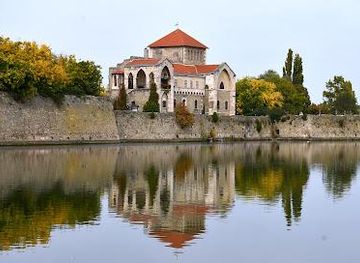
Tata Castle
Explore Tata Castle, a stunning historical fortress in Hungary, offering breathtaking views, rich culture, and a glimpse into the past.
27 min drive · 9.0 km from city centre
-
Castle
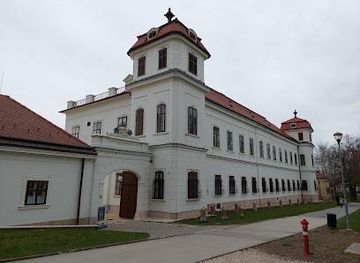
Tata, Esterházy-kastély
Explore the enchanting Esterházy Castle in Tata, Hungary - a historical gem surrounded by beautiful gardens and rich cultural heritage.
27 min drive · 8.9 km from city centre
-
Tourist attraction
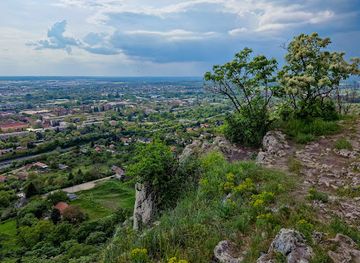
Selim Cave
Discover the enchanting Selim Cave in Tatabánya, a stunning natural wonder filled with breathtaking formations and rich geological history.
13 min walk · 1.0 km from city centre
-
Tourist attraction
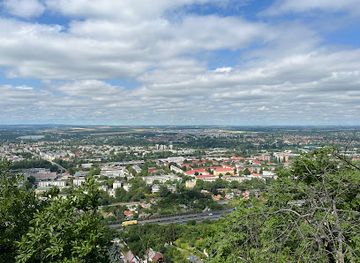
Vince Ranzinger Lookout
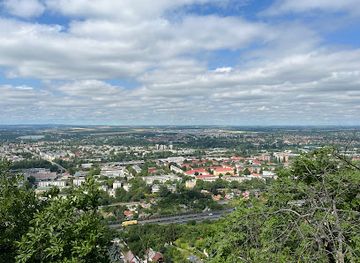
Experience the stunning panoramic views at Vince Ranzinger Lookout, a top scenic spot in Tatabánya that captivates every visitor.
5 min drive · 1.6 km from city centre
Best landmarks in Tatabanya
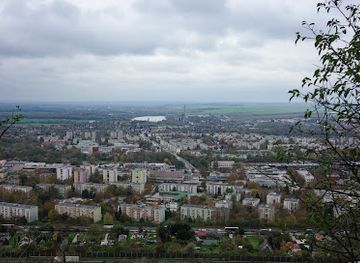
Tatabanya offers visitors a unique blend of historical and natural beauty. From the iconic Turul statue overlooking the city to the impressive Tatabanya Castle ruins, there is no shortage of landmarks to explore. Take a stroll along the picturesque Old Lake, visit the striking Saint Stephen Church, and admire the industrial heritage at the Mining Museum. With its charming streets, vibrant cultural scene, and stunning landscapes, Tatabanya is a hidden gem waiting to be discovered.
-
Historical landmark
Turul Monument
Explore the Turul Monument in Tatabánya, a historical landmark offering stunning views and a glimpse into Hungary's rich cultural heritage.
12 min walk · 1.0 km from city centre
-
Tourist attraction
Selim Cave
Explore Selim Cave in Tatabánya, Hungary, a stunning natural wonder filled with breathtaking geological formations and rich history.
13 min walk · 1.0 km from city centre
-
Scenic spot
Vince Ranzinger Lookout
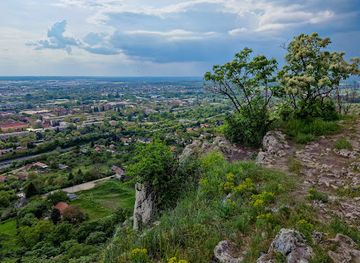
Discover the breathtaking Vince Ranzinger Lookout in Tatabánya, Hungary, for stunning panoramic views and tranquil hiking experiences.
5 min drive · 1.6 km from city centre
-
Museum
Open-air Museum of Mining and Industry
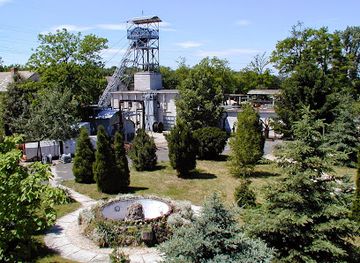
Explore the Open-air Museum of Mining and Industry in Tatabánya, a captivating blend of history, art, and technology that celebrates Hungary's rich mining heritage.
8 min drive · 2.8 km from city centre
Explore Tatabanya on the map
Plan your Tatabanya trip on one map. See where the top attractions, landmarks, restaurants, bars and hotels are, find what's near where you're staying, and book hotels and experiences in a few clicks.
Best hotels in Tatabanya
Best restaurants in Tatabanya
Tatabanya offers a diverse dining scene that caters to all tastes and budgets. From traditional Hungarian cuisine to international dishes, visitors can indulge in a variety of culinary delights. Whether you're looking for a cozy local cafe, a bustling restaurant with live music, or a fine dining experience with panoramic views, Tatabanya has it all. Don't miss the opportunity to try local specialties like goulash, langos, and chimney cake, and be sure to pair your meal with a glass of Hungarian wine or pálinka for the full experience.
-
Restaurant
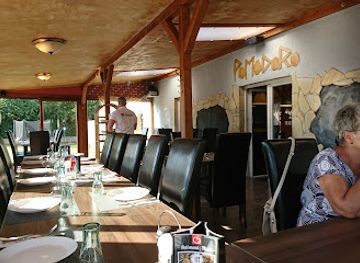
Pomodoro Restaurant & Pizzeria
Discover authentic Italian flavors at Pomodoro Restaurant & Pizzeria in Tatabánya - where every meal is a celebration of taste.
10 min walk · 0.8 km from city centre
-
American
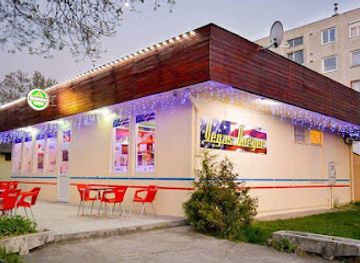
Vegas Burger
Discover Vegas Burger in Tatabánya: A Dog-Friendly Haven Serving Delicious American Cuisine including Hamburgers, Gyros & Pizza!
18 min walk · 1.4 km from city centre
-
Restaurant
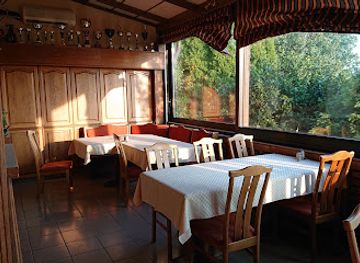
Panoráma Panzió Étterem
Experience authentic Hungarian cuisine at Panoráma Panzió Étterem in Tatabánya - where flavor meets tradition in every dish.
5 min drive · 1.7 km from city centre
-
Restaurant
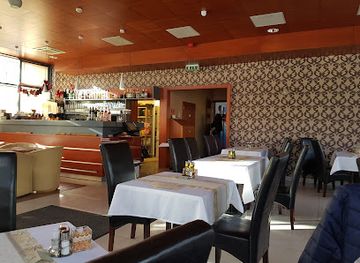
Turul Cafe & Étterem
Experience authentic Hungarian flavors at Turul Cafe & Étterem in Tatabánya – where every meal tells a story.
3 min walk · 0.3 km from city centre
Best bars in Tatabanya
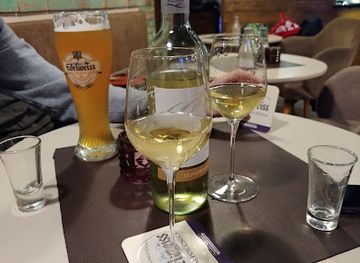
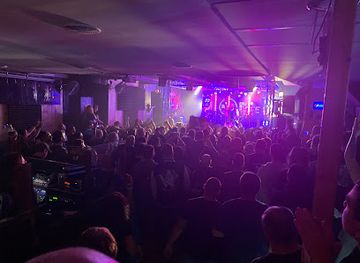
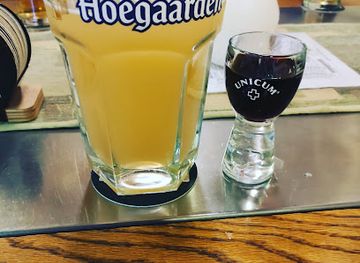
The nightlife scene in Tatabanya offers a vibrant mix of traditional Hungarian pubs, modern bars, and lively nightclubs, catering to a diverse range of tastes and preferences. Visitors can expect cozy cafes serving local wines, trendy cocktail bars with innovative mixes, and energetic dance clubs playing the latest hits. Whether you're looking for a relaxed evening sipping on craft beers or a night of dancing until dawn, Tatabanya has something for everyone to enjoy and experience the local nightlife culture.
-
Restaurant
Funky Étterem és Pizzéria
Discover the vibrant flavors of Hungary at Funky Étterem és Pizzéria, where innovative dishes and classic pizzas await in a lively atmosphere.
11 min walk · 0.8 km from city centre
-
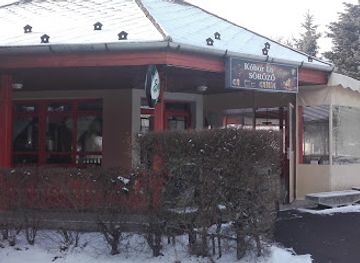
Bar
Kóborló Söröző
Discover the vibrant atmosphere of Kóborló Söröző, a charming bar in Tatabánya, offering a diverse selection of drinks and a warm ambiance.
14 min walk · 1.2 km from city centre
-
Bar
Green Pub
Experience the best of local nightlife at Green Pub in Tatabánya - a vibrant bar with friendly service and a cozy ambiance.
16 min walk · 1.2 km from city centre
-
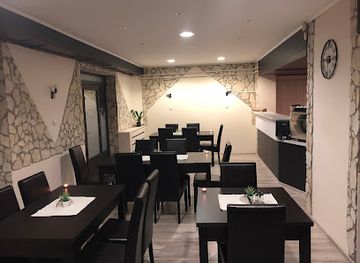
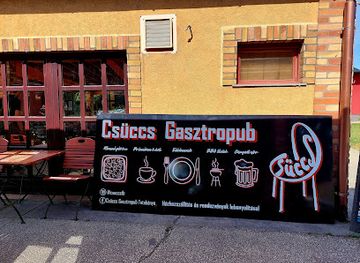
Gastropub
Csüccs Gasztropub Tatabánya
Explore the vibrant flavors of Hungarian cuisine at Csüccs Gasztropub in Tatabánya, where traditional meets contemporary in a cozy setting.
5 min drive · 1.7 km from city centre
Best nightclubs in Tatabanya
The nightlife scene in Tatabanya offers a vibrant mix of traditional Hungarian pubs, modern bars, and lively nightclubs, catering to a diverse range of tastes and preferences. Visitors can expect cozy cafes serving local wines, trendy cocktail bars with innovative mixes, and energetic dance clubs playing the latest hits. Whether you're looking for a relaxed evening sipping on craft beers or a night of dancing until dawn, Tatabanya has something for everyone to enjoy and experience the local nightlife culture.
-
Night club
Roxxy Music Café
Discover the electrifying nightlife of Tatabánya at Roxxy Music Café, where music, dance, and good times await.
2 min walk · 0.2 km from city centre
-
Night club
Aranykutya Söröző
Discover the vibrant nightlife at Aranykutya Söröző, a lively night club in Tatabánya offering great drinks and a welcoming atmosphere.
9 min walk · 0.7 km from city centre
-
Night club
One Club
Discover the excitement of One Club in Tatabánya, a vibrant night club offering unforgettable experiences with diverse music and lively crowds.
5 min walk · 0.4 km from city centre
-
Night club
Kakukk kocsma
Discover the heartbeat of Tatabánya's nightlife at Kakukk Kocsma, where music and fun come together in an unforgettable setting.
19 min drive · 6.5 km from city centre


Best shops in Tatabanya
Tatabanya offers a unique shopping experience for visitors, with a mix of traditional markets and modern shopping centers. Explore the bustling streets filled with local vendors selling handmade crafts and souvenirs, or head to the malls for a wide selection of international brands. Don't miss the chance to taste local delicacies at the food markets, and immerse yourself in the vibrant atmosphere of this charming city.
-
Shopping mall
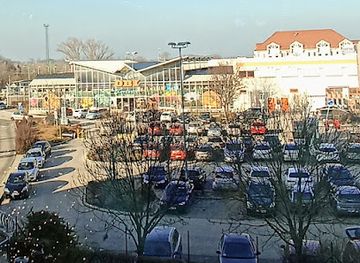
Vertes Center Shopping Mall
Discover endless shopping, dining, and entertainment at the Vertes Center Shopping Mall in Tatabánya, Hungary.
1 min walk · 0.1 km from city centre
-
Hypermarket
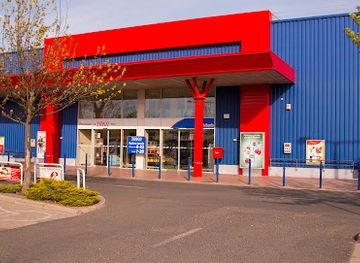
TESCO Tatabánya Hipermarket
Discover the convenience and variety at TESCO Tatabánya Hipermarket, your one-stop shop for all your shopping needs in Hungary.
6 min drive · 2.1 km from city centre
-
Discount store
PENNY Tatabánya II.
Explore affordable shopping at PENNY Tatabánya II., where quality meets budget-friendly prices in the heart of Hungary.
8 min drive · 2.8 km from city centre
-
Drug store
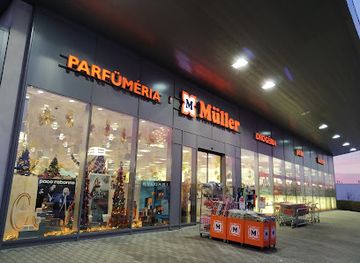
Müller
Explore Müller in Tatabánya - your one-stop shop for drugstore essentials, stationery, toys, and more, reflecting local culture and creativity.
9 min drive · 3.1 km from city centre
Get your free copy of our complete guide to Tatabanya, delivered straight to you.
Everything on this page, from attractions and restaurants to essentials and local phrases, in one PDF you can read offline, print or share.
Already have an account? Sign in
Your Tatabanya guide is ready.
We'll send it to · Not you? Sign out

Getting your guide ready…
We are putting together a fresh copy of the Tatabanya guide. This can take up to a minute.
This can take a few moments. If your browser asks, choose Allow so the download can start. You'll find the guide in your Downloads folder.
Nothing happened? Download it again
Sorry, the guide is taking longer than usual. Please try again in a minute, or get it by email instead.
Tatabanya essentials
Currency and Payment
Safety
Emergency Situations
Do's and Don'ts
Local Tips
From Eve
Local phrases worth knowing
You don't need to get them perfect. A few words go a long way, and locals appreciate the effort.
Basics
| English | Local | Say it |
|---|---|---|
| Hello | Szia | [see-ah] |
| Goodbye | Viszontlátásra | [vee-son-tla-taash-ra] |
| Yes | Igen | [ee-gen] |
| No | Nem | [nem] |
| Please/You're welcome | Kérem | [kay-rem] |
| Thank you | Köszönöm | [kur-suh-nuhm] |
| Excuse me/Sorry | Elnézést | [el-nay-zayst] |
| How are you? | Hogy vagy? | [hoj vahdj] |
| Fine. And you? | Jól vagyok. És te? | [yool vah-jock. ays teh] |
| Do you speak English? | Beszélsz angolul? | [bes-aylss ahn-goh-lool] |
| I don't understand | Nem értem | [nem air-tem] |
Eating & Drinking
| English | Local | Say it |
|---|---|---|
| I'd like to see the menu, please | Szeretnék látni az étlapot, kérem | [seh-reht-nayk laht-nee ahs ayt-la-pot, kay-rem] |
| I don't eat meat | Nem eszem húst | [nem es-em hoost] |
| Cheers! | Egészségedre! | [ay-gays-shayg-ed-reh] |
| I would like to pay, please | Szeretnék fizetni, kérem | [seh-reht-nayk fee-zet-nee, kay-rem] |
Emergencies
| English | Local | Say it |
|---|---|---|
| Help! | Segítség! | [she-geet-sayg] |
| Go away! | Menj el! | [men yel] |
| Call the Police! | Hívja a rendőrséget! | [hee-vyah ah ren-dur-shay-get] |
| Call a doctor! | Hívjon orvost! | [heev-yon or-vosht] |
| I'm lost | Elvesztem | [el-veh-stem] |
| I'm ill | Beteg vagyok | [beh-teg vah-jock] |
Shopping
| English | Local | Say it |
|---|---|---|
| I'd like to buy... | Szeretnék vásárolni... | [seh-reht-nayk vah-shah-rohl-nee] |
| I'm just looking | Csak nézelődök | [chahk nay-zeh-loo-dook] |
| How much is it? | Mennyibe kerül? | [men-yee-beh keh-rool] |
| That's too expensive | Túl drága | [tool draa-gah] |
| Can you lower the price? | Le tudnád engedni az árat? | [leh too-dnaad eng-ed-nee ahs aah-raht] |
Time & Numbers
| English | Local | Say it |
|---|---|---|
| What time is it? | Mennyi az idő? | [men-yee ahs ee-doh] |
| It's one o'clock | Egy óra van | [edj oh-rah vahn] |
| Half past (10) | Fél tizenegy | [fayl tee-zen-edge] |
| Morning | Reggel | [reh-gel] |
| Afternoon | Délután | [deh-loo-tahn] |
| Evening | Este | [esh-teh] |
| Yesterday | Tegnap | [teg-nahp] |
| Today | Ma | [mah] |
| Tomorrow | Holnap | [hol-nahp] |
| 1 | Egy | [edj] |
| 2 | Kettő | [ket-toh] |
| 3 | Három | [haa-rom] |
| 4 | Négy | [naydj] |
| 5 | Öt | [uht] |
| 6 | Hat | [haht] |
| 7 | Hét | [hayt] |
| 8 | Nyolc | [nyolts] |
| 9 | Kilenc | [kee-lents] |
| 10 | Tíz | [teedz] |
Transport & Directions
| English | Local | Say it |
|---|---|---|
| Where's a/the...? | Hol van a... | [hol vahn ah] |
| What's the address? | Mi a cím? | [mee ah cheem] |
| Can you show me (on the map)? | Megmutatnád (a térképen)? | [meg-moo-taht-naad ah tair-keh-pen] |
| When's the next (bus)? | Mikor jön a következő (busz)? | [mee-kor yern ah kuh-vet-keh-zoh bus] |
| A ticket (to ....) | Egy jegy (....-ra) | [edj yedj ....-rah] |
History of Tatabanya
Ancient Beginnings
Tatabánya, located in the central part of Hungary, has roots that stretch back to ancient times. Archaeological evidence suggests that the area was inhabited as far back as the Neolithic era. The region was later settled by the Celts and subsequently became a part of the Roman Empire. Roman artifacts and remnants of ancient settlements can still be found in and around Tatabánya.
Medieval Era
During the medieval period, the area saw the establishment of several small villages and agricultural communities. The region was part of the Kingdom of Hungary and was influenced by the various dynastic changes and invasions that shaped Hungarian history. This period laid the groundwork for the future development of Tatabánya.
The Industrial Revolution
Tatabánya's modern history began with the Industrial Revolution in the late 19th century. The discovery of coal deposits led to the rapid development of mining operations. Tatabánya became a hub for coal mining, attracting workers from all over the country. The town's economy boomed, and it quickly grew into an important industrial center.
World War II and Its Aftermath
Tatabánya was significantly affected by World War II. The town's industrial facilities were targeted during the war, leading to considerable damage. After the war, Tatabánya was rebuilt and continued to develop as an industrial hub. The coal mines were nationalized, and the town played a crucial role in Hungary's post-war industrialization efforts.
The Socialist Era
During the socialist era, Tatabánya underwent significant changes. The town was heavily industrialized, and new residential areas were built to accommodate the growing population of workers. The socialist government invested in infrastructure, education, and cultural institutions. Tatabánya became a model of socialist urban planning and industrialization.
Post-Socialist Transition
Following the fall of the socialist regime in 1989, Tatabánya faced economic challenges as the coal mines were gradually closed down. The town had to transition from a coal-dependent economy to a more diversified one. Investments in new industries, services, and infrastructure have helped Tatabánya adapt to the changing economic landscape.
Cultural Heritage
Tatabánya is not only known for its industrial history but also for its rich cultural heritage. The town is home to several historical landmarks, such as the Turul Monument, which commemorates the Hungarian conquest of the Carpathian Basin. The Szelim Cave, a prehistoric archaeological site, attracts visitors interested in ancient history. The town also hosts various cultural events and festivals that celebrate its heritage and community spirit.
Tatabanya in Photos
Browse through our photo collection highlighting the charm and character of the destination.
Cities near Tatabanya
The closest cities to Tatabanya, if you have time for more than one stop.
-

-

-

-

-


Swipe for more cities
Explore more

Explore more of Hungary
Discover Hungary: A land of historic cities, scenic landscapes, thermal baths, and rich culinary traditions in the heart of Europe.
Explore Hungary