

Free Hanság Travel Guide & Mobile App
Explore Hanság with free travel guides. Discover regional history, expert tips, proposed trips, and audio guides on web or mobile app.


Explore Hanság in north-western Hungary for wetlands, birdwatching, cycling, rural villages and the quiet landscapes of Fertő-Hanság National Park.
Read more about Hanság
When is the best time to visit Hanság?
Best: June–August · 24–26°C| Month | High (°C) | Rainfall (mm) |
|---|---|---|
| January | 3 | 30 |
| February | 5 | 25 |
| March | 10 | 35 |
| April | 15 | 40 |
| May | 20 | 50 |
| June (best) | 24 | 60 |
| July (best) | 26 | 65 |
| August (best) | 25 | 60 |
| September | 21 | 50 |
| October | 15 | 40 |
| November | 8 | 35 |
| December | 4 | 30 |
Getting to and around Hanság
How to get there
Transportation
Best attractions in Hanság
Hanság’s principal attraction is its living wetland landscape, protected largely through Fertő-Hanság National Park. Visitors can experience reed beds, wet meadows, drainage channels, open pasture and small patches of more natural marsh through marked walks, cycling routes and authorised excursions. Birdwatching is a central activity, with seasonal opportunities to see storks, herons, raptors and migrating waterfowl, while the spacious terrain also suits photography and quiet walks. The national park’s conservation work is itself part of the story: grazing, mowing and water management help maintain habitats that have been altered by centuries of drainage. Around the wetland, rural villages, farm landscapes and the market towns of Csorna and Kapuvár add cultural context. Csorna offers an important ecclesiastical and architectural counterpoint to the open country, while Kapuvár introduces the historic and agricultural character of the Rábaköz. The region is better suited to self-directed exploration and nature-focused itineraries than to a packed list of ticketed attractions.
-
Memorial park
Military Memorial Park
Discover the Military Memorial Park in Pákodz, Hungary - a serene tribute to the valor of soldiers, blending history with natural beauty.
-
Tourist attraction
Az Egri vár másolata
Explore the Egri Vár Replica in Pilisborosjenő, a stunning reconstruction of Hungary’s historic fortress, rich with culture and breathtaking views.
-
Castle
Óvári Castle
Explore the historic Óvári Castle in Mosonmagyaróvár, a captivating blend of architecture, history, and culture, perfect for every traveler.
-
National park
Tőzike tanösvény - Fertő-Hanság National Park
Discover the serene beauty of Tüzike Tanösvény in Fertő-Hanság National Park, a perfect escape into nature's embrace.


Best landmarks in Hanság
Hanság’s most characteristic landmarks are often infrastructural or environmental rather than monumental. Straight drainage canals, embankments, sluices and bridges reveal the long effort to regulate a flood-prone wetland and remain visually prominent across the open plain. Reed beds, wet meadows and broad horizons protected within Fertő-Hanság National Park form a natural landmark system whose appearance changes with water levels, grazing and season. On the settled margins, Csorna’s Premonstratensian church and abbey complex represents the region’s enduring ecclesiastical history and provides a strong architectural contrast to the marshes. Kapuvár’s historic townscape and memories of its former defensive role reflect the strategic importance of the southern approach to Hanság, even though much of the original fortress landscape has changed. Together, these places explain the region more clearly than any single monument: Hanság is defined by the interaction of water engineering, religious and estate history, agriculture and protected open country.
-
 Fortress
Fisherman's Bastion
Discover the enchanting Fisherman's Bastion in Budapest, a stunning neo-Romanesque terrace with breathtaking views and rich historical significance.
-
Plaza
Heroes' Square
Explore Heroes' Square, Budapest's iconic plaza, a stunning tribute to national heroes with rich history and breathtaking architecture.
-
Bridge
Széchenyi Chain Bridge
Explore the iconic Széchenyi Chain Bridge in Budapest, a historic landmark that connects Buda and Pest with stunning views of the Danube River.
-
Castle
Buda Castle
Explore Buda Castle, a historic landmark in Budapest offering breathtaking views, rich history, and vibrant culture in the heart of Hungary.


Explore Hanság on the map
Plan your trip on one map. See where the top cities, national parks and sights are, and book hotels and experiences in a few clicks.
Best hotels in Hanság
Best restaurants in Hanság
Dining in Hanság reflects the food culture of north-west Hungary and the surrounding Kisalföld rather than a narrowly defined wetland cuisine. Restaurants, inns and cafés in Csorna, Kapuvár and larger villages typically draw on soups, freshwater fish, pork, poultry, seasonal vegetables, potatoes, cabbage and savoury pastries. Local menus may also reflect the wider Rábaköz and Transdanubian traditions, with hearty dishes suited to a farming region and cooler seasons. Rural inns can be useful places to sample straightforward Hungarian cooking, while cafés and bakeries provide pastries, coffee and lighter food during a day outdoors. Farmers’ produce, preserves and seasonal fruit are more likely to appear through local shops and markets than through a formal Hanság food trail. Visitors should expect earlier closing patterns and fewer dining choices in small villages, so accommodation with meals or a planned stop in a larger town can be practical when exploring remote wetland areas.
-
Mediterranean
Mazel Tov
Discover Mazel Tov in Budapest: A vibrant Mediterranean restaurant offering exquisite flavors and a charming atmosphere perfect for any occasion.
-
Hungarian
Menza Étterem és Kávéház
Experience authentic Hungarian cuisine at Menza Étterem és Kávéház in Budapest's vibrant Liszt Ferenc tér.
-
Restaurant
Twentysix Budapest
Experience exquisite Mediterranean cuisine at Twentysix Budapest – where tradition meets innovation in every dish.
-
Restaurant
Sir Lancelot Medieval Restaurant
Experience medieval dining like never before at Sir Lancelot Medieval Restaurant in Budapest—where history meets culinary delight.


Best bars in Hanság
Nightlife in Hanság is modest and centred on the everyday social life of its towns rather than a large club scene. Csorna and Kapuvár have the widest choice of cafés, restaurants, traditional pubs and occasional live-music or community venues, while smaller villages generally offer a limited number of local drinking places. Historic inns and contemporary bars provide settings for an evening drink, but opening arrangements and seasonal activity can vary. The countryside becomes quiet after dark, which suits visitors interested in early wildlife observation more than late-night entertainment. Local wine, beer and pálinka may appear on menus alongside non-alcoholic drinks, but alcohol is not necessary to engage with the region’s culture. Anyone driving between villages should plan transport in advance and never drink and drive.
-
Pub
Szimpla Kert
Discover Szimpla Kert, Budapest's iconic ruin pub, where eclectic decor, local flavors, and vibrant events create an unforgettable cultural experience.
-
Bar
Instant-Fogas Complex
Discover Budapest's vibrant nightlife at Instant-Fogas Complex, where bars and disco clubs meet for an unforgettable experience.
-
Bar
360 Bar
Experience breathtaking views and exquisite cocktails at Budapest's iconic 360 Bar, your ultimate sky-high destination.
-
Cocktail bar
Rumpus Tiki Bar
Discover Rumpus Tiki Bar in Budapest, where exotic cocktails and a vibrant atmosphere create the ultimate tropical escape in the city.


Best nightclubs in Hanság
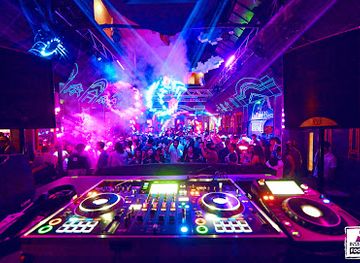
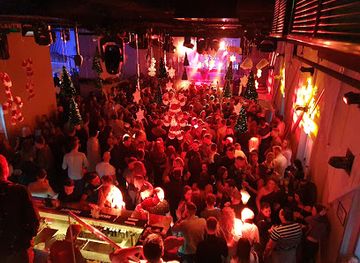
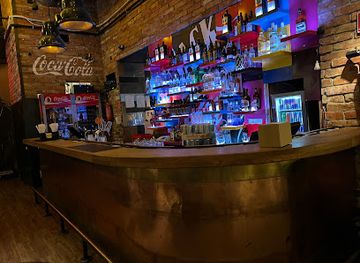
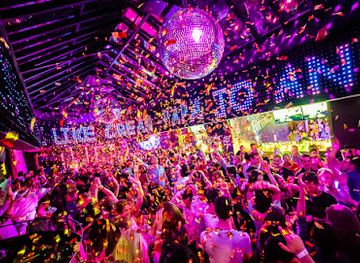
Nightlife in Hanság is modest and centred on the everyday social life of its towns rather than a large club scene. Csorna and Kapuvár have the widest choice of cafés, restaurants, traditional pubs and occasional live-music or community venues, while smaller villages generally offer a limited number of local drinking places. Historic inns and contemporary bars provide settings for an evening drink, but opening arrangements and seasonal activity can vary. The countryside becomes quiet after dark, which suits visitors interested in early wildlife observation more than late-night entertainment. Local wine, beer and pálinka may appear on menus alongside non-alcoholic drinks, but alcohol is not necessary to engage with the region’s culture. Anyone driving between villages should plan transport in advance and never drink and drive.
-
Night club
Instant-Fogas Complex
Discover Budapest's vibrant nightlife at Instant-Fogas Complex, a multi-faceted venue blending clubbing, bars, and an electric atmosphere.
-
Night club
Club Heaven Budapest
Discover nightlife at its finest at Club Heaven Budapest, a top-rated destination for unforgettable parties and vibrant music, located in the heart of the city.
-
Night club
Ötkert
Discover Ötkert, Budapest's electrifying night club where vibrant nightlife, exquisite cocktails, and unforgettable dance experiences await you.
-
Night club
Peaches And Cream Club
Discover Budapest's vibrant nightlife at Peaches And Cream Club, where unforgettable music and a lively atmosphere come together for an electrifying experience.
Best shops in Hanság
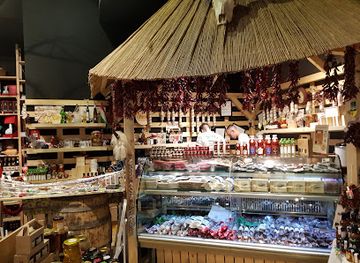
Shopping in Hanság is concentrated in the market towns and village centres rather than in specialist retail districts. Csorna and Kapuvár provide everyday shops, bakeries, cafés, supermarkets and independent businesses, while periodic markets and local producers may offer fruit, vegetables, preserves, honey and other goods from the surrounding agricultural plain. Visitors looking for souvenirs should favour regional food products, Hungarian wines from the broader Transdanubian area, paprika, handmade textiles or locally produced crafts when their origin is clearly stated. The region is not primarily a destination for luxury shopping or large shopping centres, and rural opening patterns can be limited outside normal daytime hours. A practical approach is to buy provisions in a larger town before setting out for wetland trails, then browse village shops and markets for a more local sense of the area’s agricultural economy.
-
Shopping mall
Westend
Experience unparalleled shopping, dining, and entertainment at Westend Shopping Mall in Budapest, a vibrant hub for all your retail needs.
-
Gift shop
Market1 Hungarian Souvenir and Gift Shop
Discover unique Hungarian gifts and souvenirs at Market1, a charming shop in the heart of Budapest, perfect for every tourist's shopping spree.
-
Gift shop
Szputnyik shop D20
Explore Szputnyik Shop D20 in Budapest for unique vintage finds, eclectic gifts, and handcrafted jewelry that capture the essence of Hungarian culture.
-
Gift shop
The Biggest Souvenir Shop-Market in Budapest
Explore a vibrant array of Hungarian crafts, unique gifts, and local delicacies at Budapest's Biggest Souvenir Shop-Market.


Get your free copy of our complete guide to Hanság, delivered straight to you.
Everything on this page, from attractions and restaurants to essentials and local phrases, in one PDF you can read offline, print or share.
Already have an account? Sign in
Your Hanság guide is ready.
We'll send it to · Not you? Sign out

Getting your guide ready…
We are putting together a fresh copy of the Hanság guide. This can take up to a minute.
This can take a few moments. If your browser asks, choose Allow so the download can start. You'll find the guide in your Downloads folder.
Nothing happened? Download it again
Sorry, the guide is taking longer than usual. Please try again in a minute, or get it by email instead.
Hanság essentials
Currency and Payment
Safety
Emergency Situations
Do's and Don'ts
Local Tips
From Eve
Local phrases worth knowing
You don't need to get them perfect. A few words go a long way, and locals appreciate the effort.
Basics
| English | Local | Say it |
|---|---|---|
| Hello | Szia | [see-yah] |
| Goodbye | Viszlát | [vees-laht] |
| Yes | Igen | [ee-gen] |
| No | Nem | [nem] |
| Please/You're welcome | Kérem | [kay-rem] |
| Thank you | Köszönöm | [kuh-suh-nuhm] |
| Excuse me/Sorry | Elnézést | [el-nay-zayst] |
| How are you? | Hogy vagy? | [hodj vuhj] |
| Fine. And you? | Jól. És te? | [yoal. aysh teh] |
| Do you speak English? | Beszélsz angolul? | [beh-sayls ahn-goh-lool] |
| I don't understand | Nem értem | [nem air-tem] |
Eating & Drinking
| English | Local | Say it |
|---|---|---|
| I'd like to see the menu, please | Szeretném látni az étlapot, kérem | [seh-ret-naym laht-nee ahz ayt-lah-poh-t, kay-rem] |
| I don't eat meat | Nem eszem húst | [nem eh-sem hoosht] |
| Cheers! | Egészségedre! | [eh-gehsh-sheh-geh-dreh] |
| I would like to pay, please | Szeretnék fizetni, kérem | [seh-ret-nayk fee-zet-nee, kay-rem] |
Emergencies
| English | Local | Say it |
|---|---|---|
| Help! | Segítség! | [seh-geet-shehg] |
| Go away! | Menj el! | [men-y el] |
| Call the Police! | Hívd a rendőrséget! | [heevd ah ren-door-sheh-get] |
| Call a doctor! | Hívd az orvost! | [heevd ahz or-vost] |
| I'm lost | Elvesztem | [el-ves-tem] |
| I'm ill | Beteg vagyok | [beh-teg vah-yok] |
Shopping
| English | Local | Say it |
|---|---|---|
| I'd like to buy... | Szeretnék venni... | [seh-ret-nayk veh-nee] |
| I'm just looking | Csak nézelődöm | [chahk nay-zay-loh-dohm] |
| How much is it? | Mennyibe kerül? | [men-nee-beh keh-rool] |
| That's too expensive | Ez túl drága | [ez tool drah-gah] |
| Can you lower the price? | Le tudná csökkenteni az árat? | [leh tood-nah chuh-kken-teh-nee ahz ah-raht] |
Time & Numbers
| English | Local | Say it |
|---|---|---|
| What time is it? | Hány óra van? | [hahn-yee oh-rah vahn] |
| It's one o'clock | Egy óra van | [edj oh-rah vahn] |
| Half past (10) | Fél (10) | [fehl (10)] |
| Morning | Reggel | [rehg-gel] |
| Afternoon | Délután | [day-loo-tahn] |
| Evening | Este | [esh-teh] |
| Yesterday | Tegnap | [teh-nahp] |
| Today | Ma | [mah] |
| Tomorrow | Holnap | [hol-nahp] |
| 1 | 1 | [1] |
| 2 | 2 | [2] |
| 3 | 3 | [3] |
| 4 | 4 | [4] |
| 5 | 5 | [5] |
| 6 | 6 | [6] |
| 7 | 7 | [7] |
| 8 | 8 | [8] |
| 9 | 9 | [9] |
| 10 | 10 | [10] |
Transport & Directions
| English | Local | Say it |
|---|---|---|
| Where's a/the...? | Hol van a...? | [hol vahn ah] |
| What's the address? | Mi a cím? | [mee ah tseem] |
| Can you show me (on the map)? | Meg tudnád mutatni (a térképen)? | [meg tood-nahd moo-taht-nee (ah tayr-kay-pen)] |
| When's the next (bus)? | Mikor jön a következő (busz)? | [mee-kor yohn ah keh-vet-keh-zoe (booz)?] |
| A ticket (to ....) | Egy jegy (....-ra) | [edj yehd (....-rah)] |
History of Hanság
A Marshland on the Kisalföld Plain
Hanság developed as a low, poorly drained wetland within the Little Hungarian Plain, receiving water from surrounding rivers and streams and holding extensive seasonal marshes, reed beds and wet meadows. Its changing channels and flood-prone ground influenced where people could settle, farm and travel. Archaeological evidence from the wider north-west Hungarian plain shows long human occupation, although the wetland itself often remained a difficult environment for permanent development. The region’s early history is therefore best understood through the relationship between surrounding settlements and the waterlogged landscape rather than through one dense urban centre.
Roman and Medieval Routes on the Wetland Margins
Roman influence reached the wider north-western Transdanubian region, particularly along better-drained routes and settled areas, while Hanság remained an obstacle between more accessible districts. In the medieval period, villages and ecclesiastical estates developed around the margins of the marsh. Csorna became an important religious centre through its Premonstratensian community, whose presence shaped local education, landholding and architecture. Agricultural settlements around Kapuvár and the Rábaköz also benefited from the surrounding plain, while the wetland supplied fish, reeds, hay and grazing resources.
Kapuvár and Regional Estate Power
Kapuvár occupied a strategic position on the southern side of Hanság and the Rábaköz, where routes crossed between western Hungary and the interior. Its history was connected with royal and noble administration, military defence and large estates. The settlement’s defensive importance increased during the long period of conflict between the Habsburg realm and the Ottoman Empire, although the character of the frontier varied over time. Later estate management brought more systematic agricultural organisation to the surrounding plain, leaving a landscape of fields, villages, drainage works and historic land boundaries.
Eighteenth- and Nineteenth-Century Water Management
From the eighteenth century onwards, landowners and public authorities increasingly attempted to control Hanság’s water. Channels, embankments and drainage schemes reduced flooding and opened parts of the marsh to haymaking, pasture and cultivation. These works were gradual and uneven rather than a single transformation, and water remained central to local life. The changes made roads, settlement and agricultural production more reliable, but they also reduced the extent of naturally fluctuating wetlands. The canal network and engineered straight lines visible today are part of this long history of environmental intervention.
Agriculture, Peat and Rural Modernisation
During the nineteenth and twentieth centuries, Hanság became increasingly integrated into the agricultural economy of north-west Hungary. Improved drainage supported arable farming and pasture, while peat and other wetland resources were utilised in parts of the region. Roads and railways strengthened links to towns such as Csorna and Kapuvár and connected local produce with wider markets. Collectivisation after the Second World War further reorganised landholding and farming. Mechanised agriculture and large-scale water management increased productivity but placed additional pressure on habitats dependent on seasonal flooding and traditional grazing.
Fertő-Hanság National Park and Wetland Conservation
The creation of Fertő-Hanság National Park in 1991 marked a major shift towards protecting the remaining ecological value of the Fertő and Hanság landscapes. The park safeguards wetlands, reed beds, meadows, waterways and important bird habitats while working within a landscape that remains cultivated and inhabited. Conservation is not simply a matter of leaving the land untouched: grazing, mowing, water-level management and restrictions on access can all help maintain species-rich habitats. Today, Hanság’s identity is closely associated with this balance between managed countryside and protected nature.
Hanság in Photos
Browse through our photo collection highlighting the charm and character of the destination.
Neighbouring regions of Hanság
The closest regions to Hanság, if you have time for more than one.
-

-

-

-

-


Swipe for more regions
Explore more

Explore more of Hungary
Discover Hungary: A land of historic cities, scenic landscapes, thermal baths, and rich culinary traditions in the heart of Europe.
Explore Hungary