

Free Sopron region Travel Guide & Mobile App
Explore Sopron region with free travel guides. Discover regional history, expert tips, proposed trips, and audio guides on web or mobile app.


Explore the Sopron region for medieval streets, Kékfrankos vineyards, forested hills, Esterházy heritage and the wetlands of Lake Fertő.
Read more about Sopron region
When is the best time to visit Sopron region?
Best: June–August · 24–26°C| Month | High (°C) | Rainfall (mm) |
|---|---|---|
| January | 4 | 35 |
| February | 6 | 38 |
| March | 11 | 40 |
| April | 16 | 45 |
| May | 20 | 55 |
| June (best) | 24 | 65 |
| July (best) | 26 | 75 |
| August (best) | 25 | 70 |
| September | 21 | 60 |
| October | 15 | 50 |
| November | 9 | 45 |
| December | 6 | 40 |
Getting to and around Sopron region
How to get there
Transportation
Top city travel guides in Sopron region
The cities of Sopron region, and the easiest places to base yourself.

Swipe for more cities
Destinations in Sopron region
Resorts, valleys and scenic spots worth a trip of their own.

Swipe for more destinations
Best attractions in Sopron region
The region’s attractions range from Sopron’s Roman and medieval remains to the open landscapes of the Fertő basin. In Sopron, museums, churches, city walls, the Firewatch Tower and archaeological displays reveal successive layers of urban history, while the Lövér Hills provide woodland walks and viewpoints above the town. East of the city, Fertőd’s Esterházy Palace offers an imposing example of aristocratic Baroque architecture and court culture, and nearby Nagycenk centres on the Széchenyi family’s estate and memorial heritage. Fertőrákos combines a historic village setting with the dramatic stone quarry used for cultural performances. The Hungarian shore of Lake Fertő is valued for cycling, birdwatching, reed-bed scenery and quiet rural roads rather than extensive resort development. Vineyard landscapes, cellar visits and seasonal agricultural activity add a distinctly local dimension. The area is also part of a wider cross-border natural and cultural landscape, but attractions across the Austrian border should be planned as separate excursions rather than assumed to lie within Hungary.
-
Castle
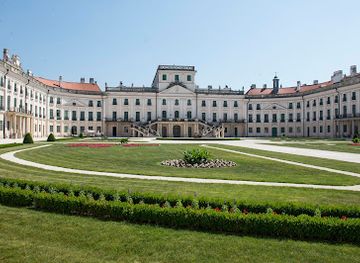
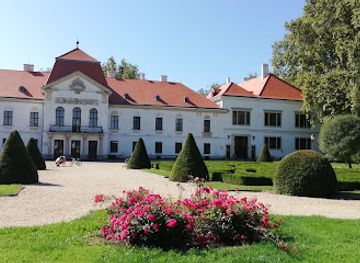
Esterházy-kastély
Explore the Baroque elegance and rich history of Esterházy Palace, a cultural gem in Fertőd, Hungary, perfect for history and architecture enthusiasts.
-
Historical landmark
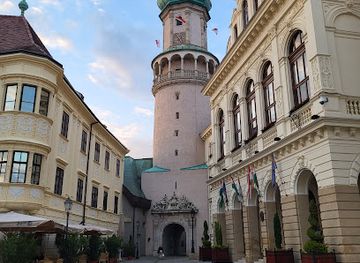
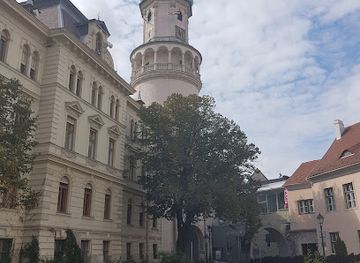
Fire Tower
Explore the majestic Fire Tower in Sopron, a historical landmark offering breathtaking views and rich cultural experiences in Hungary.
-
Tourist attraction
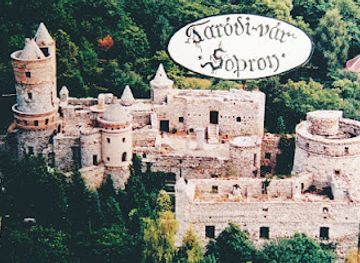
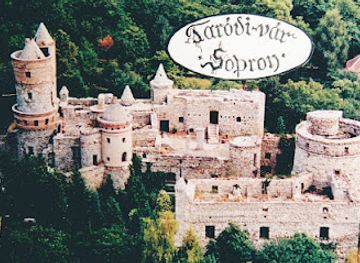
Taródi vár
Discover the enchanting Taródi Vár in Sopron, Hungary—a captivating castle filled with history, stunning views, and lush gardens.
-
National park
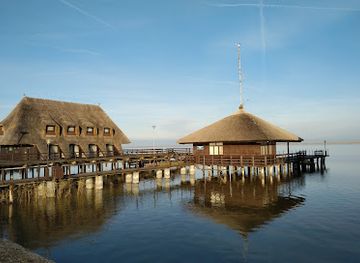
Fertő-Hanság National Park
Explore the breathtaking landscapes of Fertő-Hanság National Park, a UNESCO site rich in wildlife and natural beauty in Hungary.
Best landmarks in Sopron region
Sopron’s Firewatch Tower is the region’s most recognisable urban landmark, rising above the main square and symbolising the city’s historic civic identity. The medieval walls, Gothic Goat Church and Baroque townhouses around the old centre show how Roman, medieval and early modern layers remain interwoven. At Fertőd, Esterházy Palace is the outstanding architectural landmark: its formal design and aristocratic scale express the power of the Esterházy family and the cultural ambitions of eighteenth-century Hungary. Nagycenk’s Széchenyi memorial landscape commemorates one of the country’s most influential nineteenth-century families, while the long avenues and estate buildings give the settlement a distinctive historic form. Near Fertőrákos, the former limestone quarry is both a geological feature and a notable cultural site. The reed beds, open waters and broad horizons of Lake Fertő provide the region’s principal natural landmarks, contrasting sharply with Sopron’s enclosed streets and the wooded slopes of the Lövér Hills.
-
Historical landmark
Fire Tower
Discover the Fire Tower of Sopron: A historical landmark offering breathtaking views and a glimpse into Hungary's rich cultural heritage.
-
Vista point
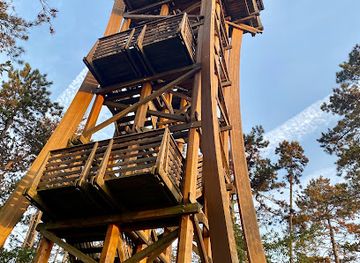
Sörházdombi-kilátó
Discover the stunning 360-degree views of Sopron and Lake Fertő at Sörházdombi Lookout, a must-visit scenic spot for every traveler.
-
Tourist attraction
Taródi vár
Experience the enchanting beauty and rich history of Taródi Vár, a hidden gem in Sopron, Hungary, perfect for a memorable day of exploration.
-
Castle
Széchenyi-kastély
Explore the exquisite Széchenyi-kastély, a stunning Baroque castle in Nagycenk, Hungary, showcasing rich history and breathtaking architecture.
Explore Sopron region on the map
Plan your trip on one map. See where the top cities, national parks and sights are, and book hotels and experiences in a few clicks.
Best hotels in Sopron region
Best restaurants in Sopron region
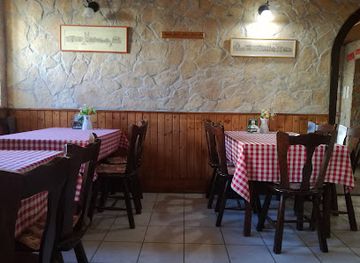
Dining in the Sopron region reflects western Hungary’s borderland position, with Hungarian cooking accompanied by Central European influences. Sopron’s restaurants and cafés serve familiar national dishes alongside seasonal menus featuring pork, poultry, game, freshwater fish, soups, stews and vegetable preparations. Local wine is central to the table, particularly Kékfrankos and other wines from the Sopron wine region, and tastings may take place in traditional cellars or contemporary wine bars. Around the Fertő basin, rural inns and village restaurants provide a slower setting for regional meals, while markets and specialist producers offer fruit, preserves, pastries and other local goods when in season. Nagycenk and the villages near the lake are useful places to look for country-style cooking, although opening patterns can be seasonal. Visitors should distinguish genuinely local produce from dishes that are simply part of broader Hungarian cuisine, while allowing room for Austrian-influenced baking and café traditions close to the border.
-
Steak
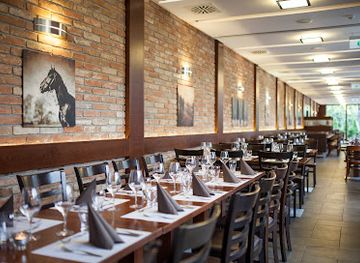
Papa Joe's Saloon & Steakhouse
Experience authentic American flavors at Papa Joe's Saloon & Steakhouse in Sopron - where great food meets lively ambiance.
-
Restaurant
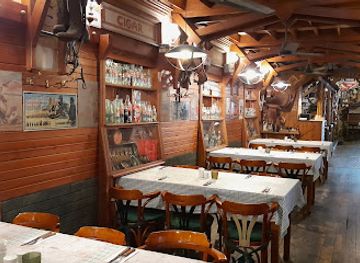
Tercia Hubertus Étterem és Panzió
Discover authentic Hungarian cuisine at Tercia Hubertus Étterem és Panzió amidst serene woodlands near Sopron.
-
Restaurant
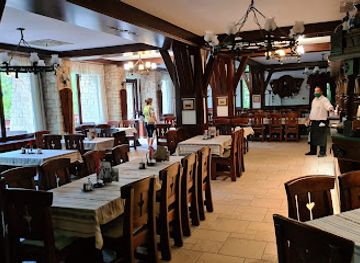
Deák Étterem
Discover the flavors of Hungary at Deák Étterem in Sopron - where tradition meets taste in a cozy setting.
-
Hungarian
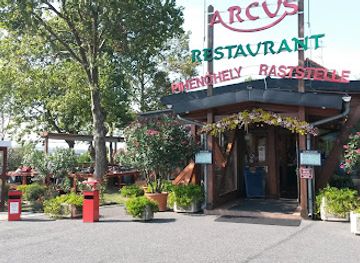
Arcus Bisztró
Experience authentic Hungarian flavors at Arcus Bisztró in Sopron – a culinary delight in every bite.
Best bars in Sopron region
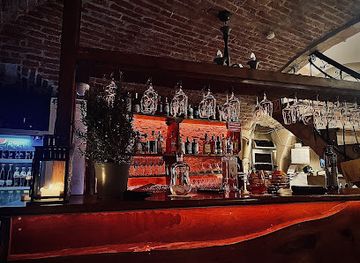
Sopron has the region’s most varied evening scene, centred on wine bars, cafés, traditional pubs and restaurants in and around the historic centre. Its wine-cellar culture gives evenings a strongly local character, with Kékfrankos and other regional wines often more prominent than a large cocktail or nightclub circuit. Students and younger residents support a modest selection of contemporary bars and live-music evenings, while larger entertainment options are concentrated in the town rather than in the surrounding villages. Outside Sopron, nightlife generally means a village inn, a restaurant, a seasonal lakeside venue or a planned wine tasting. The Fertő area becomes quieter after daytime visitors leave, and rural transport is limited, so arrange a return journey before drinking. Evening cultural events at established venues may occur seasonally, but schedules should be checked locally.
-
Steak
Papa Joe's Saloon & Steakhouse
Experience the best of American dining at Papa Joe's Saloon & Steakhouse in Sopron, where delicious steaks and a vibrant atmosphere await.
-
Restaurant
Tercia Hubertus Étterem és Panzió
Discover the culinary delights and cozy accommodations at Tercia Hubertus Étterem és Panzió in Sopron, where tradition meets comfort.
-
Restaurant
Perkovátz-Ház
Experience authentic Hungarian cuisine at Perkovátz-Ház in Sopron, where tradition meets taste in a cozy setting.
-
Restaurant
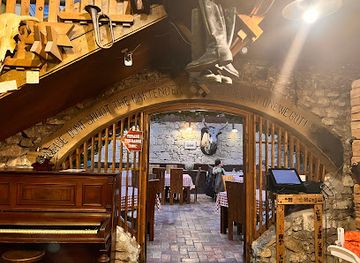
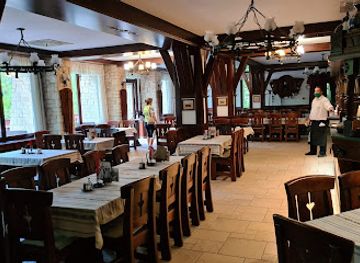
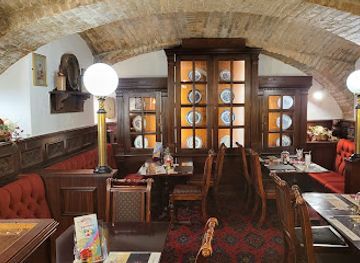
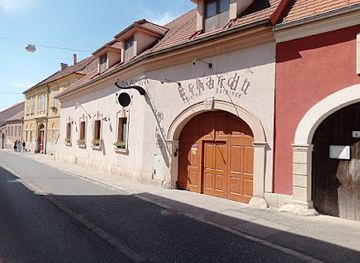
Erhardt Étterem Panzió Borpince és Vinotéka
Experience the heart of Hungarian cuisine at Erhardt Étterem Panzió, where delightful dishes and fine wines await in charming Sopron.
Best nightclubs in Sopron region
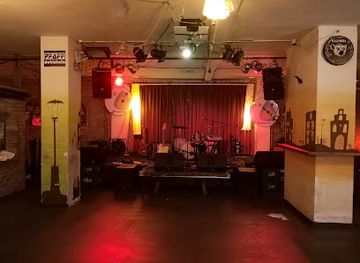
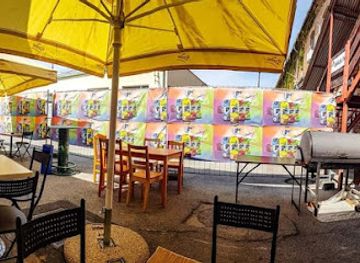
Sopron has the region’s most varied evening scene, centred on wine bars, cafés, traditional pubs and restaurants in and around the historic centre. Its wine-cellar culture gives evenings a strongly local character, with Kékfrankos and other regional wines often more prominent than a large cocktail or nightclub circuit. Students and younger residents support a modest selection of contemporary bars and live-music evenings, while larger entertainment options are concentrated in the town rather than in the surrounding villages. Outside Sopron, nightlife generally means a village inn, a restaurant, a seasonal lakeside venue or a planned wine tasting. The Fertő area becomes quieter after daytime visitors leave, and rural transport is limited, so arrange a return journey before drinking. Evening cultural events at established venues may occur seasonally, but schedules should be checked locally.
-
Live music bar
Búgócsiga Akusztik Garden
Discover the enchanting Búgócsiga Akusztik Garden, where live music meets a cozy café atmosphere in the heart of Sopron.
-
Pub
Padlás Club
Discover the vibrant nightlife of Sopron at Padlás Club, where great drinks and friendly faces await in an inviting atmosphere.
-
Bar
Shelby's Gin Bar
Experience the finest selection of gins in a cozy yet sophisticated atmosphere at Shelby's Gin Bar in Sopron.
-
Restaurant
762 Smokehouse
Experience the fusion of exquisite dining and vibrant nightlife at 762 Smokehouse in Sopron, Hungary.
Best shops in Sopron region
Shopping is strongest in Sopron’s historic centre, where independent food shops, wine retailers, cafés, bookshops, craft outlets and small gift shops occupy streets around the main squares. Regional wine is the most characteristic purchase, particularly when bought from a reputable producer or specialist merchant with clear information about provenance and transport. Local honey, preserves, paprika products, confectionery and other Hungarian foods are practical gifts, while seasonal markets may offer farm produce and baked goods. The surrounding villages have fewer permanent shops but provide opportunities to buy directly from wineries and small producers by arrangement. Fertőd and Nagycenk are primarily heritage destinations rather than major retail centres, so do not expect extensive shopping districts outside Sopron. Visitors seeking larger mainstream retail selections will find them in modern commercial areas on the town’s outskirts, whereas the old centre is better for regional products, crafts, antiques and objects connected with Sopron’s wine and borderland culture.
-
Historical landmark
Fire Tower
Discover the historical charm and breathtaking views of the Fire Tower, a must-visit landmark in the heart of Sopron.
-
Shopping mall
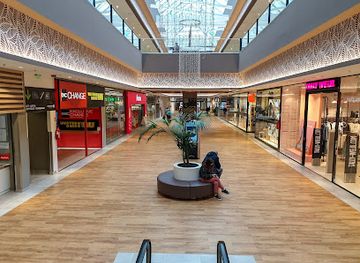
Sopron Plaza
Explore the vibrant Sopron Plaza, a bustling shopping mall with diverse retail options, dining experiences, and family-friendly entertainment in the heart of Sopron, Hungary.
-
Hypermarket
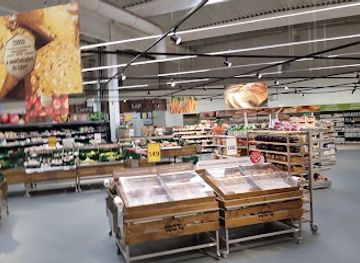
TESCO Sopron Hipermarket
Explore TESCO Sopron Hipermarket: Your One-Stop Shop for Local Delicacies and Everyday Essentials in the Heart of Sopron.
-
Restaurant
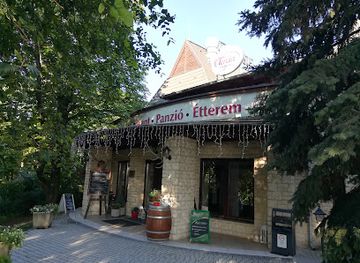
Tercia Hubertus Étterem és Panzió
Discover the culinary delights and warm hospitality of Tercia Hubertus Étterem és Panzió in the beautiful city of Sopron.
Get your free copy of our complete guide to Sopron region, delivered straight to you.
Everything on this page, from attractions and restaurants to essentials and local phrases, in one PDF you can read offline, print or share.
Already have an account? Sign in
Your Sopron region guide is ready.
We'll send it to · Not you? Sign out

Getting your guide ready…
We are putting together a fresh copy of the Sopron region guide. This can take up to a minute.
This can take a few moments. If your browser asks, choose Allow so the download can start. You'll find the guide in your Downloads folder.
Nothing happened? Download it again
Sorry, the guide is taking longer than usual. Please try again in a minute, or get it by email instead.
Sopron region essentials
Currency and Payment
Safety
Emergency Situations
Do's and Don'ts
Local Tips
From Eve
Local phrases worth knowing
You don't need to get them perfect. A few words go a long way, and locals appreciate the effort.
Basics
| English | Local | Say it |
|---|---|---|
| Hello | Helló | [heh-loh] |
| Goodbye | Viszlát | [vees-laht] |
| Yes | Igen | [ee-gen] |
| No | Nem | [nem] |
| Please/You're welcome | Kérem | [keh-rem] |
| Thank you | Köszönöm | [kuh-suh-nuhm] |
| Excuse me/Sorry | Elnézést | [el-neh-zayst] |
| How are you? | Hogy vagy? | [hodj vahd] |
| Fine. And you? | Jól. És te? | [yohl. es teh] |
| Do you speak English? | Beszélsz angolul? | [beh-sayls ahn-goh-lool] |
| I don't understand | Nem értem | [nem air-tem] |
Eating & Drinking
| English | Local | Say it |
|---|---|---|
| I'd like to see the menu, please | Szeretném megnézni az étlapot, kérem | [seh-reht-neem meg-nayz-nee az ayt-lah-pot, keh-rem] |
| I don't eat meat | Nem eszem húst | [nem eh-sem hoosht] |
| Cheers! | Egészségedre! | [eh-gehs-sheh-ged-reh] |
| I would like to pay, please | Fizetni szeretnék, kérem | [fee-zet-nee seh-reht-neek, keh-rem] |
Emergencies
| English | Local | Say it |
|---|---|---|
| Help! | Segíts! | [seh-geet-sh] |
| Go away! | Menj el! | [men-y el] |
| Call the Police! | Hívd a rendőrséget! | [heevd ah ren-dohr-sheh-get] |
| Call a doctor! | Hívj orvost! | [heev-y or-vosht] |
| I'm lost | Elvesztem | [el-ves-tem] |
| I'm ill | Beteg vagyok | [beh-tehg vah-dyok] |
Shopping
| English | Local | Say it |
|---|---|---|
| I'd like to buy... | Szeretnék venni... | [seh-reht-neek ven-nee] |
| I'm just looking | Csak nézelődöm | [chahk nay-zeh-loh-doom] |
| How much is it? | Mennyibe kerül? | [men-nee-beh keh-rool] |
| That's too expensive | Ez túl drága | [ez tool drah-gah] |
| Can you lower the price? | Le tudná csökkenteni az árat? | [leh tood-nah chuhk-ken-teh-nee az ah-raht] |
Time & Numbers
| English | Local | Say it |
|---|---|---|
| What time is it? | Háy van? | [hahy vahn] |
| It's one o'clock | Egy óra van | [edj oh-rah vahn] |
| Half past (10) | Fél (10) | [fehl (10)] |
| Morning | Reggel | [rehg-gel] |
| Afternoon | Délután | [day-loo-tahn] |
| Evening | Este | [esh-teh] |
| Yesterday | Tegnap | [teh-nahp] |
| Today | Ma | [mah] |
| Tomorrow | Holnap | [hohl-nahp] |
| 1 | 1 | [1] |
| 2 | 2 | [2] |
| 3 | 3 | [3] |
| 4 | 4 | [4] |
| 5 | 5 | [5] |
| 6 | 6 | [6] |
| 7 | 7 | [7] |
| 8 | 8 | [8] |
| 9 | 9 | [9] |
| 10 | 10 | [10] |
Transport & Directions
| English | Local | Say it |
|---|---|---|
| Where's a/the...? | Hol van egy...? | [hohl vahn edj] |
| What's the address? | Mi a cím? | [mee ah teem] |
| Can you show me (on the map)? | Meg tudnád mutatni (a térképen)? | [meg tood-nahd moo-taht-nee (ah tayr-kay-pen)] |
| When's the next (bus)? | Mikor jön a következő (busz)? | [mee-kor yohn ah keh-vet-keh-zoe (booz)] |
| A ticket (to ....) | Egy jegy (.....) | [edj yehd (.....)] |
History of Sopron region
Prehistoric and Celtic Settlement
The Sopron hills and the Fertő basin have supported settlement since prehistoric times, with archaeological evidence showing long-term occupation, farming and metalworking. Celtic communities were established in the wider area before the Roman period, and their presence helped shape the routes later incorporated into the imperial road system. The region’s position between the Alpine lands and the Pannonian plain made it a corridor for movement, exchange and conflict long before the emergence of the modern Hungarian-Austrian frontier.
Roman Scarbantia
The Romans developed Scarbantia on the site of present-day Sopron during the first centuries of imperial rule. It became an important settlement and road station in the province of Pannonia, linked to routes connecting the Danube region with the Alpine provinces and the Adriatic world. Remains of streets, walls, buildings and burial sites survive beneath and around modern Sopron. Roman archaeological discoveries provide the earliest clearly documented urban layer in the region and help explain Sopron’s enduring importance as a western gateway.
The Medieval Free Royal City
After the Hungarian conquest and the formation of the medieval kingdom, Sopron developed as a fortified settlement and regional commercial centre. King Ladislaus IV granted it the status of a free royal town in 1277, strengthening its political privileges and encouraging trade. Medieval churches, defensive walls and the compact street pattern of the historic centre reflect this period of growth. The town’s connections with German-speaking communities and neighbouring Austrian territories gave it a notably Central European character.
Borderland, Reformation and Aristocratic Estates
From the sixteenth century onwards, Sopron occupied a sensitive position on the Habsburg-Ottoman frontier, even though the town itself did not experience the same prolonged Ottoman occupation as much of central Hungary. Religious change, Habsburg administration and the influence of major landowning families all shaped the surrounding countryside. The Esterházy estate at Fertőd became particularly important, while the Széchenyi family’s centre at Nagycenk later embodied the political and cultural ambitions of Hungary’s reform-era aristocracy.
Wine, Forestry and Mining
The region’s economy was shaped by several complementary activities. Vineyards around Sopron benefited from the hills’ soils and relatively cool climate, with red wine becoming especially associated with the area. Forest management supplied timber and employment, while coal mining developed around Brennbergbánya from the eighteenth century and continued into the twentieth century. These industries left visible marks on settlement patterns, local transport and the cultural landscape, even though mining has ceased and agriculture and tourism now play a greater role.
The 1921 Sopron Plebiscite
The post-First World War settlement initially assigned Sopron and several surrounding villages to Austria under the Treaty of Saint-Germain and the Treaty of Trianon. Following armed resistance and international mediation, a plebiscite was held in December 1921. The majority vote favoured Hungary, and Sopron subsequently became known in Hungary as the ‘Civitas Fidelissima’, or Most Loyal City. The decision remains a defining episode in the city’s modern identity and explains the prominence of the plebiscite in local memorials and civic history.
The Border Opens in 1989
The Sopron borderland acquired international significance again during the collapse of communist rule in Central Europe. On 19 August 1989, the Pan-European Picnic took place near the Hungarian-Austrian border, close to Sopronpuszta. During the symbolic event, a temporary opening allowed East German citizens to cross into Austria, an episode that contributed to the weakening of the Iron Curtain. The nearby border landscape and commemorative sites connect the region with the wider political transformation that led to the opening of Central Europe.
Sopron region in Photos
Browse through our photo collection highlighting the charm and character of the destination.
Neighbouring regions of Sopron region
The closest regions to Sopron region, if you have time for more than one.
-

-

-

-

-


Swipe for more regions
Explore more

Explore more of Hungary
Discover Hungary: A land of historic cities, scenic landscapes, thermal baths, and rich culinary traditions in the heart of Europe.
Explore Hungary