

Free Fertő region Travel Guide & Mobile App
Explore Fertő region with free travel guides. Discover regional history, expert tips, proposed trips, and audio guides on web or mobile app.


Explore Hungary’s Fertő region for reed-fringed wetlands, Esterházy Palace, cycling routes, village heritage and the quiet landscapes of a border lake.
Read more about Fertő region
When is the best time to visit Fertő region?
Best: June–August · 24–26°C| Month | High (°C) | Rainfall (mm) |
|---|---|---|
| January | 2 | 35 |
| February | 3 | 33 |
| March | 10 | 38 |
| April | 15 | 42 |
| May | 21 | 52 |
| June (best) | 24 | 60 |
| July (best) | 26 | 62 |
| August (best) | 26 | 57 |
| September | 21 | 50 |
| October | 15 | 41 |
| November | 8 | 44 |
| December | 4 | 40 |
Getting to and around Fertő region
How to get there
Transportation
Top city travel guides in Fertő region
The cities of Fertő region, and the easiest places to base yourself.

Swipe for more cities
Destinations in Fertő region
Resorts, valleys and scenic spots worth a trip of their own.

Swipe for more destinations
Best attractions in Fertő region
The Fertő region’s attractions combine a protected wetland landscape with unusually concentrated cultural heritage. Esterházy Palace in Fertőd is the principal architectural attraction, offering state rooms, gardens and an introduction to the aristocratic court that once dominated the district. Fertő-Hanság National Park provides birdwatching, guided walks, observation opportunities and an understanding of reed management, grazing and seasonal water habitats. Around the lake, cycling routes link villages, vineyards, farm landscapes and selected viewpoints, while the Hungarian shore’s extensive reedbeds create a quieter experience than a conventional resort coastline. Fertőrákos adds a former limestone quarry with geological and performance associations, together with the Roman Mithraeum. Nagycenk brings Széchenyi family history and railway heritage into the itinerary, while village churches, traditional houses and small local exhibitions reward slower exploration. The region also supports fishing traditions, horse-based rural programmes and nature-focused excursions, although access to sensitive habitats is regulated and some activities require a guide or advance planning.
-
Castle
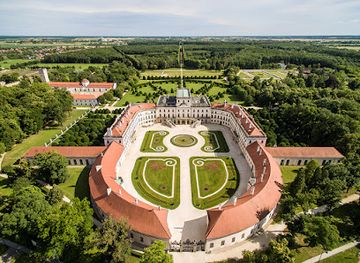
Esterházy-kastély
Explore the opulence of Esterházy-kastély in Fertőd, where history and culture come alive in a stunning baroque setting.
-
National reserve
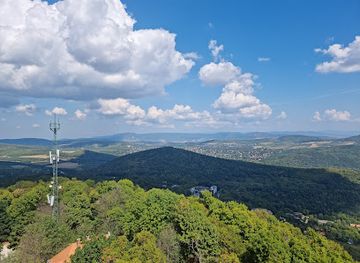
Buda Landscape Protection Area
Discover the breathtaking Buda Landscape Protection Area, a national reserve filled with rich biodiversity, scenic hiking trails, and cultural heritage near Budapest.
-
Tourist attraction
Podersdorf Lighthouse
Discover the charm of Podersdorf Lighthouse on Lake Neusiedl, a picturesque destination for breathtaking views and unforgettable memories.
-
Tourist attraction
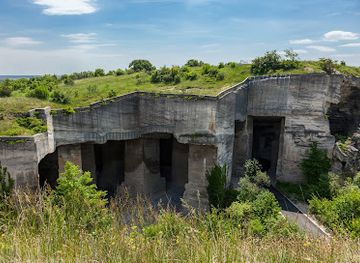
Fertőrákosi Kőfejtő és Barlangszínház
Discover the enchanting Fertőrákosi Kőfejtő és Barlangszínház, where stunning limestone landscapes meet captivating cultural performances in Hungary.


Best landmarks in Fertő region
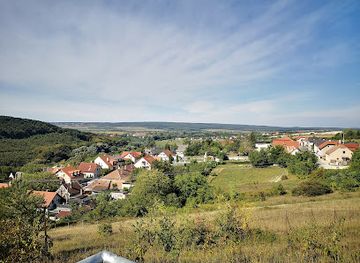
Esterházy Palace at Fertőd is the region’s defining architectural landmark, a vast eighteenth-century Baroque ensemble whose formal rooms, courtyards and gardens express the former power of the Esterházy princes. At Fertőrákos, the old limestone quarry forms a distinctive geological and built landscape, its high walls revealing the material historically used in western Hungarian construction. The nearby Mithraeum is a rarer and more intimate landmark: a Roman sanctuary that connects the modern village with the religious life of ancient Pannonia. Nagycenk’s Széchenyi memorial complex and family mausoleum commemorate the reform-era statesman and the long local influence of the Széchenyi family; the historic railway connection adds industrial and transport symbolism. Around the lake, traditional village churches, whitewashed houses and farm buildings are significant as a group rather than as isolated monuments. The reed-fringed expanse of Lake Fertő itself is the region’s major natural landmark, while the shared Hungarian-Austrian cultural landscape explains why the area is recognised internationally as a transboundary heritage setting.
-
Castle
Esterházy-kastély
Discover the grandeur of Esterházy Castle in Fertőd, Hungary, where history, art, and music converge in a stunning baroque setting.
-
Open air museum
Fertőrákosi Kőfejtő és Barlangszínház
Discover the breathtaking limestone formations and cultural heritage at Fertőrákosi Kőfejtő és Barlangszínház, a must-visit open-air museum in Hungary.
-
National park
Fertő-Hanság National Park
Explore Fertő-Hanság National Park, a UNESCO World Heritage site, where stunning landscapes, diverse wildlife, and rich cultural heritage await you.
-
Scenic spot
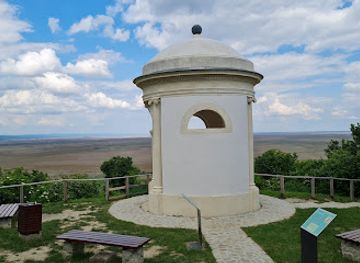
Gloriette kilátó
Discover the breathtaking Gloriette in Fertőboz, a scenic spot offering stunning views, tranquil nature, and a glimpse into the region's rich cultural heritage.
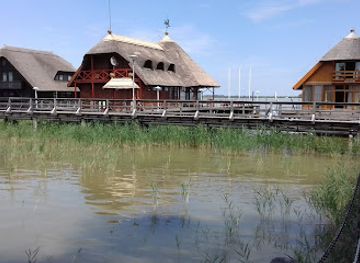
Explore Fertő region on the map
Plan your trip on one map. See where the top cities, national parks and sights are, and book hotels and experiences in a few clicks.
Best hotels in Fertő region
Best restaurants in Fertő region
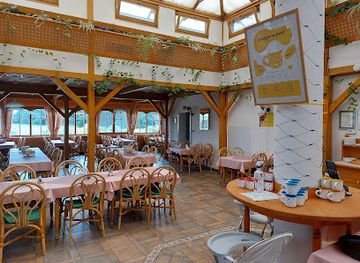
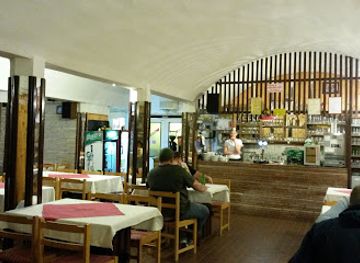
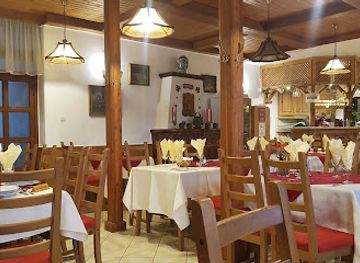
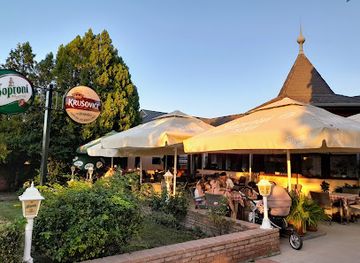
Dining in the Fertő region reflects the food culture of western Hungary and the agricultural landscape around the lake. Rural restaurants, guesthouses, inns and village cafés commonly serve hearty dishes based on pork, poultry, freshwater fish, seasonal vegetables and soups, with goose appearing particularly often in the culinary traditions of the wider Transdanubian countryside. Pastries, strudels and other baked sweets suit the region’s Central European connections, while wines from the nearby Sopron wine district provide a natural accompaniment, although the vineyards themselves extend beyond the immediate lakeshore in places. Fertőd and the larger villages offer the broadest choice, while smaller settlements may have limited opening days or seasonal service. Farmers’ markets and local producers can provide fruit, preserves, honey, smoked products and baked goods when available. Visitors should distinguish between everyday Hungarian cooking and dishes marketed specifically as local, since the region’s cuisine is part of a wider western Hungarian tradition rather than a separate, rigidly defined lake cuisine.
-
Restaurant
Tercia Fertőendréd
Discover authentic Hungarian cuisine at Tercia Fertőendréd – where tradition meets warm hospitality in a picturesque setting.
-
Restaurant
Mithras Vendéglő
Experience authentic Hungarian cuisine with stunning views at Mithras Vendéglő near Fertő Lake.
-
Restaurant
Bozi-Rozi Csárda
Experience authentic Hungarian flavors at Bozi-Rozi Csárda near Fertő Lake – where tradition meets taste in a charming setting.
-
Restaurant
Polgármester Étterem és Panzió
Experience authentic Hungarian cuisine at Polgármester Étterem és Panzió in beautiful Fertőszéplak - where tradition meets flavor.
Best bars in Fertő region
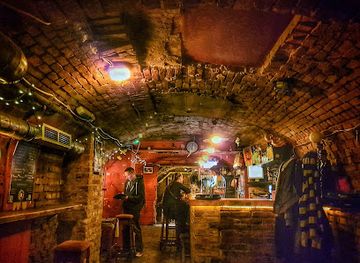
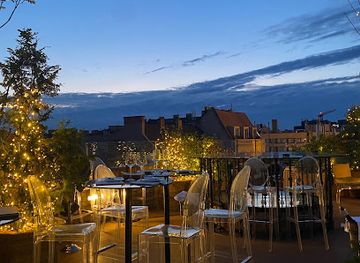
Evenings in the Fertő region are generally quiet and centre on traditional pubs, village restaurants, hotel bars and wine-focused venues rather than a large nightclub scene. Fertőd and the bigger settlements provide the most dependable choice for a drink after sightseeing, while smaller villages may have only a local bar or an inn serving beer, wine and spirits. The nearby Sopron wine district influences the region’s evening culture, with tastings and cellar-style experiences available in the broader area, though individual opening arrangements vary. Summer cultural programming and performances associated with major heritage sites can add an evening dimension, but they should be checked in advance. Visitors looking for clubs, late-night music or a wider choice of cocktail bars will generally find more options in Sopron, which is outside the immediate Fertő region. In the lake villages, respectful noise levels matter because accommodation is often close to private homes and working farms.
-
Bar
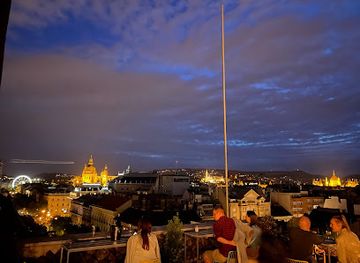
360 Bar
Enjoy breathtaking panoramic views of Budapest while sipping expertly crafted cocktails at the iconic 360 Bar, a must-visit destination for every traveler.
-
Cocktail bar
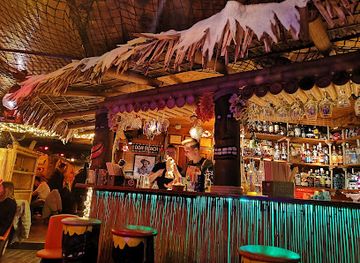
Rumpus Tiki Bar
Experience the vibrant atmosphere and exotic cocktails at Rumpus Tiki Bar, Budapest's tropical escape in the heart of the city.
-
Pub
Lámpás Student Pub
Experience the vibrant nightlife of Budapest at Lámpás Student Pub, a lively gathering spot for students and travelers, offering a unique blend of drinks and atmosphere.
-
Bar
High Note SkyBar
Experience breathtaking views and exquisite cocktails at Budapest's High Note SkyBar, the ultimate rooftop destination for relaxation and enjoyment.
Best nightclubs in Fertő region
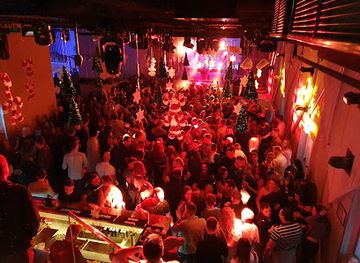
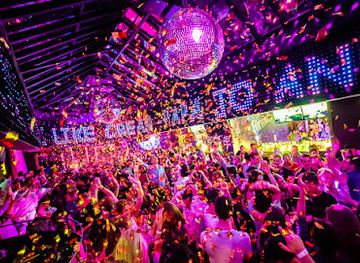
Evenings in the Fertő region are generally quiet and centre on traditional pubs, village restaurants, hotel bars and wine-focused venues rather than a large nightclub scene. Fertőd and the bigger settlements provide the most dependable choice for a drink after sightseeing, while smaller villages may have only a local bar or an inn serving beer, wine and spirits. The nearby Sopron wine district influences the region’s evening culture, with tastings and cellar-style experiences available in the broader area, though individual opening arrangements vary. Summer cultural programming and performances associated with major heritage sites can add an evening dimension, but they should be checked in advance. Visitors looking for clubs, late-night music or a wider choice of cocktail bars will generally find more options in Sopron, which is outside the immediate Fertő region. In the lake villages, respectful noise levels matter because accommodation is often close to private homes and working farms.
-
Night club
Instant-Fogas Complex
Discover Budapest's vibrant nightlife at Instant-Fogas Complex, a hub of entertainment featuring bars, clubs, and unforgettable dance floors.
-
Night club
Club Heaven Budapest
Discover the electrifying nightlife at Club Heaven Budapest, where music, dancing, and unforgettable experiences await every night of the week.
-
Night club
Peaches And Cream Club
Experience the electrifying nightlife of Budapest at Peaches And Cream Club, where music and dance unite for unforgettable nights.
-
Night club
Retro Disco Remix
Dive into the electric nightlife of Budapest at Retro Disco Remix, where retro vibes meet modern beats in a vibrant atmosphere.

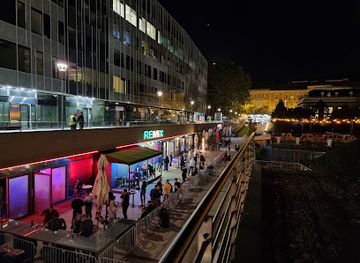
Best shops in Fertő region
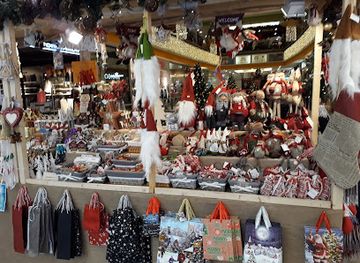
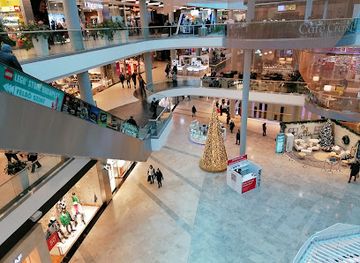
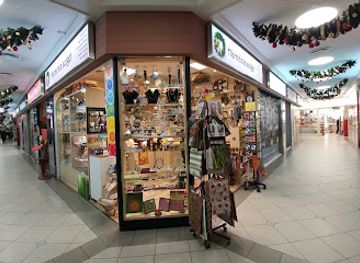
Shopping in the Fertő region is modest and locally oriented, with the best opportunities found in Fertőd, larger villages, nearby market towns and seasonal producers’ stalls rather than dedicated retail districts. Look for honey, preserves, fruit products, smoked foods, baked goods and wines associated with the wider Sopron area, checking provenance when a product is presented as specifically local. Village markets and farm shops, where operating, are useful for picnic supplies and regional produce, although schedules can be seasonal. Craft shops and heritage venues may offer ceramics, textiles, postcards, books and small items connected with Esterházy history or the lake landscape. Traditional village architecture and rural food culture are often more distinctive souvenirs than mass-produced merchandise. Sopron, outside the immediate Fertő region, provides a broader choice of shops, galleries and everyday services if a visit is combined with the lake district. Carry cash for small producers, and remember that Hungarian and Austrian prices and currencies differ across the nearby border.
-
Shopping mall
Westend
Explore Westend, Budapest's bustling shopping mall with over 400 shops, diverse dining options, and vibrant entertainment for all ages.
-
Shopping mall
ÁRKÁD Budapest
Discover ÁRKÁD Budapest, a vibrant shopping destination offering diverse retail, dining, and entertainment options in the heart of the city.
-
Shopping mall
Allee Mall
Discover Allee Mall in Budapest: a top shopping destination with diverse brands, dining options, and entertainment for the ultimate retail experience.
-
Shopping mall
Mammut
Explore Mammut, Budapest's bustling shopping mall boasting top international brands and delightful dining, perfect for every tourist's itinerary.

Get your free copy of our complete guide to Fertő region, delivered straight to you.
Everything on this page, from attractions and restaurants to essentials and local phrases, in one PDF you can read offline, print or share.
Already have an account? Sign in
Your Fertő region guide is ready.
We'll send it to · Not you? Sign out

Getting your guide ready…
We are putting together a fresh copy of the Fertő region guide. This can take up to a minute.
This can take a few moments. If your browser asks, choose Allow so the download can start. You'll find the guide in your Downloads folder.
Nothing happened? Download it again
Sorry, the guide is taking longer than usual. Please try again in a minute, or get it by email instead.
Fertő region essentials
Currency and Payment
Safety
Emergency Situations
Do's and Don'ts
Local Tips
From Eve
Local phrases worth knowing
You don't need to get them perfect. A few words go a long way, and locals appreciate the effort.
Basics
| English | Local | Say it |
|---|---|---|
| Hello | Szia | [see-yah] |
| Goodbye | Viszlát | [vees-laht] |
| Yes | Igen | [ee-gen] |
| No | Nem | [nem] |
| Please/You're welcome | Kérem | [kay-rem] |
| Thank you | Köszönöm | [kuh-suh-nuhm] |
| Excuse me/Sorry | Elnézést | [el-nay-zest] |
| How are you? | Hogy vagy? | [hodj vahd] |
| Fine. And you? | Jól. És te? | [yohl. aysh teh] |
| Do you speak English? | Beszélsz angolul? | [beh-sayls ahn-goh-lool] |
| I don't understand | Nem értem | [nem air-tem] |
Eating & Drinking
| English | Local | Say it |
|---|---|---|
| I'd like to see the menu, please | Szeretném megnézni az étlapot, kérem | [seh-reht-neem mehg-nayz-nee ahz ayt-lah-poh-t, kay-rem] |
| I don't eat meat | Nem eszem húst | [nem eh-sem hoosht] |
| Cheers! | Egészségedre! | [eh-geys-sheh-ged-reh] |
| I would like to pay, please | Szeretném kifizetni, kérem | [seh-reht-neem kee-fee-zet-nee, kay-rem] |
Emergencies
| English | Local | Say it |
|---|---|---|
| Help! | Segíts! | [seh-geetsh] |
| Go away! | Menj el! | [meny el] |
| Call the Police! | Hívd a rendőrséget! | [heevd ah ren-dor-sheh-get] |
| Call a doctor! | Hívd az orvost! | [heevd ahz or-vosh-t] |
| I'm lost | Elvesztem | [el-ves-tem] |
| I'm ill | Beteg vagyok | [beh-teg vah-djok] |
Shopping
| English | Local | Say it |
|---|---|---|
| I'd like to buy... | Szeretnék venni... | [seh-reht-neek ven-nee] |
| I'm just looking | Csak nézelődöm | [chok nay-zeh-loh-duhm] |
| How much is it? | Mennyibe kerül? | [men-yi-beh keh-rul] |
| That's too expensive | Az túl drága | [ahz tool drah-gah] |
| Can you lower the price? | Le tudná csökkenteni az árat? | [leh tood-nah chuhk-ken-teh-nee ahz ah-raht] |
Time & Numbers
| English | Local | Say it |
|---|---|---|
| What time is it? | Hány óra van? | [hahn-y oh-rah vahn] |
| It's one o'clock | Egy óra van | [edj oh-rah vahn] |
| Half past (10) | Fél (10) | [fehl (10)] |
| Morning | Reggel | [rehg-gel] |
| Afternoon | Délután | [day-loo-tahn] |
| Evening | Este | [esh-teh] |
| Yesterday | Tegnap | [teh-nahp] |
| Today | Ma | [mah] |
| Tomorrow | Holnap | [hol-nahp] |
| 1 | 1 | [1] |
| 2 | 2 | [2] |
| 3 | 3 | [3] |
| 4 | 4 | [4] |
| 5 | 5 | [5] |
| 6 | 6 | [6] |
| 7 | 7 | [7] |
| 8 | 8 | [8] |
| 9 | 9 | [9] |
| 10 | 10 | [10] |
Transport & Directions
| English | Local | Say it |
|---|---|---|
| Where's a/the...? | Hol van a...? | [hol vahn ah] |
| What's the address? | Mi a cím? | [mee ah teem] |
| Can you show me (on the map)? | Meg tudnád mutatni (a térképen)? | [meg tood-nahd moo-taht-nee (ah tair-kay-pen)] |
| When's the next (bus)? | Mikor jön a következő (busz)? | [mee-kor yohn ah keh-vet-keh-zoh (booz)?] |
| A ticket (to ....) | Egy jegy (a ....) | [edj yeh-dj (ah ....)] |
History of Fertő region
Prehistoric and Roman Lake Settlements
The Fertő basin has attracted settlement since prehistoric times because its wetlands, fish, grazing grounds and surrounding soils supported varied livelihoods. Archaeological evidence from the wider region records communities active before the Roman period, while Roman influence is particularly visible around Fertőrákos. The Mithraeum there, a small sanctuary dedicated to the eastern god Mithras, reflects the religious diversity of the Roman frontier. Roads, military movement and agricultural estates connected the lake district to the wider Roman province of Pannonia.
Medieval Borderland Communities
During the Middle Ages, villages around the Hungarian side of the lake developed within a frontier zone shaped by royal administration, noble estates, churches and trade routes linking western Hungary with Austrian lands. Parish churches and village layouts preserve elements of this long settlement history. The lake itself was a resource and an obstacle: fishing, reed cutting, livestock grazing and seasonal agriculture existed alongside the risks of flooding and changing shorelines. Local communities therefore evolved practical knowledge of a highly variable wetland environment.
The Rise of the Esterházy Estate
From the seventeenth century, the Esterházy family became the dominant aristocratic power in the Fertő district. Their estates incorporated villages, farmland, forests and productive enterprises, while their patronage reshaped the cultural life of the area. The palace at Fertőd began as a hunting residence and was transformed into a grand princely complex during the eighteenth century. Its scale reflected the family’s political standing within the Habsburg Monarchy and made the settlement an important courtly centre in western Hungary.
Fertőd Palace and Court Culture in the Eighteenth Century
The development of Esterházy Palace at Fertőd reached its height under Prince Miklós Esterházy, who expanded the residence, gardens and associated buildings in the eighteenth century. The court maintained an orchestra and supported theatrical and musical performances; Joseph Haydn spent important periods in Esterházy service, though his career extended well beyond the region. The palace complex expressed aristocratic power through architecture and ceremony, while the surrounding estates supplied food, labour and materials for court life.
Széchenyi Reform and Nineteenth-Century Modernisation
Nagycenk is closely associated with Count István Széchenyi, a central figure in Hungary’s nineteenth-century reform movement. The Széchenyi family estate and memorial sites preserve connections with his efforts to promote transport, economic development, education and institutional reform. Railways later altered the relationship between the lake district, Sopron and larger commercial centres. Although the Fertő region remained predominantly rural, improved communications and changing estate management gradually linked its villages to the modernising economy of Hungary.
The Twentieth-Century Frontier
For much of the twentieth century, the international border across Lake Fertő was heavily controlled. The division between Hungary and Austria restricted ordinary movement and left many areas of the lakeshore inaccessible. The Iron Curtain and its security installations became part of the region’s recent history, while local communities on either side experienced separation despite shared environmental and cultural ties. The political changes of 1989 opened the frontier and allowed cross-border cooperation in nature conservation, tourism and heritage management to develop.
National Park and World Heritage Landscape
Fertő-Hanság National Park was established in Hungary in 1991, bringing stronger institutional protection to wetlands, meadows, marshes and traditional landscapes around the lake and in the Hanság. In 2001, the Fertő/Neusiedler See cultural landscape was inscribed as a transboundary UNESCO World Heritage site, recognising the interaction of natural conditions, settlement, farming, architecture and aristocratic land use. Conservation now remains central to the region’s identity, with tourism expected to function within a fragile wetland environment.
Fertő region in Photos
Browse through our photo collection highlighting the charm and character of the destination.
Neighbouring regions of Fertő region
The closest regions to Fertő region, if you have time for more than one.
-

-

-

-

-


Swipe for more regions
Explore more

Explore more of Hungary
Discover Hungary: A land of historic cities, scenic landscapes, thermal baths, and rich culinary traditions in the heart of Europe.
Explore Hungary