

Free Csallóköz Travel Guide & Mobile App
Explore Csallóköz with free travel guides. Discover regional history, expert tips, proposed trips, and audio guides on web or mobile app.


Explore Csallóköz in south-western Slovakia for Danube wetlands, cycling routes, thermal baths and the living heritage of its Hungarian-speaking communities.
Read more about Csallóköz
When is the best time to visit Csallóköz?
Best: June, August–September · 23–27°C| Month | High (°C) | Rainfall (mm) |
|---|---|---|
| January | 4 | 30 |
| February | 5 | 30 |
| March | 11 | 40 |
| April | 16 | 50 |
| May | 22 | 60 |
| June (best) | 26 | 70 |
| July | 28 | 80 |
| August (best) | 27 | 70 |
| September (best) | 23 | 60 |
| October | 17 | 50 |
| November | 8 | 40 |
| December | 4 | 30 |
Getting to and around Csallóköz
How to get there
Transportation
Best attractions in Csallóköz
Csallóköz’s attractions are shaped by water, open countryside and the cultural history of southern Slovakia. The Danube, the Little Danube and their side channels provide settings for cycling, fishing, birdwatching and quiet walks, while floodplain woods preserve a sense of the island’s older river landscape. The Gabčíkovo waterworks is an important example of modern river engineering and a defining feature of the region, although access and viewpoints vary by location. Dunajská Streda and Veľký Meder are notable for their thermal bathing complexes, which draw visitors in every season. Šamorín offers a more urban and cultural base in the west, while village churches, manor houses and local museums provide glimpses of settlement history. The region is particularly suited to travellers who prefer gentle outdoor activity, thermal relaxation and bilingual cultural exploration to a concentration of major monuments.
-
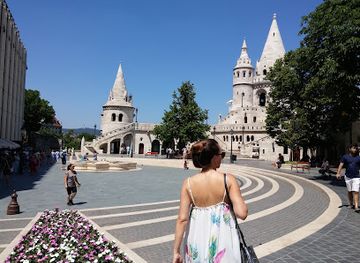
Fortress
Fisherman's Bastion
Explore the iconic Fisherman's Bastion in Budapest, a historical fortress with stunning views of the Danube and a rich cultural heritage.
-
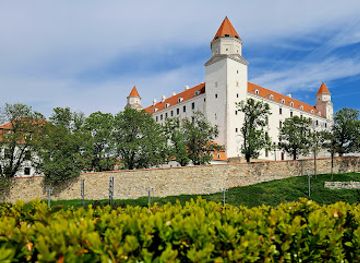
Castle
Bratislava Castle
Discover the grandeur of Bratislava Castle, a historical gem offering breathtaking views, rich culture, and a glimpse into Slovakia's storied past.
-
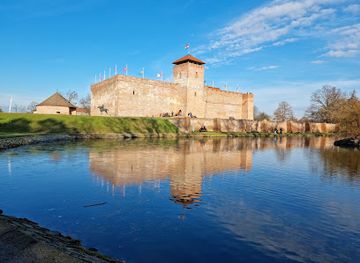
Fortress
Gyula castle
Explore Gyula Castle, a stunning medieval fortress in Hungary, rich in history and culture, offering picturesque views and engaging experiences for all travelers.
-
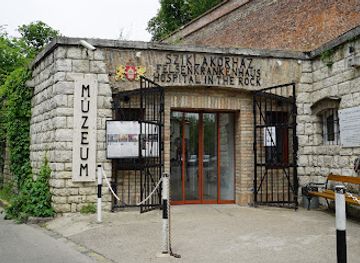
Museum
Hospital in the Rock
Discover the hidden history of Budapest at the Hospital in the Rock, a fascinating museum that reveals the secrets of wartime medical care.
Best landmarks in Csallóköz
The defining landmark of Csallóköz is not a single palace or peak but the great engineered and natural river system that encloses the island. The Danube and Little Danube establish its geography, while the Gabčíkovo waterworks symbolises the twentieth-century transformation of the river for navigation, energy and flood management. Dunajská Streda’s townscape provides the region’s main urban reference point, complemented by churches and civic buildings in surrounding settlements. Šamorín has a long-established town centre and historic religious architecture, while village churches and former manor properties mark the medieval and estate-based history of the countryside. The broad, level horizon, poplar avenues, channels and floodplain vegetation are themselves significant landscape landmarks, expressing how water regulation and agriculture have shaped Csallóköz.
-
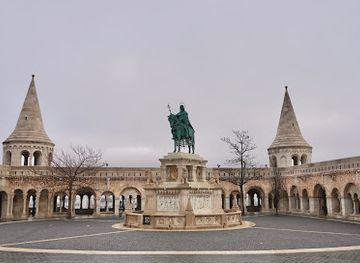
Fortress
Fisherman's Bastion
Explore the fairy-tale architecture and breathtaking views at Fisherman's Bastion in Budapest, an iconic historical site that captivates visitors year-round.
-
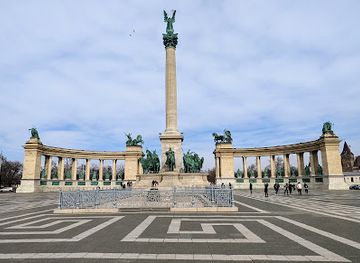
Plaza
Heroes' Square
Explore Heroes' Square, Budapest's iconic plaza celebrating Hungary's rich history with stunning monuments and a vibrant atmosphere.
-
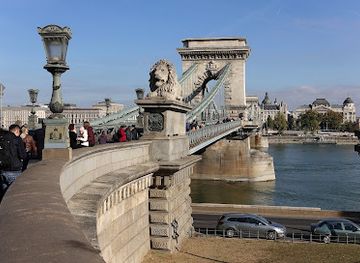
Bridge
Széchenyi Chain Bridge
Experience the beauty of Budapest at the Széchenyi Chain Bridge, a historical landmark connecting Buda and Pest with stunning views of the Danube.
-
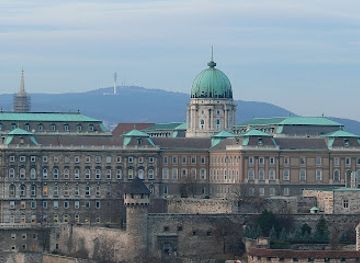
Castle
Buda Castle
Experience the splendor of Buda Castle, a historical gem in Budapest that enchants visitors with its stunning architecture and breathtaking views.
Explore Csallóköz on the map
Plan your trip on one map. See where the top cities, national parks and sights are, and book hotels and experiences in a few clicks.
Best hotels in Csallóköz
Best restaurants in Csallóköz
Dining in Csallóköz reflects the culinary overlap between southern Slovakia and Hungarian-speaking communities. Menus commonly feature soups, stews, dumplings, freshwater fish, pork, poultry, seasonal vegetables and pastries, with paprika and sour cream appearing in many familiar regional preparations. Dunajská Streda, Šamorín and the larger spa towns offer the broadest choice of restaurants, cafés and bakeries, while village establishments tend to be simpler and more traditional. Fish from the Danube basin remains part of the region’s culinary identity, though availability and preparation vary. Markets and farm shops can be useful for fruit, vegetables, honey and baked goods. Visitors should expect both Slovak and Hungarian dishes, as well as contemporary Central European cooking, rather than a single uniform Csallóköz cuisine.
-
Mediterranean
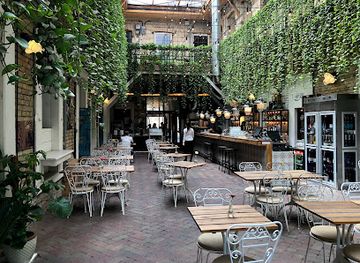
Mazel Tov
Experience authentic Mediterranean cuisine in Budapest at Mazel Tov - where vibrant flavors meet enchanting ambiance.
-
Hungarian
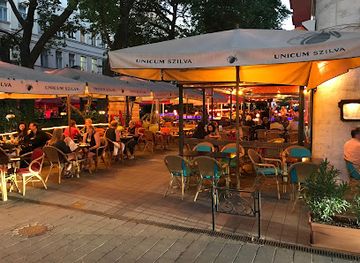
Menza Étterem és Kávéház
Savor authentic Hungarian cuisine at Menza Étterem és Kávéház, where tradition meets modernity in a vibrant setting.
-
Hungarian
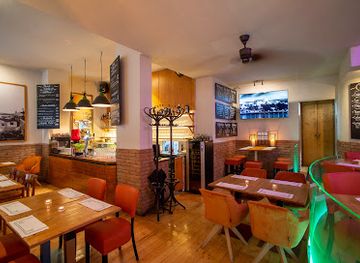
Parisi 6
Experience the essence of Hungarian cuisine at Parisi 6, where traditional flavors meet innovative vegetarian dining in Budapest.
-
Restaurant
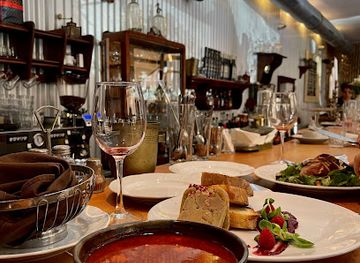
Gettó Gulyás
Experience authentic Hungarian cuisine at Gettó Gulyás, where every dish is steeped in tradition and bursting with flavor.
Best bars in Csallóköz
Evening life in Csallóköz is concentrated in Dunajská Streda, Šamorín and the larger thermal towns, rather than spread across the rural island. Visitors will find cafés, beer bars, wine-oriented venues, traditional pubs and restaurants where local residents meet after work. Dunajská Streda offers the widest choice of late-evening options, while Šamorín benefits from its proximity to the Bratislava area and has a more town-based cultural scene. Veľký Meder’s evening activity is closely linked to spa visitors and seasonal tourism. Smaller villages generally become quiet after dinner, with occasional community events or live music rather than a permanent nightclub scene. Slovak and Hungarian may both be heard in social settings.
-
Pub
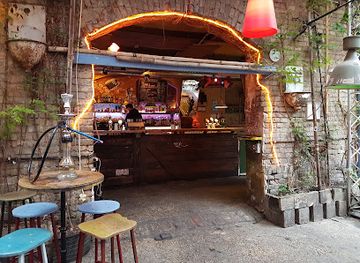
Szimpla Kert
Discover the vibrant spirit of Budapest at Szimpla Kert, a one-of-a-kind ruin pub blending culture, nightlife, and local flavor.
-
Night club
Instant-Fogas Complex
Explore the pulsating nightlife of Budapest at Instant-Fogas Complex, a diverse hub of bars and dance floors that promises an unforgettable experience.
-
Food court
Gozsdu Court
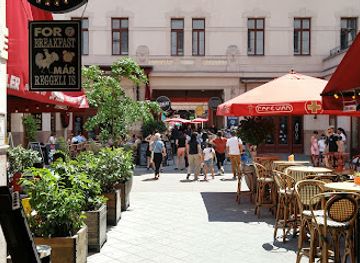
Discover the lively Gozsdu Court in Budapest, a food court and nightlife hotspot filled with diverse culinary delights and vibrant entertainment.
-
Live Music
Garden Kobuci
Discover Budapest's Garden Kobuci: A lively outdoor venue for unforgettable live music and vibrant nightlife experiences.

Best nightclubs in Csallóköz
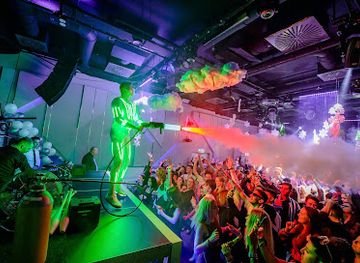
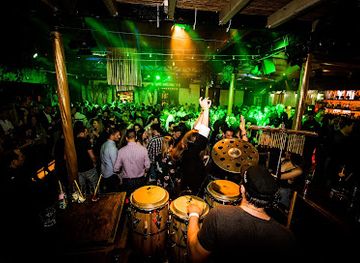
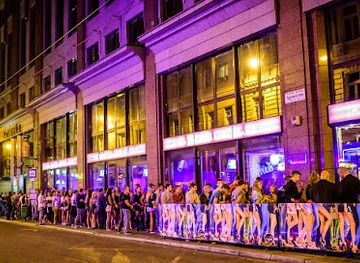
Evening life in Csallóköz is concentrated in Dunajská Streda, Šamorín and the larger thermal towns, rather than spread across the rural island. Visitors will find cafés, beer bars, wine-oriented venues, traditional pubs and restaurants where local residents meet after work. Dunajská Streda offers the widest choice of late-evening options, while Šamorín benefits from its proximity to the Bratislava area and has a more town-based cultural scene. Veľký Meder’s evening activity is closely linked to spa visitors and seasonal tourism. Smaller villages generally become quiet after dinner, with occasional community events or live music rather than a permanent nightclub scene. Slovak and Hungarian may both be heard in social settings.
-
Night club
Instant-Fogas Complex
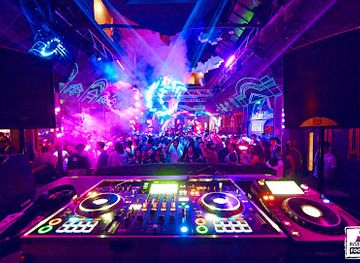
Discover the electrifying nightlife at Instant-Fogas Complex in Budapest, where music, dancing, and socializing come together for an unforgettable experience.
-
Night club
Club Heaven Budapest
Club Heaven Budapest: A Thrilling Night Club Experience in the Heart of the City, Perfect for Dance Lovers and Nightlife Enthusiasts.
-
Night club
Ötkert
Experience the vibrant nightlife of Budapest at Ötkert, a premier night club blending cocktails and disco, perfect for unforgettable nights out.
-
Night club
Peaches And Cream Club
Dive into the electrifying nightlife of Budapest at Peaches And Cream Club, where music, drinks, and fun come together for an unforgettable experience.
Best shops in Csallóköz
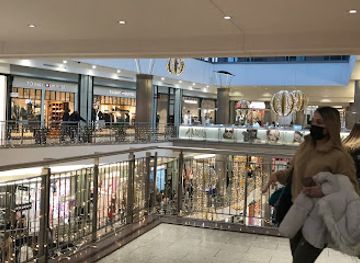
Shopping in Csallóköz is centred on ordinary town services, market culture and regional food rather than luxury retail. Dunajská Streda has the broadest selection of supermarkets, independent shops, bakeries and everyday high-street businesses, while Šamorín offers convenient shopping for the western part of the island. Village markets and farm shops may provide seasonal fruit, vegetables, honey, baked goods and other locally produced food, though availability depends on the day and season. Thermal towns also sell practical spa-related goods and modest souvenirs. Visitors interested in local identity should look for bilingual books, food products and small craft items in town shops, but should not expect a continuous craft-shopping district or large designer retail scene.
-
Shopping mall
Westend
Explore Westend Shopping Mall, Budapest's premier retail destination, featuring over 400 shops, diverse dining options, and entertainment for all ages.
-
Shopping mall
ÁRKÁD Budapest
Experience the ultimate shopping adventure at ÁRKÁD Budapest, a vibrant mall filled with fashion, food, and fun in Hungary's capital.
-
Gift shop
Campona
Discover the vibrant shopping experience at Campona in Budapest, featuring a mix of local markets, gift shops, and dining options.
-
Shopping mall
AVION Shopping Park Bratislava
Discover a shopping paradise at AVION Shopping Park Bratislava, where retail therapy meets dining and entertainment for an unforgettable experience.
Get your free copy of our complete guide to Csallóköz, delivered straight to you.
Everything on this page, from attractions and restaurants to essentials and local phrases, in one PDF you can read offline, print or share.
Already have an account? Sign in
Your Csallóköz guide is ready.
We'll send it to · Not you? Sign out

Getting your guide ready…
We are putting together a fresh copy of the Csallóköz guide. This can take up to a minute.
This can take a few moments. If your browser asks, choose Allow so the download can start. You'll find the guide in your Downloads folder.
Nothing happened? Download it again
Sorry, the guide is taking longer than usual. Please try again in a minute, or get it by email instead.
Csallóköz essentials
Currency and Payment
Safety
Emergency Situations
Do's and Don'ts
Local Tips
From Eve
Local phrases worth knowing
You don't need to get them perfect. A few words go a long way, and locals appreciate the effort.
Basics
| English | Local | Say it |
|---|---|---|
| Hello | Helló | [heh-loh] |
| Goodbye | Viszlát | [vees-laht] |
| Yes | Igen | [ee-gen] |
| No | Nem | [nem] |
| Please/You're welcome | Kérem | [keh-rem] |
| Thank you | Köszönöm | [kuh-soh-nuhm] |
| Excuse me/Sorry | Elnézést | [el-neh-zayst] |
| How are you? | Hogy vagy? | [hodj vahd] |
| Fine. And you? | Jól. És te? | [yohl. es teh] |
| Do you speak English? | Beszélsz angolul? | [beh-sayls ahn-goh-lool] |
| I don't understand | Nem értem | [nem air-tem] |
Eating & Drinking
| English | Local | Say it |
|---|---|---|
| I'd like to see the menu, please | Szeretném látni az étlapot, kérem | [seh-reht-neem laht-nee ahz ayt-lah-poht, keh-rem] |
| I don't eat meat | Nem eszem húst | [nem eh-sem hoosht] |
| Cheers! | Egészségedre! | [eh-gehs-shay-ged-reh] |
| I would like to pay, please | Szeretnék fizetni, kérem | [seh-reht-neek fee-zet-nee, keh-rem] |
Emergencies
| English | Local | Say it |
|---|---|---|
| Help! | Segítség! | [seh-geet-shayg] |
| Go away! | Menj el! | [menj el] |
| Call the Police! | Hívja a rendőrséget! | [heev-yah ah ren-door-sheh-get] |
| Call a doctor! | Hívj orvost! | [heevj or-vosht] |
| I'm lost | Elvesztem | [el-ves-tem] |
| I'm ill | Beteg vagyok | [beh-tehg vah-yok] |
Shopping
| English | Local | Say it |
|---|---|---|
| I'd like to buy... | Szeretnék venni... | [seh-reht-neek veh-nee] |
| I'm just looking | Csak nézelődöm | [chawk nay-zeh-loh-dohm] |
| How much is it? | Mennyibe kerül? | [men-nee-beh keh-rool] |
| That's too expensive | Ez túl drága | [ehz tool drah-gah] |
| Can you lower the price? | Le tudod csökkenteni az árat? | [leh too-dohd chuhk-ken-teh-nee ahz ah-raht] |
Time & Numbers
| English | Local | Say it |
|---|---|---|
| What time is it? | Hány óra van? | [hahn-ee oh-rah vahn] |
| It's one o'clock | Egy óra van | [edj oh-rah vahn] |
| Half past (10) | Fél (10) | [fehl (10)] |
| Morning | Reggel | [rehg-gel] |
| Afternoon | Délután | [day-loo-tahn] |
| Evening | Este | [esh-teh] |
| Yesterday | Tegnap | [teh-nahp] |
| Today | Ma | [mah] |
| Tomorrow | Holnap | [hol-nahp] |
| 1 | 1 | [1] |
| 2 | 2 | [2] |
| 3 | 3 | [3] |
| 4 | 4 | [4] |
| 5 | 5 | [5] |
| 6 | 6 | [6] |
| 7 | 7 | [7] |
| 8 | 8 | [8] |
| 9 | 9 | [9] |
| 10 | 10 | [10] |
Transport & Directions
| English | Local | Say it |
|---|---|---|
| Where's a/the...? | Hol van a...? | [hol vahn ah] |
| What's the address? | Mi a cím? | [mee ah teem] |
| Can you show me (on the map)? | Meg tudnád mutatni (a térképen)? | [meg tood-nahd moo-taht-nee (ah tayr-kay-pen)] |
| When's the next (bus)? | Mikor jön a következő (busz)? | [mee-kor yuhn ah keh-vet-keh-zoh (booz)] |
| A ticket (to ....) | Egy jegy (a....) | [edj yehd (ah....)] |
History of Csallóköz
Prehistoric and Roman Danube Landscapes
The fertile floodplains of Csallóköz attracted settlement long before the modern island landscape took shape. Archaeological finds from the wider Danubian lowlands include prehistoric farming communities, burial sites and evidence of trade along the river corridors. During the Roman period, the Danube formed the frontier of the Roman Empire, known as the Danube limes, and military and commercial activity took place along both banks. Csallóköz itself lay beyond the main fortified frontier, but its waterways connected local communities with settlements and markets in the Roman border zone.
Medieval Hungarian Kingdom
Following the establishment of the Hungarian kingdom, the island became part of a settled agricultural and riverine landscape. Villages, parish churches, estates and fishing communities developed among the branches of the Danube. The waterways supplied fish, timber and transport routes, while fertile soils supported grain cultivation and livestock. Medieval administration tied Csallóköz to the Kingdom of Hungary, a political connection that helps explain the enduring Hungarian linguistic and cultural character of many communities despite the region’s later incorporation into Slovakia.
Ottoman Frontier and Habsburg Rule
From the sixteenth century, the area belonged to the Habsburg-ruled lands of the Kingdom of Hungary, while the principal Ottoman military frontier lay farther south. The region was affected by the instability of the wider frontier zone, taxation and the movement of troops, although Csallóköz was not itself one of the principal Ottoman strongholds. Estate administration, church institutions and agricultural production continued to shape local society. Later Habsburg reforms brought more centralised administration and strengthened the economic links between the island’s settlements and the larger towns of the Danube basin.
Agriculture, Waterways and Nineteenth-Century Change
Nineteenth-century river regulation transformed the relationship between Csallóköz and the Danube. Embankments, drainage and channel works reduced some flood risks and opened land for more intensive farming, though they also altered wetlands and traditional fishing landscapes. Improved roads and railway links connected settlements with Bratislava, Komárno and other regional markets. The island’s rich soils supported cereals, vegetables, fruit and livestock, while market towns gained administrative and commercial importance. The modern landscape of large fields, regulated channels and protected floodplain remnants owes much to this period.
The Formation of Czechoslovakia and a Divided Cultural Landscape
After the First World War and the Treaty of Trianon, Csallóköz became part of Czechoslovakia, despite its predominantly Hungarian-speaking population in many settlements. The border separated the region from the Hungarian state and introduced new administrative and political frameworks. Interwar language, citizenship and land policies affected local communities, while the area remained economically connected to the Danube lowlands. During the Second World War, the region was briefly returned to Hungary before becoming part of Czechoslovakia again after 1945.
Slovakia, Industrial Water Management and Contemporary Identity
Since the peaceful dissolution of Czechoslovakia in 1993, Csallóköz has formed part of Slovakia, mainly within the Trnava and Bratislava regions. The Gabčíkovo–Nagymaros water project, built in stages during the late twentieth century, profoundly changed the Danube’s management, navigation and surrounding ecology. Today the region combines agriculture, logistics, thermal tourism and cross-border commuting with a strong Hungarian cultural presence. Slovak and Hungarian are both visible in public life, place identity and local culture, making Csallóköz one of Slovakia’s most distinctive bilingual regions.
Csallóköz in Photos
Browse through our photo collection highlighting the charm and character of the destination.
Neighbouring regions of Csallóköz
The closest regions to Csallóköz, if you have time for more than one.
-

-

-

-

-


Swipe for more regions
Explore more

Explore more of Hungary
Discover Hungary: A land of historic cities, scenic landscapes, thermal baths, and rich culinary traditions in the heart of Europe.
Explore Hungary