

Free Szigetköz Travel Guide & Mobile App
Explore Szigetköz with free travel guides. Discover regional history, expert tips, proposed trips, and audio guides on web or mobile app.


Explore Szigetköz in Hungary for Danube channels, cycling, canoeing, village heritage, thermal bathing and quiet floodplain landscapes.
Read more about Szigetköz
When is the best time to visit Szigetköz?
Best: June–August · 24–26°C| Month | High (°C) | Rainfall (mm) |
|---|---|---|
| January | 3 | 25 |
| February | 4 | 25 |
| March | 11 | 30 |
| April | 15 | 35 |
| May | 21 | 45 |
| June (best) | 24 | 50 |
| July (best) | 26 | 45 |
| August (best) | 25 | 40 |
| September | 22 | 35 |
| October | 16 | 30 |
| November | 8 | 30 |
| December | 4 | 25 |
Getting to and around Szigetköz
How to get there
Transportation
Best attractions in Szigetköz
Szigetköz’s principal attraction is its interconnected water landscape rather than a concentration of large monuments. Guided canoe and kayak trips reveal willow-fringed channels, wooded islands and quieter backwaters that are difficult to understand from the road, while cycling routes link villages, embankments and open agricultural scenery. The region’s protected wetlands and floodplain habitats appeal to birdwatchers and photographers, although access and wildlife protection rules vary. Village visits add a human dimension through churches, traditional houses, local food producers and small cultural sites. Hédervár provides historic architecture and estate heritage, while Lipót is associated with thermal bathing and rural leisure. The Danube-side settlements around Dunakiliti and Dunasziget offer access to a more water-oriented landscape, but conditions can depend on river management and weather. Szigetköz is best suited to visitors who value gentle outdoor activity, local history and close observation of a managed river environment rather than a schedule of major ticketed attractions.
-
Tourist attraction
Xantus János Állatkert
Explore Xantus János Állatkert in Győr, Hungary—a delightful zoo offering an engaging experience with a variety of animals for all ages.
-
Tourist attraction
Alcsúti Arboretum Nature Reserves
Discover the beauty of Alcsúti Arboretum, a serene haven of diverse flora and tranquil landscapes in Hungary's picturesque countryside.
-
Aquatic centre
Lipót Bath and Camping
Discover relaxation and rejuvenation at Lipót Bath and Camping, a serene aquatic center and spa nestled in the heart of Hungary's picturesque landscapes.
-
Tourist attraction
Predikálószék lookout
Experience stunning panoramic views at Predikálószék Lookout, a breathtaking scenic spot in Dömös, perfect for nature lovers and photographers.


Best landmarks in Szigetköz
The most recognisable landmarks of Szigetköz are closely tied to its river setting and historic villages. Hédervár Castle and its surrounding historic centre express the area’s medieval noble heritage, while the settlement’s Árpád oak is associated in local tradition with the early history of the Hungarian state. Village churches, roadside crosses and old farmsteads provide a quieter architectural record of Catholic rural communities and estate agriculture. Embankments, sluices, bridges and channel junctions are equally important landmarks because they show how extensively the Danube has been regulated and managed. Around Dunakiliti and the northern waterways, modern hydraulic structures and altered channels bear the legacy of the Gabčíkovo–Nagymaros controversy. The broad Danube corridors, willow banks and floodplain islands form the region’s defining natural landmarks, although individual viewpoints change with water levels, vegetation and access conditions.
-
Park
Szigetközi Landscape Protection Area
Explore the breathtaking Szigetközi Landscape Protection Area, a nature lover's paradise filled with scenic views and diverse wildlife.
-
Nature preserve
Holt-Duna tanösvény Szigetköz
Explore the breathtaking Holt-Duna Tanösvény Szigetköz, a serene nature preserve in Hungary, perfect for nature lovers and outdoor adventures.
-
Catholic church
Church of St. Elizabeth of Hungary (Alžbetínky)
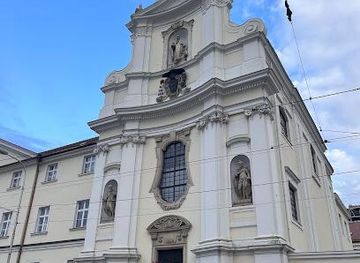
Explore the stunning Art Nouveau architecture of the Church of St. Elizabeth of Hungary in Bratislava, a captivating destination for art and history lovers.


Explore Szigetköz on the map
Plan your trip on one map. See where the top cities, national parks and sights are, and book hotels and experiences in a few clicks.
Best hotels in Szigetköz
Best restaurants in Szigetköz
Dining in Szigetköz is rooted in the food culture of north-western Hungary, with village restaurants, inns, cafés, bakeries and accommodation kitchens providing the main choices. Menus commonly draw on Hungarian traditions such as soups, stews, dumplings, roasted meats, seasonal vegetables and pastries, while freshwater fish may appear in settlements close to the Danube and its branches. The surrounding countryside is associated with fruit growing, honey, dairy produce and small-scale agricultural products, and local shops or markets can be better places to find these than formal restaurants. Lipót and the larger villages offer practical options for visitors travelling between cycling and bathing stops, while Mosonmagyaróvár and Győr, outside the island landscape, provide a wider range of dining styles. Opening arrangements can be seasonal in rural areas, so booking or checking ahead is sensible, particularly outside summer weekends.
-
Restaurant
Palffy Restaurant
Experience authentic Hungarian cuisine blended with international flair at Győr's renowned Palffy Restaurant.
-
Restaurant
Westy Hajó Étterem & Pub
Discover the essence of Hungarian cuisine at Westy Hajó Étterem & Pub - where delicious food meets stunning riverside views.
-
Restaurant
Moson Hungarian Market North
Discover authentic Hungarian cuisine in a family-friendly atmosphere at Moson Hungarian Market North - where every dish tells a story.
-
Restaurant
Sári Csárda
Discover the flavors of Hungary at Sári Csárda in Dunakiliti – where tradition meets taste in a welcoming atmosphere.


Best bars in Szigetköz
Szigetköz does not have a concentrated nightclub scene; evening life is generally based around village pubs, restaurant terraces, cafés and the social spaces attached to guesthouses or thermal facilities. Larger settlements offer more choice, but rural evenings are usually quiet and centred on conversation, meals and local beer or wine rather than late-night entertainment. Some establishments may host occasional live music or community events, but these are not a permanent feature and should be checked locally. Visitors seeking a broader selection of bars, cultural programmes or late venues will find more options in nearby Mosonmagyaróvár and Győr, both outside Szigetköz. Cycling and paddling plans should also take account of limited lighting and sparse transport after dark.
-
Restaurant
A Major
Discover A Major in Ásványráró, where traditional Hungarian cuisine meets warm hospitality in a cozy setting.
-
Brasserie
Lima Cafe
Discover the vibrant flavors at Lima Cafe, Győr’s premier brasserie and wine bar, where local ingredients meet a charming atmosphere.
-
Pub
Kis Bohém
Experience the vibrant atmosphere and local flavors at Kis Bohém, a cozy pub in the heart of Győr, Hungary.
-
Bar
Kulissza Pub & Terasz
Experience the vibrant atmosphere of Kulissza Pub & Terasz in Győr, where local culture meets delightful beverages and a cozy terrace.


Best nightclubs in Szigetköz
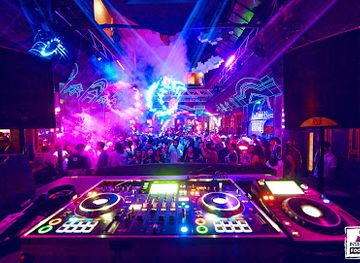
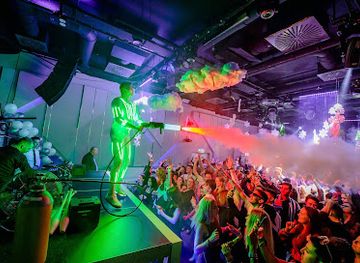
Szigetköz does not have a concentrated nightclub scene; evening life is generally based around village pubs, restaurant terraces, cafés and the social spaces attached to guesthouses or thermal facilities. Larger settlements offer more choice, but rural evenings are usually quiet and centred on conversation, meals and local beer or wine rather than late-night entertainment. Some establishments may host occasional live music or community events, but these are not a permanent feature and should be checked locally. Visitors seeking a broader selection of bars, cultural programmes or late venues will find more options in nearby Mosonmagyaróvár and Győr, both outside Szigetköz. Cycling and paddling plans should also take account of limited lighting and sparse transport after dark.
-
Night club
Instant-Fogas Complex
Discover the heartbeat of Budapest's nightlife at Instant-Fogas Complex, a dynamic venue featuring a nightclub, bar, and disco experience.
-
Night club
Club Heaven Budapest
Discover the electrifying nightlife of Budapest at Club Heaven, where rhythm meets excitement in an unforgettable club experience.
-
Night club
Ötkert
Experience Budapest's vibrant nightlife at Ötkert, a stylish nightclub offering an electrifying atmosphere and diverse music in the heart of the city.
-
Night club
Peaches And Cream Club
Discover Budapest's nightlife at Peaches And Cream Club, where vibrant music, a lively crowd, and unforgettable experiences await!


Best shops in Szigetköz
Shopping in Szigetköz is mainly local and practical rather than centred on large retail districts. Village shops and bakeries are useful for provisions, while farmers’ stalls and small producers may offer fruit, honey, preserves, dairy products, smoked foods and seasonal vegetables. Regional food products make more useful souvenirs than generic tourist merchandise, particularly when bought directly from a reputable producer. Hédervár, Lipót and other larger settlements may have small independent shops or market activity, but schedules and stock can be seasonal. For antiques, books, specialist goods and a broader high-street selection, nearby Mosonmagyaróvár and Győr are more reliable destinations outside the island itself. Visitors should carry reusable bags and some cash when visiting small markets or rural sellers, and should check transport arrangements before buying bulky local produce.
-
Bakery
Lipóti Bakeries Kft.
Experience the rich flavors of Hungary at Lipóti Bakeries, where artisanal breads and pastries come to life in a cozy village setting.
-
Park
Szigetközi Landscape Protection Area
Explore the breathtaking Szigetközi Landscape Protection Area in Hungary, a haven for nature lovers and adventure seekers with stunning landscapes and rich wildlife.
-
Variety store
1001 Cikk Áruház
Explore the diverse offerings of 1001 Cikk Áruház, where local charm meets an extensive selection of products in Mosonmagyaróvár.
-
Store
Lipóti a Sziget Közért
Experience the heart of Lipót at Lipóti a Sziget Közért, your destination for local flavors and essential goods in Hungary.


Get your free copy of our complete guide to Szigetköz, delivered straight to you.
Everything on this page, from attractions and restaurants to essentials and local phrases, in one PDF you can read offline, print or share.
Already have an account? Sign in
Your Szigetköz guide is ready.
We'll send it to · Not you? Sign out

Getting your guide ready…
We are putting together a fresh copy of the Szigetköz guide. This can take up to a minute.
This can take a few moments. If your browser asks, choose Allow so the download can start. You'll find the guide in your Downloads folder.
Nothing happened? Download it again
Sorry, the guide is taking longer than usual. Please try again in a minute, or get it by email instead.
Szigetköz essentials
Currency and Payment
Safety
Emergency Situations
Do's and Don'ts
Local Tips
From Eve
Local phrases worth knowing
You don't need to get them perfect. A few words go a long way, and locals appreciate the effort.
Basics
| English | Local | Say it |
|---|---|---|
| Hello | Szia | [see-yah] |
| Goodbye | Viszlát | [vees-laht] |
| Yes | Igen | [ee-gen] |
| No | Nem | [nem] |
| Please/You're welcome | Kérem | [kay-rem] |
| Thank you | Köszönöm | [kuh-soh-nuhm] |
| Excuse me/Sorry | Bocsánat | [boh-chah-naht] |
| How are you? | Hogy vagy? | [hohdj vahd?] |
| Fine. And you? | Jól. Te? | [yoal. teh?] |
| Do you speak English? | Beszélsz angolul? | [beh-sehls ahn-goh-lool?] |
| I don't understand | Nem értem | [nem air-tem] |
Eating & Drinking
| English | Local | Say it |
|---|---|---|
| I'd like to see the menu, please | Szeretném megnézni az étlapot, kérem | [seh-reht-neem meg-nayz-nee ahz ate-lah-pot, kay-rem] |
| I don't eat meat | Nem eszem húst | [nem eh-sem hoosht] |
| Cheers! | Egészségedre! | [eh-geys-shay-ged-reh!] |
| I would like to pay, please | Szeretném kifizetni, kérem | [seh-reht-neem kee-fee-zet-nee, kay-rem] |
Emergencies
| English | Local | Say it |
|---|---|---|
| Help! | Segítség! | [seh-geet-shehg!] |
| Go away! | Menj el! | [men-yel!] |
| Call the Police! | Hívd a rendőrséget! | [heevd ah ren-door-sheh-get!] |
| Call a doctor! | Hívd az orvost! | [heevd ahz or-vosh-t!] |
| I'm lost | Elvesztem | [el-ves-tem] |
| I'm ill | Beteg vagyok | [beh-tehg vah-dyohk] |
Shopping
| English | Local | Say it |
|---|---|---|
| I'd like to buy... | Szeretnék venni... | [seh-reht-neek veh-nee...] |
| I'm just looking | Csak nézelődöm | [chahk nay-zeh-loh-dohm] |
| How much is it? | Mennyibe kerül? | [men-nee-beh keh-rool?] |
| That's too expensive | Ez túl drága | [ez tool drah-gah] |
| Can you lower the price? | Le tudná csökkenteni az árat? | [leh tood-nah chuh-kken-teh-nee ahz ah-raht?] |
Time & Numbers
| English | Local | Say it |
|---|---|---|
| What time is it? | Hány óra van? | [hahn-ee oh-rah vahn?] |
| It's one o'clock | Egy óra van | [edge oh-rah vahn] |
| Half past (10) | Fél (10) | [fehl (10)] |
| Morning | Reggel | [reh-gel] |
| Afternoon | Délután | [day-loo-tahn] |
| Evening | Este | [esh-teh] |
| Yesterday | Tegnap | [teg-nahp] |
| Today | Ma | [mah] |
| Tomorrow | Holnap | [hol-nahp] |
| 1 | 1 | [1] |
| 2 | 2 | [2] |
| 3 | 3 | [3] |
| 4 | 4 | [4] |
| 5 | 5 | [5] |
| 6 | 6 | [6] |
| 7 | 7 | [7] |
| 8 | 8 | [8] |
| 9 | 9 | [9] |
| 10 | 10 | [10] |
Transport & Directions
| English | Local | Say it |
|---|---|---|
| Where's a/the...? | Hol van a...? | [hol vahn ah...?] |
| What's the address? | Mi a cím? | [mee ah teem?] |
| Can you show me (on the map)? | Meg tudnád mutatni (a térképen)? | [meg tood-nahd moo-tat-nee (ah tayr-kay-pen)?] |
| When's the next (bus)? | Mikor jön a következő (busz)? | [mee-kor yohn ah keh-vet-kay-zoh (booz)?] |
| A ticket (to ....) | Egy jegy (a ....) | [edge yehd (ah ....)] |
History of Szigetköz
A Danube Floodplain Before Modern Regulation
Szigetköz developed as a shifting floodplain formed by the Danube and its branches. For centuries, channels, islands, reed beds and wet meadows influenced where people farmed, fished and built. Settlements tended to occupy slightly higher ground, while flood-prone areas supported haymaking, grazing, woodland and seasonal fishing. The landscape was never an untouched wilderness: communities continually maintained embankments, managed water and adapted their livelihoods to floods. This relationship between settlement and river remains visible in the region’s dispersed villages, drainage channels and extensive network of minor waterways.
Roman Frontier and Early Medieval Settlement
Szigetköz lay close to the Danube frontier of the Roman Empire, known as the Danubian limes, although the best-known Roman military centres were situated elsewhere along the river. The wider north-western Hungarian plain was a zone of movement and cultural exchange after Roman power receded. Medieval Hungarian settlement gradually established the villages, ecclesiastical connections and landed estates that shaped the region’s later geography. Archaeological traces and place names provide evidence of long occupation, but the area’s most visible historical character comes from the medieval settlement pattern rather than from a single monumental Roman site.
Medieval Estates and Hédervár
During the Middle Ages, Szigetköz was divided among noble families, church institutions and royal interests. Hédervár became an especially important local centre under the Héderváry family, whose influence is reflected in the settlement’s historic buildings and castle complex. Villages along the Danube supported farming, fishing, woodland management and river transport, while churches and estate centres provided enduring points of stability. Floods, changing channels and attacks during periods of political turmoil repeatedly affected settlement, yet the basic network of communities survived and continued to develop.
Ottoman Wars and Reconstruction
The Ottoman expansion into Hungary in the sixteenth and seventeenth centuries brought military insecurity, population movement and economic disruption to the country’s north-western borderlands. Szigetköz was not the principal theatre of every major campaign, but its proximity to strategic routes and the Danube made the region vulnerable to raids and the consequences of warfare. Fortified residences, ecclesiastical buildings and estate centres acquired defensive importance, while villages experienced periods of depopulation and rebuilding. Later reconstruction strengthened agricultural production and restored many local communities under Habsburg rule.
River Regulation, Agriculture and Modern Infrastructure
From the eighteenth and nineteenth centuries, increasingly systematic embankment building, drainage and river regulation sought to reduce flood damage and make more land available for agriculture. These works changed the balance between open water, wetlands and cultivated ground, while improved roads and commercial links connected Szigetköz more closely with Győr and Moson. Farming, livestock, fishing and small-scale processing remained important, and villages acquired the churches, civic buildings and farmsteads that still define much of the region’s built character. Modern infrastructure brought greater security but also reduced some of the Danube’s earlier freedom to shift across the plain.
The Gabčíkovo–Nagymaros Dispute and the Water Landscape
The late twentieth-century water-management controversy surrounding the Gabčíkovo–Nagymaros project transformed Szigetköz’s environmental and political importance. After Czechoslovakia diverted part of the Danube in 1992, water levels and flows in the Hungarian side channels became a major concern, prompting continuing engineering, monitoring and public debate. The dispute was pursued through international legal and diplomatic processes as well as domestic environmental campaigns. Today, the region’s channels and floodplain are understood not only as a natural landscape but also as a planned and managed river system whose condition depends on cross-border decisions.
Szigetköz in Photos
Browse through our photo collection highlighting the charm and character of the destination.
Neighbouring regions of Szigetköz
The closest regions to Szigetköz, if you have time for more than one.
-

-

-

-

-


Swipe for more regions
Explore more

Explore more of Hungary
Discover Hungary: A land of historic cities, scenic landscapes, thermal baths, and rich culinary traditions in the heart of Europe.
Explore Hungary