

Free Jászság Travel Guide & Mobile App
Explore Jászság with free travel guides. Discover regional history, expert tips, proposed trips, and audio guides on web or mobile app.


Explore Jászság in Hungary for Jász heritage, market towns, riverside landscapes, museums and an unhurried Great Plain cultural journey.
Read more about Jászság
When is the best time to visit Jászság?
Best: June, August–September · 23–28°C| Month | High (°C) | Rainfall (mm) |
|---|---|---|
| January | 4 | 30 |
| February | 7 | 25 |
| March | 12 | 29 |
| April | 17 | 38 |
| May | 22 | 50 |
| June (best) | 26 | 58 |
| July | 28 | 52 |
| August (best) | 28 | 47 |
| September (best) | 23 | 38 |
| October | 16 | 32 |
| November | 9 | 33 |
| December | 4 | 32 |
Getting to and around Jászság
How to get there
Transportation
Destinations in Jászság
Resorts, valleys and scenic spots worth a trip of their own.

Swipe for more destinations
Best attractions in Jászság
Jászság's attractions are primarily cultural, historical and landscape-based rather than concentrated in large visitor complexes. In Jászberény, the Jász Museum provides the essential introduction to the region's people, privileges and material culture, including the celebrated Lehel's Horn, while the town's churches, civic buildings and riverside setting reward a leisurely walk. The Jászberényi Zoo and Botanical Garden offers a family-oriented outing within the regional centre. Smaller towns such as Jászapáti, Jászárokszállás and Jászladány contribute churches, local collections and traditional townscapes, though opening arrangements may be limited outside major events. The surrounding countryside is suited to cycling, walking, birdwatching and quiet observation of the Zagyva and Tarna landscapes, agricultural fields and lowland habitats. Seasonal cultural gatherings, folk programmes and local museums provide a more intimate view of Jász identity than a conventional sightseeing itinerary. Visitors should expect dispersed experiences and variable facilities, making advance planning useful when travelling beyond Jászberény.
-
Tourist attraction
RepTár Szolnok Aviation Museum
Explore the fascinating world of aviation history and military technology at the RepTár Szolnok Aviation Museum in Hungary.
-
Tourist attraction
Jászberényi Állat- és Növénykert
Discover the enchanting Jászberényi Zoo and Botanical Garden, a family-friendly attraction filled with captivating wildlife and vibrant gardens.
-
Tourist attraction
Szent Jakab sétány
Experience the tranquility of Szent Jakab sétány in Dabas, a scenic destination perfect for leisurely walks and nature appreciation.
-
Tourist attraction
Magyarország földrajzi középpontja
Explore the Geographical Center of Hungary in Pusztavacs, a serene location perfect for nature lovers and cultural enthusiasts seeking unique experiences.


Best landmarks in Jászság
The defining landmark of Jászság is the Jász Museum in Jászberény, whose collections and historic setting embody the region's distinctive identity; its Lehel's Horn is linked to one of Hungary's best-known medieval legends. Jászberény's Roman Catholic church buildings and historic civic streets provide further evidence of its role as the former centre of the Jász District. Across the region, the church towers of Jászapáti, Jászárokszállás, Jászladány and neighbouring settlements rise above broad, low-rise townscapes and serve as useful visual markers in the flat landscape. The Zagyva and Tarna river environments are natural landmarks of a less monumental kind, shaping settlement, farming and walking routes. Memorials and public symbols connected with the 1745 Redemption are also important, because they express the collective legal and cultural history that distinguishes Jászság from the surrounding Great Plain. The region's significance lies in this combination of modest architecture, open geography and a powerful communal historical memory.
-
Historical landmark
Castle District
Explore Budapest's Castle District, a UNESCO World Heritage site filled with history, stunning architecture, and breathtaking views of the Danube.
-
 Fortress
Fisherman's Bastion
Discover breathtaking views and rich history at Fisherman's Bastion, Budapest's iconic neo-Romanesque fortress overlooking the Danube.
-
Bridge
Széchenyi Chain Bridge
Explore the iconic Széchenyi Chain Bridge in Budapest, a historic marvel connecting Buda and Pest with stunning river views and architectural beauty.
-
Castle
Buda Castle
Explore Buda Castle, a UNESCO World Heritage Site, where stunning architecture meets rich Hungarian history and breathtaking views of Budapest.


Explore Jászság on the map
Plan your trip on one map. See where the top cities, national parks and sights are, and book hotels and experiences in a few clicks.
Best hotels in Jászság
Best restaurants in Jászság
Dining in Jászság reflects the food culture of central and eastern Hungary, with paprika, onions, seasonal vegetables, pork, poultry, freshwater fish and hearty soups appearing more often than highly specialised regional cuisine. Jászberény and the larger towns have the broadest choice of restaurants, cafés, bakeries and informal eateries, while village dining is more limited and often tied to local inns or family-run establishments. Traditional Hungarian dishes such as goulash-style soups, stews, stuffed preparations and savoury pastries can be found alongside contemporary interpretations and familiar Central European fare. Markets and food shops are useful for discovering seasonal fruit, vegetables, preserves, cured products and baked goods from the surrounding agricultural area. Local festivals may provide temporary opportunities to try community cooking and regional recipes, but these should not be confused with a single official Jász cuisine. In smaller settlements, cash and a little patience remain advisable.
-
Hungarian
Szél Csárda
Discover the heart of Hungary through its flavors at Szél Csárda – your culinary stop along the M5 highway.
-
Hungarian
Új Tanyacsárda (Tanyacsárda Kft.)
Discover the flavors of Hungary at Új Tanyacsárda in Felsőlajos – where tradition meets taste in every dish.
-
Hungarian
Újhartyáni Györkös Vendéglő és Lakodalmas Ház
Experience the essence of Hungarian culture at Újhartyáni Györkös Vendéglő – where tradition meets taste.
-
Restaurant
Tanya Csárda
Experience authentic Hungarian cuisine at Tanya Csárda in Monorierdő – where tradition meets taste in every dish.


Best bars in Jászság
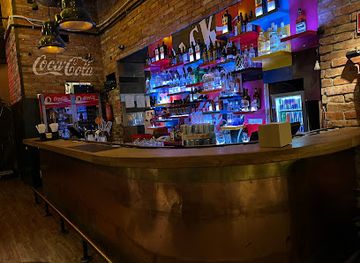
Evening life in Jászság is centred on cafés, restaurants, traditional pubs and community events rather than a large nightclub circuit. Jászberény has the widest choice, with bars and casual venues serving beer, wine, spirits and soft drinks, while smaller towns generally offer a quieter social scene built around local establishments and seasonal gatherings. Live music, town festivals and cultural programmes can bring a temporary liveliness to public squares and community venues, particularly in the warmer months. Nightclubs and late-opening options are limited compared with Budapest, and opening arrangements can change, so visitors should check locally rather than expect a fixed entertainment district. The region's evening character is best suited to conversation, dinner, a riverside stroll or a cultural performance, not to a nationally significant club scene.
-
Restaurant
Arizona Steak House
Discover the best of Jászberény's culinary scene at Arizona Steak House, where succulent steaks and a cozy atmosphere await.
-
Restaurant
Pipacs Étterem
Experience authentic Hungarian cuisine at Pipacs Étterem in Jászberény, a delightful restaurant known for its traditional dishes and warm ambiance.
-
Brasserie
Lapátos Malátaház
Experience the delicious blend of traditional and modern flavors at Lapátos Malátaház, Gödöllő's premier brasserie and gastropub.
-
Brewpub
Állomás Söröző - Dósai Pannonbrau (Rampa Kft.)
Discover the rich flavors of Hungary at Állomás Söröző, a brewpub offering locally crafted beers and traditional cuisine in an inviting atmosphere.


Best nightclubs in Jászság
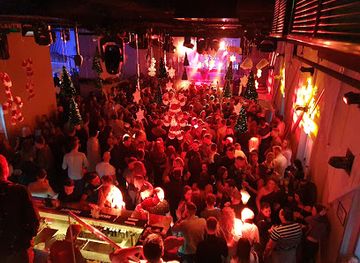
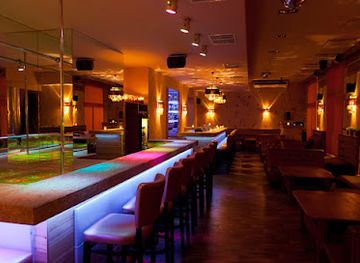
Evening life in Jászság is centred on cafés, restaurants, traditional pubs and community events rather than a large nightclub circuit. Jászberény has the widest choice, with bars and casual venues serving beer, wine, spirits and soft drinks, while smaller towns generally offer a quieter social scene built around local establishments and seasonal gatherings. Live music, town festivals and cultural programmes can bring a temporary liveliness to public squares and community venues, particularly in the warmer months. Nightclubs and late-opening options are limited compared with Budapest, and opening arrangements can change, so visitors should check locally rather than expect a fixed entertainment district. The region's evening character is best suited to conversation, dinner, a riverside stroll or a cultural performance, not to a nationally significant club scene.
-
Night club
Club Heaven Budapest
Discover Budapest's nightlife at Club Heaven, where electrifying beats and vibrant crowds create an unforgettable party atmosphere.
-
Night club
Ötkert
Experience Budapest's vibrant nightlife at Ötkert, a premier night club known for its cocktails, disco beats, and energetic atmosphere.
-
Night club
Peaches And Cream Club
Discover Budapest's thriving nightlife at Peaches And Cream Club, where electrifying beats and a vibrant atmosphere await.
-
Night club
Marilyn Night Club | Gentlemen's Club, Striptease Bar
Discover the allure of Budapest nightlife at Marilyn Night Club, where stunning performances meet an elegant atmosphere for an unforgettable evening.

Best shops in Jászság
Shopping in Jászság is concentrated in the market towns, especially Jászberény, where everyday high-street shops, bakeries, supermarkets, cafés and practical services are more plentiful than in the villages. Smaller settlements offer a slower local shopping experience, with limited retail and occasional markets rather than large commercial centres. Farmers' markets and town events may provide seasonal fruit, vegetables, preserves, honey, baked goods and other products from the surrounding agricultural area. For distinctive souvenirs, look for locally themed books, museum publications, folk-inspired objects and crafts connected with Jász history, rather than generic Hungarian merchandise. Traditional embroidery, ceramics and handmade goods may appear at heritage events, but availability varies. Visitors seeking major international brands or extensive designer shopping should use Budapest or another larger Hungarian city rather than expect Jászság to function as a retail destination.
-
Shopping mall
ÁRKÁD Budapest
Discover the ultimate shopping experience at ÁRKÁD Budapest, where fashion, food, and fun come together in a vibrant atmosphere.
-
Shopping mall
Agria Park Shopping Center
Experience the best of shopping, dining, and entertainment at Agria Park Shopping Center in Eger, Hungary.
-
Internet shop
KütyüBazár
Discover unique gadgets, games, and gifts at KütyüBazár, the ultimate internet shop for tech lovers and souvenir seekers.
-
Shopping mall
Stop Shop
Discover Szolnok's premier shopping destination at Stop Shop, where fashion, food, and fun meet for an unforgettable experience.


Get your free copy of our complete guide to Jászság, delivered straight to you.
Everything on this page, from attractions and restaurants to essentials and local phrases, in one PDF you can read offline, print or share.
Already have an account? Sign in
Your Jászság guide is ready.
We'll send it to · Not you? Sign out

Getting your guide ready…
We are putting together a fresh copy of the Jászság guide. This can take up to a minute.
This can take a few moments. If your browser asks, choose Allow so the download can start. You'll find the guide in your Downloads folder.
Nothing happened? Download it again
Sorry, the guide is taking longer than usual. Please try again in a minute, or get it by email instead.
Jászság essentials
Currency and Payment
Safety
Emergency Situations
Do's and Don'ts
Local Tips
From Eve
Local phrases worth knowing
You don't need to get them perfect. A few words go a long way, and locals appreciate the effort.
Basics
| English | Local | Say it |
|---|---|---|
| Hello | Szia | [see-yah] |
| Goodbye | Viszlát | [vees-laht] |
| Yes | Igen | [ee-gen] |
| No | Nem | [nem] |
| Please/You're welcome | Kérem | [kay-rem] |
| Thank you | Köszönöm | [kuh-suh-nuhm] |
| Excuse me/Sorry | Elnézést | [el-neh-zayst] |
| How are you? | Hogy vagy? | [hodj vahd] |
| Fine. And you? | Jól. Te? | [yohl. teh?] |
| Do you speak English? | Beszélsz angolul? | [beh-sayls ahn-goh-lul?] |
| I don't understand | Nem értem | [nem air-tem] |
Eating & Drinking
| English | Local | Say it |
|---|---|---|
| I'd like to see the menu, please | Megnézhetném az étlapot, kérem | [meg-nay-zhet-nay-m ahz ate-lah-poh-t, kay-rem] |
| I don't eat meat | Nem eszem húst | [nem eh-sem hoosht] |
| Cheers! | Egészségedre! | [eh-gay-shay-ged-reh] |
| I would like to pay, please | Szeretnék fizetni, kérem | [se-reht-nayk fee-zet-nee, kay-rem] |
Emergencies
| English | Local | Say it |
|---|---|---|
| Help! | Segíts! | [seh-geets!] |
| Go away! | Menj el! | [men-y el!] |
| Call the Police! | Hívd a rendőrséget! | [heevd ah ren-door-say-geht!] |
| Call a doctor! | Hívd az orvost! | [heevd ahz or-vosh-t!] |
| I'm lost | Elvesztem | [el-ves-tem] |
| I'm ill | Beteg vagyok | [beh-teg vah-dyok] |
Shopping
| English | Local | Say it |
|---|---|---|
| I'd like to buy... | Szeretnék venni... | [se-reht-nayk vehn-nee...] |
| I'm just looking | Csak nézelődöm | [chok nay-zay-loh-dohm] |
| How much is it? | Mennyibe kerül? | [men-yee-beh keh-rool?] |
| That's too expensive | Ez túl drága | [ez tool drah-gah] |
| Can you lower the price? | Le tudnád csökkenteni az árat? | [leh tood-nahd chuh-kken-teh-nee ahz ah-raht?] |
Time & Numbers
| English | Local | Say it |
|---|---|---|
| What time is it? | Hány óra van? | [hahn-ee oh-rah vahn?] |
| It's one o'clock | Egy óra van | [edj oh-rah vahn] |
| Half past (10) | Fél (10) | [feil (10)] |
| Morning | Reggel | [reh-gel] |
| Afternoon | Délután | [day-loo-tahn] |
| Evening | Este | [esh-teh] |
| Yesterday | Tegnap | [teh-nahp] |
| Today | Ma | [mah] |
| Tomorrow | Holnap | [hol-nahp] |
| 1 | 1 | [1] |
| 2 | 2 | [2] |
| 3 | 3 | [3] |
| 4 | 4 | [4] |
| 5 | 5 | [5] |
| 6 | 6 | [6] |
| 7 | 7 | [7] |
| 8 | 8 | [8] |
| 9 | 9 | [9] |
| 10 | 10 | [10] |
Transport & Directions
| English | Local | Say it |
|---|---|---|
| Where's a/the...? | Hol van a...? | [hol vahn ah...?] |
| What's the address? | Mi a cím? | [mee ah teem?] |
| Can you show me (on the map)? | Meg tudnád mutatni (a térképen)? | [meg tood-nahd moo-taht-nee (ah tayr-kay-pen)?] |
| When's the next (bus)? | Mikor jön a következő (busz)? | [mee-kor yohn ah keh-vet-kay-zuh (booz)?] |
| A ticket (to ....) | Egy jegy (valahová) | [edj yeh-dj (vah-lah-ho-vah)] |
History of Jászság
Jász Settlement in Medieval Hungary
The Jász, known in historical sources as the Iazyges or Jassics in different contexts, were an Iranian-speaking people who reached the Kingdom of Hungary during the thirteenth century, in the same broad period as the settlement of the Cumans. They established communities in the central Hungarian lowlands, including the area later called Jászság. Medieval rulers valued these groups for military service, while the settlers developed a distinctive communal identity and patterns of land use. The region's later legal traditions and cultural self-understanding grew from this medieval settlement.
The Jászkun Districts
During the late medieval and early modern periods, Jász communities were associated with the Jászkun districts, which also included Cuman territories. Their inhabitants held collective privileges and obligations that set them apart from many neighbouring serf communities. Ottoman warfare and the division of the Kingdom of Hungary brought instability to the wider area, yet Jász settlements preserved a strong sense of communal continuity. Jászberény developed as the leading centre of administration, trade and political life for the Jász district.
Ottoman Borderland and Reconstruction
The sixteenth and seventeenth centuries brought repeated military disruption to central Hungary. Settlements in and around Jászság were affected by Ottoman expansion, Habsburg campaigns and the movement of armies across the Great Plain. Population loss and economic damage were followed by gradual reconstruction after the Ottoman period. Towns and villages were resettled, agriculture was restored and local institutions were rebuilt. The present pattern of market towns and farming communities reflects both medieval origins and this later process of recovery.
The Redemption of 1745
In 1745, Jász and Cuman communities paid a large sum to Maria Theresa to redeem their former collective privileges, an event known as the Redemption. The agreement restored important elements of local self-government and confirmed the communities' distinctive legal status within the Habsburg monarchy. Jász residents raised money through communal contributions and private sacrifice, making the episode a powerful symbol of independence and solidarity. Its memory remains visible in Jászság museums, public commemorations and the region's cultural institutions.
The Jász District and Nineteenth-Century Change
The Jász District continued as a recognised territorial and administrative unit until the major reorganisation of Hungary's county system in 1876. During the nineteenth century, market agriculture, livestock keeping and regional trade became increasingly important, while roads, schools and civic administration developed. The end of the district's separate administration did not erase its identity. Instead, Jász customs, genealogies, local associations and family connections continued to bind the towns and villages into a historical region within the modern county structure.
Railways, Industry and Urban Growth
The nineteenth and twentieth centuries brought stronger links between Jászság and Hungary's larger urban economy. Railway and improved road connections supported the movement of agricultural goods, workers and manufactured products. Jászberény grew as a regional service and industrial centre, while smaller towns retained important agricultural roles. Mechanisation and socialist-era economic planning altered employment and settlement patterns after the Second World War. Since the political and economic transition of the 1990s, the region has combined modern manufacturing and services with farming, local government and a strong heritage sector.
The Renewal of Jász Cultural Identity
From the late twentieth century onwards, museums, heritage associations and community events helped renew public interest in Jász history. The Jász World Gathering, established as a recurring cultural meeting, brings together residents and people whose families originate in the region, sometimes across national borders. Traditional symbols, local archives, folk costume, music and historical research are presented alongside contemporary cultural programmes. This revival does not represent a separate political territory, but it does give Jászság a clear cultural presence within modern Hungary.
Jászság in Photos
Browse through our photo collection highlighting the charm and character of the destination.
Neighbouring regions of Jászság
The closest regions to Jászság, if you have time for more than one.
-

-

-

-

-


Swipe for more regions
Explore more

Explore more of Hungary
Discover Hungary: A land of historic cities, scenic landscapes, thermal baths, and rich culinary traditions in the heart of Europe.
Explore Hungary