
Central Hungary, Hungary Travel Guide
Discover Central Hungary: A blend of history, culture, and modernity with Budapest at its core, offering stunning architecture, thermal baths, and vibrant nightlife.
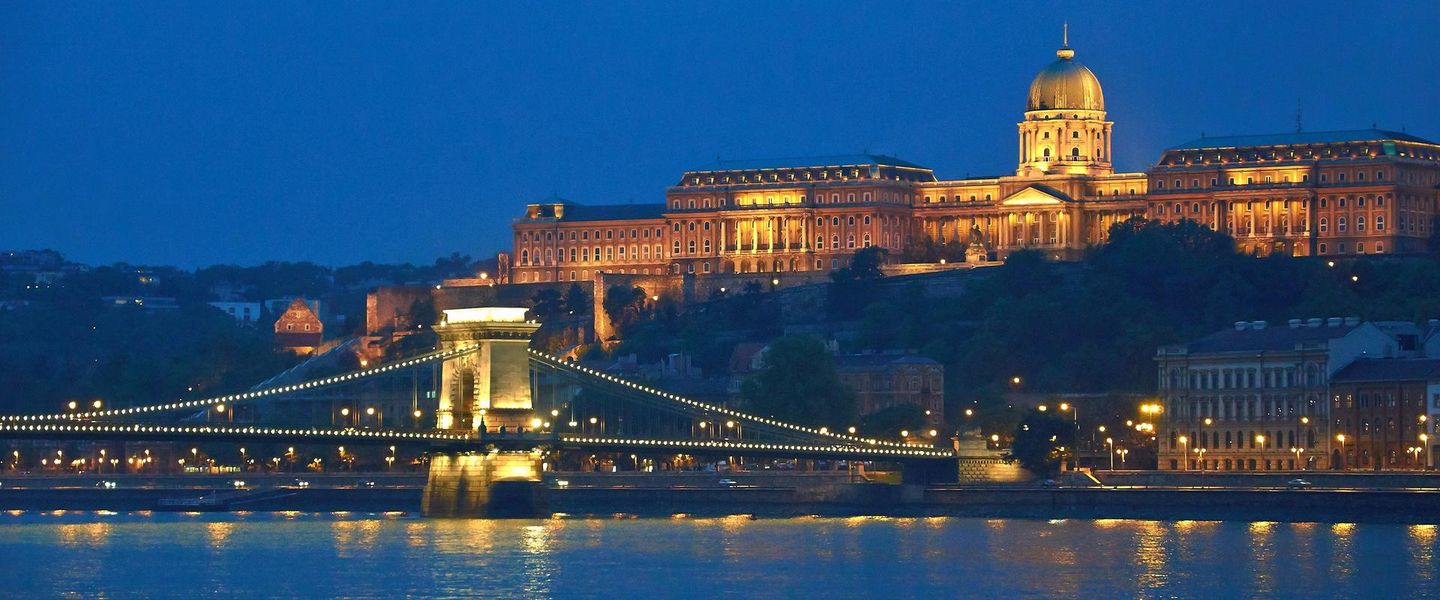
Central Hungary is a captivating region that offers a blend of history, culture, and modernity. At its core is Budapest, a city of stunning architecture, thermal baths, and vibrant nightlife. The majestic Danube River winds through the area, providing breathtaking views and opportunities for river cruises. Beyond Budapest, Central Hungary is dotted with charming towns and picturesque villages. Szentendre, a riverside town, is known for its art galleries and museums. Gödöllő is home to the grand Royal Palace, a former residence of Queen Elisabeth of Hungary. Nature enthusiasts will enjoy the serene landscapes of the Pilis Mountains and the Danube-Ipoly National Park. The region also offers a rich culinary scene, with traditional Hungarian dishes and world-class wines to savor. Central Hungary is a destination that caters to all types of travelers, whether you're seeking history, culture, nature, or gastronomy. It is a place where old-world charm meets contemporary vibrancy, making every visit a memorable experience.

Know before you go
Hi, I'm Eve. Here are a few practical things to know before exploring Central Hungary.
- Visit Budapest’s thermal baths early in the morning to avoid crowds.
- Take a river cruise on the Danube River for the best views of Budapest.
- Explore Szentendre on foot to fully appreciate its artistic atmosphere.
- Try traditional Hungarian dishes like goulash and chimney cake.
- Plan a day trip to Gödöllő to see the Royal Palace.
- Bring comfortable walking shoes for exploring the Pilis Mountains.
- Visit local markets for fresh produce and handmade crafts.
Top City Travel Guides in Central Hungary
The cities of Central Hungary, and the easiest places to base yourself.




Destinations in Central Hungary
Resorts, valleys and scenic spots worth a trip of their own.

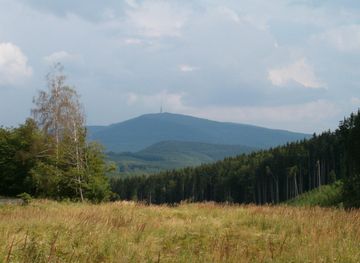

Explore Central Hungary: Things to Do, Places to Eat, Hotels & More
Handpicked recommendations for top attractions, local dining, accommodations, and more

Top Attractions & Sightseeing in Central Hungary
Top-rated picks
Best Attractions

Fisherman's Bastion
Discover the enchanting Fisherman's Bastion, where breathtaking views of Budapest and rich history come together in a fairy-tale setting.

Heroes' Square
Explore Heroes' Square, a stunning homage to Hungarian history, featuring monumental statues and a rich cultural backdrop in Budapest.

City Park
Discover the charm of City Park in Budapest, a lush urban oasis filled with history, culture, and recreational activities for all ages.

St. Stephen's Basilica
Explore the breathtaking St. Stephen's Basilica in Budapest, a stunning blend of architectural beauty, rich history, and spiritual significance.

Best landmarks in Central Hungary
Top-rated picks
Best Landmarks
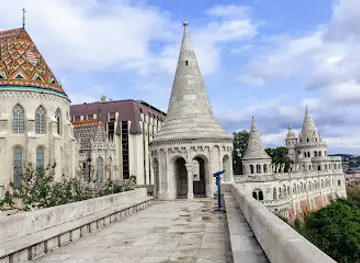
Castle District
Explore the historic Castle District of Budapest, a UNESCO World Heritage site filled with breathtaking views, rich culture, and stunning architecture.

Fisherman's Bastion
Explore Fisherman's Bastion in Budapest, a historical fortress offering breathtaking views and rich cultural significance in Hungary's capital.

Heroes' Square
Discover the awe-inspiring Heroes' Square in Budapest, where history comes alive through its magnificent monuments and vibrant cultural atmosphere.

City Park
Explore City Park in Budapest, a lush green haven with historical landmarks, cultural events, and serene landscapes perfect for relaxation and exploration.

Best restaurants in Central Hungary
Top-rated picks
Best Restaurants
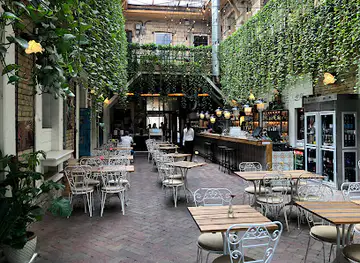
Mazel Tov
Experience authentic Mediterranean cuisine at Mazel Tov in Budapest - where vibrant flavors meet charming ambiance.
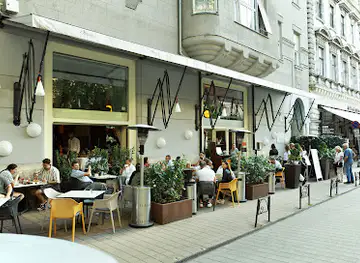
Menza Étterem és Kávéház
Experience authentic Hungarian cuisine at Menza Étterem és Kávéház in Budapest – where tradition meets modern dining.

Sir Lancelot Medieval Restaurant
Experience medieval dining with Eastern European flavors at Sir Lancelot Medieval Restaurant in Budapest - where history meets gastronomy.
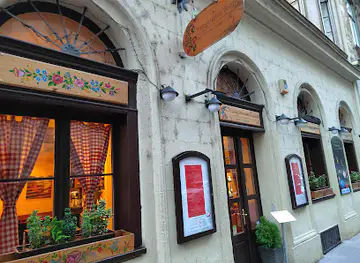
Hungarikum Bisztró
Discover authentic Hungarian cuisine at Hungarikum Bisztró in Budapest – where tradition meets flavor in every dish.

Best bars in Central Hungary
Top-rated picks
Best Bars

Szimpla Kert
Experience the eclectic charm of Szimpla Kert, Budapest's iconic ruin pub, blending art, culture, and nightlife in a unique setting.

Instant-Fogas Complex
Experience Budapest's vibrant nightlife at Instant-Fogas Complex, a unique blend of nightclub, bar, and grill, perfect for unforgettable nights out.

Élesztő
Discover Élesztő, Budapest's premier gastropub, where craft beers and a vibrant atmosphere create an unforgettable dining experience.
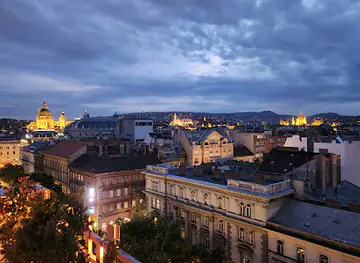
360 Bar
Discover a stunning panoramic view of Budapest while enjoying expertly crafted cocktails at the vibrant 360 Bar.

Best nightclubs in Central Hungary
Top-rated picks
Best Nightclubs

Instant-Fogas Complex
Discover the vibrant nightlife at Instant-Fogas Complex, Budapest's premier nightclub offering a unique blend of music, cocktails, and unforgettable memories.

Club Heaven Budapest
Dive into the heart of Budapest's nightlife at Club Heaven - a premier destination for unforgettable parties and electrifying music.

Ötkert
Experience the vibrant nightlife of Budapest at Ötkert, a stylish night club offering innovative cocktails and a lively atmosphere.

Morrison's 2
Discover the electrifying nightlife at Morrison's 2, Budapest's top disco club featuring dynamic music, vibrant atmosphere, and an unforgettable experience.

Best shops in Central Hungary
Top-rated picks
Best Shops

Central Market Hall
Explore Budapest's Central Market Hall, a vibrant hub of local flavors, traditional Hungarian delicacies, and unique artisan crafts in a stunning architectural setting.

Westend
Discover Westend, Budapest's premier shopping mall with over 400 stores, diverse dining options, and entertainment for all ages.

Allee Mall
Discover Allee Mall in Budapest, a vibrant shopping paradise with diverse stores, dining, and entertainment for an unforgettable experience.

Corvin Plaza Shopping Mall
Explore Corvin Plaza Shopping Mall in Budapest, where shopping, dining, and entertainment come together for an unforgettable experience.

Explore Central Hungary on the Map
A handpicked selection of must-see spots in Central Hungary, mapped for you.
Central Hungary Essentials
-
Central Hungary is easily accessible from many major European cities. The main gateway is Budapest Ferenc Liszt International Airport (BUD), located about 16 kilometers southeast of Budapest. From the airport, you can take a taxi, airport shuttle, or public transport (bus 100E or 200E) to reach the city center. For those traveling by train, Budapest is a major railway hub with connections to many European cities. International bus services also connect Budapest with neighboring countries.
-
Budapest has an extensive public transportation network, including buses, trams, trolleys, and four metro lines. Tickets can be purchased at metro stations, kiosks, and via mobile apps. For convenient travel, consider buying a travel card or pass. Taxis are available but use reputable companies to avoid overcharging. For a more scenic experience, try the river ferries on the Danube. Renting a bicycle or using bike-sharing services are also popular ways to explore the city. For regional travel, trains and buses connect Budapest with other towns and villages in Central Hungary.
-
The official currency in Hungary is the Hungarian Forint (HUF). Credit and debit cards are widely accepted in hotels, restaurants, and shops, but it is advisable to carry some cash for smaller establishments and markets. ATMs are readily available throughout Budapest and other major towns. Currency exchange offices and banks offer exchange services, but be sure to check for any fees and exchange rates.
-
Central Hungary is generally a safe destination for tourists. However, it is advisable to take standard precautions. Avoid poorly lit areas at night and be cautious of pickpockets in crowded places and on public transport. Districts VII (Erzsébetváros) and VIII (Józsefváros) in Budapest are known for higher petty crime rates, so stay vigilant. Always keep your belongings secure and avoid displaying valuables. Emergency services can be reached by dialing 112.
-
In case of emergency, dial 112 for police, fire, and medical assistance. Budapest has several hospitals with emergency departments, and pharmacies are widespread for minor health issues. It is advisable to have travel insurance that covers medical emergencies. Embassies and consulates in Budapest can provide assistance to their nationals in case of serious incidents.
-
Fashion: Do dress smart casual, especially when dining out or attending events. Avoid overly casual or revealing clothing. Religion: Do respect religious sites by dressing modestly and remaining quiet. Some churches may require you to cover your shoulders and knees. Public Transport: Do validate your ticket before boarding. Don't eat or drink on public transport. Greetings: Do greet people with a handshake. Use 'Jó napot' (Good day) or 'Szia' (Hi) for informal greetings. Eating & Drinking: Do try local dishes like goulash and chimney cake. Don't start eating until your host begins or says 'Jó étvágyat' (Enjoy your meal).
-
To experience Central Hungary like a local, visit the ruin pubs in Budapest's District VII for a unique nightlife experience. Explore local markets like the Great Market Hall for fresh produce and Hungarian specialties. Take a thermal bath at one of Budapest's historic bathhouses, such as Széchenyi or Gellért. Attend a folk dance performance or music concert to immerse yourself in Hungarian culture. Engage with locals, who are often friendly and willing to share insights about their city and traditions.
When is the best time to visit Central Hungary?
Useful Local Phrases for Central Hungary
You don't need to speak the language perfectly. Even learning a few simple words can make conversations warmer—and locals usually appreciate the effort.
— Eve

Here are the phrases I use most often in Central Hungary. Try a few—you'll be surprised how far they go! 😊
❤️
-
- HelloHelló
[heh-loh] - GoodbyeViszlát
[vees-laht] - YesIgen
[ee-gen] - NoNem
[nem] - Please/You're welcomeKérem
[keh-rem] - Thank youKöszönöm
[kuh-suh-nuhm] - Excuse me/SorryElnézést
[el-neh-zayst] - How are you?Hogy vagy?
[hoj vahd?] - Fine. And you?Jól. És te?
[yohl. aysh teh?] - Do you speak English?Beszélsz angolul?
[beh-sehlz ahn-goh-lool?] - I don't understandNem értem
[nem air-tehm]
- HelloHelló
-
- I'd like to see the menu, pleaseSzeretném megnézni az étlapot, kérem
[seh-reht-neem mehg-neyz-nee ahz ayt-lah-poh-t, keh-rem] - I don't eat meatNem eszem húst
[nem eh-sehm hoosht] - Cheers!Egészségedre!
[eh-geysh-sheh-ged-reh] - I would like to pay, pleaseSzeretném kifizetni, kérem
[seh-reht-neem kee-fee-zet-nee, keh-rem]
- I'd like to see the menu, pleaseSzeretném megnézni az étlapot, kérem
-
- Help!Segíts!
[seh-geets!] - Go away!Menj el!
[men-yel!] - Call the Police!Hívja a rendőrséget!
[hee-vyah ah ren-dor-sheh-get!] - Call a doctor!Hívjon orvost!
[hee-vyon or-vosh-t!] - I'm lostElvesztem
[el-veh-stem] - I'm illBeteg vagyok
[beh-tehg vah-dyok]
- Help!Segíts!
-
- I'd like to buy...Szeretnék venni...
[seh-reht-neek vehn-nee...] - I'm just lookingCsak nézelődöm
[chahk nay-zeh-loh-dohm] - How much is it?Mennyibe kerül?
[men-yee-beh keh-rul?] - That's too expensiveEz túl drága
[ehz tool drah-gah] - Can you lower the price?Le tudnád csökkenteni az árat?
[leh tood-nahd chuhk-kent-eh-nee ahz ah-raht?]
- I'd like to buy...Szeretnék venni...
-
- What time is it?Hány óra van?
[hahn-ee oh-rah vahn?] - It's one o'clockEgy óra van
[ehd-gee oh-rah vahn] - Half past (10)Fél (10)
[fehl (10)] - MorningReggel
[rehg-gel] - AfternoonDélután
[day-loo-tahn] - EveningEste
[esh-teh] - YesterdayTegnap
[teh-nahp] - TodayMa
[mah] - TomorrowHolnap
[hol-nahp] - 11
[1] - 22
[2] - 33
[3] - 44
[4] - 55
[5] - 66
[6] - 77
[7] - 88
[8] - 99
[9] - 1010
[10]
- What time is it?Hány óra van?
-
- Where's a/the...?Hol van egy...?
[hol vahn ehg...?] - What's the address?Mi a cím?
[mee ah teem?] - Can you show me (on the map)?Meg tudnád mutatni (a térképen)?
[meg tood-nahd moo-taht-nee (ah tair-kay-pen)?] - When's the next (bus)?Mikor indul a következő (busz)?
[mee-kor in-dool ah keh-vet-keh-zoe (booz)?] - A ticket (to ....)Egy jegy (....-ra)
[ehd-gee yeg (....-rah)]
- Where's a/the...?Hol van egy...?
History of Central Hungary
-
Central Hungary, particularly the region surrounding Budapest, has been inhabited since ancient times. Archaeological finds suggest that the area was settled by various tribes and cultures, including the Celts and Romans. The Romans established the city of Aquincum, which later became one of the key military and administrative centers in the region.
-
During the medieval period, Central Hungary was at the heart of the Kingdom of Hungary, ruled by the Árpád dynasty. The region saw the establishment of many iconic structures, including the Buda Castle and several churches and monasteries. This period also marked the beginning of Hungary's Christianization, initiated by King Stephen I.
-
In the 16th century, Central Hungary fell under Ottoman rule after the Battle of Mohács in 1526. The occupation lasted over 150 years, during which the region, including Budapest, experienced significant cultural and architectural changes. Many mosques, baths, and other Ottoman-style buildings were constructed, some of which still stand today.
-
Following the Ottoman occupation, Central Hungary became part of the Habsburg Monarchy. The 18th and 19th centuries were times of significant development and modernization for the region. Buda and Pest, initially separate cities, were united to form Budapest in 1873. This era also saw the construction of many iconic buildings, such as the Hungarian Parliament and the Chain Bridge.
-
Central Hungary played a crucial role in the Hungarian Revolution of 1848 against Habsburg rule. Key battles and political events took place in Budapest and its surroundings, making it a focal point of national resistance. Although the revolution was ultimately suppressed, it left a lasting impact on the national consciousness and the region's historical narrative.
-
During World War II, Central Hungary was heavily affected by the conflict. Budapest was besieged and suffered extensive damage. After the war, Hungary fell under Soviet influence, and the region underwent a period of communist rule. This era saw significant political, social, and economic changes, as well as the construction of many Soviet-style buildings.
-
The fall of communism in 1989 marked a new chapter for Central Hungary. The region, particularly Budapest, experienced rapid economic growth and modernization. Today, Central Hungary is a vibrant area that combines its rich historical heritage with modern amenities, making it a popular destination for tourists from around the world.
Neighbouring Regions of Central Hungary
The closest regions to Central Hungary, if you have time for more than one.




Your all‑in‑one travel companion app
Explore expert travel guides, compare and book tours, experiences, hotels, and more—all from the palm of your hand. Download now for seamless trip planning wherever your wanderlust takes you.


Explore More of Hungary

Looking beyond Central Hungary? Discover Hungary for broader travel guides, local hot-spots, and regional highlights.
Explore HungaryCentral Hungary in Photos
Browse through our photo collection highlighting the charm and character of the destination.


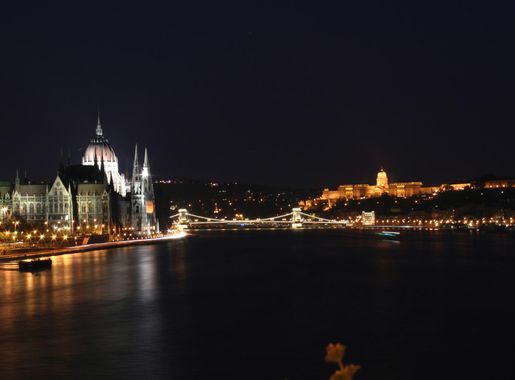


The Heartbeat of Hungary: Central Hungary
Central Hungary is a captivating region that offers a blend of history, culture, and modernity. At its core is Budapest, a city of stunning architecture, thermal baths, and vibrant nightlife. The majestic Danube River winds through the area, providing breathtaking views and opportunities for river cruises. Beyond Budapest, Central Hungary is dotted with charming towns and picturesque villages. Szentendre, a riverside town, is known for its art galleries and museums. Gödöllő is home to the grand Royal Palace, a former residence of Queen Elisabeth of Hungary. Nature enthusiasts will enjoy the serene landscapes of the Pilis Mountains and the Danube-Ipoly National Park. The region also offers a rich culinary scene, with traditional Hungarian dishes and world-class wines to savor. Central Hungary is a destination that caters to all types of travelers, whether you're seeking history, culture, nature, or gastronomy. It is a place where old-world charm meets contemporary vibrancy, making every visit a memorable experience.