

Free Kunság Travel Guide & Mobile App
Explore Kunság with free travel guides. Discover regional history, expert tips, proposed trips, and audio guides on web or mobile app.


Explore Kunság in Hungary for Cumanian heritage, open puszta landscapes, wildlife, thermal towns, market culture and distinctive Great Plain cuisine.
Read more about Kunság
When is the best time to visit Kunság?
Best: June–August · 24–27°C| Month | High (°C) | Rainfall (mm) |
|---|---|---|
| January | 3 | 31 |
| February | 6 | 25 |
| March | 11 | 35 |
| April | 16 | 41 |
| May | 21 | 50 |
| June (best) | 24 | 60 |
| July (best) | 27 | 66 |
| August (best) | 27 | 60 |
| September | 21 | 50 |
| October | 15 | 41 |
| November | 9 | 35 |
| December | 5 | 30 |
Getting to and around Kunság
How to get there
Transportation
Top city travel guides in Kunság
The cities of Kunság, and the easiest places to base yourself.
-

-


Swipe for more cities
Best attractions in Kunság
Kunság's attractions are dispersed across a broad agricultural and pastoral landscape rather than concentrated in one resort. Kiskunság National Park is the region's principal nature destination, protecting sand dunes, alkaline lakes, marshes and open grasslands where visitors can walk, cycle and observe birds and other wildlife. The Bugac area is especially associated with the puszta and with demonstrations of traditional horsemanship, although activities and access arrangements vary seasonally. Around Kecskemét, museums, galleries and carefully preserved Art Nouveau buildings provide a more urban cultural experience. Kiskunfélegyháza and Kiskunhalas offer local history, religious architecture and market-town character, while Kiskunmajsa is known for its thermal bathing facilities. In Nagykunság, Karcag, Kisújszállás, Kunhegyes and Túrkeve introduce the region's Cuman heritage through museums, civic buildings, churches and food traditions. Thermal pools, cycling routes, birdwatching sites and rural cultural programmes complement the larger attractions. The best itineraries combine a town with a protected landscape, allowing visitors to see how farming, settlement and conservation coexist on the Great Plain.
-
Thermal baths
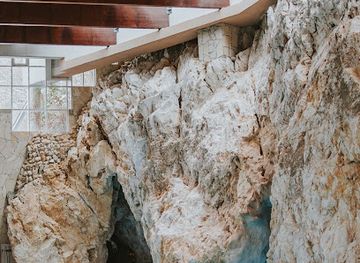
Miskolctapolca Cave Bath
Discover the enchanting Miskolctapolca Cave Bath, a unique thermal spa experience nestled within stunning cave formations, perfect for relaxation and rejuvenation.
-
Tourist attraction
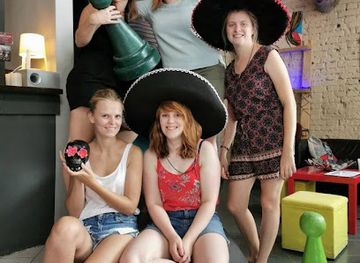
E-Exit Escape Room Budapest
Experience the thrill of adventure at E-Exit Escape Room Budapest, where immersive challenges await in the heart of Hungary's vibrant capital.
-
Tourist attraction
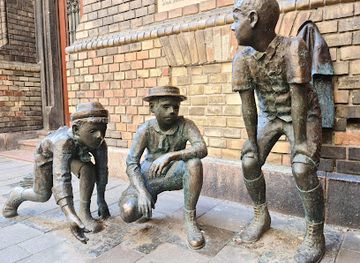
Sculpture of the Boys of the Pál Street
Explore the enchanting Sculpture of the Boys of the Pál Street in Budapest, a tribute to childhood friendship and a must-see cultural landmark.
-
Tourist attraction
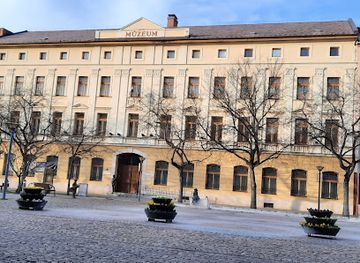
Damjanich János Museum
Explore the Damjanich János Museum in Szolnok, where Hungary's rich culture and history come alive through exquisite artworks and engaging exhibits.
Best landmarks in Kunság
The most recognisable landmarks of Kunság express its Cuman history, Protestant market-town culture and open plain. Kecskemét's urban centre is notable for its Art Nouveau civic architecture, including the ornate Town Hall and Cifrapalota, the latter now associated with the Kecskemét art museum; both help explain the city's cultural importance within Kiskunság. In Karcag, the Nagykun Museum and the town's historic civic and religious buildings provide a strong introduction to Greater Cumania, while the central churches and public architecture of Kisújszállás and Kunhegyes reflect the prosperity of former market communities. The landscape itself supplies equally significant landmarks: Bugac's open puszta, the sand ridges of the Danube–Tisza Interfluve and the saline lakes protected by Kiskunság National Park are defining geographical features rather than backdrop scenery. Kiskunhalas's lace tradition is represented by local cultural institutions, linking a recognisable craft to the town's identity. These places are best read together, since Kunság's character lies in the relationship between civic settlements, pastoral space and the memory of the Cuman districts.
-
 Fortress
Fisherman's Bastion
Explore the majestic Fisherman's Bastion, a stunning fortress in Budapest with breathtaking views and rich historical significance.
-
Bridge
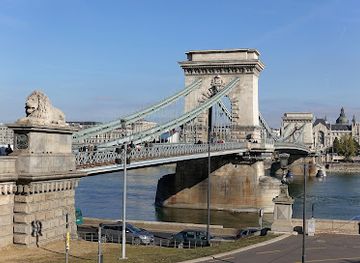
Széchenyi Chain Bridge
Discover the stunning Széchenyi Chain Bridge, an iconic symbol of Budapest, blending history, architecture, and breathtaking views over the Danube.
-
Castle
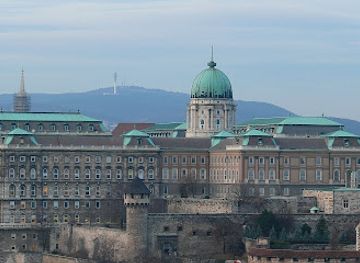
Buda Castle
Discover the rich history and breathtaking views at Buda Castle, a UNESCO World Heritage site in the heart of Budapest, Hungary.
-
Government office
Hungarian Parliament Building
Discover the stunning architecture and rich history of the Hungarian Parliament Building, a symbol of national pride and a must-see attraction in Budapest.
Explore Kunság on the map
Plan your trip on one map. See where the top cities, national parks and sights are, and book hotels and experiences in a few clicks.
Best hotels in Kunság
Best restaurants in Kunság
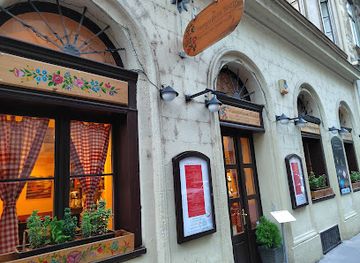
Kunság's food reflects the cooking of Hungary's Great Plain, with paprika, onions, noodles, seasonal vegetables and slow-cooked meat appearing frequently in home-style dishes. Nagykunság is particularly associated with hearty pastoral fare, including mutton-based preparations and soups, while recipes differ between Karcag, the smaller market towns and individual households. In Kiskunság, fruit, vegetables, poultry, baked goods and regional wines supplement traditional dishes. Restaurants in Kecskemét offer the widest choice, from cafés and contemporary Hungarian kitchens to more traditional dining rooms; smaller towns are more likely to centre on family restaurants, bakeries and straightforward local menus. Farmers' markets and town markets are useful for paprika, honey, fruit preserves, sausages and seasonal produce. Rural inns and village eateries can provide a more direct connection with regional cooking, although opening arrangements and menu language may be limited. Visitors should distinguish genuinely local specialities from dishes found throughout Hungary while recognising that Great Plain cuisine is a shared national tradition with strong local variations.
-
Mediterranean
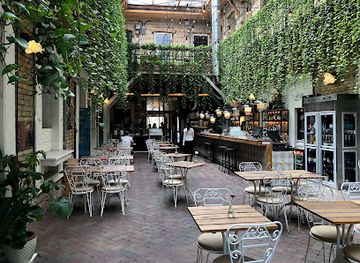
Mazel Tov
Experience authentic Mediterranean flavors at Mazel Tov in Budapest's vibrant District VII—where great food meets delightful ambiance.
-
Hungarian
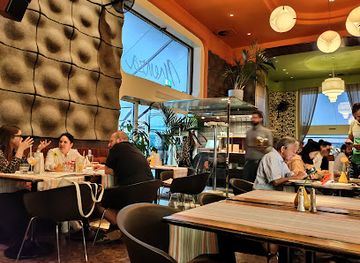
Menza Étterem és Kávéház
Discover Menza Étterem és Kávéház: A culinary gem offering traditional Hungarian dishes in a vibrant setting in Budapest.
-
Restaurant
Sir Lancelot Medieval Restaurant
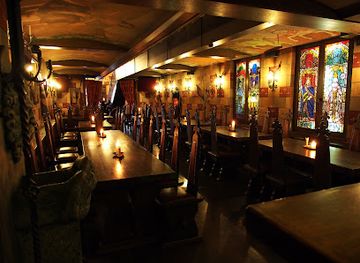
Experience medieval charm and traditional Eastern European cuisine at Sir Lancelot Medieval Restaurant in Budapest.
-
Hungarian
Hungarikum Bisztró
Discover authentic Hungarian flavors at Hungarikum Bisztró, where tradition meets taste in Budapest's culinary scene.
Best bars in Kunság
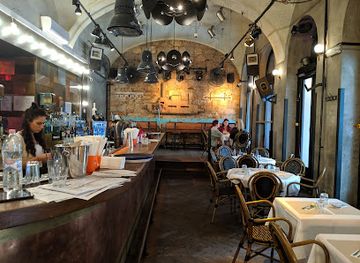
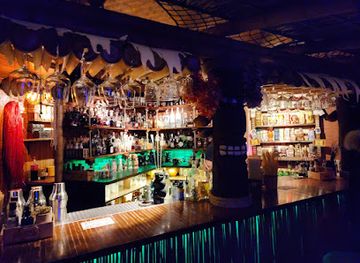
Evening life in Kunság is generally social and town-based rather than centred on a large club scene. Kecskemét has the broadest selection of cafés, wine bars, restaurants, live-music venues and later-opening establishments, while Kiskunfélegyháza and Kiskunhalas provide more modest local nightlife. In Nagykunság, Karcag and the other larger towns tend to revolve around traditional pubs, cafés, restaurants and occasional cultural or community events. Thermal resorts can create a relaxed evening atmosphere, particularly in summer, but they should not be confused with dedicated nightlife districts. Local wines, pálinka and beer may appear on menus, alongside alcohol-free drinks, and tasting them is optional rather than central to the region's culture. Rural evenings are usually quiet outside organised events, so visitors staying in villages should expect early-closing shops and limited late transport. Check local arrangements before relying on a particular venue, especially outside the principal towns.
-
Pub
Szimpla Kert
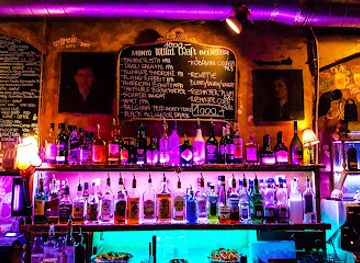
Discover the vibrant atmosphere of Szimpla Kert, Budapest's iconic ruin pub, where eclectic decor meets cultural experiences in the heart of the city.
-
Bar
Instant-Fogas Complex
Discover Budapest's nightlife at Instant-Fogas Complex, a lively hub of bars, pubs, and dance clubs in the heart of the city.
-
Bar
Ötkert
Experience the lively nightlife of Budapest at Ötkert, where innovative cocktails and vibrant music come together for an unforgettable evening.
-
Cocktail bar
Rumpus Tiki Bar
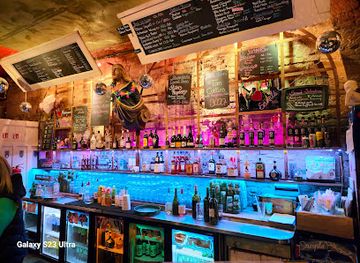
Experience the vibrant atmosphere and creative cocktails at Rumpus Tiki Bar, Budapest's tropical oasis in the city.
Best nightclubs in Kunság
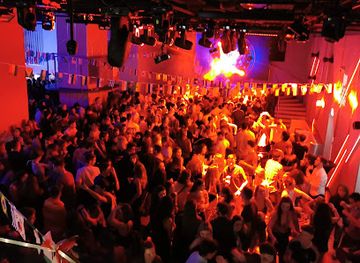
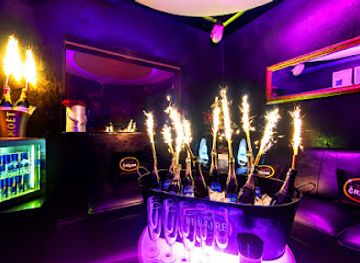
Evening life in Kunság is generally social and town-based rather than centred on a large club scene. Kecskemét has the broadest selection of cafés, wine bars, restaurants, live-music venues and later-opening establishments, while Kiskunfélegyháza and Kiskunhalas provide more modest local nightlife. In Nagykunság, Karcag and the other larger towns tend to revolve around traditional pubs, cafés, restaurants and occasional cultural or community events. Thermal resorts can create a relaxed evening atmosphere, particularly in summer, but they should not be confused with dedicated nightlife districts. Local wines, pálinka and beer may appear on menus, alongside alcohol-free drinks, and tasting them is optional rather than central to the region's culture. Rural evenings are usually quiet outside organised events, so visitors staying in villages should expect early-closing shops and limited late transport. Check local arrangements before relying on a particular venue, especially outside the principal towns.
-
Night club
Instant-Fogas Complex
Experience the vibrant nightlife of Budapest at Instant-Fogas Complex, a hub for bars, disco clubs, and unforgettable evenings.
-
Night club
Club Heaven Budapest
Discover Budapest's vibrant nightlife at Club Heaven, where electrifying music and unforgettable experiences await every night.
-
Night club
Ötkert
Experience the vibrant nightlife of Budapest at Ötkert, where music, cocktails, and unforgettable moments come together in a stylish setting.
-
Night club
Peaches And Cream Club
Discover the pulse of Budapest's nightlife at Peaches And Cream Club, where energy, music, and unforgettable memories await.


Best shops in Kunság
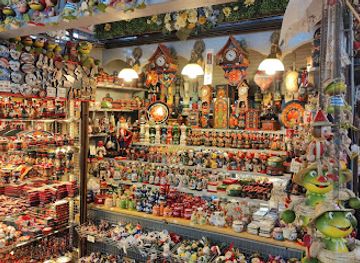
Shopping in Kunság is strongest in market towns rather than in large retail districts. Kecskemét has the widest range of high-street shops, galleries, food retailers and specialist stores, while Kiskunfélegyháza, Kiskunhalas and Karcag offer everyday shopping alongside smaller independent businesses. Town markets are useful for seasonal fruit and vegetables, honey, paprika, preserves, sausages and other products of the Great Plain, though market days differ and should be checked locally. Regional souvenirs may include embroidered or woven goods, pottery, locally produced food and items associated with Kiskunhalas lace. Wine, pálinka and packaged paprika products can be practical gifts when purchased from reputable producers and carried according to travel rules. Craft shops and museum stores are more likely to provide locally meaningful purchases than generic souvenir stalls. Rural villages have limited retail choice, so buy essentials and cash before visiting remote national-park areas or smaller settlements.
-
Traditional market
Central Market Hall
Discover the heart of Budapest at the Central Market Hall, a vibrant hub showcasing local produce, traditional dishes, and unique souvenirs.
-
Shopping mall
Westend
Explore Westend, Budapest's vibrant shopping mall filled with international brands, dining options, and family-friendly entertainment.
-
Shopping mall
Arena Mall
Explore the best of shopping, dining, and entertainment at Arena Mall, Budapest's premier shopping destination.
-
Shopping mall
ÁRKÁD Budapest
Experience the best of shopping, dining, and entertainment at ÁRKÁD Budapest, your ultimate destination for a vibrant experience in the heart of the city.
Get your free copy of our complete guide to Kunság, delivered straight to you.
Everything on this page, from attractions and restaurants to essentials and local phrases, in one PDF you can read offline, print or share.
Already have an account? Sign in
Your Kunság guide is ready.
We'll send it to · Not you? Sign out

Getting your guide ready…
We are putting together a fresh copy of the Kunság guide. This can take up to a minute.
This can take a few moments. If your browser asks, choose Allow so the download can start. You'll find the guide in your Downloads folder.
Nothing happened? Download it again
Sorry, the guide is taking longer than usual. Please try again in a minute, or get it by email instead.
Kunság essentials
Currency and Payment
Safety
Emergency Situations
Do's and Don'ts
Local Tips
From Eve
Local phrases worth knowing
You don't need to get them perfect. A few words go a long way, and locals appreciate the effort.
Basics
| English | Local | Say it |
|---|---|---|
| Hello | Szia | [See-ya] |
| Goodbye | Viszlát | [Veest-laht] |
| Yes | Igen | [Ee-gen] |
| No | Nem | [Nem] |
| Please/You're welcome | Kérem/Üdvözlöm | [Kay-rem/Ud-vuh-zlum] |
| Thank you | Köszönöm | [Kuh-suh-nuhm] |
| Excuse me/Sorry | Elnézést | [El-nay-zesht] |
| How are you? | Hogy vagy? | [Hodge vahd?] |
| Fine. And you? | Jól. És te? | [Yole. Aysh tay?] |
| Do you speak English? | Beszélsz angolul? | [Beh-sailz ahn-goh-lool?] |
| I don't understand | Nem értem | [Nem air-tem] |
Eating & Drinking
| English | Local | Say it |
|---|---|---|
| I'd like to see the menu, please | Szeretném megnézni az étlapot, kérem | [Seh-reht-naym meg-nayz-nee ahz ayt-lah-poh-t, kay-rem] |
| I don't eat meat | Nem eszem húst | [Nem eh-sem hoosh-t] |
| Cheers! | Egészségedre! | [Eh-gay-shay-ged-reh!] |
| I would like to pay, please | Szeretnék fizetni, kérem | [Seh-reht-nayk fee-zet-nee, kay-rem] |
Emergencies
| English | Local | Say it |
|---|---|---|
| Help! | Segítség! | [Sheh-geet-shehg!] |
| Go away! | Menj el! | [Menj el!] |
| Call the Police! | Hívd a rendőrséget! | [Heevd ah ren-door-sheh-get!] |
| Call a doctor! | Hívd az orvost! | [Heevd ahz or-vosh-t!] |
| I'm lost | Elvesztem | [El-ves-tem] |
| I'm ill | Beteg vagyok | [Beh-tehg vah-dyok] |
Shopping
| English | Local | Say it |
|---|---|---|
| I'd like to buy... | Szeretnék venni... | [Seh-reht-nayk ven-nee...] |
| I'm just looking | Csak nézelődöm | [Chak nay-zay-loh-dohm] |
| How much is it? | Mennyibe kerül? | [Men-yee-beh keh-rool?] |
| That's too expensive | Ez túl drága | [Ez tool drah-gah] |
| Can you lower the price? | Le tudnád csökkenteni az árat? | [Leh tood-nahd chuh-kken-teh-nee ahz ah-raht?] |
Time & Numbers
| English | Local | Say it |
|---|---|---|
| What time is it? | Hány óra van? | [Hahn-ee oh-ra vahn?] |
| It's one o'clock | Egy óra van | [Edj oh-ra vahn] |
| Half past (10) | Fél (10) | [Feel (10)] |
| Morning | Reggel | [Reg-gel] |
| Afternoon | Délután | [Dey-loo-tahn] |
| Evening | Este | [Es-teh] |
| Yesterday | Tegnap | [Teh-nahp] |
| Today | Ma | [Mah] |
| Tomorrow | Holnap | [Hol-nahp] |
| 1 | 1 | [Egy] |
| 2 | 2 | [Kettő] |
| 3 | 3 | [Három] |
| 4 | 4 | [Négy] |
| 5 | 5 | [Öt] |
| 6 | 6 | [Hat] |
| 7 | 7 | [Hét] |
| 8 | 8 | [Nyolc] |
| 9 | 9 | [Kilenc] |
| 10 | 10 | [Tíz] |
Transport & Directions
| English | Local | Say it |
|---|---|---|
| Where's a/the...? | Hol van a...? | [Hol vahn ah...?] |
| What's the address? | Mi a cím? | [Mee ah teem?] |
| Can you show me (on the map)? | Meg tudnád mutatni (a térképen)? | [Meg tood-nahd moo-taht-nee (ah tayr-keh-pen)?] |
| When's the next (bus)? | Mikor jön a következő (busz)? | [Mee-kor yuhn ah keh-vet-keh-zoe (boos)?] |
| A ticket (to ....) | Egy jegy (....-ra) | [Edj yehd (....-rah)] |
History of Kunság
Early peoples of the Great Plain
The plains of present-day Kunság have been occupied since prehistoric times, with archaeological evidence of farming, stock keeping and long-distance exchange. Bronze Age and Iron Age communities used the open terrain and waterways that characterise the region today. Later, Sarmatian and other groups lived across the central Great Plain, followed by the Avars and early medieval Magyar communities. Much of the archaeological record is dispersed rather than concentrated in monumental sites, but the broad settlement pattern helps explain why Kunság developed as a region of mobile pastoralism, agriculture and market towns.
The Cumans and medieval settlement
The Cumans, a Turkic-speaking steppe people known in Hungarian as kunok, entered the Kingdom of Hungary in the thirteenth century under King Béla IV. After the Mongol invasion, Cuman groups were resettled across parts of the Great Plain, including the territories later called Kiskunság and Nagykunság. Their semi-pastoral way of life, distinctive legal privileges and separate communities left a lasting mark on local identity. Over time the Cumans adopted Christianity and the Hungarian language, but Cumanian place names and the regional concept of the kunság remain prominent.
Ottoman wars and depopulation
From the sixteenth century, the central Great Plain became a contested frontier during the Ottoman wars. Fortified places, settlements and agricultural systems suffered from warfare, taxation and population displacement, and many villages were abandoned or greatly reduced. The open landscape that visitors associate with the puszta was shaped partly by this disruption: former cultivated areas reverted to grazing or scrub, while surviving communities became important centres of recovery. Kunság's later market towns grew from this difficult period and from the gradual stabilisation of the region under Habsburg rule.
The Cuman districts and the redemption
After the Ottoman period, Kiskunság and Nagykunság retained special status within the Hungarian Kingdom as privileged Cuman districts. In 1745, communities in the two districts made the so-called redemption payment to Maria Theresa, buying back privileges and a degree of self-government that had been lost after the military frontier was reorganised. The event became a central element of regional historical memory. It encouraged a strong sense of communal identity and helped distinguish the Cuman districts from neighbouring estates and counties until their separate administrative position was eventually dissolved.
Agriculture, market towns and transport
During the eighteenth and nineteenth centuries, Kunság's towns expanded through grain cultivation, livestock keeping, viticulture, crafts and regional trade. Market centres such as Kecskemét, Kiskunfélegyháza, Kiskunhalas and Karcag connected village producers with larger commercial networks. Railways later strengthened these links and made the transport of grain, fruit and livestock more efficient. The spread of orchards and vineyards in parts of Kiskunság, together with large-scale farming in Nagykunság, created economic contrasts that remain visible in the region's settlement patterns and food culture.
Modern conservation and regional identity
Twentieth-century drainage, intensive agriculture and urban growth altered many of the Great Plain's wetlands and grasslands, but conservation efforts gradually protected representative habitats. Kiskunság National Park, established in 1975, brought together saline lakes, sand dunes, meadows and other landscapes across the region. Modern Kunság is therefore both an agricultural area and an important refuge for steppe and wetland wildlife. Museums, local festivals, pastoral demonstrations and Cuman heritage projects continue to interpret the relationship between historical settlement, the natural plain and contemporary regional identity.
Kunság in Photos
Browse through our photo collection highlighting the charm and character of the destination.
Neighbouring regions of Kunság
The closest regions to Kunság, if you have time for more than one.
-

-

-

-

-


Swipe for more regions
Explore more

Explore more of Hungary
Discover Hungary: A land of historic cities, scenic landscapes, thermal baths, and rich culinary traditions in the heart of Europe.
Explore Hungary