

Free Bükk Travel Guide & Mobile App
Explore Bükk with free travel guides. Discover regional history, expert tips, proposed trips, and audio guides on web or mobile app.


Explore Bükk in Hungary for beech forests, limestone caves, mountain trails, historic villages and the valleys of Lillafüred and Szilvásvárad.
Read more about Bükk
When is the best time to visit Bükk?
Best: June–August · 24–26°C| Month | High (°C) | Rainfall (mm) |
|---|---|---|
| January | 3 | 25 |
| February | 5 | 25 |
| March | 10 | 30 |
| April | 15 | 40 |
| May | 20 | 55 |
| June (best) | 24 | 60 |
| July (best) | 26 | 55 |
| August (best) | 26 | 50 |
| September | 21 | 45 |
| October | 15 | 40 |
| November | 7 | 30 |
| December | 3 | 25 |
Getting to and around Bükk
How to get there
Transportation
Top city travel guides in Bükk
The cities of Bükk, and the easiest places to base yourself.
-

-


Swipe for more cities
Destinations in Bükk
Resorts, valleys and scenic spots worth a trip of their own.

Swipe for more destinations
Best attractions in Bükk
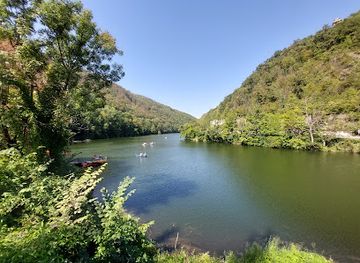
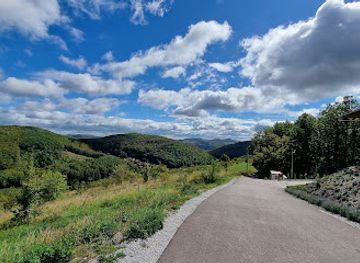
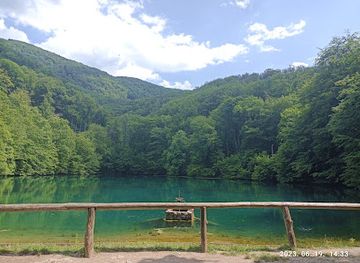
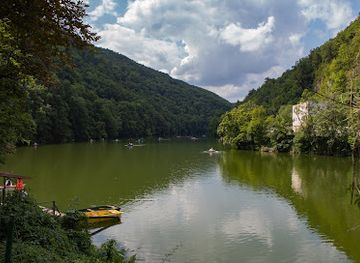
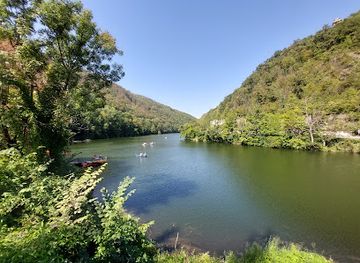
Bükk’s attractions are primarily landscape-based, with the Bükki National Park providing the setting for forest walks, karst scenery, caves, springs and wildlife observation. Lillafüred combines a mountain valley, Lake Hámori, the Szinva Waterfall, the Palace Hotel and access to the narrow-gauge railway towards Garadna. On the western side, the Szalajka Valley near Szilvásvárad follows a stream through woodland to the Fátyol Waterfall and other natural features, with walking routes and a forest railway used for access when services operate. Bélapátfalva contributes important medieval heritage through its Cistercian abbey, while Felsőtárkány and Répáshuta offer gateways into quieter southern and central landscapes. Longer routes lead across the Bükk plateau around Bánkút and the high beech forests, although weather and terrain can make these walks demanding. The region also supports cycling, horse riding, winter sports when snow conditions allow, and educational visits focused on geology, forestry and prehistoric cave archaeology.
-
National park
Bükki National Park
Explore the enchanting landscapes and rich biodiversity of Bükk National Park, a must-visit natural wonder in Hungary.
-
Observatory
Bükk Astronomical Observatory
Explore the cosmos at Bükki Astronomical Observatory, where stargazing and education unite in the heart of Hungary's serene countryside.
-
Tourist attraction
Istállós-kői Cave
Discover the enchanting Istállós-kői Cave in Szilvásvárad, Hungary, a natural wonder filled with stunning formations and rich geological history.
-
Tourist attraction
Pálos kolostor
Discover the serene beauty and historical significance of Pálos Monastery in Lillafüred, Hungary, surrounded by stunning nature and tranquility.
Best landmarks in Bükk
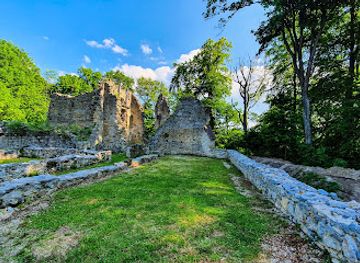
The Cistercian Abbey of Bélapátfalva is Bükk’s most important medieval architectural landmark, with its surviving church standing below the forested mountains and illustrating the reach of monastic culture into northern Hungary. Lillafüred’s Palace Hotel is a distinctive early twentieth-century resort building whose formal appearance contrasts with the steep valley and Lake Hámori beside it. The Fátyol Waterfall in the Szalajka Valley is among the region’s best-known natural landmarks, created where the stream flows over a succession of limestone terraces. The Szinva Waterfall at Lillafüred has a more urbanised setting but remains a notable feature of the valley. Above them, the Bükk plateau is defined by broad beech forests, limestone pavements, sinkholes and high viewpoints around Bánkút and the central hills. The Szeleta Cave and other prehistoric cave sites carry particular archaeological significance, though protection measures mean that their importance is often experienced through interpretation rather than unrestricted entry. Together, these places express Bükk’s combination of geology, woodland, resort architecture, monastic history and prehistoric heritage.
-
Castle
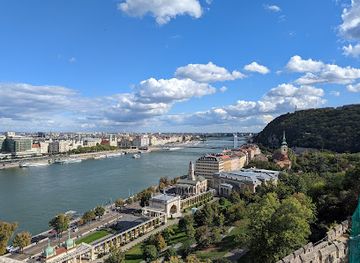
Buda Castle
Discover Buda Castle: A historic castle complex offering stunning views, rich culture, and unforgettable experiences in the heart of Budapest.
-
Castle
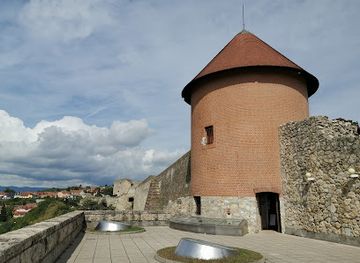
Castle of Eger
Discover the enchanting Castle of Eger, a historical landmark that showcases Hungary's rich heritage, stunning views, and captivating exhibitions.
-
Tourist attraction
Szinva waterfall
Discover the breathtaking Szinva Waterfall in Lillafüred, Hungary – a serene escape surrounded by lush forests and stunning landscapes.
-
National park
Bükki National Park
Experience the breathtaking beauty and adventure of Bükk National Park, a Hungarian gem with rich biodiversity and stunning landscapes that captivate every traveler.
Explore Bükk on the map
Plan your trip on one map. See where the top cities, national parks and sights are, and book hotels and experiences in a few clicks.
Best hotels in Bükk
Best restaurants in Bükk
Eating in Bükk reflects both the forests and the agricultural areas around them. Menus at village inns, mountain restaurants and family-run establishments commonly draw on Hungarian dishes such as soups, stews, dumplings and grilled meats, with locally familiar ingredients including game, mushrooms and seasonal produce. Trout is particularly associated with the Szalajka Valley and Szilvásvárad area, where it is often served simply rather than treated as elaborate restaurant cuisine. Lillafüred and the larger settlements offer a broader choice of cafés and restaurants, while rural guesthouses may provide advance-booked home-style meals. Visitors can also encounter regional cheeses, preserves, honey, baked goods and fruit brandies, although these are part of the wider culinary culture of northern Hungary rather than a single uniform Bükk cuisine. In the surrounding foothills, local wine traditions provide another regional accompaniment, but it is worth distinguishing them from the mountain’s own forest and trout-based food identity.
-
Hungarian
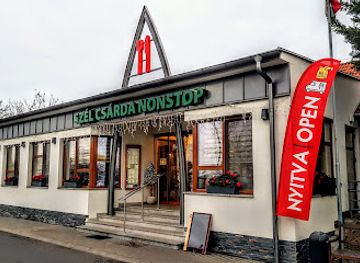
Szél Csárda
Experience authentic Hungarian cuisine at Szél Csárda, where tradition meets flavor in a charming setting perfect for travelers.
-
Restaurant
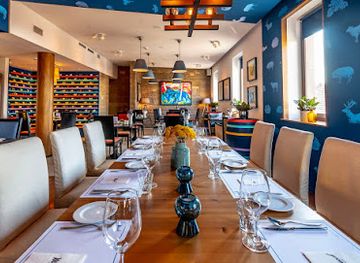
Macok Bistro
Discover exquisite Hungarian cuisine at Macok Bistro in Eger – where tradition meets innovation in every dish.
-
Restaurant
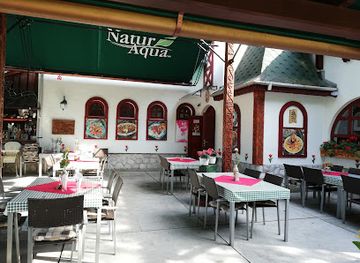
Molnár Csárda Étterem
Experience authentic Hungarian flavors at Molnár Csárda Étterem in Miskolc's beautiful Lillafüred region.
-
Indoor lodging
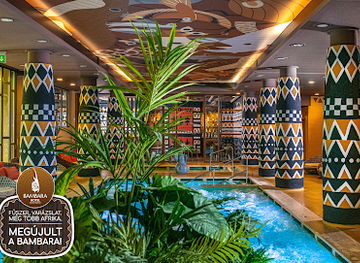
Bambara Hotel Premium
Discover luxury and cultural richness at Bambara Hotel Premium in Felsőtárkány - where African elegance meets Hungarian hospitality.
Best bars in Bükk
Bükk is not a major late-night destination, and evening life generally centres on traditional pubs, hotel bars, village restaurants and cafés rather than dedicated nightclub districts. Lillafüred offers the most resort-oriented atmosphere, with places to eat and drink after a day outdoors, while Szilvásvárad has seasonal visitor activity and a selection of informal establishments. In smaller settlements such as Répáshuta and Bélapátfalva, evenings are quieter and may depend on the opening arrangements of accommodation providers. Miskolc, outside the mountain interior, is the nearest substantial urban centre for a wider choice of bars, live music and clubs. Local breweries, wines from the surrounding northern Hungarian districts and fruit brandies may feature on drinks lists, but alcohol is not central to the region’s appeal; the strongest evening experiences are often a meal, a walk through a quiet village or a clear view of the night sky.
-
Bar
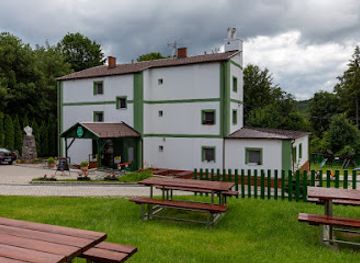
Hotel Tókert Hotel and Restaurant
Experience the elegance of Hotel Tókert, a perfect blend of culinary delights and serene hospitality in the heart of Miskolc's Lillafüred.
-
Restaurant
Fehér Sas Panzió és Étterem
Experience the essence of Hungarian cuisine at Fehér Sas Panzió és Étterem, where tradition and hospitality come together in Bánkút.
-
Bar
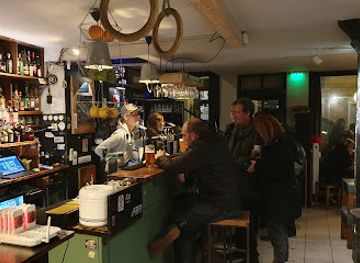
Fekete Kutya
Discover Fekete Kutya, a cozy bar in Budapest's party district, offering a unique blend of traditional hospitality and vibrant nightlife.
-
Restaurant
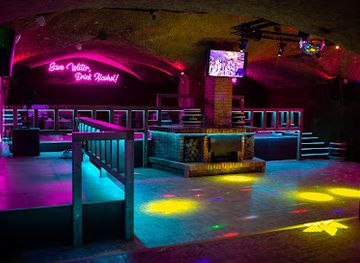
Hintóvölgye Retro Terasz, Club és Étterem
Discover the lively ambiance of Hintóvölgye Retro Terasz, where exquisite dining meets vibrant nightlife in the heart of Bogács.

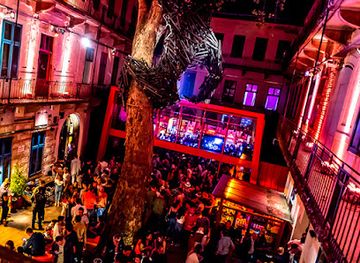
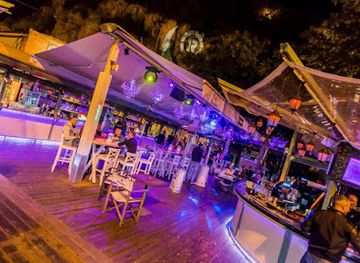
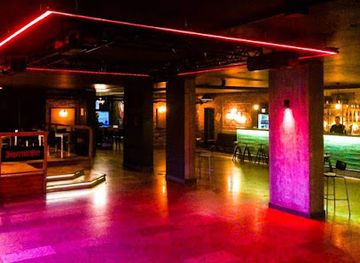
Best nightclubs in Bükk
Bükk is not a major late-night destination, and evening life generally centres on traditional pubs, hotel bars, village restaurants and cafés rather than dedicated nightclub districts. Lillafüred offers the most resort-oriented atmosphere, with places to eat and drink after a day outdoors, while Szilvásvárad has seasonal visitor activity and a selection of informal establishments. In smaller settlements such as Répáshuta and Bélapátfalva, evenings are quieter and may depend on the opening arrangements of accommodation providers. Miskolc, outside the mountain interior, is the nearest substantial urban centre for a wider choice of bars, live music and clubs. Local breweries, wines from the surrounding northern Hungarian districts and fruit brandies may feature on drinks lists, but alcohol is not central to the region’s appeal; the strongest evening experiences are often a meal, a walk through a quiet village or a clear view of the night sky.
-
Night club
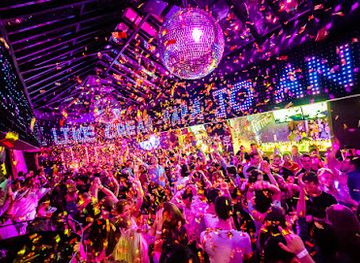
Peaches And Cream Club
Experience the vibrant nightlife of Budapest at Peaches And Cream Club, where the music is alive and the energy is infectious.
-
Night club
Doboz
Discover the energetic nightlife of Budapest at Doboz, a unique night club blending art and music for an unforgettable experience.
-
Night club
Romkert
Experience the vibrant nightlife of Budapest at Romkert, a stunning night club with breathtaking views and an energetic atmosphere.
-
Night club
Rockwell Club
Dive into Miskolc's nightlife at Rockwell Club, where music, dancing, and unforgettable moments await in a vibrant atmosphere.
Best shops in Bükk
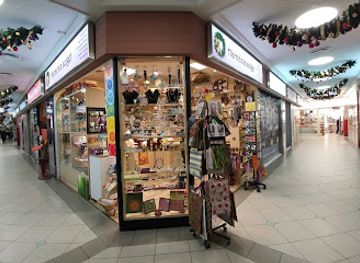
Shopping in Bükk is modest and locally focused rather than centred on large retail districts. Szilvásvárad, Lillafüred and the larger foothill towns offer visitor shops, cafés and small outlets selling honey, jams, dried mushrooms, herbal products, spirits, local handicrafts and practical walking supplies. Market stalls and village shops may carry seasonal fruit, vegetables, cheeses, smoked foods and baked goods, although availability varies by day and season. Bélapátfalva and other smaller settlements are better suited to buying regional provisions than browsing extensive high streets, while Miskolc provides the nearest broad urban retail choice outside the mountain area. Look for woodcraft, ceramics, textiles and nature-related souvenirs that reflect northern Hungarian rural traditions, but check that products are genuinely locally made rather than merely branded with a mountain image. Farmers’ markets and food shops are useful places to find the edible side of Bükk, particularly honey, preserves, fruit products and regional drinks.
-
Shopping mall
ÁRKÁD Budapest
Experience the best of shopping and dining at ÁRKÁD Budapest, where every visitor finds something special in a vibrant atmosphere.
-
Shopping mall
Mammut
Explore the best of shopping and dining at Mammut, a bustling mall in Budapest with something for everyone.
-
Outlet mall
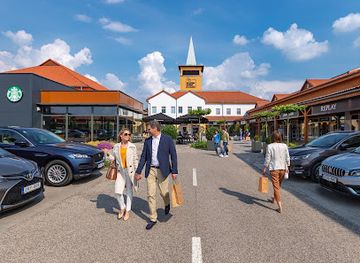
Premier Outlet
Discover unbeatable discounts and a wide variety of designer brands at Premier Outlet, the ultimate shopping destination near Budapest.
-
Hypermarket
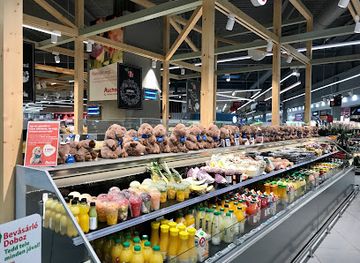
Auchan
Experience the ultimate shopping adventure at Auchan in Budaörs, where variety meets convenience in a vibrant atmosphere.
Get your free copy of our complete guide to Bükk, delivered straight to you.
Everything on this page, from attractions and restaurants to essentials and local phrases, in one PDF you can read offline, print or share.
Already have an account? Sign in
Your Bükk guide is ready.
We'll send it to · Not you? Sign out

Getting your guide ready…
We are putting together a fresh copy of the Bükk guide. This can take up to a minute.
This can take a few moments. If your browser asks, choose Allow so the download can start. You'll find the guide in your Downloads folder.
Nothing happened? Download it again
Sorry, the guide is taking longer than usual. Please try again in a minute, or get it by email instead.
Bükk essentials
Currency and Payment
Safety
Emergency Situations
Do's and Don'ts
Local Tips
From Eve
Local phrases worth knowing
You don't need to get them perfect. A few words go a long way, and locals appreciate the effort.
Basics
| English | Local | Say it |
|---|---|---|
| Hello | Szia | [see-yah] |
| Goodbye | Viszlát | [vees-laht] |
| Yes | Igen | [ee-gen] |
| No | Nem | [nem] |
| Please/You're welcome | Kérem | [kay-rem] |
| Thank you | Köszönöm | [kue-so-nom] |
| Excuse me/Sorry | Elnézést | [el-nay-zesht] |
| How are you? | Hogy vagy? | [hodj vahd] |
| Fine. And you? | Jól. És te? | [yohl. es teh] |
| Do you speak English? | Beszélsz angolul? | [beh-sayls ahn-goh-lul] |
| I don't understand | Nem értem | [nem air-tem] |
Eating & Drinking
| English | Local | Say it |
|---|---|---|
| I'd like to see the menu, please | Szeretném látni az étlapot, kérem | [seh-reht-nem laht-nee ahz ayt-lah-pot, kay-rem] |
| I don't eat meat | Nem eszem húst | [nem eh-sem hoost] |
| Cheers! | Egészségedre! | [eh-geh-sheh-geh-dreh] |
| I would like to pay, please | Szeretnék fizetni, kérem | [seh-reht-neek fee-zet-nee, kay-rem] |
Emergencies
| English | Local | Say it |
|---|---|---|
| Help! | Segíts! | [seh-geets] |
| Go away! | Menj el! | [men-yel] |
| Call the Police! | Hívd a rendőrséget! | [heevd ah ren-dor-sheh-get] |
| Call a doctor! | Hívd az orvost! | [heevd ahz or-vost] |
| I'm lost | Elvesztem | [el-ves-tem] |
| I'm ill | Beteg vagyok | [beh-tehg vah-yok] |
Shopping
| English | Local | Say it |
|---|---|---|
| I'd like to buy... | Szeretnék venni... | [seh-reht-neek ven-nee] |
| I'm just looking | Csak nézelődöm | [chahk nay-zeh-loh-dohm] |
| How much is it? | Mennyibe kerül? | [men-nee-beh keh-rool] |
| That's too expensive | Az túl drága | [ahz tool drah-gah] |
| Can you lower the price? | Le tudnád vinni az árat? | [leh tood-nahd vin-nee ahz ah-raht] |
Time & Numbers
| English | Local | Say it |
|---|---|---|
| What time is it? | Hány óra van? | [hahn-ee oh-rah vahn] |
| It's one o'clock | Egy óra van | [edj oh-rah vahn] |
| Half past (10) | Fél (10) | [fehl (10)] |
| Morning | Reggel | [rehg-gel] |
| Afternoon | Délután | [day-loo-tahn] |
| Evening | Este | [esh-teh] |
| Yesterday | Tegnap | [teg-nahp] |
| Today | Ma | [mah] |
| Tomorrow | Holnap | [hol-nahp] |
| 1 | 1 | [1] |
| 2 | 2 | [2] |
| 3 | 3 | [3] |
| 4 | 4 | [4] |
| 5 | 5 | [5] |
| 6 | 6 | [6] |
| 7 | 7 | [7] |
| 8 | 8 | [8] |
| 9 | 9 | [9] |
| 10 | 10 | [10] |
Transport & Directions
| English | Local | Say it |
|---|---|---|
| Where's a/the...? | Hol van a...? | [hol vahn ah] |
| What's the address? | Mi a cím? | [mee ah teem] |
| Can you show me (on the map)? | Meg tudnád mutatni (a térképen)? | [meg tood-nahd moo-taht-nee (ah tair-kay-pen)] |
| When's the next (bus)? | Mikor jön a következő (busz)? | [mee-kor yuhn ah keh-vet-keh-zoe (booz)] |
| A ticket (to ....) | Egy jegy (....-ra) | [edj yayd (....-rah)] |
History of Bükk
Palaeolithic caves and early human settlement
The limestone structure of the Bükk Mountains created caves that sheltered prehistoric communities and preserved important archaeological evidence. Sites including the Szeleta Cave and the Istállós-kő Cave are associated with Palaeolithic occupation, stone tools, hearths and animal remains. The Szeleta culture, named after the Szeleta Cave near Miskolc, is especially important in the archaeology of Central Europe. Many caves are protected and are not freely accessible, but their existence explains the region’s importance to Hungarian prehistory and the concentration of scientific research in the mountains.
Medieval monastic foundations
The Middle Ages brought organised settlement, religious foundations and estate management to the margins of the Bükk. The surviving Cistercian Abbey of Bélapátfalva, founded in the thirteenth century, is the clearest architectural reminder of this period. Its Romanesque-Gothic church stands below the mountains and reflects the importance of monastic institutions in land management, worship and agricultural production. Medieval routes also connected the forested highlands with market centres and settlements on the surrounding plain, although the rugged plateau remained comparatively lightly populated.
Forestry, charcoal and woodland industries
For centuries, the forests supplied timber, fuel and raw materials to communities around Bükk. Forestry gradually became more organised, and woodland work shaped settlements, tracks and seasonal occupations on the plateau and in its valleys. Charcoal burning, timber extraction and the transport of logs were particularly significant before modern energy and industrial systems displaced many traditional practices. Today, forest management remains visible in the landscape, while museums, working forestry infrastructure and local interpretation preserve aspects of an economy once closely tied to the beech woods.
Ironworking and glassmaking in the surrounding valleys
The broader Bükk region developed industries that used local wood fuel, minerals and waterpower. Ironworking became important in several northern Hungarian valleys, while glassmaking flourished in settlements such as Répáshuta and nearby areas where abundant timber could fuel furnaces. Industrial activity altered the character of the forests and created specialist communities, transport routes and workshops. Although much of this production has disappeared or changed form, the industrial past remains part of the cultural landscape alongside forestry, mining and craft traditions.
Bánkút and the modern mountain landscape
During the nineteenth and twentieth centuries, improved roads, forestry routes and growing interest in mountain recreation made the Bükk plateau more accessible. Bánkút developed as a centre for hiking and winter sports, while Lillafüred was shaped into a resort area with hotels, parkland and transport connections. The region consequently acquired a dual identity: a working forest landscape and a destination for leisure, health retreats and outdoor recreation. This transformation helped establish the facilities and routes used by visitors today.
The Bükki National Park, established in 1977
The creation of Bükki National Park in 1977 recognised the national importance of the mountains’ forests, karst formations, caves, springs and wildlife habitats. The park covers much of the central Bükk and introduced stronger protection for geological and ecological features, while allowing carefully managed recreation, forestry and settlement. Its work has also encouraged environmental education, habitat conservation and scientific study. For visitors, the national park provides the framework for marked trails, protected areas and guidance on responsible access to a sensitive mountain environment.
Bükk in Photos
Browse through our photo collection highlighting the charm and character of the destination.
Neighbouring regions of Bükk
The closest regions to Bükk, if you have time for more than one.
-

-

-

-

-


Swipe for more regions

